
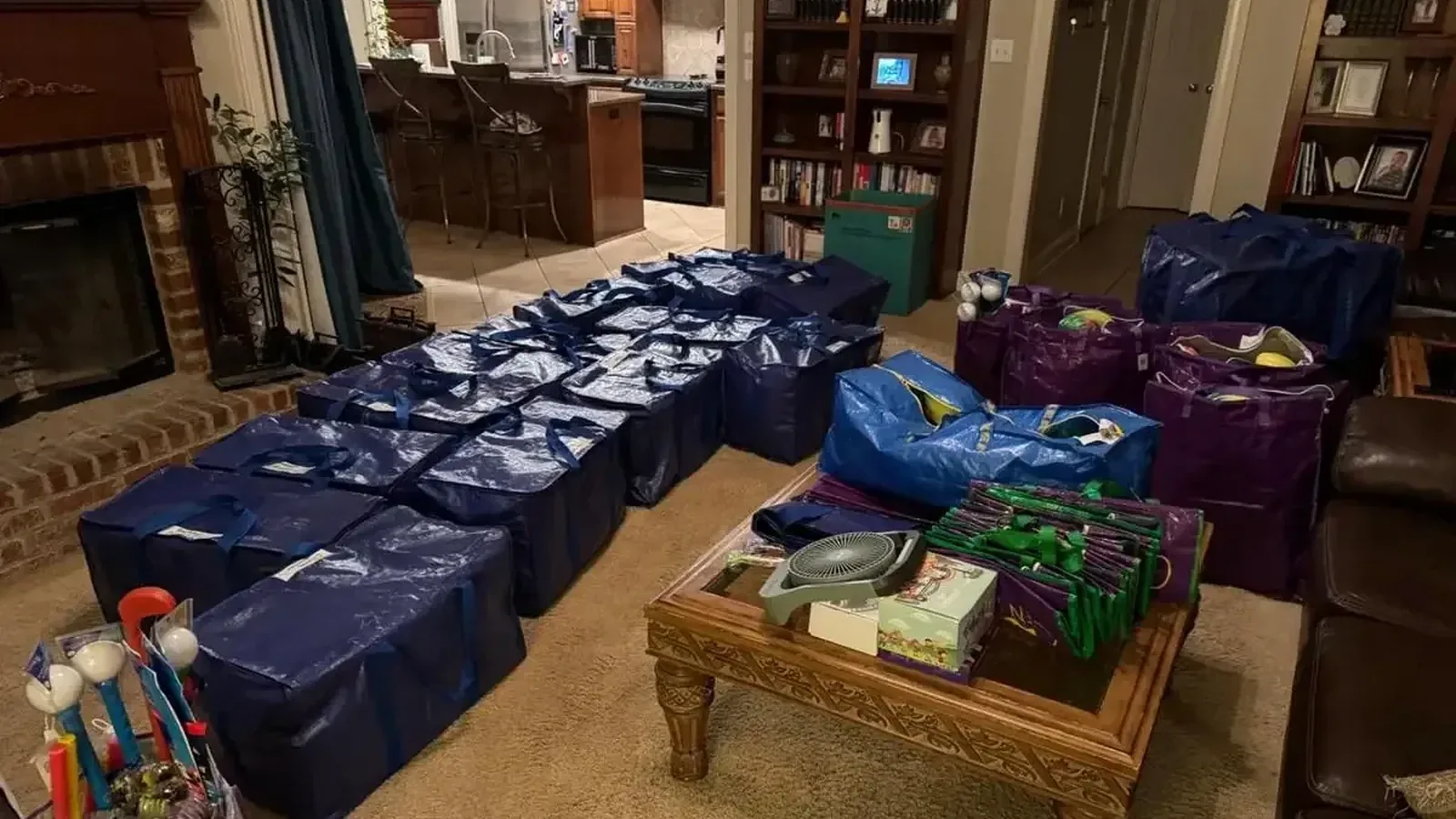
Neither wins everywhere: moving bags offer flexibility and efficiency, while boxes provide structure. Put soft clothes in bags and structured garments like suits or dresses in boxes, then use both wisely and plan early.
On are moving bags better than boxes, choosing between boxes or bags can make packing easier or harder, and the wrong pick turns a move into chaos. So here are the pros and cons of each, and how you can make both your moving and your travel packing smoother.
What you are really deciding
- Do movers prefer boxes or bags, and why does structure matter so much?
- What bags are good for moving, and which features matter?
- What should you pack first when moving?
- How far ahead of moving should you start packing?
Why movers lean on boxes
Tired of packing messes and broken items? Choosing the right container is the first key to a smooth move.
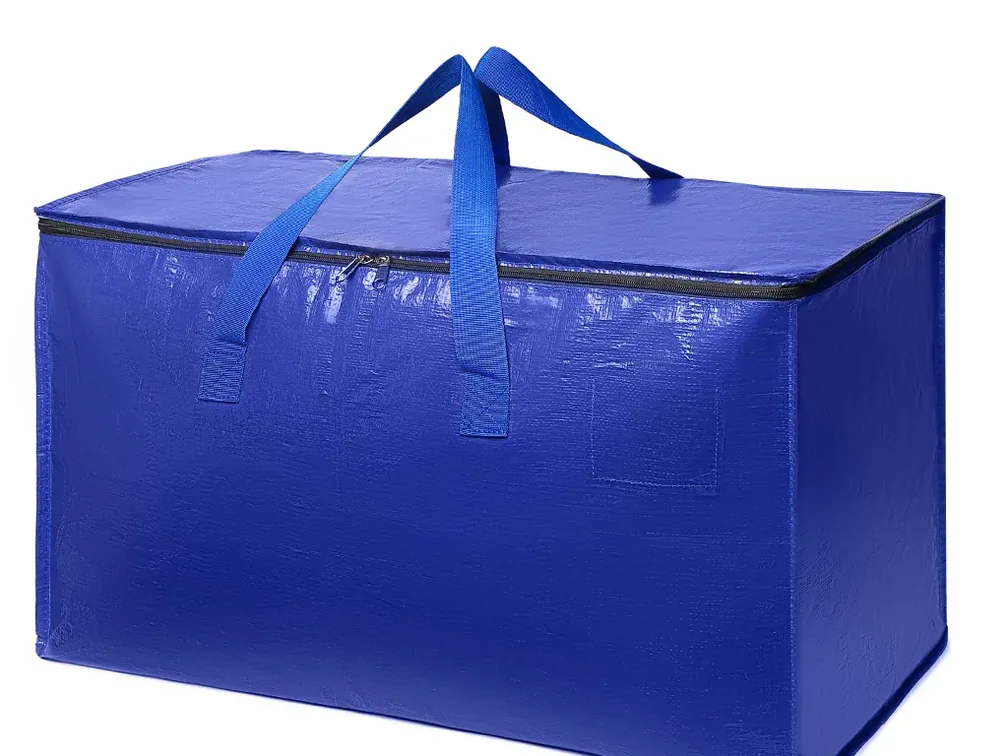
Movers usually prefer boxes because they stack easily, protect items and are easier to label. Their structured shape and uniform size make stacking and transporting more efficient, which is exactly why structure helps movers stack, store and label. Bags, however, offer advantages when space is tight or for odd shaped items, since they can fit odd items and save storage space.
| Criteria | Boxes | Bags |
|---|---|---|
| Stackability | High | Low |
| Protection | Strong structure | Soft, less protective |
| Flexibility | Rigid | Flexible |
| Reusability | Medium, can wear out | High, especially RPET materials |
| Weight capacity | High but bulky | Varies, strong with the right fabric |
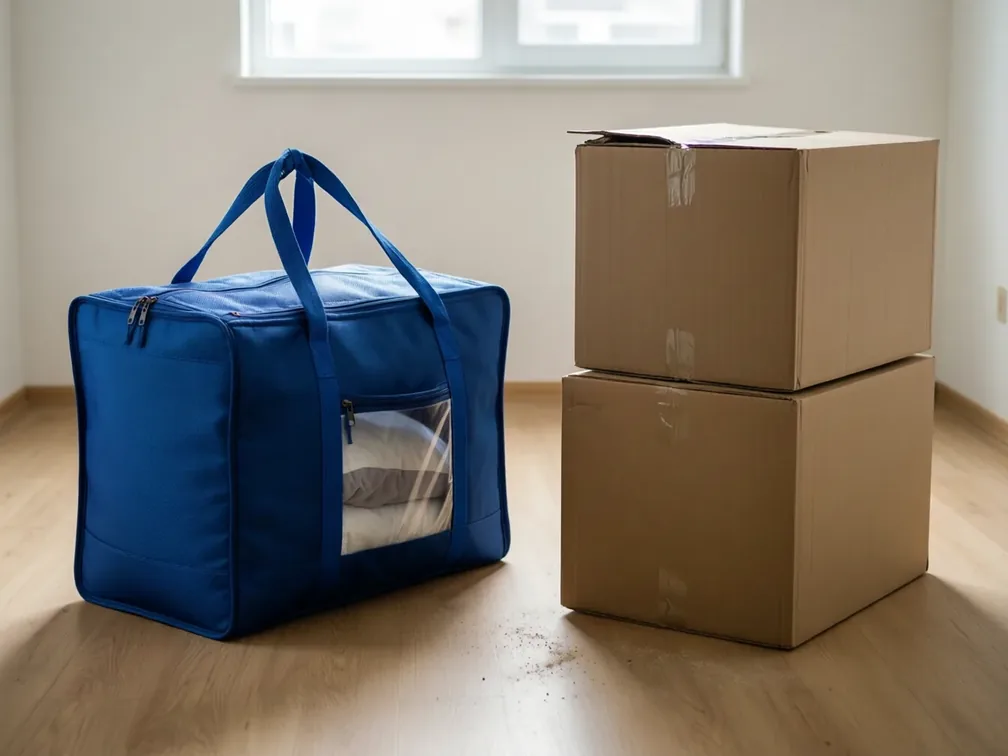
How I split a move between bags and boxes
Boxes provide organization. Bags bring flexibility.
What makes a bag worth packing
Can’t find bags that won’t rip mid move? Material and design are key.
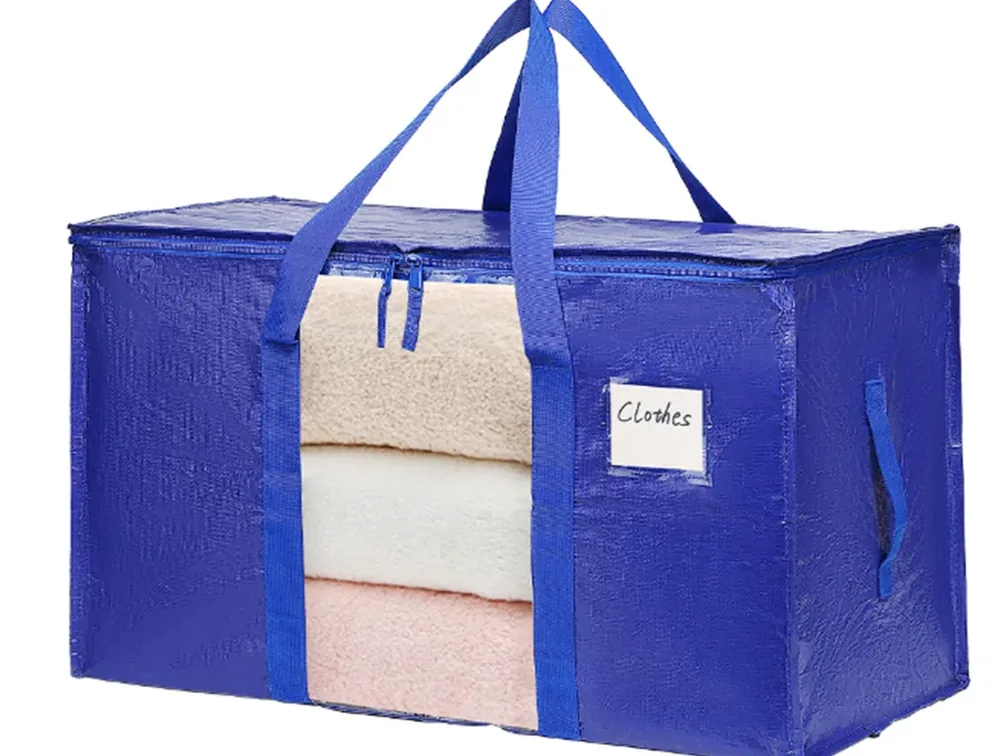
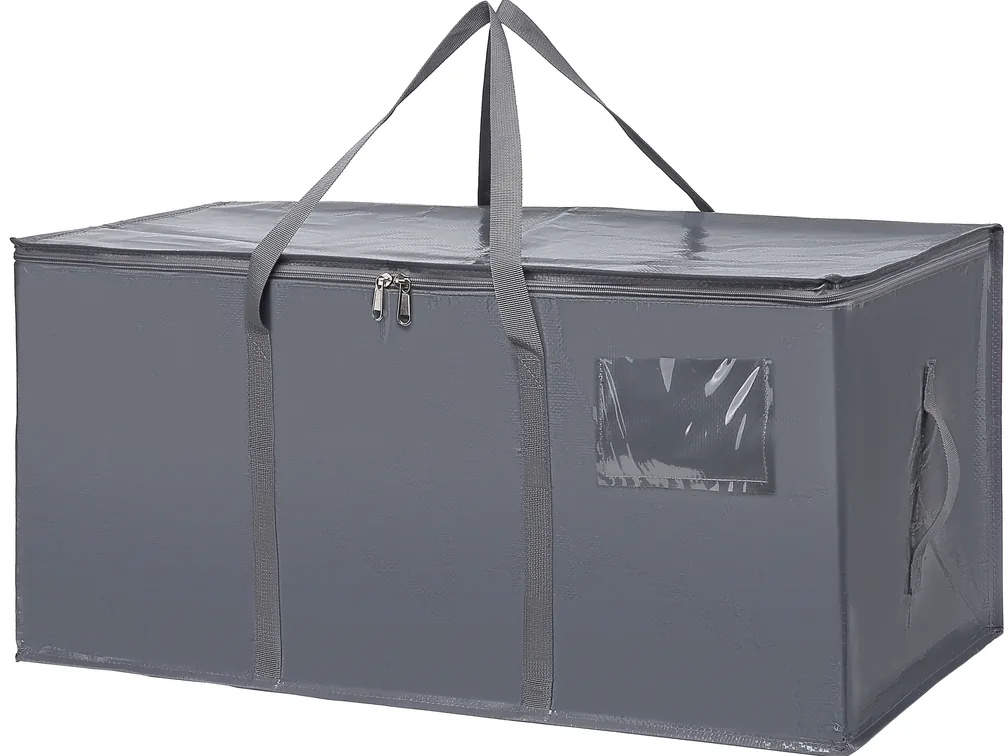
Look for heavy duty, zippered moving bags with reinforced handles and waterproof materials, the features that make a move secure and stress free. One honest note on the word waterproof: our clear PP bag resists splashes, but its seams are stitched, not sealed, so it is not waterproof; check the seams, not just the fabric.
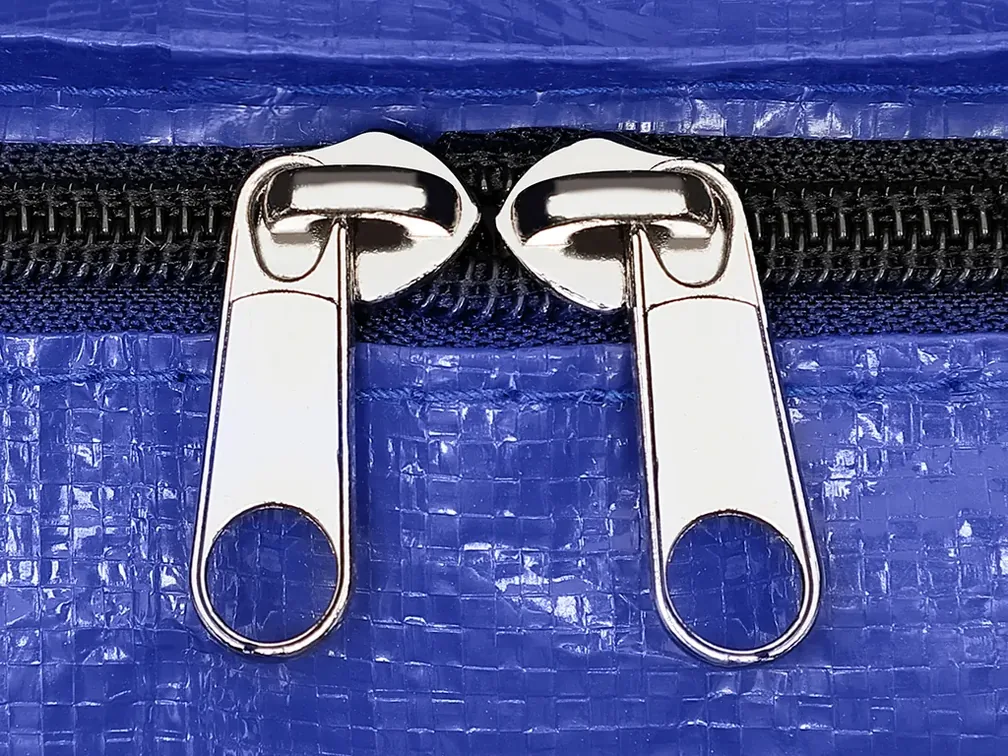
Moving bags come in various shapes and materials. Good packing bags for moving also carry clear labels and large zippers to speed up unpacking; ours close with a top zip with two pulls and have a clear label pocket.
| Feature | Why it matters |
|---|---|
| Reinforced handles | Prevent tearing during heavy lifts |
| Zipper closures | Keep items secure and dust free |
| Collapsibility | Easy storage after the move |
| Waterproof material | Protects belongings from rain or spills, if the seams are sealed |
| Size options | Choose by item size and weight |
In my experience, investing in quality bags saves time and frustration during unpacking.
Packing order: start with what you will not miss
Feel overwhelmed by where to begin? Start simple to build momentum. Seasonal or rarely used items should be packed first to reduce clutter and stress.
When packing, always start with what you won’t need soon. Think off season clothes, spare linens or extra kitchenware; this clears space and helps you mentally prepare for the move.
| Time before the move | Items to pack |
|---|---|
| Four weeks or more | Seasonal items, books, decor |
| Three weeks | Non daily kitchen items, linens |
| Two weeks | Clothes, office supplies |
| Final week | Essentials, everyday items |
A four week packing schedule
Running out of time always causes stress, so avoid it with early planning. Start packing at least four weeks before your move to prevent rushed decisions and forgotten items. Packing in stages keeps things organized and leaves time for unexpected delays: start with low priority areas, and gradually move to daily essentials as moving day approaches.
| Week | Tasks |
|---|---|
| Week 1 | Declutter, gather supplies |
| Week 2 | Pack storage rooms, decorations |
| Week 3 | Pack kitchen, wardrobe |
| Week 4 | Final essentials, clean up |
This phased approach has saved me more than once from frantic night before packing.
Clothes: soft wear and structured wear
Worried about wrinkled clothes and wasted space? Use the right storage.
For casual wear, large moving bags are efficient and allow flexibility, which is where moving bags for clothes earn their place. For delicate or formal wear, boxes with hangers (wardrobe boxes) keep them in shape. Vacuum bags also help compress space, but they may wrinkle some fabrics.
| Clothing type | Container that suits it | Notes |
|---|---|---|
| T shirts, jeans | Soft moving bags | Roll to save space |
| Coats, jackets | Wardrobe boxes | Avoid wrinkles and preserve shape |
| Shoes | Original boxes or shoe bags | Prevent crushing and odor mixing |
| Delicates | Plastic bins or soft bags | Add padding if needed |
Packing for a trip: shoes and the roll
Dirty soles and crushed toes? Packing shoes takes care and strategy. Wrap shoes individually and place them heel to toe along the suitcase edges to save space and protect their shape. Shoe bags or old t shirts work as wraps; they prevent scratches and keep dirt off clothes. Heavier shoes go at the bottom or near the wheels, and socks or underwear tucked inside save space.
| Step | Tip |
|---|---|
| Wrapping | Use fabric or bags to cover soles |
| Filling | Insert socks inside to hold shape |
| Positioning | Line the suitcase edge, heel to toe |
| Extra protection | Use a hard shell suitcase if possible |
Hate wrinkles and wasted space? Master the roll. Tightly roll soft clothes like tees and yoga pants to save space and reduce creasing.
| Item type | Roll or fold | Reason |
|---|---|---|
| T shirts | Roll | Saves space, reduces wrinkles |
| Jeans | Roll | Compresses well |
| Blazers | Fold | Keeps structure intact |
| Dresses | Depends | Roll if casual, fold if formal |
Rolling also helps me visually organize suitcase contents faster.
Packing cubes on the road
Still digging for socks in a jumbled suitcase? There’s a smarter way. Packing cubes help organize items by category and compress bulk, making unpacking easier. They work like drawers in your suitcase, separating clothes, tech, toiletries and more, and some cubes are even compression enabled, helping reduce overall volume.
| Item category | Cube size | Benefit |
|---|---|---|
| Tops | Medium | Easy access and visibility |
| Underwear | Small | Prevents misplacement |
| Shoes | Large | Keeps shoes separate from clothes |
| Tech items | Small | Tangle free and protected |
Think they’re just fancy bags? Think again. Packing cubes cut packing time, reduce stress, and make security checks and unpacking much faster. They make it easy to live out of a suitcase without chaos, simplify repacking and help make room for souvenirs or samples.
Questions people ask about bags and boxes
Can moving bags handle odd shaped items?
Yes. Bags can fit odd items and save storage space where a rigid box cannot bend around them.
Are moving bags reusable?
Bags made from RPET are durable and made for reuse, while boxes can wear out.
Are woven moving bags waterproof?
Not by default. Our clear PP bag resists splashes, but its seams are stitched, not sealed, so it is not waterproof.
Do vacuum bags wrinkle clothes?
They can. Vacuum bags save space but might wrinkle some clothes, so keep formal wear on hangers.
My own rule is simple: anything that must stack or keep its shape goes in a rigid container, and anything that can flex goes in a soft bag. This guide stays on what each container carries for a move and a trip. If you ship products rather than move house, read Moving Bags for Shipping: Where a; for movers weighing up spend, see Moving Bag Cost per Use: Shell,; and for open totes, see ikea-bag-alternative.
Your last check before you leave
Forgot something important? Check before you go. Travel essentials include ID, chargers, toiletries, underwear, medicine, and one weather appropriate outfit packed on top.
| Category | Examples |
|---|---|
| Documents | Passport, tickets, IDs |
| Electronics | Chargers, adapters, phone |
| Hygiene | Toothbrush, deodorant, sanitizer |
| Emergency | Medications, band aids, backup cash |
| Clothing | Underwear, socks, weather outfit |
Add a foldable tote or shopping bag too: they are life savers when you return with more than you left.
Related reading from the same line: Moving Bags for Shipping: Where a Moving Bag Cost per Use: Shell, related guide.