Reconstructed from a legacy order record and the vetting notes kept alongside it.
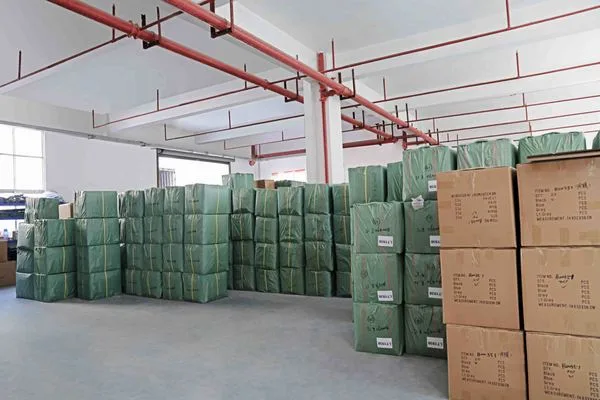
Two pallets of heavy moving bags sat in a Nordic retailer's warehouse, still strapped and unopened, when the first handle came apart in a customer's hand. The return note said the seam had opened along the top stitch line, and by the end of that week the buyer had pulled 1,100 bags from the same delivery. The order had passed the factory's own sign-off sample, passed the pre-shipment inspection, and passed the buyer's paperwork review. None of those checks had touched the thing that failed.
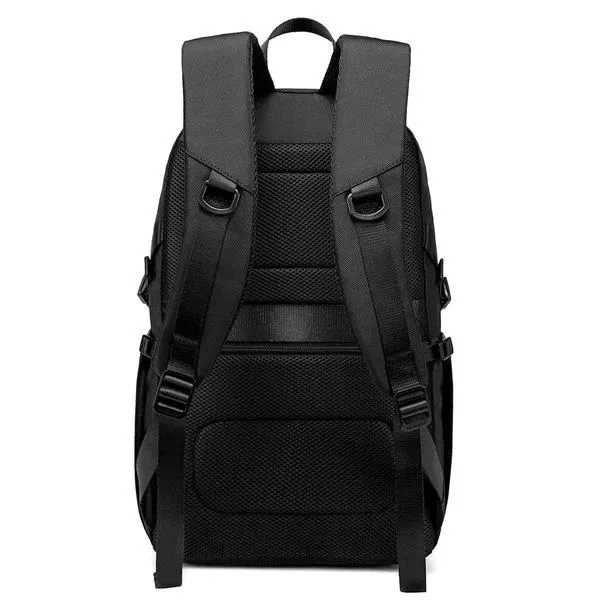
The buyer had placed the order six weeks earlier: 50,000 oxford moving bags, each rated to carry at least 65 kg, double-needle reinforced handles, a 28 day delivery window. The contract named AQL 2.5 for major defects and set a batch acceptance target under half a percent. On paper the factory had agreed to all of it. On the warehouse floor, the handles disagreed.
The handle seam was fine on the sample and fine on the line
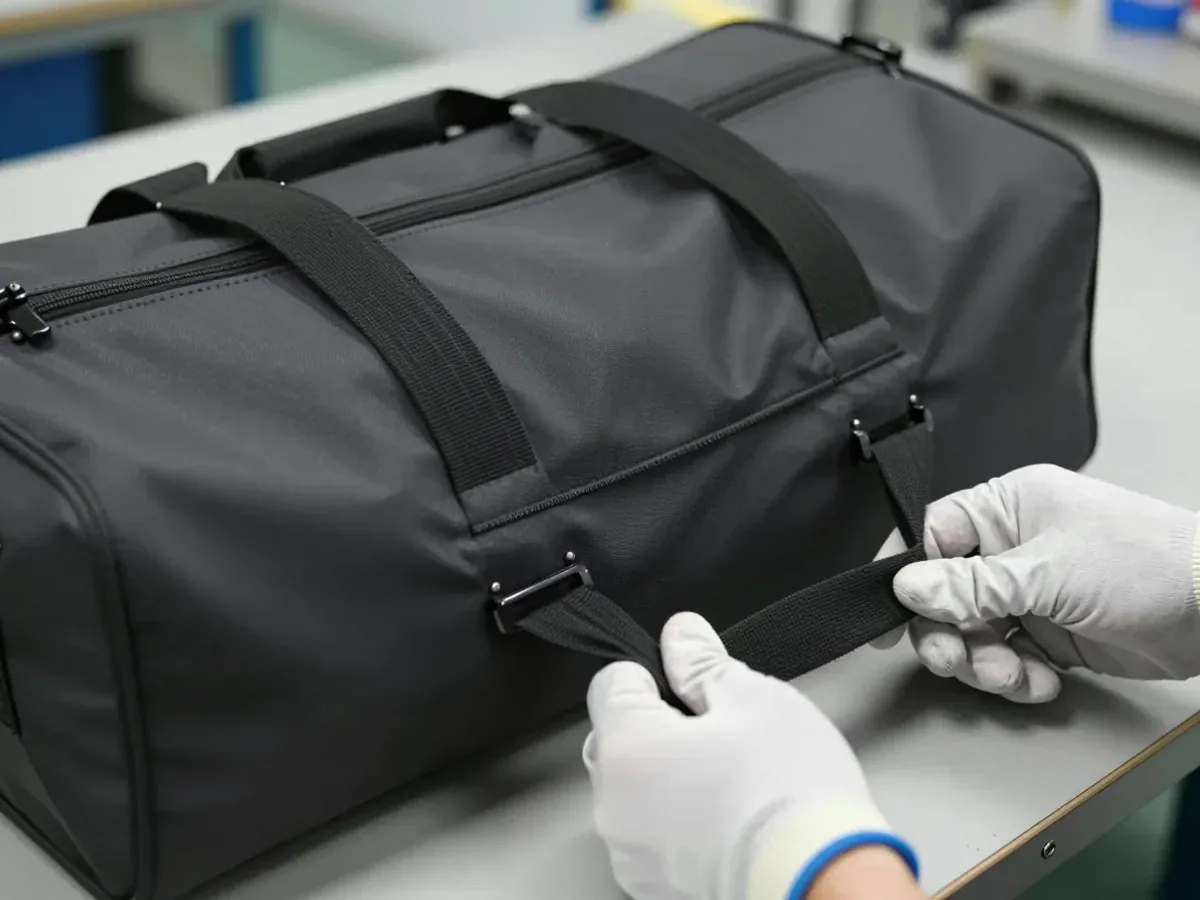
The first thing the buyer did was open the retained sample. It looked correct. The handle was stitched with the specified double row, the webbing ran around the body without a gap, and the seam held when two people pulled against each other. The factory's line supervisor pulled a bag from the current run and got the same result. Nothing in the finished goods explained the failure.
That is the part of a failed batch that unsettles a buyer most. The defect does not appear where the inspection happens. It appears in a subset of bags made from a subset of material, and the sample drawer holds only the good ones. The buyer had been checking the wrong object: a bag, not a batch.
The trail led back to a yarn batch nobody had locked
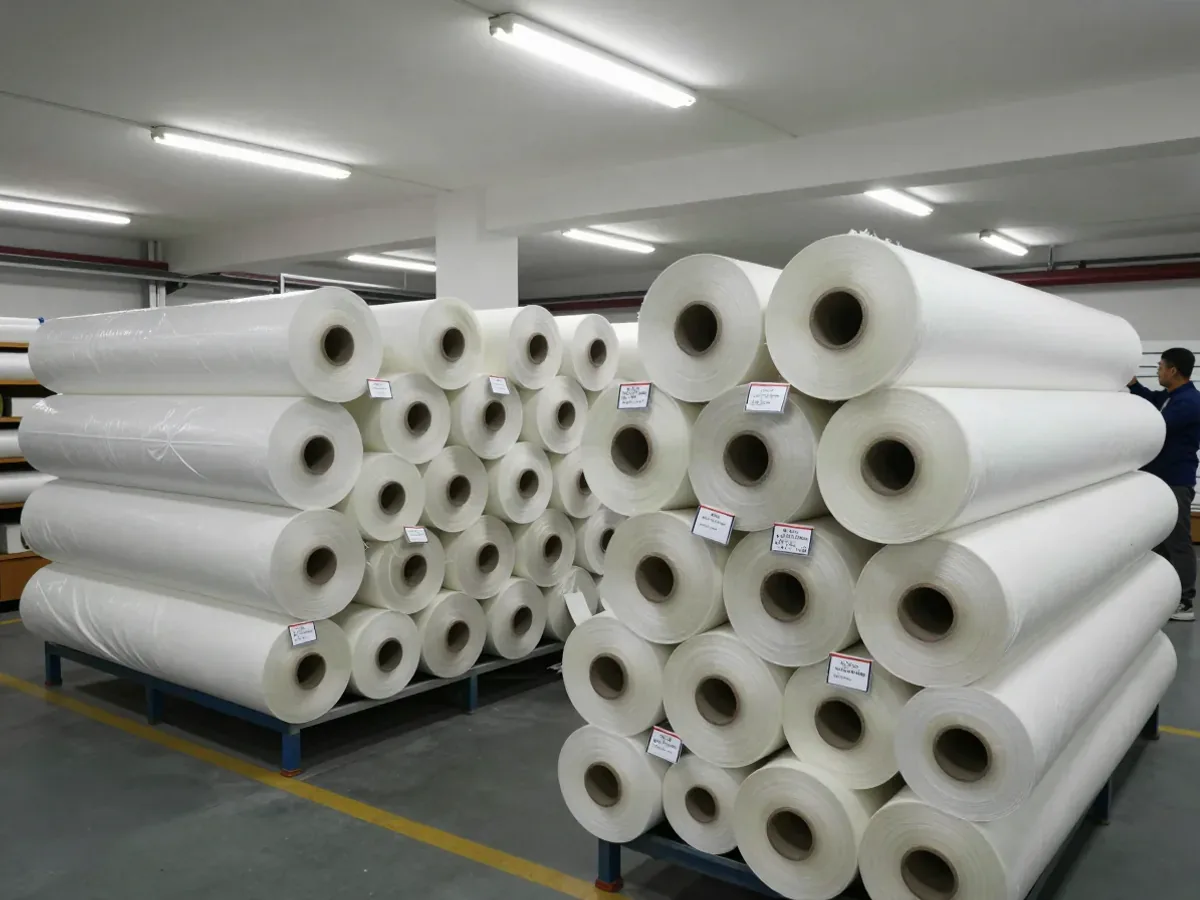
The factory had bought oxford fabric from a supplier that ran two extrusion lines. One line drew yarn from a masterbatch lot that had been tested for melt index; the other drew from a lot that had no such record. Nobody at the bag factory had asked which lot went into which roll, and nobody had kept a retained piece of fabric per delivery.
The consequence was a weight range across the order rather than a single weight. A shell that should have held at 180 g could drift lighter, and a lighter shell changes how the handle seam carries load. The handle did not tear because the sewing was wrong. It tore because the fabric under the stitch had less body than the approved sample, and the reinforcement had nothing solid to grip.
The factory's quality certificate covered the sewing floor. It did not cover the fabric store or the slitting area, which is exactly where the variance entered. A buyer reading the certificate would have seen a compliant factory. A buyer walking the fabric store would have seen two unlabelled roll groups and no lot card.
What the retained sample and the line log actually showed
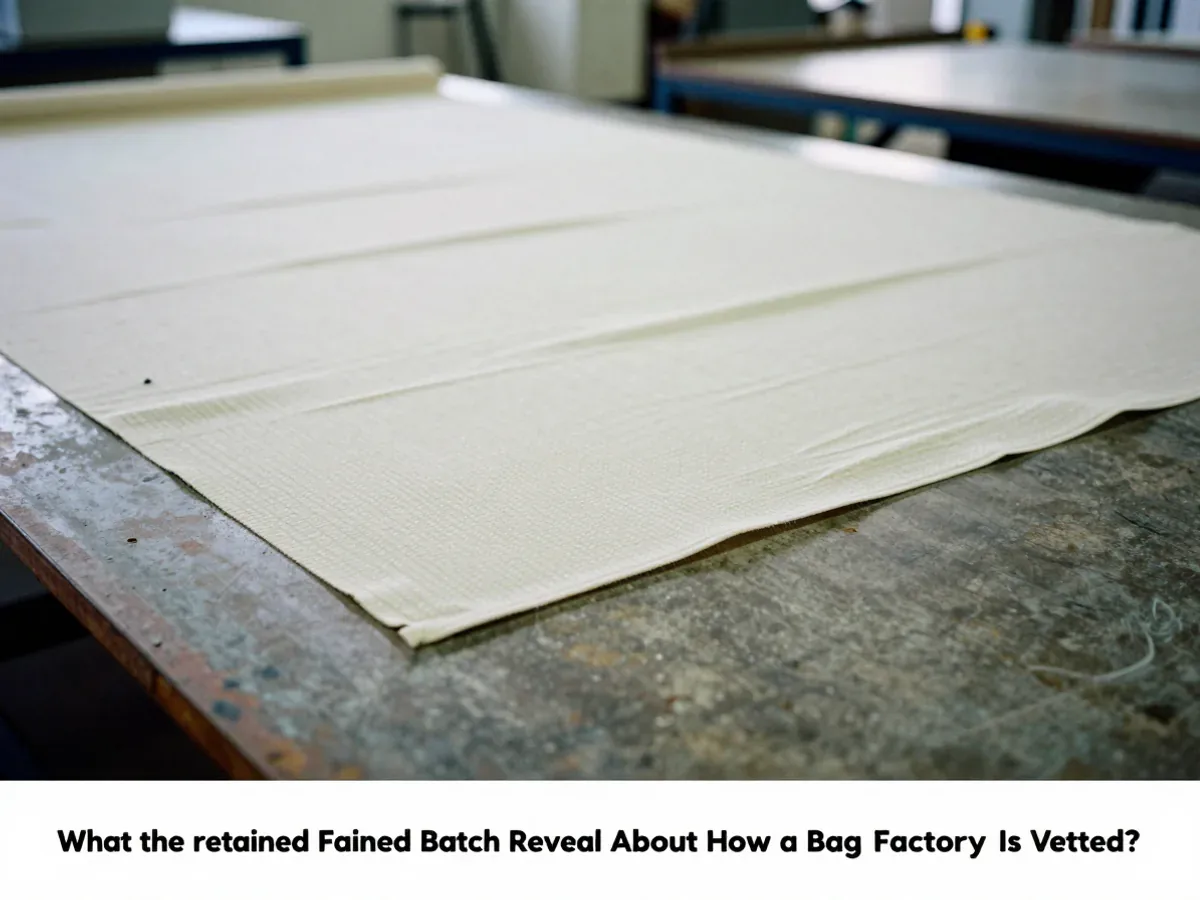
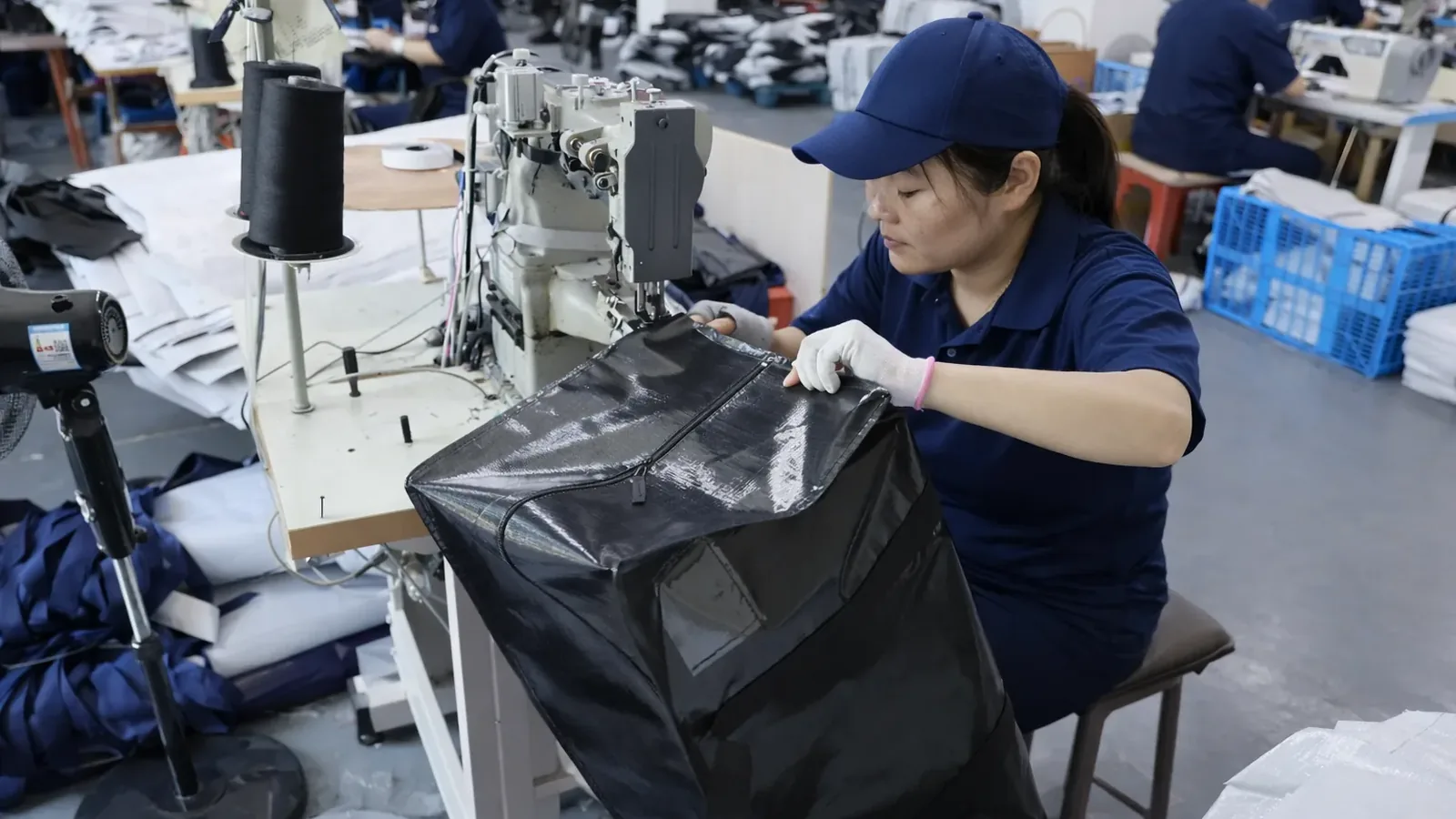
The buyer asked for the production records. The line log showed that in-process checks had been run, but only against the finished bag: stitch density, print alignment, a visual pass on the handle. No record tied a tested bag back to the roll it came from. When a handle failed at the customer, the factory could not say which rolls had produced it, so it could not limit the recall.
The retained sample told a similar story. It had been sealed at sign-off, before bulk fabric arrived, and it proved only that the approved construction was possible. It did not prove that the bulk run used the same input. The gap between "we can make this bag" and "we made this bag from this material" is where the two pallets came from.
A pre-shipment AQL check, run at the end, samples the output. It cannot see a raw material substitution that has already been cut and sewn into thousands of units. By the time the inspector opens a carton, the defect has been copied across the run.
The fix that moved inspection into the sewing room
The corrective action did not start with more final inspection. It started with locking the input. The factory was required to name a single yarn grade, keep a retained fabric piece from every roll delivery, and record the lot on the cutting ticket so a finished bag could be traced back to its roll.
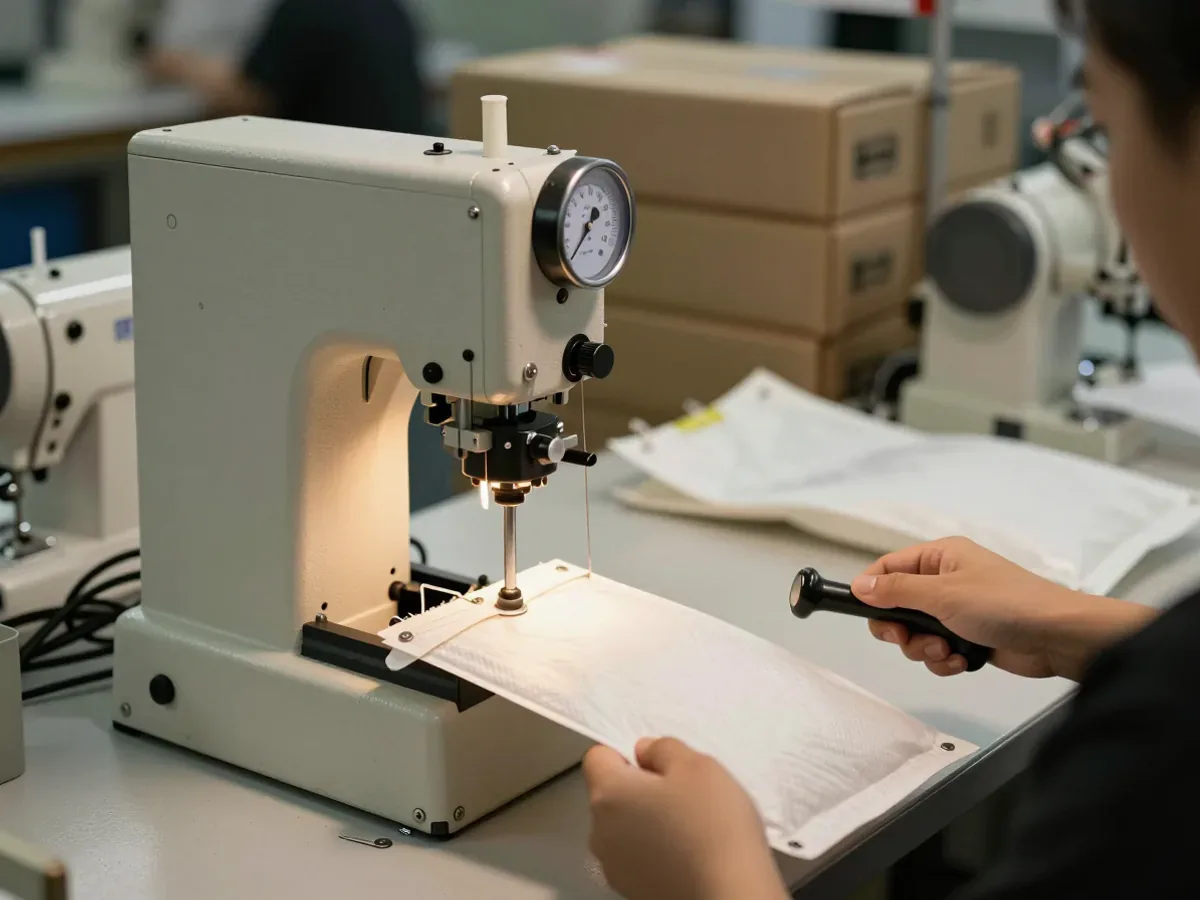
The second change was to put a tensile check inside the building. A pneumatic clamp tester at the line let the team pull handle attachments from the current run and read the result before the next carton was packed. When a seam pulled light, the line stopped and the tension was reset. A test sent to an outside laboratory returns in days; by then the line has moved thousands of bags past the problem.
The third change was to move AQL sampling upstream. Instead of waiting for the finished pallet, the in-process inspector pulled a small group from each station every two hours and logged stitch, webbing pull and print registration against the work order. A repeated defect triggered a stop and a recheck before production resumed. On the next heavy bag order the buyer's own incoming inspection found a defect rate well under the contract ceiling, and the fatal handle failures were zero.
What a buyer should ask before the next heavy bag order
The questions that would have caught this batch are not exotic. They are the ones a factory can answer in ten minutes if the system exists, and cannot answer at all if it does not.
- Show the lot record that links a finished bag to the fabric roll it came from. If the cutting ticket has no roll number, traceability stops at the loading bay.
- Name the yarn grade and show the retained fabric piece for each delivery. A single grade with a retained sample per lot closes the substitution gap.
- Point to the in-house tensile tester and the last ninety days of raw data. A factory without one is relying on a report that arrives after the run has moved.
- Show the in-process sampling log, with time stamps and station names. A final AQL sheet alone is a photograph of the end, not a record of the line.
- Confirm which areas the quality certificate actually covers. If the fabric store and slitting area sit outside it, the material risk sits outside it too.
A failed batch is rarely a sewing failure. It is a record failure that surfaces as a torn handle. The factory that can show its roll lots, its retained samples and its line tests is the one whose sign-off sample means something after the pallet is sealed.
FAQ
Does a passed pre-shipment inspection prove a bag factory is reliable?
No. A pre-shipment check samples finished goods, so it confirms the output at the end of the run. It cannot detect a raw material change that was cut and sewn weeks earlier. Reliability shows up in the records behind the bag, not only in the carton that gets opened.
Why does in-house tensile testing matter more than a third-party report?
An outside laboratory report arrives days after the sample was sent, and the line keeps running in the meantime. An in-house tester returns a result within the shift, so a weak seam can be corrected before more bags are made. The report proves a point in time; the tester protects the run.
What traceability records should a buyer ask to see during factory vetting?
Ask for the lot record from yarn or fabric delivery through to the finished bag, the retained fabric piece per delivery, and the cutting ticket that carries the roll number. If those three link up, a defect can be limited to its batch. If they do not, a recall has no boundary.
How early in production should AQL sampling start?
Sampling should begin at the first station that can create a rejectable defect, not at final packing. Pulling a small group every two hours and logging it against the work order catches a repeating fault while the fix is still cheap. A final sample confirms the result; it does not steer it.