
Based on the archived freight guide and TIIOCTI product spec sheets, reorganised around the cost lines a buyer can actually check.
A carton of fifty folded moving bags sat on the scale at 15 kg, and the buyer's forwarder quoted it at nearly double the sea rate per unit. The buyer had asked the same question three seasons running: why does a light bag cost so much to fly? The answer was never in the bag's actual weight.
The quote in front of her had four lines, and only one of them was about moving the goods. The rest were charges that appear once a booking is made, and they behave very differently on air and on sea.
The Four Lines Sitting Behind a Freight Quote
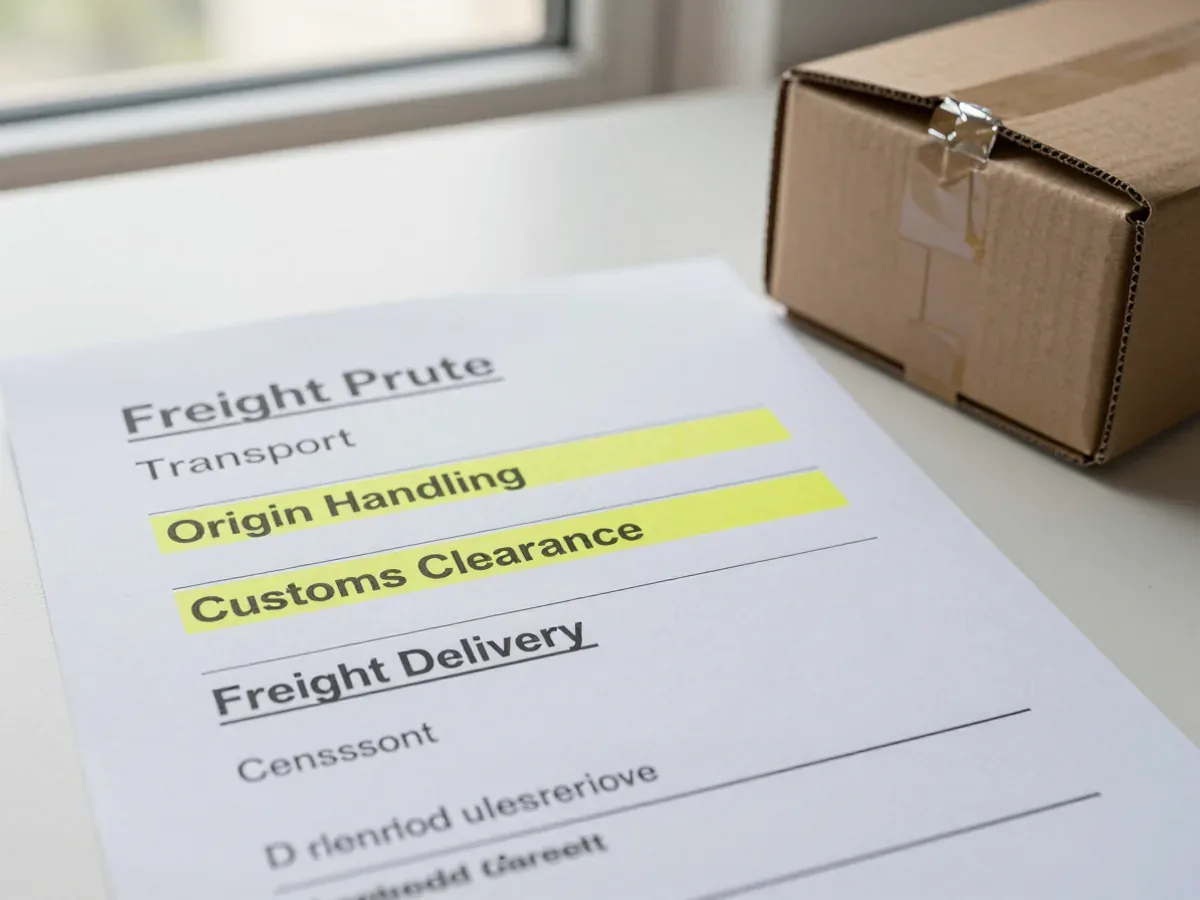
Every freight quote for bag samples breaks into four visible lines. The first is the transport charge itself, priced per kilogram on air and per cubic metre on sea. The second is the origin handling charge, which covers collection, warehouse receipt and loading at the departure airport or port.
The third line is customs clearance, split between export and import brokers. The fourth is inland delivery from the arrival point to the buyer’s door. On a sea quote, lines two through four are often quoted separately and arrive later, which is why the first number looks small.
A buyer comparing only the transport line will always pick sea, because the per unit rate is lower on almost every bag order. The comparison only becomes honest when all four lines sit on one page for both modes.
Where the Sample Round Quietly Adds Cost
Samples are not a single shipment. A print or woven label is approved before the run, and that approval is separate from the physical bag approval. Each approval round can trigger its own courier movement if the buyer wants to see the label on the bag rather than on a screen.
Printing is proofed before the run, and the sample is made to the same spec as the bulk order. That means the sample is not a rough prototype; it is a reference the bulk will be measured against. A sample round that drags on for three iterations carries three freight movements, three customs entries and three inland deliveries.
None of those costs appear in the unit price of the bag. They sit in the sample budget, and they are the reason a buyer who approves fast spends less on freight than a buyer who approves slowly, even when both order the same quantity.
The Chargeable Weight Line Nobody Reads First
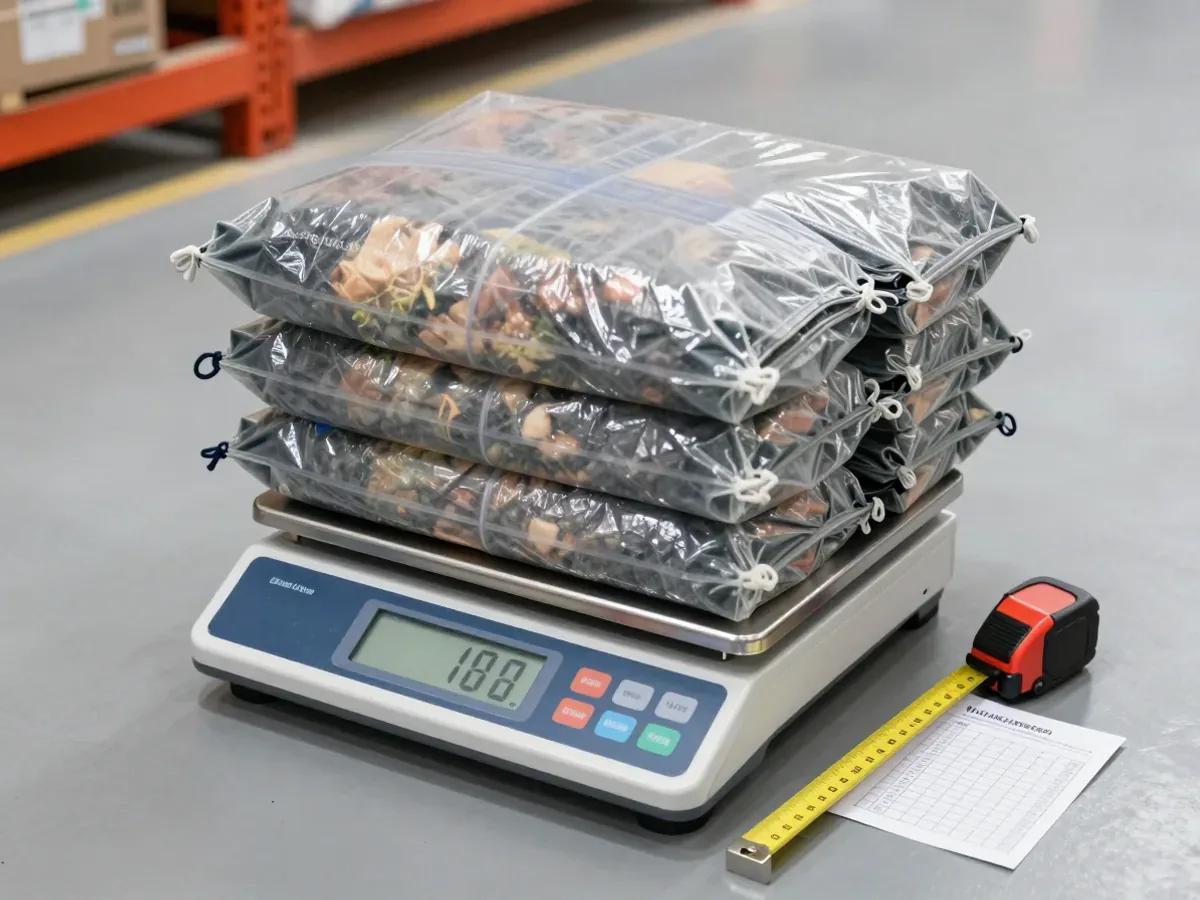
Air freight charges on the greater of actual weight or volumetric weight, and the volumetric rule converts one cubic metre to 167 kg. A carton of flat-packed drawstring bags weighing 12 kg but measuring 0.09 CBM has a volumetric weight of about 15 kg, so the carrier bills 15 kg.
This is where bag buyers get caught. Woven PP moving bags and Oxford totes ship compressed and flat-packed, so the carton is light but the volume is real. A buyer who packs loosely to protect the print pays for air space that carries no product.
The fix is a packing trial before the sample ships. Fold the bag the way the bulk will be folded, measure the carton, and calculate both weights. If the volumetric figure is higher, the packing format is the cost driver, not the bag.
Hidden Costs That Only Appear After the Booking
Sea freight carries fixed costs that do not shrink with a small shipment. Origin container freight station handling, destination container freight station handling, a customs broker on each end and inland delivery are charged whether the shipment is half a cubic metre or a full container.
On a small sea shipment, those fixed charges can exceed the transport line. The buyer sees a low per cubic metre rate, calculates a small total, and then receives a second invoice for the destination charges that were never in the first quote.
Air freight bundles more of this into the rate, especially on express courier service where customs clearance is included door to door. The visible air number is higher, but fewer charges arrive after the booking, which changes the comparison.
Running the Numbers on a Small Urgent Reorder
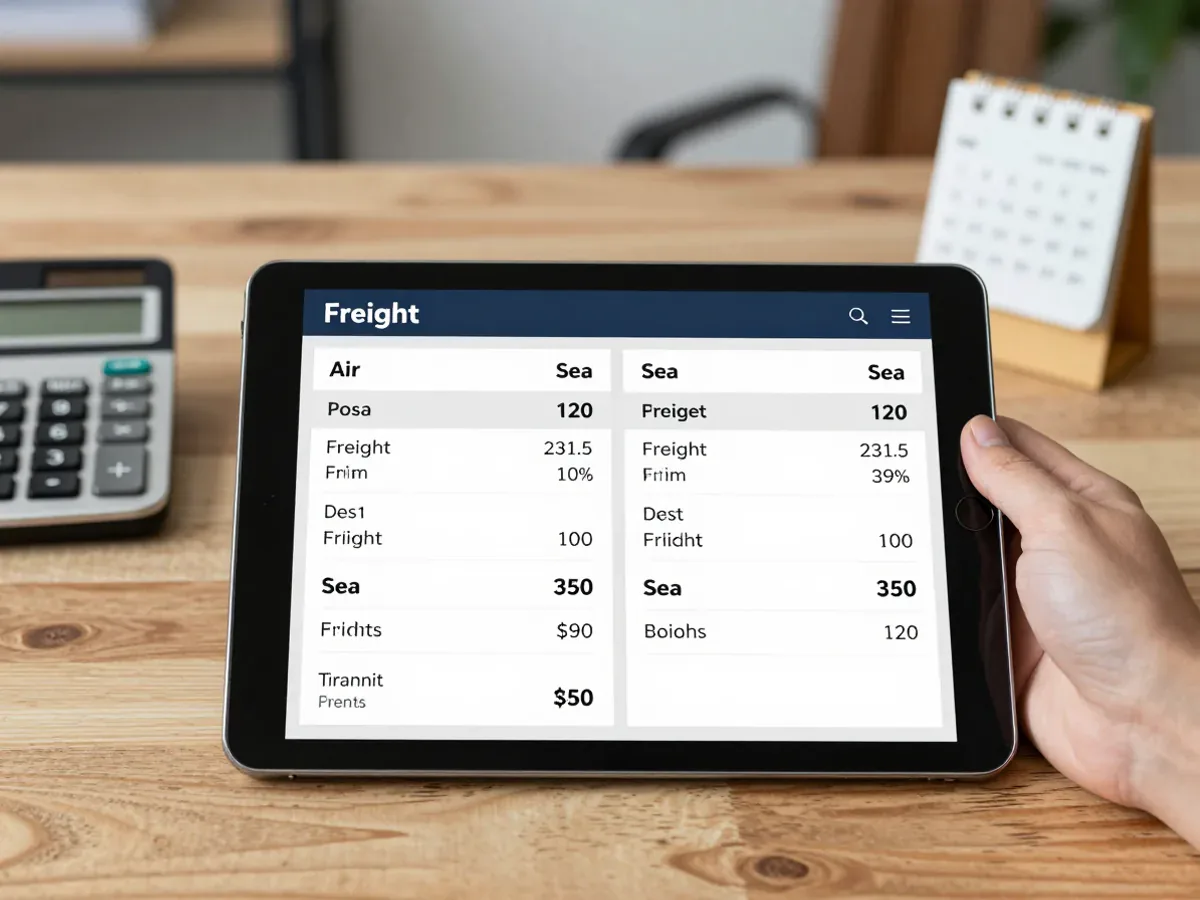
Take a reorder of 80 kg of drawstring bags, roughly half a cubic metre, needed because a selling line is running out. The sea quote shows a low transport charge, but adding destination handling, broker fees and inland delivery pushes the all-in figure well above the transport line alone.
The air quote is higher on the transport line, and the gap between the two all-in totals is smaller than the buyer expected. The air shipment arrives weeks sooner, and the sea shipment arrives after the stock-out has already cost sales.
The decision turns on one number the buyer has to supply: the daily cost of the stock-out. If lost sales per day exceed the air premium divided by the days saved, air wins. If the line can wait a month, sea wins on cost.
What the Packing Format Does to the Final Bill
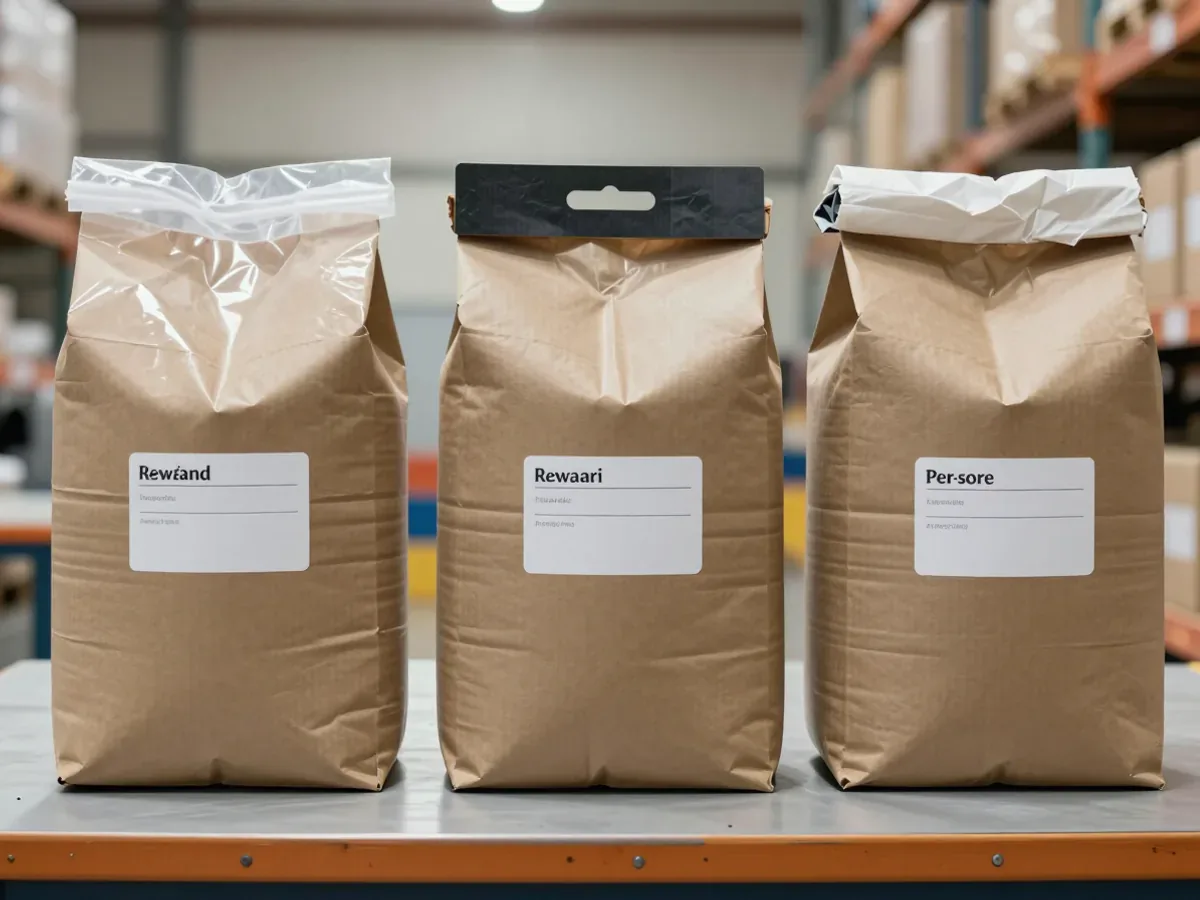
Packing runs as polybag, retail-ready or per store, and each format changes the carton count. A retail-ready format adds a header card and a hanging tab, which increases the carton height and therefore the volumetric weight on air.
Carton marks are set per store, per listing or per pallet, and that string has to match the freight document. A mismatch between the carton mark and the document is a customs query, and a customs query on an air shipment holds cargo at the airport where storage charges accrue daily.
Cartons are counted and photographed before the container is sealed, so the count on a freight document has a photo behind it. On a mixed packing order, that photo is the only record that reconciles three formats against one document.
How to Read Two Quotes Side by Side
Put the air quote and the sea quote on one sheet with the same four lines in the same order. Fill every line for both modes, including the destination charges that arrive after booking. If a line is blank on one quote, ask for it before comparing totals.
Then add the time value. Write the number of days each mode takes door to door, multiply by the daily cost of the delay, and add it to the freight total. The mode with the lower combined figure is the cheaper one for that shipment, regardless of which transport line looked smaller.
For bag samples and urgent reorders under 100 kg, the air premium is usually small enough that a short stock-out covers it. Above 300 kg, sea freight recovers its fixed costs and the per unit gap widens. Between those bands, the daily cost of waiting decides.
FAQ
Is air freight always more expensive than sea freight for bag samples?
No. On small shipments, sea freight carries fixed origin and destination charges that do not shrink with volume, and those can push the all-in sea total close to or above air. The transport line is lower on sea, but the total is not always.
How does chargeable weight change the cost of shipping bags by air?
The carrier bills the greater of actual weight or volumetric weight, using one cubic metre equals 167 kg. Flat-packed bags are light for their volume, so loose packing can make the volumetric figure the billed weight and raise the cost without adding product.
Can sea freight work for an urgent reorder?
Only when the stock-out timeline is a month or longer. Sea transit plus customs and inland delivery takes weeks, so a reorder needed sooner than that will arrive after the selling window has closed.
What should a freight brief include for bag samples?
Include the carton dimensions and both weights, the packing format, the carton marks, the declared sample value and the required delivery date. Add the approval stage the sample is at, because a sample still awaiting label approval may ship twice.