
Material notes drawn from TIIOCTI product specifications and archived buying guidance on eco friendly shopping bags.
A buyer forwarded a competitor's claim last month: that a jute bag is the only choice for a brand that wants to look serious about sustainability. She had two quotes on her desk, one for jute and one for non woven, and the gap between them was not where she expected. The claim sounded tidy. The quotes did not.
Both materials sit in the same eco friendly shopping bag category, and both can carry a logo. The decision is not about which one is greener in the abstract. It is about what each surface does to a logo, what each bag survives, and how the unit price behaves when the reorder comes around.
Two quotes on the table, and the gap is not where buyers expect
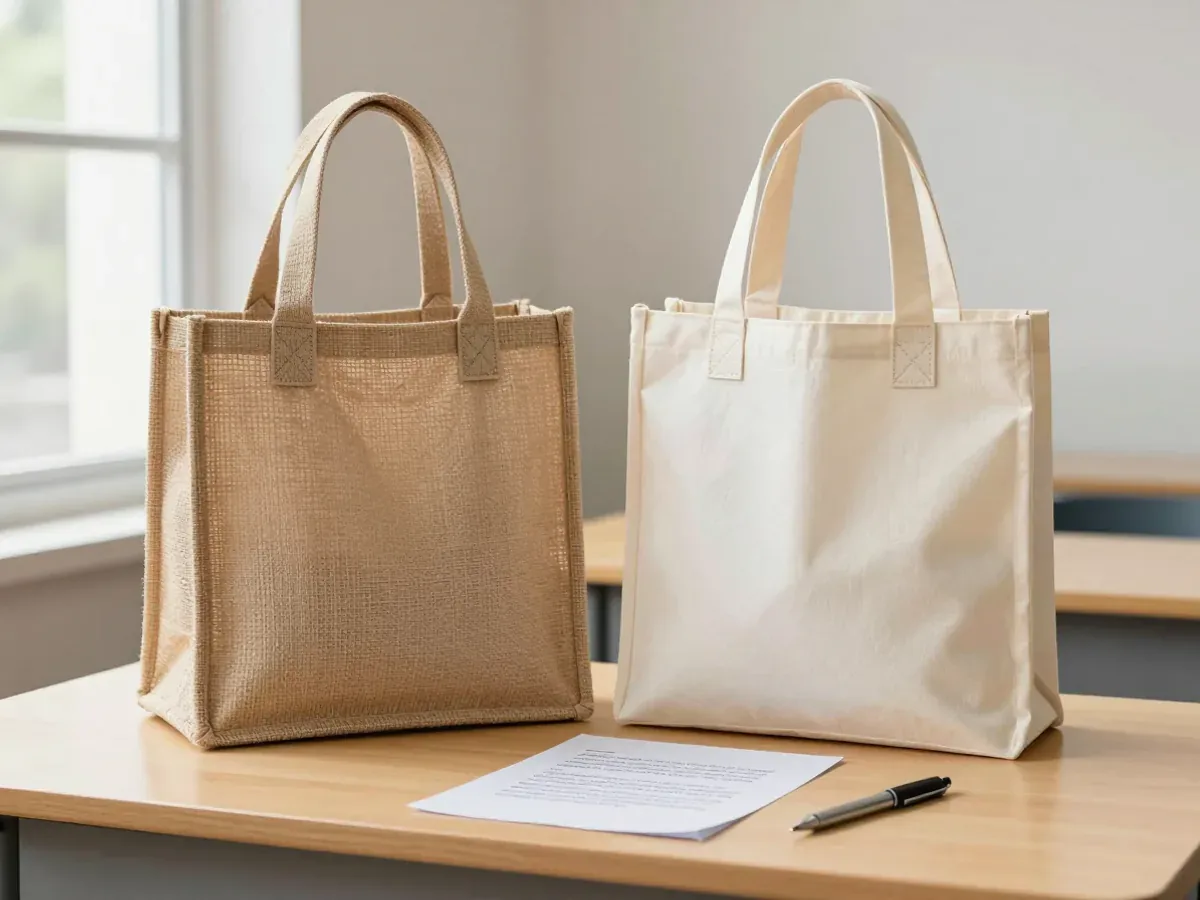
The jute quote came in higher per unit. That part was predictable. What surprised the buyer was the artwork line: the jute supplier wanted a larger minimum before printing, while the non woven quote allowed a smaller first run with the same logo.
A jute bag is woven from plant based fibre, and its natural beige or brown tone gives it an earthy look that suits eco conscious brands. A non woven bag is a soft, breathable shell that prints across the face and folds flat for storage between seasons. Those two descriptions already hint at different cost structures.
The unit price gap is real, but it is not the whole gap. The rest sits in setup, artwork, and how many pieces the factory needs before the line runs efficiently. A buyer who compares only the per piece number is reading half the quote.
How each surface takes a logo, and what that costs in artwork
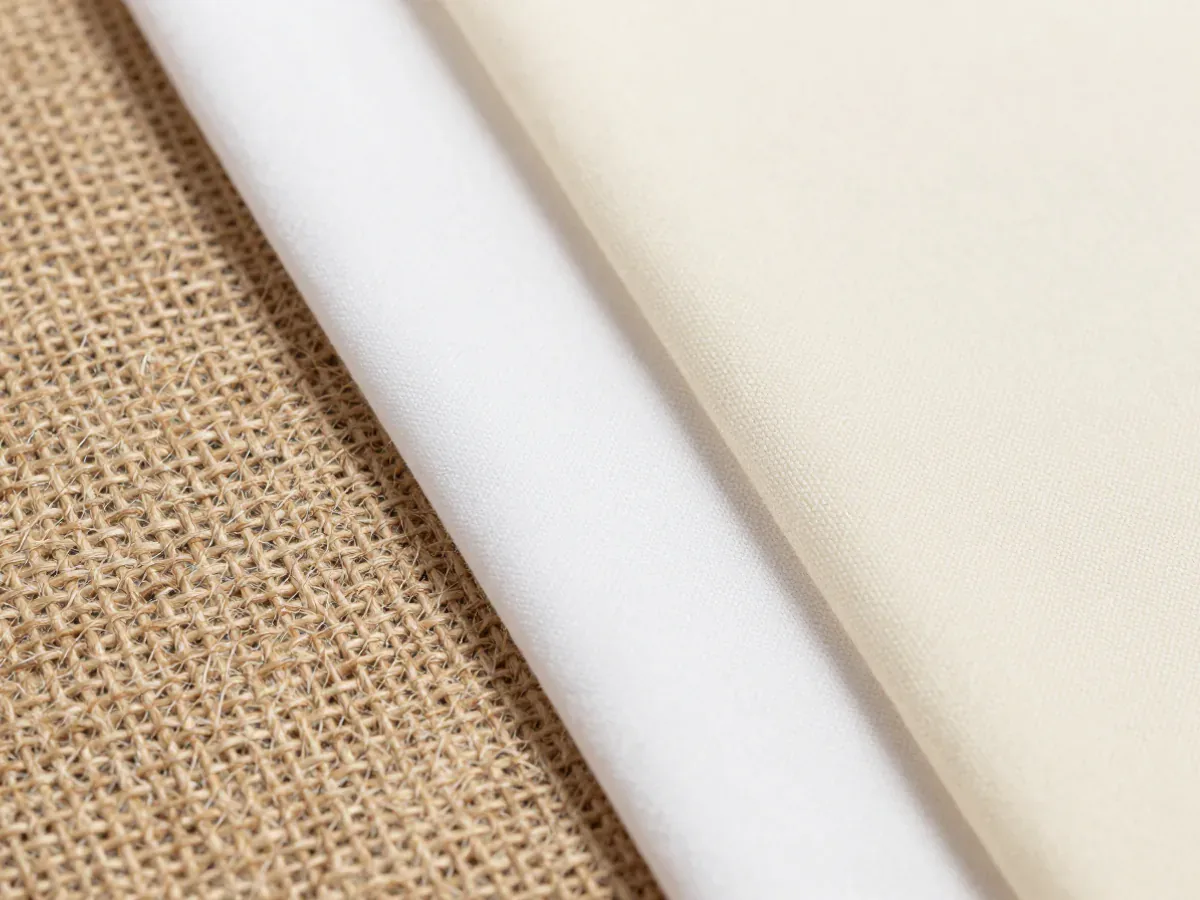
Jute has texture. A woven surface with a visible grain will soften fine detail, and a detailed logo may need a bolder treatment to stay legible. That is a design decision, not a defect. Brands that want a rustic, natural image often lean into the texture rather than fight it.
Non woven takes print across the face more evenly. A soft shell holds a flat graphic well, which is why trade shows and retail giveaways use it for visual impact. A detailed logo with small type has an easier time on non woven than on coarse jute.
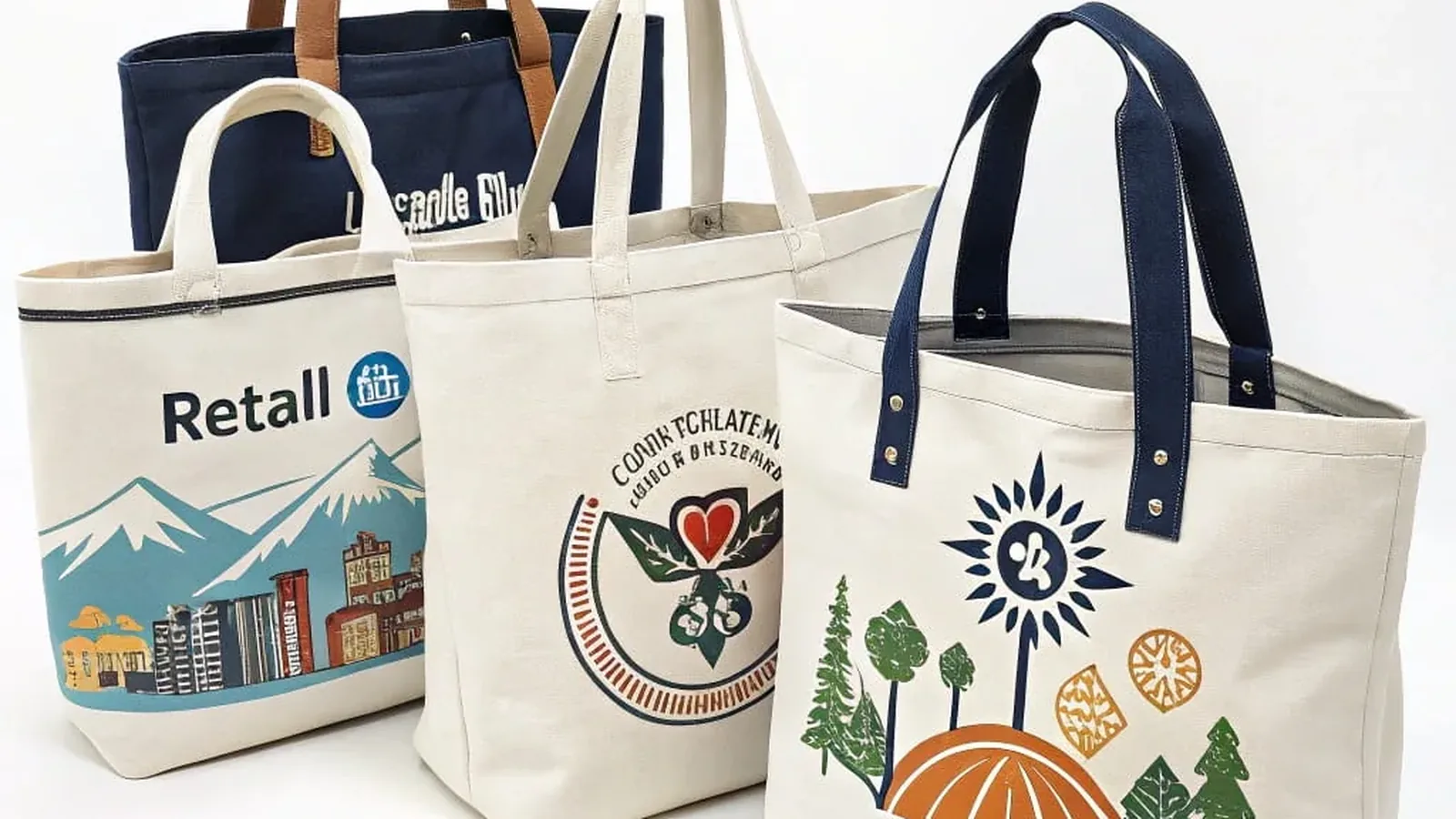
Canvas sits between them and is worth naming because it appears in the same buyer conversations. A cotton canvas tote holds ink well and works with screen printing, embroidery, or heat transfer. Stock colours can be swapped for a Pantone match, and a new size takes one sample round. That flexibility is why canvas shows up in premium promotional runs even when jute and non woven are the two names on the table.
The artwork cost follows the surface. A logo that needs redrawing for jute adds a design round. A logo that prints as supplied on non woven saves that round but may look flatter than the buyer imagined.
What each bag survives between the handout and the second use
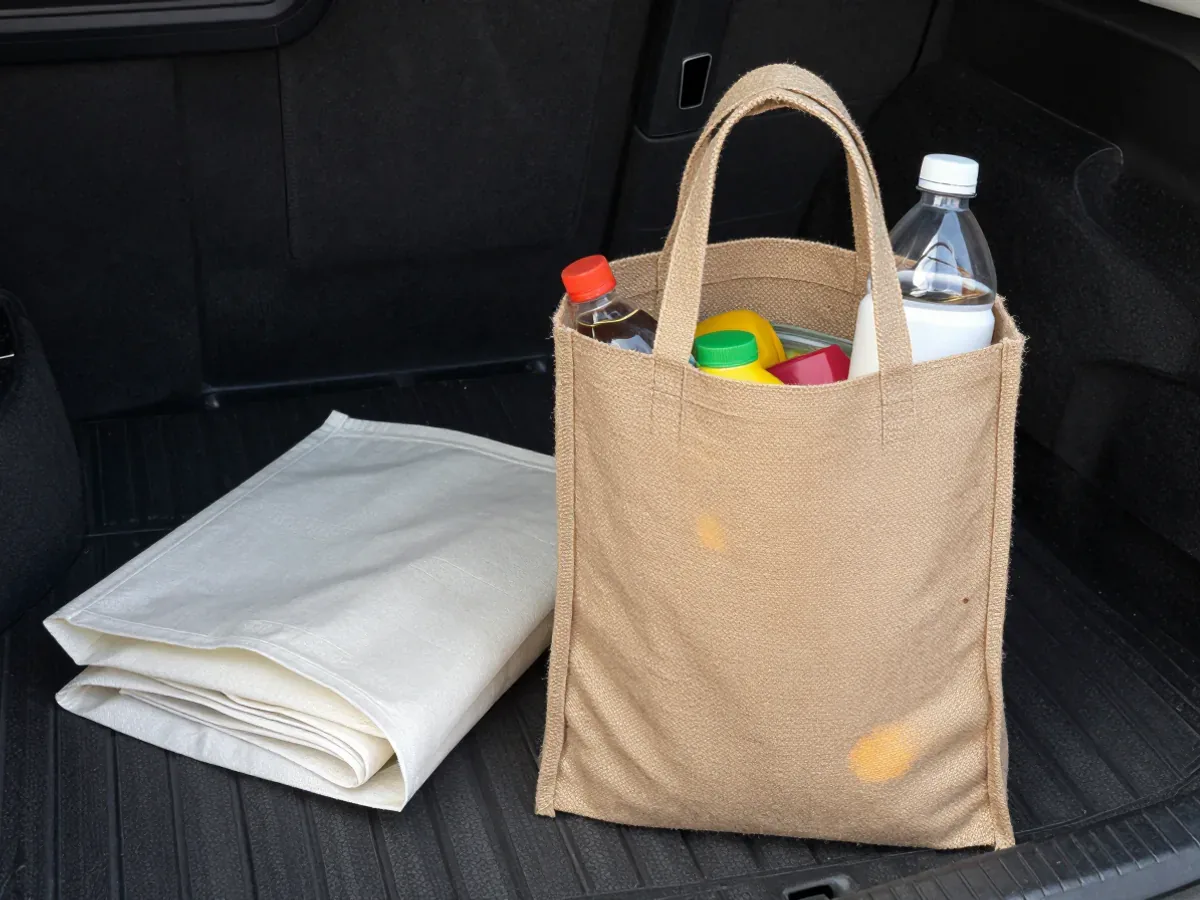
A promotional bag has two lives. The first is the handout, where it looks new and carries a logo. The second is the weeks after, when it sits in a car boot, holds groceries, or gets folded into a drawer.
Jute is strong. A standard jute bag can carry daily shopping or promo packs without ripping, and the weave density, stitch count, and reinforcements like laminated linings or cross stitched handles decide how long that holds. A heavy duty jute bag with thicker fibre and better handles lasts longer than a thin one with the same logo.
Non woven is semi durable. It handles light giveaways and retail packaging well, and its soft texture suits temporary or semi permanent use. A non woven bag that carries a full grocery load every week will show wear sooner than jute, and that is a fair trade for the lower unit cost.
The question is not which bag is stronger. It is how many trips the buyer expects the bag to make before it stops representing the brand.
Reading the unit price against the reorder cycle
A single order price tells a buyer what the first run costs. The reorder price tells them what the programme costs over a year.
Jute rewards a longer cycle. The bag lasts, the logo stays readable, and a buyer who orders once for a season may not need a second run. The higher first price spreads across more uses, which is why jute suits brands that want a keeper rather than a giveaway.
Non woven rewards frequency. It is widely used in supermarkets, trade shows, and gift packs because the cost per piece stays low and the branding stays flexible. A brand that hands out thousands of bags at events and expects them to be replaced next season gets more from non woven than from a heavier material.
The reorder cycle also affects artwork. A repeat non woven order usually reuses the same print setup. A jute reorder may need the same handling if the weave or colour lot shifts, so the buyer should ask how the factory holds consistency between runs.
Who should pick jute, and who should pick non woven
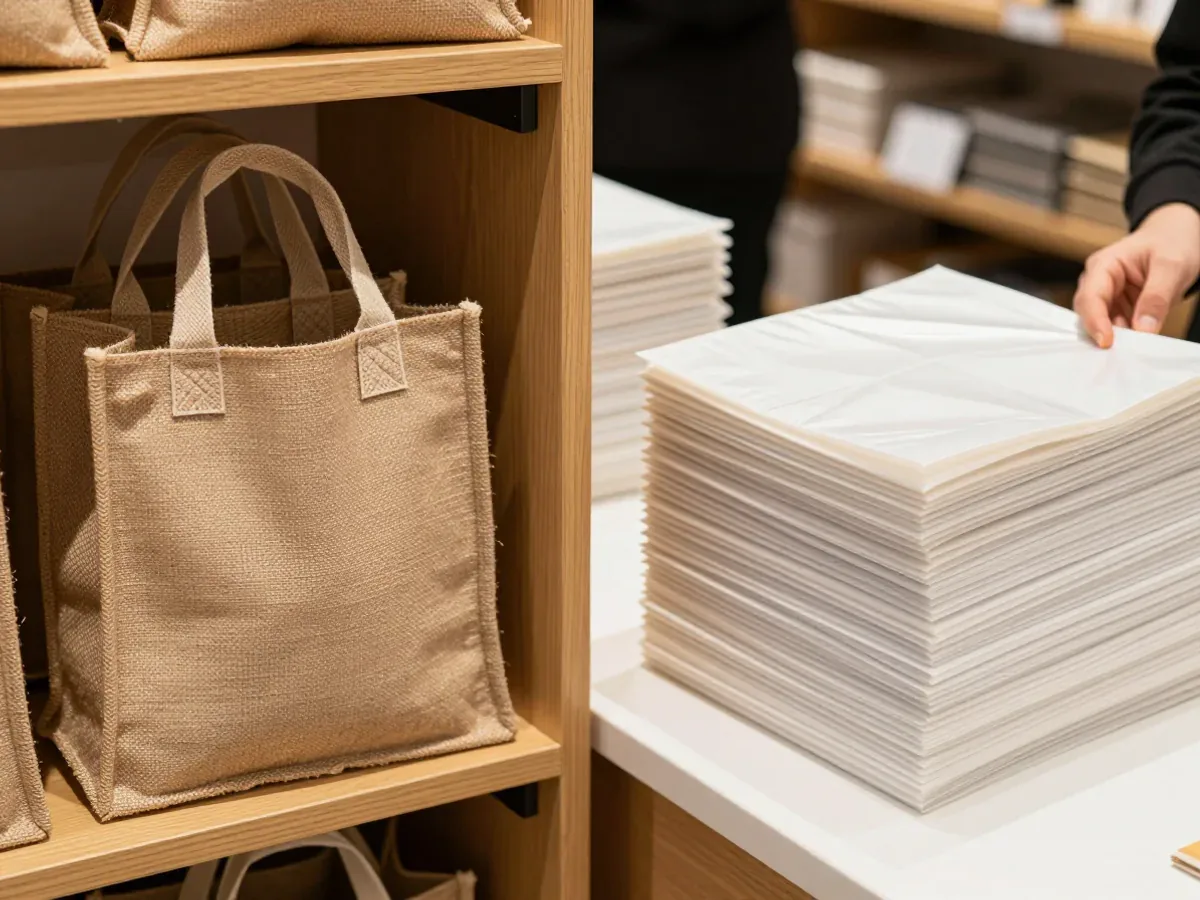
Jute fits a brand that wants a rustic, natural image and expects the bag to be kept. Think of a retailer selling sustainable goods, a hotel putting a welcome bag in the room, or a company whose customers will reuse the bag for shopping. The earthy tone and the weight of the fabric do part of the branding work before the logo is read.
Non woven fits a brand that needs volume, speed, and a clean print surface. A supermarket running a loyalty programme, an events team handing out bags at a trade show, or a gift pack that ships with a product all sit here. The soft shell prints well for retail and folds flat, which keeps storage and freight simple.
Canvas fits the buyer who wants a premium feel and a surface that takes detailed artwork. It is not one of the two names in the title, but it belongs in the same decision because many buyers end up comparing all three before they commit.
A brand can also split the run. Jute for the customer facing gift, non woven for the mass handout. That choice costs more in planning and less in waste.
A decision table for the next purchase order
| Decision point | Jute | Non woven |
|---|---|---|
| Brand presentation | Rustic, natural, earthy tone | Clean flat print, soft shell |
| Durability | Strong, suits repeated shopping use | Semi durable, suits light and temporary use |
| Print fit | Texture softens fine detail | Even print across the face |
| Artwork cost | May need a bolder logo treatment | Logo often prints as supplied |
| Unit price | Higher per piece | Lower per piece |
| Reorder cycle | Longer, fewer runs | Shorter, frequent runs |
| Best for | Retail, hospitality, keeper bags | Supermarkets, events, gift packs |
The table does not pick a winner. It shows where each material earns its place, and where a buyer should stop comparing and start specifying.
What to ask for on the sample before signing
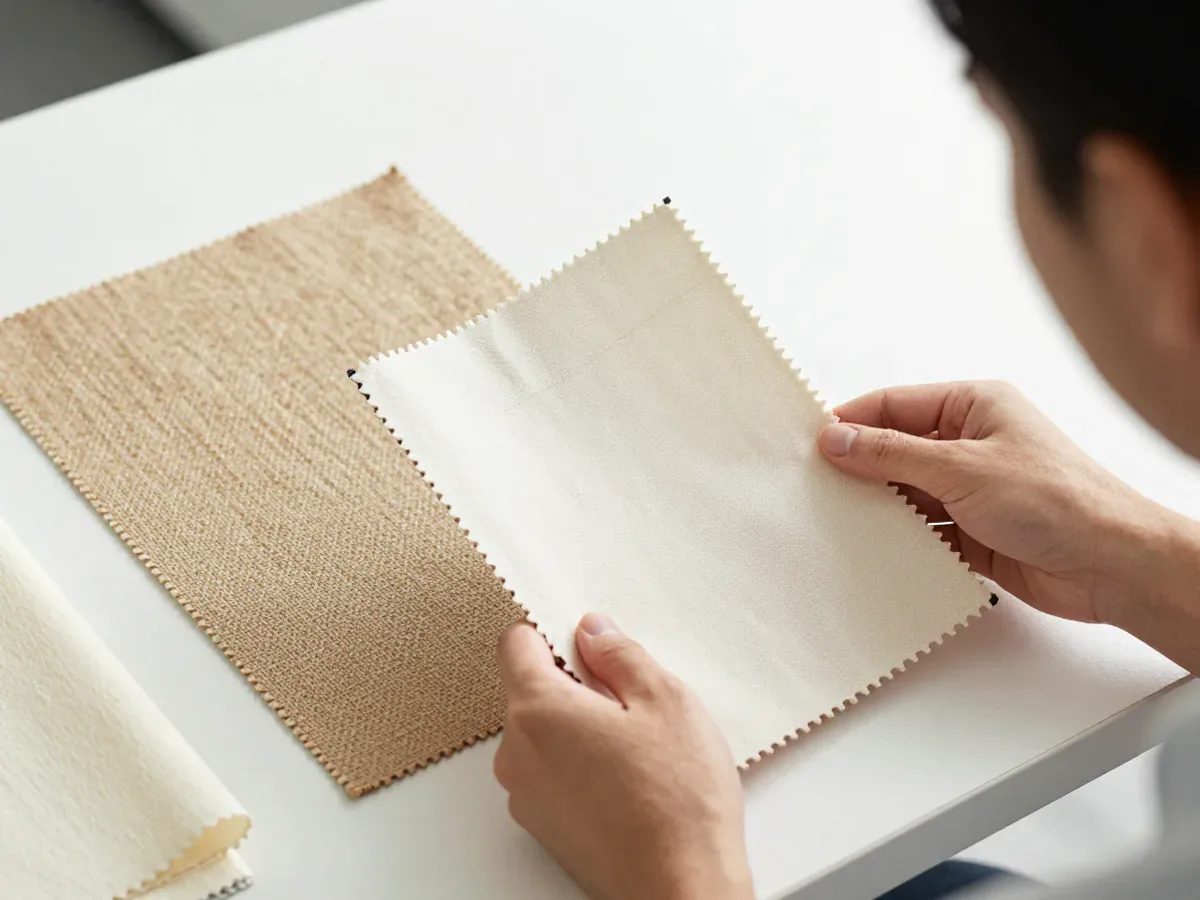
A sample answers questions that a quote cannot. Ask for the bag in the actual size and handle style, not a stock photo of a similar item. Check how the logo sits on the surface at the distance a customer will see it.
For jute, ask how the weave and colour lot are controlled between orders, and whether the handle stitching is reinforced. For non woven, ask how the print holds after folding and whether the shell stays flat in storage. For either, confirm the sample round count before production, because a new size can add a round that the timeline did not plan for.
The buyer with the two quotes on her desk did not need a greener material. She needed to know which bag her customers would keep, and which one her budget could repeat. The sample is where that answer becomes visible.
FAQ
Can a non woven bag carry a full grocery load, or is it only for light giveaways?
It can carry a load, but it is semi durable. A weekly grocery run will wear it faster than jute. For light giveaways and retail packaging it performs well.
Does jute print as sharply as canvas for a detailed logo?
No. Jute has a visible weave that softens fine detail. Canvas holds ink well and takes screen printing, embroidery, or heat transfer, so a detailed logo reads more sharply on canvas.
Which material takes a Pantone match more easily?
Canvas is the easier surface for a colour match, since stock colours can be swapped for a Pantone match. Jute's natural tone limits how close a printed colour lands to the reference.
How many sample rounds does a new size need in each material?
A new size in canvas takes one sample round. Jute and non woven depend on the change, so confirm the round count with the factory before the production date is set.






