
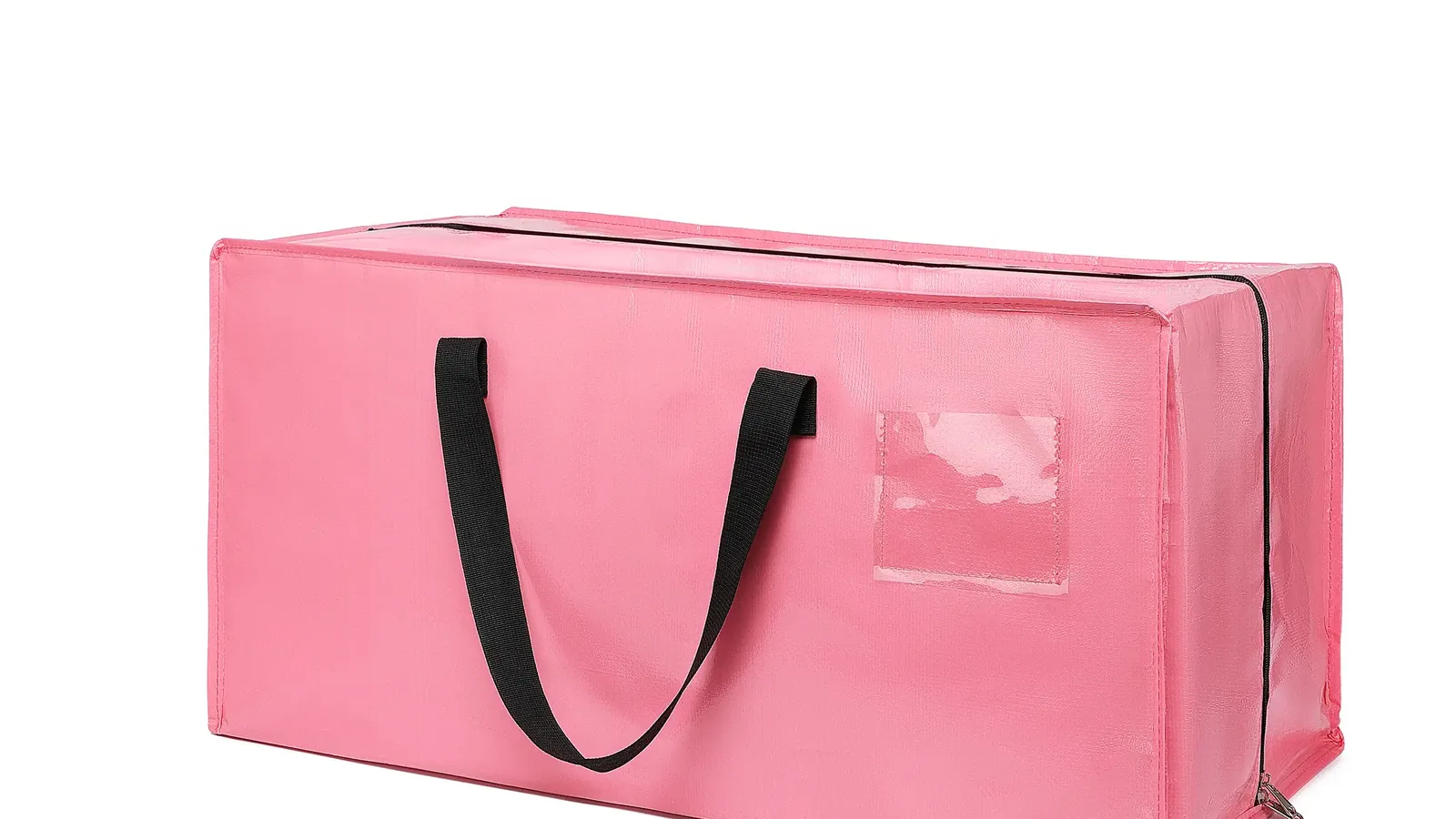
Based on the archived ASTM vs ISO moving bag article and the product spec records behind our woven PP moving bag line.
Two procurement officers read the same moving bag specification on a Tuesday afternoon. One circled the ISO 9001 line and moved on. The other wrote a question in the margin about burst strength and asked the supplier to answer it in writing before the order went out.
That margin note is where the real cost difference starts. A certificate and a test report look like two versions of the same reassurance on paper. On a purchase order, they sit in different cost lines, and only one of them shows up in the quote.
The Quote That Looked Cheaper Until the Second Container

The first container arrived clean. The second one did not, and the difference was not visible in the invoice. Both shipments came from a supplier holding ISO 9001. Both had the same fabric weight on the spec sheet. The paperwork matched.
What changed was the batch. A management system can document how a factory handles a complaint, who signs off on a change, and how raw material is traced. It does not put a number on how much pull a seam takes before the thread slips. When the second container's bags reached a warehouse floor, the handles told the story before any lab did.
The buyer had saved money on the front end by accepting the certificate as proof of durability. That saving had a shelf life of about one container.
Line One: What the Certificate Costs You Up Front
An ISO 9001 audit is not free. The factory pays for certification, surveillance audits, and the staff time to keep the binder current. Some of that cost lands in the unit price, and it should, because a documented system has real value.
The trap is assuming that line item covers product testing too. ISO 9001 audits the management process. It checks that the factory can reproduce a product consistently, that change control exists, and that corrective actions get logged. It does not measure tensile strength, tear resistance, or burst pressure on a finished bag.
A supplier can hold a valid certificate and never run a single destructive test on the fabric it ships. The certificate proves the system is documented. It says nothing about whether this lot of woven PP will hold at the load your contract requires.
So line one is the cheapest line and the easiest to misread. You are paying for process discipline, not for a strength number.
Line Two: What a Batch That Fails Burst Leaves Behind

When a batch fails a burst check, the loss is not the bag. The loss is everything the bag was supposed to carry and everything that happens after it lets go.
Picture a loaded bag in a stairwell. The seam gives way, the contents shift, and the mover twists to catch it. The immediate cost is the damaged goods and the delay. The cost that follows is the injury report, the property claim, and the customer conversation that starts with an apology.
At the factory level, a failed batch means the lot cannot ship as planned. Rework, replacement fabric, and a new production slot all land on someone's ledger. If the failure is caught before loading, you pay for the delay. If it is caught after, you pay for the consequences.
This is the line that does not appear in any quote. It appears in the difference between a batch that was tested and a batch that was only documented.
Line Three: Sorting a Container After It Lands
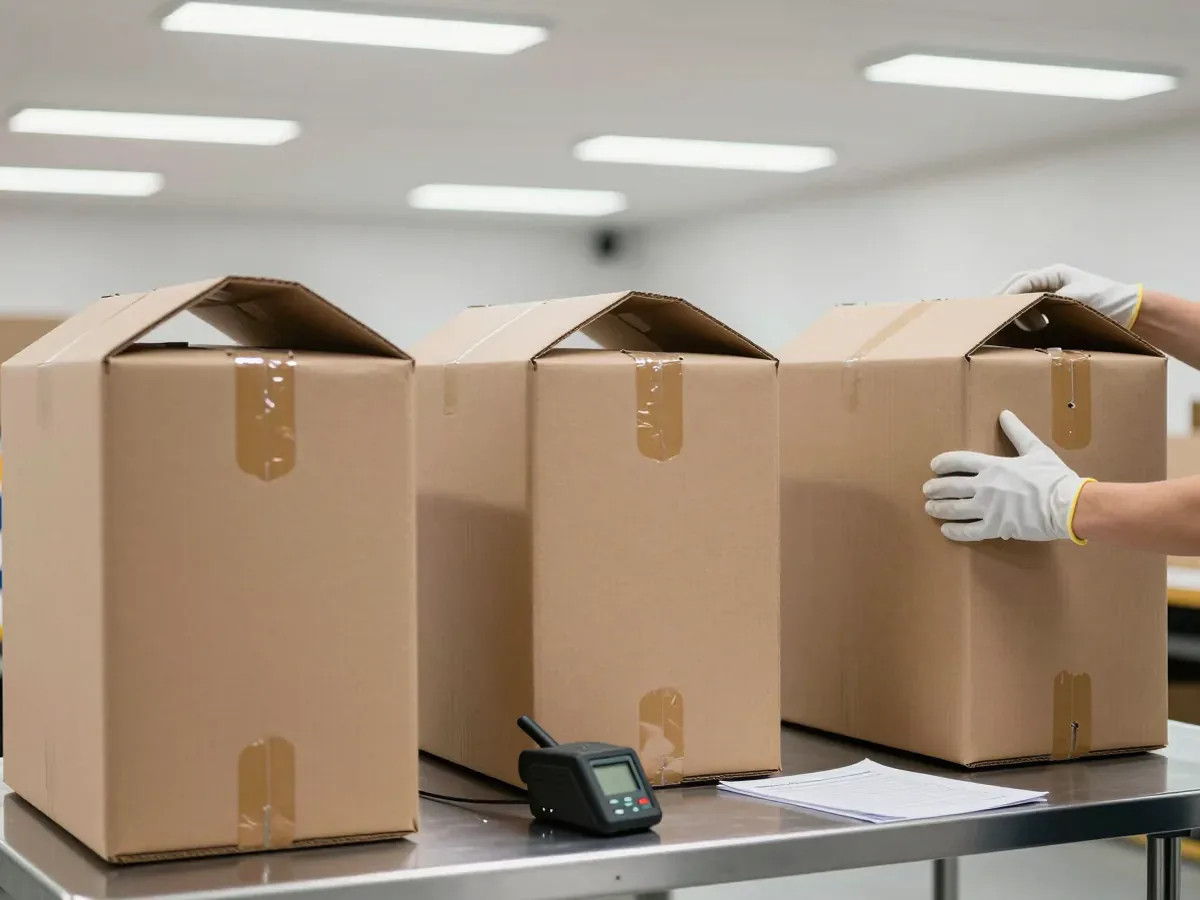
A container of moving bags that arrives with mixed quality is worse than a container that fails outright. A clear failure gets rejected at the dock. A mixed lot gets sorted, and sorting is labor you did not budget.
Workers open cartons, pull bags, check handles, and set aside the ones that feel wrong. Every bag handled twice costs time. Every bag set aside needs a decision: credit, replacement, or scrap. The warehouse absorbs that cost quietly, and it rarely gets traced back to the missing test report.
Visual inspection has a ceiling here. An AQL sampling plan checks for visible defects. It does not check whether the weave will hold under load, because that requires pulling the fabric until it breaks. A pallet can pass every visual check and still be a stack of bags waiting to fail in the field.
Sorting cost is the line buyers underestimate most often, because it shows up as labor hours rather than a single invoice.
Line Four: The Claim That Comes Back Months Later
The last cost line arrives long after the container is empty. A moving contract lost over a torn bag does not appear on a warranty spreadsheet. It appears when the client renews with someone else.
Claims compound because they carry three parts: the direct replacement, the operational disruption, and the reputational damage that follows a visible failure. A bag that splits during a move is seen by the customer, not by the quality team. That customer now associates the service with the failure, not with the price paid.
Handling a claim also consumes management time. Someone has to investigate, respond, and decide whether to change suppliers. That time is real, and it is spent on a problem that a batch test would have caught before shipment.
The claim line is the one that makes the certificate look expensive in hindsight. You saved on testing and paid on the back end, usually at a worse exchange rate.
Where the Two Documents Sit on the Same Order

ISO 9001 and a product test standard do different jobs, and neither replaces the other. The certificate governs the system: raw material traceability, batch documentation, change control, and corrective action loops. If a seam strength trend drifts across lots, a working system flags it.
The product standard governs the material. ASTM D5034 measures breaking strength of woven fabric under a grab test, which reflects the stress of hoisting a loaded bag. ASTM D1424 quantifies the force needed to propagate a tear from a cut or snag. ASTM D1683 applies load across a sewn seam until threads slip or fabric ruptures, and seams, handles, and stitch lines account for most field failures.
ISO 13934-1 is a textile tensile method using the strip approach. It gives a material number but does not set moving-bag-specific seam or burst thresholds. ASTM D3786 adds a hydraulic burst test that stresses fabric and seams together, closer to how an overstuffed bag actually fails.
A factory holding both a management system and in-house product testing is a different supplier from one holding only the certificate. The first can show you a number tied to your lot. The second can show you a binder.
How to Price a Spec Before You Sign
Pricing a moving bag spec means putting a number on each of the four lines before the order is placed, not after the first failure.
Start with the test line. Ask whether the factory owns an in-house tensile tester and whether batch-specific reports ship with each lot. A supplier that sends every sample to an outside lab infrequently is telling you the test is an event, not a routine.
Then price the batch failure line. Ask what happens if a lot misses the burst threshold. A factory with a real system has a documented answer: hold, retest, rework, or reject. A factory without one improvises, and improvisation is charged to you.
Price the sorting line by asking how incoming inspection will work. If you plan to pull samples for independent lab testing on arrival, add the lead time and the inspection fee to your landed cost. That number belongs in the comparison, not in a surprise later.
Price the claim line last. Look at the seam construction on the sample. A dense stitch block at the handle attachment and an X stitch at each join are visible evidence of load planning. A stitched label area helps you trace a bag back to its lot when something goes wrong.
What to Put in the Quality Clause This Week
The quality clause is where the certificate stops being decoration. Write the test method numbers into it, not just the certification name. Name the burst or grab tensile method, the seam strength method, and the acceptance threshold your contract requires.
Require batch-specific test reports with each shipment, tied to the lot number on the carton. Require raw material traceability back to the fabric supplier, with the GSM confirmed against your spec sheet. Require calibration records for the sewing equipment and any in-house test equipment.
Add a change control clause. If the fabric source, weave, or handle construction changes, the factory notifies you before production, not after. A management system makes that clause enforceable. Without one, the clause is a wish.
Then verify. Ask for third-party spot check data across recent production runs and compare it with the in-house reports. A supplier confident in its numbers will share them. A supplier relying on the certificate alone will change the subject.
The certificate saves you something real: it tells you the factory has a system worth auditing. It does not save you from a bag that tears. That saving comes from a test report with your lot number on it, and it is worth writing into the order before the first container leaves.
FAQ
Does an ISO 9001 certificate mean the factory tests bag strength?
No. ISO 9001 certifies that a quality management system exists and is documented. It does not mandate tensile, tear, or burst testing on finished bags. Strength testing becomes routine only when the purchase contract names the method and the acceptance threshold.
Which ASTM test should a moving bag spec name?
Name more than one. ASTM D5034 covers grab tensile strength of woven fabric. ASTM D1683 covers seam slippage and strength. ASTM D3786 adds a hydraulic burst test that stresses fabric and seams together. The combination covers the load paths a moving bag actually sees.
Can a factory hold ISO 9001 and never run a tensile test?
Yes. The standard governs process control, traceability, and corrective action, not specific product tests. A factory can pass its audit while sending samples to an outside lab only when a customer asks. Ask for the in-house equipment list and the batch reports before you assume otherwise.
Is ISO 13934 enough for a woven PP moving bag?
ISO 13934-1 gives a strip-method tensile result for the fabric. It does not set moving-bag-specific seam strength or burst thresholds, and it does not require a burst test. Treat it as one data point, then add seam and burst methods that match how the bag is loaded and carried.






