An answer that names the line, the week and the output for your bag is the shape of a real capacity.
Buyers often ask how many machines a line has, and that number says least about their own order. Factory capacity checks only work when the answer is tied to the product, the crew and the week the order is due, and bag factory capacity is counted that way rather than from a plant tour.
The question keeps coming up before peak season, when every factory in the trade is filling its calendar at the same time.
Where the gap opens on the floor
A late order rarely starts with a supplier deciding to be late. It starts with a line that was already promised, and the gap becomes visible only when the packing date arrives.
| Stage | How the gap appears | The question that exposes it |
|---|---|---|
| Cutting room | Fabric arrives after the line was booked | Where does the fabric for this order sit today |
| Sewing line | Crew moved to a larger customer | Which line runs my bag, and who is on it |
| Packing | Fold, bag and carton work nobody costed | Who packs this order, and how many people |
| Booking | A date promised against a full calendar | How much of the line is already promised |
| Samples | A sample that takes longer than the order implies | When will the sample reach me |
The packing row is the one buyers skip, and it is where a line that sewed on time still misses a date. The factory's quoted capacity describes the best day rather than the average week, so the planning number has to come from a normal week rather than from the week a buyer arrives on site with a request.
The answers that replace a claim
- Ask for the line rather than the plant. How many dedicated lines can run your product type, how many workers sit on each, and what the last 3 orders of that type actually shipped.
- Ask for the production line output in writing, then match it to a past order. A factory that shipped a named order can prove the figure, while a factory that answers with a promise is asking for trust instead of evidence.
- Ask how many shifts run, and whether the second one is staffed or partial. One shift and 2 shifts are different factories, and a partial second shift is a third case again.
- Ask for the current booking rather than the yearly average. The booking figure for the weeks your order lands in is the only one that moves your date.
- Time the sample. A sample that arrives late is the cheapest capacity test there is, because it shows the queue without anyone having to describe it.
An answer that names the line, the week and the output for your bag is the shape of a real capacity reply. A reply that names the deposit instead is not a capacity answer at all.
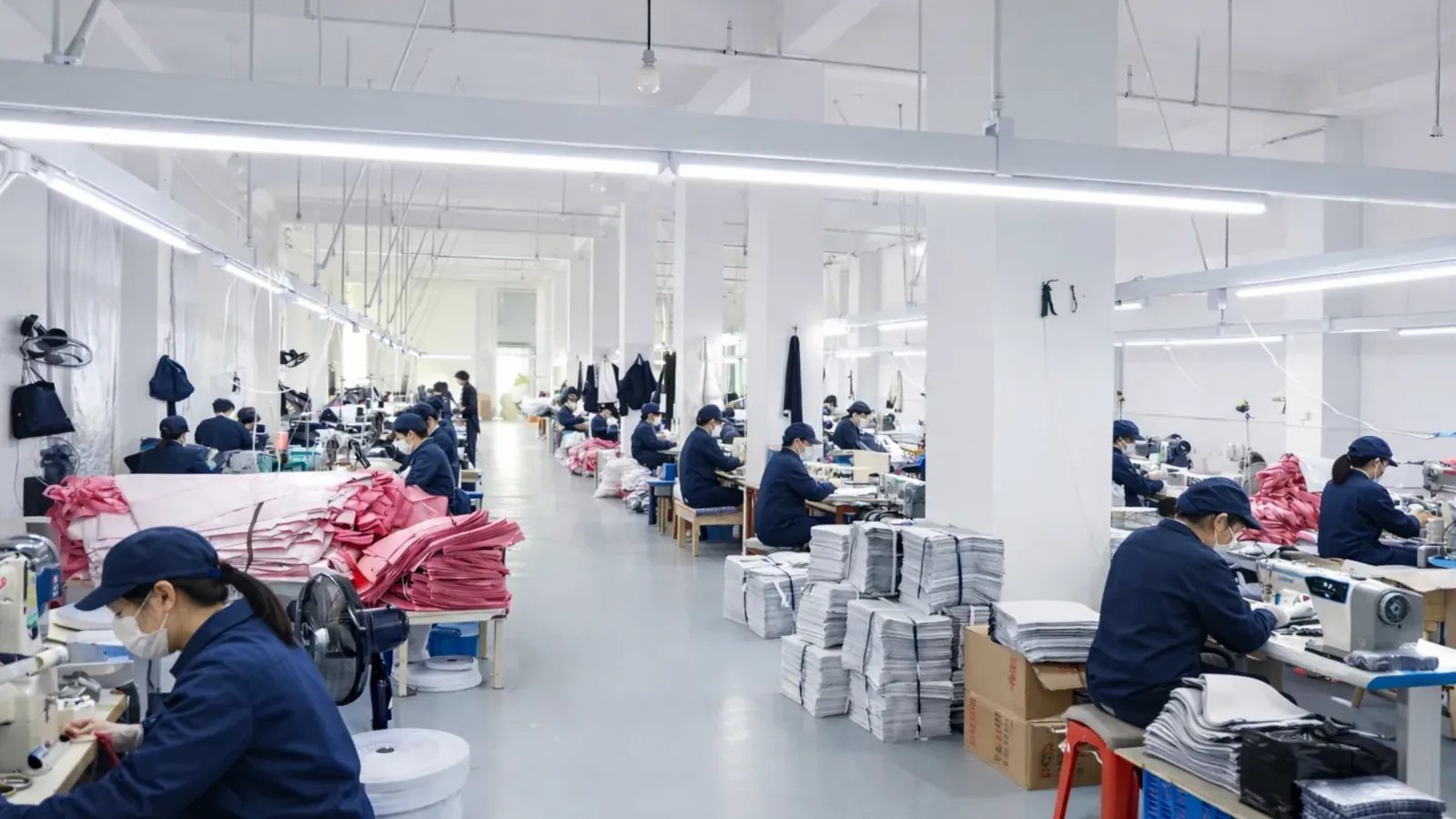
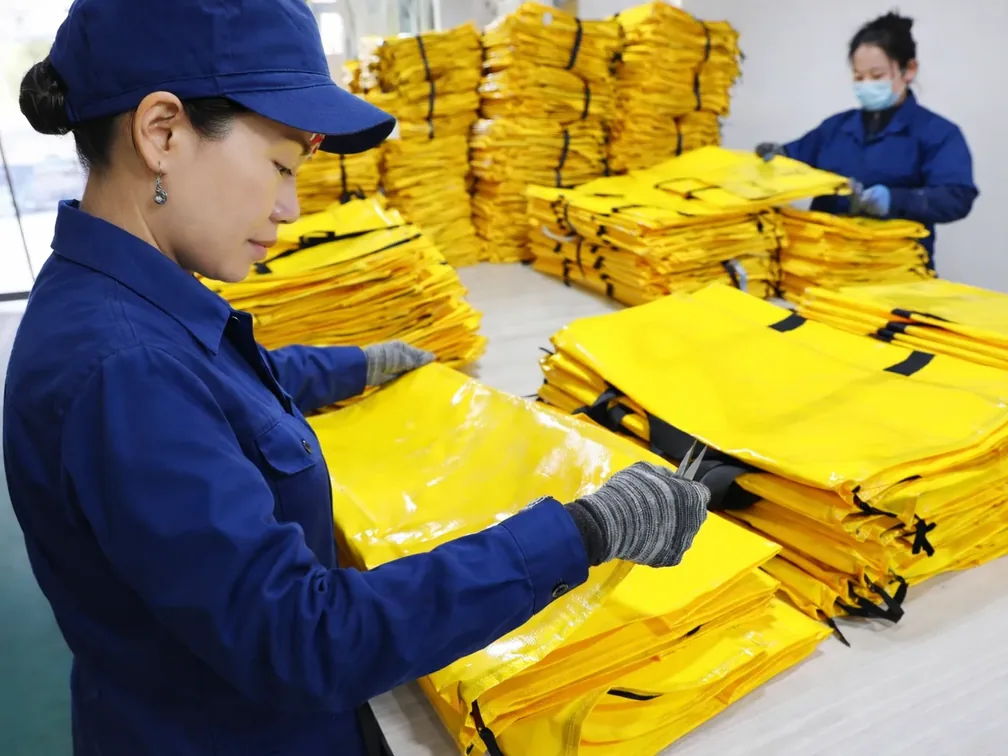
A floor walk settles what the email cannot. The stacks of fabric, the number of people at the machines and the state of the packing area are what turn a claimed line into a counted one, and the aisles and the loading dock have to carry that volume as well (OSHA 29 CFR 1910.176).

Where the answer stays vague
The first mistake is comparing headline output between 2 factories. A plant with a bigger output figure but a mostly booked floor delivers less to your date than a smaller plant with open time, which is the trap the raw number sets.
The second is reading a full calendar as a good sign. Peak season fills the best factories first, and a booking percentage averaged over the year hides the weeks that matter.
The third is skipping the packing section. Cutting and packing are labour a sewing line does not provide, so an order that leaves the machines on time can still sit in the packing area.
The fourth is answering a late delivery question with a denial. Every factory has a late order in its history, and the honest ones explain the cause without blaming the customer, which tells a buyer more than a clean record does.
Questions buyers ask about capacity
Is a bigger factory always the safer choice?
No. Open time on the line that runs your bag matters more than a larger plant, because a booked floor delivers nothing on your date.
How can a buyer spot an overloaded factory?
By timing the answers. A sample that stretches out and a booking that covers weeks ahead both point to a queue rather than to a line.
What should a factory commit to in writing?
A named line, the week the order runs and the output expected, plus a report each week while the order is on the floor.
What the count is worth to a buyer
Capacity is the one supplier claim a buyer can test without visiting, because every answer either names a line and a week or avoids both.
Sampling is the discipline behind that test. Checking a defined sample of past orders, with rules set before the answers arrive, is how a decision gets made from evidence rather than from a promise (NIST).
A lot acceptance sampling plan (LASP) is a sampling scheme and a set of rules for making decisions.
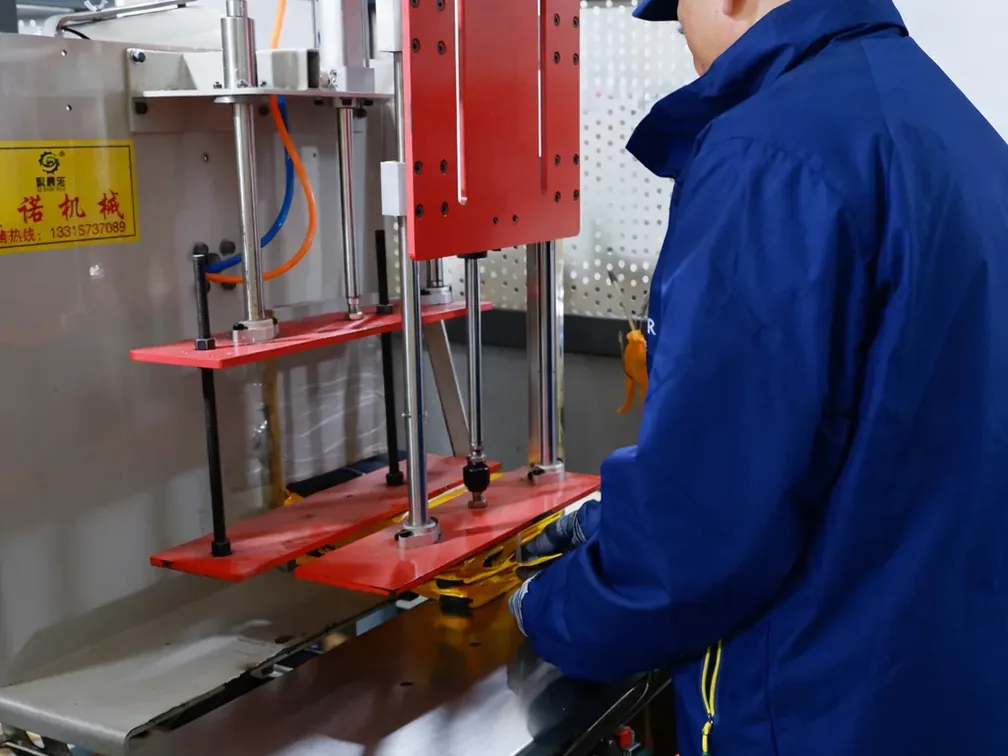
The same logic applies to the batch once it runs. Incoming fabric, webbing, zips and thread are checked against the approved spec, pull, seam strength and bar tack are tested on every batch, and a loaded bag is dropped on a corner and inspected. A line that can pass those checks at volume is a line with the staffing to run your order, which is a capacity signal the sales reply never carries.
The weekly production report is where a buyer keeps the answer current. A report that arrives on time, with photos and a count per station, is the one control that shows the cutting room running ahead of sewing before the bottleneck reaches your date. A factory that resists the report is telling you something about the load it cannot show.
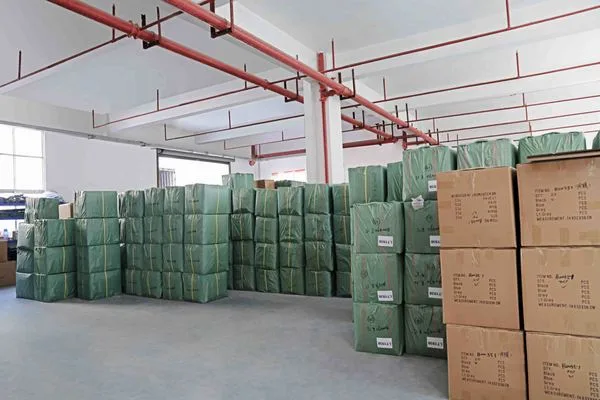
The sample round answers factory capacity checks: the seam, the handle join and the label are read on a sample before the batch. Cartons are photographed before loading on our floor , and the finished dimensions and final carton count are taken before the truck is sealed , so the week a buyer is promised is the week the count is confirmed.

Putting the check before the signature
Four moves keep a capacity check honest, and all 4 happen before the order is placed.
- Write the line, the week and the output into the order, then compare the first weekly report against that line.
- Time the sample from the first request, because the speed of one sample forecasts the queue better than any statement about it.
- Walk the floor if a visit is possible, and look at the packing area rather than the machines.
- Ask what the last late order was and what caused it, then check whether the same cause sits in your order.
A buyer who runs those 4 moves ends up comparing open line time rather than plant size, which is the only comparison that predicts a delivery date.
Related ground sits beside this page. The quality system on the floor is in bag factory quality control, how a large batch is checked is in large batch moving bag qc, and the pre shipment inspection set is in moving bag quality control. The thread through all three is the same one this page runs on: capacity is counted on the line that will run the bag, not on the machine list in a brochure.