Drawn from legacy gusset notes and our own packed-size records for moving and retail totes.
A purchase order landed on the sample room bench with the gusset line reading "3.9 in" and nothing else. The buyer had converted her own sheet from inches that morning, and the number she typed was the expanded depth, not the folded one. Two days later the carton quote came back sized for a bag nobody had ordered.
That single line is where most gusset disputes begin. A gusset is the folded side or base panel that turns a flat bag into a three dimensional one, and it is always measured twice. The folded figure sets the packing size, and the expanded figure sets what the bag holds. Write one and you have written half a specification.
The Spec Line That Started the Argument

The sheet in question had five rows: face size, gusset, material, handle, print. Only the gusset row was ambiguous, and it was the row that decided everything downstream. A 100 mm folded gusset opens to 200 mm, and that opening is what the carton has to accommodate once the bag is stacked flat.
Gussets are named by where they sit. A side gusset opens the width and is the standard retail tote format. A bottom gusset opens the depth and shows up on wine and bottle bags. A bag with both is sold as a three dimensional or D-shape bag, and a centre gusset is a single fold in the middle used on flat pouches and dust bags. An accordion gusset carries multiple folds that expand to twice the flat width.
The name tells you the position. It does not tell you the size, and the size is where the argument lives.
Face Size: The Number Everyone Writes First
Face size is the easy row, so it gets filled in first and trusted without review. A 380 by 420 mm retail tote reads as a settled fact on the sheet, and buyers move on to the interesting rows. The trouble is that face size and gusset interact, and the interaction is what the carton sees.
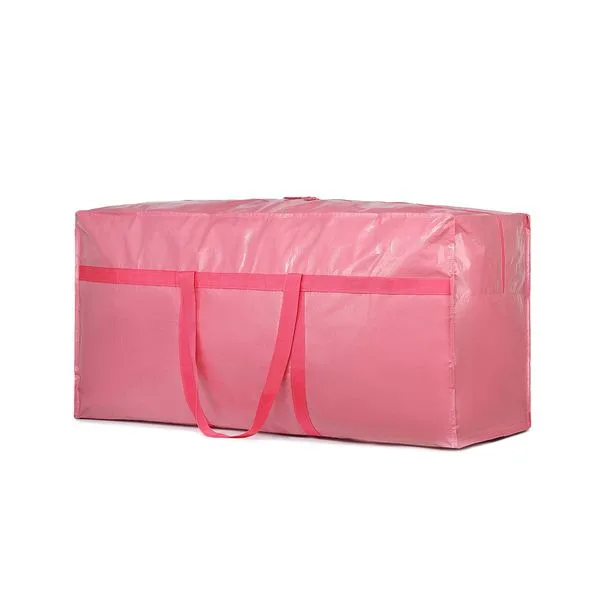
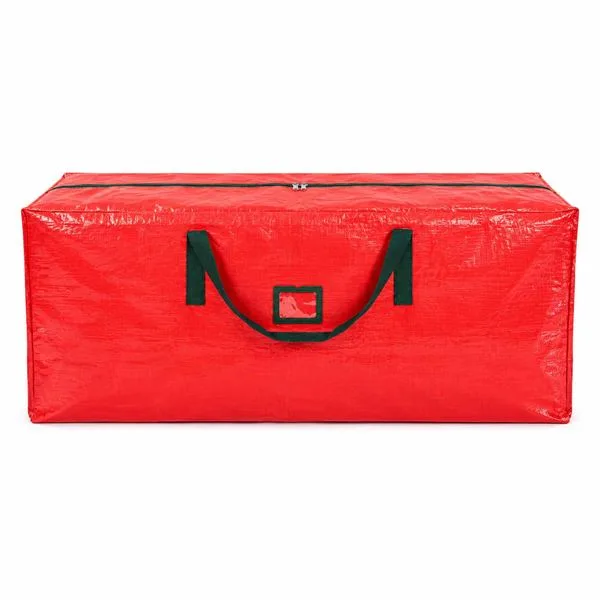
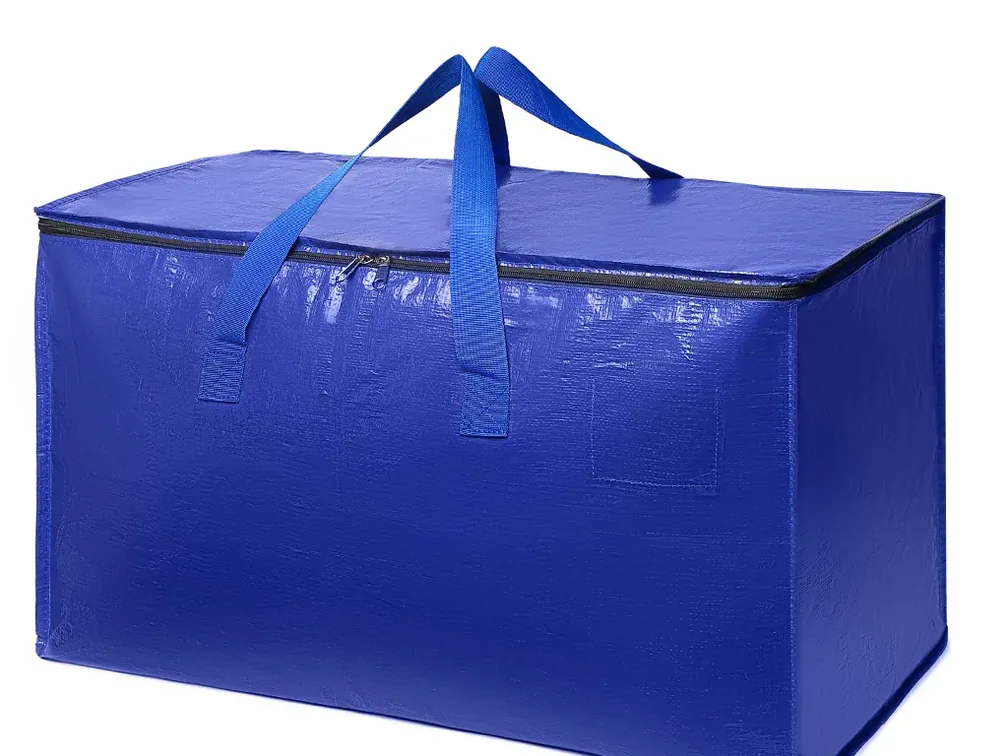
Take the moving bag range as a working example. The largest piece folds to a packed size of 11.6 by 9.6 by 1.8 in, and that packed figure is the number the carton is sized from. The 29.1 in bag folds to 14.6 by 7.5 by 1.8 in. Neither packed size can be read off the face dimensions alone.
Write face size in the unit the factory cuts in, then add the converted figure in brackets. A buyer working in inches and a cutting table working in centimetres will otherwise meet at the fold, and the fold is unforgiving.
Folded Gusset: The Number That Sets the Carton
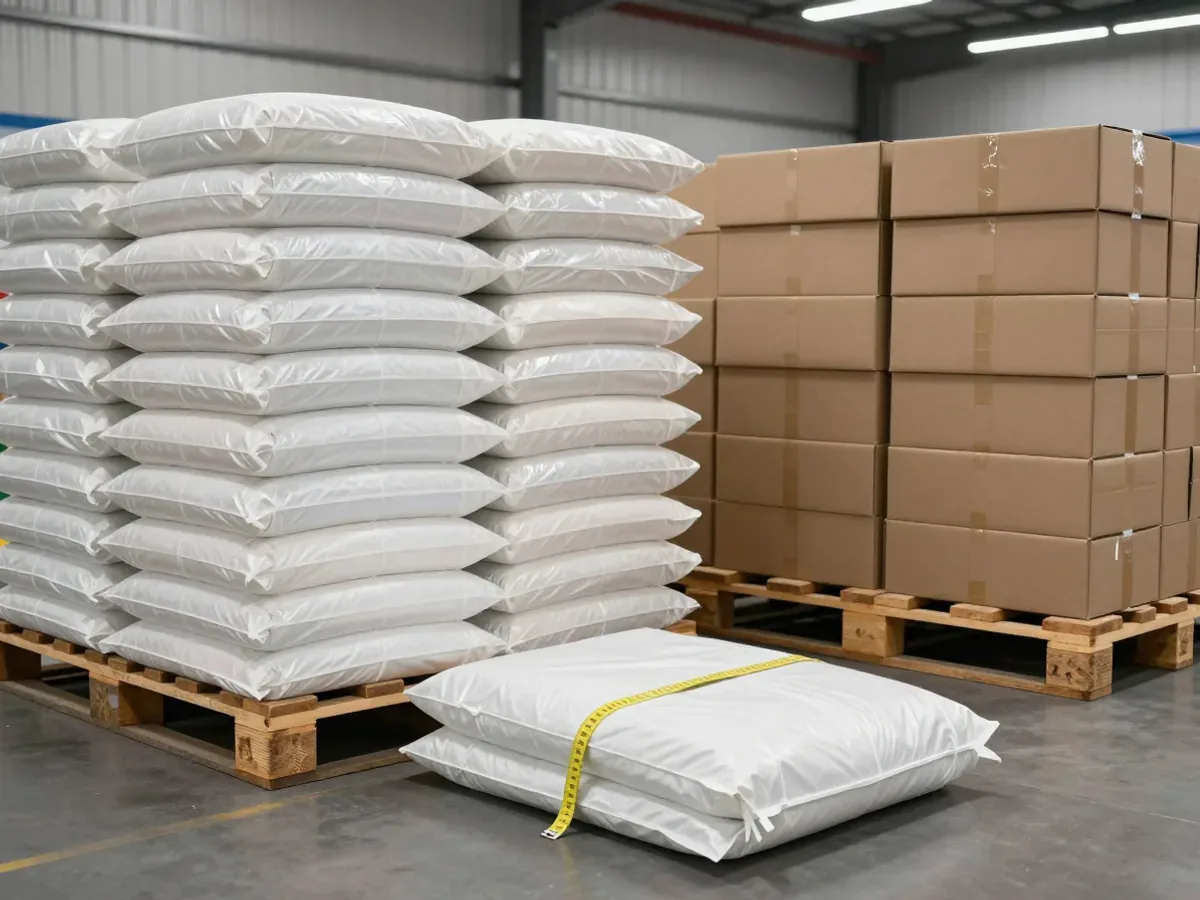
The folded gusset is the depth of the panel as it lies flat, before anything is put inside. It is the number the packing plan is built on, and it is the number most often left off a purchase order. When it is missing, the factory guesses from the expanded depth and the guess is usually generous.
A 380 by 420 mm retail tote typically carries 50 to 100 mm folded. Moving bags run 150 mm folded to reach a 300 mm expanded depth. Those ranges exist because the contents decide them, not the design taste.
The carton consequence is direct. A 50 mm increase in folded gusset raises folded stack height by around 20 percent, which adds roughly 30 percent to the carton volume for the same order. Depth drives the carton, and the carton drives the freight. A standard 1200 by 1000 mm pallet carries 40 cartons of 400 by 300 by 300 mm, and one extra centimetre of carton height across a full container adds up to a pallet that no longer fits the pattern.
Buyers who plan pallet counts early avoid that cost. Buyers who approve a gusset from a photo do not.
Expanded Depth: The Number That Sets What Fits Inside

Expanded depth is the opening the bag reaches when it is filled. It is the number the buyer actually cares about, because it decides whether the boxed goods, the bottle or the stack of catalogues goes in without a fight. It is also the number that gets written alone.
The two figures usually sit at a 2 to 1 ratio, so a 100 mm folded gusset opens to 200 mm. That ratio is a convention, not a law. A coated fabric, a heavy canvas or a reinforced base will shift it, and the shift has to be written down rather than assumed.
A side gusset bag stands open on a counter; a flat bag does not. That standing behaviour is the whole point of the expanded figure, and it is what the buyer is buying when she specifies a gusset at all.
Write both numbers on the same line, in the same unit, with the ratio stated. A line reading "folded 100 mm / expanded 200 mm" removes the guesswork that a line reading "3.9 in" creates.
Fold Construction: The Line Most Buyers Leave Blank
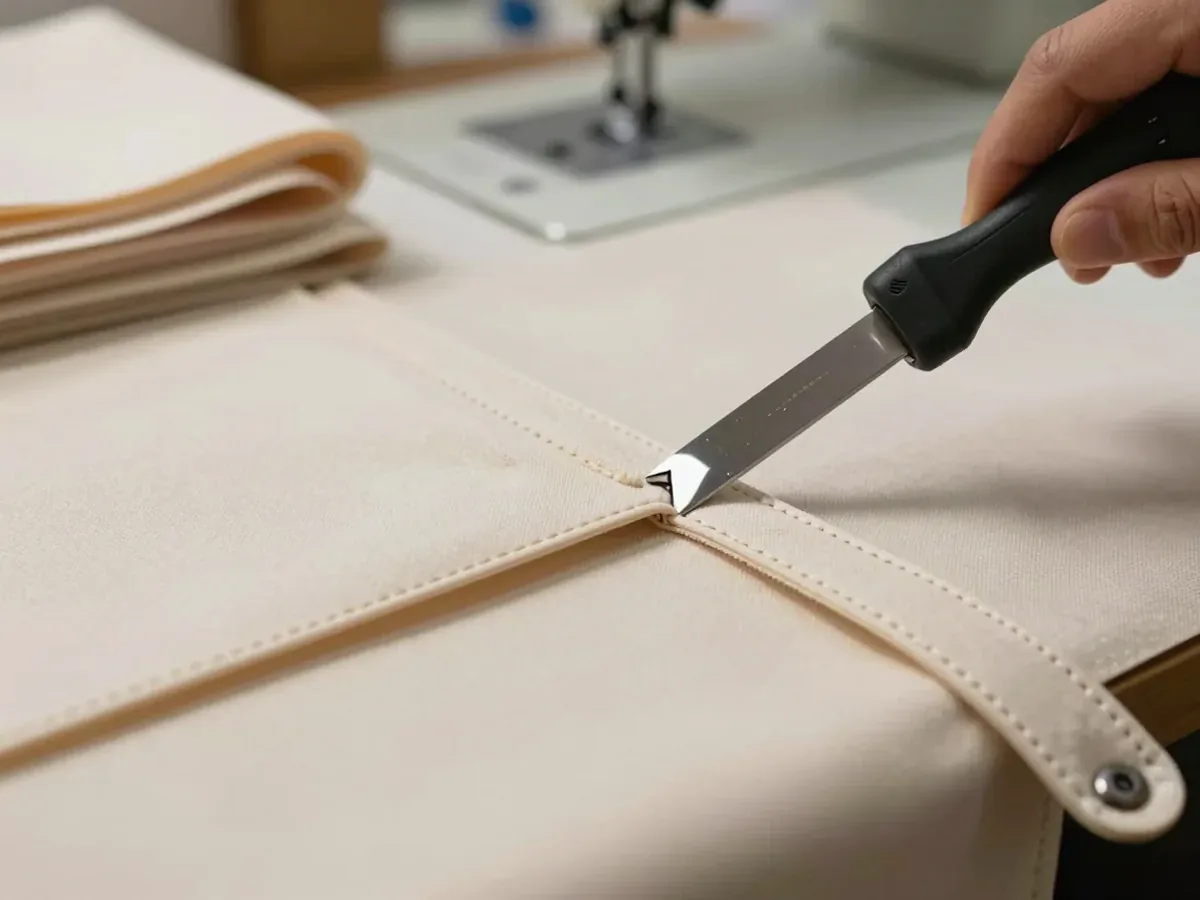
Three faults appear on gusseted bags after a few months of use. The fold cracks where the coating is thin, the bottom seam splits when the bag is lifted by one handle, and the gusset twists because the fold was not set with heat before sewing. Each is fixed in production rather than at inspection, which is why the construction line belongs on the purchase order and not in a conversation.
A coated fabric needs a 20 mm to 30 mm allowance at the fold to keep the coating continuous. A tight fold cracks it within months, and no inspection at the end of the line will bring the coating back. A box X stitch at the handle root spreads the load across the seam. A heated blade run before folding sets the crease so the bag opens flat every time.
The line practice behind this is straightforward. Fabric is relaxed, cut and bundled by size before sewing, so a folded panel is set on the bench before it reaches the machine. Every batch is pulled at the seams and bar tack tested, which is where a gusset seam failure is caught. Handles are stitched to the body rather than tacked on, and the base carries a reinforcement where a bottle sits.
Write the allowance, the stitch type and the heat set as three separate entries. A single word like "reinforced" tells the line nothing it can act on.
Tolerance: How Much Fold Variation Is Normal
A plus or minus 5 mm tolerance on a folded gusset is normal, and a buyer who leaves the tolerance blank is asking for a conversation at delivery. The fold is a fabric operation, not a moulded one, and some variation is built into the material.
The tolerance line does two jobs. It tells the factory what will be rejected, and it tells the buyer what she has agreed to accept. Without it, a 4 mm difference becomes a claim, and a claim on a fold is hard to win because nobody wrote down the target.
Set the tolerance on the folded figure, since that is the one measured flat on the bench. Set a separate tolerance on the expanded depth if the contents are rigid, because a soft bag will forgive a few millimetres and a boxed product will not.
Finished bags are checked by hand for dimensions, handles, logo and packed quantity, and cartons are counted and photographed before the container seals. Those checks only mean something against a written tolerance. A photograph of a carton proves the carton existed, not that the fold inside it matched the approved one.
The One Line That Settles Every Reorder
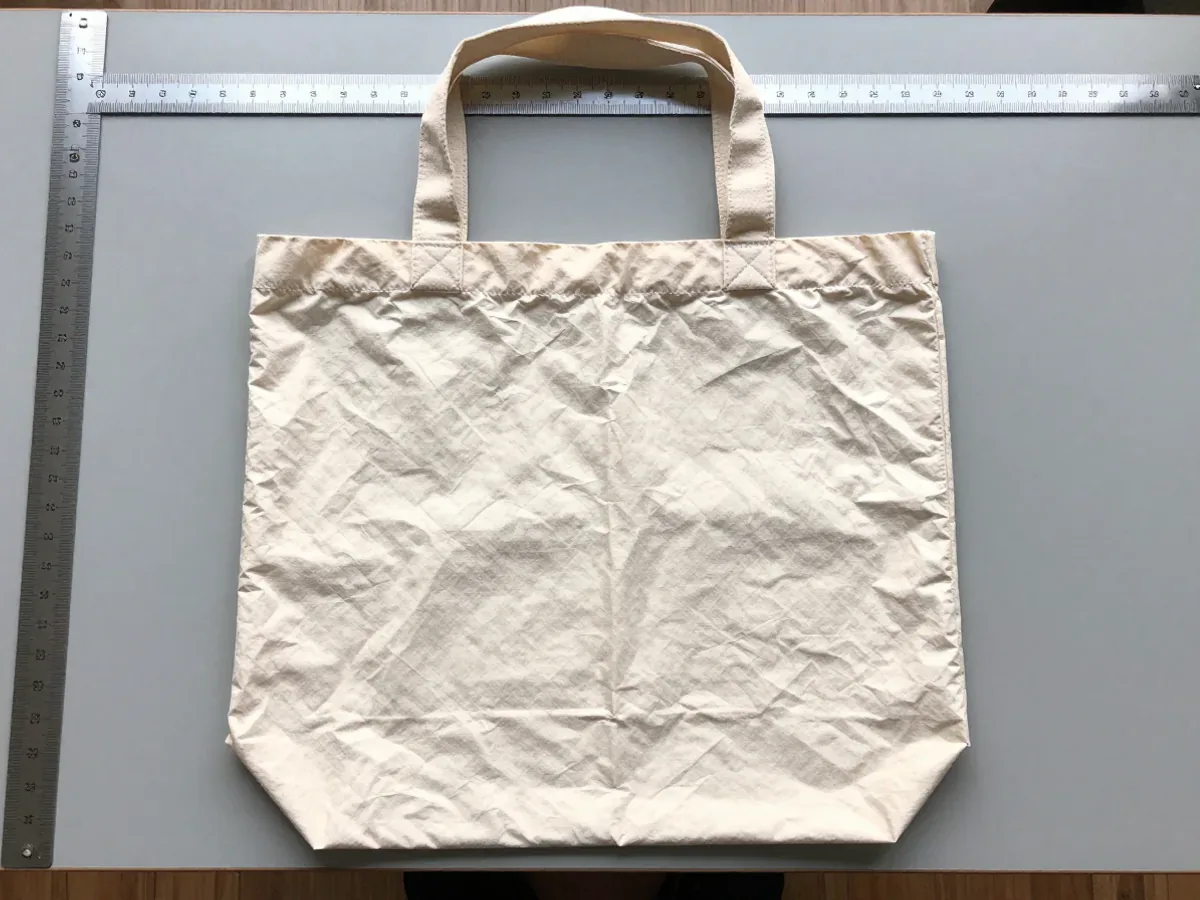
The line that settles every reorder is not a number. It is a pre production sample with the gusset set and photographed flat, kept inside the purchase order. It costs one sample round and removes the argument about whether a delivered fold matches the approved one.
A new size takes one sample round before the bulk run, and that round is where the flat photo should be taken. Lay the bag on the bench, set the gusset, shoot it square to the panel with a ruler in frame. The photo then travels with the order to every future run.
Packing is agreed before production as well: polybag, retail or per store. The gusset photo and the packing line belong together, because the folded figure is what the packing plan is built on.
A gusset specification needs five lines: the bag face size, the folded gusset, the expanded depth, the fold construction, and the tolerance. Add the flat photo and the line is complete. Leave any one of the five blank and the carton, the pallet or the coating will eventually answer the question for you.
FAQ
Is the folded gusset always half the expanded depth?
Usually, at a 2 to 1 ratio, but not always. Coated fabric, heavy canvas and reinforced bases shift the ratio, so both figures belong on the sheet.
Does a bigger folded gusset really change the carton?
Yes. A 50 mm increase in folded gusset raises folded stack height by around 20 percent, which adds roughly 30 percent to carton volume for the same order.
Why does a coated fabric need a fold allowance?
A 20 mm to 30 mm allowance keeps the coating continuous through the crease. A tight fold cracks it within months of use.
Can I approve a gusset from a photo alone?
Only if the photo is a flat, square shot with a ruler in frame and both figures written on the order. A styled photo shows the bag, not the fold.