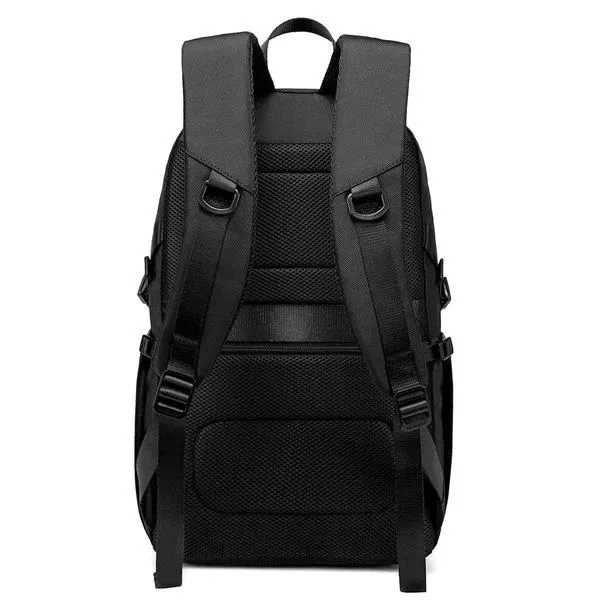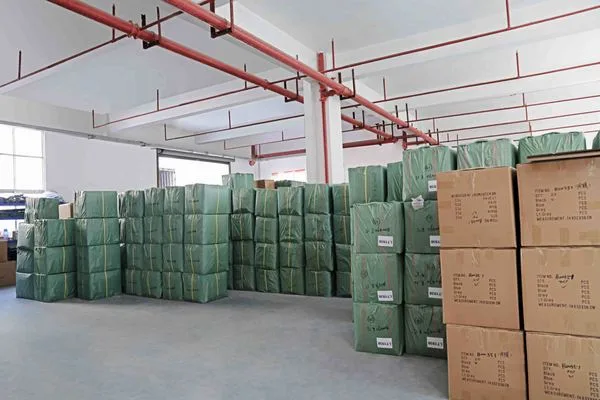
Built from an old hardware guide and the product spec lines behind current bag orders, reorganised around the fields a buyer actually writes.
Three samples sat on the table: a 25 mm black side release buckle, a 38 mm version of the same mould, and a metal D-ring pulled from a returned strap. The buyer had written one line on the purchase order, "25 mm black buckle, 500 pcs", and nothing else. She wanted to know why the first two looked identical but felt different in the hand, and why the ring had opened at the weld after a season of use.
That single line is where most hardware problems begin. Bag hardware is small, cheap per piece, and decisive: a buckle that slips under load or a D-ring that bends at the weld turns a well sewn bag into a return. Buyers inspect stitching and fabric closely and treat hardware as a given, which is exactly where specifications go quiet. The order line said colour and size. It did not say what the part was made of, what webbing it was rated for, or what test the lot had to pass.
The Order Line That Started This: 25 mm Black Buckle, 500 pcs

Read that line the way a factory reads it. It names a width, a colour and a quantity. It does not name a material class, a webbing thickness, a latch type or an acceptance test. Two suppliers can quote against it and deliver parts that behave nothing alike.
The buyer's three samples proved it. One buckle was acetal, one was a cheaper polypropylene, and the third had been moulded to a slightly different internal width. On the table they looked like the same family. Under a loaded strap, only one of them held its latch closed.
Four families do the structural work on custom bags. Buckles close and adjust the main openings on duffels, backpacks and utility bags. D-rings and O-rings anchor straps to bodies and accessories to bags. Snap hooks and swivel clips connect detachable straps. Grommets and eyelets reinforce passages where cords and hooks pass through fabric. Each family has its own spec fields, and each field exists because a specific failure is possible without it.
Field One: Material Class, Not Just Color and Size
The material class is the first field that should follow the colour on the order line. For buckles, that means naming acetal or nylon rather than leaving the resin to the supplier's default. Cheap polypropylene cracks in cold weather or under load, and a cracked latch is not a cosmetic defect.
The reason is mechanical. A side release buckle works by two spring legs that flex every time the part is opened. The resin has to keep its memory through thousands of cycles and through a winter in a warehouse. A material class written on the sheet tells the moulder which resin family is acceptable before the tool is run.
Verification is cheap here. Open and close sampled buckles and snaps through their travel repeatedly, and watch whether the springs still return with the same snap by the fiftieth cycle. A latch that has gone soft by then will go softer in the field.
Field Two: Webbing Width and Thickness the Buckle Is Rated For
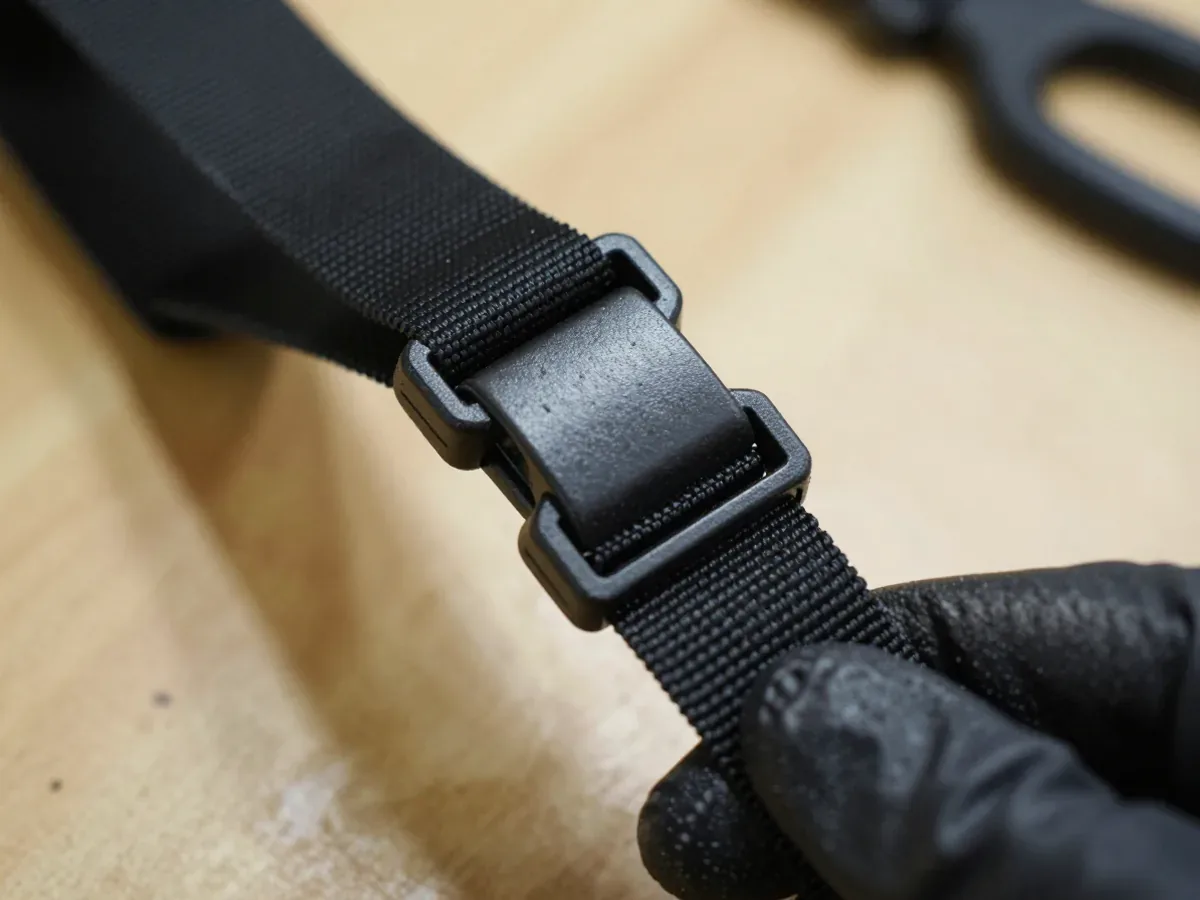
A 25 mm buckle is not automatically correct for 25 mm webbing. The latch closes on the webbing's thickness as much as its width, and a strap that is slightly too thin lets the latch creep open under load. The order line should state the webbing width and the thickness the buckle is rated for.
This is the field that explains most side release failures in the field. The buckle is fine and the webbing is fine, but the pair was never matched. A ladder lock has the same issue in reverse: too thick a webbing and the adjustment jams, too thin and it slides.
The check is a fit test on the actual production webbing, not a nominal width from a catalogue. Thread the strap, close the latch, load it by hand and watch the webbing at the latch mouth. Any creep visible at that stage will be worse after a month of carry.
Field Three: Metal Gauge and Weld Quality on D-Rings
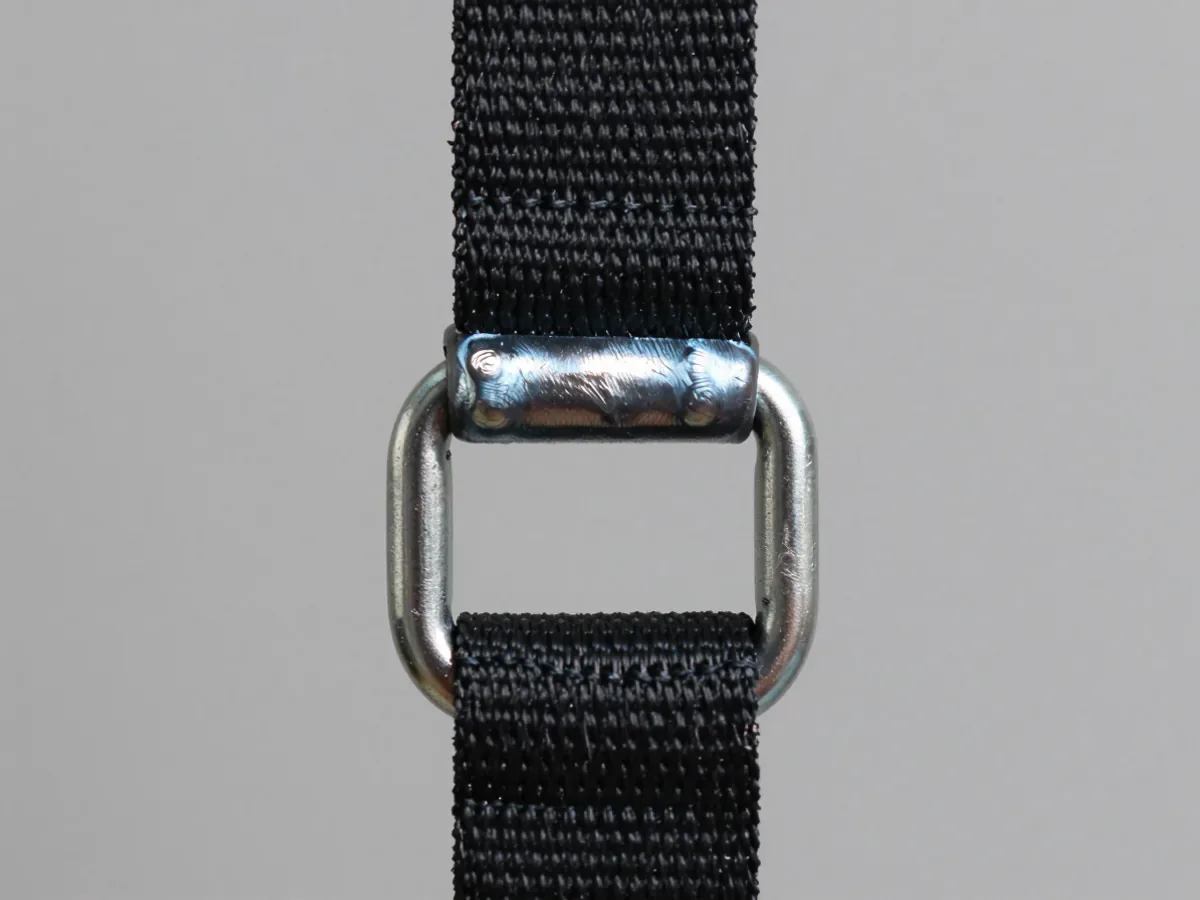
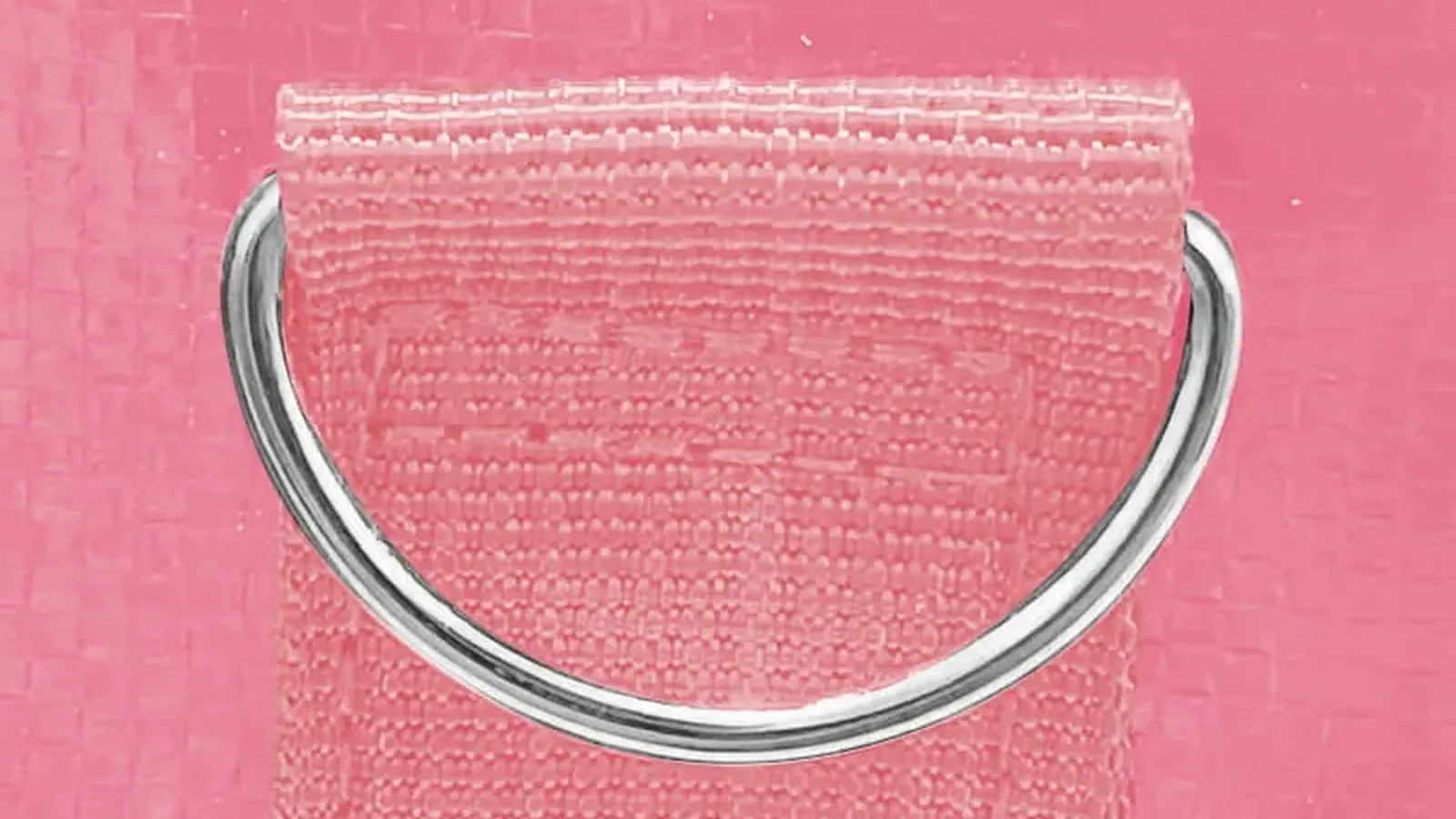
A D-ring specification is metal gauge and weld quality, and both belong on the sheet. The gauge sets how much the ring resists bending. The weld decides whether the ring stays closed when the load pulls at an angle, which is how a shoulder strap actually loads it.
Ring deformation happens when a D-ring bends open at the weld. The fix is to specify forged or welded steel with a stated gauge, and to load test the attachment assembly rather than the bare ring. A heavy duty D-ring attachment on a moving bag only earns that description if the ring, the webbing loop and the stitching are tested together.
Are metal D-rings always better than plastic ones? For structural load paths, generally yes, with gauge and weld quality as the deciding details. Plastic rings suit light accessory attachments where weight and cost matter more than load.
Field Four: Spring and Latch Travel on Snap Hooks
Snap hooks and swivel clips connect detachable straps, and their spring mechanism quality decides whether the clip still locks after a season. The spec field is the spring and the latch travel, not just the hook's finish and opening size.
A snap hook fails in a quiet way. The gate still closes, but the spring has lost enough tension that a sideways pull opens it. Buyers notice this as a strap that "comes off on its own", long after the hardware looked acceptable at inspection.
Cycle the sample hooks through their full travel and feel for the point where the spring stops returning crisply. Then load the assembled strap and hook, because the clip is only as good as the loop it hangs from. A hook tested alone tells you about the hook. A hook tested on the bag tells you about the carry.
Field Five: Barrel Length Against Fabric Thickness on Grommets
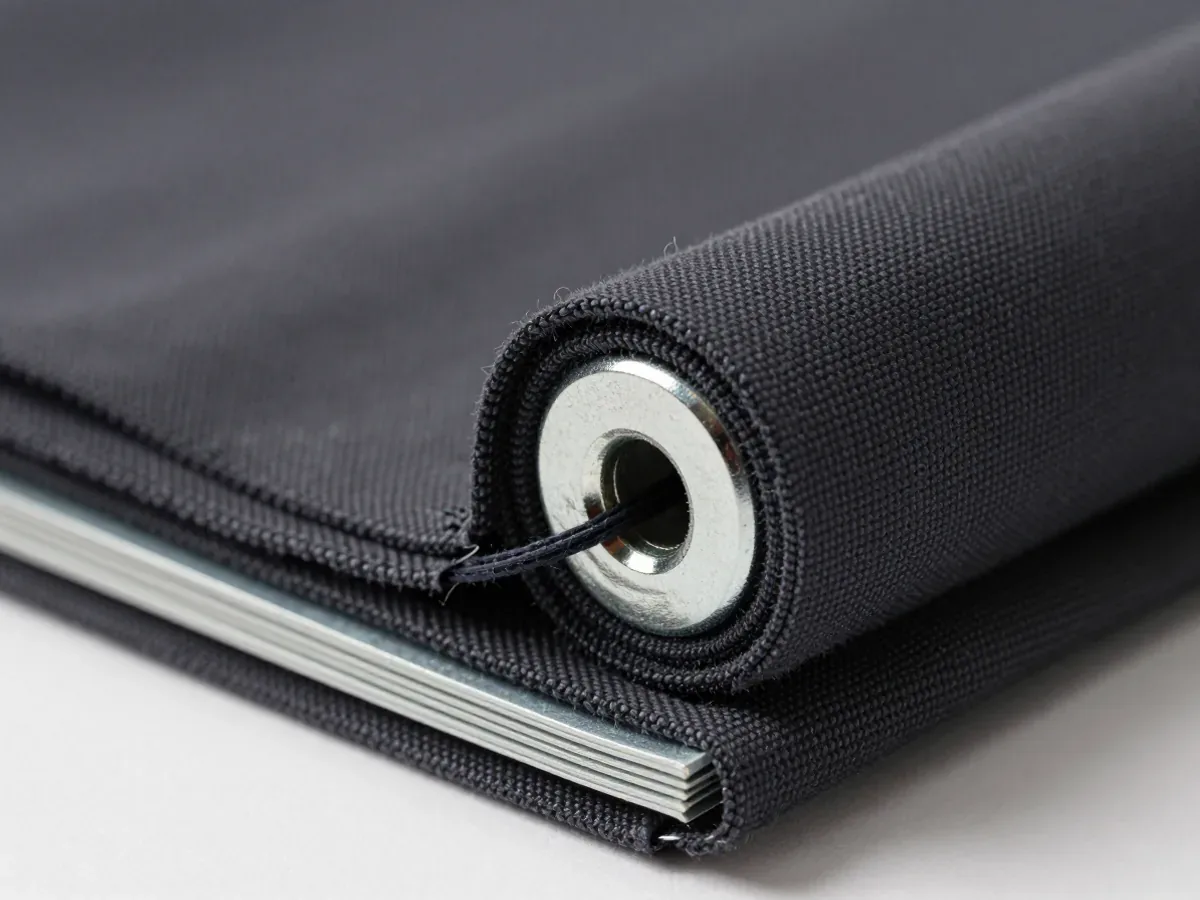
Grommets and eyelets reinforce passages where cords and hooks pass through fabric, and their spec is barrel length against material thickness. A barrel that is too short leaves the fabric edge exposed inside the eyelet. A barrel that is too long leaves a lip that abrades the cord.
The order line should state the fabric stack at the grommet, including any reinforcement layer, and the barrel length chosen for it. This is a small field with a visible consequence: a grommet that sits proud or sinks into the cloth signals the wrong length before the bag ever ships.
Verification is a squeeze and a look. Set the grommet on the actual fabric stack, confirm the barrel rolls over cleanly on both faces, and run a cord through it to feel for a sharp edge. Rough edges and flashing on plastic parts predict wear and webbing abrasion in the field.
Field Six: Plating and the Corrosion Expectation for the Market
Plating is a spec field, and so is the corrosion expectation that goes with the destination market. A bag headed to a marine or humid market needs a salt spray expectation named on the sheet. A bag sold in a dry inland market may not.
The failure this prevents is slow and expensive. Plating blisters and rough edges show up as rust spots on a strap ring months after delivery, and the return arrives with a photo of a stain on the customer's shirt. Naming the plating and the corrosion expectation gives the supplier a target and gives the buyer a basis for rejection.
Incoming finish inspection catches most of it. Look for plating blisters, rough edges and flashing on plastic parts, because those defects predict wear and webbing abrasion later. A part that is already rough will polish the webbing against it with every carry.
The Line Most Buyers Leave Blank: The Test the Lot Must Pass

The field left blank on the sample order was the acceptance test. The sheet named the part, the colour and the quantity, and stopped. Nothing told the supplier what the delivered lot had to survive.
That blank is the one that decides whether the bag survives carry. Hardware verification is cheap because the pieces are small, and three checks catch most problems. Function cycling opens and closes sampled buckles and snaps through their travel repeatedly. Pull testing loads the assembled strap and hardware to the specified test weight and holds it, because the assembly fails at its weakest member. Finish inspection catches the blisters and rough edges that predict field wear.
What load should the hardware be tested to? To the bag's rated working load with a safety margin, tested on the assembled strap and hardware rather than the bare part. The assembly's weakest member, often the stitching, sets the honest rating. Should the pull test be done on the part or the assembly? On the assembly, every time, because a buckle that passes alone can still fail at the stitch that holds its webbing loop.
The spec sheet line that closes the gap reads like this: material class, size and gauge, finish and corrosion expectation, supplier class where relevant, and the function or pull test the delivered lot must pass. A buyer who writes those fields has answered the question in the title before the first carton is sealed.
Pull, seam strength and bar tack are tested on every batch on our lines, and four checkpoints are photographed for the buyer file. Those records are only meaningful when the order line says what the hardware was supposed to be.
FAQ
Why do side release buckles fail in the field?
Two ways: cheap polypropylene cracks in cold weather or under load, and mismatched webbing lets the latch creep open. Specifying acetal or nylon class with matched webbing width solves both.
Are metal D-rings always better than plastic ones?
For structural load paths, generally yes, with gauge and weld quality as the deciding details. Plastic rings suit light accessory attachments where weight and cost matter more than load.
What load should the hardware be tested to?
To the bag's rated working load with a safety margin, tested on the assembled strap and hardware rather than the bare part. The assembly's weakest member, often the stitching, sets the honest rating.
Should the pull test be done on the part or the assembly?
On the assembled strap and hardware. A bare part can pass while the same part fails at the stitch or the webbing loop that carries the load on the finished bag.