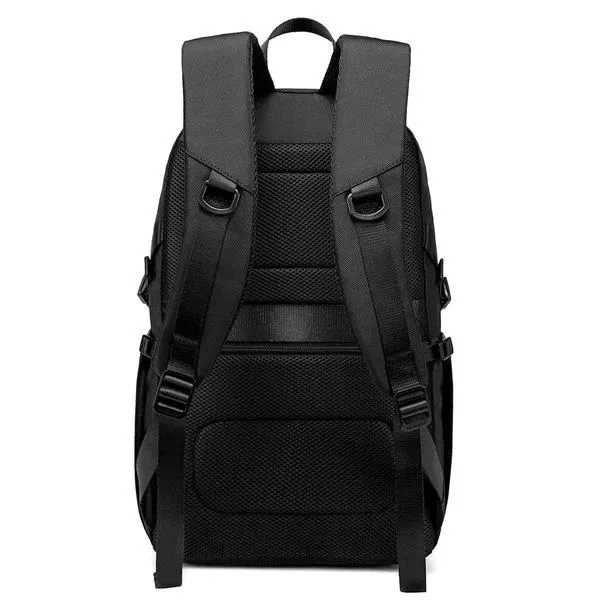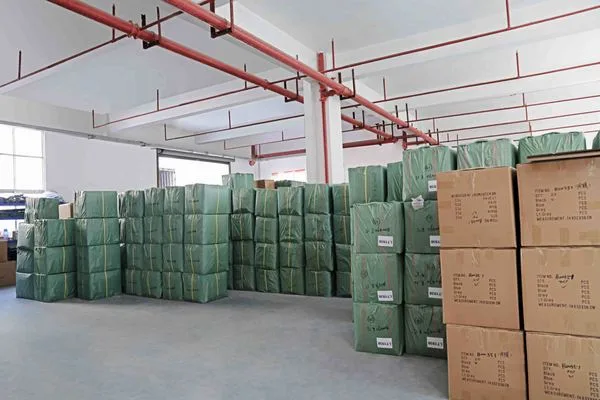
Based on a legacy case file about an e-commerce return loop and the tote specifications that shaped it.
Three return totes sat on the bench next to a stack of flattened cartons, and the difference was visible before anyone spoke. The totes held their shape, carried a label on the same face every time, and could be lifted with one hand. The cartons had to be matched, taped and rebuilt for each item.
That bench comparison is where most returns conversations should start, because the box habit is not a bad intention. It is a habit that looks careful and costs the line its rhythm.
The Box Habit That Looks Responsible

A returned item arrives in mixed packaging, and the first instinct is to reach for a fresh carton. The reasoning sounds solid: a box protects the item, a box takes a label, and a box is what the customer saw when the order first shipped. So the returns bench keeps a wall of cartons in several sizes, and every item gets a box that fits.
Nothing about that picture looks wasteful on paper. The cartons are cheap per unit, they stack, and they are familiar to everyone on the floor. The habit survives because it feels like the careful choice, not the slow one.
Then the day's returns arrive and every box is a surprise. One item comes back in a poly mailer, another in a shoebox, a third in a padded envelope that has been taped shut twice. Each one has to be opened, inspected and then re-housed before it can move anywhere.
Why the Box Feels Like the Safer Choice
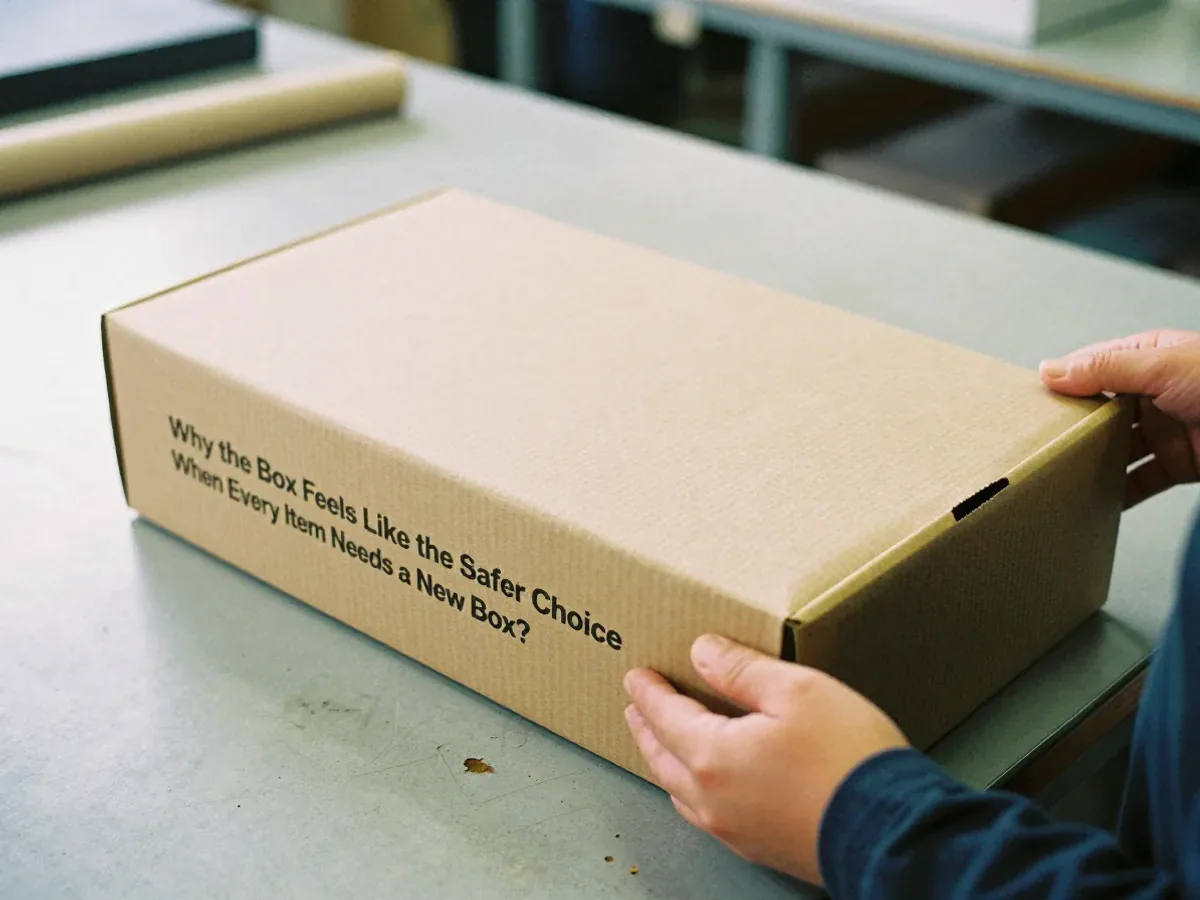
A carton has a long history behind it. It is the container the shipping world already trusts, and it carries a label the way a parcel carries an address. When a returns supervisor is asked to justify a process, a box is easy to defend because nobody has ever been criticised for using one.
The box also hides a second appeal. It lets the team treat each return as a separate job, which feels thorough. An item gets its own container, its own label and its own trip back to stock, and the work looks complete at every step.
That one item, one box logic is exactly where the line loses speed. The matching step is invisible in a job description, but it sits between every inspection and every trip to the shelf.
Where the Matching Step Quietly Eats the Day
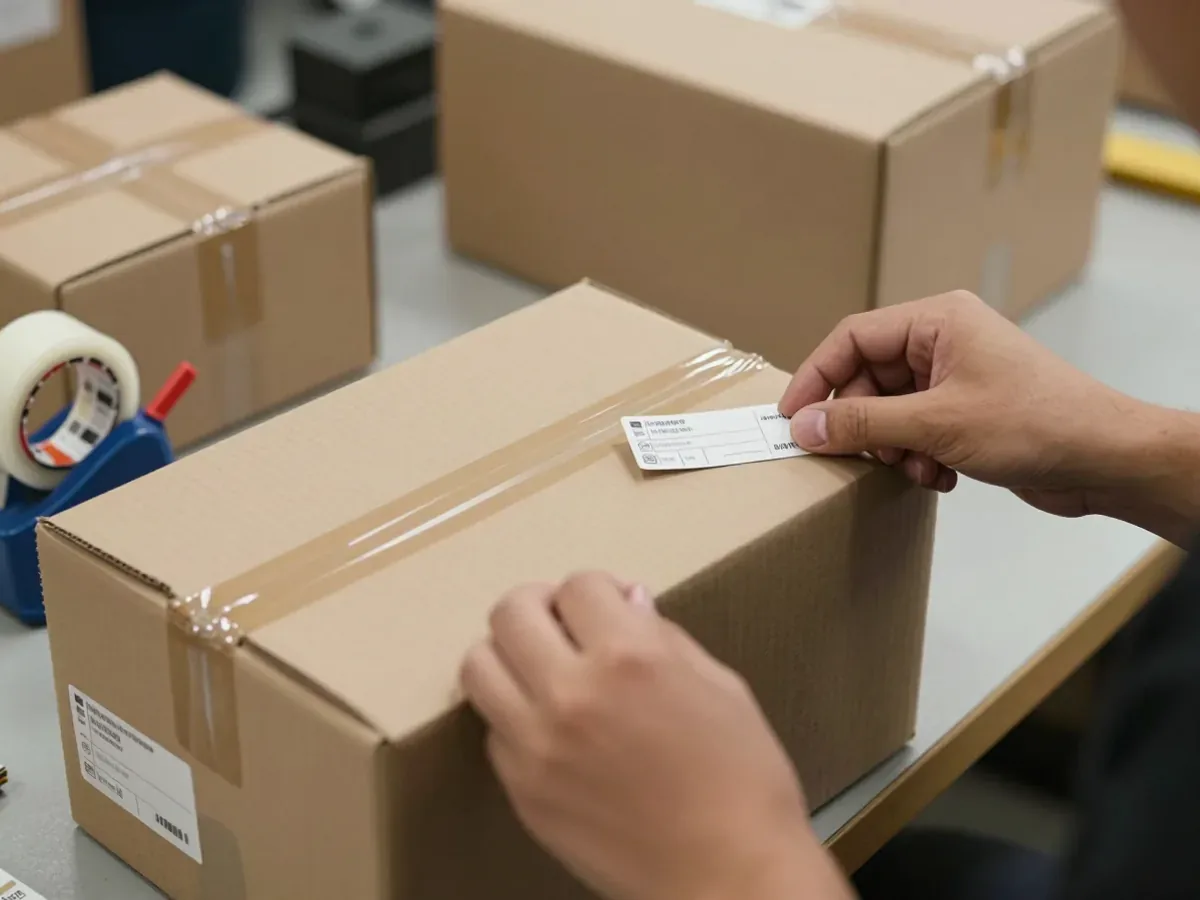
The delay on a returns line is rarely in the inspection itself. It sits in the packaging step and in the time spent matching an item to a box. Someone measures, someone hunts for the right size, someone folds the flaps and tapes the seam, and the item waits while that happens.
Multiply that by a morning's returns and the queue stops behaving like a line. It becomes a pile with a schedule attached. Inspection staff work in bursts because they are waiting on containers, and the person at the packing bench becomes the bottleneck without anyone naming the role.
There is a second cost that shows up later. A carton that has been opened, taped and reopened loses its shape, and the next item in that box sits loose. The team starts adding filler, which adds another step, and the box that looked cheap now carries labour on both ends.
What a Standard Tote Changes at the Bench

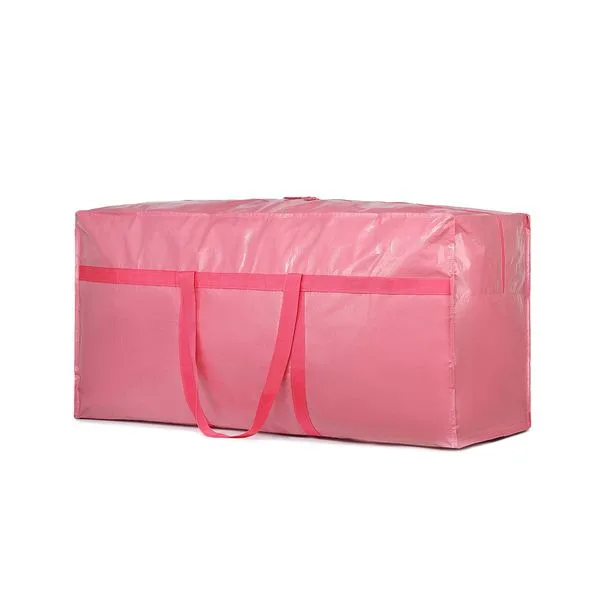
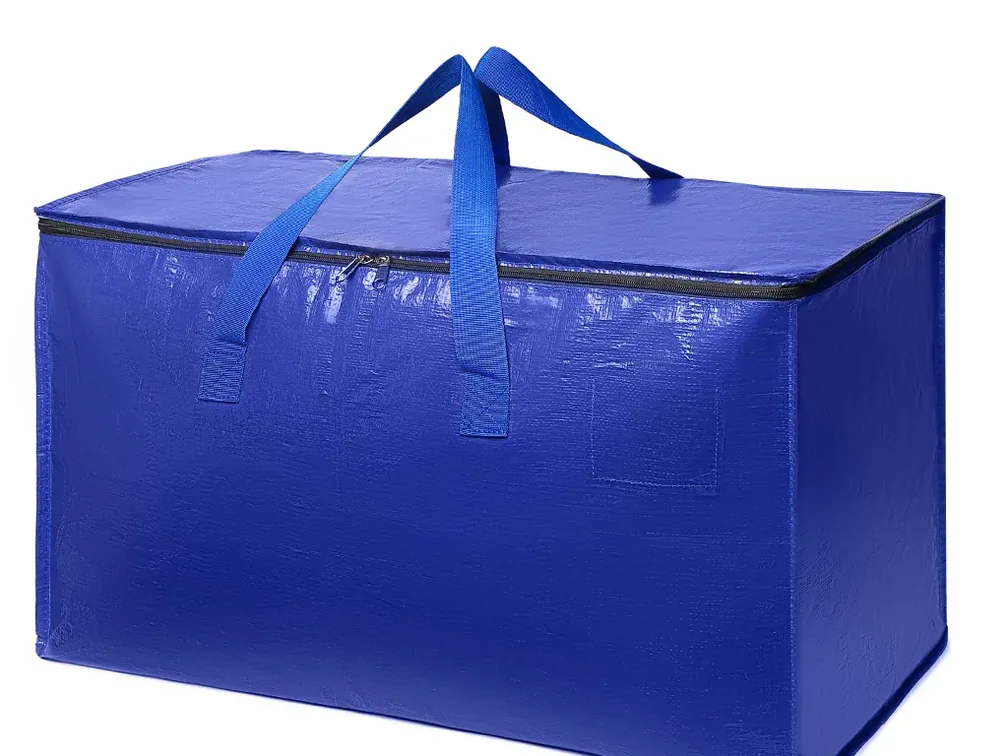
A reusable tote changes the workflow because it turns a return into a standard, predictable job instead of a one-off. The team stops matching items to boxes and starts running a line. One tote size handles the normal range of returns, and the item moves from opening to inspection to stock without waiting for a container decision.
The same tote that moved the item in can move it out. A single reusable tote carries an item in and out of the return process, and its standard size removes the step of matching items to boxes. Labour shifts from packaging to actual inspection, which is the work the returns team was hired to do.
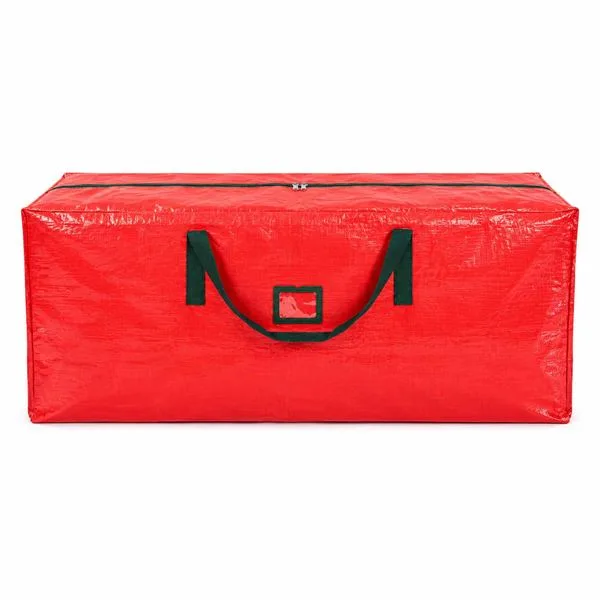
A tote is also built to cycle in a way a carton is not. It folds flat when empty, takes a label the way a carton does, and survives repeated use without slowing the line. Empty totes stack in a narrow column at the end of the bench instead of consuming a wall of shelf space.
The loop closes when the tote carries the item back to stock or on to a resale bin. Nothing about that trip requires a new container, so the return path stops consuming fresh packaging at every stop. The queue stops building because the container is already there.
The Tote Spec That Survives a Return Loop
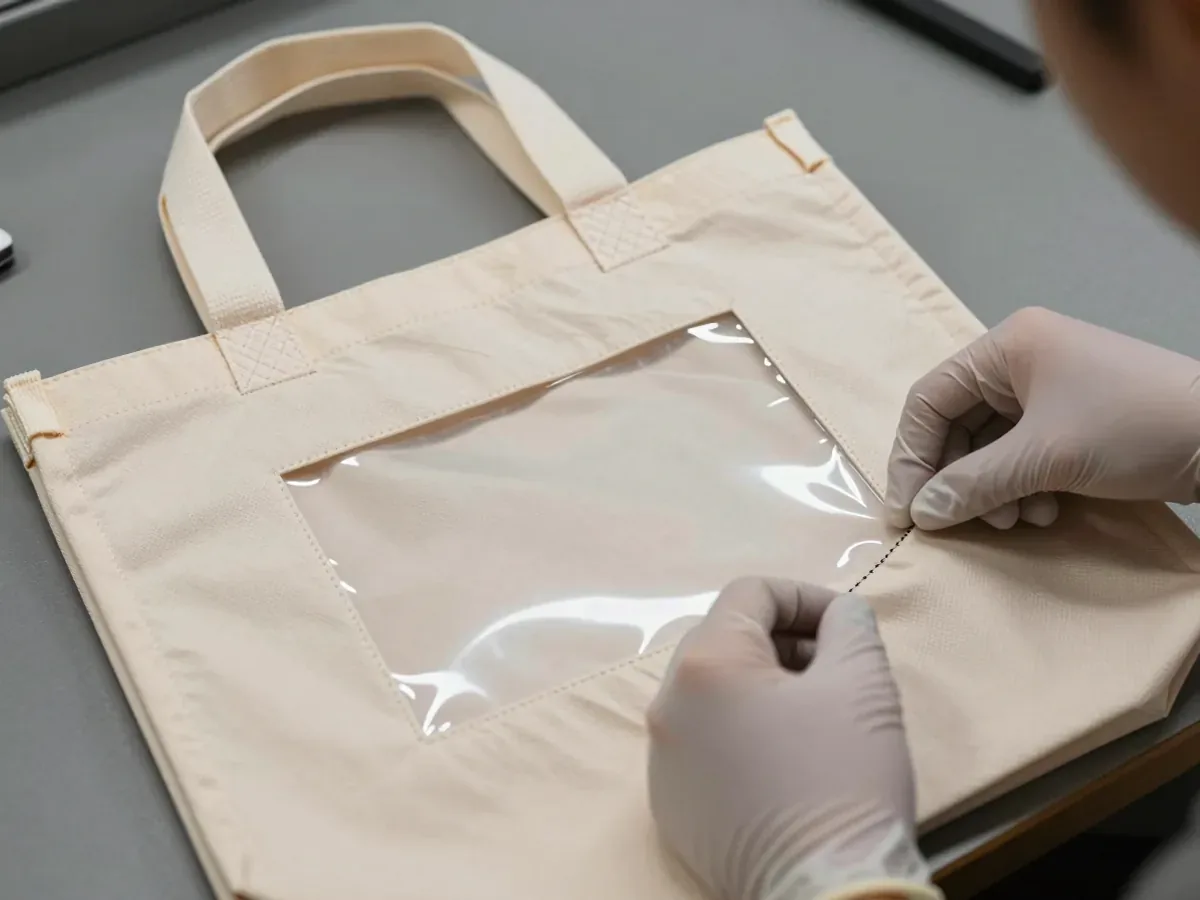
A tote that only has to look good in a photo will fail on a returns bench within a week. The spec has to answer the handling, not the marketing. Size comes first, matched to the return volume and the typical item, so one tote covers most of the day without a second size creeping in.
The handle is the next decision. It has to be built for repeated use, because a returns tote is lifted dozens of times a shift by people wearing gloves. A handle that folds or twists under load turns into a complaint from the bench, not from a customer.
Storage matters as much as carrying. A flat-folding body keeps empty totes out of the way between waves of returns, and a clear label area lets the team mark a tote without hunting for a face. Confirm the label area and the closure before ordering, because those two details decide how fast a tote can be read and sealed.
Consistency is the last piece. Make the tote per batch so the bag quality stays even across the order, and check the stitching on the bench before the run is packed. Finished totes get checked by hand before packing, and that check is what keeps a return loop from inheriting a weak seam.
A Short Self Check Before You Order Totes
The first question is whether the returns bench has one container size or five. If the answer is five, the matching step is still in the process and the tote order will not fix it. Standardise the size before placing the order, not after.
The second question is where empty containers live during a shift. A tote that folds flat earns its place in a small returns room, and a tote that does not will end up stacked on the floor. Walk the bench and measure the space before choosing a body style.
The third question is who handles the tote and how often. Repeated lifting, gloved hands and a label that has to be read at a glance all point to a specific handle and label area. Write those into the spec rather than leaving them to the sample room.
The fourth question is how the tote is checked on arrival. A tape measure on the bench and a hand check on the stitching catch the batch that drifted before it reaches the returns line. Per-batch quality keeps the bag consistent, and consistency is what makes a return loop predictable.
FAQ
Can a tote really replace every box on a return line?
Not every one. Oversized or fragile items still need a rigid container, and a tote is not a substitute for a shipping carton on the outbound leg. The tote replaces the box as the handling container inside the returns process, which is where the matching step lives.
What size tote should a returns team order?
Size it to the return volume and the typical item, not to the largest thing that might arrive. One standard size that covers most of the day removes the matching step. A second size for the outliers is cheaper than a wall of cartons in five dimensions.
How do you keep totes from piling up at the packing bench?
Give empty totes a fixed home at the end of the bench and fold them flat between waves. A tote that has a marked position gets returned to it, and a tote that does not becomes part of the pile. The storage decision belongs in the spec, not in a later cleanup.
Does a printed tote hold up to repeated handling?
It holds up when the print sits on a panel that is not folded, dragged or scraped every shift. Confirm the label area and the closure, and check the stitching on the bench before the batch is packed. A tote built for a return loop is judged by its handle and seams, not by the artwork.