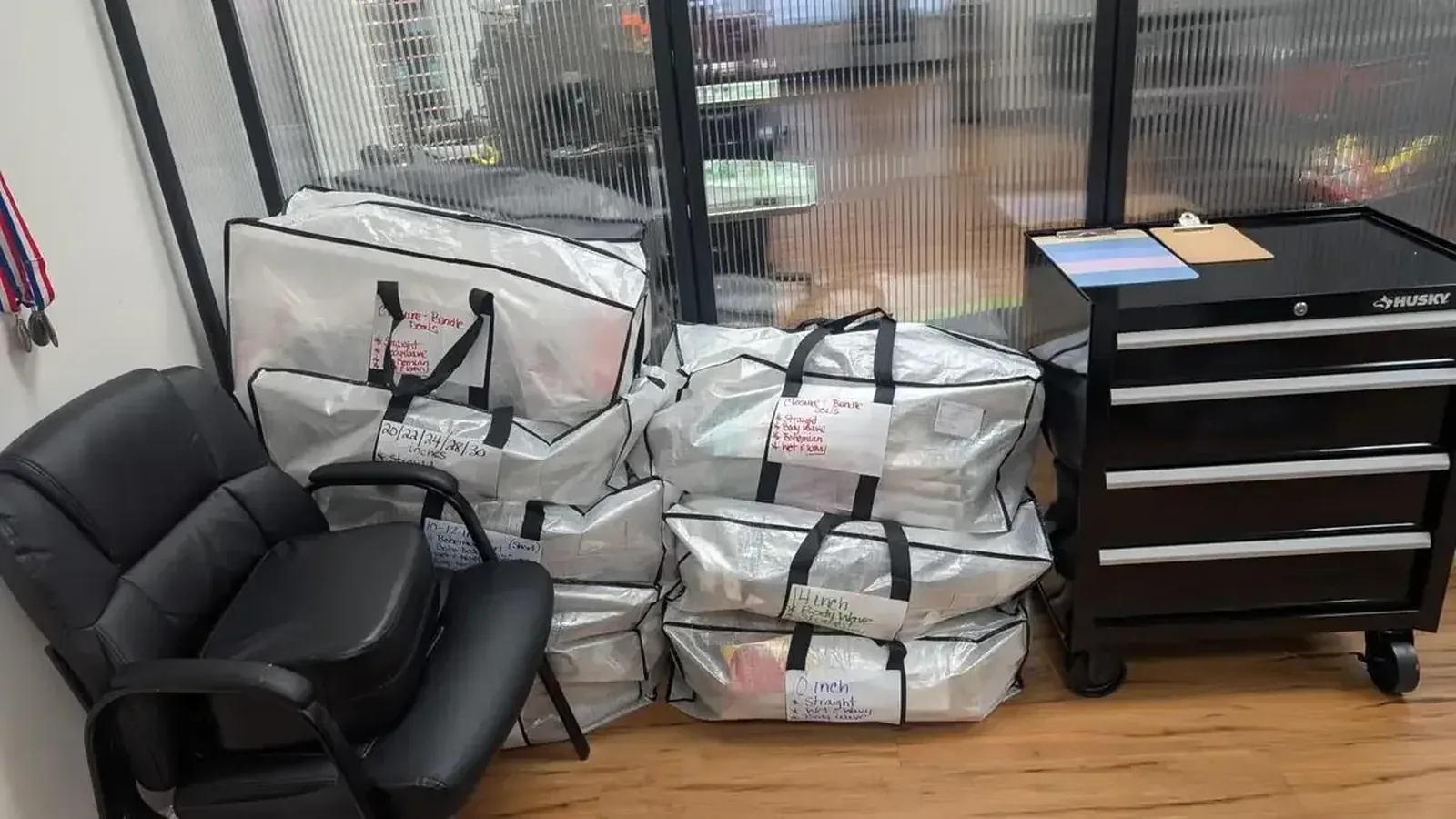
Built from the original comparison of clear bags and cardboard in warehouse picking, plus the clear moving bag spec sheet.
A warehouse manager in Ohio opened a purchase order for clear picking bags and found six lines filled in and four blank. The blanks were not laziness. Nobody on the buying side knew what belonged there, so the supplier filled them with whatever was already running that week. Six months later the bags split at the seam under a 22 kg load, and the reorder arrived with a different film than the first batch.
That order is worth reading line by line, because a clear bag either works on a picking floor or fails there based on what the spec sheet says before anything is produced. Each row below is a decision. Some rows are obvious. One is almost always missing.
The first row on the order: a clear body, and what it actually buys you

The top line usually reads something like "clear body, 29.1 x 13.8 x 13 in" or a metric equivalent. It looks like a size note. It is really a statement about how the picker will work.
A clear body keeps contents visible, which speeds up unpacking and inventory checks. On a picking floor that means a worker can confirm a SKU without opening the container, scanning through the film, and moving on. The old complaint about opaque boxes is exactly this: staff open containers just to identify contents, and that manual step slows receiving and inflates operating costs.
Write the body line with the opening in mind. A top zip that opens the full length of the bag lets a picker load and unload without fighting the mouth of the bag. If the bag will be carried by hand between stations, note whether handles or straps are part of the body spec or a separate line.
Verification is simple and often skipped. Ask for a production sample at the stated dimensions and load it with the heaviest SKU it will hold. Measure the opening. Check that the zip runs cleanly across the full length. A bag that measures right but opens only partway will slow every pick.
Film and material line: why LLDPE and thickness decide the load
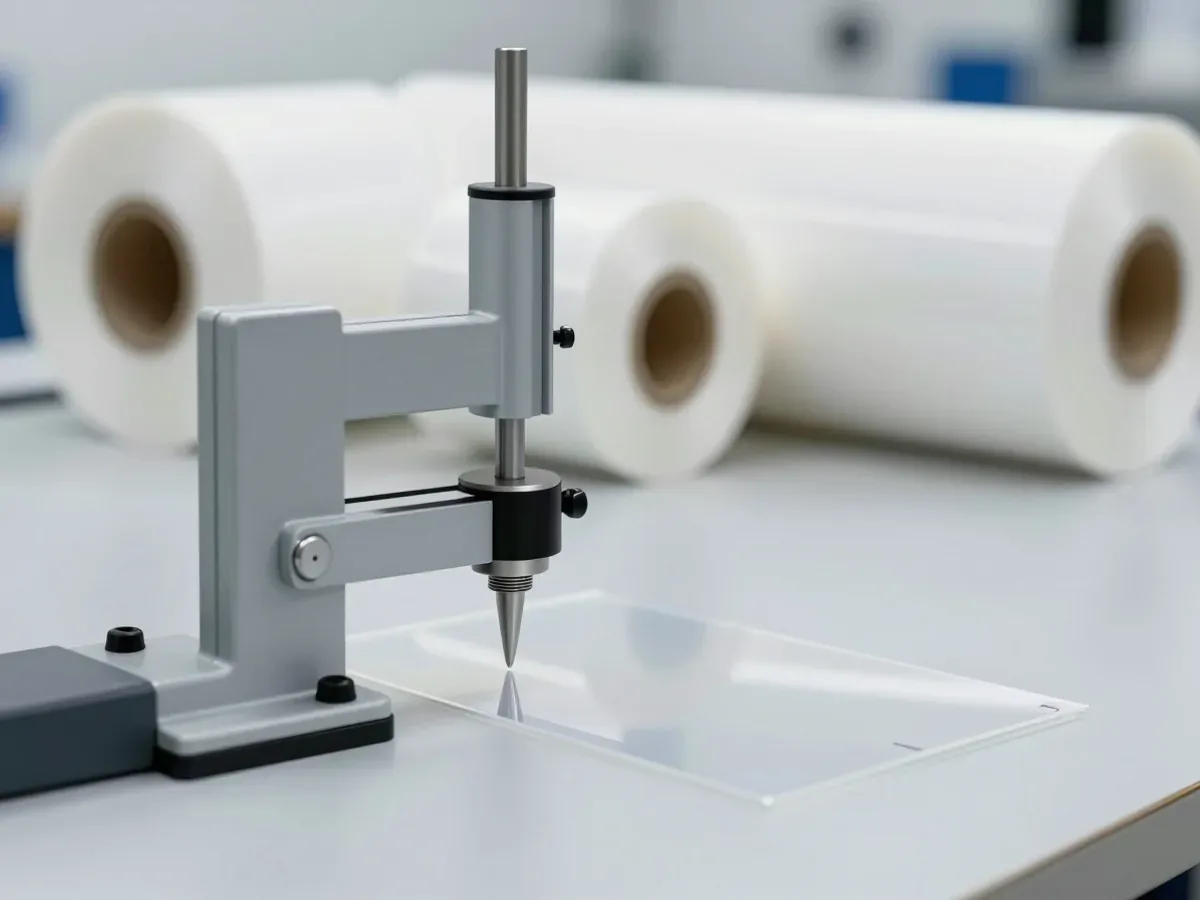
The material row is where quotes diverge most. Two suppliers can quote the same bag size and be selling two different products.
For heavy loads, linear low-density polyethylene (LLDPE) gives better puncture and tear resistance than standard LDPE or HDPE. A common 30 micron LDPE bag might reliably hold around 15 to 20 kg. Moving to a 50 micron or thicker LLDPE film pushes capacity past 25 kg. For heavy or sharp-cornered items, 60 to 100 micrometers is the range that prevents failures.
Write the resin type and the thickness in microns, not "heavy duty." Heavy duty is a marketing word. Microns are a number a QC clerk can check with a gauge.
Verification: request the film thickness on the spec sheet and confirm it on incoming goods with a micrometer at three points across the bag. Ask which resin grade is used. If the answer is vague, the batch will drift.
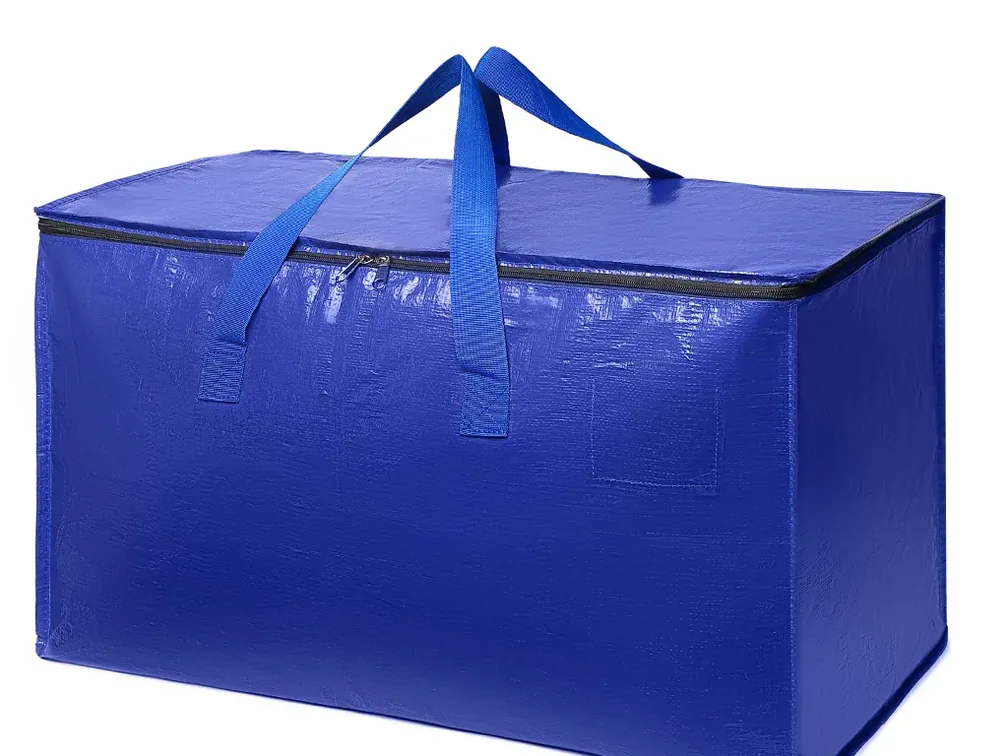
There is a second material path worth knowing. A clear PP body, as used in our moving bags, wipes clean and goes back out on the next job. That matters when the same container is reused across shifts rather than shipped out once.
The line most buyers leave blank: how the bag is tested

This is the row that sits empty on most purchase orders. It is also the one that decides whether the first batch and the fifth batch behave the same way.
A bag's resistance to punctures, tears and load is verified through standard protocols. Tensile strength testing measures the maximum force the film endures before breaking, which speaks to stretching and rough handling. Dart impact testing drops a weighted dart onto the film to simulate sharp corners, tools or box staples. Load capacity testing fills bags with increasing weight until they fail. Puncture resistance testing under ASTM D5748 uses a probe to measure the force required to pierce the material.
Write the test names and the standard, not the word "tested." A line that says "tensile and dart impact per ASTM, report with each lot" gives the supplier something to fail.
Verification: ask for the test report before the PO is confirmed, and ask whether the report covers the actual film thickness you ordered. A report for 80 micron film says nothing about a 50 micron bag. Sourcing against ASTM, ISO or JIS benchmarks gives a repeatable reference across batches, so the bags ordered six months from now match the ones arriving today.
Label and colour rows that turn visibility into accuracy
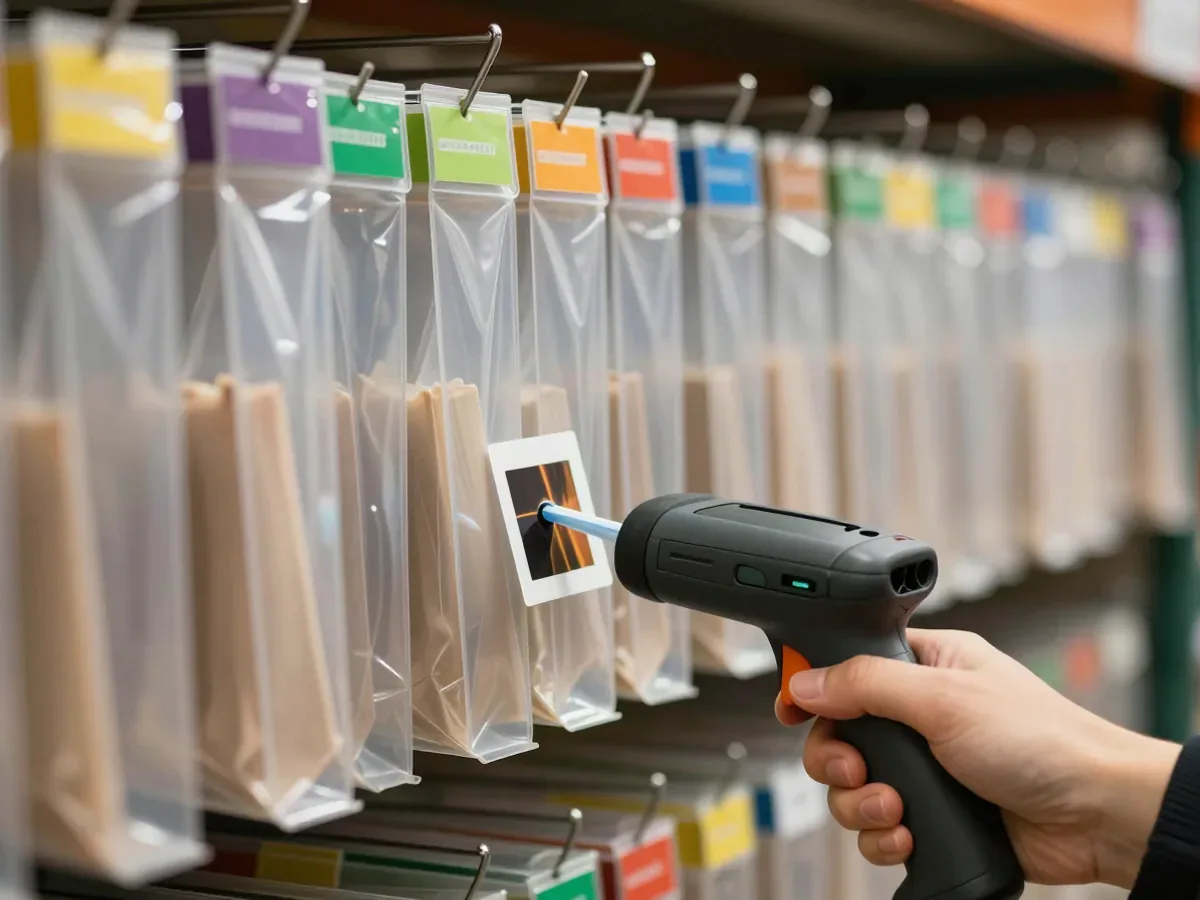
A clear bag shows the product. It does not show which zone the bag belongs to, which order type it serves, or which category it holds. Those are spec lines too.
Colour coding assigns specific colours to product categories, zones or order types, giving pickers an immediate visual shortcut. Standardised labelling with clean, large print and barcodes in a consistent location makes scanning faster and more reliable. On a floor where SKUs look nearly identical, such as apparel in slightly different shades, visual confusion is a leading cause of mis-picks, and a consistent cue is the fail-safe.
Write the label position as a measurement, not a preference. "Barcode 40 mm from the top edge, centred" is a spec. "Label on front" is a wish.
Verification: pull ten bags from the lot and check label placement against the drawing. Scan each barcode through the film at the distance your handheld actually operates. If the film is too glossy or too hazy for the scanner, the visibility gain disappears at the scan station.
Stacking and height rows that keep a soft bag safe
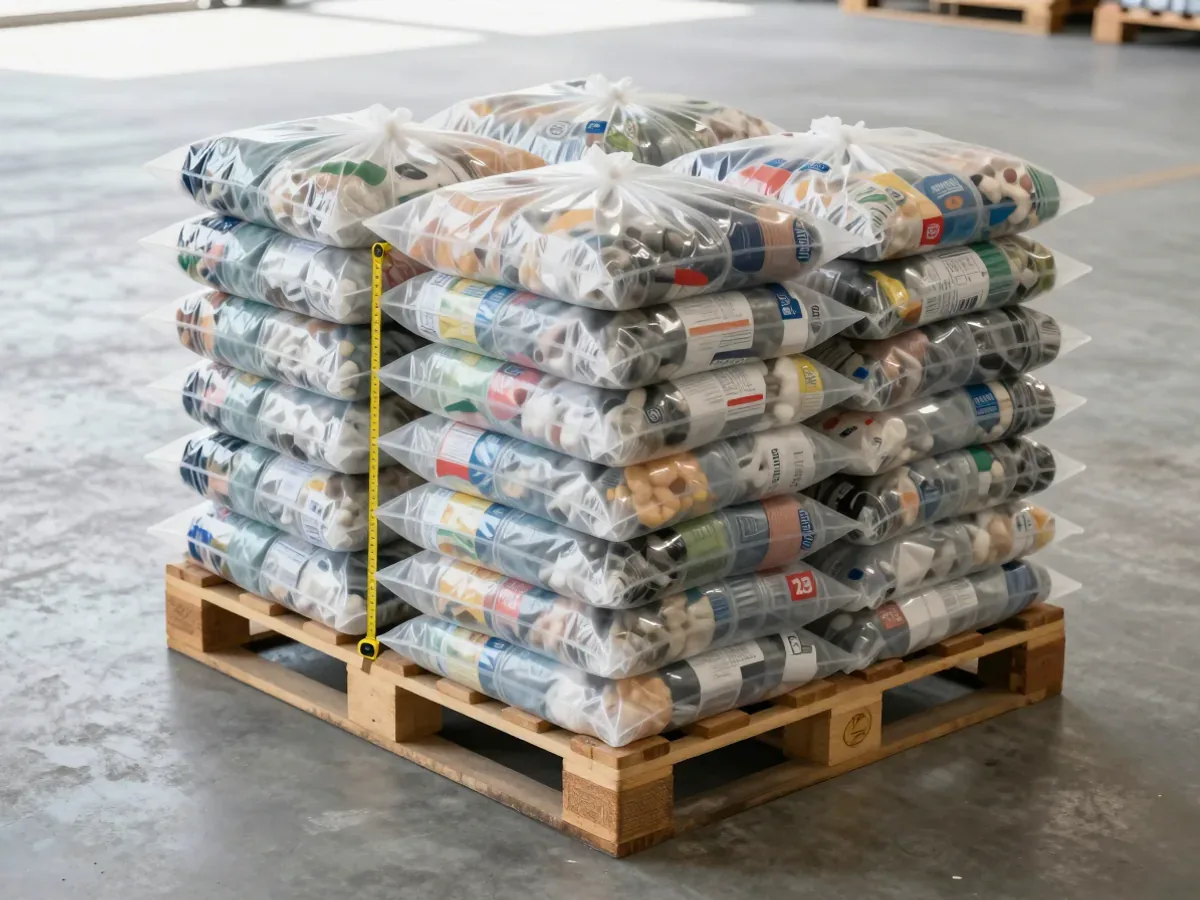
Clear bags are soft. That is an advantage on a moving cart and a risk on a pallet, and the spec sheet has to say which one you are buying.
For pallet systems, a maximum stacking height of 2 meters keeps a safe centre of gravity. Direct column stacking should be limited to two or three bags high depending on rigidity and weight. Block stacking needs rows interlocked at least every ten layers. In a pyramid configuration, each bag above the base should rest on at least four bags below. Heavier bags go at the bottom, and the bottom layer benefits from anti-slip mats on smooth concrete.
Write the rated load and the stacking method the bag is designed for. If the supplier cannot state a safe working load, the bag is not rated for stacking, and the floor should hear that before the first pallet goes up.
Verification: load one pallet to the stated height and inspect after 24 hours. Check for seam creep at the base layer and for any lean. Confirm the stack clears sprinklers, lighting and ceiling infrastructure.
The row that gets copied wrong on every reorder
The blank test line is the one that costs the most, but the row that gets copied wrong most often is the material and thickness line. Reorders are frequently raised by copying the previous PO, and if the first PO said "heavy duty clear film" with no micron figure, the second supplier is free to interpret it differently.
The fix is procedural. Lock resin type, micron range, test standard and label position into the item master, not the PO text. Require a pre-production sample against those locked values before each run, and check thickness and label placement on incoming goods. A supplier who confirms compliance with the stated standards gives a benchmark that holds across production batches, which is what makes the fifth order behave like the first.
FAQ
Does a clear bag really speed up picking compared with a cardboard box?
The gain comes from removing steps. A picker can grab a bag, scan the item through the film and place it on a cart in one motion. A box forces stop, put down, open, pick, close, scan. Whether that difference shows up on your floor is best measured with a short controlled trial on two identical stations.
What film thickness should a warehouse clear bag specify?
At least 50 micrometers is a reasonable starting point for general warehouse use. For heavier loads or sharp contents, 60 to 100 micrometers is the range that holds up. Pair the number with the resin type, since LLDPE at the same thickness outperforms LDPE on puncture and tear.
Can clear bags be stacked safely in a warehouse?
Only if the bag is designed and rated for it. Respect the stated safe working load, keep pallet stacks at or below 2 meters, limit column stacks to two or three bags, and interlock block stacks every ten layers. A bag with no stated load rating should not go into a stack.
Which test documents should a supplier provide for clear warehouse bags?
Ask for tensile strength, dart impact, load capacity and puncture resistance results, with the standard named, such as ASTM D5748 for puncture. Confirm the report matches the film thickness on your order, and ask for it per lot rather than once at qualification.