
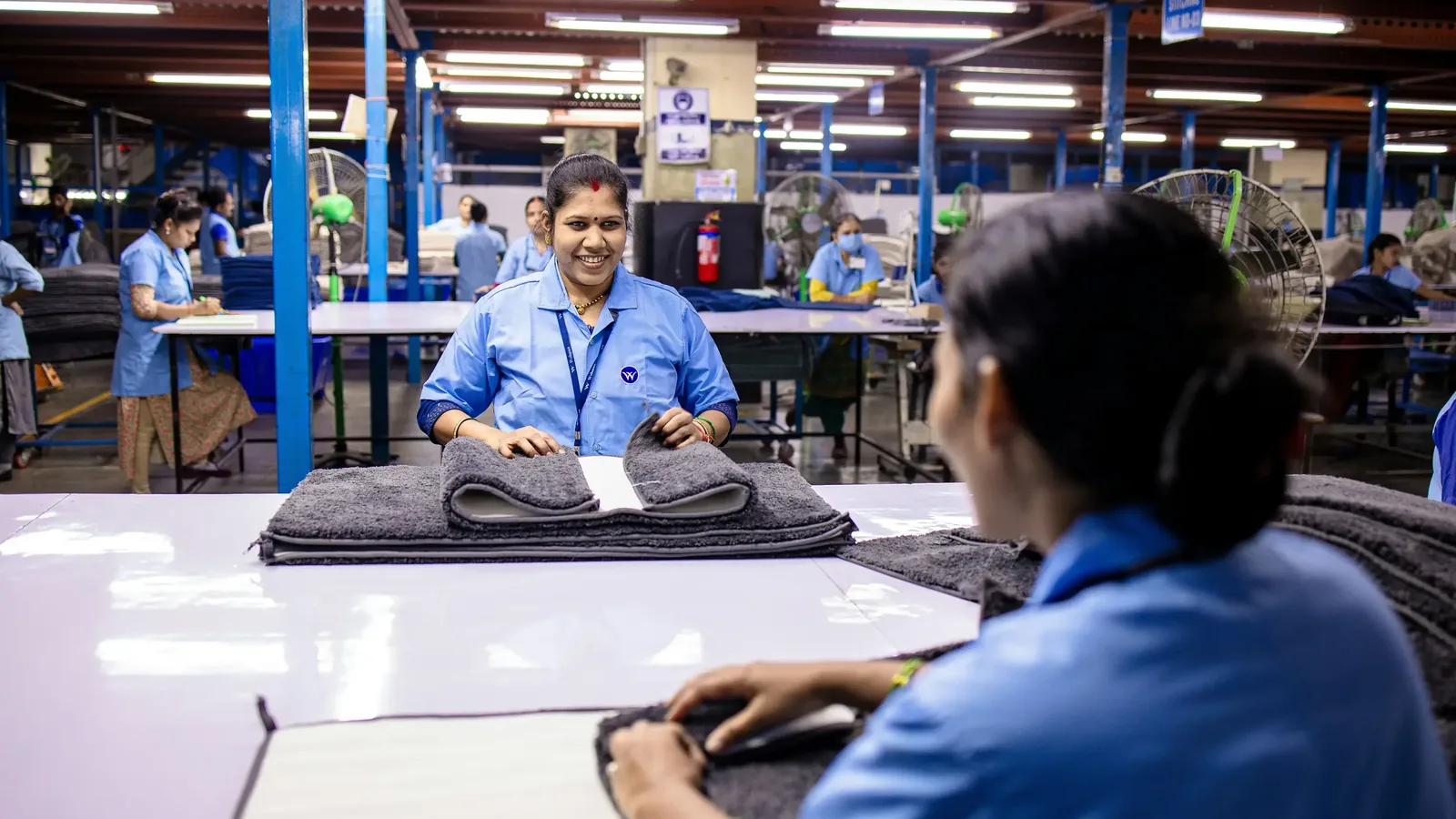
A cost breakdown drawn from legacy comparison notes and moving bag product spec data, rewritten for procurement readers.
Every September, a rental fleet operator in the north of England reorders moving bags for the student return season, and every September the same argument starts over the logo line. The embroidery quote comes back higher than the screen print quote, the finance team asks why, and the buyer has to defend a number that does not fit on a single purchase order line. That gap is worth understanding, because the two quotes are not measuring the same thing.
The visible difference is often a few cents per bag. The invisible difference runs through abrasion, flex, wash cycles and replacement invoices that arrive two years after the order. Breaking the logo line into its parts makes the choice much less mysterious.
The Quote Line That Decides the Method

A moving bag quote usually lists decoration as one line: "logo, one position." That line hides at least four separate costs. There is the setup charge, the per-unit application charge, the durability cost spread across the bag's service life, and the rework cost if the logo fails before the bag does.
Screen printing and embroidery distribute those four costs very differently. Screen printing front-loads almost nothing and keeps the per-unit charge low at volume. Embroidery front-loads a digitizing and frame charge, then holds a higher per-unit rate that drops more slowly as quantity climbs.
A buyer comparing only the per-unit figure is comparing the smallest part of the total. The method that looks cheaper on the order form can be the more expensive one by the second year of fleet use.
Setup Cost: Paid Once, Forgotten Too Fast
Setup is the easiest cost to dismiss because it happens once. Embroidery needs a digitized file and a frame before the first stitch, and that work is charged per design. Screen printing needs a screen burned for each colour in the artwork, which is usually a smaller charge per design.
The mistake is treating setup as a rounding error. It matters most at small quantities, where a fixed charge is spread across few bags, and it matters least at volume, where the same charge disappears into the unit price. A 300 unit trial order and a 5,000 unit fleet order do not deserve the same setup logic.
Setup also repeats whenever the artwork changes. A fleet that updates its logo, adds a tagline or switches a colour pays the setup charge again. Buyers who expect two or three artwork revisions over a few years should count each one.
Per-Unit Cost at 500 and 5,000 Units

At 500 units, embroidery typically runs between $2.50 and $4.00 per bag, while screen printing lands around $1.50 to $2.50. The gap is real and it is widest at this quantity, because embroidery's setup is still being absorbed.
At 5,000 units, embroidery drops to roughly $1.80 to $2.50 and screen printing to about $0.80 to $1.20. Screen printing keeps its advantage, and the absolute gap narrows in percentage terms but stays meaningful across a large fleet.
Neither number answers the cost question on its own. They describe the first invoice, not the cost of keeping a legible logo on a bag that gets dragged across a loading dock every working day.
The Wear Cost Nobody Prices In

A moving bag lives a rough life. It gets dragged across concrete, stacked under heavy loads, folded along the same creases and washed between jobs. The logo sits on the outside of all that punishment.
In abrasion testing, embroidered logos have been recorded holding beyond 15,000 rubs before visible wear, while screen printed logos show ink loss around 8,000 rubs. Under repeated heavy-load flexing, embroidery shows no cracking, while a screen print without a clear coat can crack after roughly 200 cycles.
Wash performance separates them further. At industrial wash temperatures around 60°C, embroidered thread stays colourfast past 50 cycles, though it may fray slightly. Screen printed colour fades noticeably after about 20 washes and the ink can begin to peel.
Those numbers translate into lifespan. In high-wear logistics, embroidered logos are rated for three to five years, and screen printed logos for roughly 1.5 to 2 years before cracking becomes a risk. The wear cost is the replacement of a logo that stopped representing the brand while the bag itself still had years left.
Rework and Replacement: The Second Invoice
The second invoice rarely arrives as a logo charge. It arrives as a rejected batch, a reprint run, or a fleet pulled from customer-facing use because the branding looks tired.
Screen printed logos on woven polypropylene carry a cracking risk under heavy flex, and a cracked logo cannot be repaired in the field. The bag either goes back for redecoration or gets retired early. Either path adds cost that never appeared on the original quote.
Embroidery is not automatically safe. Dense stitching above roughly 12,000 stitches per square inch can weaken woven polypropylene, and designs wider than about 8 inches can cause puckering as thread tension pulls the fabric. A logo that is too large or too dense creates its own failure mode, and that failure is structural rather than cosmetic.
The rework cost therefore depends on method and on discipline. A well specified embroidery logo has almost no failure path. A poorly specified one, or an oversized print without a protective clear coat, invites the second invoice.
How to Calculate Cost per Year of Logo Life
The useful comparison is cost per year of legible logo life, not cost per bag. Take the total decoration cost for the order, including setup, and divide it by the number of years the logo is expected to stay presentable.
A screen printed logo at the lower unit rate, lasting around two years, spreads its cost across a shorter window. An embroidered logo at the higher unit rate, lasting three to five years, spreads a larger number across a longer one. At fleet scale, the annual figure often lands closer than the quote suggests.
The calculation changes with the bag's environment. A bag that stays indoors and is handled gently will not punish a print the way a bag dragged across concrete will. A bag that is washed frequently shifts the advantage further toward thread.
Buyers should also count the bags that leave service early because of logo failure, not just the ones that survive. That hidden turnover is where the annual cost quietly climbs.
What to Put in the Purchase Order
The purchase order should name the method, the logo size, the colour reference and the durability expectation. Vague decoration lines are where cost overruns begin.
For embroidery, specify a logo under 6 inches where the design allows, keep stitch density within a range that does not weaken the base fabric, and state the thread colour reference. For screen printing, specify the ink type, ask for a clear coat where flex cracking is a risk, and confirm the maximum logo size the fabric can carry without dot gain on the weave.
The order should also fix the sample approval step. Logo placement, size and colour need sign-off on a physical pre-production sample before bulk decoration starts, not on a digital proof alone.
Our production line checks incoming fabric, webbing, zips and thread against the approved spec, tests pull, seam strength and bar tack on every batch, and inspects finished bags by hand for dimensions, handles and logo. Those four checkpoints apply to the decoration as much as to the shell.
What to Check on the First Logo Sample
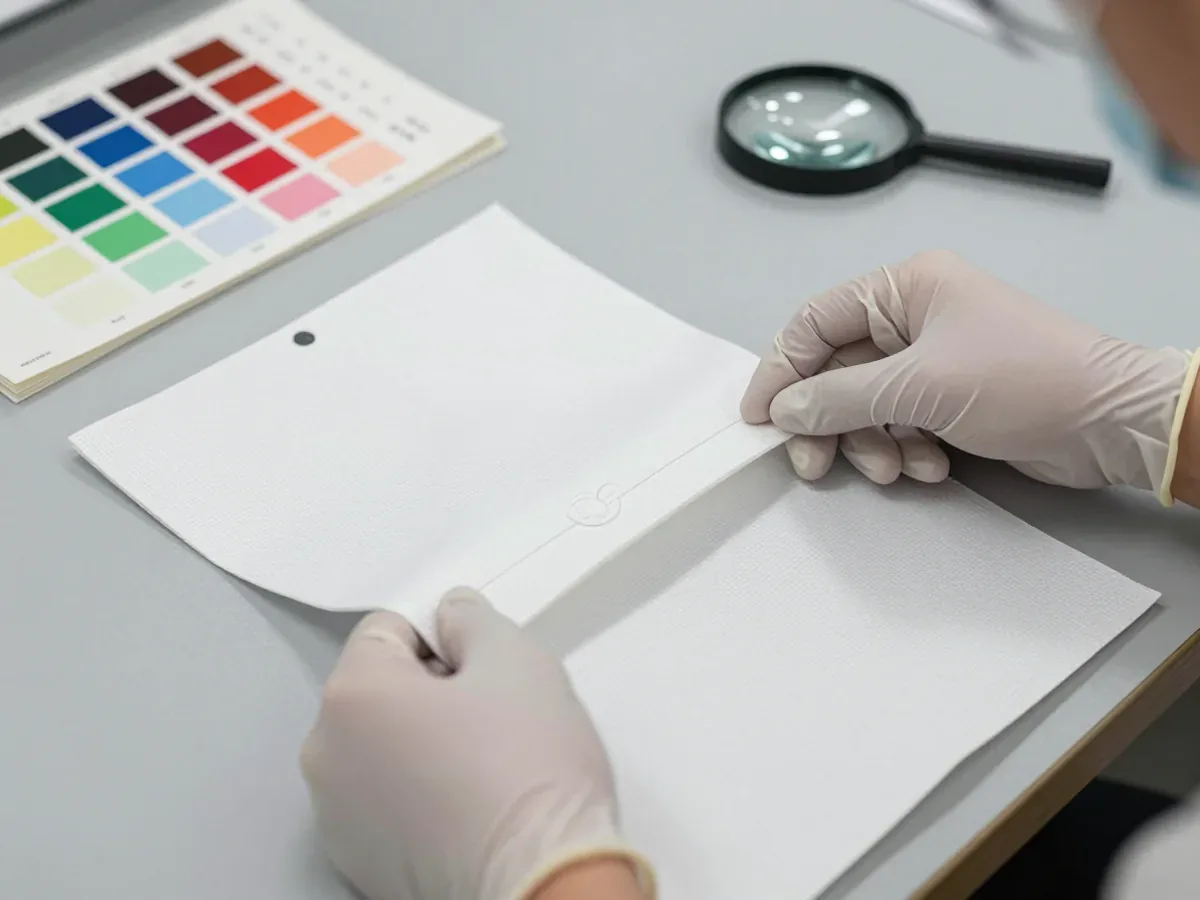
The first logo sample is the cheapest place to find a problem. It should be inspected under the conditions the bag will actually meet, not on a table in a showroom.
Check the logo against the approved size and colour reference at arm's length and up close. Run a hand rub across the decoration to feel for lifting edges on a print or loose thread on an embroidery. Fold the bag along its natural creases and look for cracking or puckering at the fold line.
A simulated abrasion test on the pre-production sample is worth requesting for high-wear fleets. Buyers who ask for it report far fewer logo failures in service, and the test costs a fraction of a reprint run.
Finally, confirm that the sample matches the production method named on the order. A sample decorated one way and a bulk order decorated another is a cost problem disguised as a quality problem.
FAQ
Is embroidery or screen printing cheaper for a 5,000 unit moving bag order?
Screen printing is cheaper per unit at 5,000 units, typically around $0.80 to $1.20 against $1.80 to $2.50 for embroidery. Over a three to five year service life, the annual cost gap narrows considerably because embroidered logos last longer in high-wear conditions.
How long does a screen printed logo last on woven polypropylene?
In high-wear logistics, a screen printed logo is generally rated for about 1.5 to 2 years before cracking becomes a risk. Abrasion testing shows ink loss around 8,000 rubs, and colour fades noticeably after roughly 20 industrial washes.
Can a moving bag carry both an embroidered and a printed logo?
Yes. A hybrid logo uses screen printing for large colour areas and embroidery for fine detail or an outline. The trade-off is a two-step production process that adds cost, so it suits buyers who need both Pantone-accurate colour and abrasion-resistant edges.
What logo size should I specify for embroidery on a moving bag?
Embroidery works best under 6 inches. Above 8 inches, thread tension can cause puckering on heavy-duty woven fabric, and very dense stitching can weaken the base material at the needle points. Confirm the size with the factory before the sample is made.






