
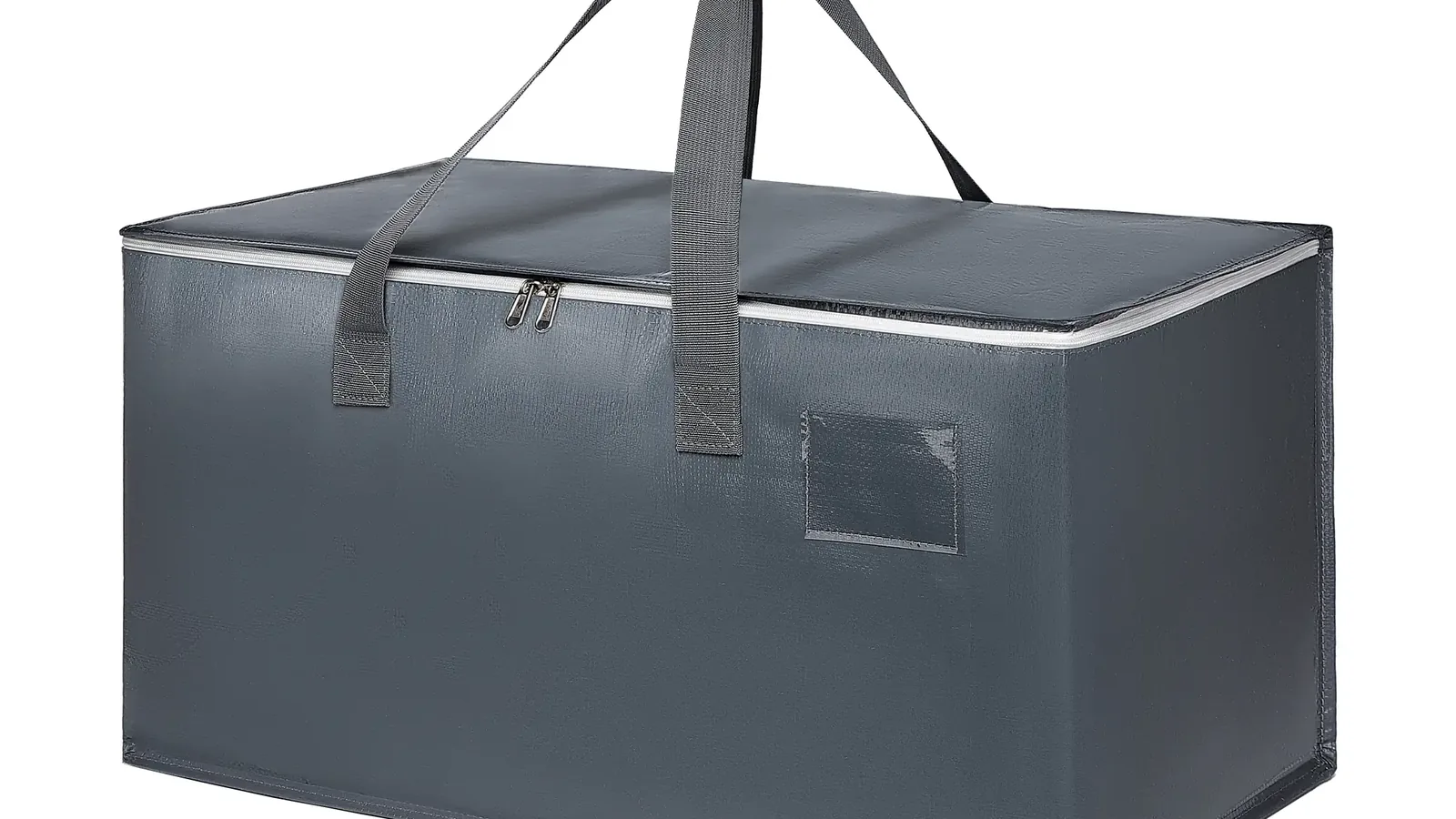
Based on a legacy retail packaging comparison and current moving bag product specifications.
A new merchandising assistant sat down with a retail buyer's purchase order and asked which line told her whether to order bags or boxes. The sheet listed a woven moving bag in one column and a corrugated carton in the other, and at first glance the carton looked simpler. Two lines into the read, the comparison stopped being about price and started being about what each sheet could actually promise.
That is the question this article works through. A moving bag spec sheet and a box spec sheet do not describe the same kind of object, so the deciding line is rarely the one buyers circle first. The rows below follow a typical order in the sequence they appear, with what to write, why it matters, how to check it, and the row most often left blank.
The First Line: What the Bag Is Made Of
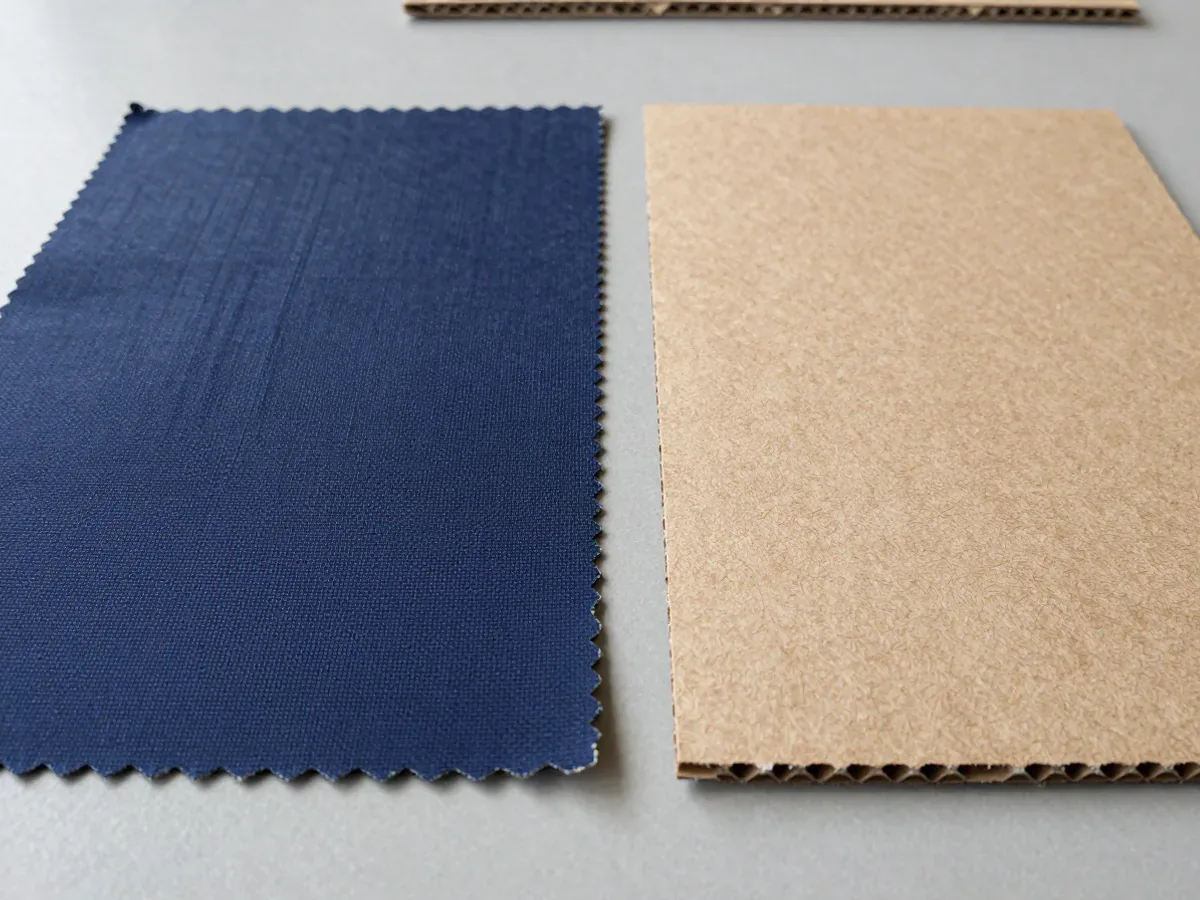
The material row on a bag order usually reads something like "600 GSM woven PP, coated" while the box sheet reads "single wall C-flute, kraft." Those two lines describe different things. The bag line names a fabric weight and a coating; the box line names a board grade and a flute profile. Neither one translates directly into the other, which is why a side-by-side comparison built on this row alone tends to stall.
What belongs on the bag line is the base fabric, the coating if any, and the colour of the yarn or the finished face. The box line needs board grade, flute, and liner colour. Why it matters: the fabric weight sets how the bag drapes and how it takes print, and the coating decides whether a light rain ruins the carryout moment. A box that loses stiffness in damp conditions is a known weakness of the format, and a coated woven face is where the bag sheet answers it.
How to check it: ask for a material swatch or a panel cut from the actual production lot, not a stock card. Compare the hand feel and the face colour under daylight. The most missed item on this row is the coating weight, which is often written as a single word and never measured.
The Handle Line: Where Load Ratings Are Won
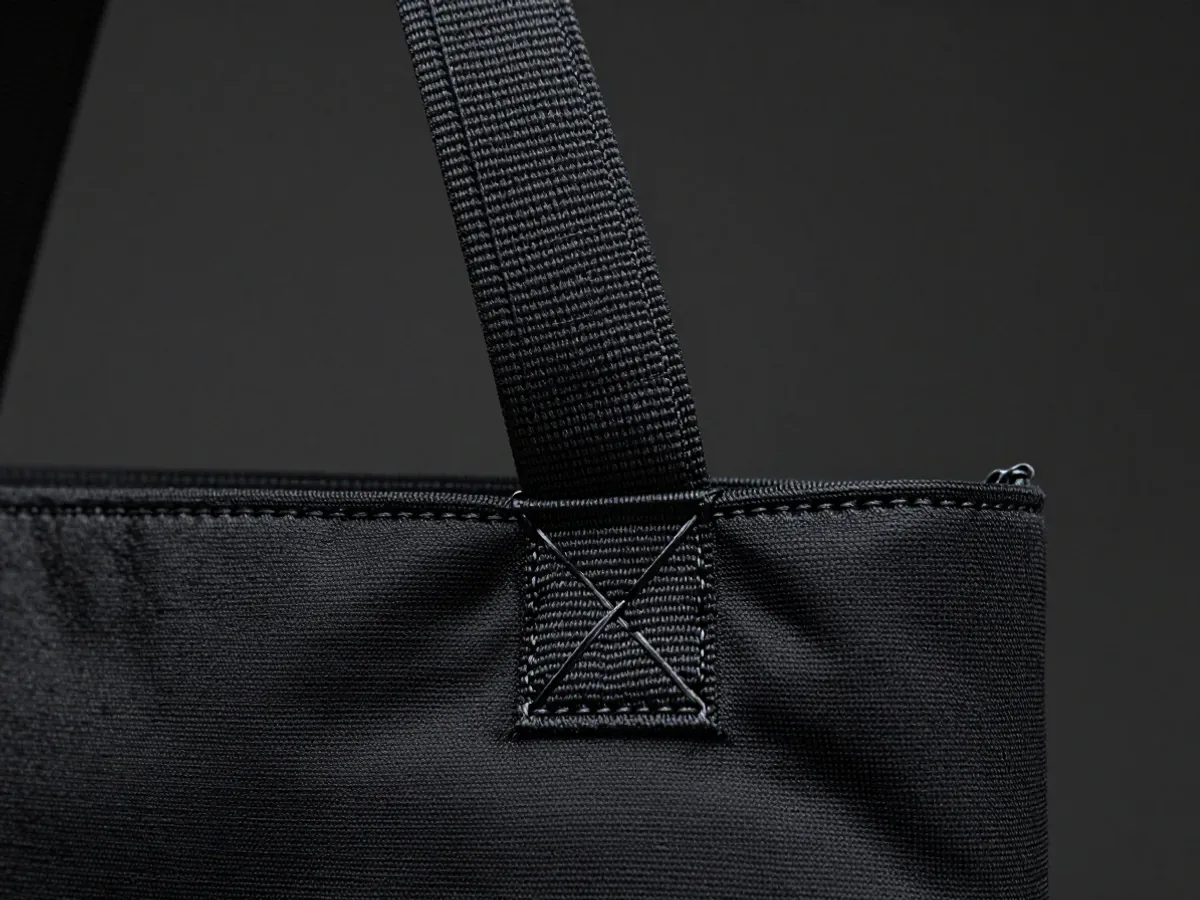
On the order in front of the assistant, the handle row said "nylon webbing, X-stitch at joins" and nothing else. The box sheet had no equivalent row at all, because a carton is carried from underneath. That asymmetry is the first place the comparison tilts, and it is also where most bag specs stay thin.
What to write: the webbing material, the width, how the handle is attached to the body, and the stitch pattern at the join. A reinforced join with an X stitch at each end is a different promise from a single row of straight stitching, and the sheet should say which one is being ordered. Why it matters: the handle is the part a customer grips when the bag is at its heaviest, and a join that fails takes the whole carryout with it.
How to check it: pull a production sample by the handle with the bag loaded to its stated capacity, and look at the stitch ends rather than the middle of the strap. The row buyers skip here is the attachment method. "Stitched" covers several constructions, and only one of them is what the sample showed.
The Print Line: Logo Placement and Colour Approval
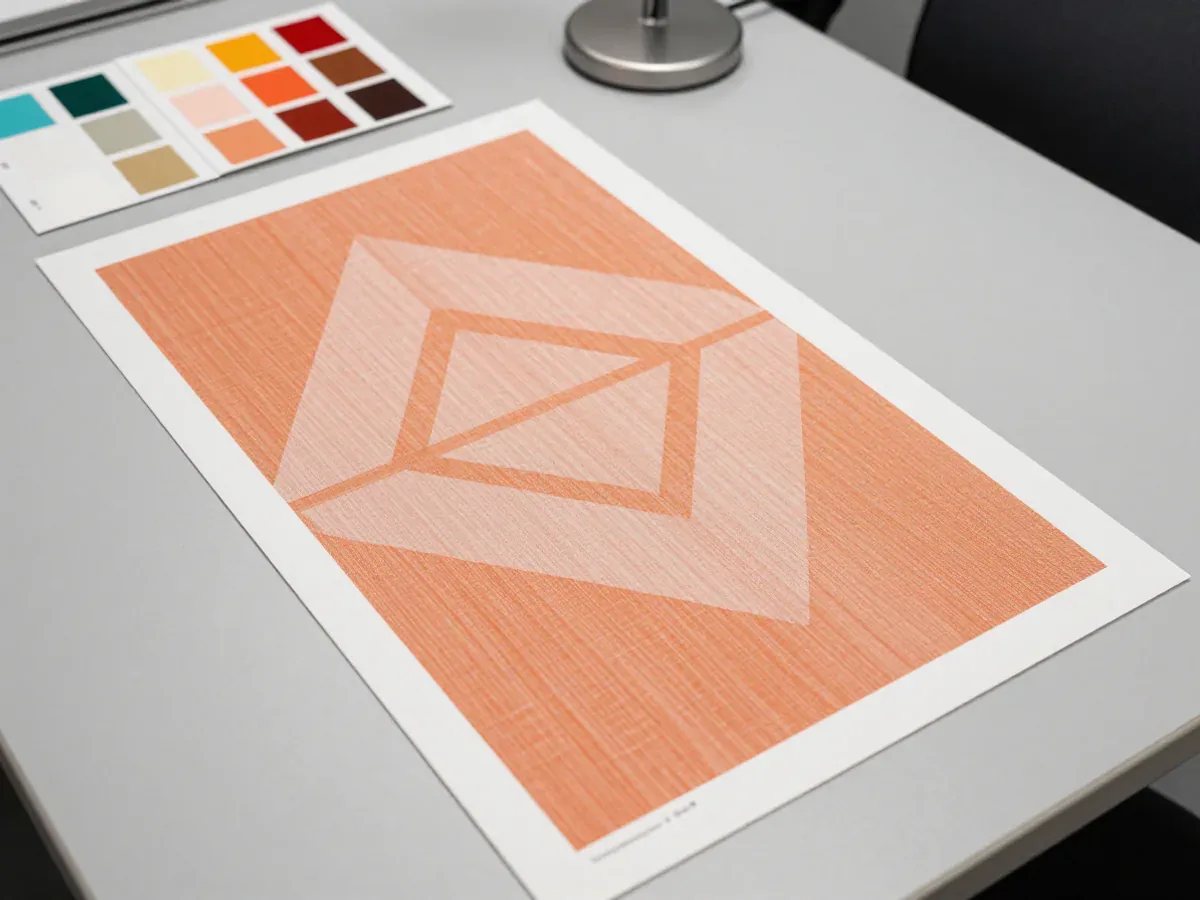
The print row is where the two sheets diverge most sharply. A box sheet usually names a flexo plate count and a ink reference; a bag sheet names a print method, a placement, and a colour target. On the order in question, the row read "custom logo, front face, PMS match" and left the rest to the artwork file.
What to write: the print method, the face or faces receiving the logo, the size and position in millimetres, and the colour reference. If the logo sits near a seam or a handle join, the sheet should say how much clearance is required. Why it matters: placement decides whether the logo reads cleanly when the bag is carried, and colour decides whether the brand looks the same across a seasonal run. Logo placement and colour are reviewed on printed panels before a run on our line, which is the point at which a drifting colour can still be corrected.
How to check it: approve a printed panel, not a digital proof. Look at the panel under the lighting the customer will see it in, and compare it to the physical colour chip rather than a screen. The missed item on this row is the position tolerance. A logo specified as "centred" without a tolerance invites a debate at inspection that the sheet could have settled.
The Closure Line: Zip, Label Window, and Card Holder
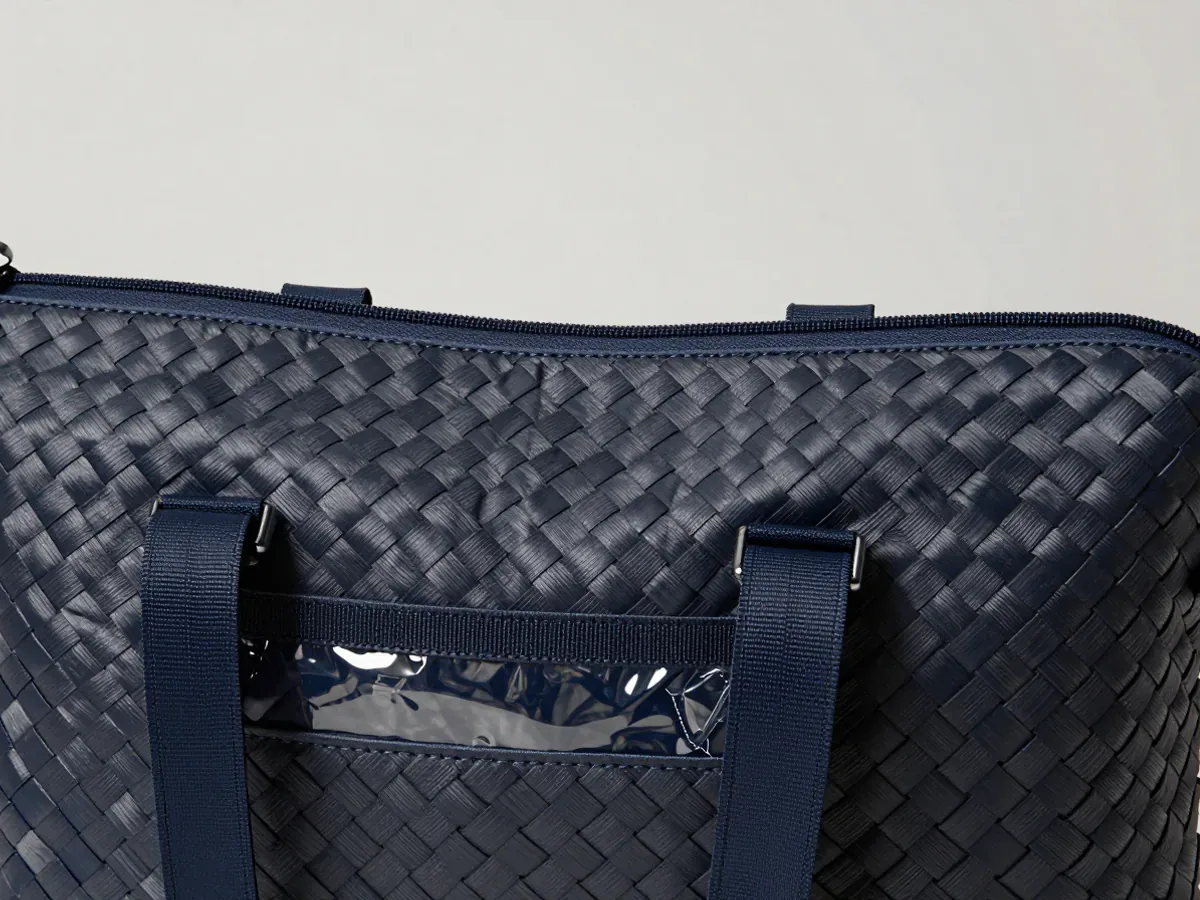
A corrugated box closes with tape and opens with a knife. A moving bag closes with a zip, and the same face often carries a clear label window and a front card holder. The assistant's order listed a smooth zip, wide handles, a label window beside the handles, and a card holder on the front. Four items on one row, and each one is a separate inspection point.
What to write: the zip type and length, whether the slider is metal or moulded, the label window size and position, and whether the card holder is stitched or welded. Why it matters: the closure is what keeps goods inside during a move, and the label window is what lets a customer identify a packed bag without opening it. A card holder gives the retail side a place to put a name or a room label, which is a small feature that changes how the bag is used after the sale.
How to check it: run the zip open and closed a set number of times on a sample, and check that the label window is clear rather than cloudy. Confirm the card holder holds a standard card without falling out when the bag is tipped. The row most often left vague is the slider material, which affects how the zip feels in the hand long before it affects function.
The Reuse Line: What the Box Sheet Cannot Show
Here the two sheets stop being comparable in the ordinary sense. A box sheet can state a board grade and a compression strength, but it has no row for the second trip. A bag sheet can carry a row for the intended number of uses, and that row is the one that changes the cost conversation.
What to write: the intended use cycle, the cleaning method the fabric tolerates, and whether the bag is meant to return to the store or stay with the customer. Why it matters: a retail carryout bag that walks out of the store and gets used again is doing brand work that a carton cannot do once it is flattened. The comparison is not only about which format holds goods; it is about which format keeps showing up.
How to check it: take a production sample through a realistic cycle, load it, carry it, empty it, wipe the face, and look at the seams and the print afterwards. The missed item is the care instruction. If the sheet does not say how the bag should be cleaned, the customer will guess, and the guess is often wrong.
The Line Buyers Skip: How the Bag Is Tested Before Dispatch
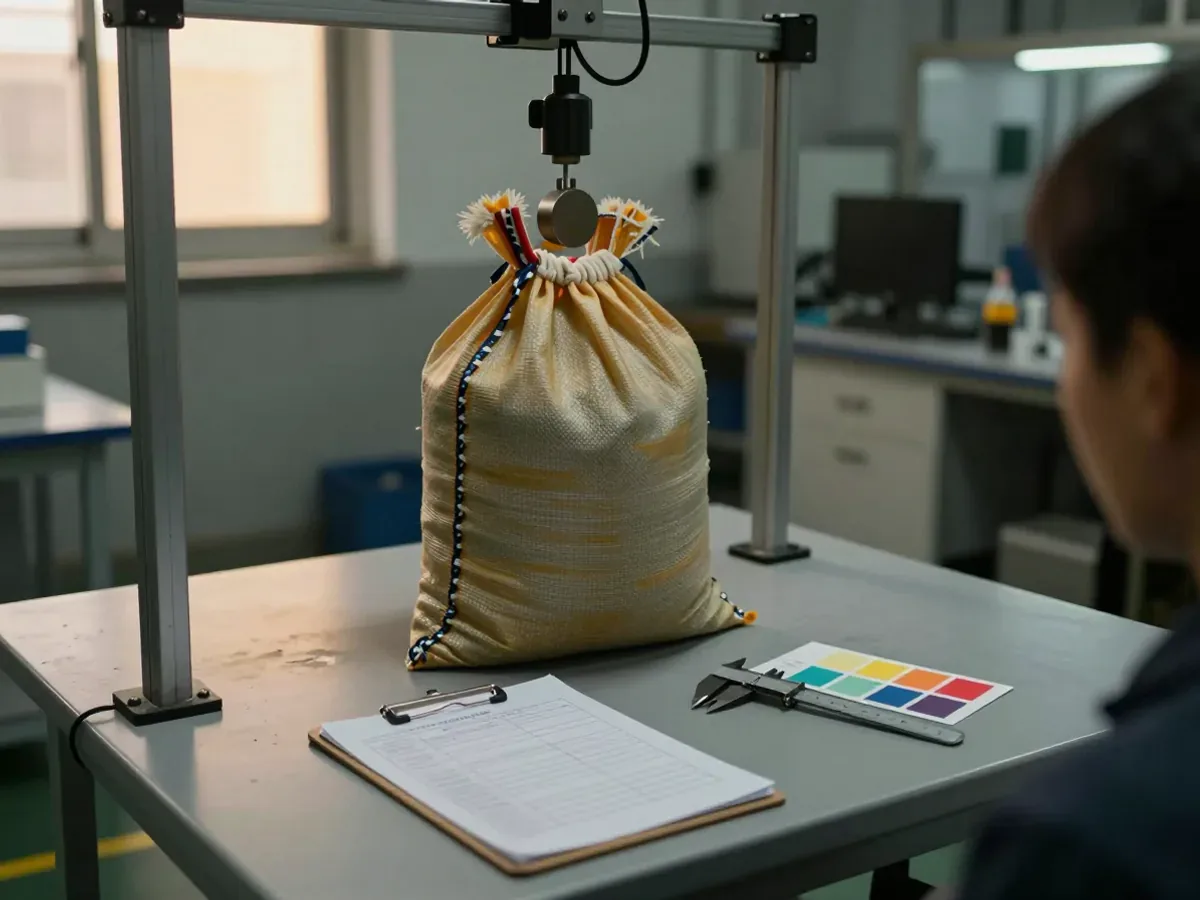
The last rows on the order are usually the thinnest. The box sheet names a compression test; the bag sheet often says "inspection per AQL" and stops. That single line hides the checks that decide whether the order ships clean.
What to write: the load the bag is tested at, the pull test on the handle joins, the zip cycle count, and the colour check against the approved panel. Why it matters: a bag that passes a visual inspection can still fail on the handle join or the zip, and those failures surface at the customer's door rather than at the loading bay. A test row that names the checks gives the factory and the buyer the same list to work from.
How to check it: ask for the inspection record from the production run, not a template. Confirm that the record shows the actual load used and the actual colour reading, and that the samples pulled came from the shipped lot. The line buyers skip is the sampling point. A test performed on a golden sample proves what the sample can do, not what the carton on the pallet can do.
FAQ
Can a custom moving bag replace a corrugated box for retail carryout?
For most retail carryout moments, yes. A woven bag with a reinforced handle join and a working closure carries the goods and keeps the brand visible afterwards. The exception is odd-shaped or fragile items that need a rigid outer, where a box still does a job a bag cannot.
What load capacity should a printed moving bag spec list?
The sheet should state a load the handle and body are tested to, and that figure should match the intended use. A bag sold for household moves needs a higher stated load than one sold as a retail carryout tote, and the test row should name the same number.
How do I verify logo colour on a woven moving bag before production?
Approve a printed panel against a physical colour chip under the lighting the customer will see. A digital proof on a screen cannot show how the ink sits on a woven face, and the panel is the last point where a colour can be corrected without cost.
What is the minimum order quantity difference between bags and boxes?
Custom corrugated boxes commonly start higher than custom woven bags, which makes bags easier to test in a limited seasonal run. The exact figure depends on the supplier and the print method, so the order sheet should state it rather than assume it.
What the Sheet Is Really Comparing
The line that decides the comparison is not the material row or the price row. It is the test row, because that is the only line that tells a buyer what the factory will actually check before the cartons are sealed. A bag sheet with a real test row can be compared to a box sheet on equal terms; one without it cannot.
Before the next season's order goes out, the assistant's checklist is short. Confirm the material and coating are named, the handle join is specified and pull tested, the print is approved on a physical panel with a position tolerance, the closure and label window are dimensioned, the reuse and care rows are filled, and the inspection record names the checks and the sampling point. A sheet that carries all six gives the buyer a comparison she can defend, and gives the factory a list it can meet.






