
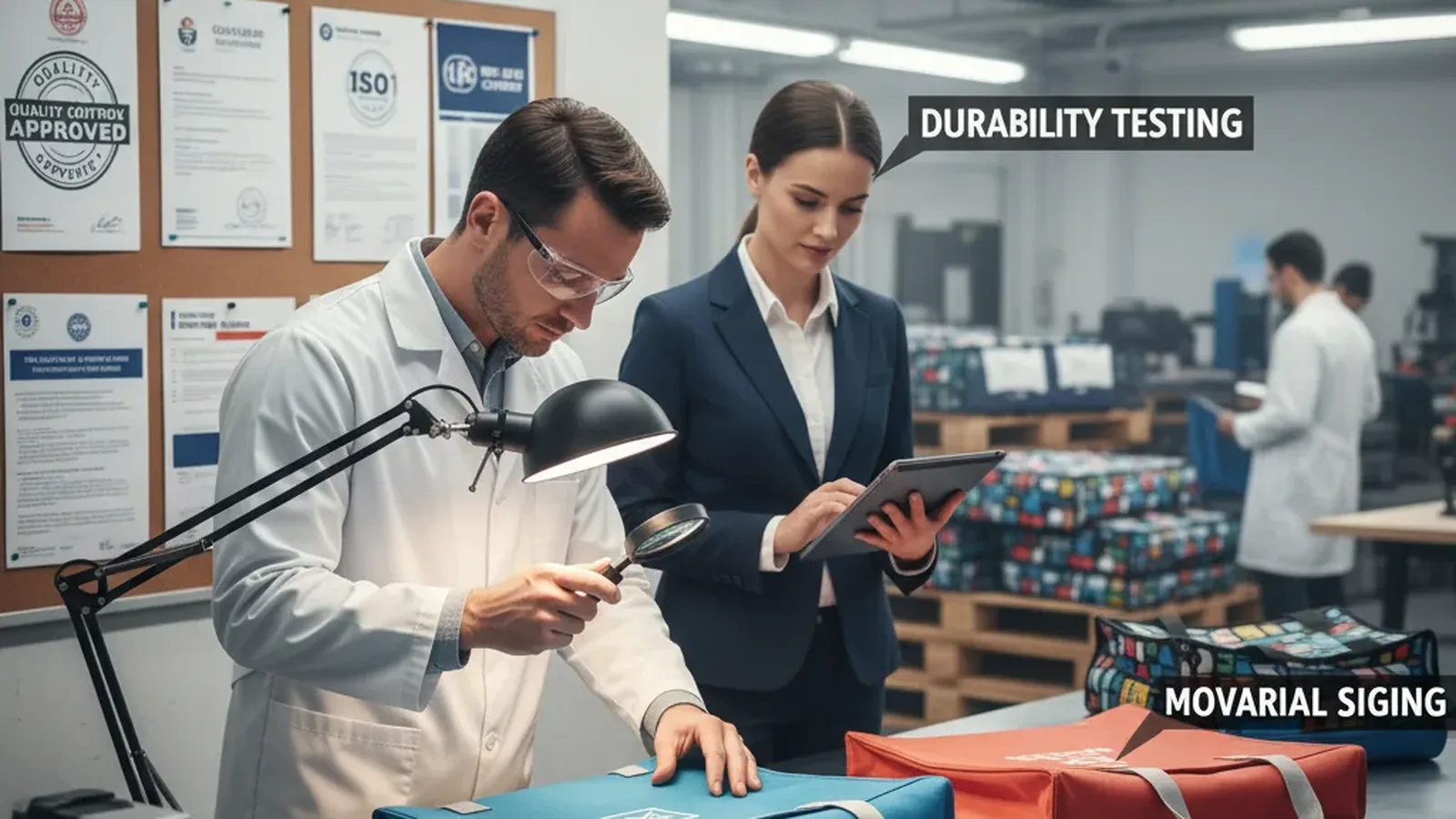
Questions and answers drawn from the print spec notes behind custom printed moving bags, reorganized around what buyers actually ask.
A retail operations manager opened a carton from her first moving bag order and found the logo sitting a few millimetres off centre on every third bag. Her note back to the supplier was short: the bags felt cheap next to the sample. The sample had been approved six weeks earlier, and nobody in the chain could explain where the drift began.
That complaint is rarely about fabric. It is about print, and about the small decisions a buyer makes before the first bag is cut. The questions below are the ones that came back and forth between that buyer and the factory, in roughly the order they arrived.
The question that arrives before any artwork file
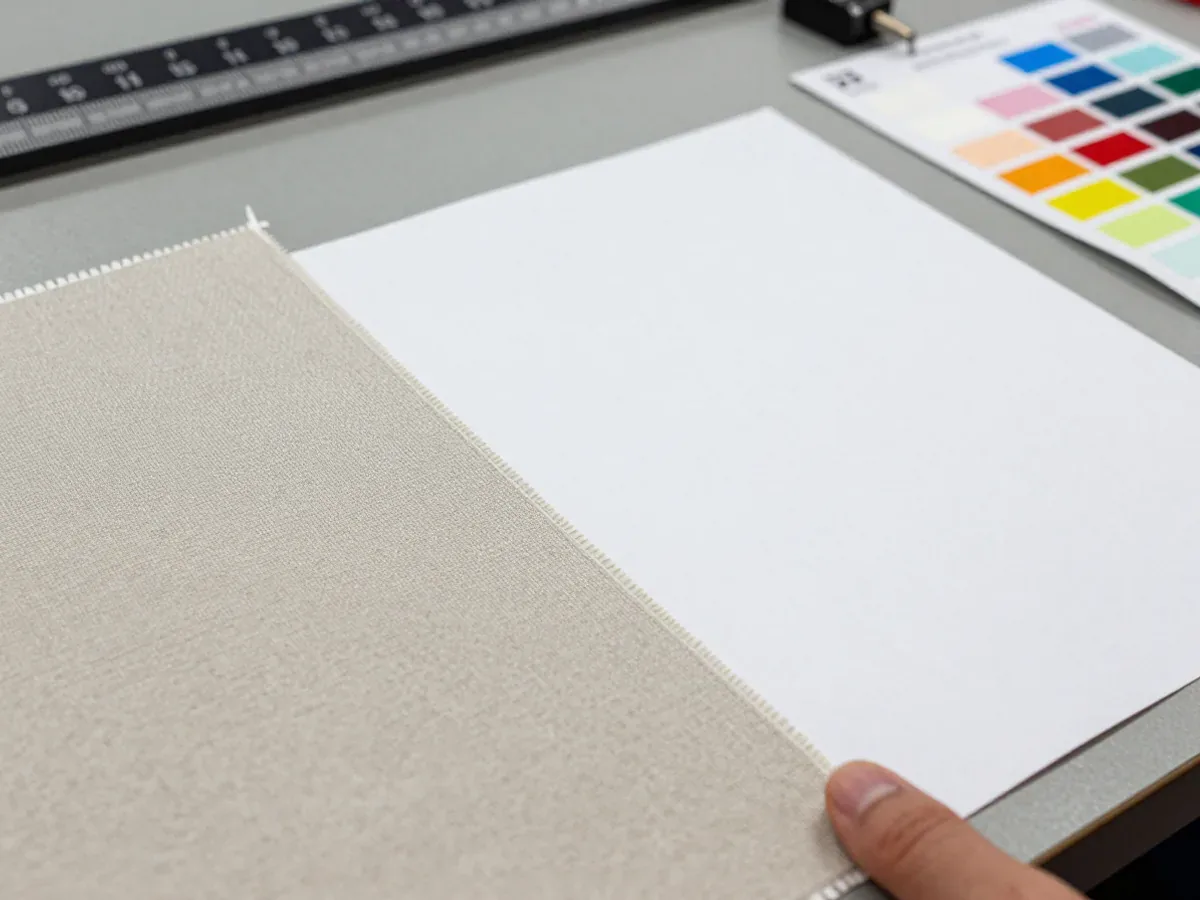
Her first message asked whether the logo could simply be dropped onto a stock moving bag, the way a printer adds a name to a notebook. The answer depends on which branding route the bag can carry. On a stock woven bag, the options are logo printing, a woven label, or a custom colour on the body itself, and each one changes what the artwork file needs to contain.
Logo printing means the mark goes onto the woven surface directly. A woven label means the mark is built separately and sewn on. Custom colour means the bag body is matched to a brand shade before any mark is applied. Three routes, three different production paths, and the artwork file has to be prepared for the one chosen.
What the buyer can ask for at this stage is a physical drawdown on the actual production substrate, not a digital proof on paper. Woven polypropylene has a texture that runs at thread level, and a mark that looks crisp on a screen can break apart once it lands on that surface. A drawdown settles the question before money moves.
Stock colours can also be swapped for a matched colour, which is useful when a brand has one shade it will not compromise on. The catch is that colour matching and logo placement are separate approvals, and buyers who treat them as one step tend to discover the difference later.
Does the sample come off the same line as the order?
The second question was sharper: if the sample looked right, why did the order not? The honest answer is that a sample proves very little unless it comes from the same machine line, the same batch of substrate, and the same ink lot as the production run. A sample built on a different line is a demonstration, not a promise.
The workshop runs its own printing and finishing line, which makes this check possible to enforce. A buyer can ask the factory to state, in writing, which line produced the sample and which line will produce the order. If those two answers differ, the sample has told you almost nothing about the bags you will receive.
There is a second layer to the same question. Even on the same line, the first bags off a run behave differently from the middle of the run, because ink and heat settle as the press warms. A pre-production sample taken from the start of the run is useful, but a mid-run pull is closer to what most of the carton will look like.
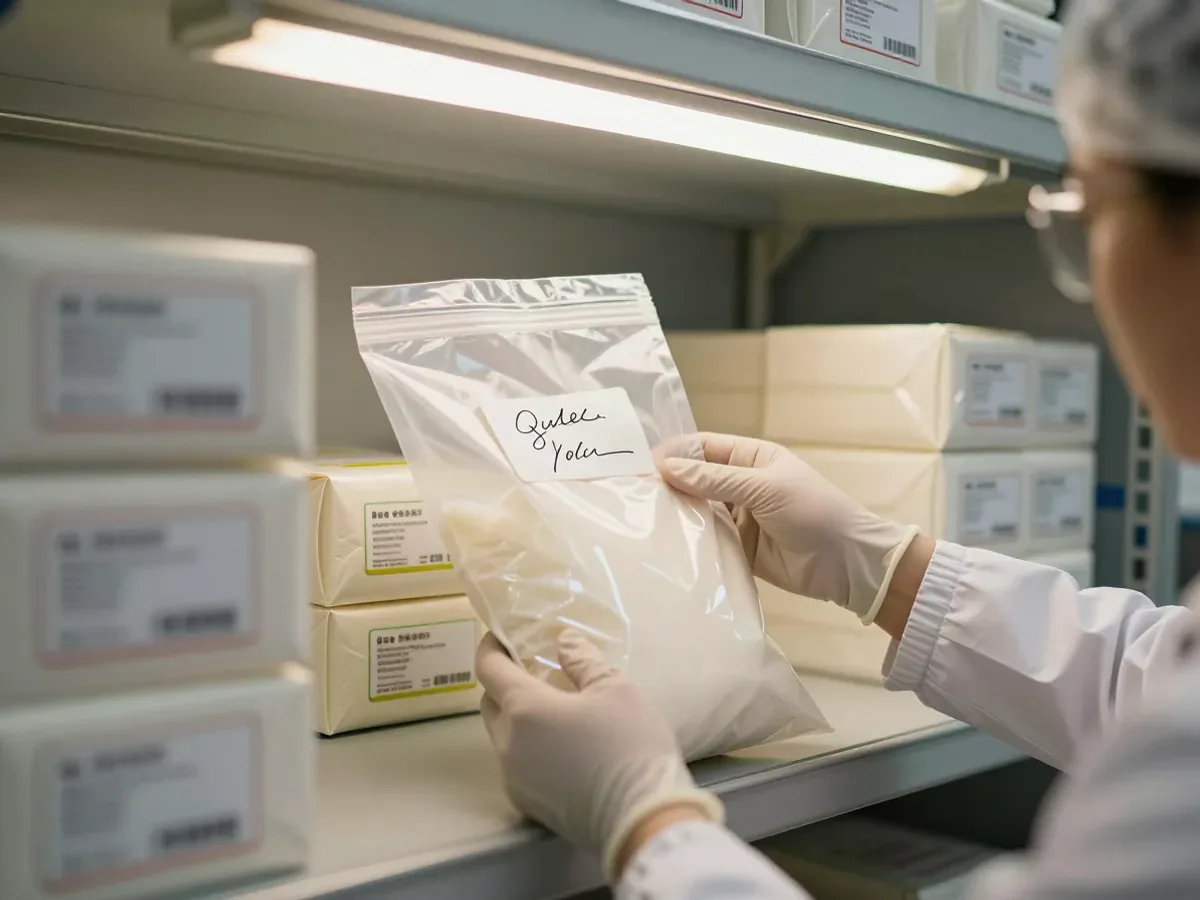
The practical request is a retention sample: one bag sealed and signed by the factory quality manager before the container ships. That bag becomes the reference for the reorder, and it is the only object in the whole transaction that both sides can point to without argument.
Which mark survives a woven surface: screen, transfer or label?
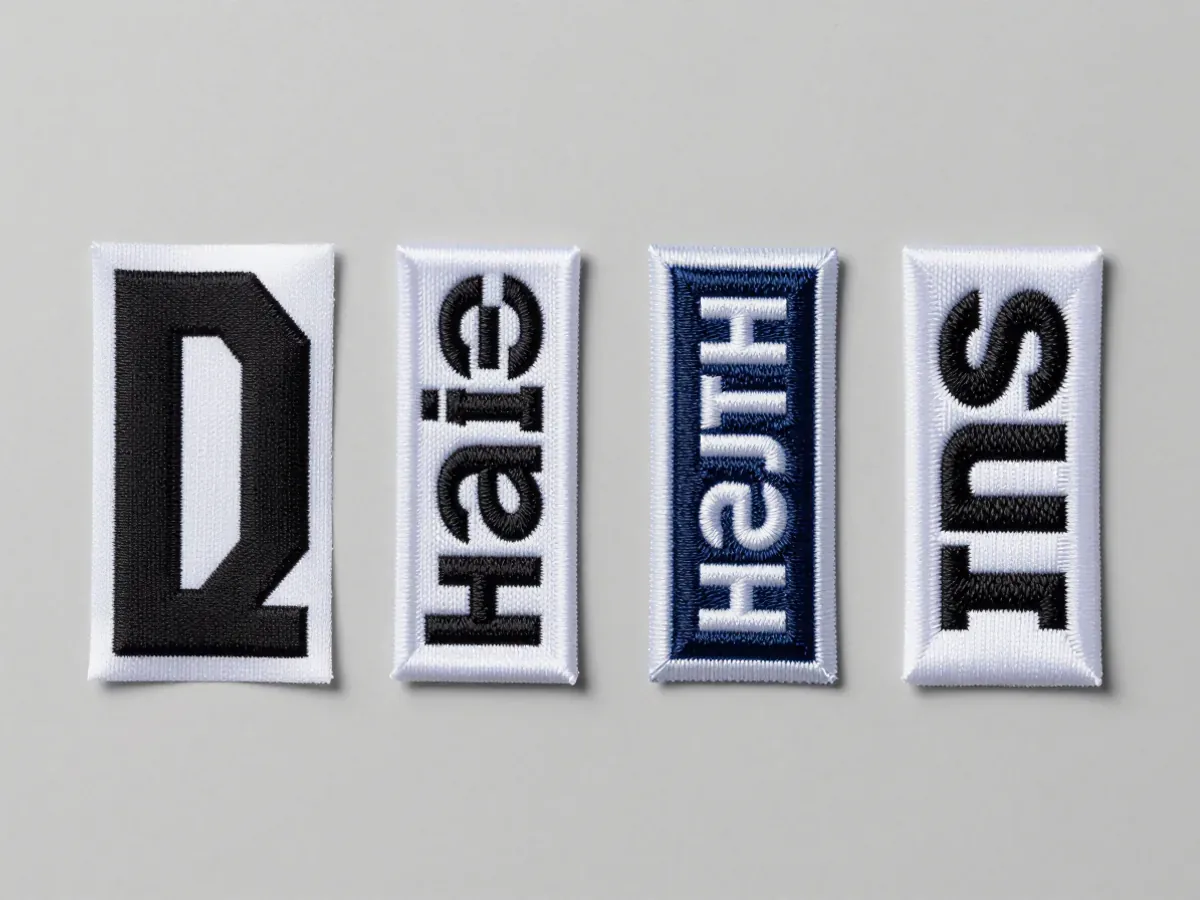
The third question came after the buyer saw a competitor's bag with a logo that had faded into the weave after a season of use. Her concern was durability, and the answer starts with the fact that the mark can be screen print, heat transfer, a woven label, or an embroidered label. Each behaves differently on a woven surface.
Screen print lays ink across the threads and holds well on bold shapes with few colours. Heat transfer carries fine detail and photographic gradients, and it bonds to the surface rather than sitting on top of it. A woven label is a separate piece of fabric, so the mark keeps its edge regardless of how the bag body wears. An embroidered label adds thread texture that reads as premium at close range.
The surface itself sets a hard limit. Fine serif type below a certain size will break apart across the weave, and thin line art disappears into the gaps between threads. A buyer who supplies a logo with hairline strokes should expect the factory to ask for a simplified version, and that request is a sign the factory is paying attention rather than a reason to push back.
The choice also depends on where the mark sits. A logo on the gusset or the base of the bag takes more abrasion than one on the front panel, so a heat transfer that survives on the face may not survive on the base. Asking which mark goes where, rather than which mark is best, is the question that produces a usable answer.
How do you check colour on a bag that is not paper?
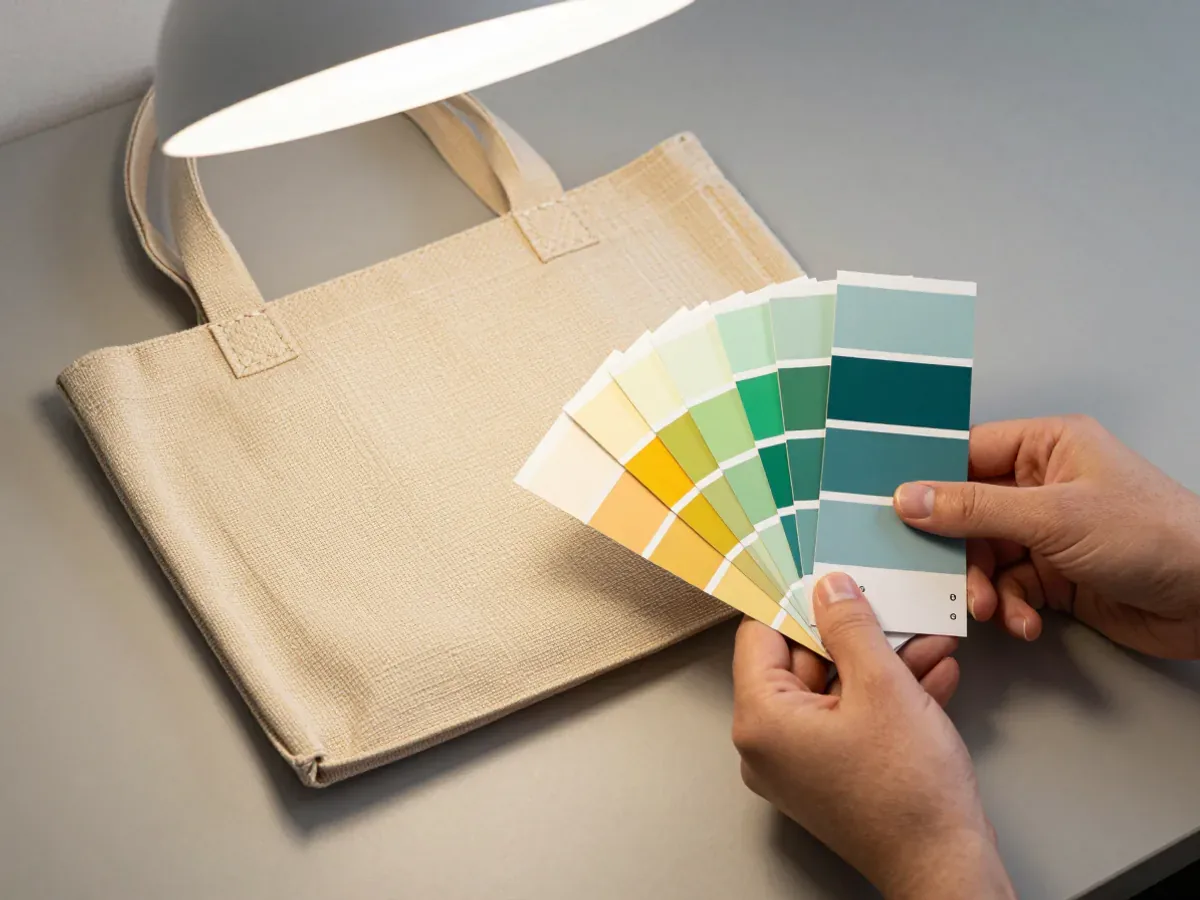
The fourth question was about colour, and it arrived with a photo of two bags from the same order that looked like different shades under the buyer's office lights. Colour on woven polypropylene is not the same problem as colour on paper, because the substrate itself has a base tone and a texture that shifts how ink reads.
The first check is the drawdown again, this time held against a physical colour reference rather than a screen. A Pantone number on a PDF means nothing until someone holds the printed bag next to the swatch under the same light. The factory should be able to show that comparison before the run, not after.
The second check is lighting. A bag that matches under daylight can drift under warm retail lighting, and a bag that matches under warm light can look flat in a photograph. Buyers who care about how the bag appears in a store should say so, because the factory can adjust the ink mix toward the lighting condition that matters.
The third check is the base material. A custom colour applied to a recycled or blended substrate will read slightly differently from the same colour on virgin material, and the difference is usually visible at the edges of the print rather than in the centre. Asking which substrate the drawdown was made on closes that gap.
Artwork is checked before cutting, which means colour approval has a deadline built into the schedule. A buyer who signs off on colour late pushes every later step, and the pressure lands on the print stage where it does the most damage.
What does the label and packing check actually catch?
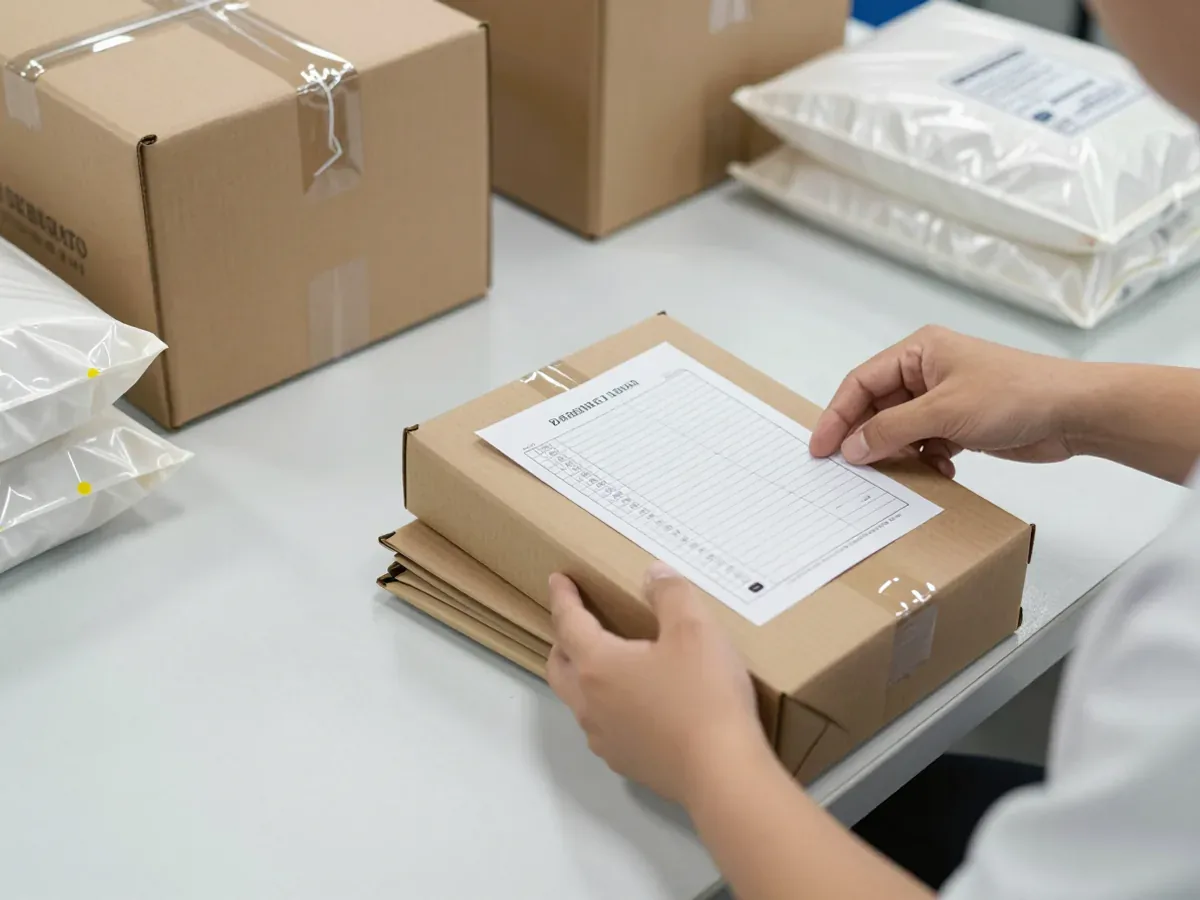
The fifth question was practical: what does the factory actually inspect before the carton is sealed? The answer covers more ground than most buyers expect. Dimensions, handles, logo and packed quantity are checked by hand, which means a person measures the bag and counts the carton rather than trusting the line.
Pull, seam strength and bar tack are tested on every batch, so the handle attachment is verified rather than assumed. Incoming fabric, webbing, zips and thread are checked against the approved spec before they enter production, which catches a substitution before it becomes a finished bag.
Packing gets its own layer. Retail packing can be a polybag, a hang tag, a retail carton, or a per store packing list, and each option creates a different failure point. A per store list that is wrong sends the right bags to the wrong shop, and that error is discovered at the loading dock rather than in the factory.
The check that catches most problems is the one buyers rarely witness: the hand count against the packing list, done before the carton closes. A buyer can ask for that count to be recorded and shared, and the record becomes the evidence if a short shipment arrives.
The question buyers forget until the reorder
Six months after the first order, the same retail operations manager placed a reorder and found the logo sitting a shade off the approved sample. Nothing had changed on her side. The factory had changed an ink lot, and no one had a sealed reference to compare against.
That is the question buyers forget to ask before the first shipment: which bag will be kept, who signs it, and where does it live? A retention sample signed by the quality manager and stored against the order number turns a future dispute into a five minute comparison. Without it, the reorder conversation starts from memory.
The second half of that question is about the artwork file itself. A file that was approved for one mark type does not automatically work for another, and a reorder that switches from print to a woven label needs a fresh approval rather than a resubmission of the old file. Keeping the approved file, the drawdown, and the sealed sample together is what makes the second order as predictable as the first.
A stock colour swap or a new size adds one sample round, which is a small cost against the alternative of discovering the difference across an entire carton. The buyers who avoid the complaint at the top of this article are not the ones who ask more questions. They are the ones who ask for the physical object that answers each question, and keep it.
FAQ
Can a stock moving bag colour be changed to match our brand?
Yes. Stock colours can be swapped for a matched colour, and the match should be confirmed on a drawdown made on the production substrate rather than on paper.
Does a new bag size require a fresh sample round?
A new size takes one sample round. The dimensions, handle placement and logo position all shift with the size, so the previous sample no longer represents the bag.
Is a woven label better than print for a logo on woven PP?
It depends on the logo. A woven label holds fine detail and sharp edges on a textured surface, while screen print and heat transfer suit bolder shapes. The surface texture limits how fine any printed mark can go.
What packing options exist for retail delivery?
Polybag, hang tag, retail carton, or a per store packing list. Each one changes what the factory checks before the carton closes, so the packing choice belongs in the spec from the start.






