

This comparison draws on legacy TIIOCTI notes about Incoterms for woven PP moving bags, container loading data and the cost lines buyers can check before booking.
A sourcing manager in Rotterdam put two quotes side by side on a Monday morning. The DDP number was one line and easy to forward to finance; the FOB number ran to eleven lines and needed a forwarder to explain it. She chose the single line, and nobody in the room could say what was inside it.
That choice is common, and it is not stupid. A single delivered price removes a dozen small decisions from a buyer’s week. The trouble starts when the load is light and bulky, because the number that looks tidy is the same number that hides where the money went.
The All-In Quote That Looks Like the Safe Choice
The widespread habit is to treat DDP as the beginner-friendly option and FOB as the advanced one. A buyer with a new supplier, a tight launch calendar and no logistics team will often ask for delivered duty paid simply to avoid learning a new vocabulary.
The logic sounds sound. One invoice, one contact, one arrival date. No broker to appoint, no terminal charges to decode, no argument about who files what. For a first container of moving bags, that calm has real value.
The habit becomes a problem when it survives past the first container. A buyer who keeps renewing DDP year after year stops seeing freight as a number they can move. They stop asking what the container actually carried, and they stop noticing when the same route gets cheaper for everyone else.
Why a Single Number Feels Reassuring
DDP means the supplier quotes an all-in price covering ocean freight, customs clearance, duty and inland delivery to the door. Everything a buyer would otherwise assemble piece by piece arrives pre-assembled, and the supplier’s forwarder carries the administrative load.
That bundle also moves risk on paper. Under DDP the supplier’s forwarder assumes liability for delays, customs holds and damage, though only up to the limit of their insurance. For a buyer who has never handled a customs hold, that sentence reads like a safety net.
The reassurance is real but narrow. It covers the paperwork and the first phone call. It does not tell the buyer what freight rate was used, what duty was declared, or how much room the forwarder left for itself inside the total.
What the Number Hides on a Light, Bulky Load
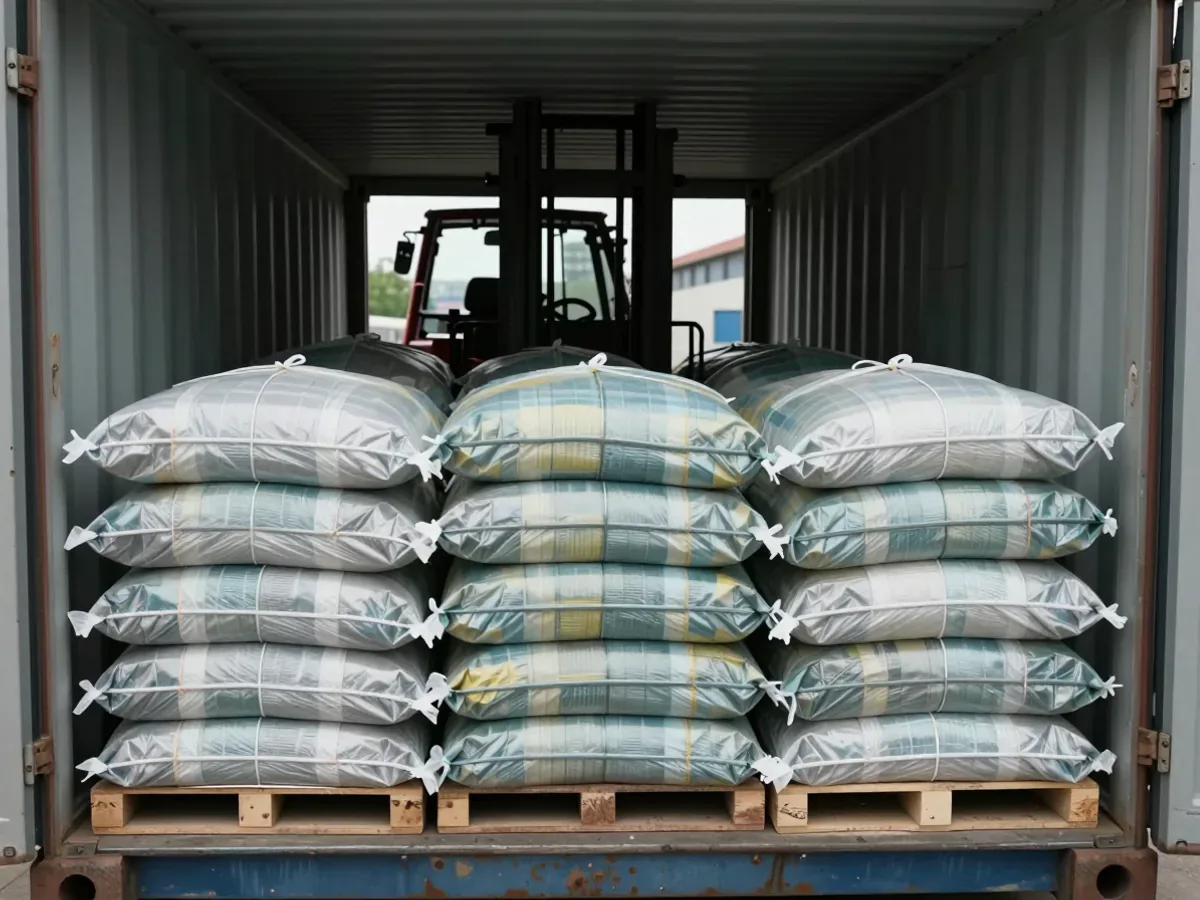
Moving bags behave strangely in a container. They are volume-heavy and weight-light: a 40 foot container can hold up to 45,000 flat-folded, vacuum-packed heavy-duty woven PP bags and still weigh only about 8,000 kg. Ocean freight on that load is a cubic meter game, not a weight game.
Once freight is priced by space, packing density becomes the biggest lever a buyer owns. Vacuum packing and flat folding can lift a 40 foot high cube from roughly 30,000 loose bags to 45,000. That gap is not a rounding error; it is the difference between one container and one and a half.
Under DDP, that lever usually leaves the buyer’s hands. The factory packs to its own habit, the forwarder books the space, and the buyer receives a total that already reflects whatever density was chosen upstream. A loosely packed container still arrives on time. It just costs more per bag, quietly.
Where the Risk Actually Lands When Customs Asks
The duty line deserves its own paragraph. Woven polypropylene bags classified under HS 3923.21 carry 0% duty in the US and EU, so a duty charge inside a DDP quote is often margin rather than tax. Buyers who never challenge that line pay it without knowing there was nothing to pay.
There is a sharper edge. Some factories route DDP shipments through low-cost forwarders that under-declare invoice values to reduce duty. When customs flags the shipment, the penalty and the delay land on the importer of record, which is the buyer, not the factory.
Under FOB the buyer appoints the broker and controls the HS code declaration. That control is not glamorous, but it means the declaration matches the goods, and any conversation with customs starts from a document the buyer actually wrote.
The Loading Density You Hand Over With DDP
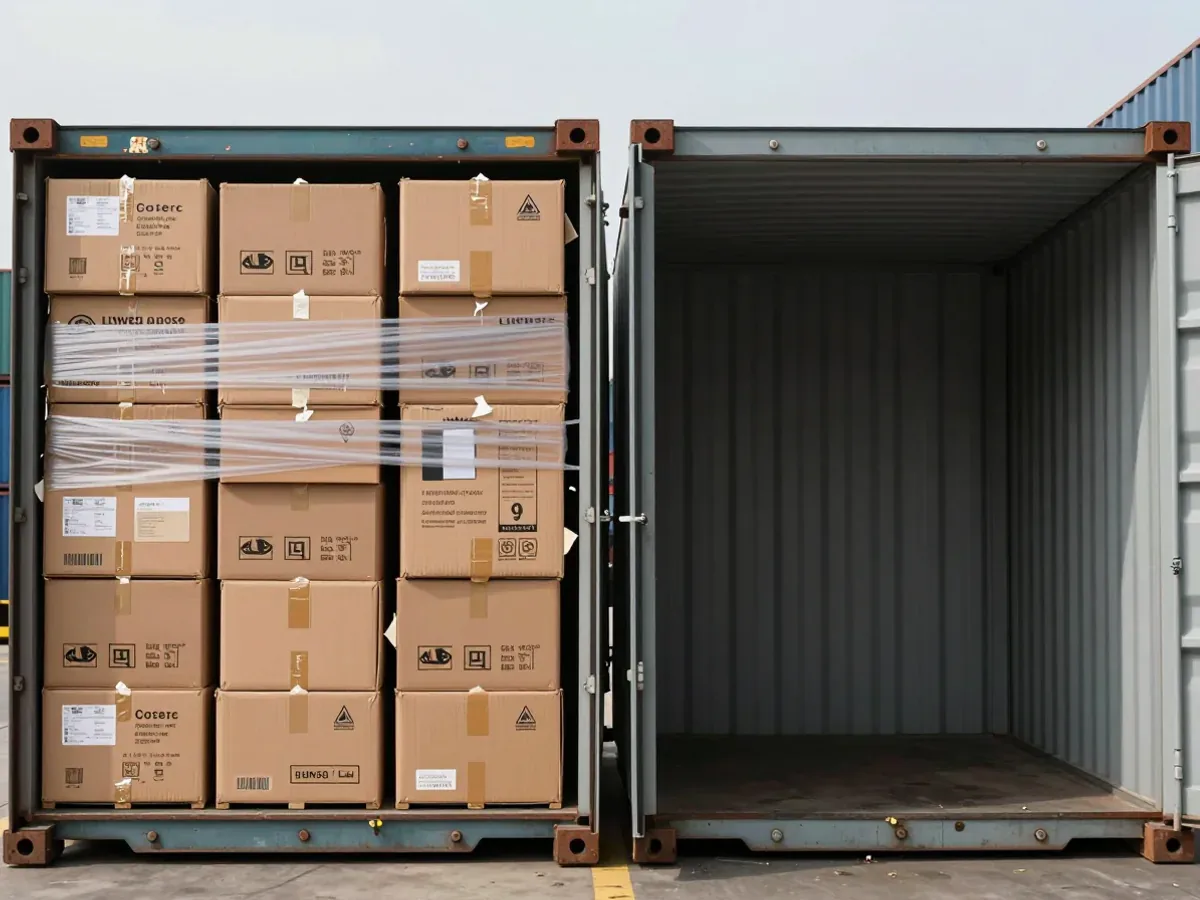
Picture two containers of the same bag leaving the same port in the same week. One carries 45,000 units because the cartons were compressed and stacked to the roof. The other carries 38,000 because the cartons were filled loose and the last pallet sat half empty.
The buyer paying DDP for both receives two totals that look consistent with each other. The buyer paying FOB sees the difference in the loading plan before the container seals, and can ask for a repack while the goods are still on the floor.
Density also decides how many containers a season needs. Ten containers at 38,000 units each is a different freight bill from ten at 45,000, and the gap widens with every reorder. A buyer who never sees the load plan never gets to close it.
When DDP Still Makes Sense for a First Container
None of this makes DDP a bad term. For a first-time buyer, a one-off trial container, or a shipment heading to a remote inland address where brokerage is genuinely complicated, the simplicity can justify the markup. The condition is transparency: demand a named customs broker and a written breakdown of the duty component.
Volume changes the answer. Buyers shipping fewer than two or three containers a year, without a trusted forwarder, usually come out ahead on DDP once the cost of their own time is counted. Above that line, the markup compounds and the missing data starts to hurt.
Carrier leverage is the other threshold. Ship five or more containers a year under FOB and direct annual carrier contracts become available, which is a conversation a DDP buyer never gets to have. The term decides whether that door is open.
How to Put Both Quotes on the Same Page

The practical move is to ask the supplier for a split quote: the FOB price and a separate DDP all-in, on the same page. Then ask an independent forwarder to cost the FOB route door to door. The two totals rarely match, and the gap is the margin that was invisible before.
A transparent supplier will produce a written FOB breakdown covering factory price, inland trucking, port handling and export customs fees. Hesitation at that request is information. It usually means the all-in number is doing work the buyer cannot see.
The same discipline applies to the goods themselves. Cartons should be counted and photographed before the container seals, and carton marks can be set per store, per listing or per pallet so the receiving warehouse can check the load against the plan. Those records are what make a landed cost comparison honest.
A Short Check Before You Approve the Term
Run these questions before signing the term, not after the container sails.
- What is your annual container volume, honestly counted? Under two containers, DDP is defensible. Above three, FOB usually wins.
- Does the DDP quote break out freight, duty, terminal handling, brokerage and inland trucking as separate lines?
- Which HS code will be declared, and who confirmed it in writing?
- Who is the nominated customs broker under DDP, and will the supplier name them?
- What loading density was assumed, and can you see the load plan before the container seals?
- Do you have a forwarder who can quote the same route independently within a week?
FAQ
Is DDP always more expensive than FOB for moving bags?
No. On very small volumes the difference can be close to zero once a buyer prices their own admin time. The gap widens as container count rises, because DDP margin and lost loading density both scale with volume.
Who pays if customs stops a DDP shipment of moving bags?
Under DDP the seller bears clearance costs, duties and delays, and the seller’s customs agent handles resolution. That protection has a ceiling, though. If the shipment was under-declared, the penalty conversation often reaches the importer of record.
Can I start with DDP and switch to FOB on the second order?
Yes, and it is a sensible sequence. Ask for a written breakdown of DDP costs on the first invoice, use it to estimate the FOB equivalent, then test that estimate with your own forwarder before the second order.
What should a DDP quote break out before I sign?
Freight, duty, terminal handling, customs brokerage, inland trucking and cargo insurance, each as its own line. A quote that refuses to split these is a quote you cannot compare with anything.