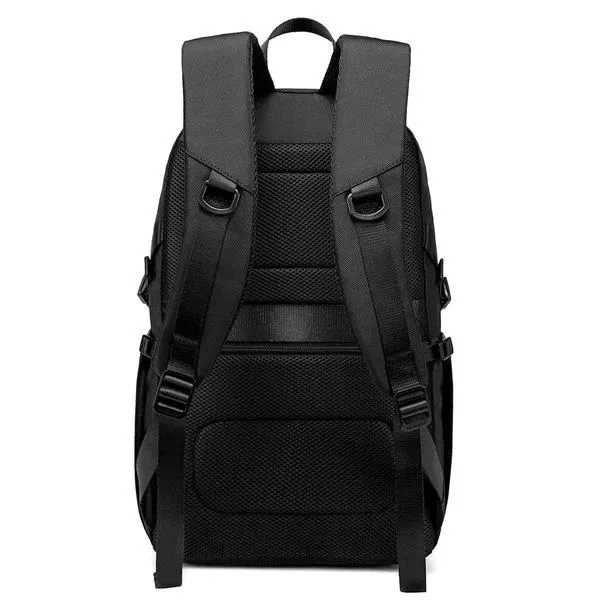
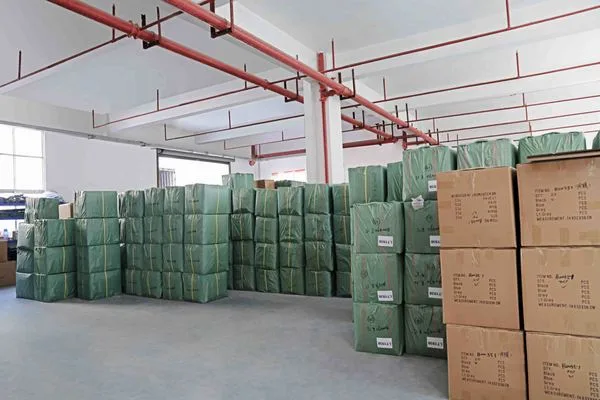
Reorganised from the archived factory audit checklist article and the moving bag spec notes behind it.
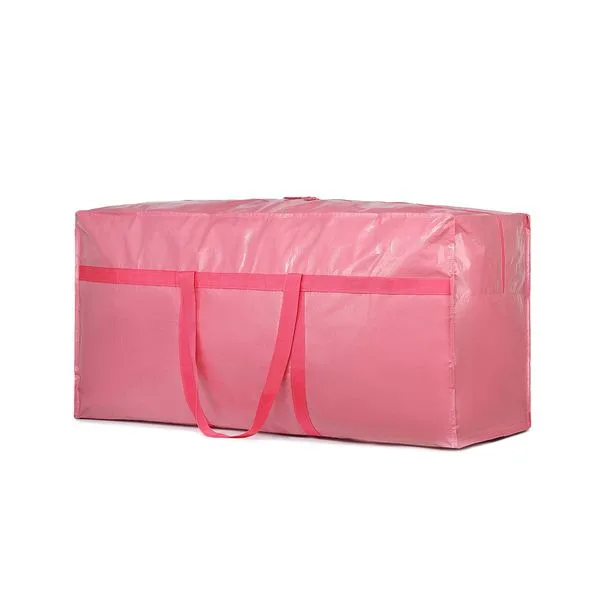
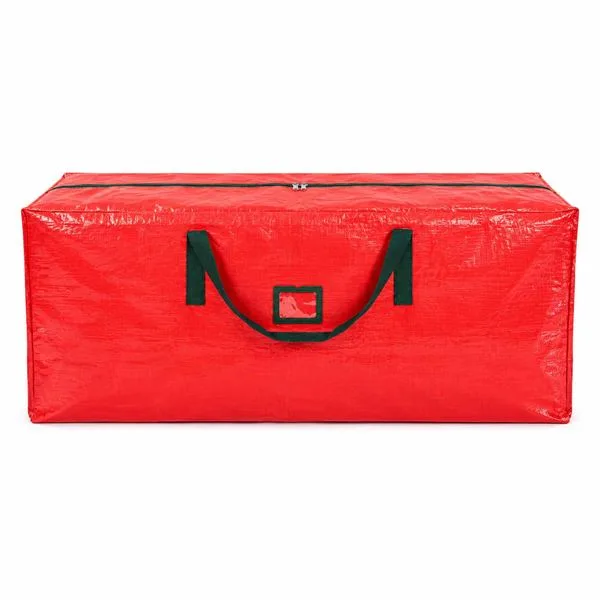
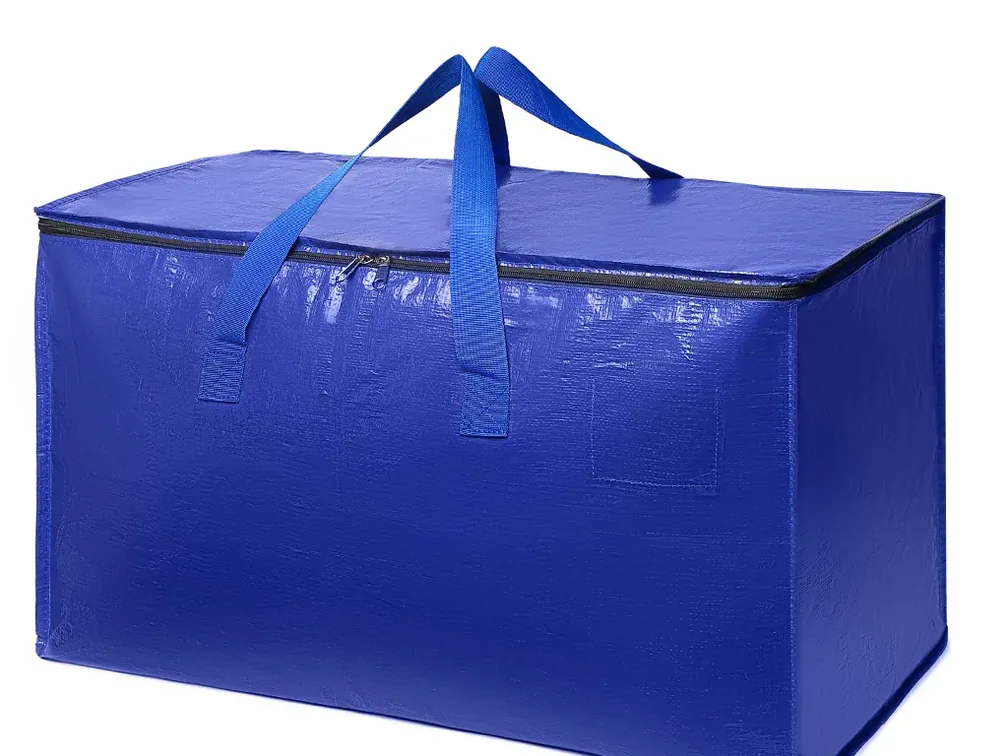
The loading bay doors were already open when the call came down from the office. A 40 foot container sat half loaded, and the cartons waiting behind it were not going anywhere. Two workers had pulled a finished moving bag off the pallet to demonstrate a handle pull for the visiting buyer, and the webbing came away from the body at the stitch line before the gauge reached the mark.
The buyer had approved this factory six weeks earlier. The audit folder was thick, the ISO 9001 certificate was current, and the sample photo was stapled to the corner of the report. None of that stopped a handle from tearing in front of him on the day his goods were meant to ship.
The Cartons That Never Left the Loading Bay

The scene on the bay was quiet rather than dramatic. A supervisor held the failed bag with the handle hanging loose, and the buyer asked a simple question that nobody on the floor could answer. Which machine stitched this handle, and when was it last serviced?
No one went to fetch a maintenance log. The line kept running behind them because the order was large and the ship date was close. That silence told the buyer more than the audit report had. A factory that cannot name the machine behind a failed seam cannot correct the seam.
By late afternoon the container was still on the ground. The buyer asked for three more bags from the same production table, not from the showroom shelf, and the pattern repeated. The handles held when pulled slowly and gave way when yanked, which is how a mover actually lifts a loaded bag over a truck rail.
Tracing Back to the Day the Audit Passed

Six weeks earlier the same buyer had walked this floor with a clipboard. He had checked the calibration sticker on a tensile tester, reviewed a burst test certificate, and confirmed that incoming fabric rolls carried supplier tags. Every box on his sheet was ticked.
The audit had measured the factory's paperwork and its equipment, but it had not measured the bag in his hand. The certificate he reviewed was issued for a different fabric lot, tested months before his order was placed. The tensile machine was calibrated and idle.
His prep sheet had listed specifications and standards, but it had not listed the one thing he would reject a lot over. Without that line, the visit became a tour with a signature at the end. The factory passed because the checklist never asked it to fail.
The Folder Was Complete, the Tester Was Not
A management certificate proves that a factory has procedures, not that a bag survives a three stop move. The buyer had treated the certificate as evidence about the product when it was only evidence about the system around it.
The tester in the corner was a better clue. It carried a current calibration sticker, but the technician on duty could not say when it had last pulled a handle assembly from a live order. Calibration confirms that an instrument reads correctly. It says nothing about whether anyone uses it.
The same gap appeared in the lab reports. A typed burst result from an outside lab, run on a different lot, tells a buyer what some fabric once did. It does not tell him what the roll on his pallet will do under a 50 kg load.
Three Bags Off the Output Table
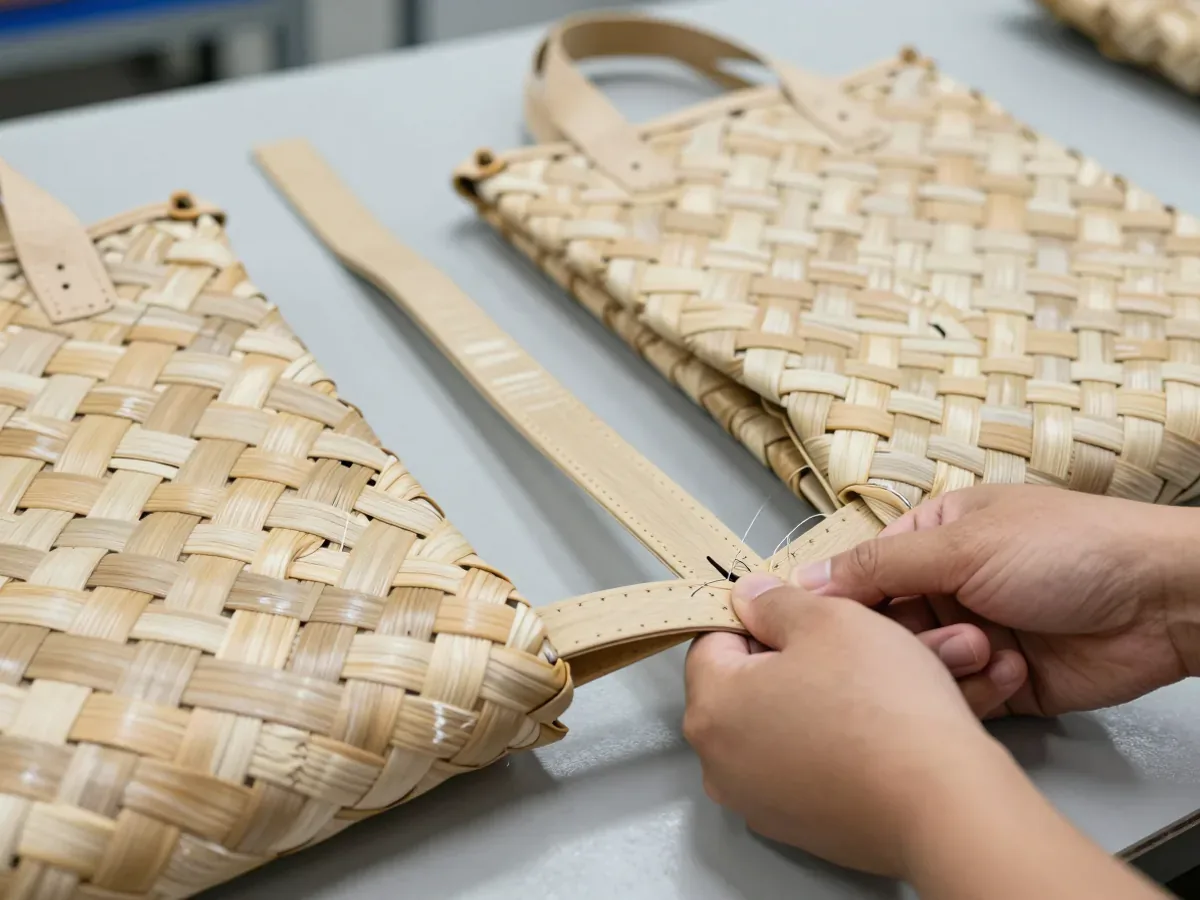
The most useful test of the day cost nothing and took four minutes. The buyer selected three finished bags from the output table where the line hands off completed goods, gripped the handle and the bag body at the stitch point, and pulled them apart abruptly.
On the first bag the needle holes stretched into elongated slots before the fabric itself distorted. On the second the seam popped cleanly. On the third the cross stitch held, which made the failure pattern harder to dismiss as bad luck.
A handle that tears below its rated pull is the most common field failure on a moving bag, and it rarely shows up in a slow demonstration. Movers snatch. The purge test copies that motion, and it exposes stitch density and thread tension that a visual check will never catch.
What the Stitch Plate Photo Showed

The corrective action request that followed asked for three things: the machine number, the replacement of the needle bar assembly, and a dated photo of the repaired stitch plate. The factory's first reply offered operator retraining, which the buyer rejected.
A single machine that consistently underperforms points to a maintenance gap, not a training gap. Retraining every operator on the floor would have left the worn needle bar in place and the defect running. The photo requirement forced the factory to show the actual repair rather than describe it.
The dated stitch plate image also gave the buyer something the original audit lacked: a record tied to a specific machine at a specific moment. When the next order ran, he could compare stitch density against that photo instead of against a promise.
Scoring the Visit So It Means Something
An audit without a number leaves the decision to whoever argues loudest in the meeting. The buyer rebuilt his sheet with weighted sections so that a clean floor could not outvote an unproven handle.
Raw material traceability, in house test capability, and handle and seam performance carried the heaviest weight. Documentation and housekeeping carried less. A factory needed 80 out of 100 to qualify outright. Between 65 and 80, conditional approval was possible only with a signed corrective plan inside ten business days and verifiable closure evidence. Below 65, the buyer walked.
The arithmetic behind that threshold is not abstract. A failed moving bag costs roughly 2.5 times its unit price once damaged cargo, expedited reshipment, and handling time are counted. A marginal score is a bet against that number.
What to Put on the Checklist Before You Book the Flight

The revised sheet opens with the bag itself rather than the certificate. Fabric weight and composition are pinned to a measured value, and the factory must produce a GSM cutter and scale on the spot. If it cannot control fabric weight, it cannot control burst performance.
Handle construction gets its own block. The specification calls for cross stitching with a four thread overlock and a tensile of at least 300 N per attachment point, with the reinforcement visible on the underside. A single stitch handle that tears below 200 N is a rejection, not a negotiation.
Load class is written down and marked on the bag, because an undefined rating invites overloading. The burst threshold for a 50 kg class bag is 1,200 kPa under ASTM D5034, and the buyer now requires the technician to mount his fabric lot on the Mullen tester while he watches the gauge climb.
Drop performance is verified with raw video of ten drops from 1.2 m onto concrete, filmed within the last month on the actual bag model. Stale footage signals that testing stopped when the last buyer left. Every batch should also face a seam and bar tack check rather than an eyeball inspection, and the finished bag check should read dimensions, handles, logo, and stitch density by hand.
None of these lines require a new factory. They require the buyer to stand at the output table and ask for the test instead of the folder.
FAQ
Is ISO 9001 enough to approve a moving bag factory?
No. It confirms a management structure, not the durability of a handle seam. Ask for bag specific test data run on your material lot, and watch at least one destructive test happen on site.
How do I check burst strength without trusting an old lab report?
Request a live run on the factory's own bursting tester using fabric from the lot allocated to your order. If the factory refuses a real time test on your material, treat the refusal as the result.
How often should a moving bag supplier be re-audited?
Suppliers with a critical defect or a handle failure should be re-audited within six months. A supplier with consistent quality can stretch the interval to 12 or 18 months, but the frequency should follow defect history and any change in material specification.