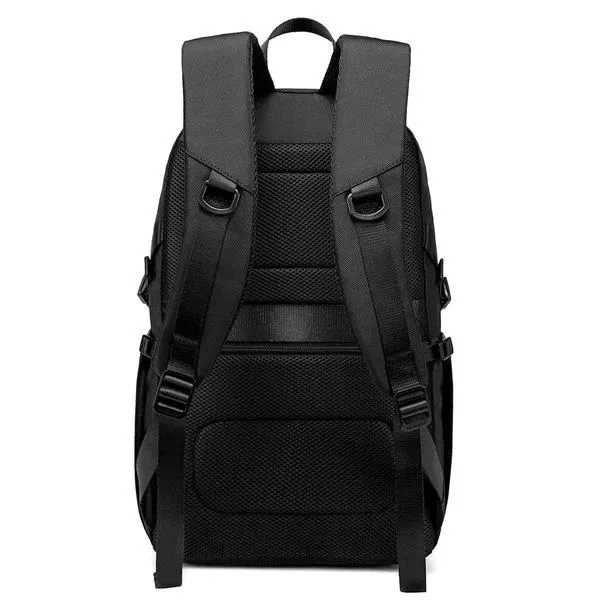
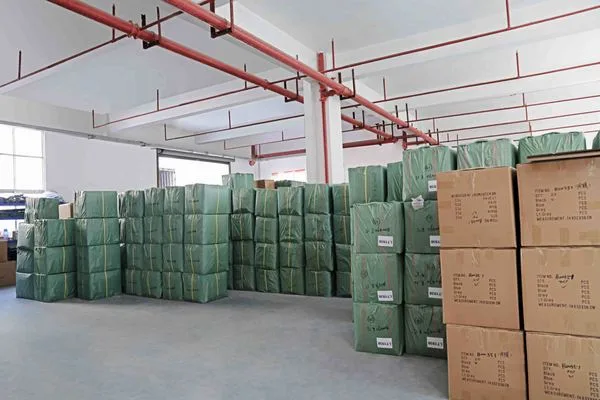
This comparison draws on archived audit notes for woven PP and non-woven bag suppliers, plus the batch checks a bag line records before a container seals.
Two audit reports landed on the same buyer's desk in the same week, both covering the same woven PP bag factory. One ran to four pages of photographs and ticked boxes, priced near the low end of the market. The other ran longer, carried lab sheets with accreditation numbers, and cost roughly three times as much. The buyer had already approved the sample and was two weeks from releasing a purchase order.
The question she put to her sourcing team was simple: which of these documents would still be worth something if the container arrived with handles tearing at half the rated load? That question is the one worth answering before the supplier call, not after. Audit depth is not a matter of taste. It is a decision that maps to order value, material risk, legal exposure and how often the same factory will be paid again.
Two Reports, Same Factory, Different Weight

The cheap report described the building: gate, reception, cutting tables, sewing lines, packing area, a photograph of a fire extinguisher. It confirmed that the factory exists and can produce a bag that looks correct on a table. What it could not say was whether the incoming PP yarn lot had consistent denier, whether the seam temperature loggers on the sewing stations held their set point, or whether the cutting table operator worked from the current artwork revision.
The second report opened with the same walk-through and then kept going. It pulled batch-level tensile data from a lab working under ISO 17025, matched the numbers against the bag's rated load, and recorded stitch density at the load-bearing seams. It listed closed non-conformance reports from the last three internal audits. One document proves presence. The other produces evidence that survives a dispute.
What Each Report Physically Contains

The visual inspection report typically holds a checklist of two or three areas, usually hygiene and raw material storage, plus dated photographs and a signature page. A two-pillar visual check of this kind flags maybe a third of what actually predicts bag failure. It is a snapshot of a morning.
The deeper report carries the seven-pillar framework: quality management, incoming material control, process capability, equipment calibration, workforce training, final inspection, and corrective action loops. Most audit reports miss four of those seven. Alongside the pillars sit the material-specific results. For woven PP moving bags that means base fabric tensile strength, stitch density at load-bearing seams, and handle attachment burst resistance. For non-woven bags it means zipper crosswise tensile force, because the zipper seam fails before the body fabric does.
Dimension One: Order Value Sets the Floor
A first trial order under $10,000 rarely justifies lab fees that approach the value of the goods. A two-pillar visual check plus a hand check of dimensions, handles, logo and packed quantity will catch the obvious mismatches. At that size the buyer is buying information about whether the factory can follow a spec at all.
Between $10,000 and $25,000 the calculation shifts. Four to five pillars with spot material testing starts to pay for itself, because a single failed batch at that value costs more than the audit. Above $25,000 the full seven-pillar audit with ISO 17025 lab linkage becomes the sensible default. The floor is set by what a bad container would cost, not by what the audit costs.
Dimension Two: Material Risk Decides the Test

Order value says how much to spend. Material risk says what to test. Woven polypropylene and spunbond non-woven fail in different places, so an audit that applies one checklist to both is guessing. Woven PP moving bags live or die on base fabric tensile strength, stitch density at the seams that carry load, and how the handle is attached.
Non-woven bags most often fail at the zipper seam rather than the body fabric. A calibrated pull tester measuring zipper crosswise tensile force against the bag's rated load is the check that matters. A visual-only audit routinely misses tape lamination defects that later cause zipper or bottom blowouts. The material on the purchase order should decide which instruments appear in the report.
Dimension Three: What Holds Up After a Claim
When a container arrives with torn handles, the buyer's position depends on what the file can prove. A visual report records that someone looked. It does not record a number that can be compared against a specification. Without ISO 17025 accreditation behind the strength and durability figures, any claim about load capacity remains an unverified opinion.
Accreditation is not legally mandatory for a factory audit report. It is, however, the difference between a document a lawyer can use and a document that reads as a site visit. The same logic applies to regional audit firms. Their reports carry comparable weight only where the firm holds ISO 17020 accreditation and the purchase contract explicitly accepts those reports. Legal review of that clause belongs before the order, not after the loss.
Dimension Four: How Often You Pay Again

An audit is a snapshot, and factories drift. Workforce turnover, an unapproved raw material switch, a new cutting table operator working from an old artwork revision: none of these show up in a report written eighteen months ago. High-volume textile suppliers should be re-audited at least every twelve months, and immediately after any quality incident or material change.
Between formal audits, in-house visits every 60 to 90 days keep the picture current. Those visits should focus on batch records, stitch density and handle attachment, and they should be paired with delivery reliability data and complaint threads from sourcing forums. Pairing every visit with that outside data catches trends before they become a container. The buyer pays for the deep audit once and for the light visits repeatedly.
Who Each Report Suits
The visual report suits a buyer placing a small trial order with a supplier already known in the market, where the goal is confirming the factory exists and can follow a basic spec. It also suits a re-order where nothing about the material or the process has changed and the buyer only needs order status confirmed.
The accredited report suits a buyer committing a large container value, sourcing a material with a known failure mode, or building a file that may need to support a claim. It also suits any buyer switching raw material suppliers, because that change resets the material risk even when the factory itself is unchanged. The two reports are not competitors. They answer different questions at different points in a supplier relationship.
A Decision Table for the Next Supplier Call

| Situation | Report depth | What to demand |
|---|---|---|
| Trial order under $10K | Two-pillar visual check | Dated photos, hand check of dimensions, handles, logo, packed quantity |
| Order $10K to $25K | Four to five pillars plus spot testing | Incoming material check against approved spec, seam and handle pull results |
| Order above $25K | Full seven-pillar with lab linkage | Batch-level ASTM D5034 tensile results from an ISO 17025 facility |
| Material supplier changed | Accredited testing regardless of order size | Burst strength and zipper tensile on the first container of new material |
| Supplier already approved | In-house visits every 60 to 90 days | Batch records, stitch density, handle attachment, carton count before sealing |
| Quality incident reported | Immediate re-audit | Closed non-conformance reports, corrective action records |
The benchmark to set on the next supplier call is narrow enough to state in one sentence: batch-level ASTM D5034 tensile results, from an in-house lab or a third-party ISO 17025 facility, with an AQL of 2.5 locked for seam integrity. A regional report carrying certified tensile data outweighs a glossy international audit that lacks it.
FAQ
Is a cheap visual audit enough for a first trial order?
For a small trial order with a supplier already known in the market, a two-pillar visual check plus a hand check of dimensions, handles, logo and packed quantity is usually proportionate. It confirms the factory can follow a spec. It will not tell you whether the incoming yarn lot is consistent, so do not treat it as evidence of load capacity.
Do I need ISO 17025 lab data on every batch or only the first container?
Accredited burst strength and zipper tensile testing earns its cost on the first container and whenever the material supplier changes. After that, batch records showing pull, seam strength and bar tack results on every batch keep the file current between accredited tests.
How often should an approved bag supplier be re-audited?
Re-audit high-volume textile suppliers at least every twelve months, and immediately after any quality incident or raw material switch. Between formal audits, in-house visits every 60 to 90 days covering batch records, stitch density and handle attachment catch the gradual drift that a one-time audit cannot see.