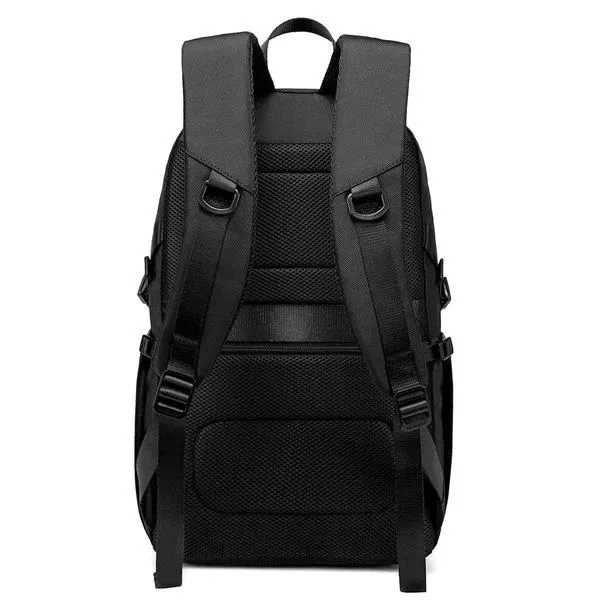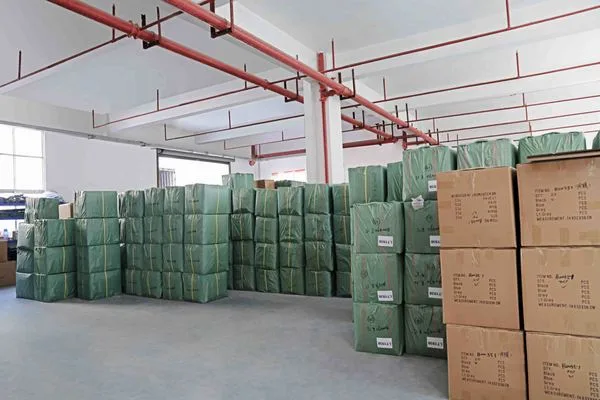
Reorganised from the legacy post on greenwashing rules and recyclable bag claims, with product spec notes on labels, recycled PET fabric and pre-production material checks.
A carton of shopping bags sat on the loading bay with "recyclable" printed across the gusset in soft green ink. The buyer who ordered them had a folder open on the table beside it, and the folder held the artwork approval, the purchase order, and nothing else. No certificate. No composition report. No record of which recycling stream, if any, would accept the bag after the shopper carried it home.
The word had cost almost nothing to add at the print station. It was about to cost the buyer a week of emails with her retail customer, who had started asking for documentation on every environmental claim in the range. That gap between a printed word and a file that supports it is where most recyclable bag claims fall apart.
The Label That Says Recyclable and the File That Says Nothing

The bag in that carton was not a fraud. It was a normal woven bag with a normal print job, and the word recyclable had been sitting in the artwork since the first proof. Nobody lied. Nobody checked either.
This is the most common shape of the problem. The claim lives on the bag, in the catalogue, and on the retail listing, while the evidence lives nowhere. When a buyer asks for the backup, the supplier sends a factory certificate that covers a different material, or a test report from a previous season, or a screenshot of a logo.
Consumer protection authorities have spent years documenting this pattern. The claims that draw attention are vague ones, unverifiable ones, and ones that are technically true but practically meaningless. A bag marked recyclable with no defined stream behind it sits in the third group.
Why the Claim Looked Safe on the Artwork

On a proof, recyclable reads as a design element. It sits next to the logo and the handle colour and the size line, and it gets approved in the same pass. The print team checks position, colour, and legibility. Nobody in that workflow is asked whether the word is defensible.
The word also feels modest compared with eco-friendly. A buyer who would hesitate before printing eco-friendly will happily approve recyclable, because it sounds like a material property rather than a promise. That instinct is reasonable and it is also where the risk hides.
There is a second reason the claim survives so long. Most bags are never tested against it. The shopper uses the bag, the bag goes into a bin, and nobody follows it. A claim that is never examined feels safe by default.
Where a Recyclable Claim Breaks in the Buyer's Market

Recyclable fails differently from a recycled-content claim. Recycled content is a statement about what went into the bag, and it can be traced through a chain of custody. Recyclable is a statement about what happens after the bag leaves the store, and that depends on infrastructure the factory does not control.
The claim implies three things at once. A recycling stream exists. That stream accepts this product. That stream processes it in the markets where the claim is printed. A mono-material polyolefin bag has a defensible story on all three points. A mixed-material bag generally does not, because the handles, the lining, or the print system can push it out of the stream.
Retail chains have learned to ask for more than the word. They increasingly want certificates with numbers, composition test reports, and supply-chain provenance, partly because their own regulatory duties now pass down the chain. A supplier who cannot produce those documents becomes a risk the buyer has to carry.
What a Claim File Needs Before the Artwork Is Approved
The order of operations matters more than the paperwork itself. A claim file assembled after the artwork is approved is a repair job. A claim file assembled before approval is a design constraint, and it changes what goes on the bag.
Four documents turn green marketing into defensible marketing. The first is the material certificate from the factory, with a scope that covers the material actually used. The second is the transaction certificate for the specific order, which ties the claim to an audited chain of custody rather than to a general capability.
The third is a composition test report, which states what the bag is made of in measurable terms. The fourth is the claim text itself, written before the print file is locked, so the wording matches what the evidence can support. A claim that says recyclable in one market and something narrower in another belongs in that fourth document, not in a later email.
Material verification belongs on the pre-production sample, where the fabric and the components can still be changed. Every order passes four checkpoints in our line, and the material check is the one that decides whether a claim can be printed at all.
Reading a Certificate Number Against the Order
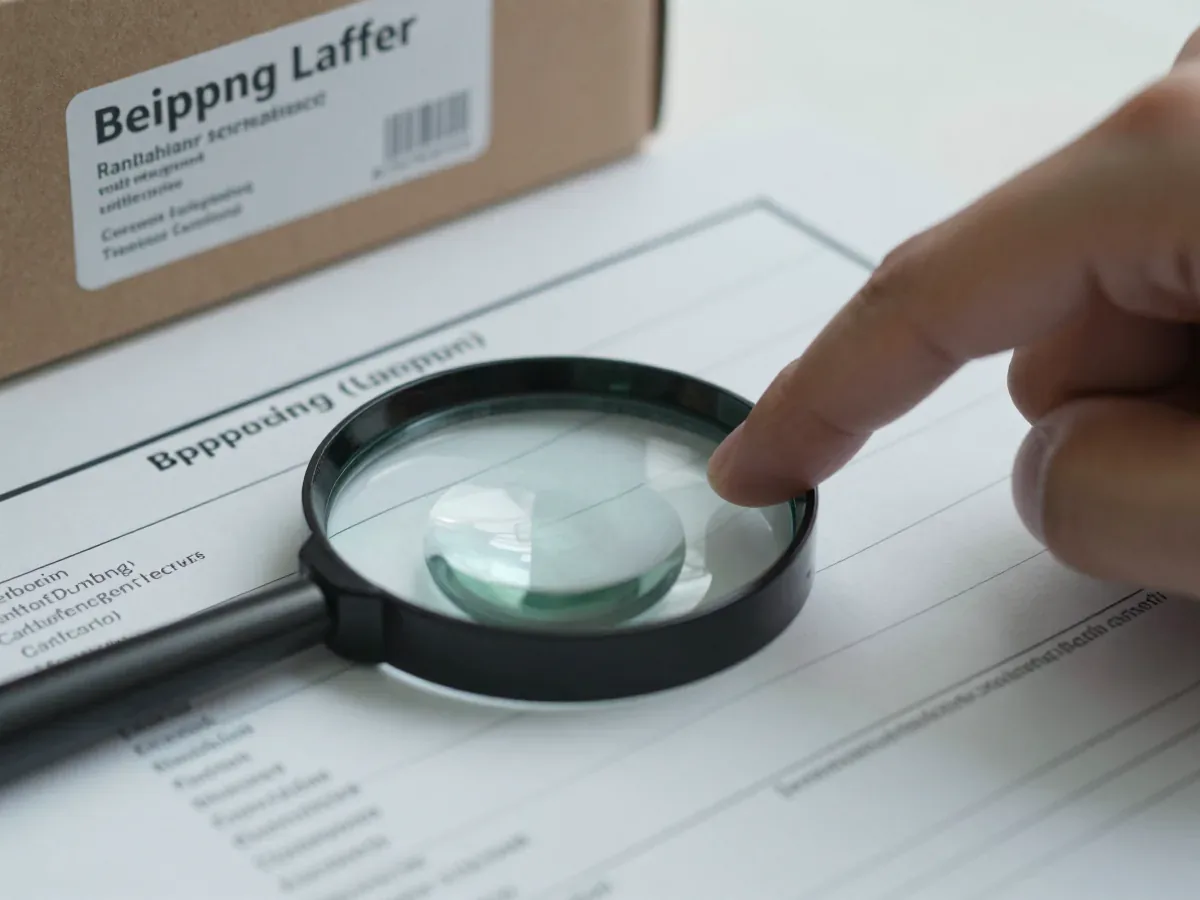
A certificate with a number is only useful if the number resolves to this order. Buyers who have been burned once learn to check three things in sequence, and the sequence is short.
First, the certificate number should be valid with the certifier, not just present on a PDF. Second, the scope of the certificate should name the material in the bag, not a sibling product the factory also makes. Third, a transaction certificate should exist for the order itself, dated within the period the goods were produced.
A factory scope certificate proves the factory can handle certified material. It does not prove this shipment contains it. That distinction is where many claim files quietly fail, because the document looks official and the buyer has no reason to read the scope line.
The same discipline applies to composition. A test report that lists fibre content is evidence. A test report that lists a different style, a different weight, or a different season is a document with a number on it and nothing else.
The Checks That Separate a Claim From a Wish
A claim holds up when the wording, the material, and the file all point at the same thing. A wish holds up until someone asks a question. The checks below are the ones that decide which one a buyer is holding.
- The claim names a specific property, not a mood. Recyclable, recycled content, or a defined composition, rather than eco-friendly or green.
- The claim is tied to a standard the factory can name, and the certificate scope covers the material in this order.
- A transaction certificate exists for the shipment, not only a factory-level certificate.
- A composition test report matches the style, weight, and components of the bag being shipped.
- The claim text was written before artwork approval and reviewed against the evidence file.
- The bag is mono-material, or the claim is narrowed to reflect what the mixed construction can honestly support.
- The market where the claim is printed has a stream that accepts the bag, and the claim file says so.
FAQ
Can a bag still be marketed as eco-friendly?
Not usefully. Vague environmental claims are the primary target of tightening rules. Specific claims backed by a certificate number and a composition test survive scrutiny; a general eco-friendly line invites the question the buyer cannot answer.
What evidence backs a recycled-content claim?
A certification with transaction certificates for the specific order, plus composition testing. The certificate number should appear in the claim file and be validatable with the certifier, and the scope should name the material actually used in the bag.
When can a bag honestly be called recyclable?
Only when a real stream accepts the bag in the claimed market. Mono-material polyolefin bags have a defensible story. Mixed-material bags generally do not, and a narrower claim is the honest option.
What do retail chains ask suppliers for?
Increasingly, certificates with numbers, composition test reports, and supply-chain provenance. The requests are passed down from the chains' own regulatory duties, so a supplier who cannot produce the file becomes a cost the buyer carries.