
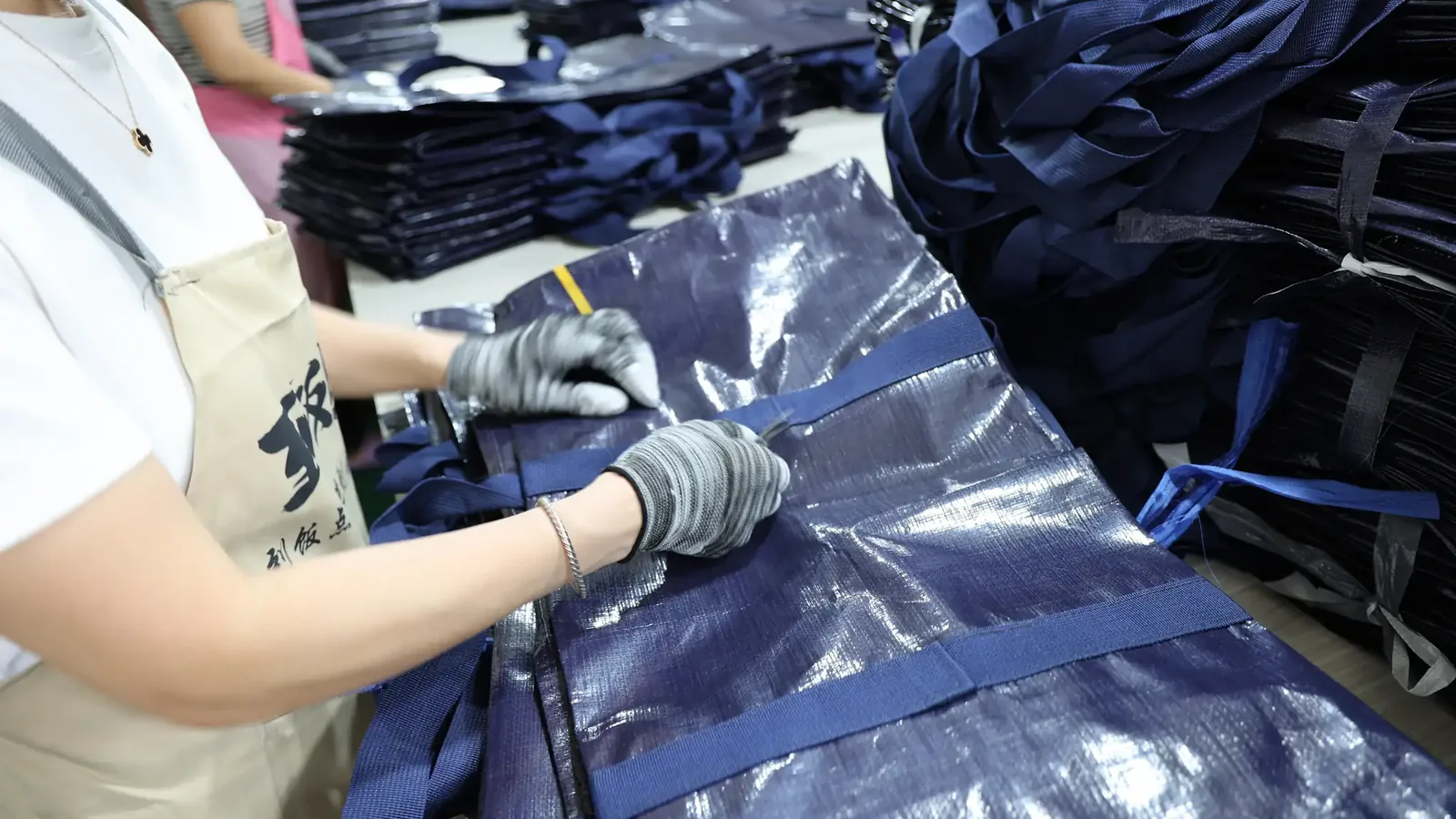
Start 4 to 6 weeks out, clear the storage rooms first and pack the kitchen and bedrooms in the final week. Fill each bag to the zip line, never past it, and put a room card in the label pocket before it leaves the room.
This moving packing list starts from that bag and the question that keeps coming up every season: how do you pack it, and when do you start? Leaving packing to the last minute leads to mistakes, broken items and a stressful final week.
The plan below runs four to six weeks, works from the things nobody uses towards the things you need every day, and puts real sizes on each bag so you know what goes where.
When to start, week by week
How soon you start decides how calm the last week is. Four to six weeks is the window that works, and the first of those weeks is for decluttering, not packing, so that you never wrap something you are about to donate. Starting early also leaves time to sort, give away and clean as you go instead of in one panicked weekend.
| Time before the move | What gets packed |
|---|---|
| Six weeks | Declutter, donate or sell what nobody uses |
| Five weeks | Decor and seasonal items |
| Four weeks | Storage closets, garage and guest rooms |
| Three weeks | Books and the kitchen items used least |
| Two weeks | Off season clothing and spare dishes |
| One week | Living room, bathroom and kitchen |
| Two days | Essentials, packed into one bag kept apart |
Give yourself more time than you think you need, because work, school and meals do not stop for a move. A family home with a garage usually needs the full six weeks; a one bedroom flat can start at four, as long as the decluttering week still happens first.
How to pack a moving bag
Packing bags for moving behave differently from boxes: they are soft, so the load shapes the bag, and the zip and the webbing take the strain. This is the method we build our bags around:
- Pick the size by the load. Our 27.2 by 13.8 by 15 in body is the size most home moves are built from: a wardrobe shelf, a bedding set or the contents of one cupboard.
- Use the 29.1 in bag for bedding. It is the length movers ask us for most, because a duvet, four pillows or a full wardrobe shelf fit without folding twice. 3. Keep the 45.3 in bag for the long loads a box cannot take: a folded tree, a cot or a whole wardrobe rail.
- Put heavy and flat items at the base, soft items on top, and stop at the zip line. The shell carries a full bedding load without the base sagging, but an overfilled zip splits at the pulls.
- Close the zip from both ends with the two pulls so they meet in the middle, then slide a room card into the clear label pocket.
The kitchen is the room that decides the day
Which room is hardest to pack? The kitchen, nearly every time. It holds the most fragile, oddly shaped and essential items in the house, which is why people leave it to the end and then run out of time. Block out one full day for it: every cabinet is a new problem, with plates to wrap, knives to sleeve and food to check.
The pace slows because cleaning and sorting happen at the same time, and the kitchen holds things you still use until the last morning, such as the coffee maker. Pack one small first kitchen box with a fork, knife, mug, plate, sponge, dish soap and a towel, and mark it to open first. Soft kitchen linen goes into a bag, not a box; a bag with a silver lining helps here, because dark tea towels and oven gloves do not disappear into it.
What professional crews do that is worth copying
Crews look fast because they follow a tight system that removes the guesswork, not because they have better hands. They bring uniform sizes, label every side and wrap anything fragile twice, and they do not waste a second deciding. United Van Lines gives the same advice in its moving checklist: label boxes on the sides with their contents and destination rooms. Load order matters as much as packing: heavy items in first, light and fragile ones on top, and essentials at the back of the truck where they come off first.
| Technique | Why it works |
|---|---|
| One bag size per room | Stacks and counts faster on the truck |
| Label on every face | Found without moving the stack |
| Heavy on the bottom | Lighter loads are not crushed |
| Double wrap fragile items | Blankets or towels take the knocks |
| Priority code | Open first, essential or storage |
Colour is part of the system. Crews ask us for royal blue because a blue bag is easy to count on a truck and easy to spot in a storage unit. Clear bags do the same job from the other side: you can check what is inside without unzipping it. These habits change how a move goes even if you only shift rooms around the house. The full size range sits on the moving bags range page.
Fast packing when the date moves up
What is the fastest way to pack? Make fewer decisions. Sometimes there are not six weeks: a lease ends early or a closing date shifts. Set up one packing station, skip the sorting and get things into bags and boxes, then sort at the other end.
Fast packing does not mean sloppy packing. Pack by drawer: empty a whole drawer straight into a 27.2 in bag rather than sorting by category, which is how a small apartment gets packed in an afternoon. Keep the packing supplies for moving in one central place, for example tape, scissors, labels, wrap and a stack of flat bags, so nobody walks the house looking for them. Wrap fragile items in the towels and clothes you are moving anyway, and pre label every bag before it is filled. When both hands are full on the stairs, a bag with backpack straps rides on your back instead. Momentum carries the job, so once you start, keep going.
Which room to pack first
Packing the living room first feels logical, but it is the wrong place to begin; start where disruption is smallest. Storage closets, spare bedrooms and the attic come first, because they hold what nobody needs this week.
| Room or area | When to pack it |
|---|---|
| Guest room | First: not used daily |
| Storage closet | First: full of non essentials |
| Bookshelves | Early: books are heavy and slow |
| Bathroom and kitchen | Last: used every day |
| Main bedroom | Last two days before the move |
Under bed and shelf items suit our shorter 69U pattern, which is 13.8 in high instead of 15 in. Bookshelves sit early in the list for a reason: books are heavy, slow to pack and belong in small boxes, so getting them done in week three keeps the last week for the rooms you live in. Each move is different, but easy wins early build the momentum to finish strong.
Can you pack and move in one day
It is not recommended, but it can work under the right conditions: a short move, a small space and a crew ready to help. You can pack and move in one day if the home is small, the supplies are bought in advance and at least 2 or 3 people are there to load and unload.
Local moves suit this far better; long distance and cross country moves demand more planning. If you must do it all in one day, aim for survival and fix the details later. The packing materials for moving can be bought in one trip, but helpers and a truck cannot be arranged at the last minute, so book those first. On a one day move, the end grip on our bags matters more than usual, because every bag goes up into the van by hand.
Mistakes that break bags, and how we test for them
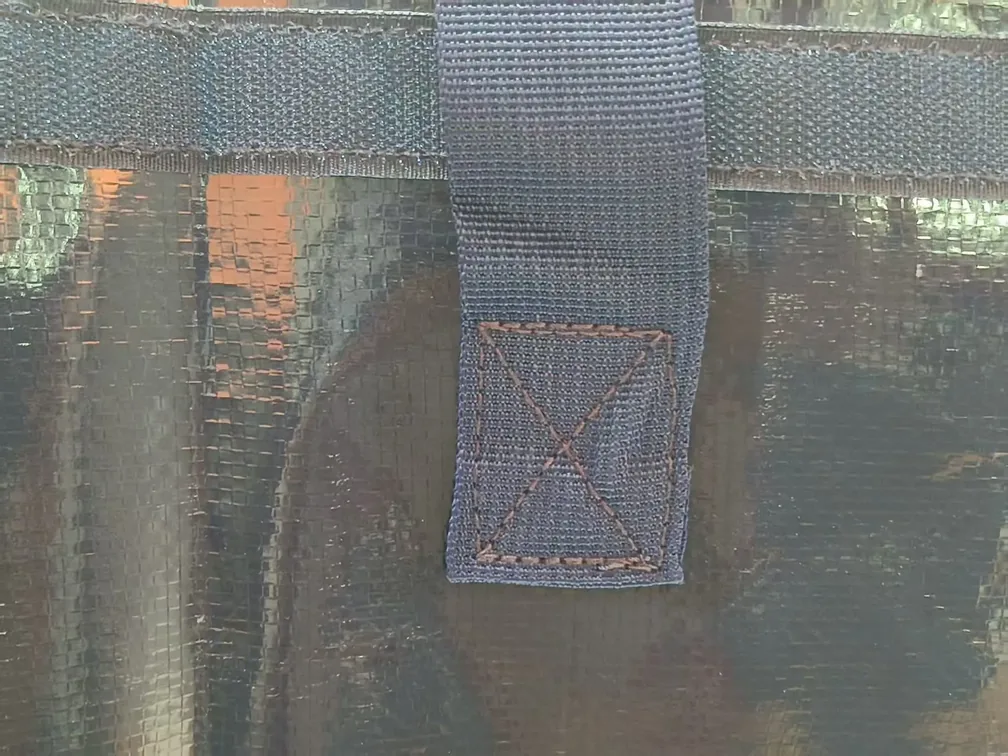
Most damage on moving day comes from three habits: overfilling, carrying by one handle and leaving bags on wet ground. We check for the first two on the line: every bag passes 4 QC checkpoints, and the zip alignment is one of them, so an overfilled bag is the main thing that still splits it. The webbing runs the full length of the bag, not only at the handles, and the handle is X stitched through the base, so lift with both handles and the load spreads into the body.
Wet ground is the third. The seams are stitched, not sealed, so our bags resist splashes but are not waterproof; keep them off a wet drive and out of standing water in the truck. Use proper materials and clear labels on every bag, because together they prevent most of the damage and confusion on the day.
Questions people ask about packing bags
Should the kitchen be packed first or last?
Last, apart from the first kitchen box. Pack the cupboards used least in week three and leave the daily plates, kettle and coffee maker for the final two days.
What size bag holds a duvet?
The 29.1 in bag takes a duvet and four pillows; a king size duvet with a mattress topper needs the 45.3 in bag instead.
Can a label pocket hold a barcode?
Yes. The clear pocket takes a room card or a barcode, which is useful when a crew scans bags onto the truck and off again.
How many helpers does a one day move need?
At least two or three, plus a booked truck and supplies bought before the day.
Packing for a move is a process: start early, follow an order, use the right materials and borrow the habits of the crews.
Bags and boxes are not rivals on moving day. Bedding, clothing and soft goods go in bags; plates, glass and books go in boxes.
What to check before the last bag is taped
Before a bag goes on the truck, run through 4 quick checks. First, the two zip pulls meet in the middle with no fabric caught in the teeth. Second, the room card sits in the label pocket and faces out. Third, the webbing where it meets the base shows no pulled stitches. Fourth, the bag sits on a dry floor, not on the wet drive, because the seams are only stitched. Then load heavy bags first and the essentials bag last, at the back of the truck, so it is the first thing off at the new home.
At the new home, check every bag as it comes off the truck and before you sign for the delivery. The delivery day list in the FMCSA moving checklist says it plainly:
Note on the inventory list all boxes or items that are damaged or missing before you sign any documents.
FMCSA, Moving Checklist, Delivery Day






