Field notes from bag shipments, drawn from the old bill of lading guide and the packing and loading records behind it.
A buyer in the middle of a woven PP bag program forwarded a draft bill of lading to her broker with one line: "Forwarder says it's clean, please file." The broker filed it, the container arrived, and the entry stalled at the destination port because the consignee name on the draft carried a shortened version of the company that did not match the importer of record. Nobody had compared the two documents. The draft had looked fine because it was clean, and clean had been treated as the whole test.
That pattern repeats often enough to be worth slowing down. A clean bill of lading means the carrier wrote no damage notations on it. It says nothing about whether the consignee block, the marks, the piece count or the freight term will survive a customs broker's desk. The draft is a document with several jobs at once, and a buyer who reads it as a form to forward has handed the checking to whoever happens to open it next.
The Draft Arrives and Everyone Says It Looks Fine

The draft usually lands the day after loading, when the cartons are already sealed and the container is on its way to the terminal. It arrives as a PDF with a short covering note from the forwarder asking for approval. The buyer scans it, sees a clean face with no stamped exceptions, and replies "approved."
What makes the habit stick is the covering note. A forwarder writes "please check and confirm" on almost every draft, and the phrase reads like a formality rather than an instruction. The buyer has already spent weeks on the bag order itself, checking dimensions, handles, logo placement and stitch density by hand on the finished sample. By the time the container loads, the document feels like the easy part.
There is also a timing problem. The draft comes when the factory has finished and the buyer is thinking about the next order, not the paperwork on this one. Approval takes thirty seconds and feels like closing a loop. Nobody in the chain is paid to slow that moment down.
Why 'The Forwarder Sent It' Feels Like Enough
A forwarder is a specialist, and the buyer is not. That asymmetry makes deference reasonable on its face. The forwarder books space, handles the terminal, knows the carrier's quirks, and has seen thousands of bills of lading. If the document had an obvious problem, the reasoning goes, the forwarder would have caught it.
The reasoning holds for the transport side of the document and fails on the commercial side. The forwarder knows the vessel, the voyage, the port pair and the release mechanics. The forwarder does not know that the buyer's importer of record was renamed last quarter, or that the carton marks were set per store rather than per pallet, or that the purchase order runs on FOB terms with the buyer's own forwarder.
A second assumption props up the first. Buyers assume a clean draft is a verified draft. Clean is a narrow statement about cargo condition at the moment of loading. It is not a statement that the consignee block, the notify party, the description, the marks, the weights or the originals count have been checked against anything.
What a Clean Draft Can Still Hide
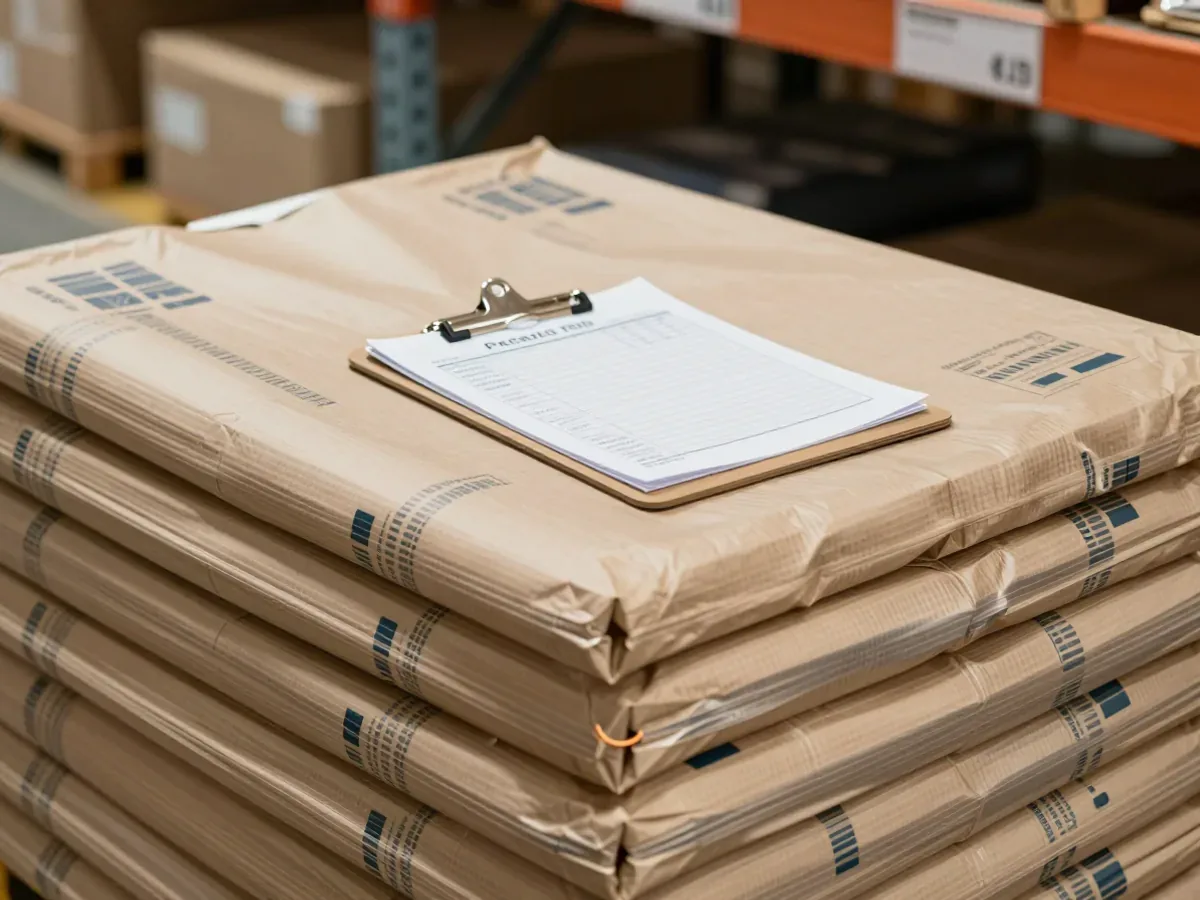
A clean draft can carry a consignee name that differs from the importer of record by a suffix, an abbreviation or a trading name. It can carry a notify party that is a broker who changed offices and never updated the address on file. Both look unremarkable on the page and both stop an entry.
The cargo description is the field where bag shipments cause the most friction. A line that reads only "bags" invites a customs broker to ask the factory what the bags are made of, and the answer arrives days later. A line that reads "shopping bags of woven polypropylene, 500,000 pcs, printed" gives the broker enough to classify without a round trip. The difference between those two lines is not cleanliness. It is specificity, and a clean draft can be vague.
Marks and numbers are copied from the packing list, and packing formats vary. An order can leave as polybag, retail-ready or per store, and carton marks can be set per store, per listing or per pallet. Whichever string the factory printed on the boxes is the string the bill of lading has to repeat. A mismatch between the marks on the cartons and the marks on the document is the kind of error that surfaces at destination, after the container has already sailed.
Weight and measurement carry their own quiet risk. Woven PP compresses differently from cartons of rigid goods, and weighing a few cartons and multiplying is not a reliable way to reach a full container figure. The carrier bills on gross weight and measurement, and the port plans space with the same numbers. A figure that is off does not stop the container, but it does distort the freight calculation and can trigger a correction later.
The Fields That Actually Move Cargo
The first block names three parties, and they have to be read together. The shipper is the seller or the factory named on the export documents. The consignee is who the carrier will release the cargo to. The notify party is who receives the arrival notice, and a wrong notify party means a broker or warehouse never learns the container is coming in time to prepare the entry.
The consignee line also determines how release works. Under a straight bill of lading, a named company takes delivery and only that company can. Under an order bill, the consignee line reads "to order" or "to order of shipper," and the shipper endorses the document to transfer title. A buyer financing the shipment through a bank needs to know which structure the draft uses before approving it.
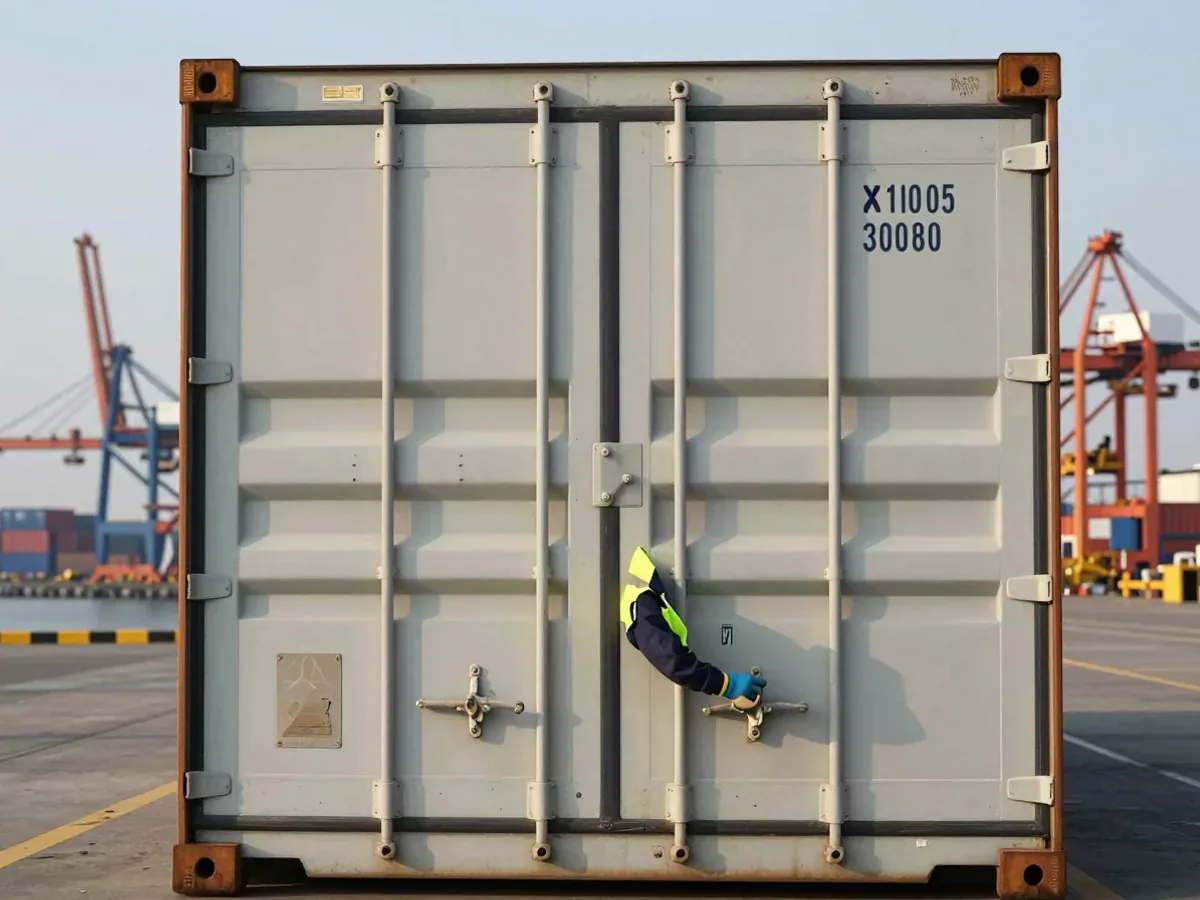
The container number and seal number are the shipment's fingerprint. The container number follows the ISO 6346 format of four letters, six digits and a check digit. The seal number is recorded when the container is closed at the factory, and it tells the carrier the box was not opened in transit. Cartons are counted and photographed before the container is sealed, which gives the buyer a photo from loading day to check the count against.
The vessel, voyage, port of loading and port of discharge sit in the same block. The shipped on board date is the one retailers read, because it shows when the cargo actually loaded rather than when the factory packed it. For a seasonal bag program, that date is what the delivery schedule hangs on.
Freight terms and originals close the document. Freight prepaid means the shipper paid the ocean freight before loading, and freight collect means the consignee pays at destination. The term has to match the commercial terms in the purchase order, whether the order runs on FOB terms or on the buyer's own forwarder. The originals field usually reads three, and a bank under a letter of credit will demand the full set, because any one original can claim the cargo.
Read the Draft Like a Packing List, Not a Form
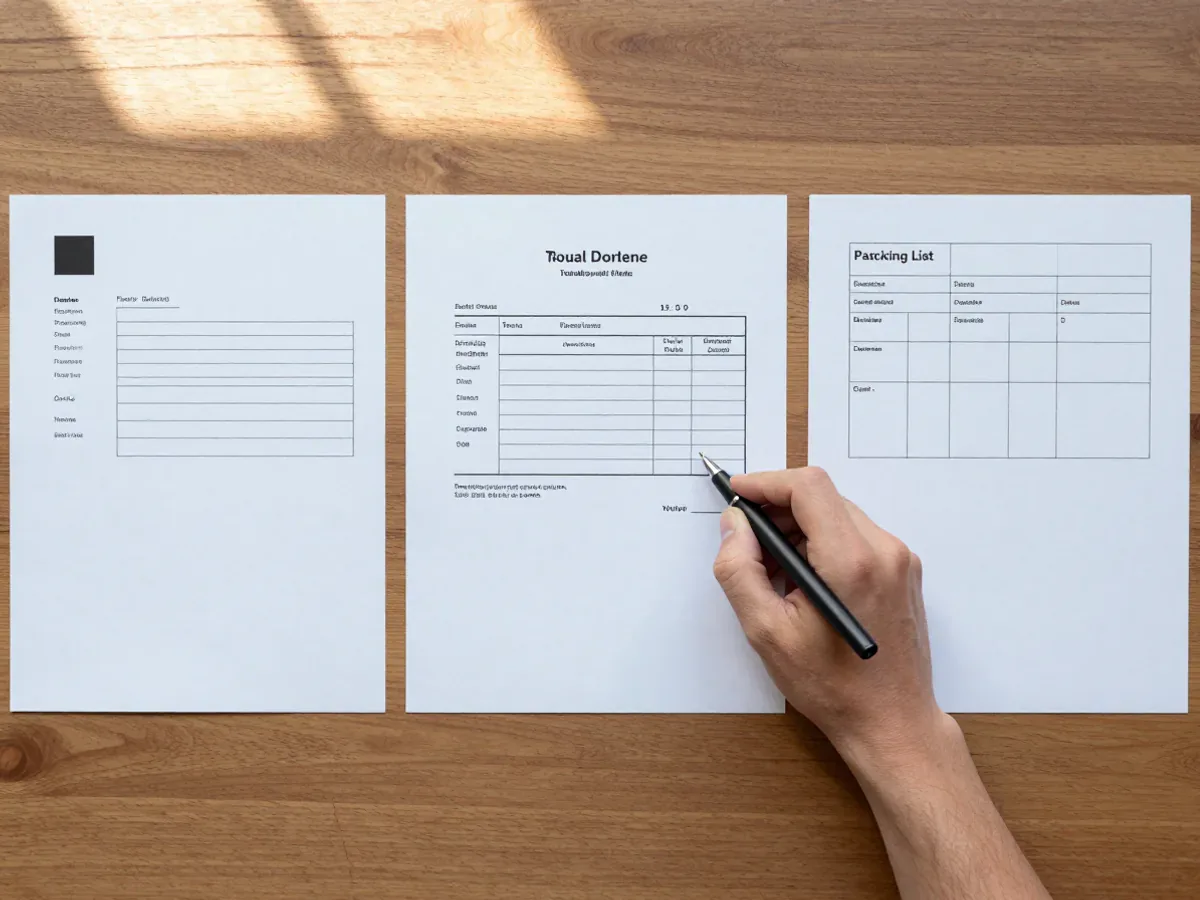
A packing list is read against the goods. Someone opens a carton, counts, checks the marks and compares the result to the paper. A bill of lading draft deserves the same treatment, with the commercial invoice and the packing list laid beside it.
Start with the three-way match. Put the draft, the invoice and the packing list side by side and compare the consignee, the marks, the piece counts, the gross weight and the measurement. Any field that appears in two documents and disagrees in one is a field to fix before approval, not after.
Then read the description against the sample. Printing is proofed before the run and the sample is made to the same specification as the bulk order, which gives the buyer a reference for what the cargo description should say. If the sample was a printed woven PP shopping bag at a stated piece count, the description should carry the material, the construction, the print and the count.
Finally, check the parties against the import file rather than against memory. The consignee has to match the importer of record exactly, including suffixes. The notify party has to be an entity that will still be at that address when the vessel arrives.
A Fifteen Minute Check Before You Approve

The check is short enough to do in one sitting, and it is worth doing in a fixed order so nothing gets skipped.
- Shipper name and address match the factory's export documents.
- Consignee matches the importer of record character for character, including the legal suffix.
- Notify party is the broker or warehouse that will actually handle the arrival, at a current address.
- Container number follows the four letter, six digit plus check digit format, and the seal number matches the seal recorded at loading.
- Cargo description names the material, the construction, the print and the piece count, not just "bags."
- Marks and numbers repeat the carton string exactly, whether that string was set per store, per listing or per pallet.
- Gross weight and measurement are consistent with the packing list and with how the container was actually loaded.
- Freight term matches the purchase order, prepaid or collect.
- Number of originals matches what the bank or the release method requires.
- Shipped on board date is the date the cargo loaded, not the factory packing date.
- The face of the document carries no notations about damage, and the count can be checked against the loading day photo.
Most of these fields take seconds. The consignee and notify party take the longest, because they require opening the import file rather than reading the draft in isolation.
What to Do When the Draft and the Cartons Disagree
Disagreement is normal and it is not a crisis if it is caught before approval. The cartons are the physical record. If the marks on the boxes say one thing and the draft says another, the draft is wrong and the correction belongs on the draft.
The order of operations matters. Correct the draft before the vessel sails, while the forwarder can still amend it without a release problem at destination. A correction made after the container arrives is possible, but it delays the release and adds cost at the worst moment.
When the disagreement is about the description, go back to the specification the sample was made to. When it is about the count, go back to the loading day photo. When it is about the parties, go back to the import file. Each disagreement has a reference document, and the reference document outranks the draft.
The habit worth building is smaller than it sounds. A buyer who reads the draft against the invoice and the packing list, before replying to the forwarder, has moved the check to the one moment when it is cheap.
FAQ
Does a clean bill of lading mean the bags arrived undamaged?
No. A clean bill of lading means the carrier recorded no notations about damaged cargo when the goods were loaded. It describes condition at loading, not condition at arrival. Damage that happens in transit is a separate matter, handled through cargo insurance or a claim against the carrier.
Can the cargo description on the bill of lading be changed after approval?
It can be amended, but the correction is easier and cheaper before the vessel sails. A description that omits the material, for example, can send the broker back to the factory for an answer while the container waits. A precise description at approval avoids that round trip.
Who should be listed as the notify party for a bag shipment?
The party who needs the arrival notice and will prepare the import entry, which is usually the customs broker or the importer's warehouse. The notify party has to be an entity that will still be reachable at that address when the vessel arrives. A broker who has moved offices without updating the file is a common cause of a late entry.
Why does the bill of lading not show the HS code for woven PP bags?
The HS code normally appears on the commercial invoice and on the customs entry filed by the broker, not on the bill of lading. The description on the bill has to be detailed enough for the broker to classify the goods, which is why "bags" is a weak line and "shopping bags of woven polypropylene, printed" is a workable one.