Based on legacy TIIOCTI articles on canvas bag printing and first-hand production notes from our printing and inspection stations.
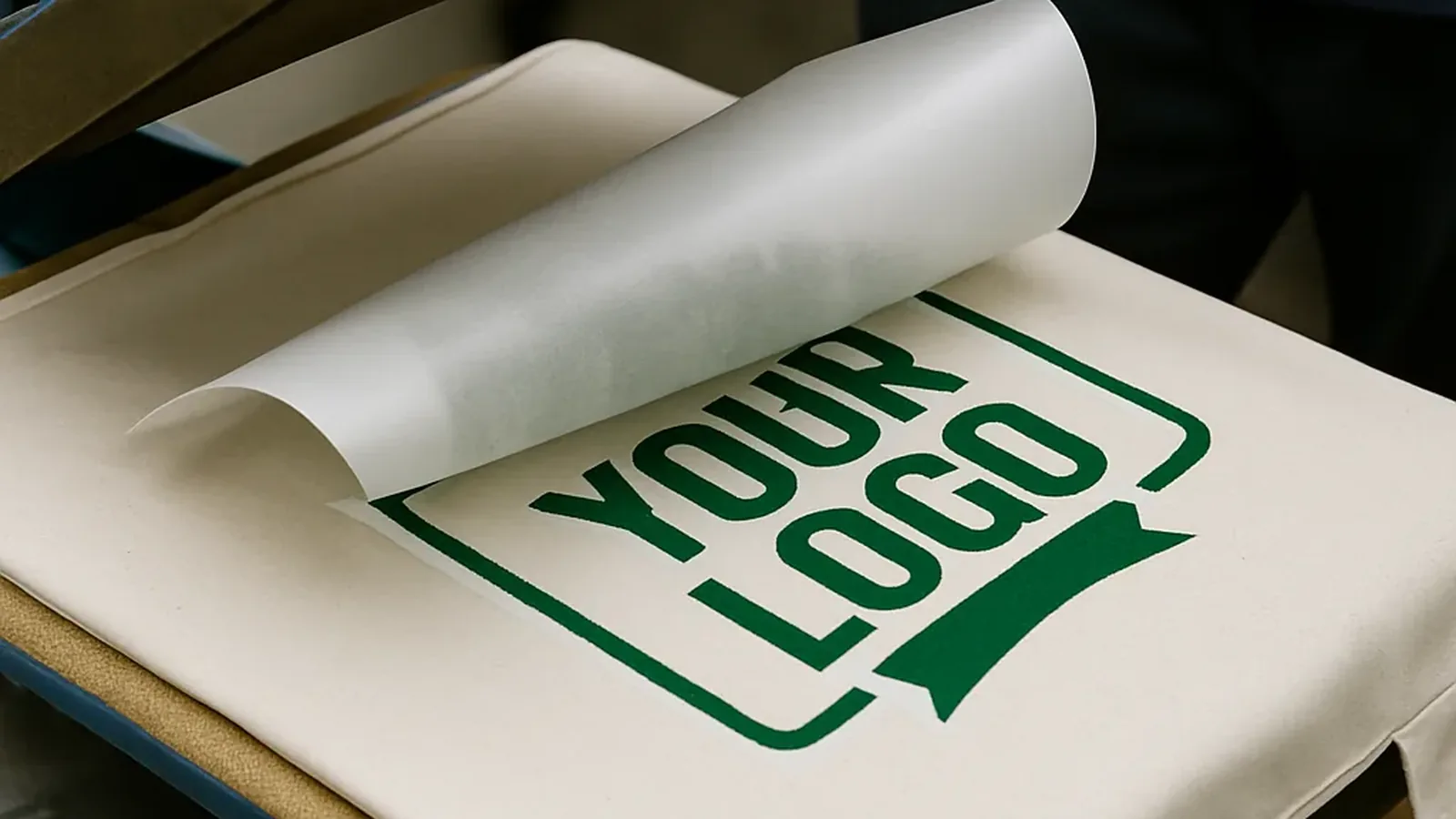
At the heat press station, a finished cotton tote comes off the platen and the operator peels the paper back in one slow pull. The image holds, but the buyer's approval sheet already lists four different transfer methods with four different quotes. The gap between the lowest number and the highest is not the whole story.
A canvas bag transfer quote usually hides its real cost in three places: the setup charge, the wash test, and the inspection bench. A buyer who reads only the unit price at the bottom of the page is comparing the wrong column. The method that looks cheapest at 500 pieces can become the most expensive order in the file once the rework and the rejects are counted.
The Four Lines on a Canvas Bag Transfer Quote
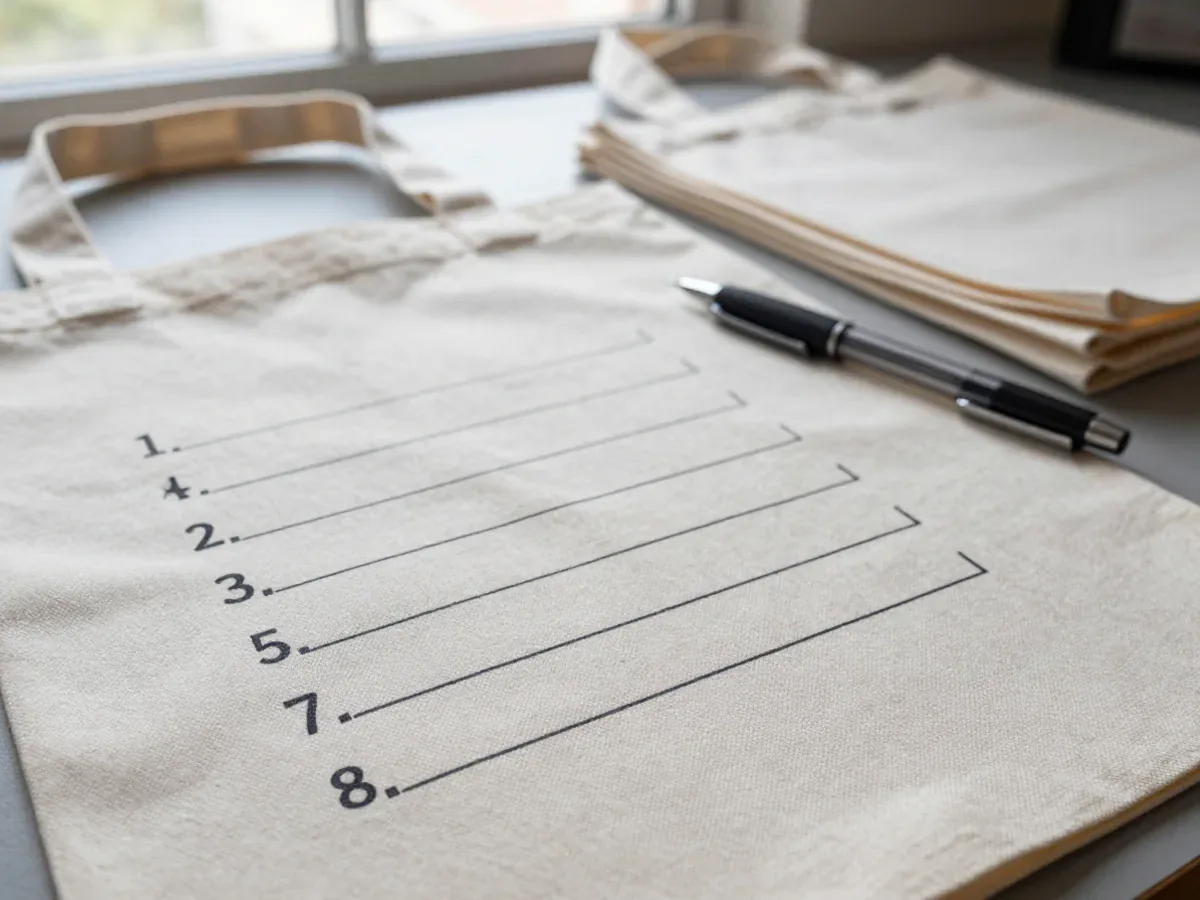
A transfer quote for custom printed canvas bags rarely arrives as one number. It arrives as four lines, and each line moves for a different reason. The first is the bag itself: the canvas weight, the handle, the stitching. The second is the transfer method, which is where heat transfer paper, screen printing, fabric paint, and direct-to-garment printing part ways.
The third line is setup. Heat transfer paper needs an image printed on special paper, which is quick. Screen printing needs a stencil or screen built for each colour, which takes preparation time and carries a higher initial cost. DTG needs the fabric pre-treated so the ink adheres properly. Fabric paint needs no machine at all, but it needs a steady hand and time.
The fourth line is the run. Screen printing becomes more cost-effective with volume because the setup is spread across more bags. Heat transfer paper stays flat and simple, which suits small quantities of bags, gifts, and DIY projects. DTG is good for small runs or one-off designs, but it can be expensive for small quantities. Fabric paint is time-consuming, especially across multiple bags.
Read the four lines together before comparing suppliers. A quote that folds setup into the unit price is not lying; it is hiding which line will move when the order changes.
Where the Setup Charge Comes From and When It Disappears
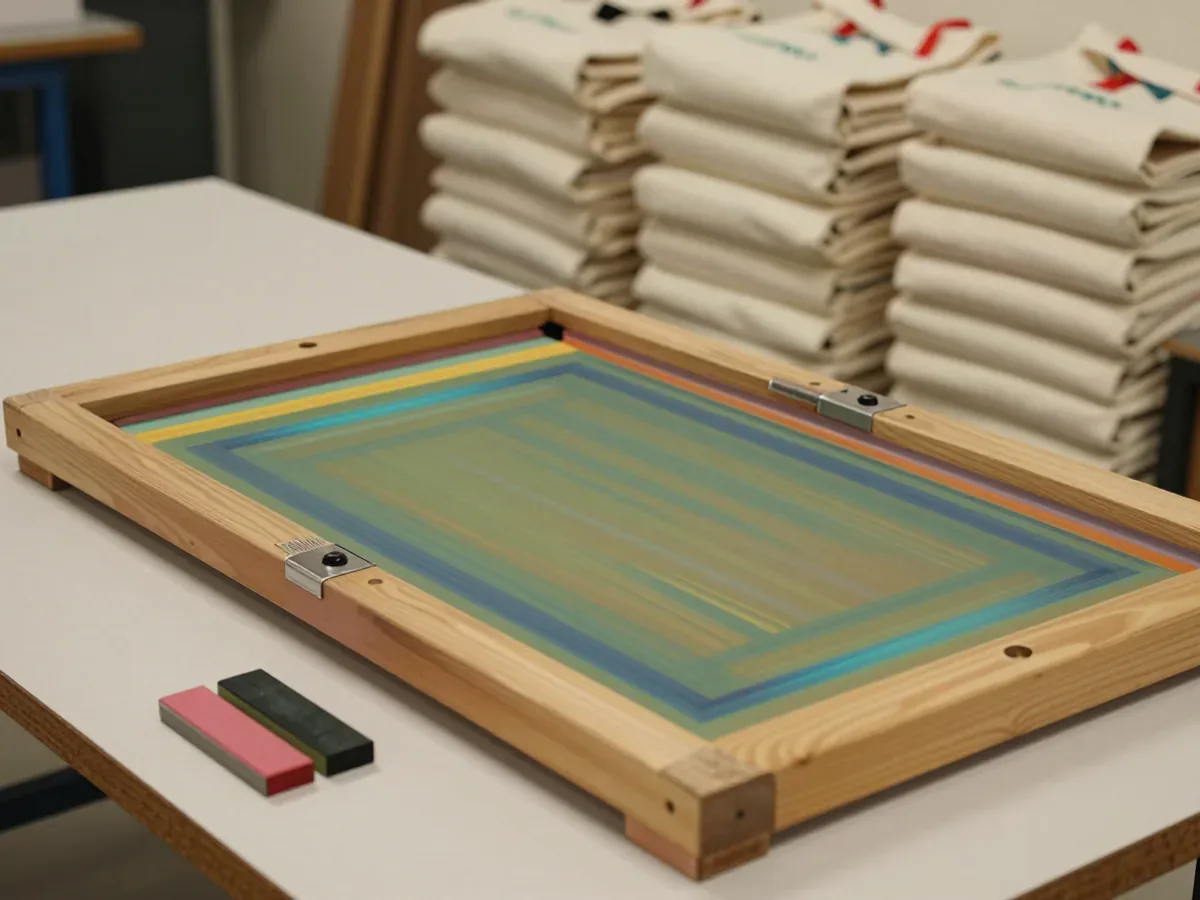
Setup is the line buyers most often treat as a fixed fee. It is not fixed. It is a one-time cost tied to a specific artwork and a specific method, and it behaves differently depending on how many bags follow it.
For screen printing, the setup is the screen itself. A complex, multi-colour design needs more screens, so the preparation time and the initial cost climb with every colour. That cost does not vanish, but it thins out across a larger batch. At a small batch, the same screen charge sits on very few bags and pushes the unit price up sharply.
For heat transfer paper, setup is light because the method does not require specialized equipment or professional skills. A heat press can carry a multicolour fruit design onto a cotton bag without a screen for each colour. The trade is durability, not setup.
For DTG, setup includes pre-treating the fabric so the ink bonds. That step is not optional, and skipping it shows up later as a print that fails early.
The setup charge disappears from the conversation when the order volume absorbs it. It never disappears from the cost. A buyer comparing a 100-piece quote with a 1,000-piece quote is often comparing two different setup loads, not two different suppliers.
The Hidden Cost of a Transfer That Peels After Washing
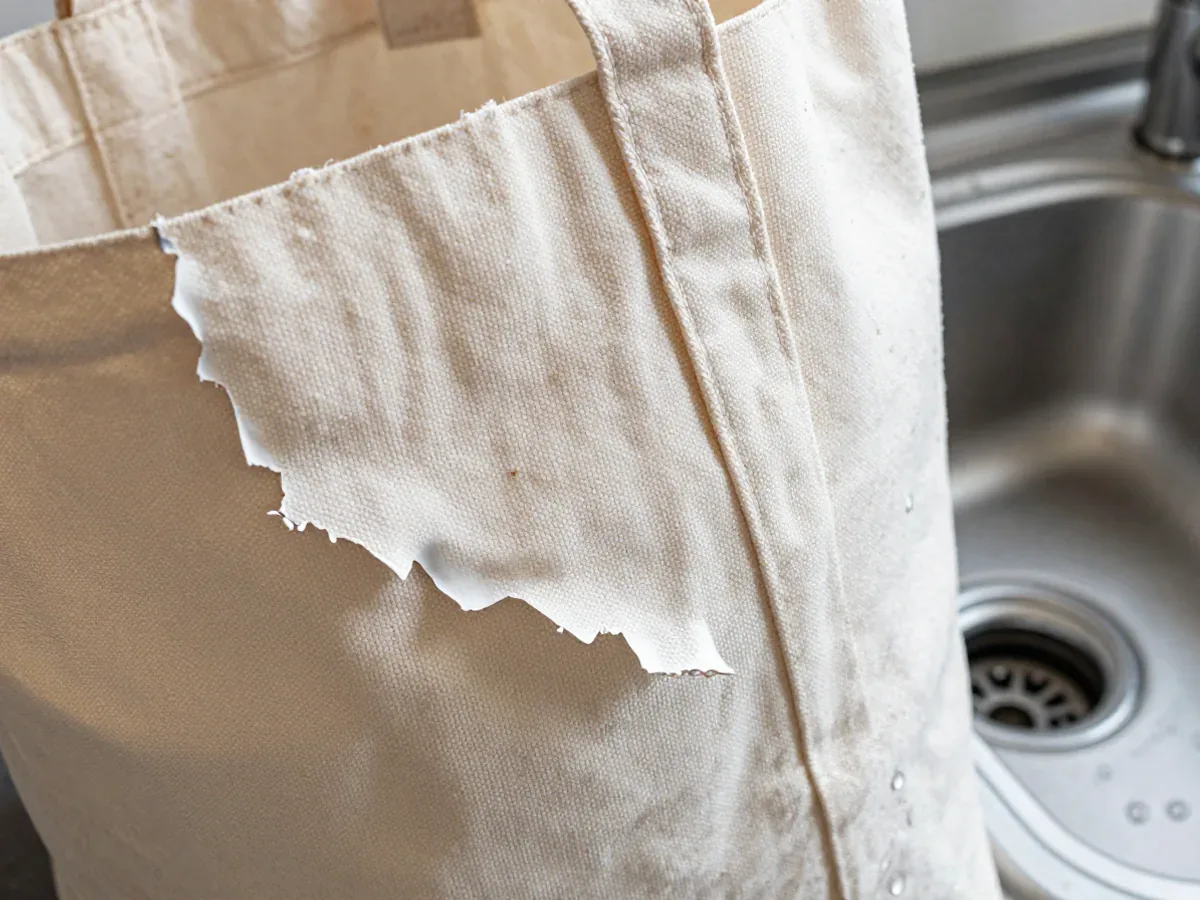
Heat transfer paper is one of the easiest ways to transfer a photo to a canvas bag, and it is quite affordable at the start. The cost that arrives later is the wash. The image may fade over time or peel off with frequent washing, and the print may not be as long-lasting as screen printing.
That failure is not a unit cost. It is a replacement cost. If a promotional run of bags starts peeling after a few washes, the buyer pays twice: once for the original order and once for the damage to the brand that handed the bags out. The second payment does not appear on any invoice.
Fabric paint carries a similar deferred cost. It is not as durable as other methods if the paint is not sealed correctly, and the paint may crack over time if it is not applied properly. Sealing is a step, and a step that gets skipped under deadline pressure is a cost waiting to be discovered by the end user.
Screen printing and DTG sit on the other side of this line. Screen printing handles intricate designs and fine details and holds up as a durable, sharp print. DTG produces high-quality results with detailed prints, provided the fabric was pre-treated. Neither is free of risk, but the risk is concentrated at production, where it can be caught, rather than at the customer's kitchen sink.
How to Compare a Heat Transfer Quote with a Screen Print Quote

Put the two quotes side by side and compare them on the same four lines, not on the unit price alone. The first question is artwork. A photo-realistic, full-colour image leans toward heat transfer or DTG. A bold text print on an ivory cotton tote, or a logo with a few solid colours, leans toward screen printing.
The second question is quantity. Screen printing is ideal for larger production runs and becomes more cost-effective with volume. Heat transfer paper is best for small quantities, gifts, and one or two bags. A 500-piece order and a 20-piece order should not be quoted the same way.
The third question is colour count. Screen printing needs a screen per colour, so a five-colour design carries five setup loads. Heat transfer paper does not work that way, which is why a multicolour design can look cheaper on paper until the wash cost is added.
The fourth question is the fabric. Heat transfer may not work as well on darker or thicker materials and is best for lighter fabrics. A heavy 14oz to 16oz canvas behaves differently under a press than a 10oz to 12oz everyday tote. Ask which canvas weight the quote was built on before signing.
When Fabric Paint and DTG Make Financial Sense
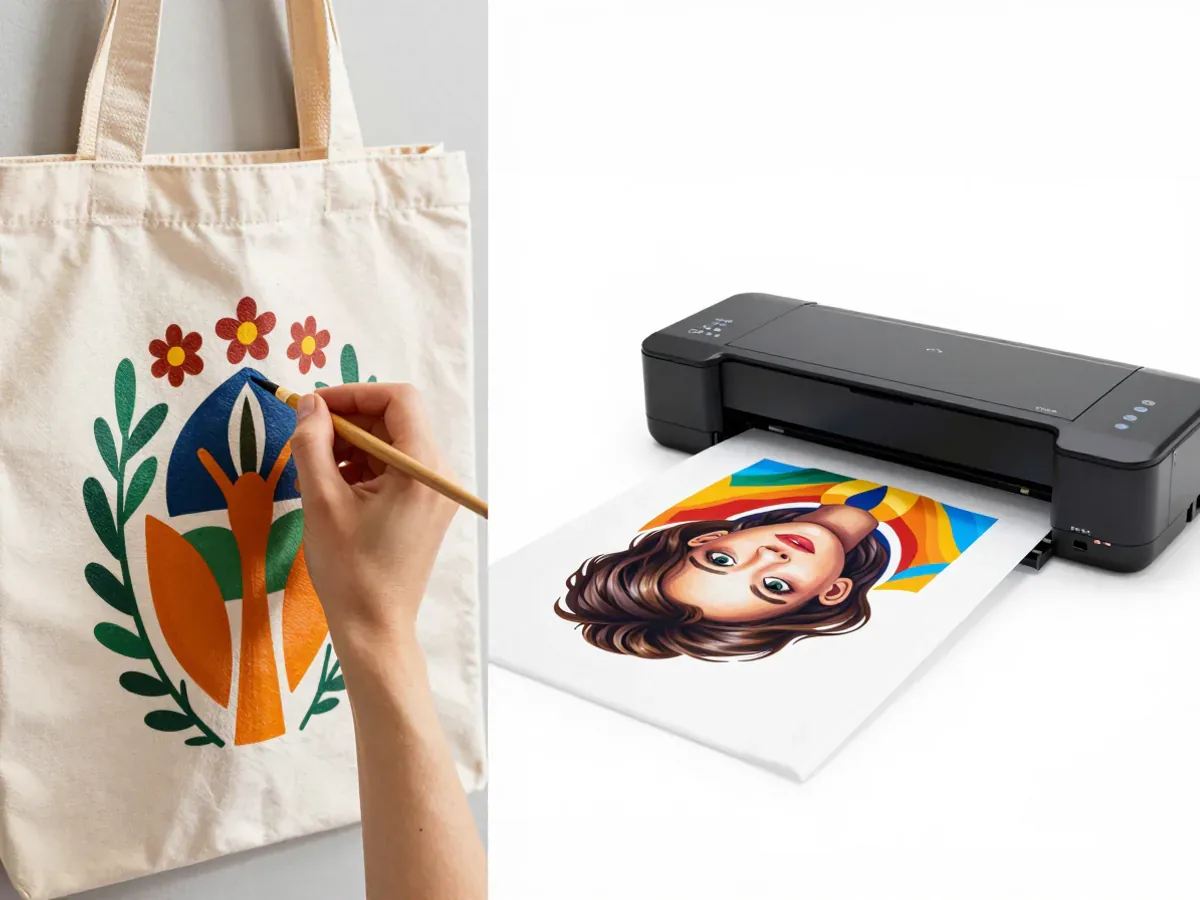
Fabric paint looks like the cheapest method because it needs no machine and no screen. That math holds only when the design is one of a kind. Hand-painting gives total control over the artwork, which suits custom artwork and handmade, artistic bags where each piece is meant to differ.
The moment the order becomes a batch, the math flips. Fabric paint is time-consuming across multiple bags, and the labour cost per unit does not fall with volume the way a screen setup does. It is a method for a small number of unique pieces, not a promotional run.
DTG makes financial sense in a different zone. It is one of the most modern methods for printing high-quality images directly onto fabric, and it works well for full-colour, photo-realistic images. It requires no screens or stencils, so intricate designs move faster. The cost is the specialized equipment and the pre-treatment, which is why small quantities and one-off orders can feel expensive.
For a buyer weighing a photo-heavy design against a tight budget, the honest split is this: DTG for the image quality, heat transfer for the small test run, screen printing for the volume order, and fabric paint for the single gift.
What the Inspection Station Adds to the Real Cost
The inspection bench is where the quote meets the bag. Every printed canvas bag is checked against size and print quality, and bulk canvas totes are checked for stitching and logo before packing. That station is not free, and it should not be.
A transfer method that produces a high reject rate raises the real cost even when the unit quote looks low. If a print shifts on the canvas, or a heat transfer edge lifts at the corner, the bag does not ship. The reject is already paid for in canvas, labour, and press time.
Screen printing tends to produce a stable print across a run, which keeps the inspection pass rate predictable. Heat transfer depends on pressure, temperature, and the operator's peel, so the same design can vary bag to bag. A buyer who never asks about the inspection pass rate is comparing quotes without the rejects included.
Ask the supplier what happens to a bag that fails the print check. A quote that assumes zero failures is a quote that has not been tested against the bench.
A Simple Calculation Buyers Can Run Before Approving a Sample
Before approving a printed sample, run one calculation on a single page. Start with the quoted unit price and multiply by the order quantity. Add the setup charge as a separate line, not folded in. Then add the expected reject rate at inspection, priced at full unit cost, because a rejected bag is a bag paid for twice.
Next, add the replacement exposure. If the method is heat transfer paper or unsealed fabric paint, estimate how many bags may come back after washing. That number is a guess, but writing it down forces the comparison to include durability instead of ignoring it.
Finally, divide the total by the number of bags that will actually reach the end user in good condition. That figure, not the quoted unit price, is the number to compare across methods.
A sample that passes the press is not proof of a run that survives the wash. The calculation is the step between the two, and it costs nothing but an hour at a desk.