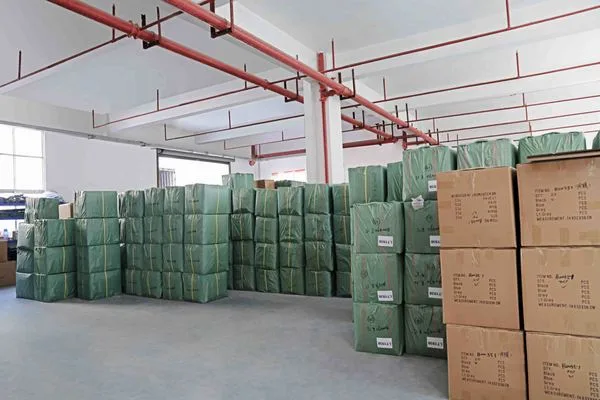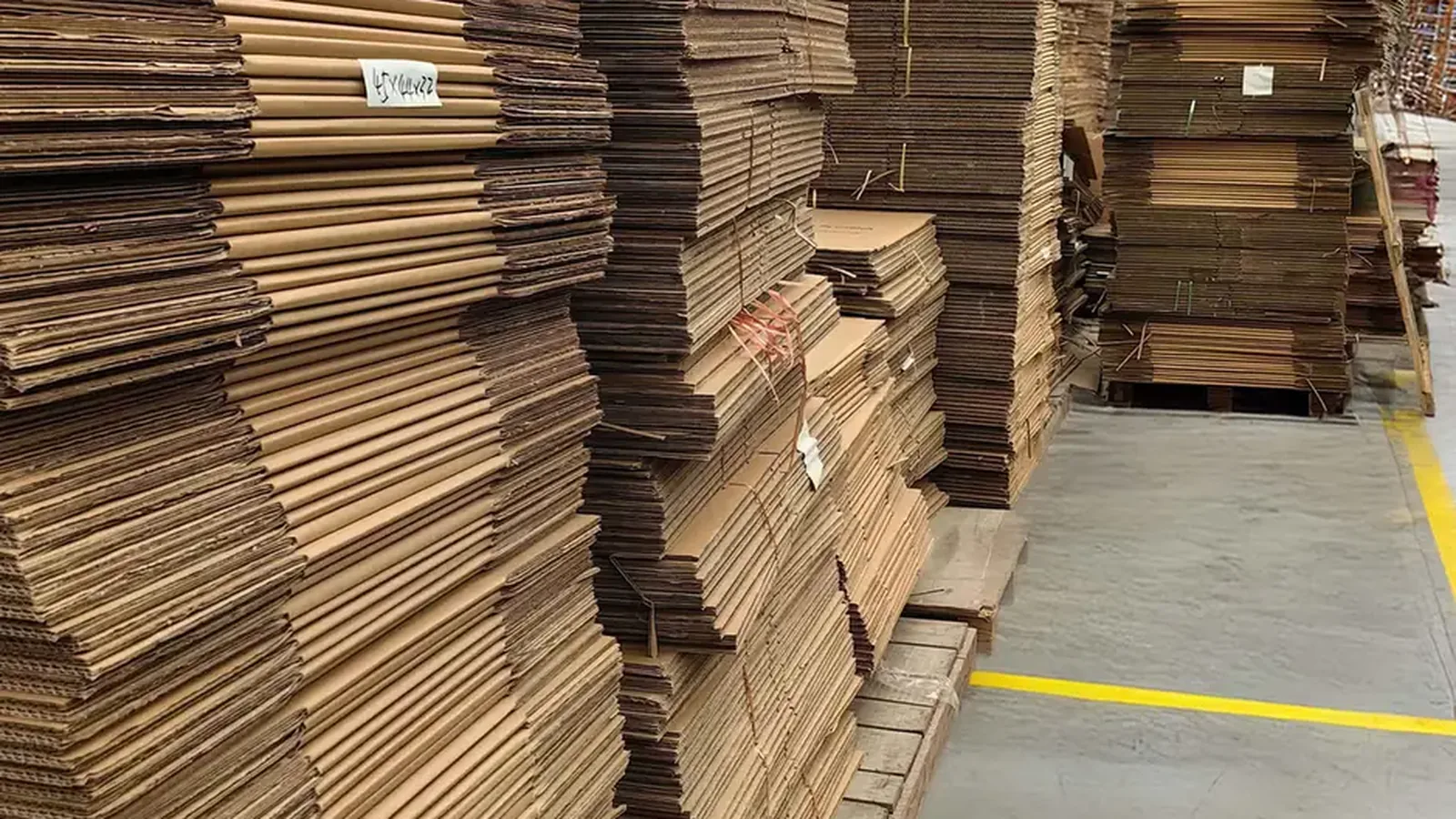
This walk follows one bag order through the plant, station by station, and notes where the ISPM 15 pallet mark is verified and where it is quietly assumed.
A new hire in the sample room asked a simple question during her first week: at which point in a bag order does anyone actually look at the wooden pallet? She had been through the QC checklist twice and could not find a line for it. The answer turned out to be spread across the whole shipment, from the purchase order to the moment the container door closes, and it almost never sits where people expect.
That question is worth following through a real order flow. A pallet is not a bag, but it carries the bags, and the mark burned into its wood travels with the goods across a border. Here is the route, station by station, and what a buyer should look at in each place.
At the PO Desk, the Pallet Line Is Already Decided

The order sheet is where the pallet question gets answered or quietly lost. Many bag POs describe cartons, labels and carton marks in detail, then leave the pallet as an afterthought or a verbal note. Carton marks themselves are usually set per store, per listing or per pallet, which means the pallet is already a unit in the buyer's own logistics language.
ISPM 15 is the International Plant Protection Convention standard for solid-wood packaging. It requires the pallet or wood packaging to be heat-treated or fumigated, and then stamped, so pests are not moved across a border. A pallet without the mark is not compliant and can be held or rejected at the border.
At the desk, the useful move is to write the pallet line into the order before the load is built. State that the pallet must be heat-treated or fumigated and carry the IPPC stamp. State that the mark must be on the pallet, not only in a document, because the stamp on the wood is the proof. A supplier who reads that line at order stage buys compliant wood; a supplier who reads it at loading stage uses whatever is stacked by the door.
When the Pallets Arrive, the Stamp Comes First
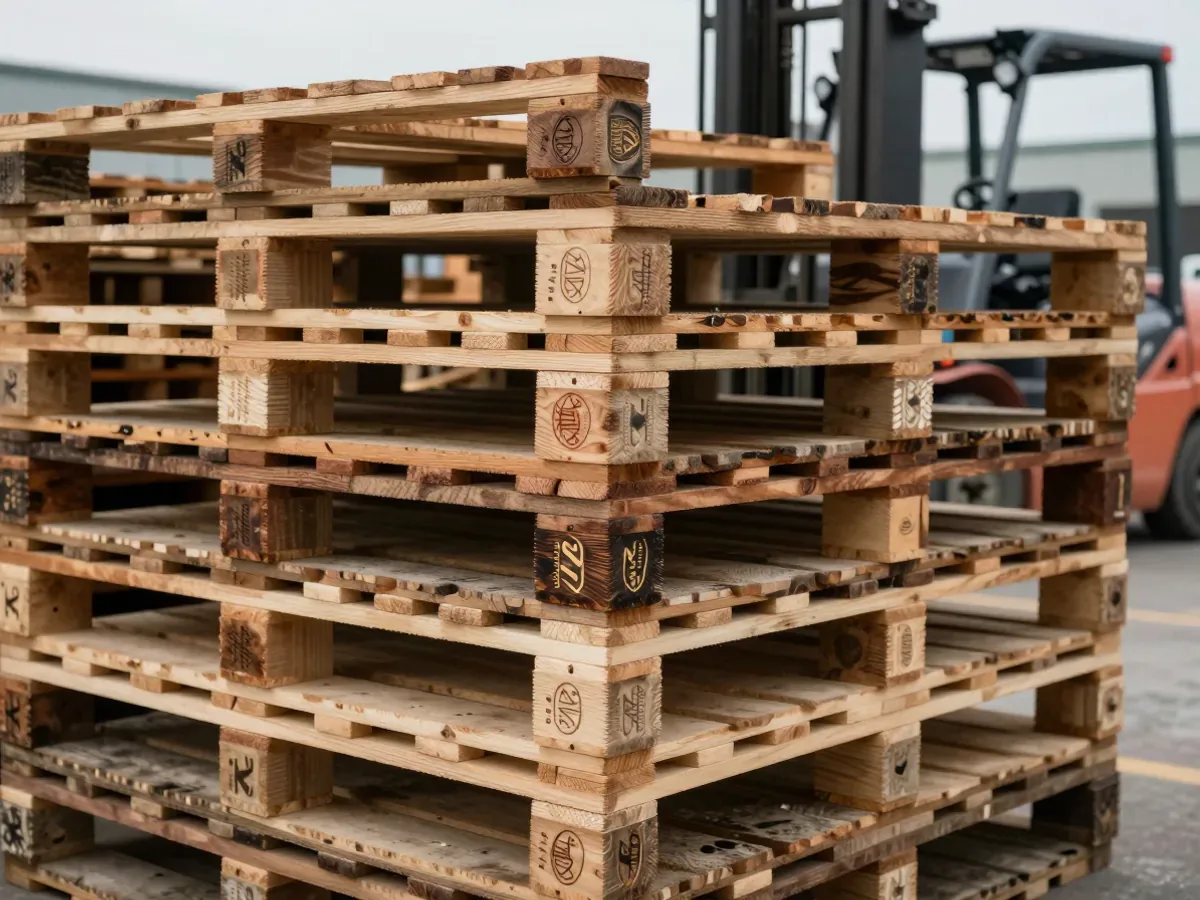
The pallets usually arrive at the workshop before the bags are packed, and that is the cheapest moment to reject bad wood. An incoming check on a bag order normally covers fabric, webbing, zips and thread against the approved spec, and the pallet stack deserves the same treatment.
Look at the wood before anything is stacked on it. The mark should be legible, applied to the pallet itself, and not a loose label stapled to a corner. Heat treatment is marked HT and fumigation is marked MB, and either one meets ISPM 15. Confirm the documentation as well, but treat the document as a companion to the stamp rather than a substitute for it.
A pallet that arrives unmarked is not a small paperwork gap. Without the IPPC stamp, the pallet is not compliant and can be held or rejected at the border, and by then the bags are already inside the container. Rejecting the stack at the workshop door costs a phone call. Rejecting it at the destination port costs a shipment.
At the Packing Bench, the Mark Sits Under the Load
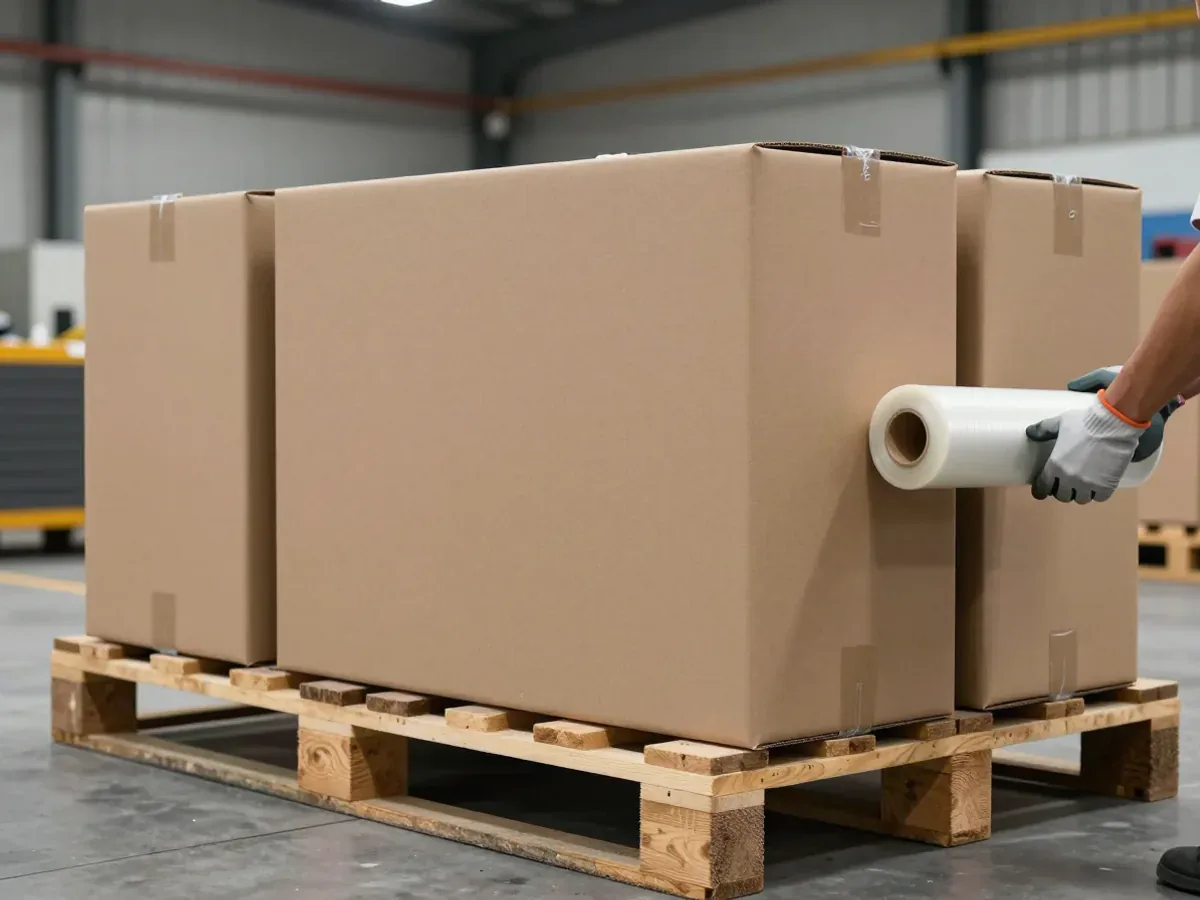
Once cartons start stacking, the mark disappears. A pallet loaded to full height hides its stamp under cardboard, stretch wrap and a shipping label, and nobody lifts a carton to check wood. The packing bench is the last station where the mark is still visible without unloading.
This is also where the carton count and the pallet count meet. Cartons are counted and photographed before the container seals, and the pallet is the platform those cartons sit on. A photo taken at this stage should show the loaded pallet and, if the angle allows, the corner where the mark sits. That single image does more for a border question than a folder of certificates.
Bags are wrapped, cartoned and labelled before the container leaves the workshop, and the pallet joins that sequence as the base layer. If the pack plan changes at the last minute, for example a split shipment or a mixed pallet, the mark check has to be repeated on the new wood. A pallet pulled from the back of the yard to cover a shortfall is exactly the pallet nobody inspected.
At Final Check, the Pallet Is Part of the Carton Count
Final inspection on a bag order usually means dimensions, handles and logo checked by hand, plus the carton count against the packing list. The pallet belongs in that same pass, because a shipment is not finished when the bags are right. It is finished when the bags are right and the platform under them is compliant.
Every order passes four QC checkpoints, and the pallet question can be attached to the last one without adding a new stage. At that checkpoint, confirm the pallet is heat-treated or fumigated and carries the IPPC stamp. Confirm the mark is on the pallet, not a document. Confirm the count of marked pallets matches the count of pallets in the load.
This is also where a buyer learns whether the treatment is documented. A compliant pallet should come with paperwork that names the treatment, and the paperwork should match what the wood says. A document alone is not enough, because the stamp on the wood is the compliance proof. A stamp with no document is a question. A document with no stamp is a border risk.
At the Container Door, the Last Look at the Wood
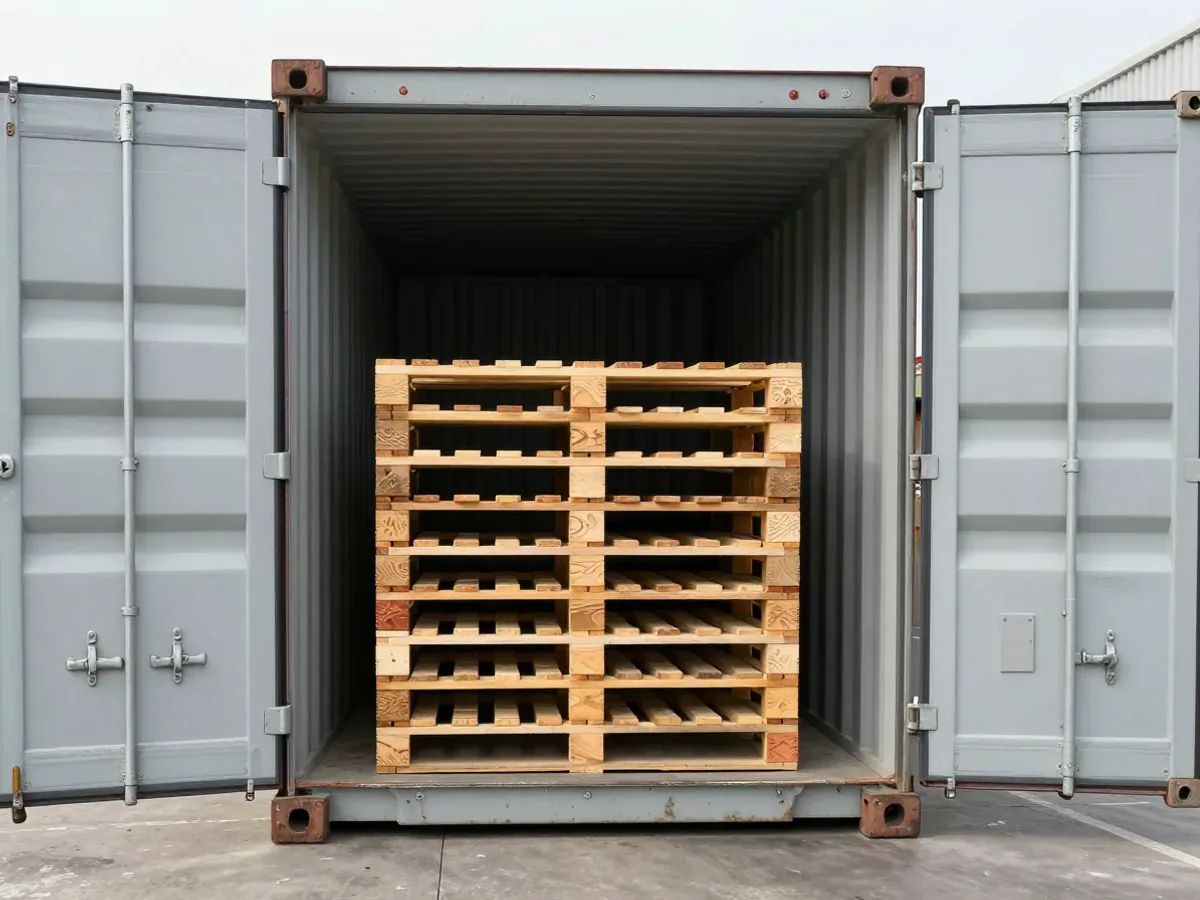
Loading day compresses everything. Cartons are counted and photographed before the container seals, and the door is the final place where a missing mark can still be caught before it becomes a port problem. The check takes under a minute per pallet and needs no tools.
Stand at the container door and look at the exposed wood on each pallet as it goes in. The mark should be visible on at least one face that stays exposed, or photographed before wrapping if the load covers it. Count the pallets against the packing list. Note the treatment code, HT or MB, on the loading record.
For a US-market import, the wood packaging rule applies, so confirm the pallet meets it before the container leaves. The same logic holds for other destinations that enforce the standard. The border does not read the purchase order. It reads the wood.
What the Stamp Has to Carry, and What a Document Cannot Do
The mark is a small piece of evidence with a fixed job. It identifies the wood packaging as treated under the standard, and it lives on the pallet rather than in a folder. A buyer who has only ever seen a certificate may not realise how much of the compliance story is physical.
A document cannot stand in for the stamp. It can support the stamp, name the treatment and help resolve a question at the destination, but it does not mark the wood. If the pallet in the container carries no mark, the paperwork does not rescue it. The pallet is not compliant and can be held or rejected at the border.
The practical rule is to check both, in the right order. Look at the wood first, then match the document to what the wood says. A supplier who sends a certificate but cannot show a stamped pallet has answered the wrong question.
Two Treatments, One Mark: HT and MB on the Same Wood

Heat treatment and fumigation are two routes to the same compliance outcome, and the mark records which one was used. Heat treatment is marked HT and fumigation is marked MB, and either meets ISPM 15. The difference matters for the record, not for whether the pallet can travel.
A buyer does not need to choose the treatment method in most cases, but the order should not leave it blank. If the supplier's yard uses one method consistently, the mark will show it, and the documentation should agree. A mismatch between the mark and the paperwork is a question worth asking before loading, not after arrival.
Some destinations restrict one method or the other, and that is a question for the importer's own compliance contact. The bag factory's job is to supply wood that carries a legible, correct mark and paperwork that matches it. Anything beyond that belongs to the buyer's import rules.
The Pallet Line on the Order, Written Before the Load
The new hire's question had a short answer in the end: the mark gets checked at four points, and the first one is the order sheet. Write the pallet requirement into the PO, inspect the wood when it arrives, photograph it before the load covers it, and look again at the container door. Each station catches a different failure, and no single station catches all of them.
A bag shipment is judged at the border on the wood as much as on the bags. The stamp is the proof, the document is the support, and the order line is what makes both happen. Buyers who treat the pallet as part of the product, not as packing material, tend to be the ones who never see a hold notice.
FAQ
Does a heat treatment certificate replace the stamp on the pallet?
No. A document alone is not enough, because the stamp on the wood is the compliance proof. The certificate supports the stamp and should match it, but it does not mark the pallet.
Can a pallet marked HT be used for a US import?
For a US-market import, the wood packaging rule applies, so confirm the pallet meets it. Heat treatment marked HT is one of the accepted routes under the standard, and the documentation should agree with the mark.
What happens at the border if the pallet has no IPPC stamp?
Without the IPPC stamp, the pallet is not compliant and can be held or rejected at the border. The cost lands on the shipment, not on the pallet supplier, which is why the check belongs at the workshop door.
Should the pallet line be set per store, per listing or per pallet?
Carton marks are commonly set per store, per listing or per pallet, and the pallet requirement follows the same unit. Set it wherever the buyer's logistics plan already counts pallets, and keep it consistent across the order.