
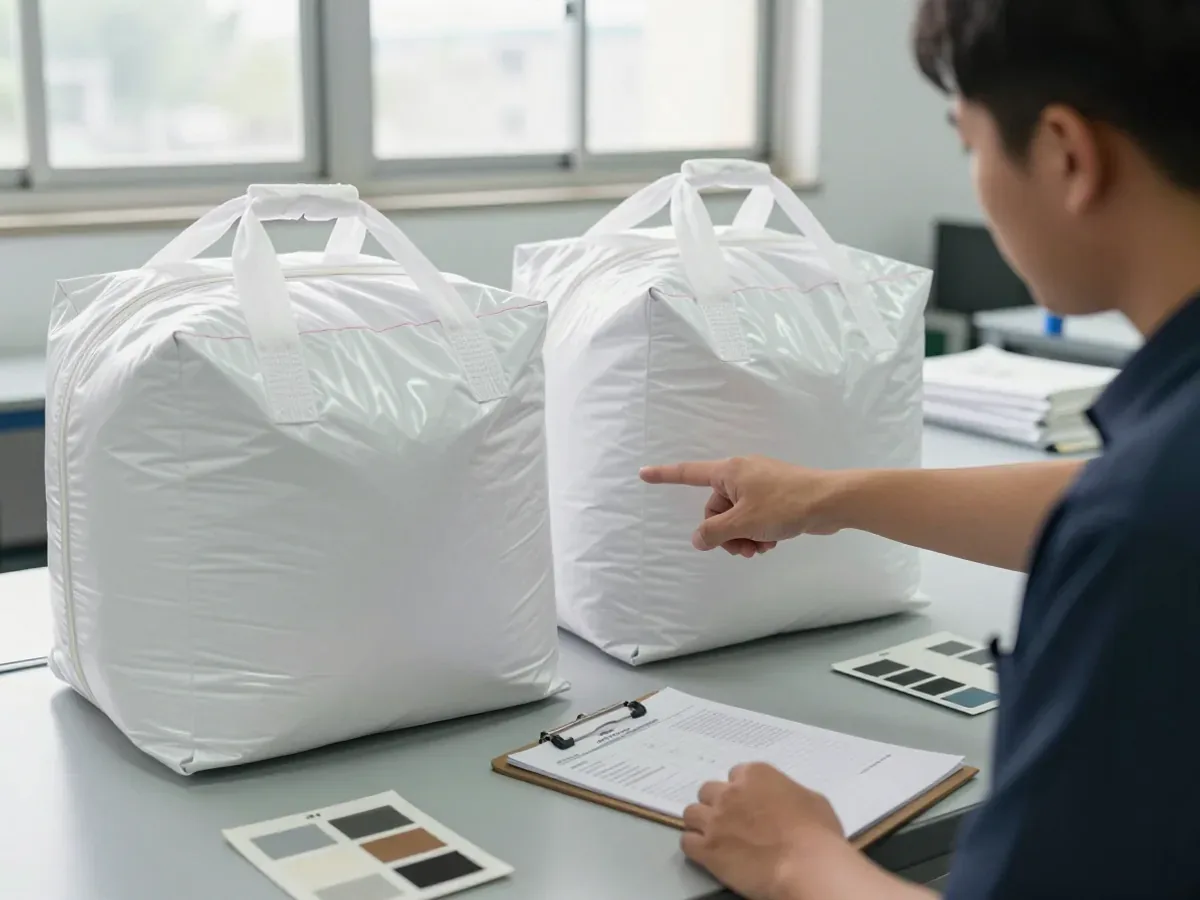
Two handle builds sit side by side on the sample table, and the difference shows up in how each one carries weight.
At the bar-tack station, two moving bags hang side by side waiting for the same pull test. One has webbing that runs the full length of the opening; the other has two short handles stitched into the shell at four points. The operator loads both to the same weight and watches where each one starts to give.
That single station tells most of the story. Handle failure on a heavy duty moving bag rarely starts at the seam itself. It starts at the interface between fabric and grip, where a short handle concentrates the whole load into a small patch of stitching. Full-length webbing spreads that load along the opening instead of stopping at the handles.
Two Handle Builds on the Same Sample Table
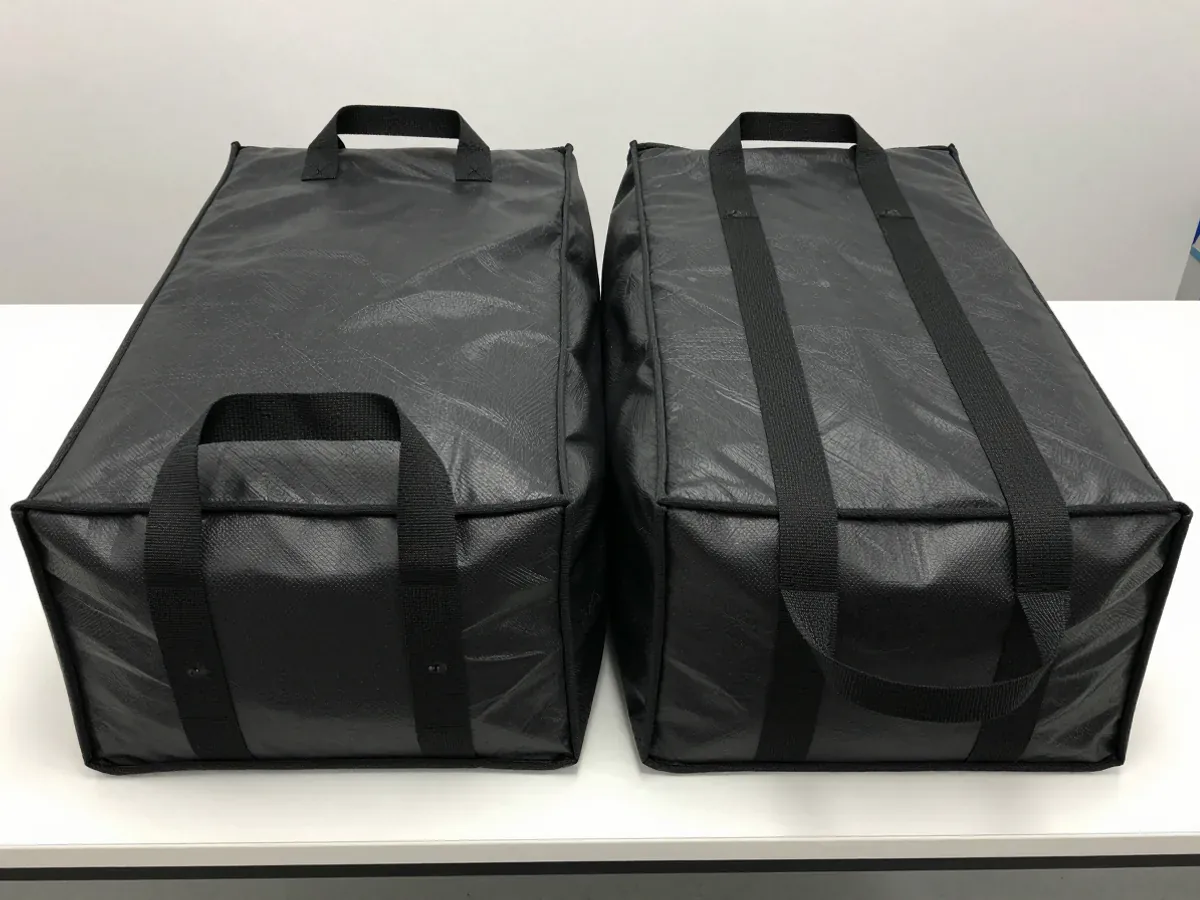
The short-handle bag is the familiar shape. Two straps, each anchored at two points, usually wrapped and double stitched into the body. It is lighter, uses less webbing, and looks tidy on a shelf.
The full-length build runs the webbing the length of the opening. The strap does not stop where the hand grips. It continues along the top edge and ties the two anchor points together through the shell.
On the table, the difference looks minor. Under a loaded bag, it changes where the stress goes. The short handle asks four stitch patches to hold everything. The full-length webbing asks the whole top edge to share the work.
Where the Load Actually Travels
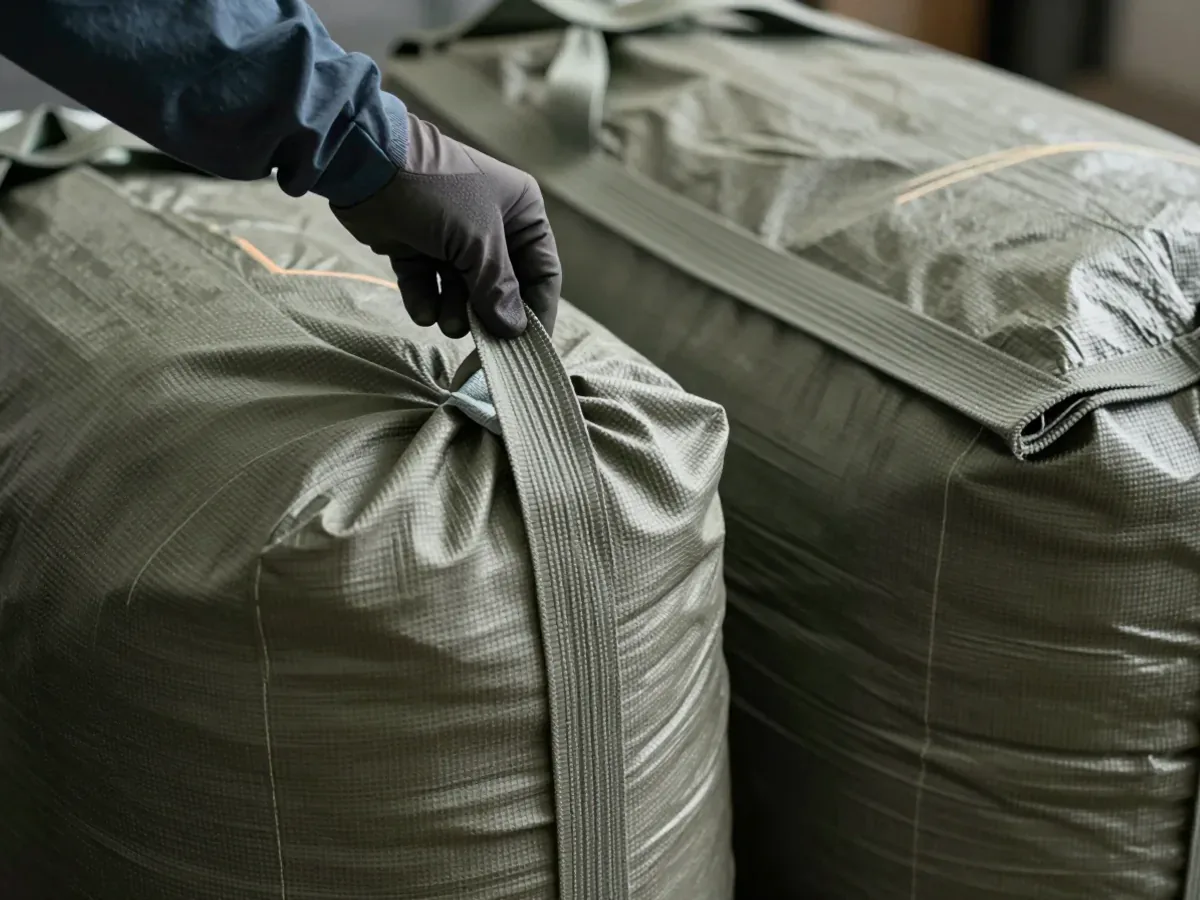
Pick up a short-handle bag by one strap and the fabric around that anchor point puckers immediately. The load path is short: hand, strap, four stitch clusters, then straight into a small area of shell. Loaded to 75 lbs for the third time, that is where cross-stitching tears out.
Full-length webbing changes the path. The pull enters the strap, travels along the opening, and distributes into the top seam before it reaches the body. The shell carries the weight across a line rather than a point.
This matters most when a mover lifts one side first, or drags the bag a short distance by a single handle. A short-handle bag funnels that uneven pull into one anchor. A full-length build passes it along the webbing to the second anchor and the top seam.
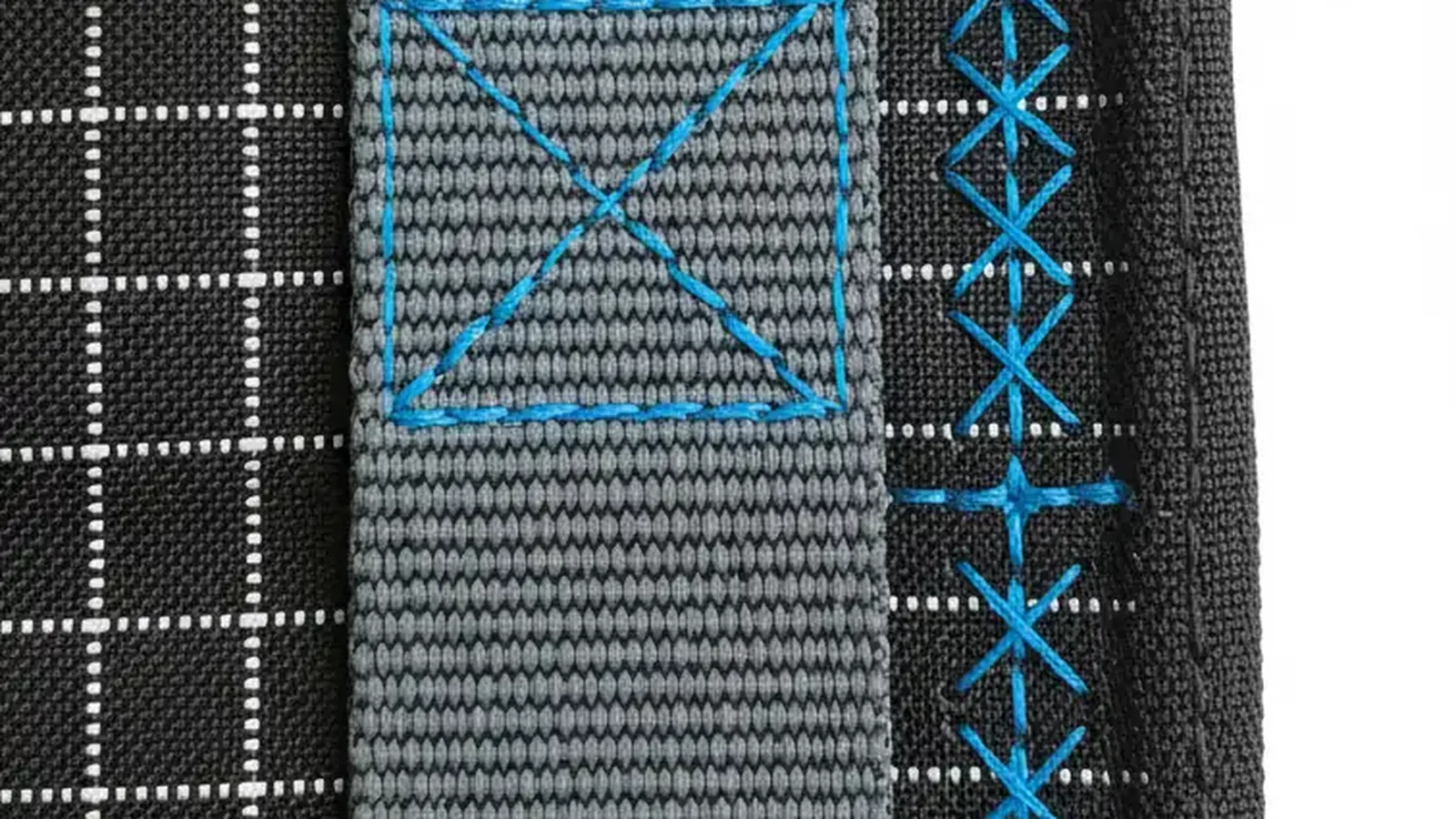
Stitch Pattern: Cross Stitch Versus Double Stitch
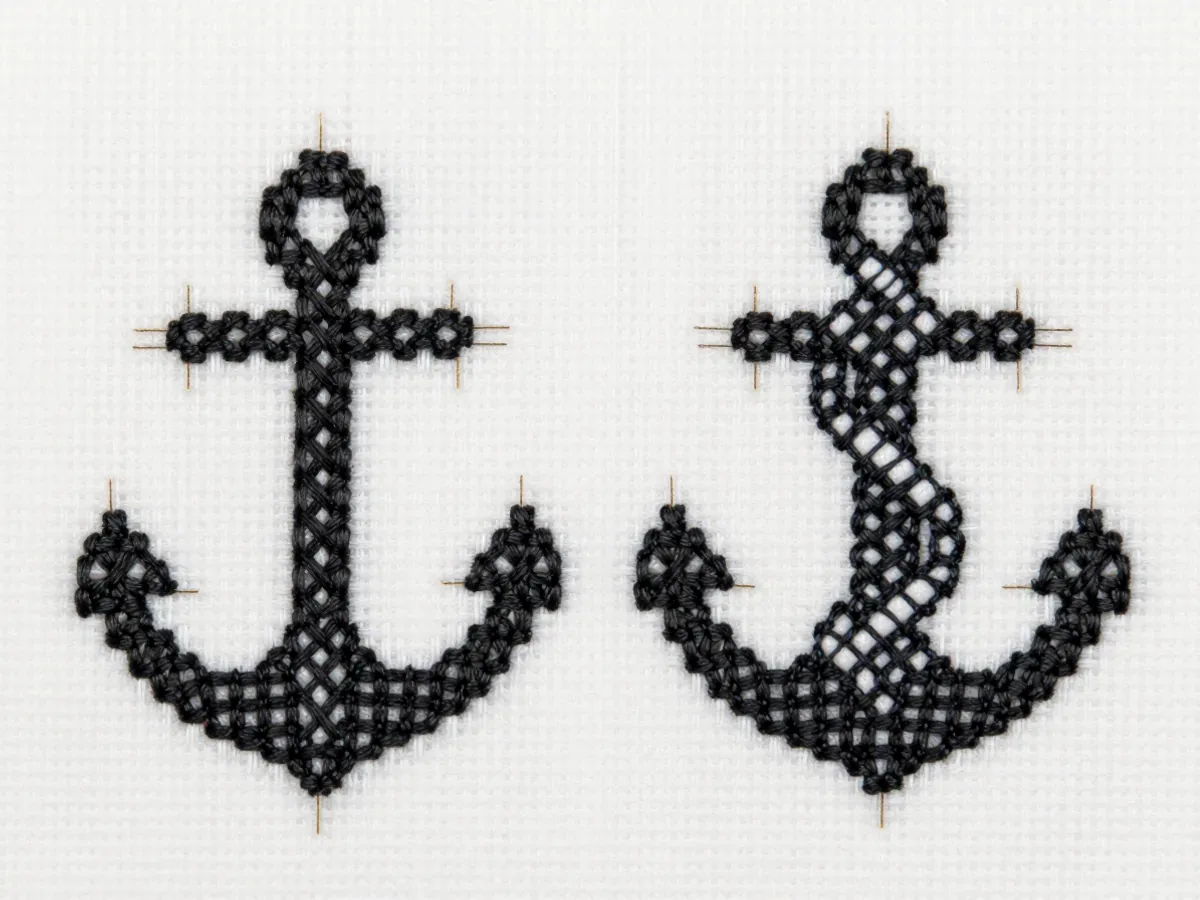
Both builds can be stitched well or badly, so the pattern alone does not settle the choice. What matters is whether the stitching is designed to carry weight rather than just close the bag.
On the full-length build, the handles are wrapped and double stitched, and the webbing is joined to the shell along its length. That gives the seam many short runs of thread sharing the load instead of a few dense clusters taking all of it.
The short-handle bag often relies on cross stitching at each anchor. Cross stitching is strong in a single pull, which is why it passes a quick tug test on day one. Repeated lifting is a different question, and a cross-stitched anchor has less room to spread stress.
A buyer comparing samples should look at stitch density, thread type, and whether the anchor is bar-tacked. Pull, seam strength and bar tack are the three checks that belong on every batch record, whichever build is ordered.
Grip Under a Full Bag
Grip is where the two builds feel most different in the hand. A short handle folds flat and can be grabbed quickly, but under a full load the strap narrows into the palm and the bag hangs from a small contact area.
Full-length webbing gives a longer run of strap to hold. The hand can sit anywhere along the opening, and two people can carry one bag without fighting for the same two straps. For duvets, pillows and awkward loads, that flexibility shows up on moving day.
The trade is bulk. More webbing means a slightly heavier bag and more material to fold when empty. A short-handle bag packs down smaller in a warehouse stack, which some operations value more than grip comfort.
The Shell That Holds the Shape
Handles only perform as well as the shell they are stitched into. A woven PE shell is water resistant and the stock default for moving loads, and it holds its shape when the bag is filled past comfortable.
The full-length build pairs naturally with a full length zip that opens flat, so a duvet or four pillows go in without folding twice. A flat opening also means the top seam and the webbing sit in a straight line, which is easier to inspect.
A short-handle bag can use the same shell, but the anchors pull at four isolated points. If the shell is thin or the stitching is tight, those points distort first. Check the shell weight and the seam allowance before blaming the handle design.
Who Should Order Which Build
Full-length webbing suits operations that move heavy loads repeatedly: warehouse to truck to storage, with the same bag lifted many times and often by one handle. It also suits bags built for bulky items, where the opening needs to stay flat and the load is uneven.
Short handles suit lighter duty. A household move, a single trip, or a bag that mostly sits in a closet does not need webbing running the whole opening. The lower material cost is real, and the bag is easier to fold and store.
The decision is less about price per bag and more about how many lifts each bag will take. A short-handle bag that fails on the third lift costs more in replacement and spilled contents than the webbing saved at order time.
A Decision Table You Can Take to the Supplier
| Question | Full-length webbing | Short handles |
|---|---|---|
| Where does load travel | Along the opening and top seam | Into four anchor points |
| Stitch demand | Many short runs sharing load | Dense clusters at each anchor |
| Grip under full load | Long strap, flexible hand position | Narrow strap, fixed grip points |
| Best shell pairing | Woven PE with flat full length zip | Woven PE, watch anchor distortion |
| Fits which loads | Duvets, pillows, repeated heavy lifts | Light loads, single moves |
| What to test per batch | Pull, seam strength, bar tack | Pull, seam strength, bar tack |
| Inspection focus | Webbing run and top seam | Anchor stitching and shell around it |
Take this table to the supplier and ask them to point at each row on a real sample. A factory that can answer the load path question without hesitating usually understands its own build.
What to Check Before the Batch Ships
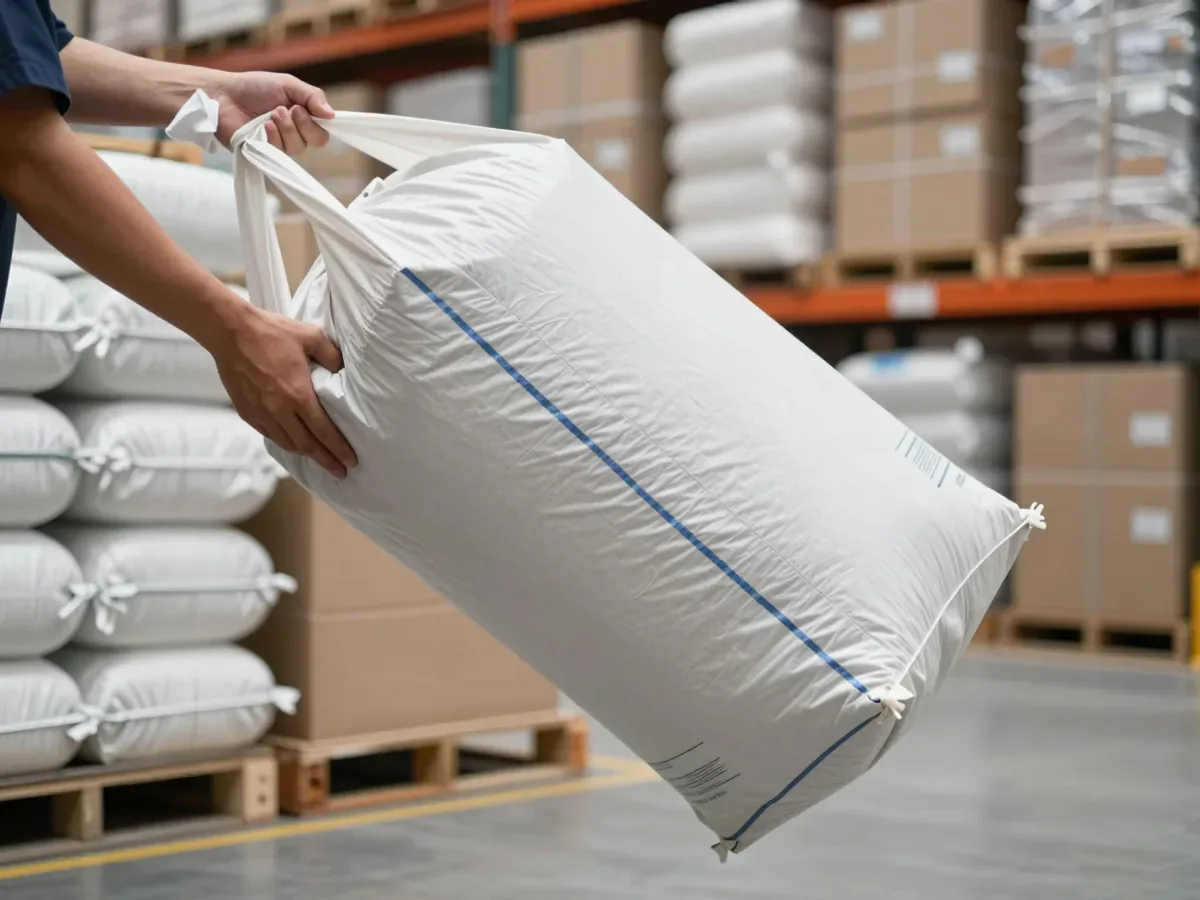
Start with incoming materials. Fabric, webbing, zips and thread should be checked against the approved spec before cutting begins, because a substituted webbing changes the whole load path.
Then look at the handle itself. Confirm the webbing runs the length of the opening if that is what was ordered, and confirm the handles are wrapped and double stitched. On a short-handle build, check that each anchor is bar-tacked and that the shell around it is not distorted.
Pull, seam strength and bar tack should be tested on every batch, not just the first. Dimensions, handles, logo and packed quantity are checked by hand, and cartons are counted and photographed before the container seals.
During inspection, lift a loaded sample by one handle and watch the top edge. On a full-length build the opening should flex as a line. On a short-handle build, look for puckering at the anchors before you accept the batch.
FAQ
Does full-length webbing make a moving bag more expensive?
It uses more webbing and more stitching time, so the unit cost is higher than a short-handle build. The comparison should include how many lifts the bag will take before it fails, not just the price on the order.
Can a short handle bag still work for light loads?
Yes. For single moves and light contents, a short-handle bag with bar-tacked anchors and a sound shell is a reasonable choice. The risk grows with load weight and repeated lifting.
What handle tests should appear on a batch record?
Pull, seam strength and bar tack. Ask for those three on the record for every batch, alongside the material check against the approved spec.
How do I check handles by hand during inspection?
Lift a loaded sample by one strap and watch where the fabric moves. Puckering at a single anchor point signals a concentrated load path. A straight flex along the opening signals webbing that shares the weight.






