

This rewrite follows the fabric lines of a moving bag purchase order, using the original comparison notes and workshop records.
A procurement manager in the middle of a fleet renewal stopped at line 14 of her purchase order: "Heavy duty woven PP, waterproof, 600D equivalent." She had signed off on the same line three times before. This time she asked the supplier's sales rep what the line actually meant, and the rep forwarded the question to the factory floor.
The answer came back in two parts. The fabric was woven polypropylene, yes, but “600D equivalent” was not a denier rating anyone could verify. And “waterproof” had no number attached to it. Both terms had traveled from one order template to the next without anyone checking what they stood for.
That pattern repeats across moving bag orders. The spec sheet looks complete because every line has words in it. The words are doing less work than the buyer assumes. What follows is a walk through the lines that matter, in the order they usually appear on a moving bag PO, with what each line should say, why it matters, and how a buyer can check it before the bags ship.
The Line That Reads 'Heavy Duty Woven PP'
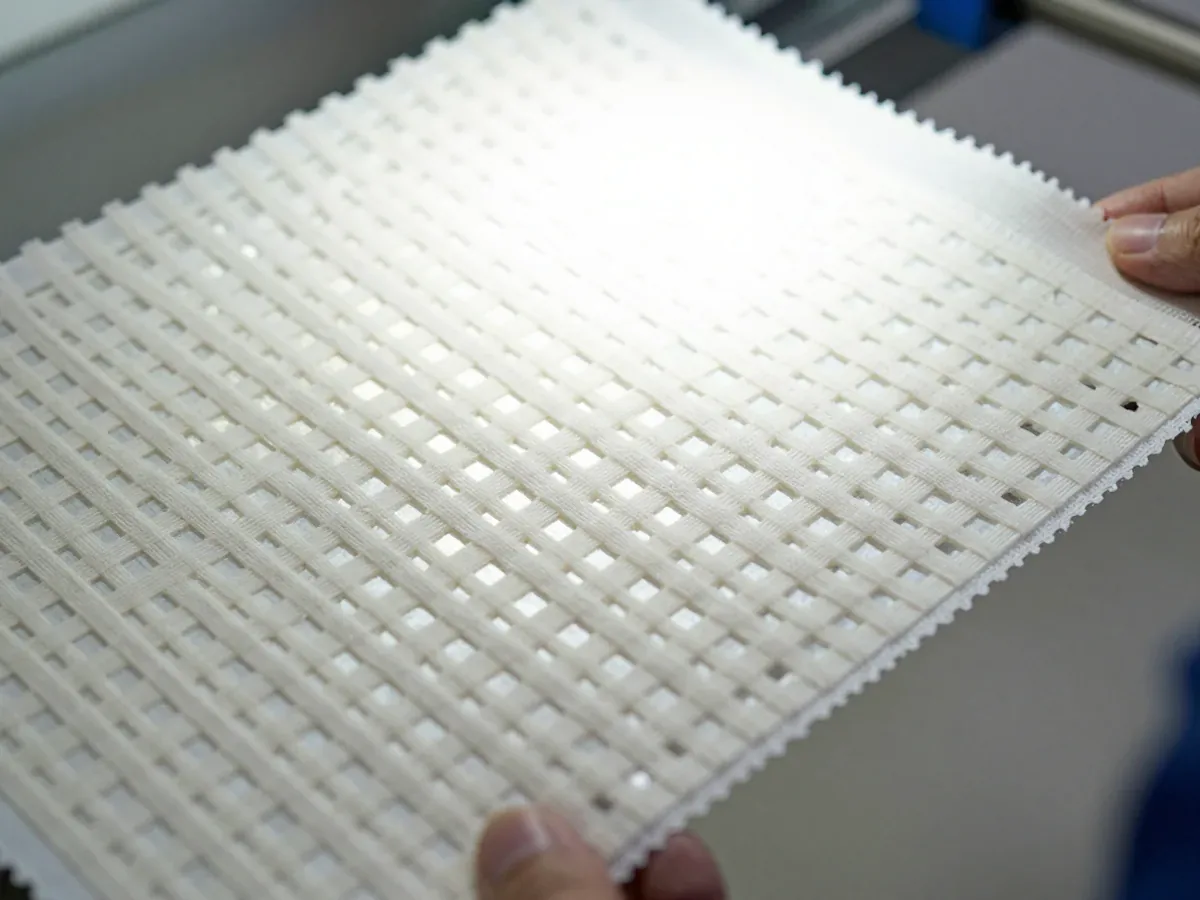
“Heavy duty” is a marketing phrase, not a specification. It tells the buyer nothing about tape width, weave density, or how the fabric behaves under a concentrated load. Two suppliers can both write “heavy duty woven PP” and deliver bags that fail at very different points.
The line should instead name the base material and the construction. Woven polypropylene is made from interlaced PP tapes, and the tape width and weave count drive the fabric’s behavior more than the label does. A buyer who wants a verifiable line should ask for the tape width in millimeters and the weave count per inch, and should ask the supplier to confirm both in writing.
Verification is straightforward at the sample stage. A small swatch held against a light source shows the weave density directly. Loose weave with wide gaps lets light through in a grid pattern; a tight weave reads as a more uniform surface. That check costs nothing and catches the most common substitution, where a supplier quotes a tight weave and ships a looser one.
Denier: The Number Buyers Copy Without Checking
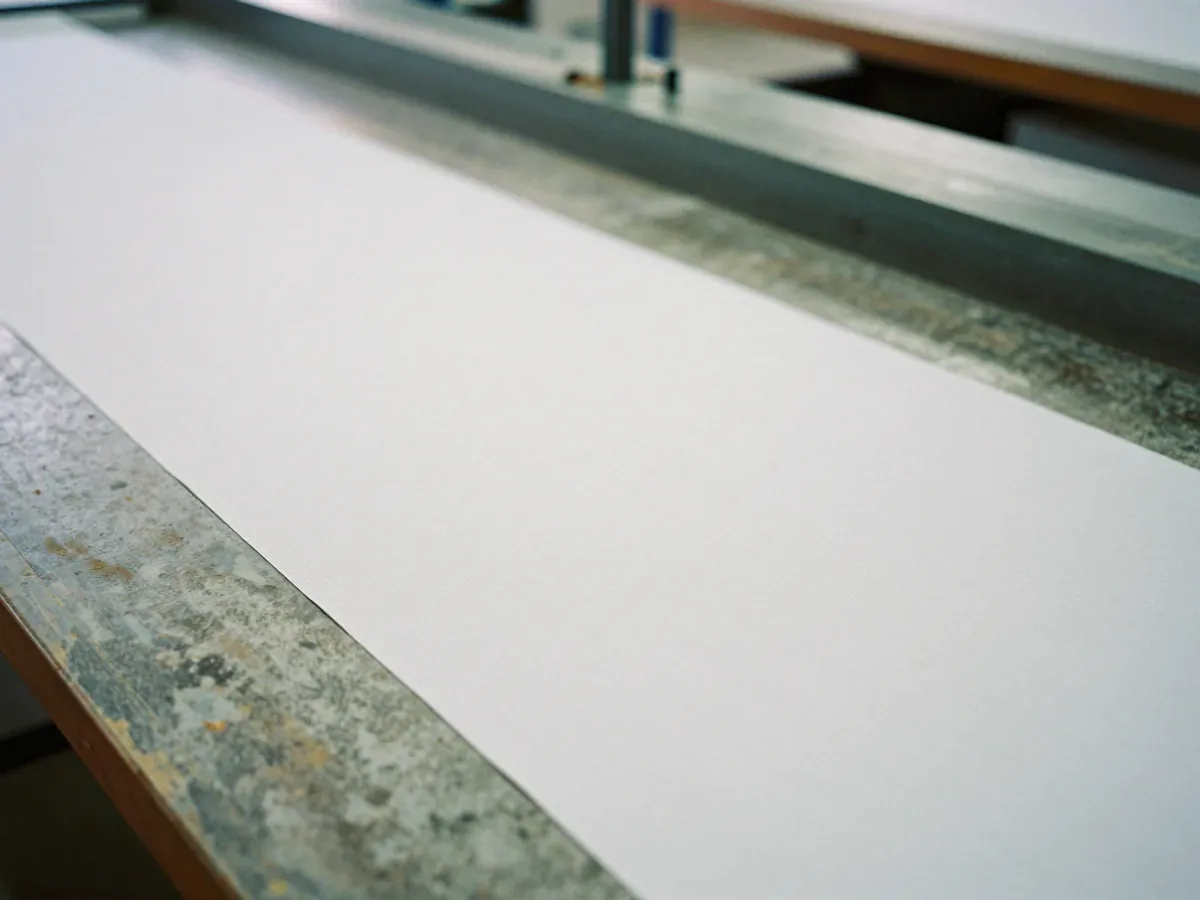
Denier describes the weight of the yarn per fixed length, and on Oxford fabric it is the single number that separates a bag built for a few moves from one built for a fleet. The common values are 600D and 900D. A 600D Oxford is adequate for lighter loads; 900D carries heavier loads with more margin.
The problem is that denier is easy to write and hard to verify from a finished bag. A supplier can print “600D” on a spec sheet and ship a lighter fabric, and the buyer will not feel the difference until the bag is loaded and dragged. This is why the denier line should be paired with a request for the actual yarn specification, not just the letter and number.
At the sample stage, a buyer can compare the fabric weight against a known reference. A 900D Oxford feels denser and stiffer in the hand than a 600D, and a swatch of each side by side makes the gap obvious. If the supplier cannot produce a yarn spec or a swatch that matches the quoted denier, the line is a claim rather than a specification.
Tear Strength and What the Strip Test Measures

Tear strength is the number that predicts whether a bag survives a rough move or splits at a stress point. It is measured with a strip test, where a prepared strip of fabric is pulled until it tears, and the force at failure is recorded. The result is expressed in newtons.
Woven PP typically sits in a higher tear range than Oxford, which is why it holds up well under heavy, uniform loads. Oxford’s advantage sits elsewhere, in abrasion and coating. A buyer comparing the two should read the tear line and the abrasion line together, because each fabric wins on a different measure.
Verification here depends on the supplier’s willingness to share test data. A strip test result tied to a specific fabric lot is the useful document. A generic certificate with no lot number attached tells the buyer that a test happened at some point, not that this order passed it. When a supplier cannot produce lot-linked tear data, the tear line on the PO is decorative.
Coating and the Water Column Behind 'Waterproof'

“Waterproof” without a number is the most misleading line on a moving bag order. A coated Oxford can resist rain and splashes at one coating weight and leak through at another. The water column test measures how much water pressure the coated fabric holds before water passes through, and the result is expressed in millimeters of water column.
A bag rated at the lower end of the common range will handle a light drizzle and a damp truck bed. A bag rated higher will hold up under sustained rain during an open-truck move. Neither is submersible, and no moving bag should be sold as such.
The check is a question, not a lab visit. Ask the supplier for the water column rating of the specific coating used on this order, and ask whether the coating is applied to one side or both. A single-side coating leaves the uncoated face exposed to abrasion from the contents, which matters for bags loaded with sharp-edged items. If the supplier answers “waterproof” again instead of giving a number, the line stays unverified.
Abrasion Cycles: The Line Most Orders Leave Blank
Abrasion resistance is measured on a Martindale machine, which rubs the fabric against an abrasive surface and counts the cycles until the fabric shows wear. Oxford fabric typically records a much higher cycle count than woven PP or non-woven, which is why it suits bags dragged across concrete loading docks and stacked in truck beds.
This is the line most moving bag orders leave blank. Buyers specify the fabric type and the denier, then stop. The abrasion number never appears, so the supplier has no target to hit and the buyer has no basis for comparison when a cheaper fabric is substituted.
The line should read as a minimum cycle count tied to the intended use. A fleet that drags bags across loading docks needs a different target than a household that moves once a year. Verification comes from the same lot-linked test report as tear strength, and from a simple field check: rub a fabric swatch against a rough concrete edge for a minute and look for surface fuzzing. A fabric that fuzzes quickly will not survive a season of dock handling.
Load Rating and the Handle Stitch That Carries It

Load rating is the number buyers look at first and trust most, and it is the one most dependent on a part of the bag that is not fabric at all. A bag rated for a heavy uniform load will still fail at the handle if the stitch is weak. The handle is nylon webbing stitched into the bag body, and the join at each end carries the full load when the bag is lifted.
The spec line should state the load rating and the handle construction together. It should name the webbing material, the stitch pattern, and the number of stitch rows at each join. An X stitch at each end spreads the load across the webbing rather than concentrating it on a single line of thread, which is why it appears on bags built for repeated lifting.
Verification is visual and physical. At the sample stage, load the bag to its rated weight and lift it by the handle several times, then inspect the stitch joins for thread distortion or fabric pull. A join that shows movement under a static lift will fail under a dynamic one. The buyer should also confirm that the load rating on the PO matches the load the sample actually carried, not a number copied from a catalog.
Reading the Same Sheet as a Factory Would
A factory reads a moving bag PO differently from a buyer. The buyer sees a description; the factory sees a set of targets and a set of gaps. Where the sheet says “heavy duty,” the factory sees freedom. Where it says “waterproof,” the factory sees a coating choice with no acceptance threshold. Where it leaves abrasion blank, the factory sees a line it does not have to meet.
The fix is not a longer spec sheet. It is a sheet where every performance line carries a number and a test method, and where the supplier has confirmed in writing that the order will be checked against both. Denier, tear strength, water column, abrasion cycles, and load rating with handle construction form the core. A supplier who can answer all five with lot-linked data is telling the buyer something useful about how the order will be run.
The line that decides how long a moving bag lasts is rarely the one the buyer reads first. It is the line that was left blank, or filled with a word that sounded like a specification. Reading the sheet the way the factory reads it turns those blanks into questions worth asking before the first roll of fabric is cut.
FAQ
Is 600D Oxford enough for a moving bag that carries books?
For a household move with moderate loads, 600D Oxford is adequate. For a fleet that reloads the same bags weekly with dense loads like books, 900D gives more margin against puncture and seam stress. The denier line should match the load the bag will actually carry, not the lightest load it might see.
Can a supplier prove tear strength without a lab report?
A supplier can show a strip test result tied to a fabric lot, which is the document that matters. Without lot-linked data, a generic certificate only shows that some fabric passed at some point. A buyer can also request a swatch and compare its behavior against a known reference, though that is a screen rather than a substitute for test data.
Does a waterproof coating number matter if the bag stays indoors?
Indoor storage reduces the exposure, but moving bags still cross damp truck beds, loading docks, and unheated storage units. A low water column rating is fine for a dry indoor route; a higher one matters when the bag will sit in an open truck during rain. The number should match the route, not the storage room.