

Based on a legacy moving-fleet dispatch article and TIIOCTI product spec notes, rewritten for fleet managers comparing bag programs.
The depot manager counted 214 bags on a Friday morning and wrote 260 in the ledger. Six weeks earlier the same fleet had issued 260 bags across eleven trucks, and nobody could say where the other 46 had gone. The trucks were parked in a row, the crews were out on jobs, and the count that came back short was the first hard evidence that a bag program can leak without anyone noticing.
The manager had assumed the loss was theft or carelessness, the usual suspects in any fleet. What the missing 46 bags actually showed was a counting system that never matched the way bags move through a working day. Foldable bags do not behave like cartons. Cartons get used up and thrown away, so nobody expects them back. Bags come back, or they should, and the moment a fleet treats them as returnable it needs a ledger that can follow them.
The Count That Came Back Short

The shortfall did not appear all at once. Dispatch issued bags with each crew's job packet, and the crews loaded them onto trucks before dawn. By the time the trucks returned, some bags had gone home with customers, some sat in a storage facility the crew had emptied, and some were still folded in a truck cab because nobody had asked for them back. Each of those outcomes is normal. Together they explain why a fleet that counts once a month will always come up short.
The manager's first instinct was to blame the crews. The second was to buy more bags to cover the gap. Neither move fixed anything, because the gap was not a bag problem. It was a record problem, and it had been building since the first week of the program.
Tracing the Missing Bags Through Four Stations

A bag in fleet service passes four stations, and each one can quietly remove it from the count. Dispatch is the first. Bags leave the depot attached to a job, not to a truck, so a bag issued to crew A can return on crew B's truck if the two crews share a loading bay. Without a batch number tied to the truck, the return has nowhere to land in the ledger.
The job site is the second station. Bags get filled, dragged across driveways, stacked in garages and left in hallways while the crew carries furniture. A bag that tears a seam or jams a zip at this stage should be pulled and retired, but a crew in the middle of a move rarely stops to file paperwork. The damaged bag rides back to the depot and sits in a corner until someone throws it out, and the ledger never learns it is gone.
The third station is the customer's new home. Customers ask to keep the bags, and a crew that says yes without recording it has just converted a fleet asset into a gift. The fourth station is storage. Crews emptying a storage unit often leave bags behind because the unit is paid up and the next job is waiting.
What the Ledger Shows When Bags Are Treated as Assets
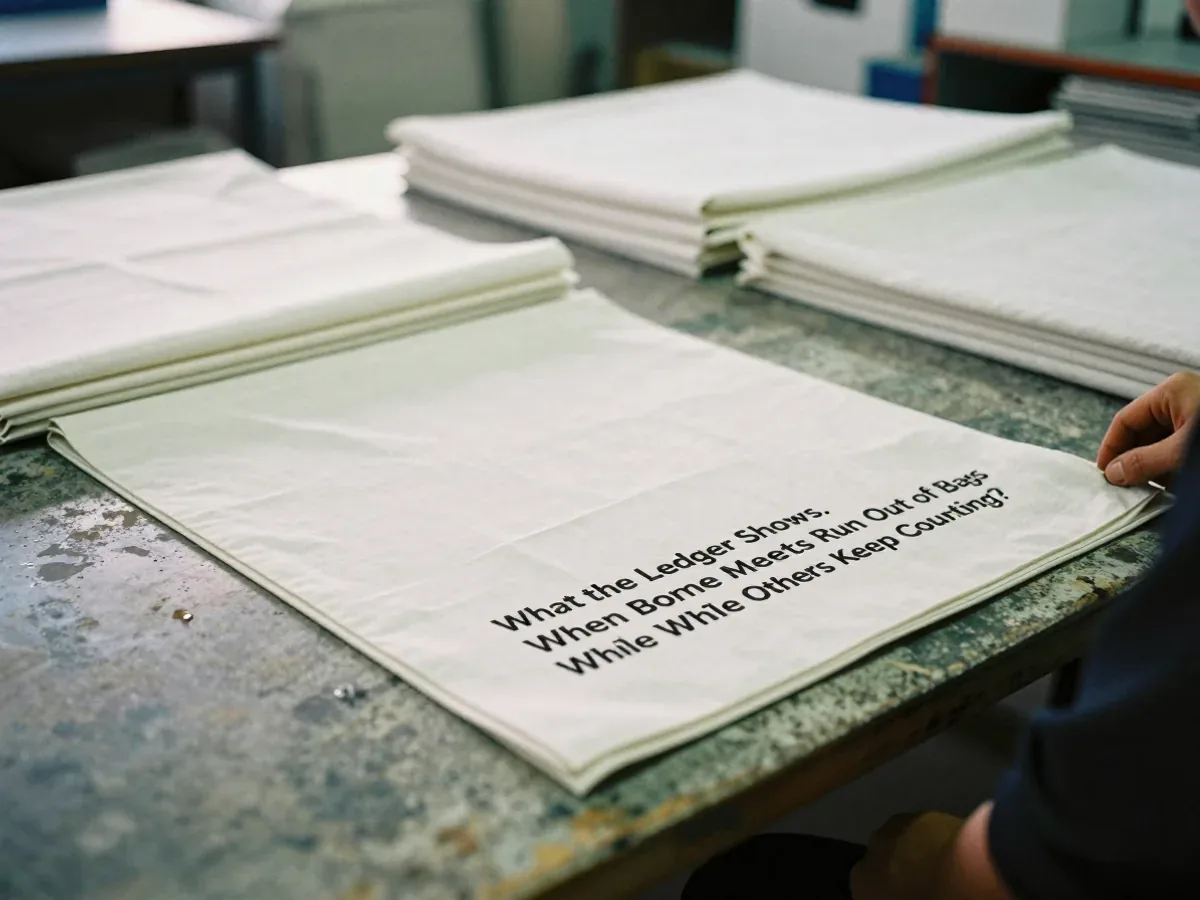
The manager rebuilt the count around batches rather than individual bags. Each truck received a numbered batch, and the batch number went onto the job packet at dispatch. At job close, the crew counted bags alongside the tool check, which the crews already did every day. A batch that came back short triggered a question at the next morning's dispatch meeting, not a formal investigation.
The change did more than close the gap. Once bags had batch numbers, the depot could see which trucks were losing them and which crews were retiring them early. One truck accounted for eleven of the missing bags in a single month, all retired for torn seams. That number pointed at a loading habit, not at the bags, and the fix was a five minute conversation about how the crew dragged bags over a gravel drive.
The ledger also made the customer purchase option workable. When a customer asked to keep the bags, the crew recorded the batch and the count, and the depot billed the batch at a set price. The bags that used to walk away became a small revenue line, and the count stayed honest because every exit had a record.
Three Spec Lines That Decide Whether a Bag Cycles or Quits
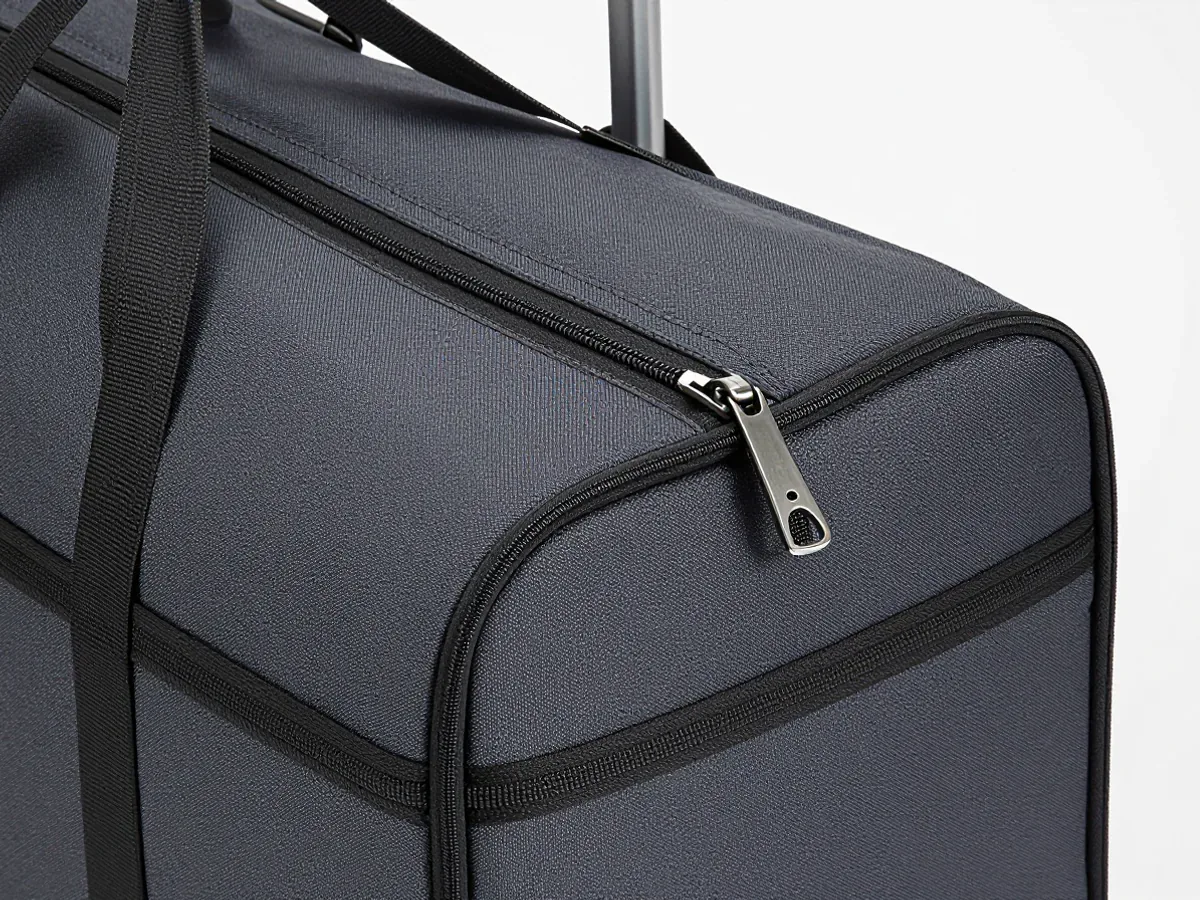
Not every foldable bag survives fleet duty, and the difference sits in three specification lines. The first is fabric weight and weave. A PP woven shell at a duty grade resists the abrasion of dragging across driveways, while lighter non woven shells collect holes at the corners within a few jobs. The second is the zip. A fleet bag opens and closes dozens of times per job, so a self repairing coil zip with metal sliders decides whether a bag cycles or jams on the truck ramp.
The third line is the handle and strap construction. Handles stitched only to close the bag will pull out under a loaded carry, and a webbing strap that runs the full length of the bag spreads the load instead of concentrating it at two stitch points. A full length zip with two pulls lets the bag open flat on the floor, which matters when a crew is loading irregular items in a hurry.
These three lines cost more per bag than the lightest option on a quote. They also decide whether the fleet buys bags once or buys them every quarter, and that difference is larger than the unit price gap.
The Repair and Retirement Rule That Keeps Counts Honest
The depot wrote a simple rule. A bag with a torn seam or a broken zip retires to rag duty, and the retirement gets recorded against its batch on the same day. Bags that come back dirty get washed or wiped to the company's hygiene standard, which matters most on long haul jobs where bags ride in trucks overnight.
The rule works because it gives crews a clear line. A bag is either in service, retired, or sold to a customer, and every bag has to be in one of those three states at job close. There is no fourth state called "somewhere in the truck." The count at job close takes a few minutes because the crew is already checking tools, and the batch number means the count does not depend on anyone remembering which bag went where.
Retirement data also feeds back into purchasing. A fleet that retires bags for seam failures at the handle attachment knows to specify a stronger stitch or a full length strap on the next order. A fleet that retires bags for zip jams knows the slider grade needs to change. Without the record, every failure looks like bad luck.
How a Fleet Sizes Its First Bag Order
The first order should be sized per crew, not per job. A standard three crew regional job consumes roughly forty to sixty cartons, and the bag equivalent runs lower because bags carry irregular items that cartons waste space on. The exact number of bags per crew depends on the job mix, the truck size and how far the depot sits from the work, so a fleet should run a trial on two or three trucks before committing the whole fleet.
The trial tells the depot two things it cannot learn from a quote. It shows the real cycle length a bag reaches under that fleet's loads and wash standard, and it shows where bags leave the count. A fleet that runs the trial with batch numbers from day one gets both answers in a month.
Order quantity then follows from the trial, with a buffer for bags in wash and bags retired mid cycle. A fleet that orders exactly the trial number will run short the first time a truck loses a batch, and the shortfall will look like a bag failure when it is a planning gap.
What Changes on the Truck Once the Count Holds

Once the count holds, the truck changes. Crews stop assembling cartons at the job site, which cuts setup time on every move. Bags fold flat when empty and stack in a corner of the truck, so the space that cartons used to take goes to furniture or to a second job on the same route. The PP shell wipes clean between jobs, and a bag that folds to a flat pack takes almost no room in the depot between runs.
The customer side changes too. A customer who keeps the bags has a branded reminder of the move in the new house, and the fleet has a recorded sale instead of a missing asset. The bags that used to disappear into garages and storage units now come back or get billed, and the depot manager who counted 214 against a ledger of 260 can close the month with the two numbers matching.
FAQ
How many foldable bags replace a standard three crew carton load?
A three crew regional job uses roughly forty to sixty cartons, and the bag count runs lower because bags handle irregular items without box assembly. The exact ratio depends on the job mix and truck size, so a short trial on two or three trucks gives a better number than any general rule.
Should bags be counted per crew or per job?
Per crew, with a batch number tied to the truck. A per job count breaks down as soon as two crews share a loading bay, because a bag issued to one crew can return on another truck. Batch numbers keep the return attached to a truck even when the crew changes.
What bag features matter most for fleet duty?
Fabric weight and weave, the zip grade and the handle and strap construction. A duty grade PP woven shell, a self repairing coil zip with metal sliders and a webbing strap that runs the full length of the bag decide whether a bag cycles for dozens of jobs or quits in a few.
Can customers keep the bags, and how is that handled?
Yes, and the clean way to handle it is a recorded sale. The crew notes the batch and the count at job close, and the depot bills the batch at a set price. The bag leaves the fleet as revenue instead of shrinking the count without a trace.






