
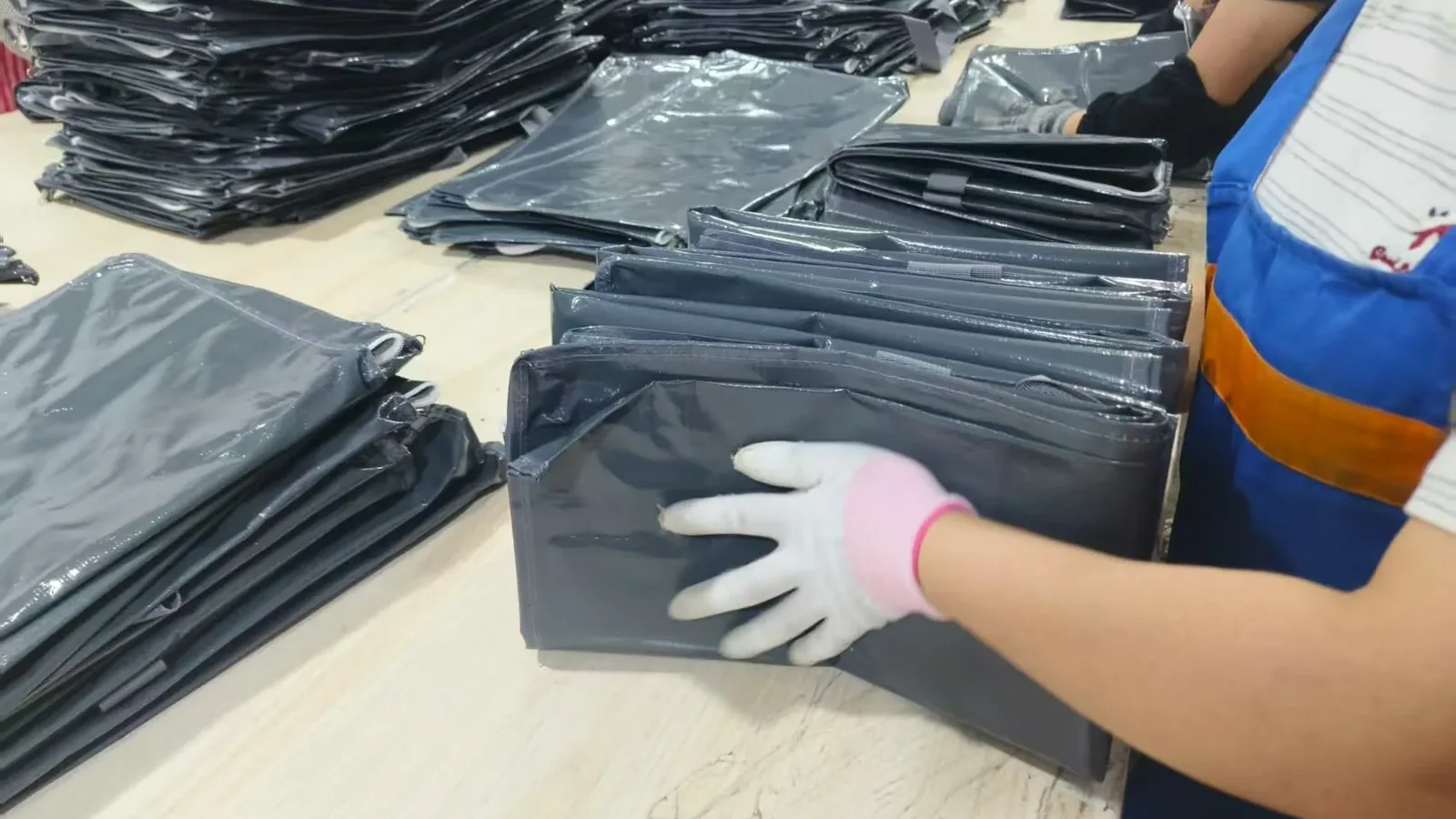
Based on the legacy moving supply distributor archive and TIIOCTI product spec notes on moving bag construction and QC.
Every August the same request lands on the desk of a moving supplies buyer: a heavy-duty bag that survives a peak season, not a single move. This year the buyer was switching distributors, and the first bulk order was already on the water before anyone had walked the factory floor. So the audit started at the PO and ended at the container door, one station at a time.
The PO line that starts the walk

The order sheet read like a short sentence: heavy-duty moving bag, reinforced base, handles stitched through, flat-folding body, screen print on one panel. Six words carried most of the risk. "Reinforced base" can mean a double layer of shell fabric or a single patch, and the PO did not say which. A buyer switching suppliers should treat every adjective on that line as a question for the factory floor.
The first stop was the sample room, where the approved pre-production sample sat in a bag with the PO number on it. That sample is the reference for everything downstream. If it was signed without a note on base construction, handle attachment or print placement, the audit has no baseline. Ask for the signed sample and the artwork proof side by side before walking anywhere.
Incoming shell fabric and the roll ticket
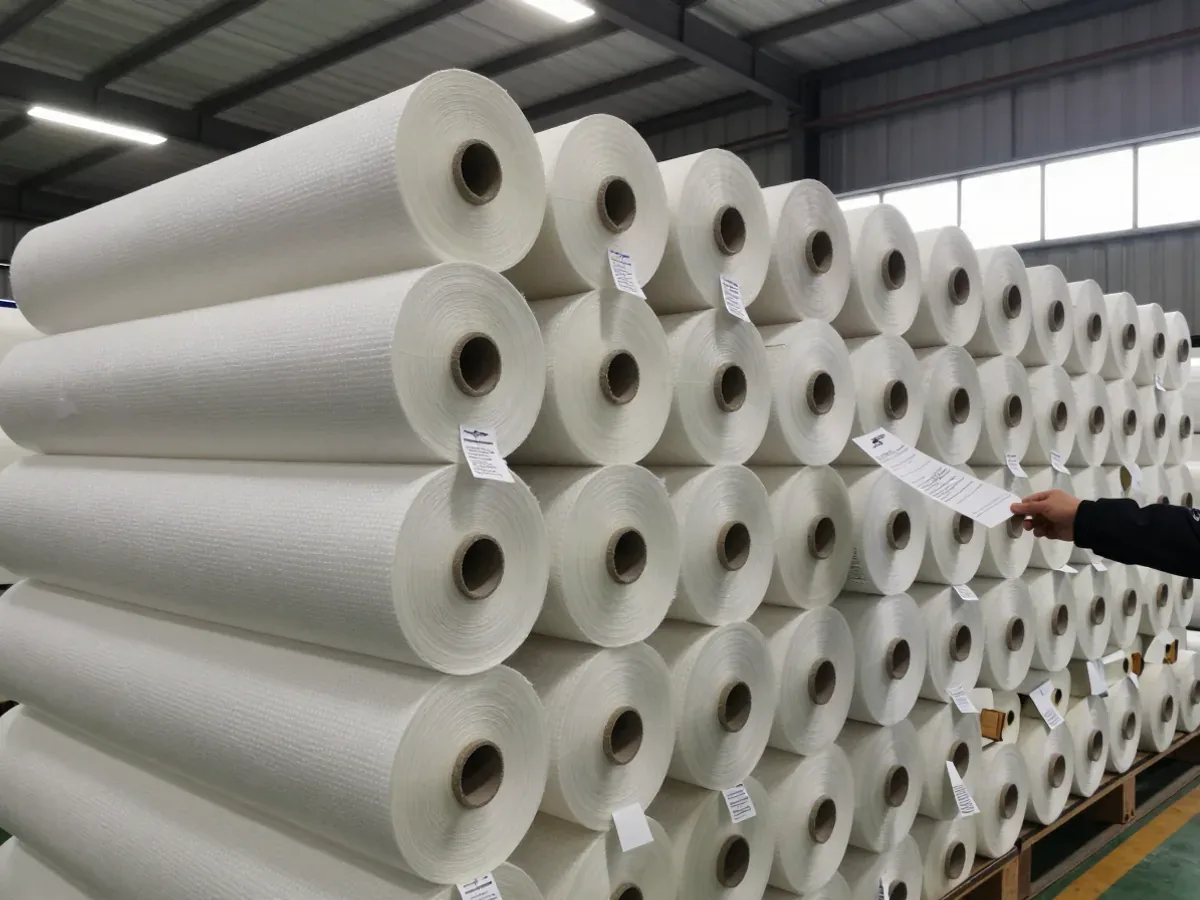
The fabric store held rolls of PE, PP woven, non-woven, polyester, nylon, canvas, jute and rPET, each with a ticket showing the supplier lot and the date received. The audit picked one roll from the lot reserved for this order and checked the ticket against the PO. A mismatch here is cheap to fix and expensive to discover after cutting.
Weight and hand feel came next. The buyer's spec called for a shell that holds shape under load, and two rolls of the same nominal weight can feel different once unrolled. The inspector asked for the incoming inspection record for that lot. A factory that logs roll weight, width and visual defects at receiving is showing a habit, not a one-time favor.
Colour was the quiet risk. The print on this order was a single dark logo on a light shell, so any shade drift between rolls would show at the seam. The audit asked to see the approved colour standard kept in the fabric store, not a photo on someone's phone.
Cutting table: where the size line gets tested
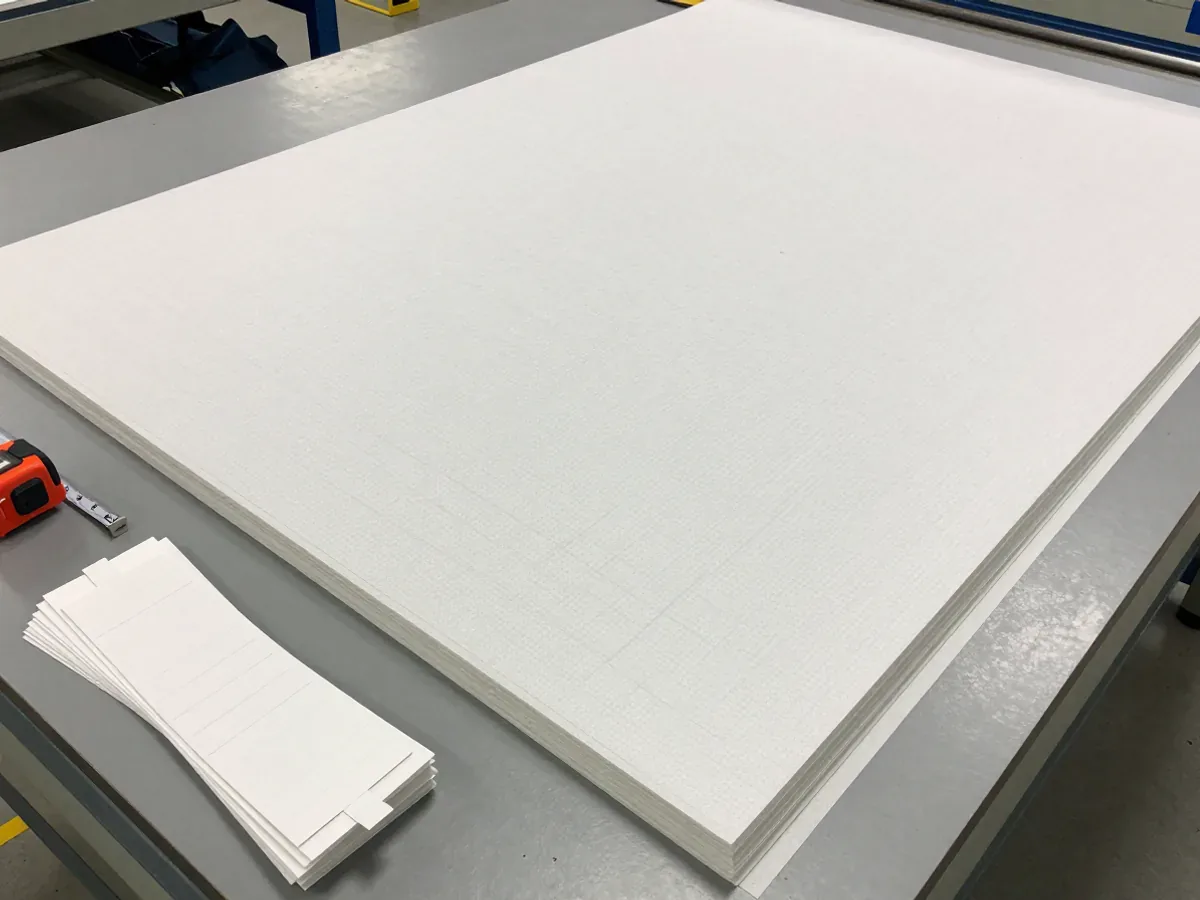
At the cutting table, the marker for this order was laid over three plies. The inspector measured the cut panel against the size line on the spec sheet and found the base panel within tolerance but the side panel a few millimetres narrow. Small enough to pass a casual glance, large enough to pull the base reinforcement off centre at sewing.
The cutter explained that the marker was reused from a similar bag with a different base depth. That is the kind of detail a new distributor rarely sees and a factory rarely volunteers. Ask how long a marker stays in use and who signs off when a size line changes. The answer tells you whether the size on the PO is a promise or a copy of the last job.
Cut panels were bundled with a ticket showing size, ply count and the order number. The audit checked one bundle against the cutting record. A bundle without a ticket is a bag that cannot be traced back if the final QC finds a short panel.
Sewing floor: handles, base and the slow station
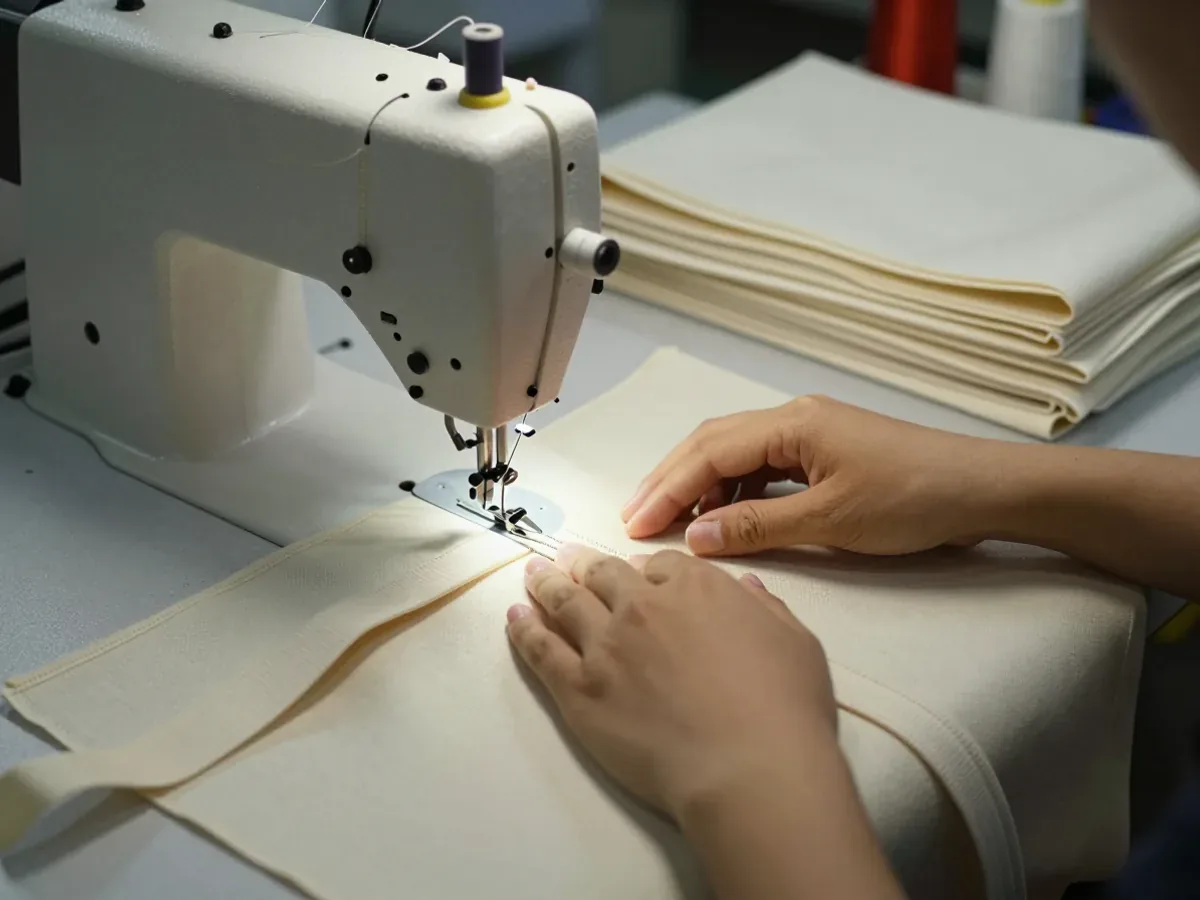
The sewing line ran in a U, and the slowest station was the one attaching handles. On this order the handles were wrapped and double stitched, which takes longer per bag than a single row. The inspector watched three bags pass and checked the stitch density and the wrap at the top of each handle.
Handle attachment is where a moving bag earns or loses its reputation. Handles stitched to the body rather than tacked on spread the load across the seam, and the audit confirmed the stitch line ran through the shell rather than beside it. A tacked handle looks identical on a flat sample and fails on the first flight of stairs.
The base station came next. The reinforcement sat where a bottle or a stack of books would land, and the inspector pressed the base to feel for a shift between layers. A reinforced base that moves under hand pressure will move under load. The flat-folding body was checked at the same station, since a base that folds the wrong way creases the reinforcement.
Final QC: four checkpoints and what they catch

Every order passes four QC checkpoints, and the audit asked to see the records for this one. The first checkpoint covers incoming fabric, the second covers cut panels, the third covers sewing in process, and the fourth covers the finished bag before packing. Each record carried a date, a checker's mark and the defect found.
The fourth checkpoint is the one buyers should read closely. On this order the checker had flagged two bags with print sitting low on the panel and one with a handle stitch run short. Both defects were caught before packing, which is the system working. A QC record with no defects across a large run is worth a second question, not a compliment.
The inspector pulled five finished bags at random and checked them against the signed sample. Base reinforcement, handle wrap, print position and fold line all matched. The count on the QC sheet matched the count in the packing area, which closed the loop between what was checked and what was about to ship.
Packing and loading: the last place to catch a label error
In the packing area, the polybag label and the carton label were compared line by line. The polybag said one size, the carton said the same, and the PO said the same. That three-way match is the last cheap check before a container seals. A label error found here costs a reprint; the same error found at the buyer's warehouse costs a claim.
Cartons were stacked by order number, and the audit counted one stack against the packing list. The count matched. The inspector then watched a carton go through the tape line and checked that the shipping mark carried the destination and the order reference, not just the factory's internal code.
At the container door, the loading sequence followed the packing list. The audit stood at the door and checked the first and last cartons against the list. Loading is the final station where a buyer can still stop a wrong carton from leaving, and it takes ten minutes to check the ends of a load.
What the walk tells you about a new partner
A factory that lets a buyer walk from PO to container without a prepared route is showing its normal state. The roll tickets, the cutting records, the four QC checkpoints and the three-way label match are either habits or they are not. One walk will not prove a partnership, but it will show where the habits sit.
For a distributor switching suppliers, the walk answers a narrower question than a full audit. It shows whether the factory can trace a bag back to its fabric lot, whether the size line on the PO survives the cutting table, and whether the final QC record reflects real defects. Those three answers predict the first bulk order better than any capability deck.
The buyer on this August order left with a short list: confirm the base construction in writing on the next PO, keep the signed sample in the factory's sample room, and ask for the fourth checkpoint record with every shipment. None of it required a new contract. All of it required standing on the floor before the container left.
FAQ
How many checkpoints should a moving bag order pass before loading?
Four checkpoints cover the usual risk: incoming fabric, cut panels, sewing in process and the finished bag before packing. Ask to see the record for each one on your own order, not a blank template.
What is the first thing to check when a new supplier sends a sample?
Compare the sample against the spec line by line, starting with the base and the handle attachment. A sample that matches the photo but not the construction note is a sample of a different bag.
Can a buyer audit a factory before placing the first bulk order?
Yes, and the walk is the practical version. Ask to follow one order from PO to loading, and check the roll ticket, the cutting record, the fourth QC checkpoint and the label match at packing.






