Drawn from an archived guide on overseas logo protection for custom bag orders, reorganised as a walk through the production route.
The carton was already strapped when the buyer noticed the logo on the woven label sat two millimetres left of centre. The container had been booked for the next morning, and the label plate had been cut eight weeks earlier. What looked like a last-minute packing problem had actually started at a desk, long before any fabric was touched.
Most buyers assume the logo is protected the moment the artwork is approved. Working through a branded bag order station by station shows something different. The mark leaves the brand's control in small, ordinary steps, and each step has its own check.
At the PO desk, the clause that decides who owns the file

The purchase order is the document a factory can actually be held to. A logo is a trade asset before it is a decoration, and the PO is where ownership of that asset is either written down or left open.
Five clauses carry the weight. Ownership should state that the buyer holds all artwork, tooling and print plates made for the order, with transfer on payment. No reuse should bar the factory from putting the mark on any other order, sample or portfolio without written consent. File deletion after final shipment belongs in the same clause. A quality tie should require logo reproduction to match the approved pre-production sample, with rework at the factory's cost. A confidentiality clause should outlast the shipment itself.
A factory that receives no such clause is not automatically acting in bad faith. It simply has no instruction, and an unmarked boundary is easy to cross. The clause turns unauthorised reuse from a grey area into a breach.
At incoming artwork, the version that leaves the brand

The design file handed to a factory becomes the starting point for every later copy. Three controls keep it from spreading further than intended.
Watermark the working files. Press-ready artwork can carry a visible watermark until the pre-production sample is approved, with clean files released only at final confirmation. Log every transfer, naming the file by version and date, recording who received it, and requiring the factory to delete superseded versions. The version still circulating is the version that gets reused.
Hold the vector master inside the brand. A print-ready PDF or colour-separated file is enough for production. Keeping the editable source means a reprint request returns to the brand instead of being rebuilt in a factory design room.
At the cutting table, what the plate carries
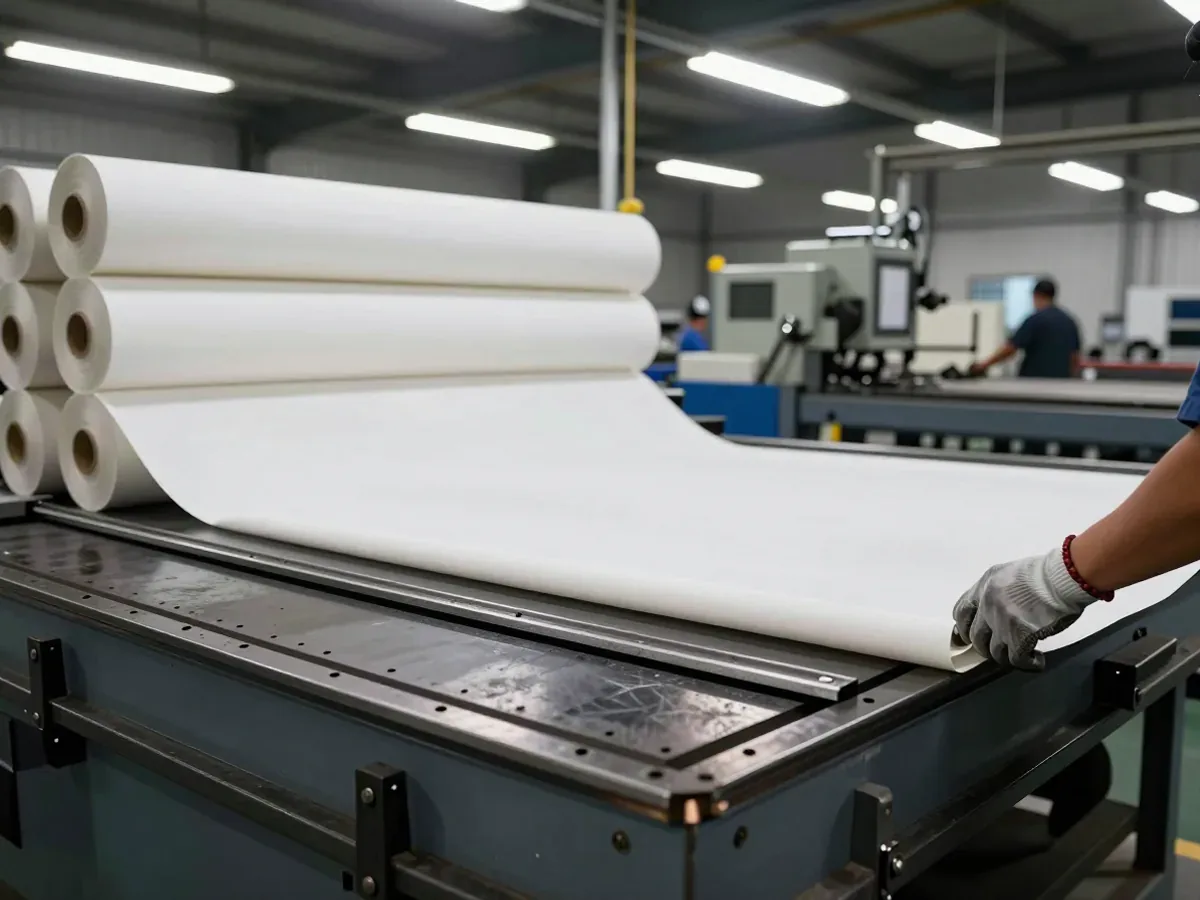
Artwork is checked before the fabric is cut, whatever print method the order uses. That check is the natural place to confirm which file version reached the cutting table, because a plate or screen made from an old file will reproduce an old logo on every piece.
The plate itself is an asset. It carries the mark in physical form and can sit in a factory for years after the order closes. Ownership language in the PO should cover plates and screens, not only digital files. A buyer who never asks where the plate is stored has no way of knowing whether it was scrapped or shelved.
At the print and label station, where the mark becomes visible
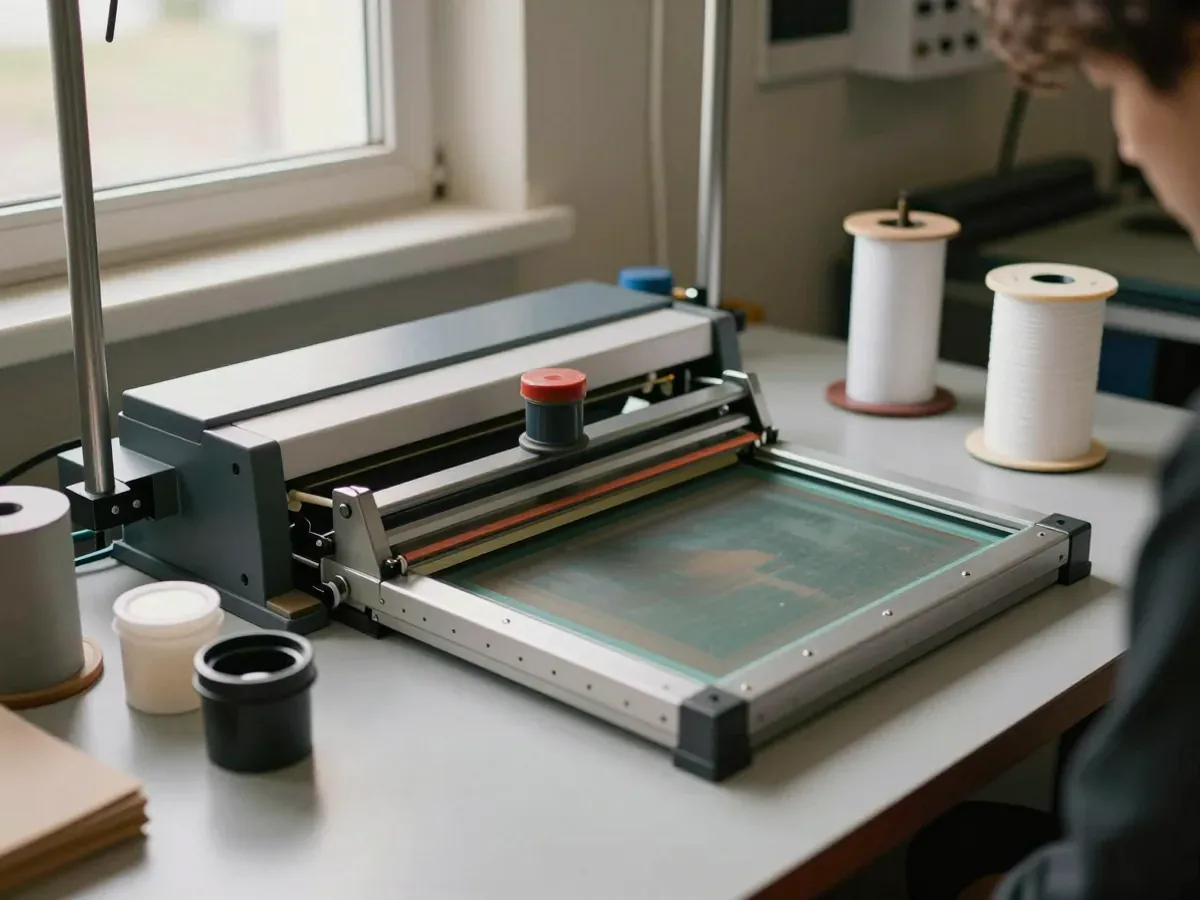
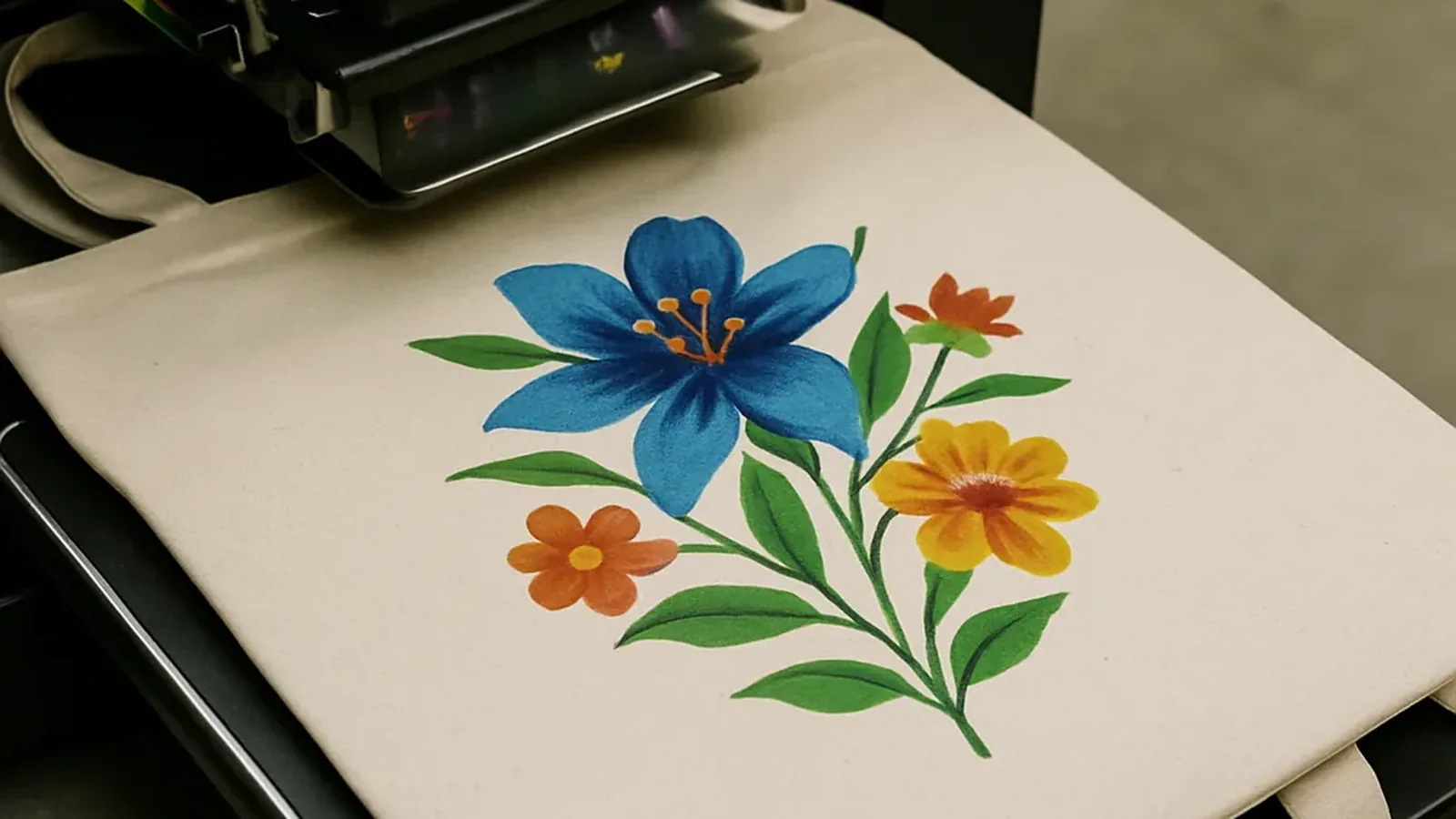
The logo can be screen printed, heat transferred, or carried on a woven or embroidered label. Each route produces a different kind of master, and each master has a different afterlife.
A screen or plate is bulky and usually destroyed or stored on site. A woven label is produced by a separate supplier, which means the mark travels to a third party the buyer has never contracted with. That supplier may keep the label artwork in its own library. The print station is also where placement is fixed, so a shift of a millimetre here becomes a shift on every bag in the run.
At the sample room, the masters that outlive the order
Samples leak logos in three places. A pre-production sample sent to the buyer passes through couriers and customs with the mark in plain sight. The factory sample room keeps masters that outlive the order. A marketplace photo taken from a sample can become a listing image the brand cannot remove.
Three habits reduce the exposure. Mark pre-production samples with a removable sticker or a low-resolution logo version. Keep the sample count in the contract. Require marked samples to be returned or destroyed with documentation after approval.
Documented sample rounds also build the record that proves which logo version was approved. Two or three styles are typically sampled and held before commitment, and length, handle drop, zip position and a clear window can be adjusted within one round. Each round should be dated and photographed.
At final inspection, matching the bag to the approved version
Inspection compares the finished bag against the approved pre-production sample, and the logo is the part most likely to drift. Colour, registration, stitch density on an embroidered mark and label position all need a reference point.
The reference is the sample record, not memory. A buyer who cannot produce the approved version has no basis for rejecting a bag that looks slightly wrong. This is also the moment to confirm that no extra branded samples were produced for the factory's own use, and that the sample count in the contract matches what is on the floor.
At the loading bay, the last chance before the border
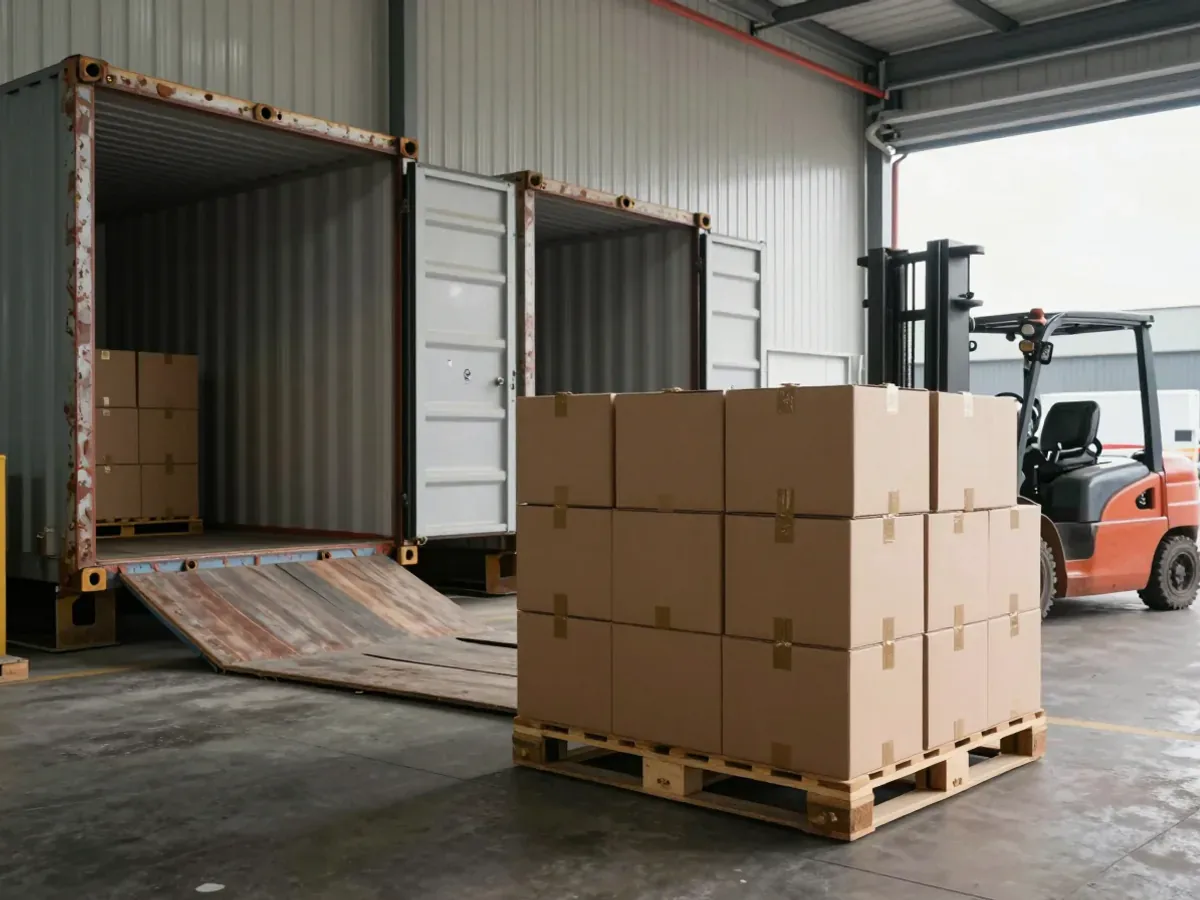
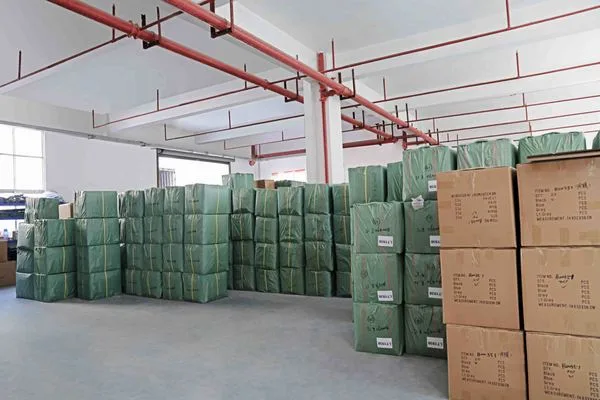
Cartons are counted and photographed before the container seals. That photographic record does two things. It proves what left the factory, and it gives the brand a dated image of the mark in its finished form.
Retail orders may ship in per-store cartons with barcode labels, and finished bags may be packed polybag per piece, in an export carton, or retail-ready. Each packing format puts the logo in front of a different set of hands. A polybag shows the mark through the film. A retail carton may show it on the outer label.
Registration only helps when it connects to enforcement. Many markets let registered trademark owners record the mark with customs, so border officers can detain counterfeit imports. Marketplace takedown programmes generally require a registered mark in the relevant jurisdiction, and the registration number is what opens them. An unregistered brand is largely unenforceable on those platforms.
What to record at each stop before the next order
A simple log carried through the order closes most of the gaps. At the PO desk, the signed clause set and the date ownership transfers. At incoming artwork, the file name, version, recipient and watermark status. At the cutting table, the plate or screen identifier and its storage location. At the print station, the label supplier name and the approved placement. At the sample room, the count issued, returned or destroyed. At inspection, the approved sample reference. At the loading bay, the carton count and photographs.
None of this replaces legal advice. Registration strategy belongs with a trademark professional in each target market, and rights are territorial. The log is what a brand brings to that conversation, and what it can hand to a customs officer or a platform reviewer when a copy appears.
FAQ
Does a logo need to be registered in every country where the bags are sold?
Rights are territorial, and most systems are first-to-file, so the safe sequence is to file in each market of sale before the first shipment. The Madrid System lets a brand file one international application and designate multiple countries.
Which trademark classes cover custom bags?
Bags are typically covered under class 18 for leather and bags, with class 24 for textiles and class 35 for retail and distribution services where the programme includes distribution. A trademark professional should confirm the list.
Can a factory legally reuse a buyer's logo on other orders?
Only if the contract allows it. An IP clause that transfers artwork ownership, prohibits reuse and requires file deletion after shipment makes unauthorised reuse a breach rather than a grey area.
How does customs recordal protect a bag logo?
Recording a registered mark with customs lets border officers detain counterfeit imports, which turns the border into an enforcement point before goods reach the market.