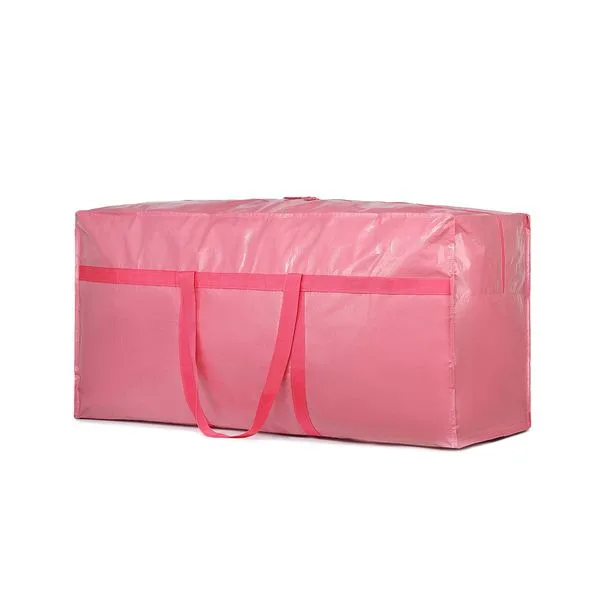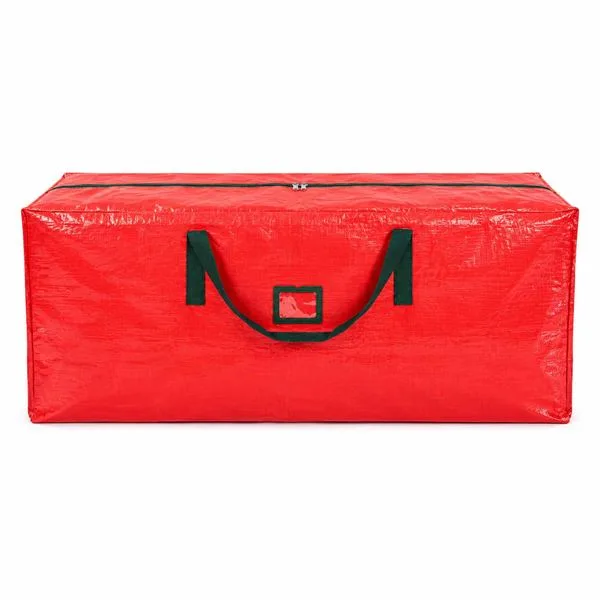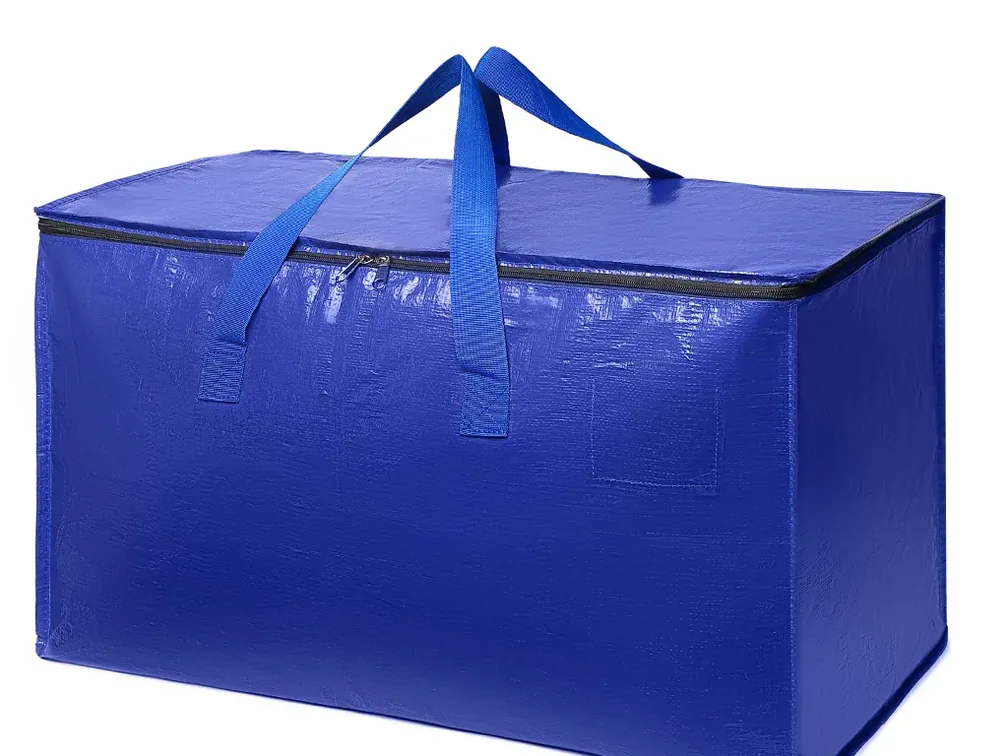
Based on TIIOCTI product spec sheets and the four QC checkpoints held on every industrial tote bag order.
The email arrived on a Tuesday with a photo attached: a green industrial tote bag split along the handle join, its contents spilled across a warehouse floor. The buyer had approved the final inspection report two weeks earlier, and every carton in that shipment carried the same passing stamp. Somewhere between the loading dock and the storage aisle, a bag that had been declared fit for heavy duty had failed under nothing more dramatic than a full load and a short lift.
The same question reaches our inbox from different buyers in different countries, and it rarely changes shape. If the final inspection passed, why is the bag failing? The answer is uncomfortable because it does not blame the inspector. It blames the moment the inspection happens.
The Sign-Off That Feels Like a Safety Net

Most sourcing plans treat the final inspection as the last line of defence, and that framing feels sensible. Money has been spent, production is finished, and a third party walks the floor with a clipboard. The report comes back with checkmarks, the container seals, and the buyer moves on to the next order.
That sequence has a reassuring logic to it. The final check is visible, it produces a document, and it arrives at the exact moment the buyer needs reassurance. A signed report feels like proof that the risk has been handled.
The problem is positional. A final inspection stands at the end of the process and looks backward at a finished bag. It can see what the bag looks like on the day it is checked. It cannot see what happened to the fabric three weeks earlier, or how the sewing line behaved on the second shift, or whether the thread in the seam matches the thread in the sample.
Why a Passed Inspection Looks Convincing
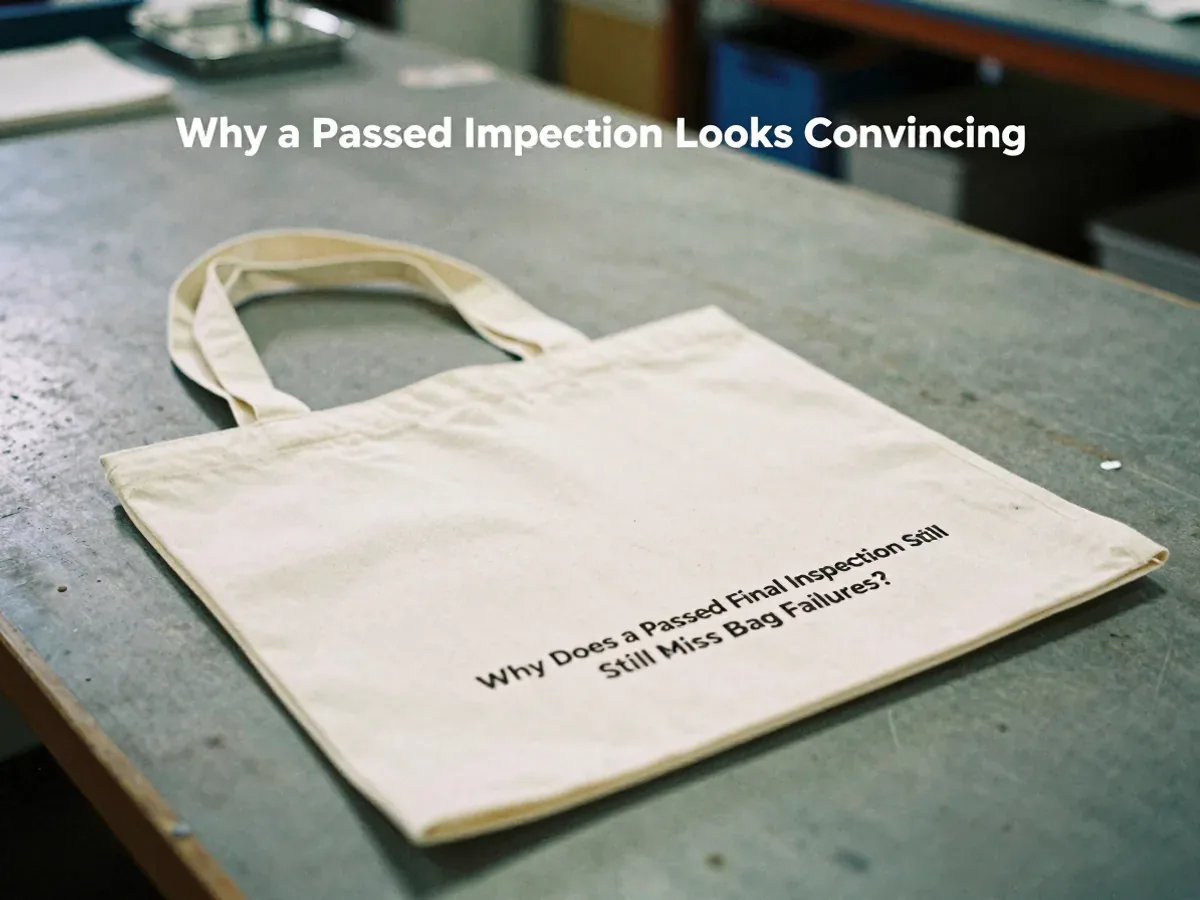
A final inspection report is convincing because it is specific. It lists dimensions, handle placement, logo position, and carton counts. Our own finished-bag check does exactly this: dimensions, handles and logo verified by hand, cartons counted and photographed before the container seals. Those are real checks, and they catch real problems.
The report is also convincing because it is comparative. The inspector holds a bag against an approved sample, and the bag matches. Colour, size, print position, and label all line up. A buyer reading that comparison naturally concludes the run is sound.
What the comparison does not test is behaviour under load. A bag can match its sample perfectly and still fail at the handle join, because the sample and the bulk bag may share a look but not a seam. Matching is a visual verdict, and visual verdicts are the easiest kind to pass.
What the Final Check Cannot See
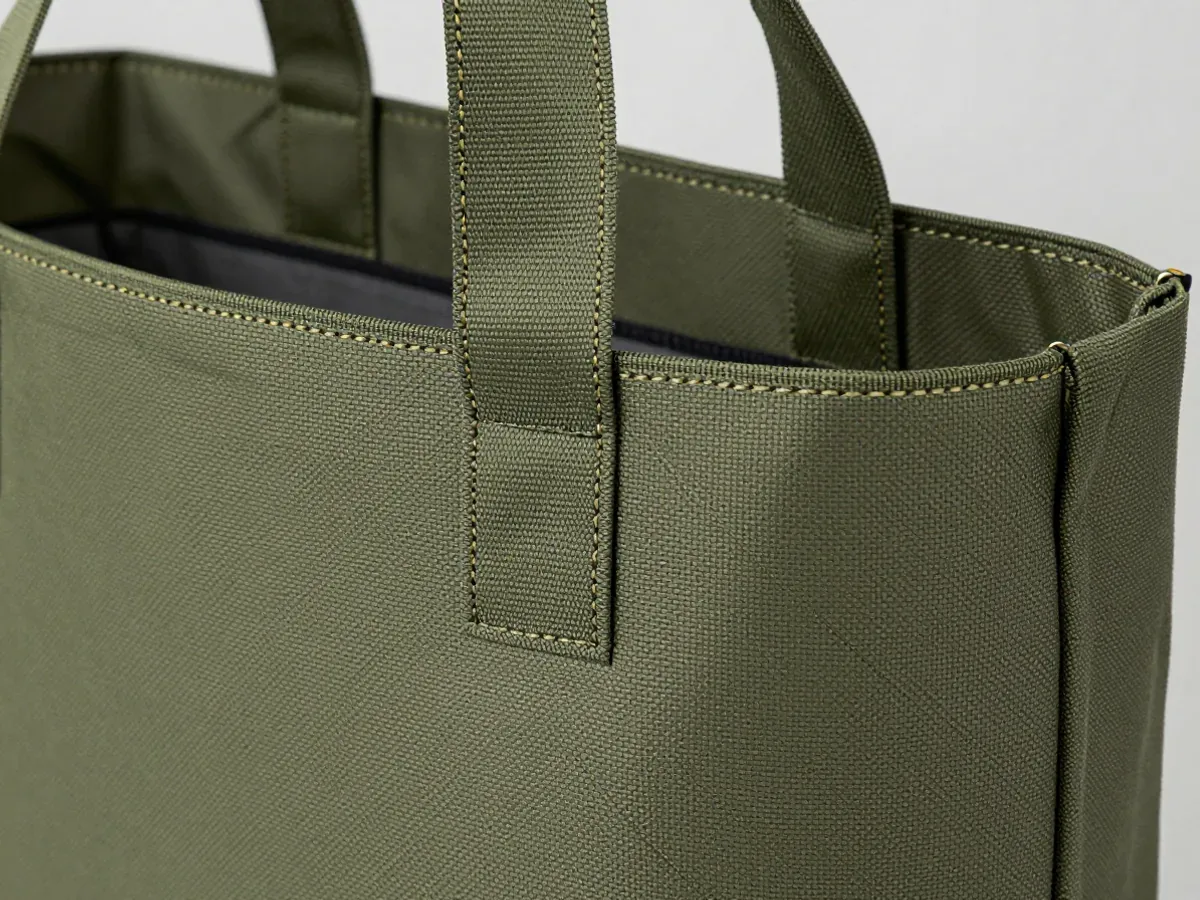
By the time a finished bag reaches the inspection table, the decisions that determine its strength have already been made. The fabric was woven, the webbing was cut, the zips were set, and the seams were sewn. None of those decisions can be reversed by a checkmark.
Consider the handle join. Reinforced stitching at the join is what keeps a loaded bag from tearing open at its weakest point. If that reinforcement was skipped on a run, the finished bag still looks correct from the outside. The inspector sees a handle attached in the right place. The missing bar tack sits underneath, invisible until the bag is loaded.
The same blind spot applies to the fabric itself. A roll can be lighter than the approved spec and still cut, sew, and print without complaint. The finished bag passes the visual check because nothing about it looks wrong. The weakness only announces itself when weight is applied, which is precisely the moment no inspector is present.
Where the Real Numbers Get Set
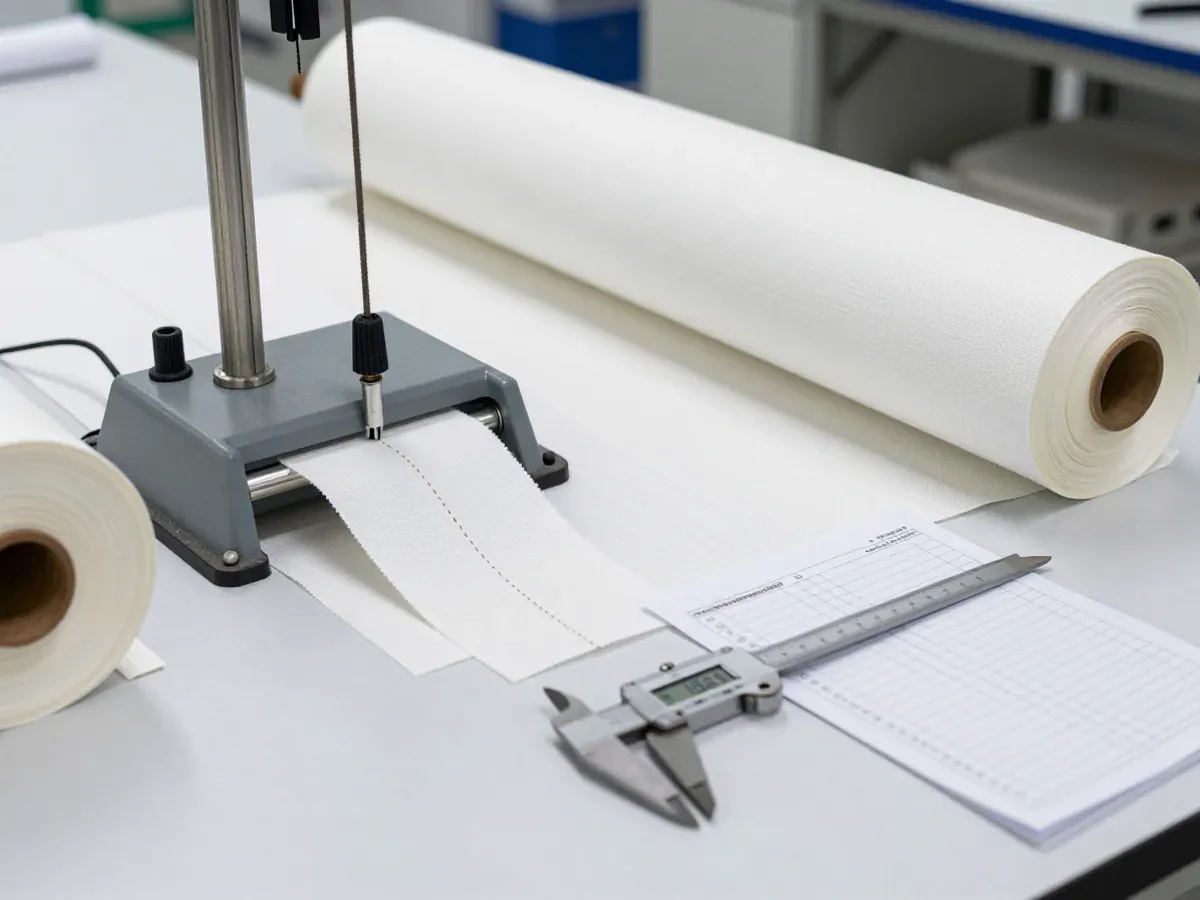
Strength in an industrial tote bag is decided at four checkpoints, and only one of them involves a finished bag. The first is incoming material: fabric, webbing, zips and thread checked against the approved spec before anything is cut. The second is the batch test, where pull, seam strength and bar tack are measured on every batch rather than assumed from a sample.
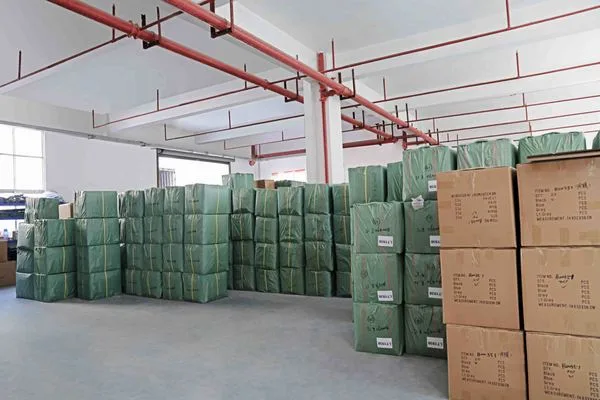
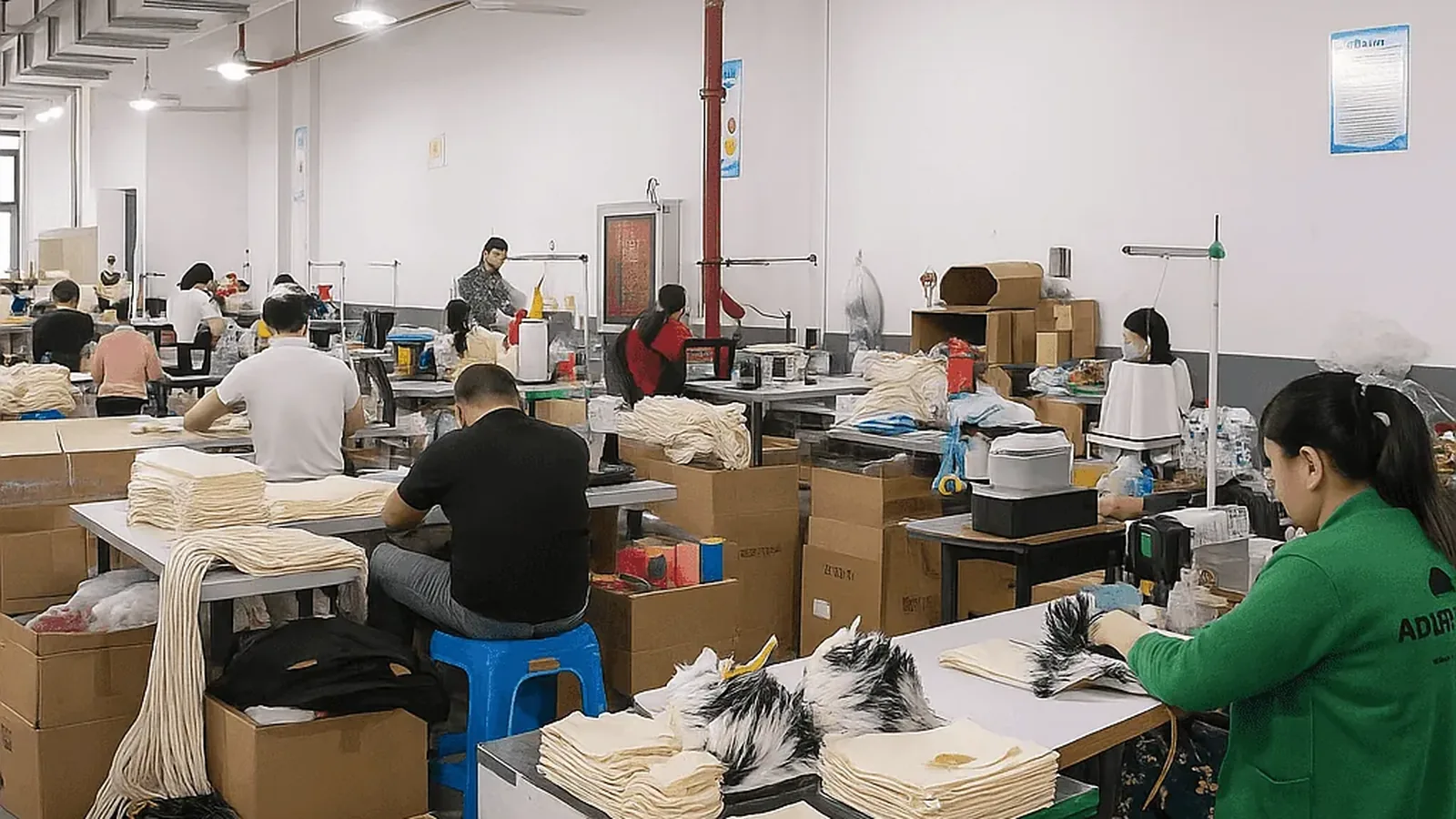
The third checkpoint is the sewing line itself, where stitching density and bar tack placement are watched while the bags are being made. The fourth is the finished-bag inspection that buyers already know, followed by the carton count and photographs before the container seals.
Read that list in order and the problem with a final-inspection-only plan becomes obvious. Three of the four checkpoints happen before the bag exists in finished form. A buyer who relies on the last one has skipped the three where the strength was actually created.
Reading a Test Report the Way a Sewing Line Does
A test report is only useful if it names the test, the threshold, and the batch. A generic certificate that says the factory meets quality standards tells a buyer almost nothing, because it does not say what was measured or when.
Burst strength is the test that speaks to fabric integrity under load, and it is the primary filter for whether a fabric suits industrial use. Seam strength speaks to the join itself, and it is measured as a pull force the seam must survive. Bar tack is the reinforcement at stress points, and its presence or absence is a sewing decision, not a material one.
A sewing line reads these numbers differently from a procurement office. The line knows that a fabric can pass burst strength and still fail at the handle if the bar tack is missing. It knows that a seam can measure well on a test strip and still blow out if stitching density dropped on a busy afternoon. The report is a starting point, not a verdict.
What to Ask For Before You Approve a Run

The practical shift is to move the conversation earlier. Before approving a run, ask the factory what happens at incoming material check, and ask to see the record for the actual rolls being used. Ask how bar tack placement is verified during sewing, and whether it is checked per batch or per shift.
Ask for test reports that name burst strength and seam strength with their thresholds, tied to the specific batch rather than the factory in general. Ask whether the sample was made to the same spec as bulk, since a sample built to a higher standard proves nothing about the run.
None of these requests require a new supplier or a longer timeline. They require the buyer to treat the final inspection as one checkpoint among four, and to spend attention on the three that come first. The bag that split in the warehouse would have been caught at incoming material or at the sewing line, weeks before anyone sealed a carton.
A Short Self-Check for Your Own Spec Sheet
A spec sheet that only lists dimensions and print position leaves the strength decisions to the factory. Add the items that determine whether the bag survives a full load.
- Fabric, webbing, zips and thread named against an approved reference, with the incoming check recorded per roll.
- Seam strength and bar tack listed as batch tests, not sample tests.
- Stitching density stated as a range the line must hold.
- Handle join reinforcement described as a required step, not an optional finish.
- Finished-bag check covering dimensions, handles and logo by hand.
- Carton count and photographs required before the container seals.
A buyer who can tick every line has moved the quality decision upstream, where it can still change the outcome. A buyer who cannot has left the most important variables to the last hour of production.
FAQ
Is burst strength testing required for industrial tote bags?
It is the primary filter for whether a fabric suits industrial loading, because it measures how the material behaves under pressure rather than how it looks. Ask for the test to be tied to the specific batch and to name its threshold.
What seam strength should handle stitching hold?
Seam strength is measured as a pull force the join must survive, and the threshold should be written into the spec sheet rather than left to the factory. The handle join also needs bar tack reinforcement, since a seam can measure well and still fail where the handle attaches.
Does a heavier fabric always mean a stronger tote bag?
No. Weight describes density, not weave integrity or reinforcement. A heavier fabric without bar tacked stress points can fail at the handle before a lighter, properly reinforced fabric does.
What should a buyer request instead of a generic certificate?
Ask for test reports naming burst strength and seam strength with their thresholds, tied to the batch being produced. Pair that with the incoming material record and evidence that bar tack placement is checked during sewing, not only at the end.