
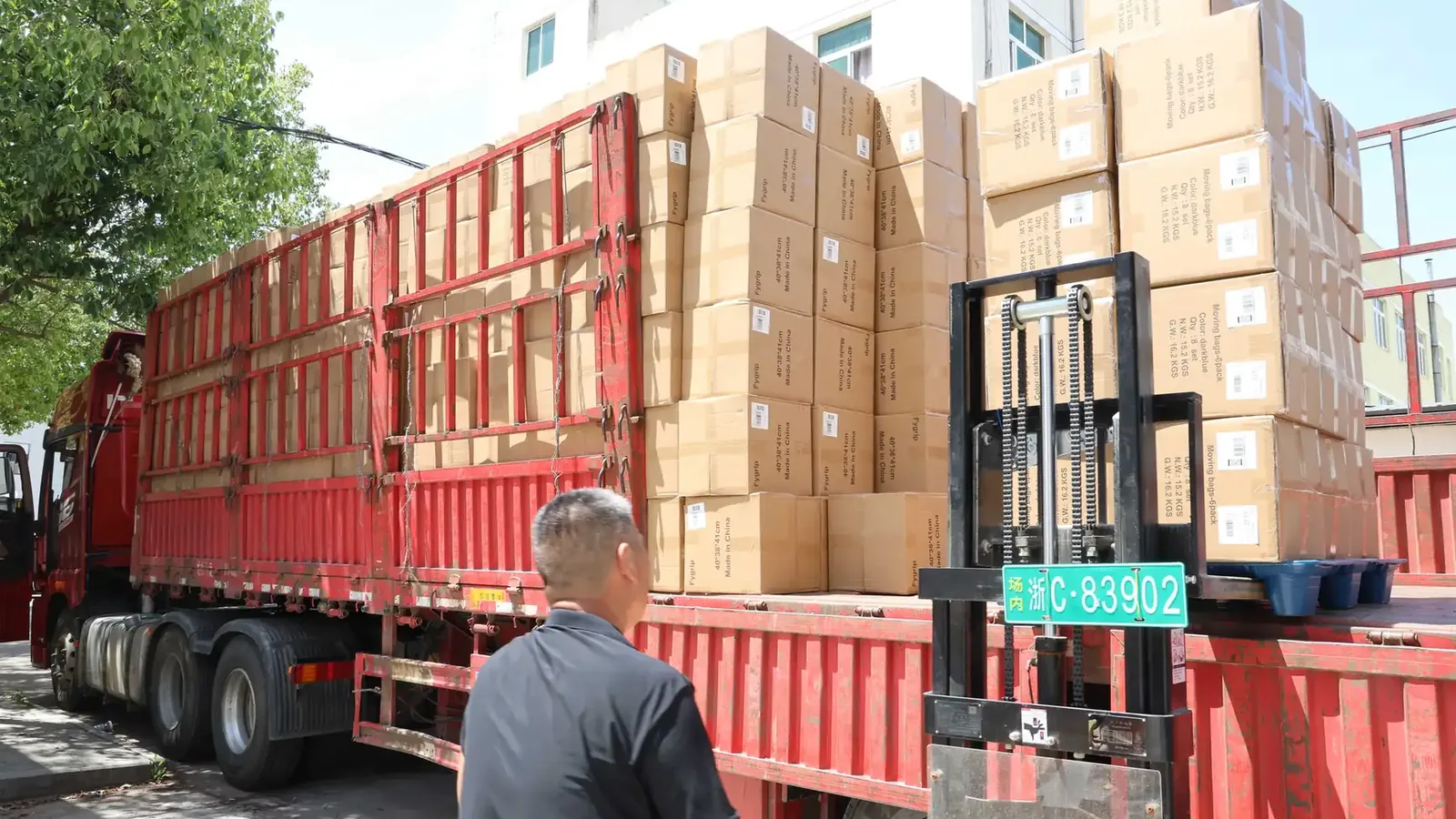
Cost lines drawn from an archived REACH guide for woven PP bag importers, plus factory checkpoint records.
Every June, the same email lands in a European buyer's inbox: a lab invoice for a bag specification that has not changed in two years. The buyer approved the artwork, the fabric and the hardware months earlier. The charge still arrives, and it is larger than the quote line suggested.
That gap between the quote line and the invoice is the subject here. A REACH SVHC file is not one cost. It is a stack of costs, some visible at quotation, some that surface only when a substance list moves or a container sits at a port. Breaking the stack into its parts is the only way to see where the money actually goes.
Four Lines on a Quote That Look Like One Line
A supplier quote usually shows a single row labelled "REACH testing" or "compliance." Behind that row sit at least four separate charges, and they behave differently.
The first is laboratory screening. The second is SCIP notification work, which is administrative rather than analytical. The third is bill of materials upkeep, a cost paid in staff hours across the life of the specification. The fourth is the risk cost of a customs hold, which never appears on any invoice until it happens.
A buyer comparing two quotes that both say "REACH compliant" is comparing four numbers compressed into one. The cheaper quote is often cheaper because one of the four has been left out, not because the work costs less.
The Lab Screen: 300 to 800 Dollars per Component

Laboratory testing for REACH compliance requires physical samples of each material component in the bag. Standard solid samples need 30 to 50 grams per material for accurate analysis. A bag with three materials therefore needs three sample sets before the lab can begin.
A full SVHC screen against the candidate list runs 300 to 800 dollars per material component, depending on the laboratory and the number of substances tested. Annex XVII testing for azo dyes, nickel release and phthalates is priced separately and adds to that figure.
For a single bag specification with three material components, a full package typically lands between 1,500 and 3,500 dollars. The spread is wide because scope drives price. A tote with printed fabric, metal grommets and a coated base is three different analytical problems, and each one carries its own method.
Batch testing can reduce the per-spec figure when several specifications are tested at the same time. Laboratories offer package pricing for simultaneous submissions. Each distinct material formulation still needs its own sample, so the saving comes from shared handling, not from skipping components.
SCIP Filing: Cheap per Substance, Expensive per Change
The SCIP database is ECHA's central notification system for SVHC in articles. Importers must submit notifications for products containing a candidate list substance above 0.1 percent weight by weight in any article component, once annual import volume of that substance exceeds one ton.
The obligation applies per substance, not per product. A bag carrying two different SVHC substances above the threshold generates two notifications. The filing itself is a one-time submission per product-substance combination, and the administrative cost of a single filing is modest.
The expense sits in change. If the formulation changes, or a new substance joins the candidate list, a new notification or an update is required. A buyer running twelve specifications across three seasons is not paying for twelve filings. They are paying for every revision of every filing, and revisions arrive twice a year whether the buyer plans for them or not.
BOM Upkeep: The Cost That Never Appears on an Invoice

The practical strategy is to maintain a current bill of materials for each bag specification, listing every material, ink, coating and hardware component with its chemical composition. That document is what makes testing scoped correctly and SCIP filings accurate.
Keeping it current is labour. Inks get reformulated by the ink supplier. A coating is swapped for a cheaper equivalent. A grommet supplier changes its plating. None of these changes reach the buyer as a line item, and each one can invalidate a test report or a filing.
Factories with chemical management systems and existing QC processes are better positioned to supply accurate BOMs. Smaller factories without those systems may not know what is in their inks or coatings, which turns compliance into guesswork. In our workshop, incoming material checks compare fabric, webbing, zips and thread against the approved spec, and the four checkpoints are photographed for the buyer file. That discipline is what a BOM depends on.
What a Customs Hold Adds to the Same Shipment
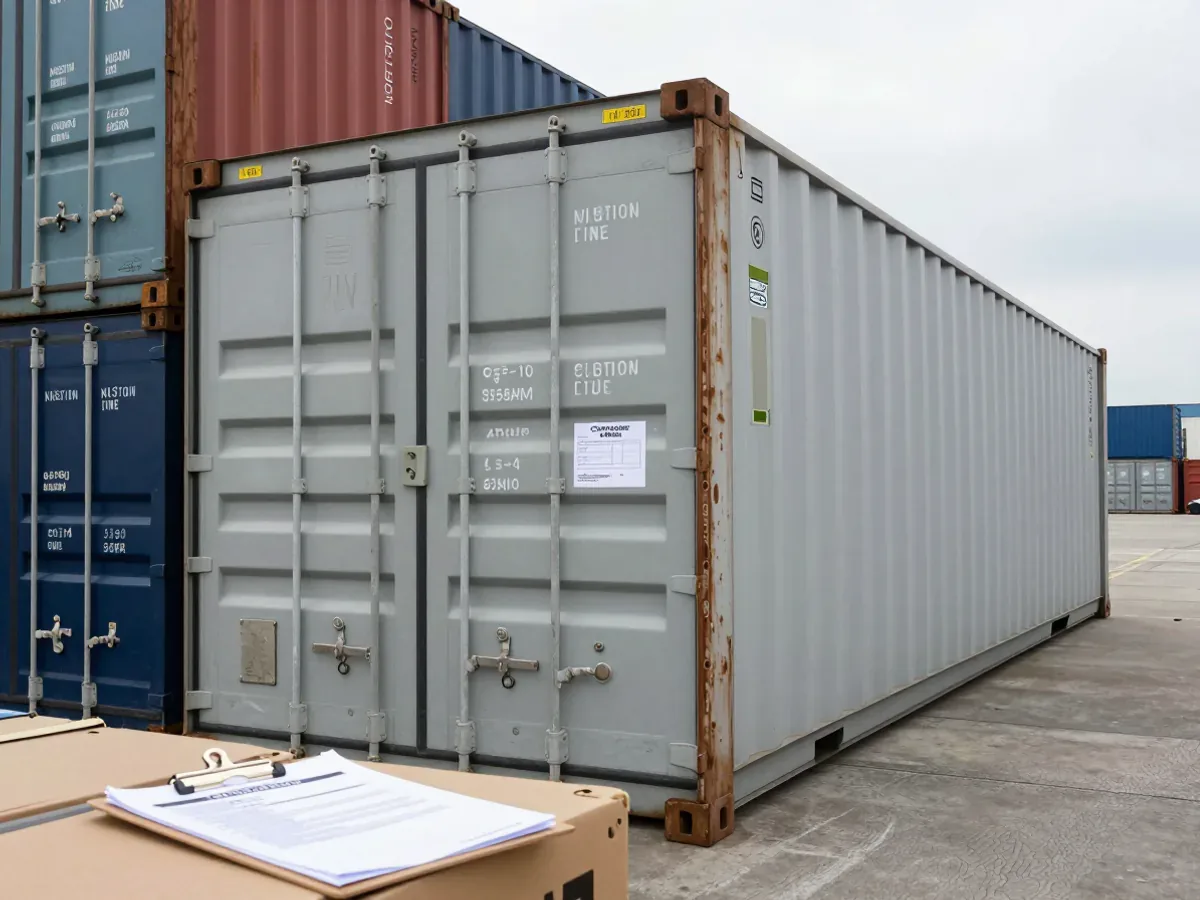
When bags enter the EU, customs authorities may request REACH compliance documentation. The chain includes the Declaration of Conformity, laboratory test reports from accredited labs, SCIP notification confirmations and the bill of materials.
A Declaration of Conformity is self-issued, stating that the product complies and referencing the reports that support the claim. If those reports are missing, out of date, or cover a different material than the one in the container, the declaration has nothing behind it.
A hold then adds costs that dwarf the original test invoice: storage at the port, demurrage, a second laboratory round run under time pressure, and possibly air freight to protect a retail launch. The pre-shipment test is a fraction of that total. The arithmetic is not close.
How to Price Compliance Before You Place the Order
A buyer can put a defensible number on compliance before signing, using the same four lines the quote compresses.
Start with the component count. List every distinct material in the bag, including ink, coating and hardware, and multiply by the per-component screen range of 300 to 800 dollars. Add Annex XVII scope for azo dyes on dyed or printed fabric, nickel release on metal touching skin, and phthalates where PVC or lamination appears.
Then price the change risk. Assume the candidate list moves twice a year, normally around June and December, and budget for one re-evaluation round per specification per year. Add the internal hours for BOM upkeep, because someone has to chase the ink supplier.
Finally, set the hold cost against the test cost. If a container hold would cost more than the full test package, the package is the cheaper purchase. That comparison, not the quote line, is the real compliance price.
Where the Cheap Quote Hides Its Number
The lowest compliance quote usually omits one of the four lines. Sometimes the laboratory scope covers only the main fabric, leaving ink and hardware untested. Sometimes the SCIP work is described as the buyer's responsibility. Sometimes the BOM is a single page that has not been updated since the first sample.
None of these omissions look like a decision at quotation. They look like a saving. The number reappears later as a re-test, a filing revision or a hold, and by then the buyer has less room to negotiate.
Pure woven PP bags without coatings, laminations or metal hardware carry a lighter documentation burden, because the fabric, polyester thread and PP webbing sit at low SVHC risk. Printing inks still require testing, since ink formulations can contain restricted plasticizers or heavy-metal pigments. A plain bag is not a free bag.
FAQ
Is there a small-batch exemption from SVHC notification?
No. The 0.1 percent weight by weight threshold in any article component applies regardless of order size. The one-ton figure relates to annual import volume of the substance, not to the size of a single shipment.
How often does the SVHC candidate list change, and does that reset my file?
ECHA updates the list normally twice a year, around June and December. It has grown from 15 substances in 2008 to over 240 in 2025. Each addition requires re-evaluation of existing products against the new substance, so the file is reviewed rather than reset.
Do plain woven PP bags with no coating still need ink testing?
Yes. Pure woven PP without coatings or metal hardware carries lower SVHC risk, but printing inks still require testing. Ink formulations can contain restricted plasticizers or heavy-metal pigments, and the ink safety data sheet is the document to request first.
What documents should be in the file when customs asks?
The Declaration of Conformity, accredited laboratory test reports covering each material component, SCIP notification confirmations where thresholds are exceeded, and a current bill of materials. Cartons are counted and photographed before the container seals, which supports the shipment record if a question arises later.






