A station-by-station walk through a custom retail packaging order, based on factory QC records and product spec sheets.
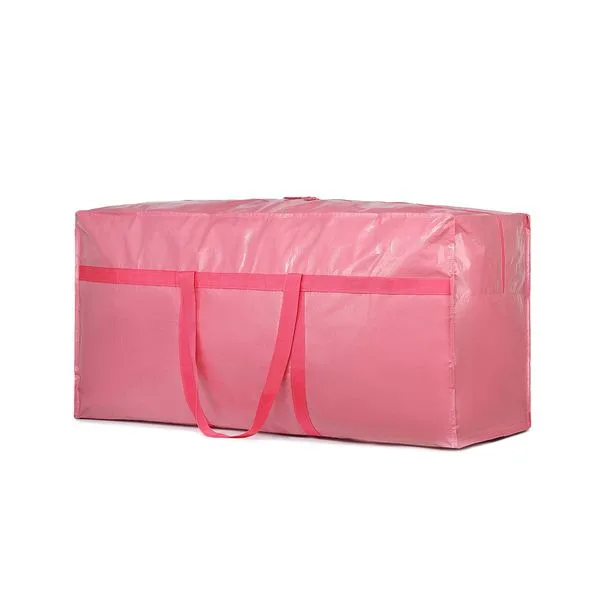
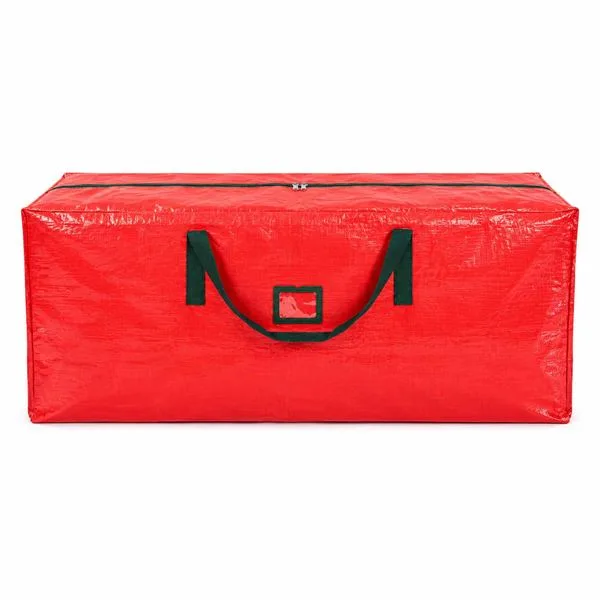
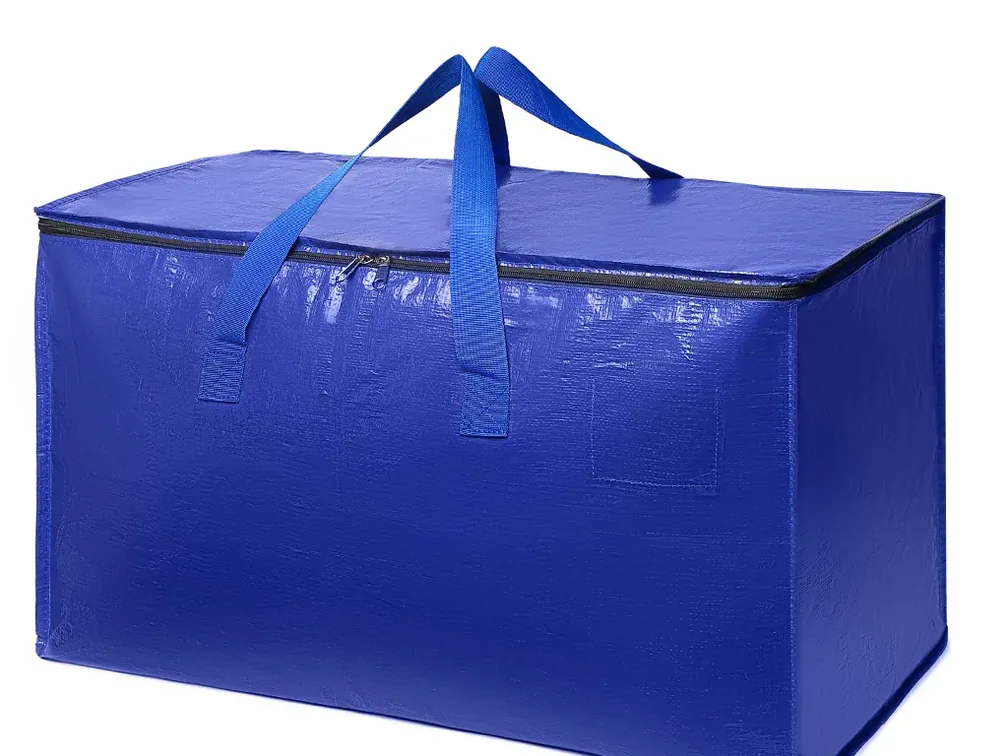
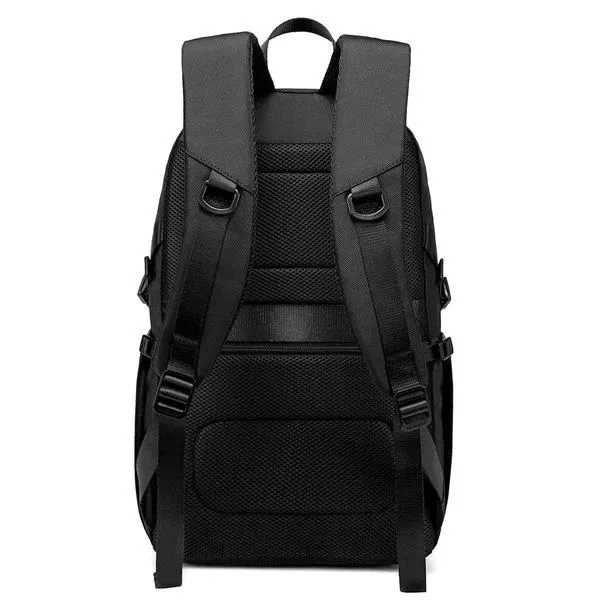
In the buyer's reference photo, the bag looks clean: logo centred, handle upright, colour rich. Zoomed in on the handle root, the bartack stitches sit unevenly, and the buyer had already approved that photo as the target. A defect that would fail on a retail shelf was baked into the reference itself, months before the first carton was sealed.
That photo is where an order's defect history usually begins, not at final inspection. Following one custom retail packaging order from PO desk to container door shows where the risk actually enters, station by station, and what a buyer can check at each one.
At the PO Desk, the Spec Sheet Already Decides the Defect Rate

The order file for a 50,000-unit retail tote typically runs to a dozen pages. The spec sheet inside it is often one page, and that page is where most later disputes are seeded. If it lists "140gsm woven PP" without a tolerance, the factory can deliver 120gsm and still claim compliance. That 20gsm gap costs roughly 15% of tensile strength, which turns into a structural failure once the bag is loaded.
A buyer reviewing the file before signing should look for four lines: grammage with a stated tolerance, a tensile or breaking strength figure, a stitch density minimum, and a colour target tied to a physical Pantone chip rather than a screen value. If any line is missing, the factory will fill it with its own default, and that default is rarely the buyer's standard.
The handover from sourcing to production is where defect rates get baked in. A QC form that mirrors every line of the spec sheet is the first real gate. Ask for a blank copy of the exact form the factory will use on this order. A single page with three checkboxes signals a final-inspection-only operation, and the number of defects caught upstream will be close to zero.
Incoming Fabric: Grammage, Weave, and the Tensile Number Nobody Asked For

At the fabric store, rolls arrive with mill certificates. Those certificates often show averaged or ideal values, so they tell a buyer what the mill hoped to produce, not what landed in the warehouse. The incoming check is the moment to close that gap. A calibrated scale and a density glass confirm actual grammage against the purchase order, and a 140gsm spec that measures 120gsm should stop the lot before it reaches the cutting table.
Tensile testing is the second half of that check, and it is where many factories go quiet. A dated photograph of the test unit display, showing GSM and breaking strength for each incoming lot, is a reasonable request. If the supplier cannot produce one, the fabric's strength is an assumption rather than a measurement.
Every order starts with an incoming material check, and the record of that check should travel with the lot number. When a field failure appears six months later, the lot record is what lets a buyer trace the problem back to a specific roll instead of the whole production run.
At the Cutting Table, Print Registration Is Either Locked or Lost
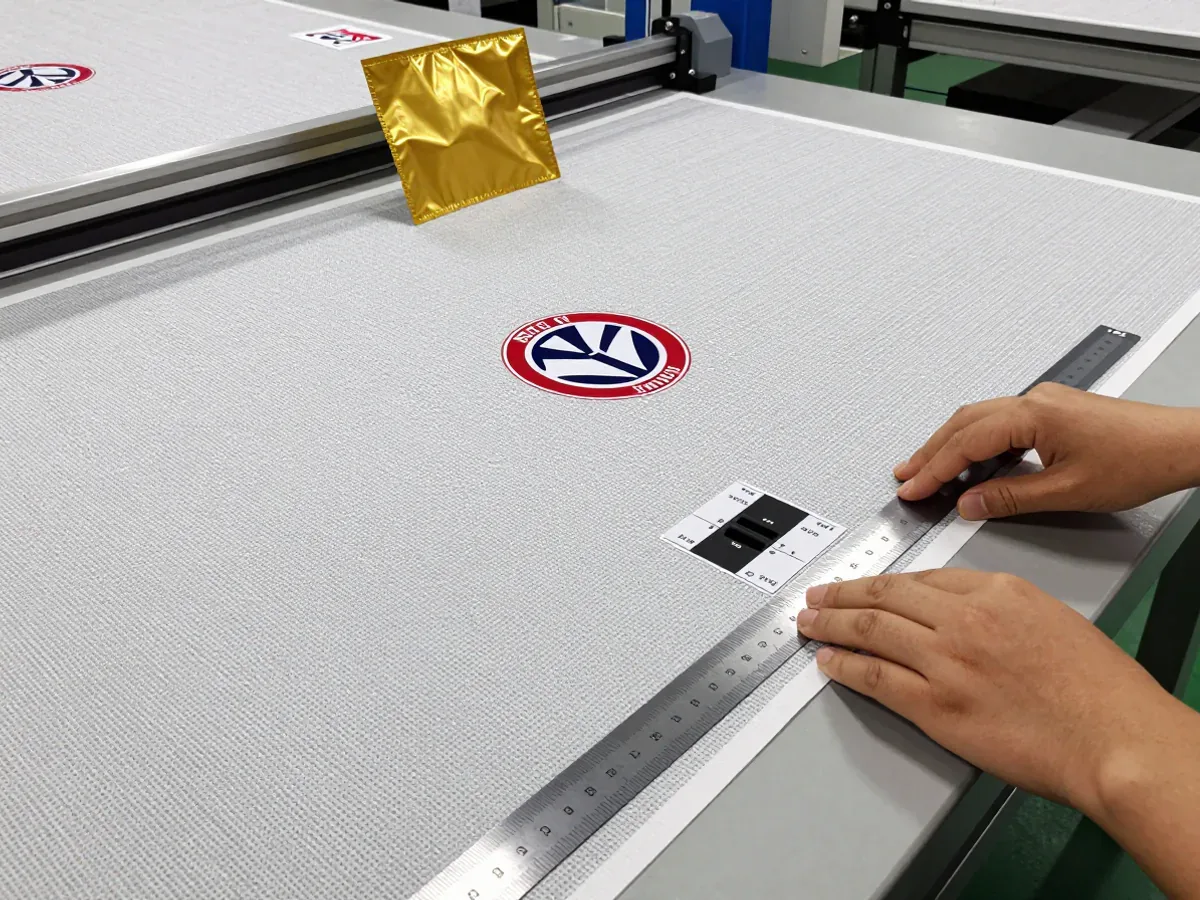
Cutting is fast, and print registration is the first thing speed erodes. On a logo with fine edges, a misalignment over 1.5mm is visible on shelf and will trigger a buyer rejection even if the bag's structure is sound. The control point is a golden sample kept at the station, plus a spot check pulled off the line at a fixed interval. For a 50,000-unit batch, a responsible factory checks every 200 to 300 pieces and logs the measurements.
The other risk at this station is colour. A pre-production sample signed off against a physical Pantone chip under D65 lighting gives the line a live reference. Without that sign-off, the factory interprets brand colours through its own CMYK profiles, and the drift only becomes obvious under boutique lighting weeks after the container leaves.
A buyer walking this station should ask two questions: where is the golden sample, and where is the registration log. If the sample is locked in an office and the log does not exist, the check is happening in someone's memory, which means it is not happening at all.
On the Sewing Floor, the Bartack Is the Quiet Failure Point

Handle tear-out is the defect that ends a retail bag's life, and the fabric is rarely the cause. Stress concentrates at the handle attachment point, and faulty bartack stitching there is the primary cause of failure. A box stitch that holds at rest can unravel under a 40kg dynamic swing, which is exactly the load a shopper applies when lifting a full tote.
The check at this station is a dynamic pull test on assembled units, taken to 150% of the rated load. Seam integrity belongs in the same pass: stitching density of at least 3 stitches per cm on woven PP, checked with a simple seam slippage gauge. Consistent tension is what prevents the hidden tear that only appears after the fifth use, long after the inspection report was signed.
Pull, seam strength and bartack are tested on every batch on a well-run line, and the moving bag range runs four checks per batch for exactly this reason. A buyer who sees no bartack data in the QC file should treat the handle as unverified, whatever the sample felt like in the meeting room.
At Final Inspection, AQL Is a Filter, Not a Quality System

The inspection plan is where most buyers place all their confidence, and where that confidence is most often misplaced. AQL sampling on shipping cartons is a statistically valid filter, but it draws from completed cartons, not just the top-layer bags a factory is happy to show. A 50,000-unit order at General Inspection Level II pulls 500 samples, and under AQL 1.5 up to 14 major defects can be accepted before the lot is rejected.
Choosing the level matters as much as running the inspection. AQL 2.5 major and 4.0 minor suits heavy-duty moving bags where functional strength outranks appearance. AQL 1.5 major and 2.5 minor is the entry level for private-label retail. AQL 1.0 major and 1.5 minor is the standard for premium retail and luxury packaging, where subtle registration shifts and shade mismatches become obvious on shelf.
Critical defects sit outside the table entirely. A single handle separation or a toxic ink trace means the shipment is quarantined, and no sampling plan dilutes that rule. The inspection should also include a functional weight test, loading random bags to the labelled maximum and suspending them for 30 seconds, plus a cosmetic sweep under 3000K LED lighting that mimics a boutique store.
AQL alone cannot carry the order. The inspection plan works when it is fed by upstream data: the incoming grammage and tensile record, the in-line registration log, the bartack pull results. An inspector holding only a finished carton is judging the last five percent of a process that started weeks earlier.
Before the Container Doors Close, Count and Carton Labels Get One Last Look
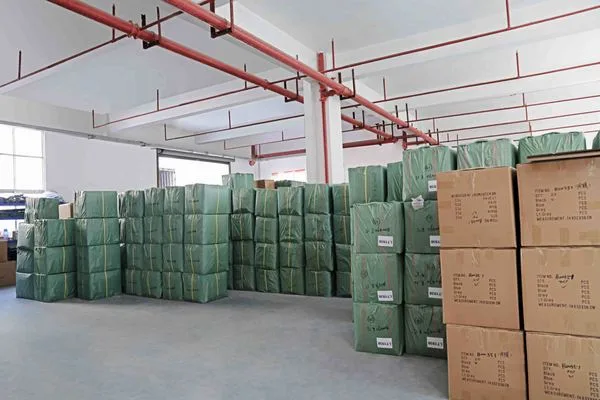
The loading bay is the last place a defect can be caught cheaply, and the checks here are unglamorous. Every order passes a final count before dispatch, and the carton label is the document that follows the goods into the retailer's warehouse. A polybag label that says one size while the carton label says another is a receiving dispute waiting to happen, and it is caught in seconds if someone actually reads both.
Carton condition belongs in the same pass. Compressed or damp cartons on the bottom layer signal a storage problem that will show up as creased bags on the shelf. A quick count against the packing list, a label cross-check, and a look at the bottom row take less time than opening a single dispute later.
What a Stable Defect Rate Looks Like Across Three Reorders
A single clean inspection proves little. The pattern across reorders is what separates a controlled process from a lucky batch. On a stable line, the defect types stay the same and the quantities fall: registration issues drop after the first run because the golden sample and the log are in place, and colour complaints fade once a sealed master standard swatch is retained from the first successful batch.
Defect rate trend monitoring makes that visible. A simple p-chart referencing the AQL acceptance number shows whether the actual defect count is drifting toward the limit before a lot fails. When colour issues appear in finished-goods data, the trace runs back to the ink viscosity log and the ambient temperature at print time, not to the inspector who missed them.
The loop holds only if both sides agree on metrics that update weekly rather than quarterly. A shared spreadsheet showing defect types, quantities, and root causes is enough. Three reorders of falling numbers on the same chart tell a buyer more about a factory than any audit report written in a single afternoon.
FAQ
What is an acceptable defect rate for custom retail packaging bags?
For consumer-facing retail packaging, a major defect rate under 1% is the usual target, achieved with AQL 1.0 or tighter. The AQL 2.5 level common on industrial cargo bags is too loose for packaging that sits on a boutique shelf.
How can I verify fabric GSM before production starts?
Require a pre-production sample and have the fabric grammage tested by a third-party lab. Mill certificates can show averaged values, so specify a tolerance of plus or minus 5% GSM in the purchase order and check the incoming lot against it.
Does AQL inspection catch print misalignment?
It can, if misalignment is classified as a major defect and the level is tightened to 1.0 or below. At standard AQL 2.5, subtle graphic shifts often pass because the defect has to be severe to count. A physical go/no-go overlay gauge at the inspection table removes the judgement call.
What usually causes handle tear-out in heavy-duty retail bags?
Faulty bartack stitching at the handle attachment point, not the fabric itself. Stress concentrates at that seam, so the stitch type and density decide whether the handle survives a loaded lift. Ask for pull test data on assembled units, not just on the fabric.
How do I keep color consistent across multiple batches?
Secure a Pantone shade, set a Delta E tolerance under 2.0, and approve a lab dip before dyeing. After the first successful batch, retain a sealed master standard swatch and compare every later run against it under D65 lighting.