
Cost figures and load benchmarks come from the archived handle article and the factory spec notes behind it.
On the sewing floor, the handle attachment is the slowest station and the one most often rushed. A double X-box takes longer at the needle than a single bartack, and the difference shows up months later on a client's hardwood floor. The bag that fails is rarely the one the crew expected to fail.
A torn handle looks like a bag problem. On a fleet's books it is a floor claim, a stalled crew, a replacement order and a repair attempt that never quite works. Four lines, and only one of them appears on the bag invoice.
The Four Lines on the Bill After One Handle Tears
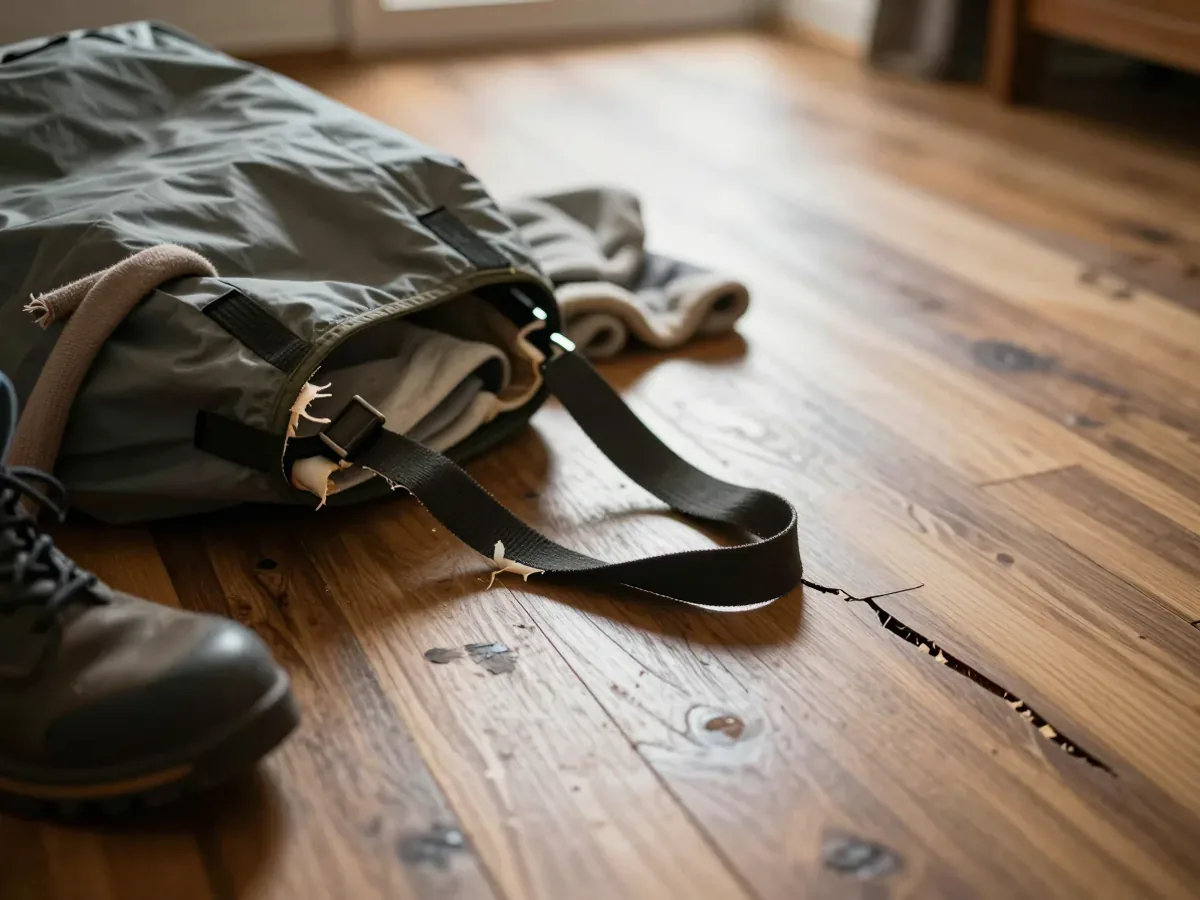
The first line is the floor. A loaded bag that drops splits open on impact, and the contents hit whatever surface is underneath. Hardwood repair runs from about $150 to $350 depending on the surface, and that figure comes from claims filed by mid-sized relocation fleets running a dozen or more crews. No procurement manager puts a floor repair line in the annual bag budget.
The second line is time. A failure costs the crew 30 to 45 minutes of non-billable labor while they document the damage and re-secure the load. Multiply that by a peak-season schedule and the lost billable hours start to rival the bag spend itself.
The third line is the replacement bag. Retail replacement runs $8 to $15 per unit, and nothing guarantees the new bag will not fail the same way on the next job. The fourth line is the repair attempt, which is where fleets quietly lose the most.
The Line Nobody Budgets: A Patched Bag on a Client Floor

Procurement teams try the repair route every year. A torn bag goes to a seamstress or under a household sewing machine, and the hope is that the re-stitch holds for one more move. It does not. Re-stitching through holes that are already perforated accelerates the tear, and the thread tension never matches the original factory bartack.
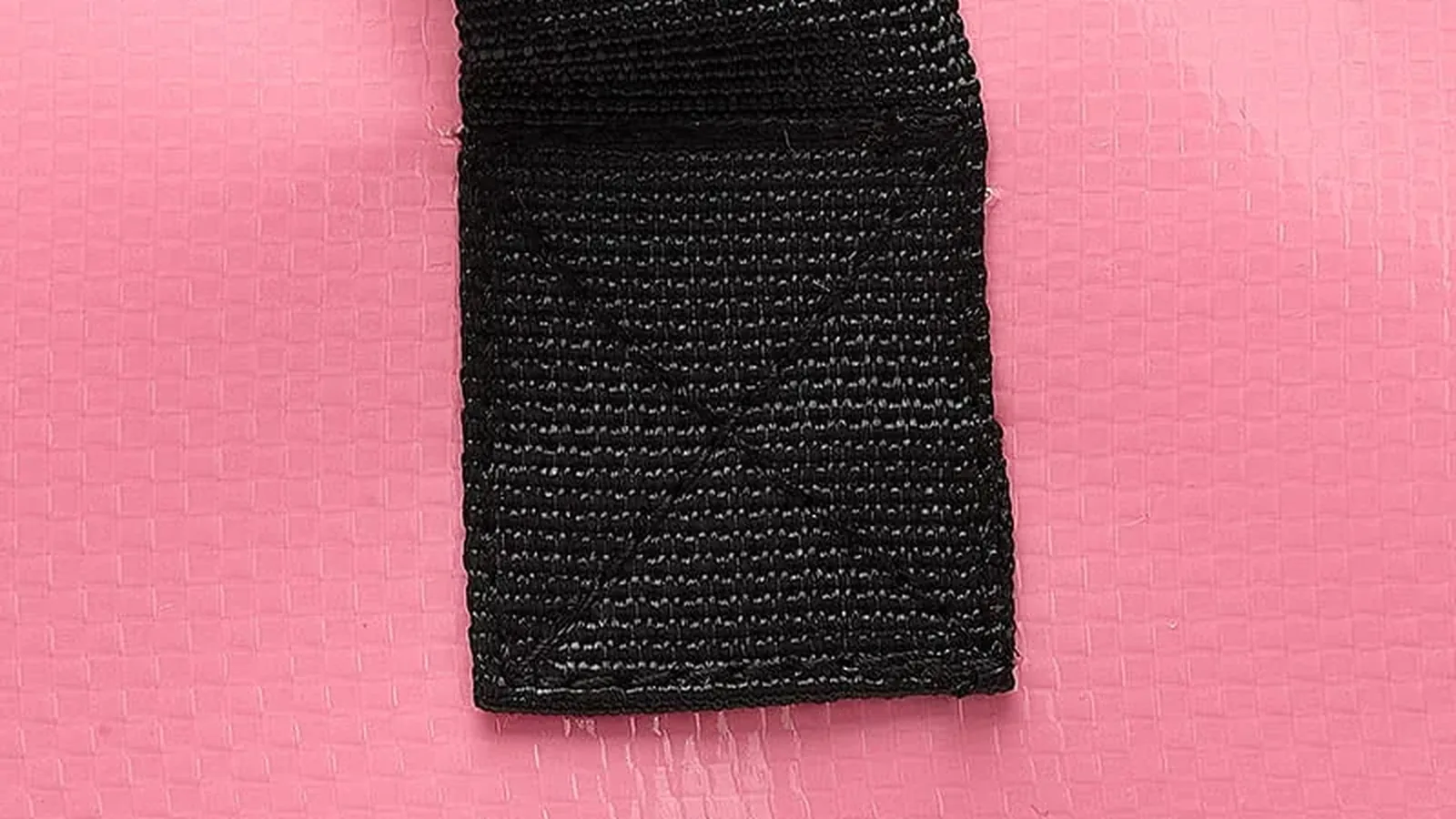
There is a structural reason repair shops cannot solve this. Standard retail bags stitch the webbing onto the front face of the fabric only. When the bag lifts, all the force pulls forward, and the thread cuts through the weave from the front. A home machine reproduces the same geometry, so it reproduces the same failure.
Every patched bag in a fleet is an uninsured liability walking onto a client's property. The cost does not show on any invoice until the day it does, and by then it arrives as a claim rather than a line item.
Why a Cheap Bag Costs More per Season Than It Saves

Field data points the same way again and again. Roughly 65 to 70 percent of moving bag failures trace to the handle attachment zone, not the fabric body and not the bottom seam. In failed units, the webbing itself is usually intact while the fabric around it has shredded. The thread held. The nylon did not snap. The bag wall simply could not distribute the load.
A single stitch line through thin 80 GSM woven polypropylene turns the bag wall into a perforated tear strip. Under a 50 lb static load, that handle shows hole elongation in under 60 seconds. Real moves add dynamic jerk loads, which roughly double the peak force on the stitch line.
The cheap bag is not cheaper per lift. It is cheaper per unit and more expensive per season, because the failure lands on the floor, the schedule and the client relationship rather than on the purchase order.
Running the Numbers on a 500 Bag Fleet
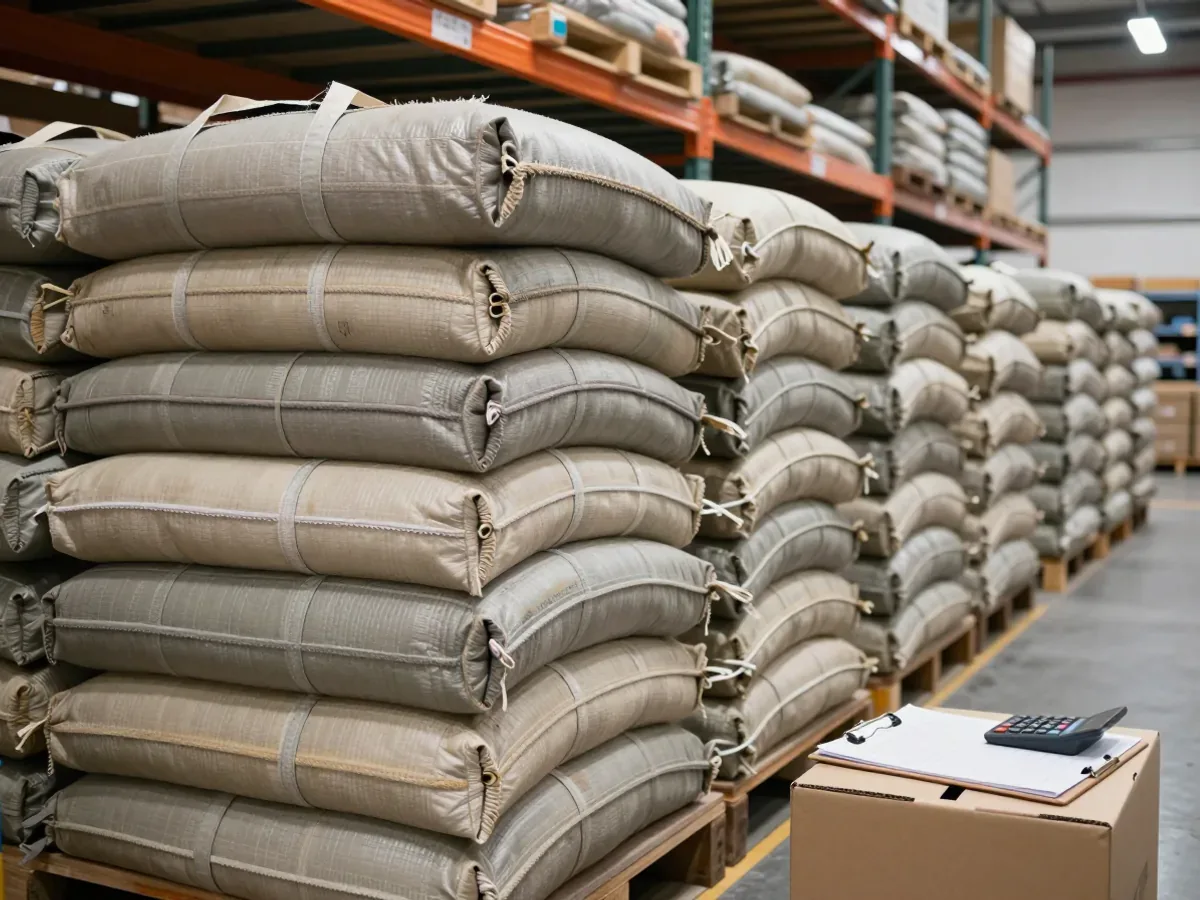
Take a fleet of 500 retail bags. If 65 percent fail at the stitch line over a season, that is roughly 325 handle failures. At $150 per floor claim, the exposure runs past $48,000 before a single replacement bag is counted. Add crew downtime and replacement units and the figure climbs.
Peak-season timing makes it worse. Most failures land during August moves, when crews rush and warm temperatures soften polypropylene. A bag that held fine in March gives out in July heat. Fleets that store bags in truck beds or outdoor cages add UV exposure on top of that.
Now price the alternative. A factory-direct reinforced bag at 500 MOQ runs $3 to $5 per unit with batch pull-test certificates and a 110+ lb dynamic jerk load rating. The gap between the two options is not the unit price. It is which side of the ledger absorbs the failure.
What the Handle Spec Should Say Before You Sign
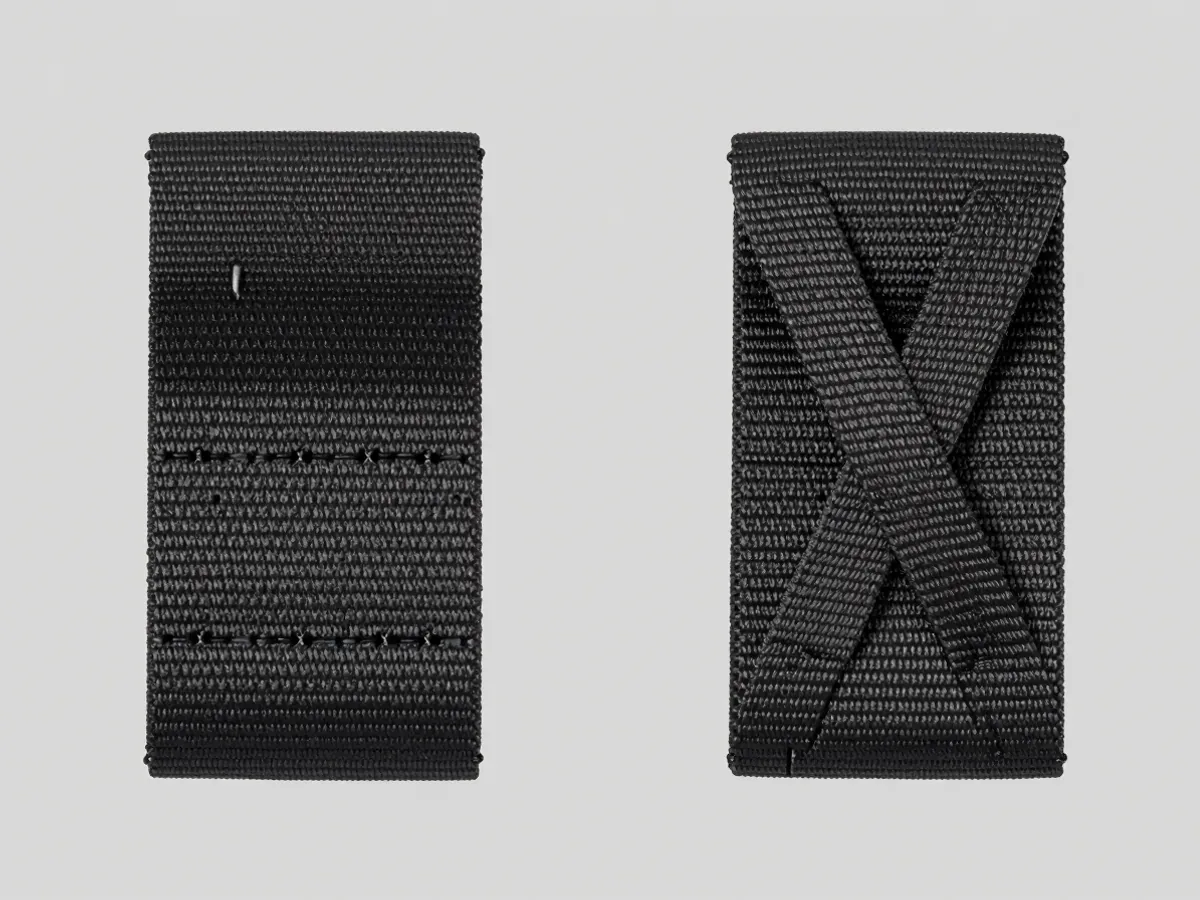
The handle is not the weak point. The stitch geometry is. A single bartack, the industry default, drives the full lift force into 8 to 10 insertion points along about 1.5 inches of fabric. That is a tight stress concentration on material the needle has already weakened.
A double X-box pattern on 3-ply webbing spreads the force across multiple anchor points. Add a 2 inch rear webbing overlap and the webbing wraps behind the bag wall, so the fabric no longer carries 100 percent of the lift. Force distributes across roughly 4 square inches of fabric-to-webbing contact, and a thermal-fused backing resists thread pull-through.
Fabric weight belongs in the same conversation. At 80 GSM, stitch holes start ovaling after 15 to 20 real moves. A 120 GSM body with the same stitch geometry holds past 80 lb static before measurable elongation begins. The extra 40 GSM is not padding. It is the material that keeps the holes round.
Webbing choice is a storage question as much as a strength question. Polypropylene costs about 40 percent less per yard than nylon and stays dimensionally stable when wet. Under 500 hours of UV exposure, though, PP loses roughly 70 percent of its tensile strength and turns brittle at fold points. Nylon retains more than 90 percent over the same exposure. A fleet that stores bags in sunlight is buying a different product than a fleet that keeps them indoors.
The Hang Test That Turns a Quote Into a Cost Estimate
A supplier quote becomes a cost estimate only after one bag has been loaded on a hook. The test needs a secure overhead hook, a luggage or platform scale, a caliper and about 120 lb of incremental weight. Water jugs work.
Hang the empty bag by one handle and measure the largest stitch hole at the webbing attachment point. Anything over 0.25 inch on a brand-new bag is already suspect. Then add weight in 10 lb steps, allowing 10 seconds for the fabric to settle after each step. Sudden drops double the peak force and can snap a weak stitch before the reading means anything.
Stop at 40, 60 and 80 lb to re-measure the largest hole. If elongation jumps by 0.2 inch in a single 10 lb step, the weave is slipping. A 120 GSM woven PP bag with 2 inch nylon webbing and double X-box stitching should show less than 0.25 inch elongation at 110 lb static and hold that load without tilting more than 15 degrees from vertical. Retire any bag immediately if webbing thread frays during the steps or the loaded bag tilts sideways.
Hole elongation does not creep gradually. Once a needle hole passes 0.5 inch, the surrounding yarns have lost about 40 percent of their interlock, and the next event is a full tear-out. That 0.5 inch line separates a safe bag from a dropped-suite claim.
What the Repair Question Really Asks
Crews ask whether a torn handle can be fixed with a sewing machine because the answer changes the budget. It cannot be fixed to a load rating. A home machine repair is a short-term patch, and the original needle holes remain the starting point for the next tear.
The same logic applies to weight ratings. A supplier who quotes static capacity has answered half the question. Dynamic load rating is what the bag meets when a crew jerks it onto a truck bed, and that is the number to confirm in the test report.
Nylon versus polypropylene comes down to where the bags live. Indoor storage favors PP on cost. Truck beds, outdoor cages and daily sun exposure favor nylon, because the strength retention gap over 500 UV hours is the difference between a handle that holds and one that cracks at the fold.
The Procurement Move That Pays for Itself
The next purchase order can carry three clauses that cost nothing to write. Require batch-specific pull-test certificates with a dynamic load rating, not a static one. Specify rear webbing overlap and double X-box stitching by name. Set a minimum fabric weight for the handle zone and ask for the GSM on the spec sheet.
Then run the hang test on the first carton that arrives, before the rest of the order goes into service. One bag, one hook and twenty minutes of loading will tell a fleet more about its season than any unit price comparison.
The money does not disappear when a handle rips. It moves from the bag budget into floor claims, crew downtime, replacement orders and patched bags that keep walking onto client property. A fleet that prices the handle correctly is not paying more for bags. It is paying once.






