Drawn from a legacy retail packaging article and current canvas tote specifications, reorganised around the questions merchandisers actually send.
A retail buyer lifted a printed tote from a display table, turned it over twice, and put it back with a comment that followed the sample all the way back to the factory: it looked expensive in the photo and cheap in the hand. The sample had passed every internal review. The print was sharp, the logo was centred, and the artwork file matched the approved proof. None of that mattered once the bag was lifted by someone standing in a store aisle.
That comment is where most packaging conversations actually begin. Buyers rarely open with a spec sheet. They open with a doubt, and the doubt usually has a physical cause. Below are the questions that tend to surface in order, and what a merchandiser can put on the table as evidence for each.
The Question That Started This: Can a Shopper Read It From Five Feet?

The first question is almost always about distance. A buyer walks to the far side of a shelf, looks back, and asks whether the brand name is legible from where a shopper actually stands. Most packaging is designed on a monitor at full screen, where everything reads clearly. At five feet, in a store with competing colours on both sides, the same design can dissolve into a blur.
The practical test is simple and costs nothing. Print the artwork at actual size, tape it to a bag body, and place the bag on a table. Step back five feet and look for two seconds. If the brand name is not the first thing the eye lands on, the hierarchy is wrong, not the logo.
High contrast between the mark and the background does more work than a larger logo. A dark mark on a light body or a bright block against a neutral ground shortens recognition time. Low contrast designs force the shopper to stop and focus, and a shopper standing in an aisle rarely gives a bag that courtesy.
What Does the First Three Seconds Actually Test?
Shoppers make a purchase decision in under three seconds based on visual hierarchy alone. That number gets quoted often, and it is worth unpacking because it changes what a buyer should check. Three seconds is not enough time to read a tagline, compare materials, or notice a subtle texture. It is enough time to register a shape, a colour block, and a name.
So the first three seconds test recognition, not persuasion. A bag that requires the shopper to walk closer has already lost the moment the decision happens. This is why the strongest retail packaging tends to be legible before it is clever. The clever details can live on the second look, once the bag is in hand.
For a merchandiser reviewing a sample, the useful exercise is to place it among other bags rather than alone on a desk. Isolation flatters every design. A shelf is a crowd, and the question is whether the bag holds its own inside that crowd.
Why Does a Premium Print Look Cheap on a Flimsy Bag?

A premium print on flimsy material destroys the illusion. Creased fabric or a crushed body signals cheap even when the logo is perfect, because the shopper reads the material before reading the artwork. The eye notices a wrinkle, a sag, or a soft edge faster than it notices a well-set typeface.
This is the gap between a photo shoot and a supply chain. Agencies design for the image. The bag has to survive a store, a lift, a car boot, and a kitchen counter. A body that creases on the shelf reads as low quality regardless of what was paid for the print.
The material choice sits at the centre of this. A canvas retail bag is specified by canvas weight, handle style, size, and a natural or dyed colour, and those four decisions determine how the bag behaves in the hand. Weight and handle style do more for perceived quality than most artwork revisions.
Handle stitching matters just as much. Reinforced handle stitching keeps the bag from tearing at the point where a heavy load pulls hardest. A bag that fails at the handle erases whatever the print achieved, and it does so in front of the customer.
Which Comes First, the Artwork or the Handle Stitching?

Buyers often assume artwork comes first and construction follows. In practice the two have to be settled together, because the handle position and the stitching line decide how much clean space the artwork gets. A design that runs into a reinforced stitch line looks accidental, no matter how good the file is.
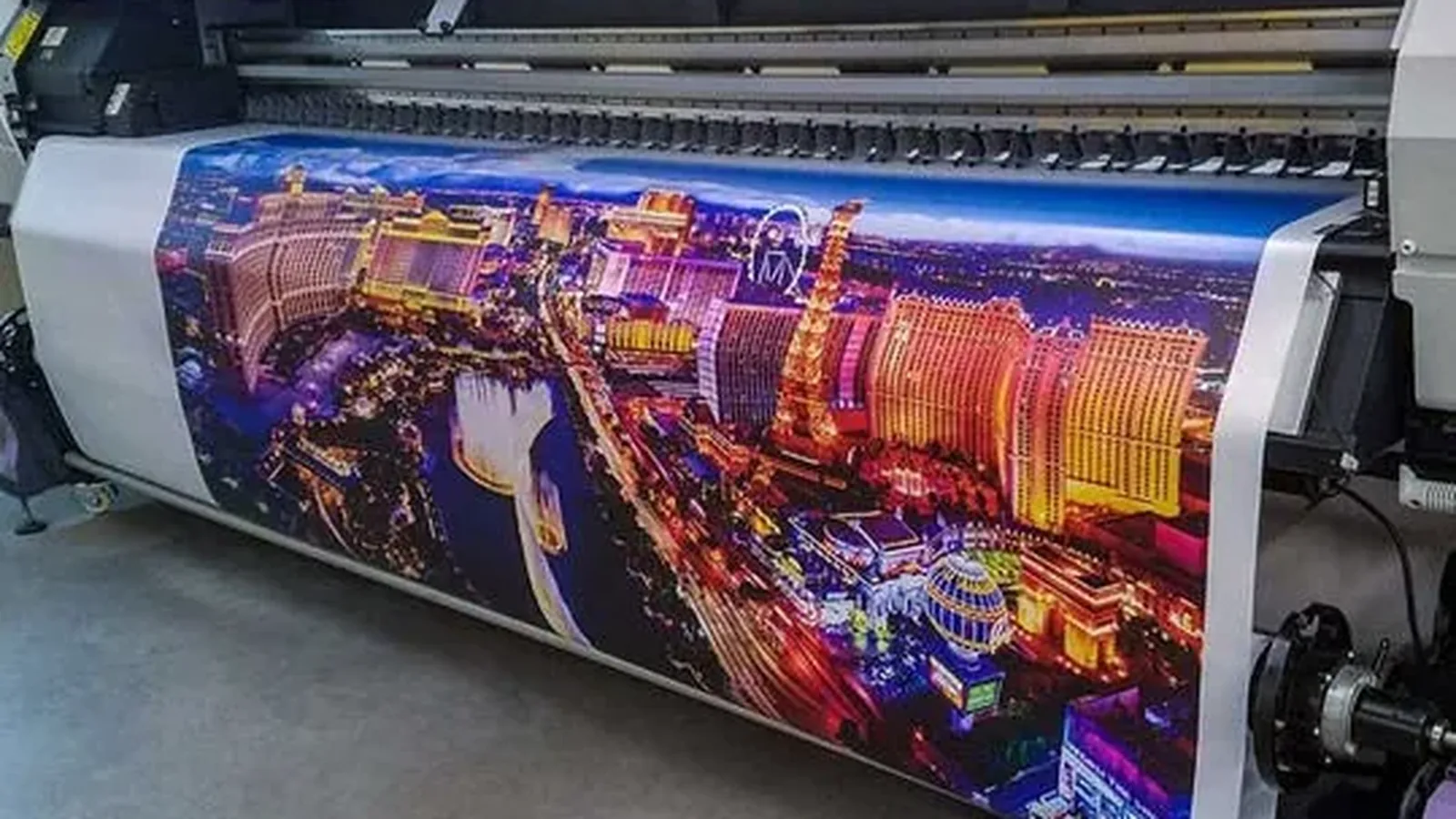
The print route also constrains the artwork. Screen print, heat transfer, or a woven label each hold detail differently, and the choice is proofed before production. A fine gradient that works in a digital file may need a different route on a woven surface. Settling the route early prevents a late redraw.
There is a sequence that holds up in practice. Fix the canvas weight, handle style, size, and colour first. Then choose the print route and proof it. Then approve the print or woven label before the run. Artwork approved against the wrong construction is the most common reason a sample comes back looking off.
How Do You Prove the Colour Before the Full Run?

Colour is where buyers ask for proof rather than promises. A screen shows one thing, a proof shows another, and a production run can drift from both. The question a buyer should ask is not whether the colour is right but how it will be checked before the full run starts.
Stock colours can be swapped for a Pantone match, which gives both sides a shared reference instead of a description. That reference is what the proof is measured against. Without it, approval becomes a matter of opinion, and opinions shift between the sample room and the line.
The proof itself should be a physical piece, not a PDF. A printed or woven label approved before the run is the document that protects both buyer and factory. If the label is approved on a screen and the run goes ahead, there is nothing to compare against when the cartons arrive.
What Happens to the Bag After It Leaves the Store?

A box goes into recycling and stops carrying the brand. A tote leaves the store with the customer and keeps working, which changes how a buyer should judge it. The bag is no longer packaging at that point. It is a object that gets used in public, and its condition becomes part of the brand's impression.
That lifecycle is why durability belongs in the design conversation rather than the logistics conversation. A bag that holds a full load of groceries and survives repeated use keeps the logo in circulation. A bag that tears on the first heavy lift removes it. The same print can produce either outcome depending on construction.
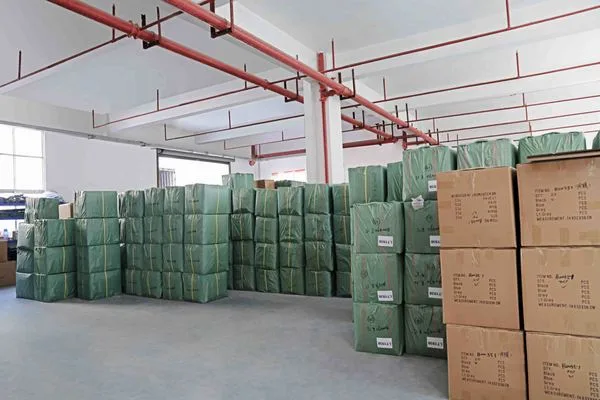
Packing format also shapes what the customer receives. Orders can run as a polybag, a hang tag, a retail carton, or a per store packing list, and each format changes how the bag arrives and how much handling it takes before it reaches the shelf. A buyer planning a multi store rollout should settle this early, because per store packing lists affect the whole dispatch schedule.
The Question Buyers Have Not Asked Yet
The questions above cover the shelf, the hand, the colour, and the run. The one that tends to arrive late is about accountability across those stages. A buyer can approve a proof, a label, and a packing list and still receive cartons that do not match, because each approval lived in a different conversation.
An order that moves through four stations, each with a named person, and does not advance until the stage check is signed, closes that gap. The signature is the evidence. It means the colour was checked against the approved label, the stitching was checked against the approved construction, and the packing was checked against the store list before anything shipped.
The question worth asking before the next order is therefore not about the design at all. It is about who signs at each station and what happens when a check fails. A buyer who knows the answer has something stronger than a good sample. They have a reason to trust the run that follows it.
FAQ
Can stock colours be matched to a Pantone reference?
Yes. Stock colours can be swapped for a Pantone match, which gives the buyer and the line a shared reference for approval.
Does a new bag size require a fresh sample round?
A new size takes one sample round. The construction and print route can carry over, but the size change needs its own sample before the run.
What packing formats can a retail order ship in?
Packing can run as a polybag, a hang tag, a retail carton, or a per store packing list, depending on how the order is being distributed.