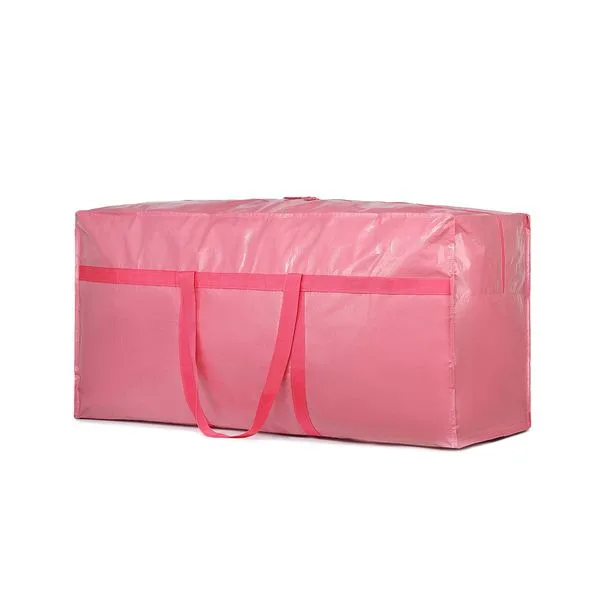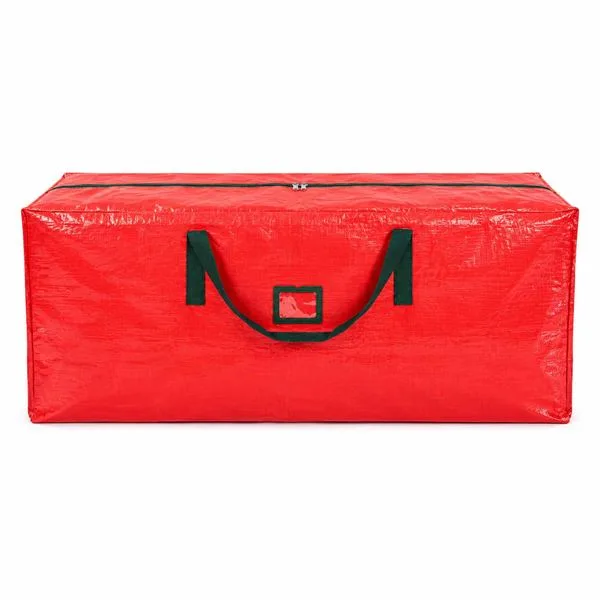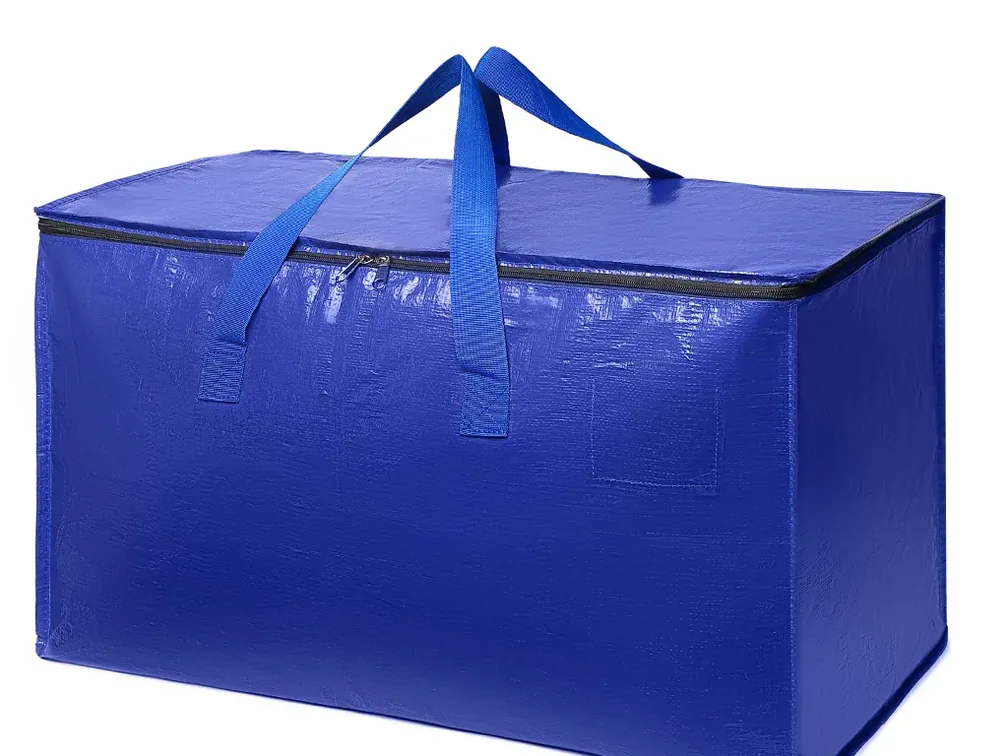
Based on state carryout bag rules, reusable bag definitions, and production specs for reusable shopping bags.
A retail buyer in the Pacific Northwest opened three quotes for the same reusable tote and found a spread of nearly forty percent between the highest and the lowest. The cheapest quote came from a supplier who had never asked which states the chain operated in. Six months later, that same buyer was paying a second time for new artwork, new labels and a rush reprint, and the original savings had disappeared.
Compliant bag programs rarely fail on the price of the bag itself. They fail on the costs that sit around the bag: the state you did not plan for, the label you approved too early, the verification you paid for twice. Breaking a program into its cost lines is the only way to see which money is doing work and which money is being spent again.
The four lines that show up on every compliant bag quote
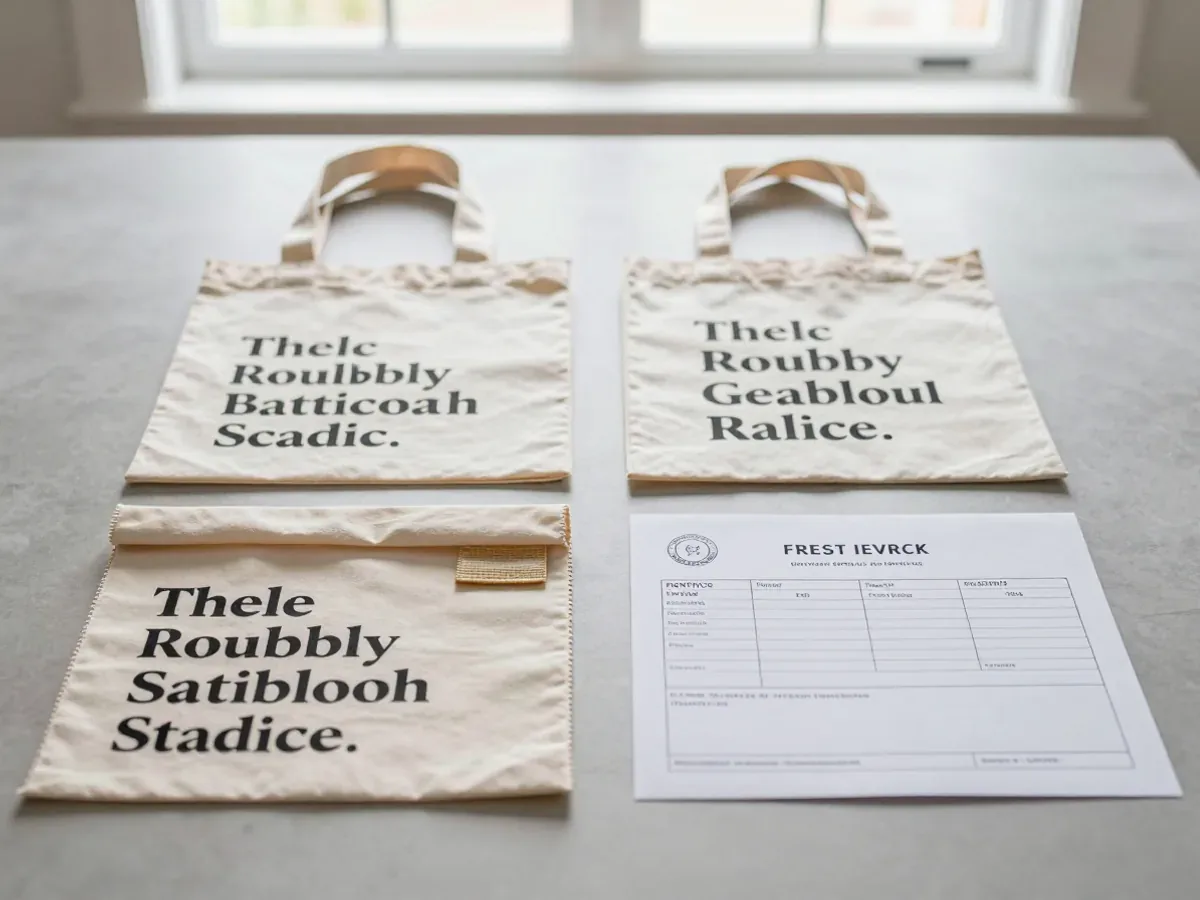
Most quotes for a compliant reusable bag arrive with four visible lines. The first is the bag body: fabric, construction, handles and stitching. The second is decoration, whether screen print, heat transfer or a woven label, all proofed before production. The third is packaging and carton marks, which can run per store, per listing or per pallet. The fourth is freight and duty.
The bag body line is where suppliers compete hardest, and it is the line buyers scrutinise most. A bag built for a stated number of reuses needs handles stitched to carry weight rather than simply close the seam, and that stitching costs more than a decorative handle. The gap between two quotes on this line is often a gap in construction, not a gap in margin.
Decoration is the line that gets underestimated. A woven label carries the reuse claim, the material statement and the retailer brand in one place, and it has to be approved before the run. Screen print is cheaper per unit but locks the artwork earlier. Both are legitimate; they simply move cost to a different point in the calendar.
The hidden cost that only appears when your footprint crosses a state line

A chain that operates in one state can build one bag and be finished. A chain that operates in six states inherits six definitions of what a reusable bag is, and those definitions are not identical. Rules differ on which bags are restricted, on fee structures, on reusable bag definitions and on recycled content minimums.
The strictest state in a footprint usually becomes the program standard, because a bag that clears the strictest definition clears the looser ones. That decision is cheap when it is made before the purchase order and expensive when it is made after. A bag designed for a lenient definition may lack the recycled content minimum or the labeling detail another state requires, and the fix is a new run.
There is also a structural cost that never appears on a quote: the compliance file. Each state needs its own record of the standard, the fee level and the documentation behind the bag. Building that file once is administrative work. Rebuilding it because nobody kept the source pages is a cost that repeats every legislative session.
What a labeling change costs after the artwork is already approved

Artwork approval feels like the end of a process. In a multi-state program it is closer to the middle. A label that satisfies one state's wording may not satisfy another's, and the discovery usually happens when a store in the second state receives its first carton.
The visible cost is a reprint of labels or a re-run of printed bags. The larger cost is the calendar. Print or woven label artwork is approved before the run, and once a run is scheduled, a label change pushes everything behind it: production slot, inspection, freight booking and the in-store date. A buyer who has already promised a launch date now pays expedited freight to protect it.
There is a cheaper sequence. Confirm the labeling language for every state in the footprint before the label artwork is signed off, not after. The supplier can proof a label as fast as a print, and the proofing step is where wording problems are cheapest to catch.
Why the cheapest compliant bag can cost more per session
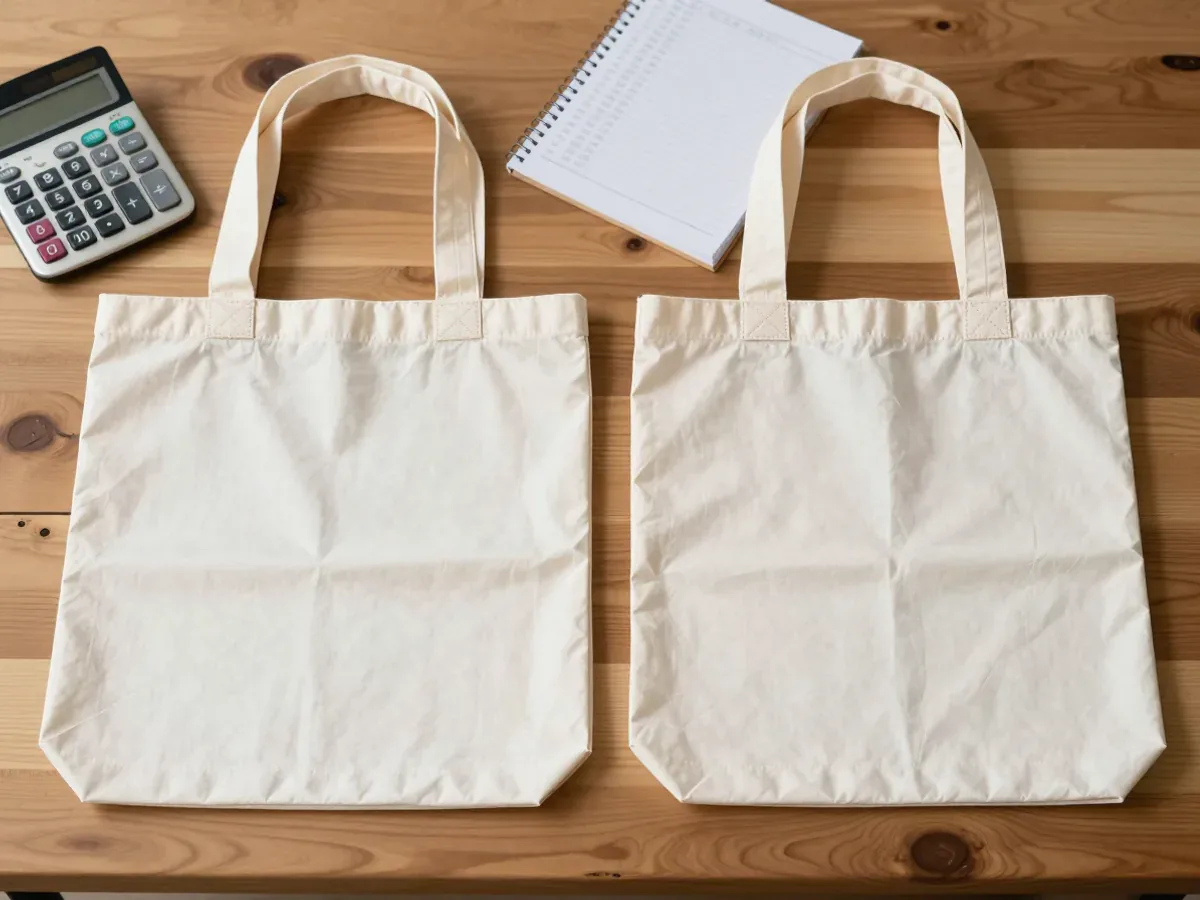
A bag priced at the bottom of the range usually wins on the body line and loses somewhere else. Sometimes it loses on reuse capability, which means it is replaced sooner. Sometimes it loses on handles, which means it is returned or refused at the till. Sometimes it loses on documentation, which means the retailer carries the verification cost instead of the supplier.
The right comparison is not cost per bag but cost per shopping session the bag survives. A bag built for a stated number of reuses and tested for pull, seam strength and bar tack on every batch is designed to reach that number. A bag that is compliant on paper but untested in batch is a gamble on the same number.
This is where the cheapest quote stops being cheap. If a bag fails at half its stated reuse life, the program buys twice as many bags, pays twice for decoration and twice for freight, and the per-session cost doubles while the per-bag price stays low. The quote looked better because it measured the wrong thing.
How to calculate the real per-store cost of a modular assortment

A resilient assortment is modular, and the modules carry different cost profiles. The core is a compliant reusable tote built to the strictest state standard in the footprint, stocked in neutral colors, legal everywhere and easy to brand. The middle is paid paper or a heavier handled option where a state allows it. The edge is promotional and event totes, which sit outside checkout restrictions in most cases.
Per-store cost is the sum of those modules weighted by how many units each store actually moves. A store in a restriction state will push the core tote hard and may barely touch paper. A store in a state without a checkout restriction may sell mostly paper and treat the tote as an upsell. Averaging the two hides the real number.
The calculation that works is per store, per module, per session. Take the units a store sells in a month, divide by the sessions those units serve, and multiply by the landed cost of each module. Neutral colors on the core module reduce the number of SKUs a store has to carry, which reduces the carton mark complexity and the receiving errors that come with it.
The file that stops you paying for the same verification twice
Legislation moves in sessions, so the tracking rhythm is seasonal. After each legislative session, and before any major program reorder, the state primary source pages need re-checking. California's recycling and waste agency, CalRecycle, publishes the state's carryout bag requirements including the reusable bag standard, and each restricting state publishes its own.
A compliance file per state turns that seasonal check into a fifteen minute task instead of a research project. The file holds the current standard, the fee level, the labeling requirement, the recycled content minimum where one applies, and the documentation behind the bag that was approved against it. When a session ends, the buyer updates the pages that changed and leaves the rest alone.
Without the file, the same verification gets purchased repeatedly. A new sourcing manager re-researches the standards. A new supplier re-proves the same construction. A new state entry triggers a fresh review of bags that were already cleared elsewhere. The file is the cheapest item in the program and the one most often skipped.
What to fix in the next purchase order before the session closes
The purchase order is where the cost decisions become irreversible. Before it is signed, four things are worth confirming in writing. The first is the state list, current as of the most recent session, with the strictest standard named as the program standard. The second is the labeling language per state, confirmed before label artwork approval rather than after.
The third is the batch test record. Pull, seam strength and bar tack tested on every batch, with fabric, webbing, zips and thread checked against the approved spec, gives the buyer a document that answers a compliance question months later. The fourth is the carton mark scheme, set per store, per listing or per pallet so receiving does not create its own rework.
None of these four adds a line to the quote. Each one removes a line that would otherwise appear later as a reprint, a re-run, a rush freight charge or a repeated verification. The money in a compliant bag program goes to the bag, the decoration, the freight and the file, and the programs that stay on budget are the ones that decided all four before the first carton was sealed.
FAQ
Do promotional and event tote bags fall under checkout bag restrictions?
Checkout restrictions generally target carryout bags at the point of sale. Promotional and event bags sold or given outside checkout usually fall outside them, which is why a modular assortment can carry a compliant core tote alongside lighter event totes without treating them as the same product.
How often should a retailer re-verify reusable bag compliance?
After each legislative session and before major program reorders. Re-check the state primary source pages, update the compliance file per state, and confirm the reusable bag standard and fee levels have not moved. A mid-session check is only needed when a new state enters the footprint.
Can one reusable bag design satisfy every state in our footprint?
Not automatically, because rules differ on restricted bags, fee structures, reusable definitions and recycled content minimums. A design built to the strictest state standard in the footprint usually satisfies the rest, provided the labeling language is confirmed for each state before the artwork is approved.