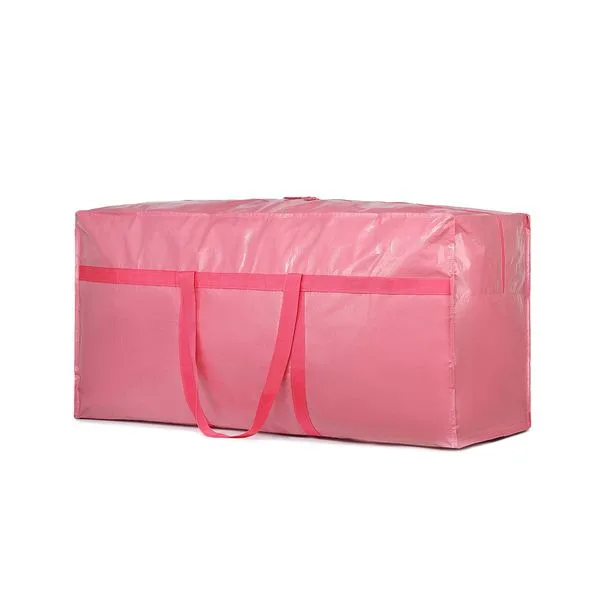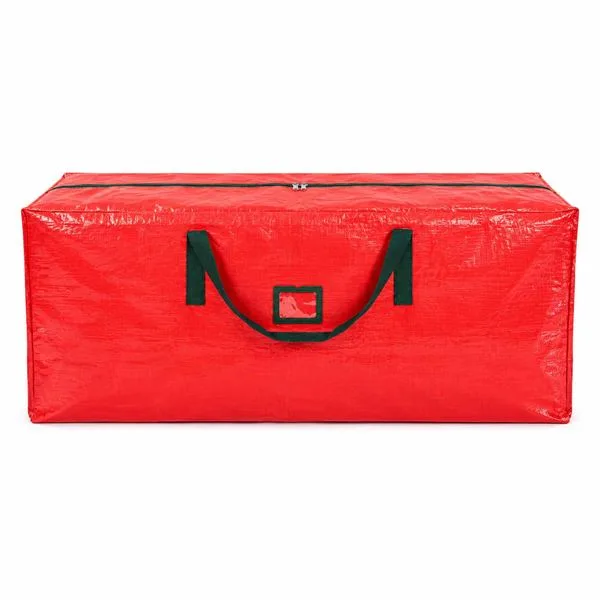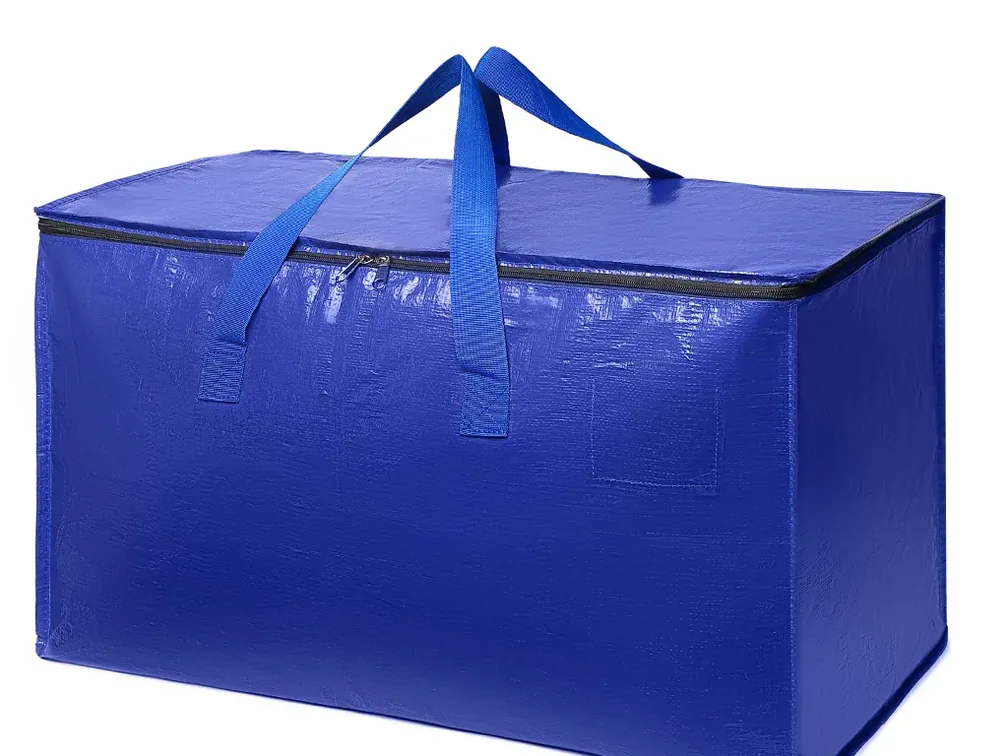
Drawn from legacy TIIOCTI articles on reusable heavy duty moving bags and the factory specification data behind them.
Two years after a relocation contractor switched a third of its fleet to woven moving bags, the procurement manager pulled the cycle report and found a number she could not explain. The bags were holding up. The loop was not. Her question, asked in a meeting that had already run twenty minutes long, was simple: how does the buyer know a reuse program is actually working before the money is spent?
That question sits behind every reuse conversation. The arithmetic for heavy duty moving bags looks clean on a spreadsheet, and the gap between knowing and doing is filled with bad supplier samples, failed pilot programs, and inventory that walks away. What follows are the questions a logistics procurement manager should press on, in the order they tend to surface, and the evidence that answers each one.
The Question That Starts Every Reuse Conversation
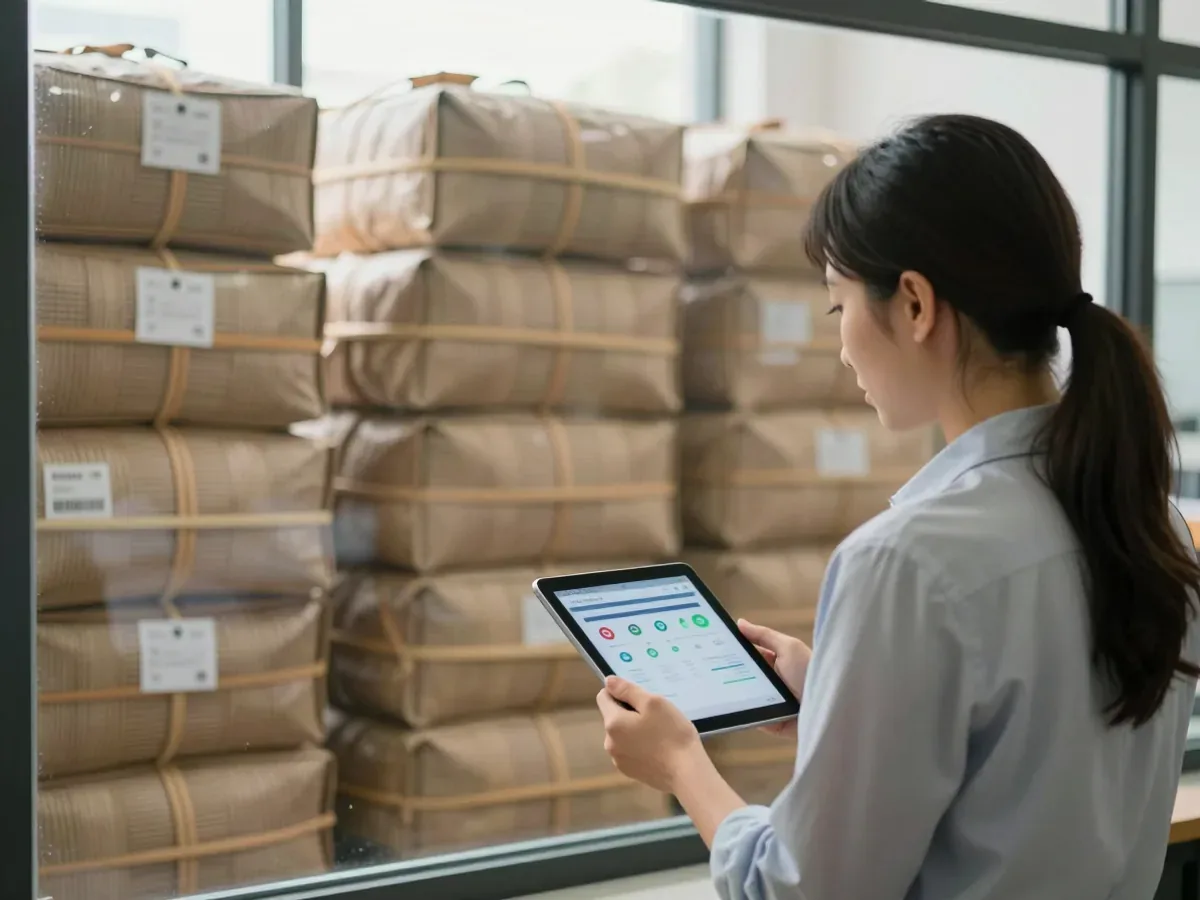
The first question is usually framed as cost: what does a bag cost per move compared with a cardboard box? The honest answer is that the unit price comparison is the least useful number in the room. A reusable woven PP bag carries a higher sticker price than a single box, and that comparison tells you almost nothing about the loop.
The number that matters is cost per completed trip, and it depends on the number of trips the bag actually makes. Break-even on reusable bags lands at roughly seven moves once labor and storage are counted. Every cycle after that is margin. A bag that survives 300 cycles and a bag that disappears after 12 produce wildly different economics from the same purchase order.
So the opening question should be reframed before any quote is requested: not what does a bag cost, but what does a trip cost at the cycle count the line can realistically sustain. That reframing is what separates a procurement decision from a purchasing decision.
How Many Trips Before the Bag Pays for Itself?
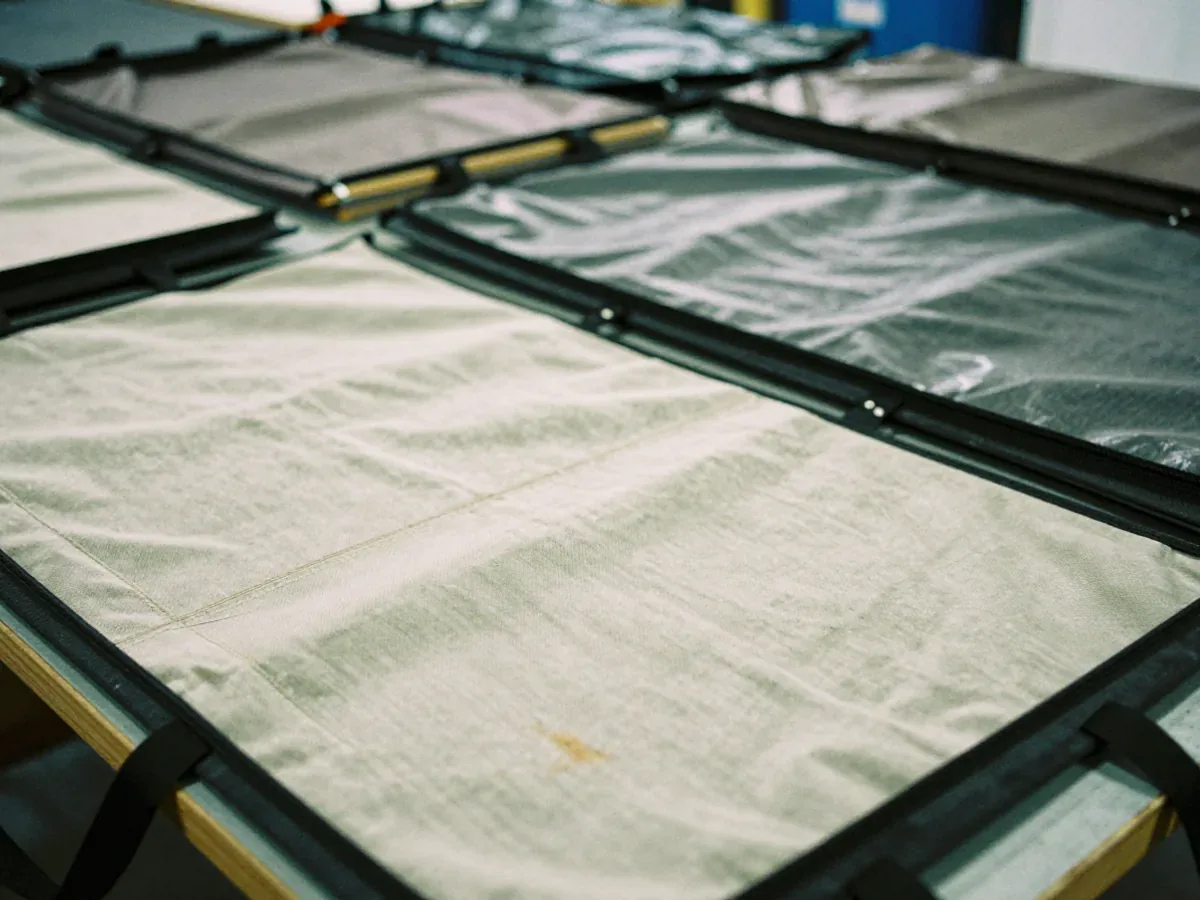
A 500-cycle lifespan is the headline figure for a well-built woven PP bag, and it is a design target rather than a promise about any individual bag. The useful planning number is lower. Direct material break-even arrives after about 1.3 uses. Once folding labor, storage space, and washing are added, the crossover sits near seven cycles.
That gap between seven and 500 is where the business case lives or dies. A program that averages 48 cycles per bag has a strong case. A program that averages 12 cycles barely clears the environmental break-even and erases most of the financial argument. The bag did not change between those two outcomes. The loop did.
Procurement teams should therefore ask a supplier for the construction details that support cycle life, not just a cycle claim. Reinforced webbing that runs the length of the opening rather than stopping at the handles addresses the point where loaded bags usually fail. Double-stitched handle attachments and a tested seam matter more to trip count than a glossy data sheet.
What Burst Strength Should a Reuse Bag Carry?
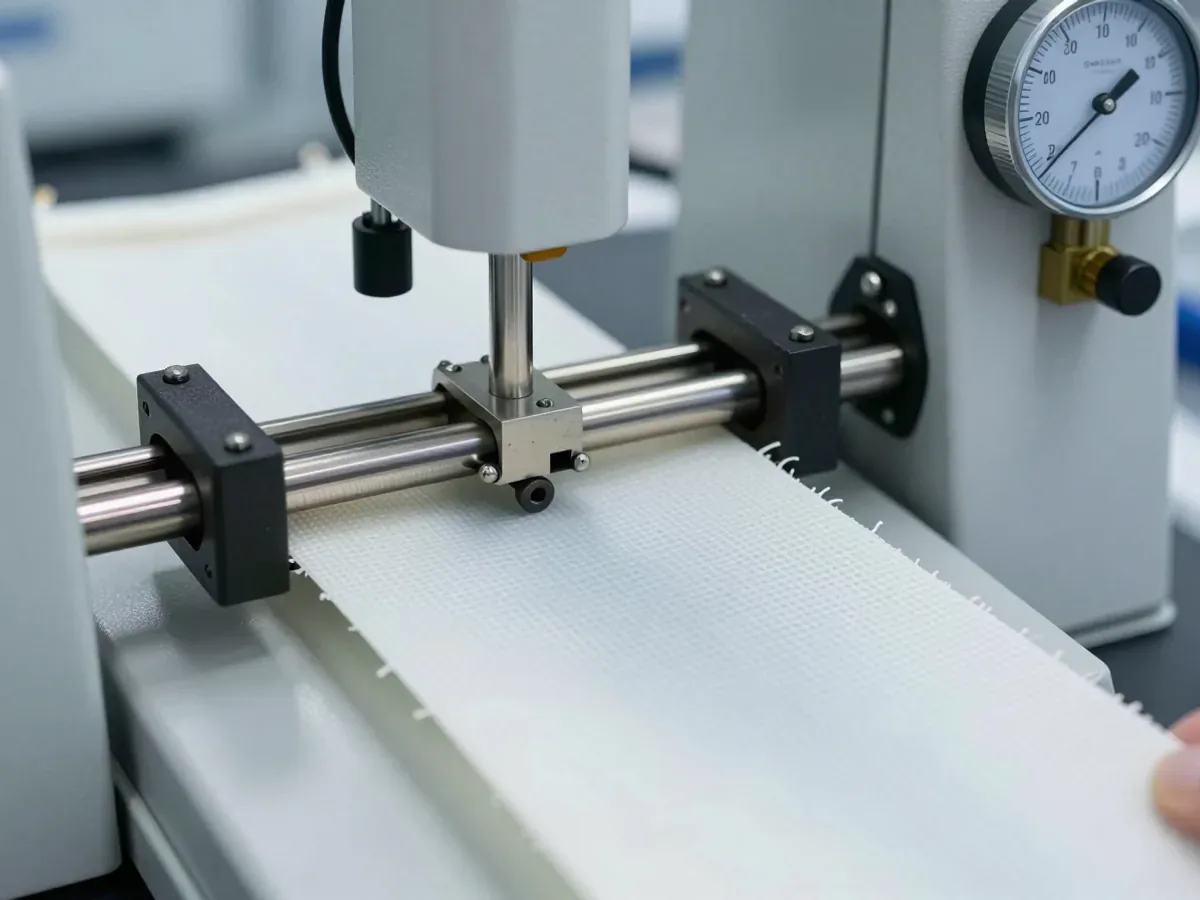
Burst strength is the specification most often quoted and least often verified. A reasonable floor for heavy duty moving bags is 1200N measured under ASTM D5034, the standard test for fabric rupture force. Bags below 800N tend to fail before 50 cycles under real logistics handling.
The test report should arrive before the purchase order, not after the first complaint. Ask for the report per batch, and ask what happens to the batch if the number drifts. A factory that tests pull, seam strength, and bar tack on every batch can show a record rather than a single certificate from a good month.
Two more checks belong in the same conversation. A 5% QC sample hold on each batch gives visibility into consistency, because a batch with no hold offers no way to see whether the fabric changed. And the incoming fabric, webbing, zips, and thread should be checked against the approved spec before cutting begins. Without that, the burst number describes a sample, not a production run.
Why Do Bags Disappear Before They Wear Out?
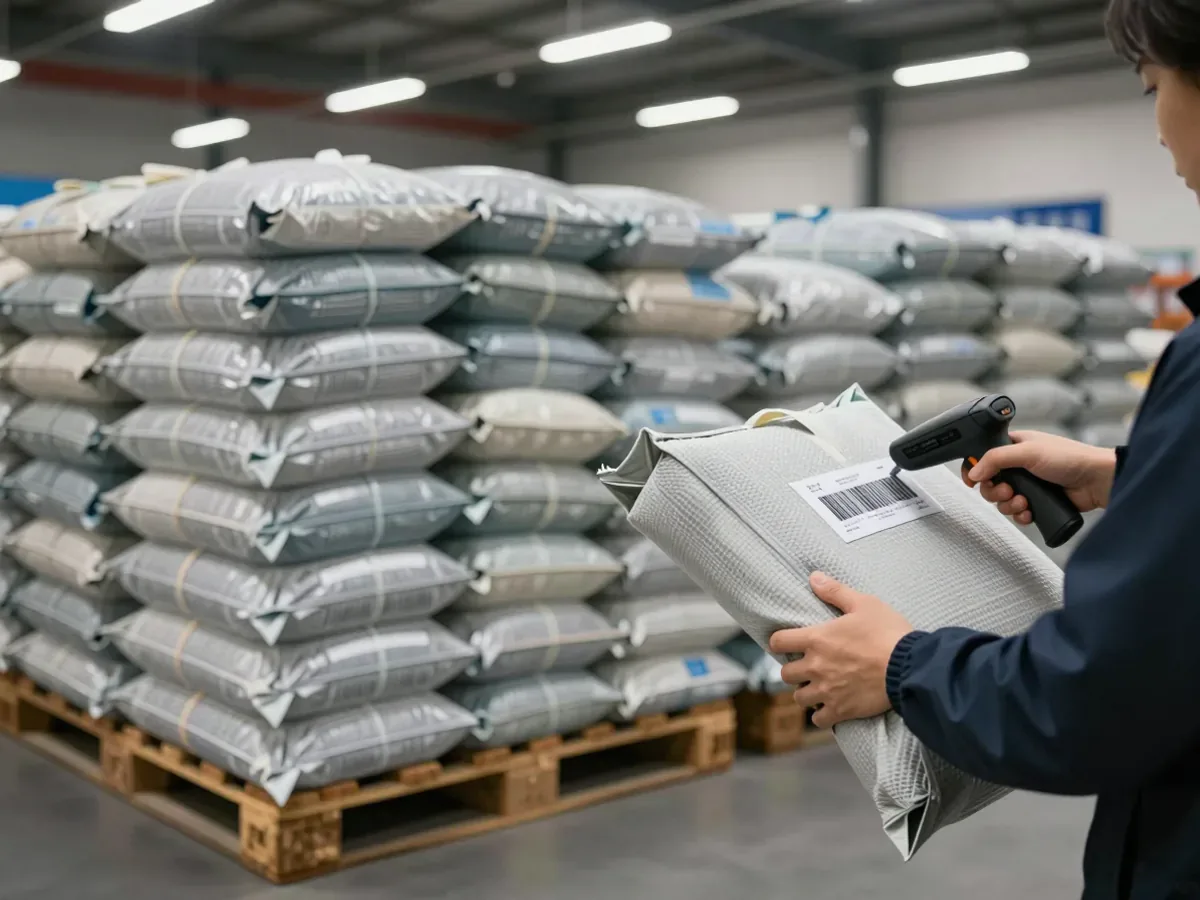
Loss, not wear, is the quiet killer of reuse economics. Programs without tracking commonly lose a large share of inventory in the first year, and the average bag gets used only about 12 times before it is lost or discarded. At that rate the environmental case barely holds and the financial case collapses.
The fix is unglamorous. Barcode each bag and scan it at dispatch and at return. A scannable label linked to a simple inventory record turns a pile of bags into a tracked asset, and the difference is measurable. One relocation operation raised average reuse from 12 to 48 cycles after putting barcodes and a reverse logistics loop in place.
The design details support this discipline. A bag that is easy to fold, stack, and count comes back more reliably than one that is awkward to handle. Five sizes sharing one construction let a fleet mix capacities without mixing quality, which keeps counting and replacement simple as the program grows.
What Does a Pilot Need to Prove Before Scaling?
A pilot order of 500 bags, not 5,000, is the right size to expose supplier quality before a larger commitment. The pilot is a validation window: it confirms whether the bag survives the buyer's actual loading, handling, and storage conditions rather than a lab's.
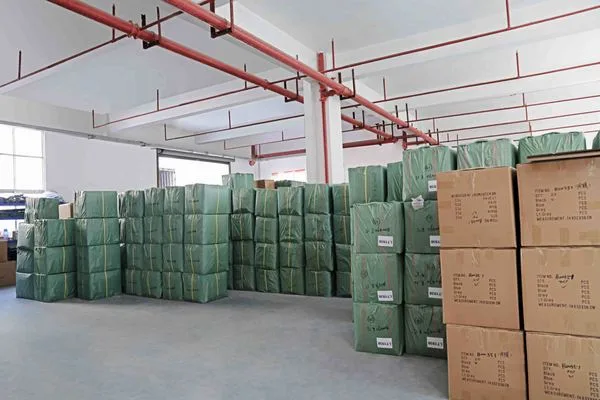
Four things should be proven before the pilot ends. First, the burst strength report per ASTM D5034 meets the agreed threshold. Second, the QC sample hold exists and the retained samples match the shipped batch. Third, the bags arrive undamaged, which means specifying palletized bags with corner protectors and stretch wrap so loose cartons do not crush them in an LCL container. Fourth, the seam and handle record from the factory covers the pilot batch.
A pilot that passes those checks gives a buyer the confidence to negotiate tiered pricing at volume. A pilot that skips them produces a warehouse full of bags nobody can defend when the first seam splits.
How Should the Loop Be Washed and Stored?
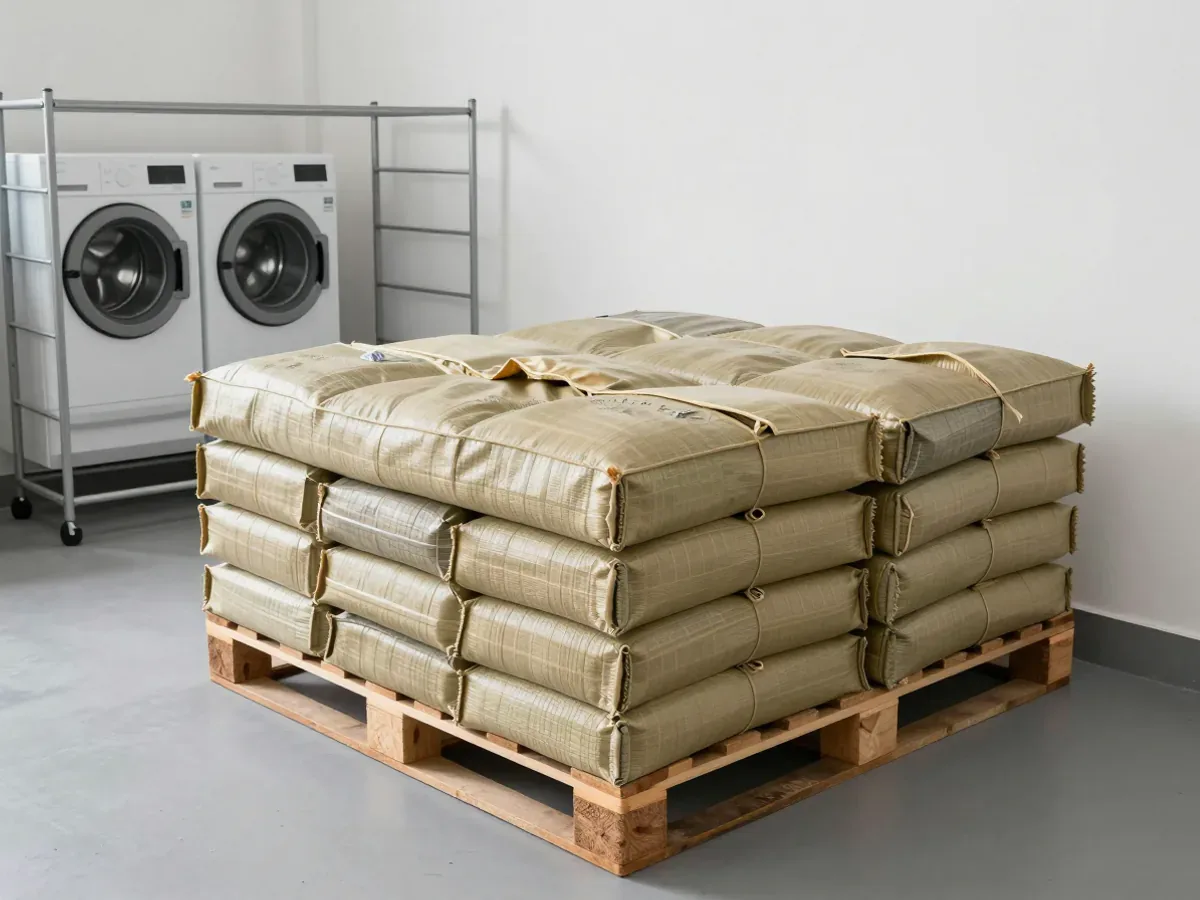
Washing and storage decide how long a bag stays in service, and they are usually planned last. A simple industrial washer with mild detergent and air drying removes dirt and odors that shorten bag life. Between trips, a bag should be wiped clean and dried before it is stored for the next use.
Storage is a space question as much as a cleanliness one. A pallet of collapsed reusable bags occupies a fraction of the cubic volume of the same payload in assembled cardboard boxes, which is one reason the switch frees warehouse space and truck capacity at the same time. That advantage only holds if the bags are actually collapsed and stacked rather than left in heaps.
The loop also needs a return path. Bags that leave a site and never come back are a cost, not an asset. Washing stations and storage points should be mapped before the bulk order lands, not after the first month of losses.
The Question Buyers Ask Last, and Should Ask First
Near the end of every evaluation, someone asks about the warranty. A 12-month workmanship warranty against seam splitting and handle detachment is standard from a confident factory. A shorter term deserves a direct question about why.
The warranty question should move to the front, because it reveals how the factory thinks about its own construction. A supplier that tests pull, seam strength, and bar tack on every batch, records a static pull on each handle, and drops a loaded bag on a corner before shipping is a supplier whose warranty means something. A supplier that offers a certificate and nothing else is offering a document.
The question buyers should ask first is the one that ties all the others together: what does this supplier do when a batch fails? The answer, more than any price, predicts whether a reuse loop will hold together after the pilot.
FAQ
How many cycles should a heavy duty moving bag survive?
A well-built woven PP bag is designed for hundreds of trips, with 500 cycles as a common design target. Plan the business case around a lower realized number, since loss and handling usually end a bag's life before wear does.
Is a 500-bag pilot enough to judge a supplier?
It is enough to expose construction quality and batch consistency if the pilot includes a burst strength report, a QC sample hold, and inspection of the delivered bags. It is not enough to prove long-term cycle life, which only time in the buyer's own loop can show.
Do reusable woven PP bags beat cardboard on carbon?
On a per-trip basis, yes, once the bag is reused enough times. A 150g PP bag carries roughly 6 kg CO2e upfront, and its per-trip emissions drop below the cardboard baseline after about eight reuses. The advantage depends on the bag actually reaching that count.
What warranty should a reuse bag carry?
A 12-month workmanship warranty covering seam splitting and handle detachment is a reasonable standard from a confident factory. Ask what evidence backs the term, including per-batch seam and handle test records.