Drawing on archived TIIOCTI notes about sealed bag construction and the material and seam checks used on sewn ranges.
A buyer sent two sealed pouches to the same lab last month, one welded on a radio-frequency press and one run across an ultrasonic horn. The lab returned two reports with different numbers, and neither report told her which bag to order. She had asked a simple question: which sealing route fits her cooler bag range, and how does she write it into a specification that a factory can quote and a first article can prove?
The two samples came from the same drawing. Same film, same seam width, same outer shape. What separated them was the process underneath, and the process had already decided how the seam would behave in her customers' hands.
Two Sealed Samples on the Table, Two Different Answers
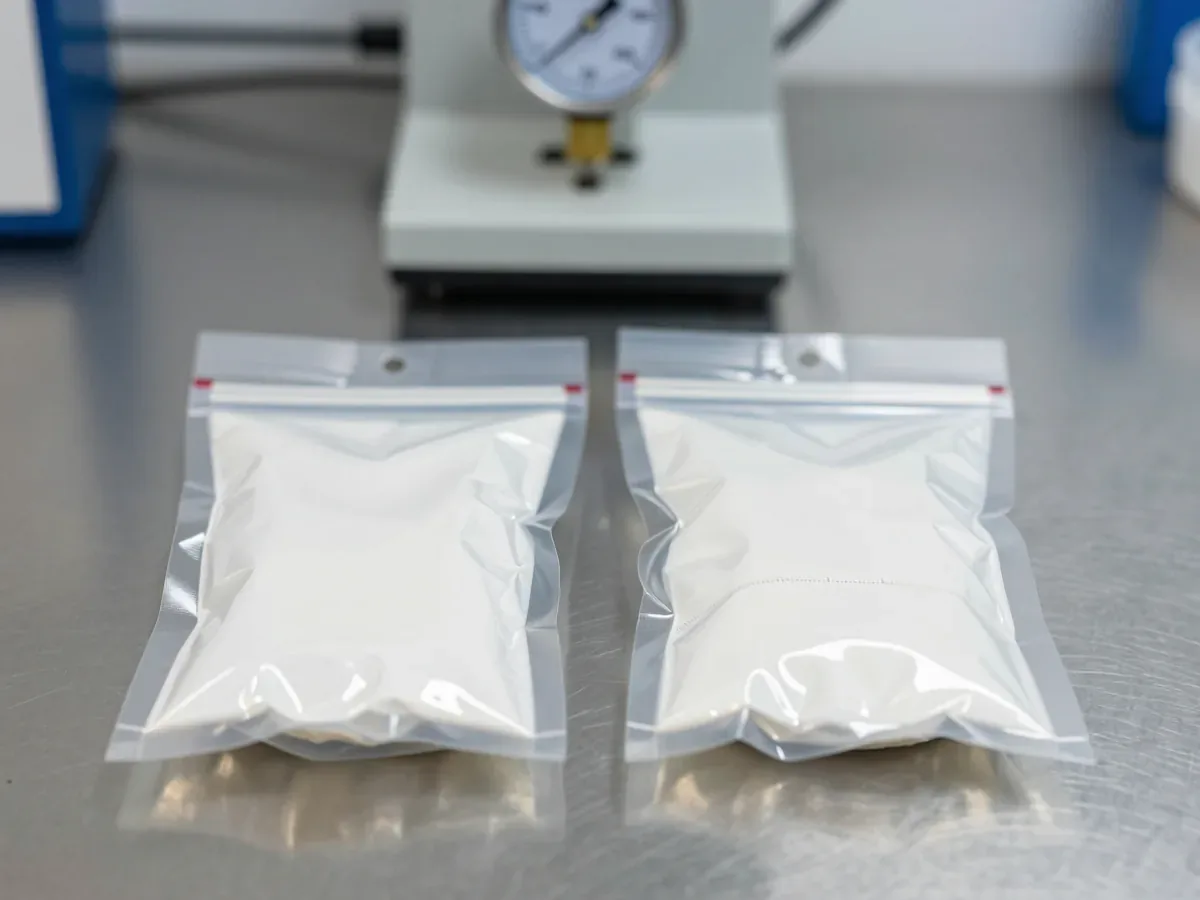
The RF sample showed a continuous bond along the whole seam. The ultrasonic sample showed a line of bonded points, with small gaps between them that the eye could not see but the leak test could. Both passed a visual check. Only one passed the pressure test she had written into the brief.
That gap is where most sealed bag projects stall. A buyer compares two quotations, sees a price difference, and assumes the cheaper process is a negotiation position. In practice the two routes are not interchangeable. They answer to different materials, different seam duties and different production shapes, and the quotation reflects which route the factory thinks your design can survive.
Sealed construction exists because a needle makes holes. A leak-proof cooler bag, a waterproof dry bag and a medical pouch with a film window all need joins that thread cannot deliver. Once sewing is off the table, the choice narrows to RF welding or ultrasonic sealing, and the two behave differently enough that the decision reaches back into material selection, tooling and price.
The Material Decides Before the Machine Does
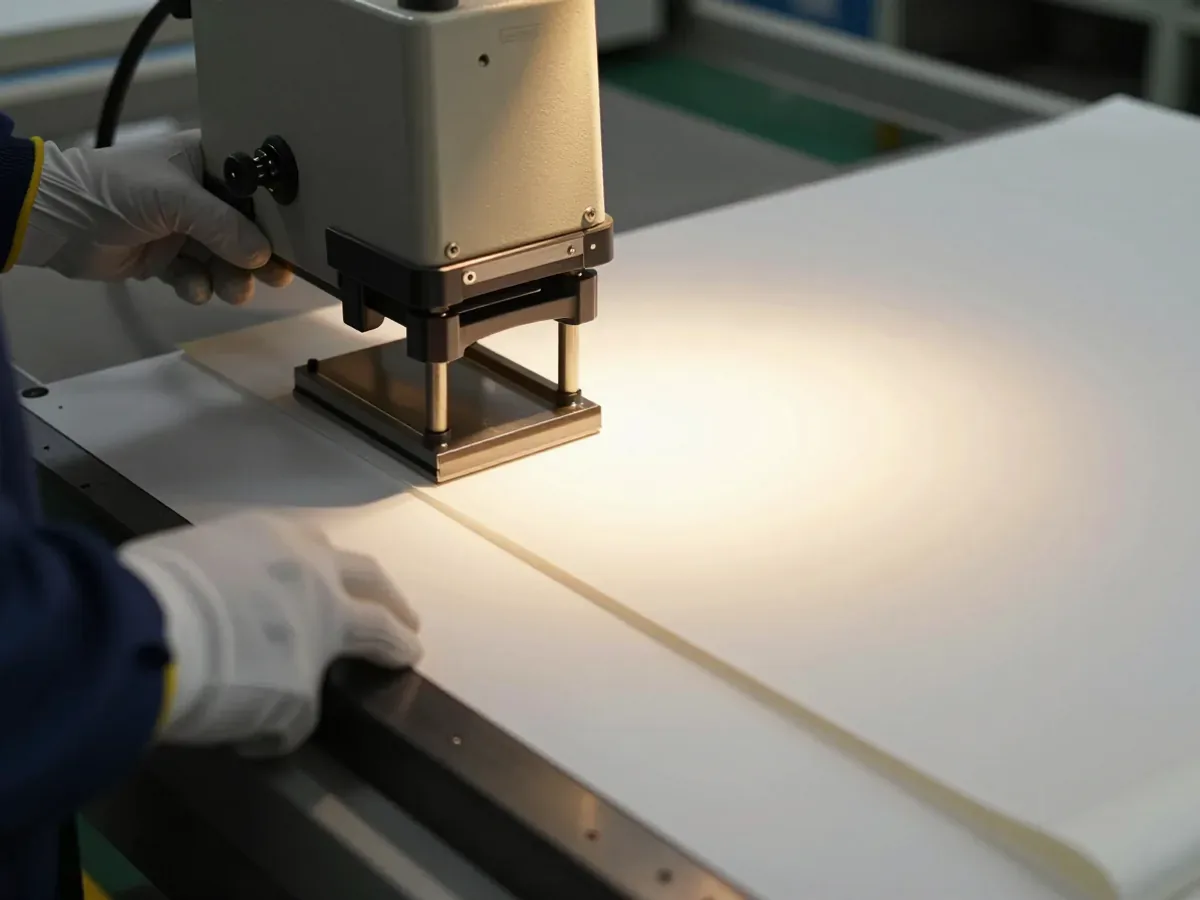
RF welding applies an alternating electric field across two layers of a polar material. The molecules vibrate and generate heat internally at the interface, and pressure consolidates the softened layers into one. Because the heat is created inside the material rather than conducted from a tool, the bond can be strong without scorching the surface.
That mechanism only works on polar thermoplastics, most commonly PVC and polyurethane-coated fabrics. Plain polyethylene and polypropylene do not respond directly. They need a weldable layer added to the construction, or a different process altogether. This single compatibility rule decides whether RF is even available for a given design, before anyone discusses price or lead time.
Ultrasonic sealing takes the other road. A horn applies high-frequency mechanical vibration, the energy melts the material at the contact point, and the seam forms under pressure as the tool travels. It suits thermoplastic films and non-wovens, including the polyethylene and polypropylene constructions that RF cannot weld directly.
So the first question on the table is not which process is better. It is what the bag is made of. A polyurethane-coated cooler bag opens the RF route. A polyolefin liner closes it and points to ultrasonic, unless the buyer is willing to add a weldable layer and carry that change through the whole construction.
What the Seam Has to Survive in Service
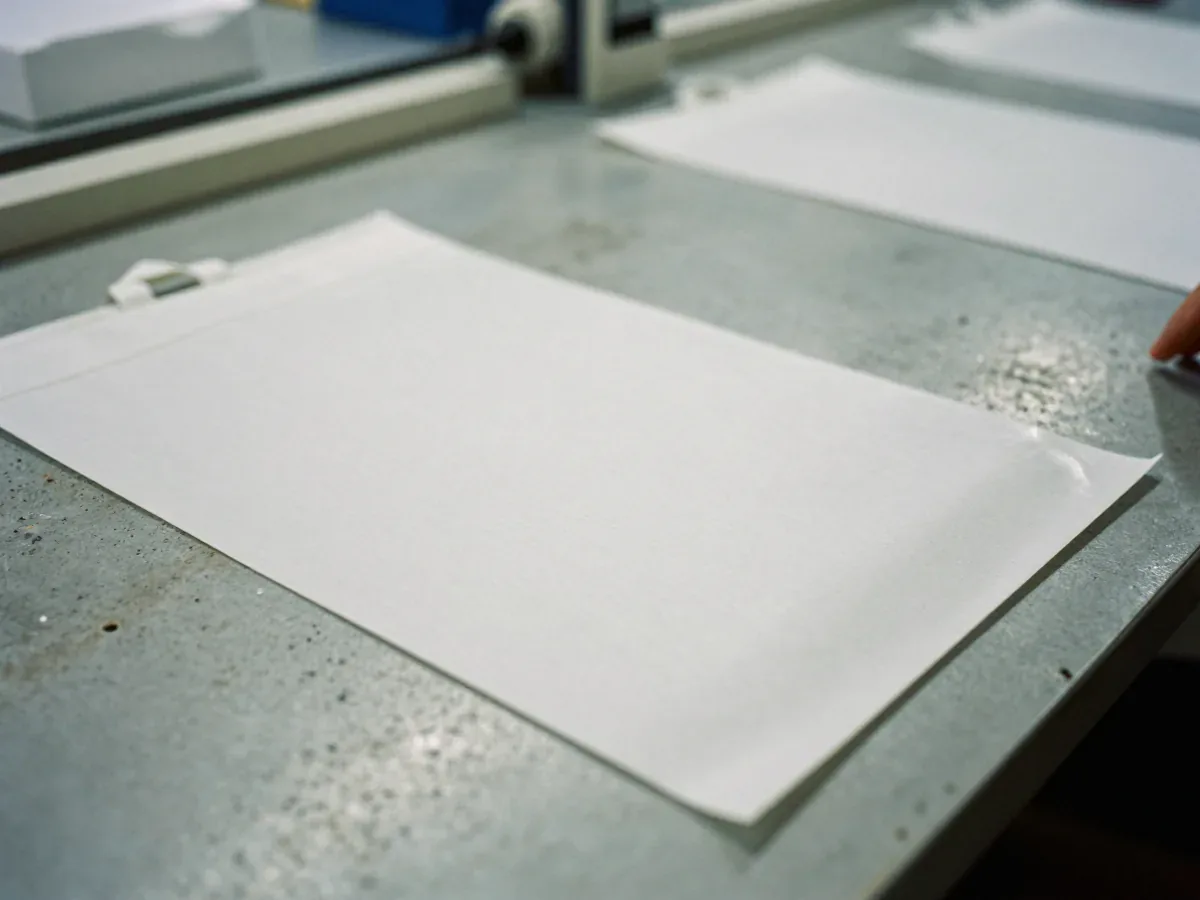
A cooler bag gets folded, stacked and stored between trips. A pouch may sit on a shelf holding product for years. Those two lives put different demands on the same seam, and the demands should be written down before the process is chosen.
Where the seam must hold pressure or water, a continuous weld is preferable. That favours RF on polar materials, because the bond runs along the full seam rather than appearing as a series of points. Where the seam mainly has to stay closed and look clean, the point-bonded pattern of an ultrasonic seam can be adequate, provided the joint is tested for the actual application.
Ultrasonic seams carry a known limitation in strength distribution. The joint is a series of bonded points rather than a continuous molecular weld, so the load is not spread evenly along the seam. That does not disqualify the process. It means the seam has to be tested as a joint, not assumed strong because the sample looked fused.
The fourth question is what happens to the bag afterwards. A cooler bag that will be folded and stored repeatedly needs a seam that tolerates flexing. A pouch that holds a product for years needs a seam that resists creep. Both can be measured, and the measurements belong in the specification rather than in a conversation after the first complaint.
Seam performance has established methods behind it. Peel strength, tensile strength and leak or pressure tests are catalogued in the ASTM standards library. A supplier who reports results from those methods gives a buyer something to compare. A supplier who offers assurance gives a buyer a sentence.
Volume, Shape and the Tooling That Comes With Each
RF tooling is a welding die shaped like the seam. A new seam pattern means a new die, which is a modest cost and a lead time that belongs in the sampling plan rather than the production schedule. Complex three-dimensional seams suit this approach, because the die can be shaped to follow the geometry of a cooler bag or a fitted liner.
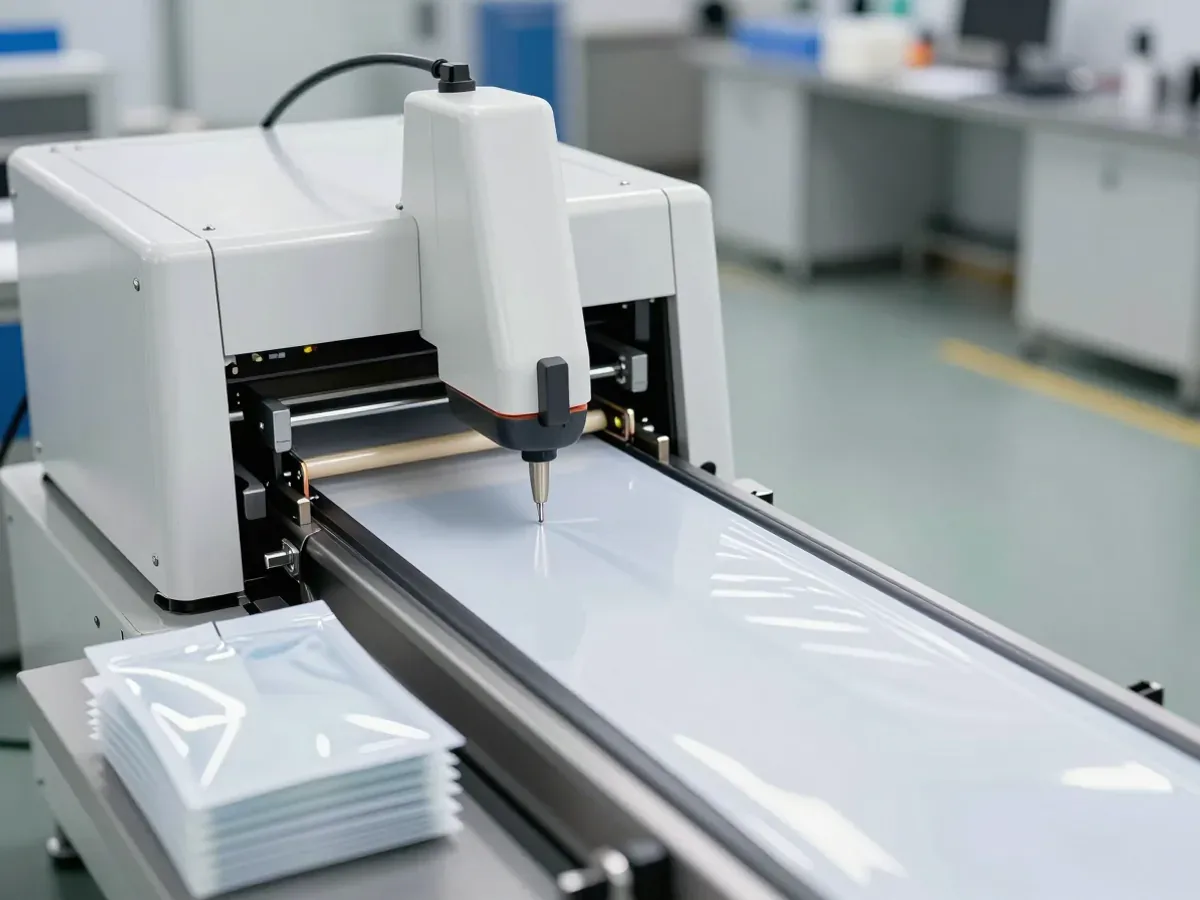
Ultrasonic sealing brings speed and automation. The process integrates with cutting in the same machine, which suits high-volume production of pouches and liners. Flat, high-volume seams suit travelling tools, and the same machine can cut and seal in one pass.
The trade-off sits in the shape. A shaped RF die handles a curved, three-dimensional seam that a travelling ultrasonic horn cannot easily follow. An ultrasonic line handles flat pouch seams at a rate a die press cannot match. Neither process is the general answer. Each is the answer to a particular geometry and a particular volume.
There is a second tooling consideration that catches buyers on reorder. Because the die forms the seam pattern, a new seam shape or width requires a new tool, and that cost and lead time land at the sampling stage. Keeping the dies and tooling managed in one place matters when a reorder arrives two years later and the seam pattern must be reproduced exactly.
Where Each Process Sits in a Mixed Bag Range
Most buyers do not run a sealed-only programme. Sealed construction is usually a small part of a broader bag range, sitting alongside sewn products. A cooler bag line may sit next to stitched totes, and a dry bag next to a sewn backpack. The sealing decision has to fit inside that mixed range rather than stand alone.
Keeping the sealed items in the same programme means the sampling, the materials and the inspections travel together, and the buyer deals with one specification set. That is an organisational advantage, not a technical one, but it shows up in the first article and in every reorder after it.
The mixed range also clarifies which process belongs where. A sewn shell lets water through the join, which is why the waterproof items in a range cannot simply borrow the sewing line's construction. The sealed items need their own process, their own tooling and their own test, even when they share a factory floor with stitched products.
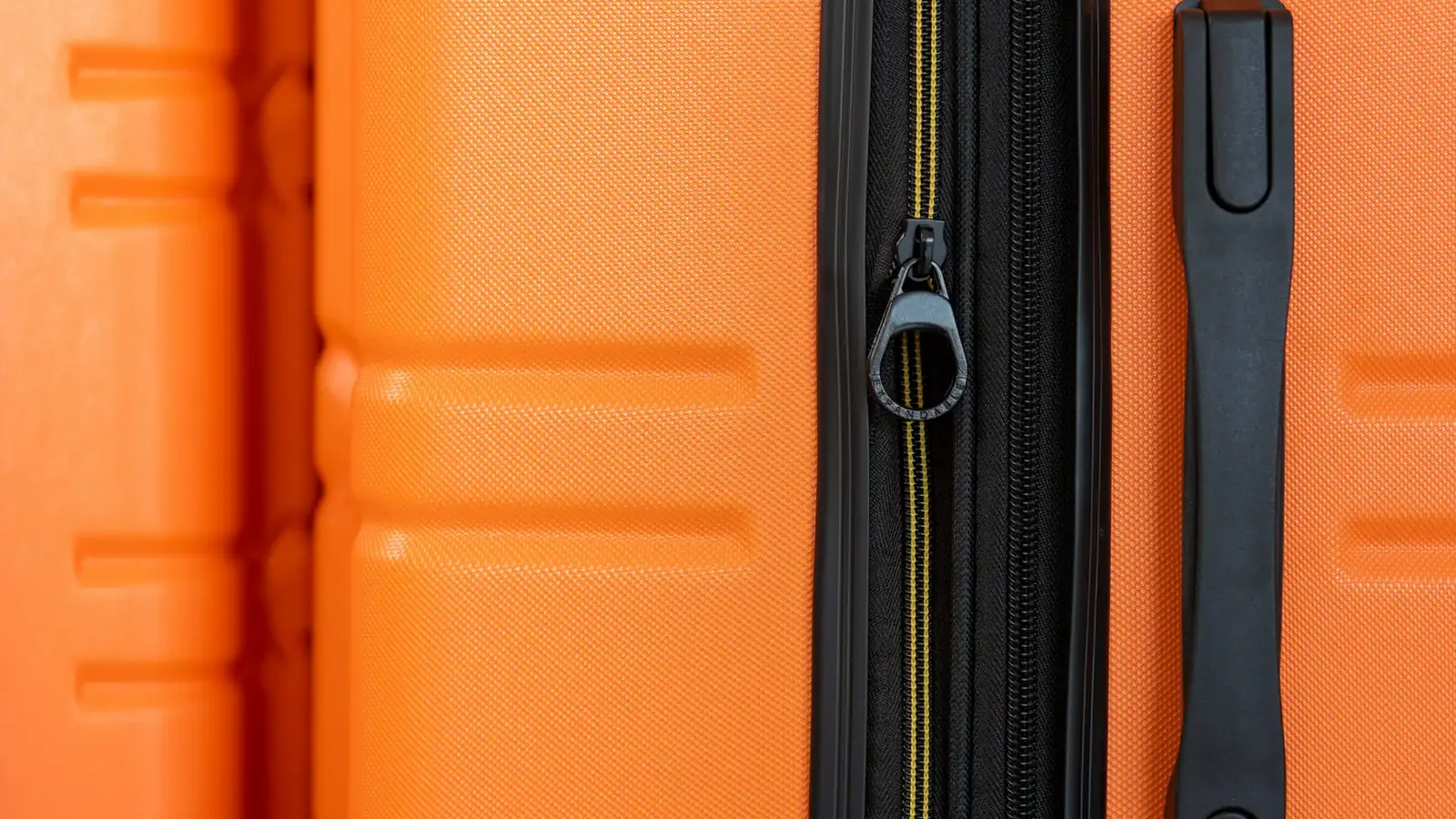
Where a design mixes sealed and sewn closures, the closure comparison matters as much as the seam itself. The duty differences between zipper types belong in the same conversation, because a sealed body with an unsealed closure is a sealed bag in name only.
A Decision Table for the Specification Sheet
The table below is the one worth pasting into the specification sheet. It does not rank the two processes. It routes a design to the process that can actually deliver it, then names what has to be written down and tested.
| Decision point | RF welding | Ultrasonic sealing |
|---|---|---|
| Material polarity | Polar thermoplastics, PVC and PU-coated fabrics | Thermoplastic films and non-wovens, including PE and PP |
| Non-polar material | Needs a weldable layer or a different process | Direct route for polyolefins |
| Seam duty | Continuous weld for pressure or water | Point-bonded seam, test the actual joint |
| Strength distribution | Continuous along the seam | Series of bonded points, uneven load |
| Shape | Complex three-dimensional seams with a shaped die | Flat, high-volume seams with a travelling tool |
| Volume and automation | Die press, sampling lead time for new patterns | Integrates with cutting, suits high-volume pouches |
| Tooling trigger | New seam pattern means a new die | New seam shape means new tooling |
| Service life | Seam tolerates flexing where the joint is designed for it | Seam resists creep where the joint is tested for it |
Read the table from the top. The material row eliminates one route before any other row matters. The seam duty row then decides whether the remaining route can meet the service requirement. The shape and volume rows decide whether the economics work. The tooling row is a scheduling question, not a quality question, but it belongs in the plan.
What to Write Down and Test on the First Article
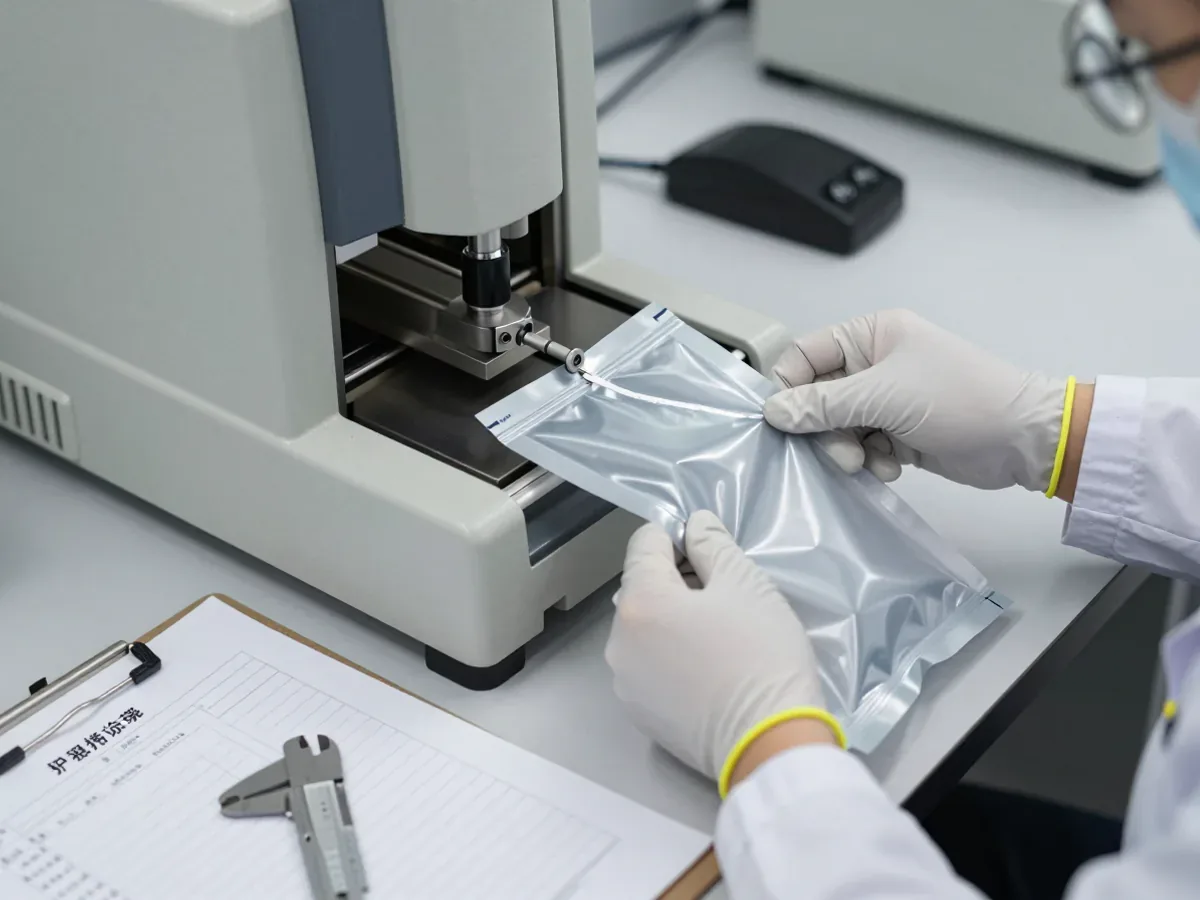
The specification should name the material and its weldability, the process, the seam width, the target strength or leak performance with the test method, and the appearance requirement. Seam appearance matters more than buyers expect, because a weld can look flat or rippled depending on the tool and the temperature. Flat or rippled seams are an appearance specification, not only a process detail.
It should also name the failure mode that is acceptable. A seam that fails by peeling gradually is easier to detect and safer in service than one that tears suddenly, and the joint design can be biased towards the first. That sentence is worth more in a specification than a target number without a failure mode attached.
The first article should include a seam test, not only a visual check. A sealed bag that passes inspection and fails in the field is a design problem, and the test data from the first article is what makes that visible before bulk. Name a test method and target, such as peel strength, tensile strength or leak performance, and run it on the first article.
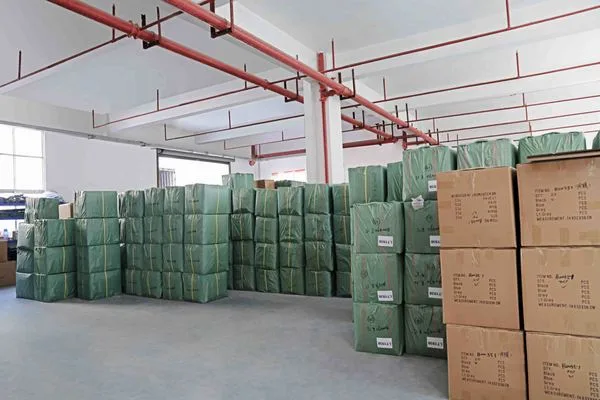
On the production side, the checkpoints that already exist for sewn bags give the sealed items a frame to sit in. Fabric, webbing, zips and thread are checked against the approved spec before a run. Pull, seam strength and bar-tack are tested on every batch. Dimensions, handles, logo and packed quantity are checked by hand on the finished bag. Cartons are counted and photographed before the container seals. The sealed items inherit that discipline and add the seam test on top.
FAQ
Can RF welding be used on polyethylene or polypropylene bags?
No. RF works on polar thermoplastics such as PVC and polyurethane-coated fabrics. Polyolefins need ultrasonic sealing or a weldable layer.
Is an ultrasonic seam as strong as an RF weld?
It forms a series of bonded points rather than a continuous weld, so strength distribution differs. Test the actual joint for the application rather than comparing process names.
Does a new seam shape mean new tooling?
The die forms the seam pattern. A new seam shape or width requires a new tool, which is a sampling-stage cost and lead time.
How should seam performance be specified for a sealed bag?
Name a test method and target, such as peel strength, tensile strength or leak performance, and run it on the first article. Add the acceptable failure mode and the appearance requirement, because a weld can look flat or rippled depending on tool and temperature.
The two samples on that buyer's table were never going to agree. One was welded on a polar material with a continuous seam, the other sealed on a polyolefin film with a point-bonded joint. The reports differed because the processes differed, and the right order was the one whose process matched the bag's material and duty. Write the material, the seam duty, the test method and the failure mode into the specification, then run the seam test on the first article before bulk. That sequence turns a process argument into a decision a factory can quote and a buyer can check.