
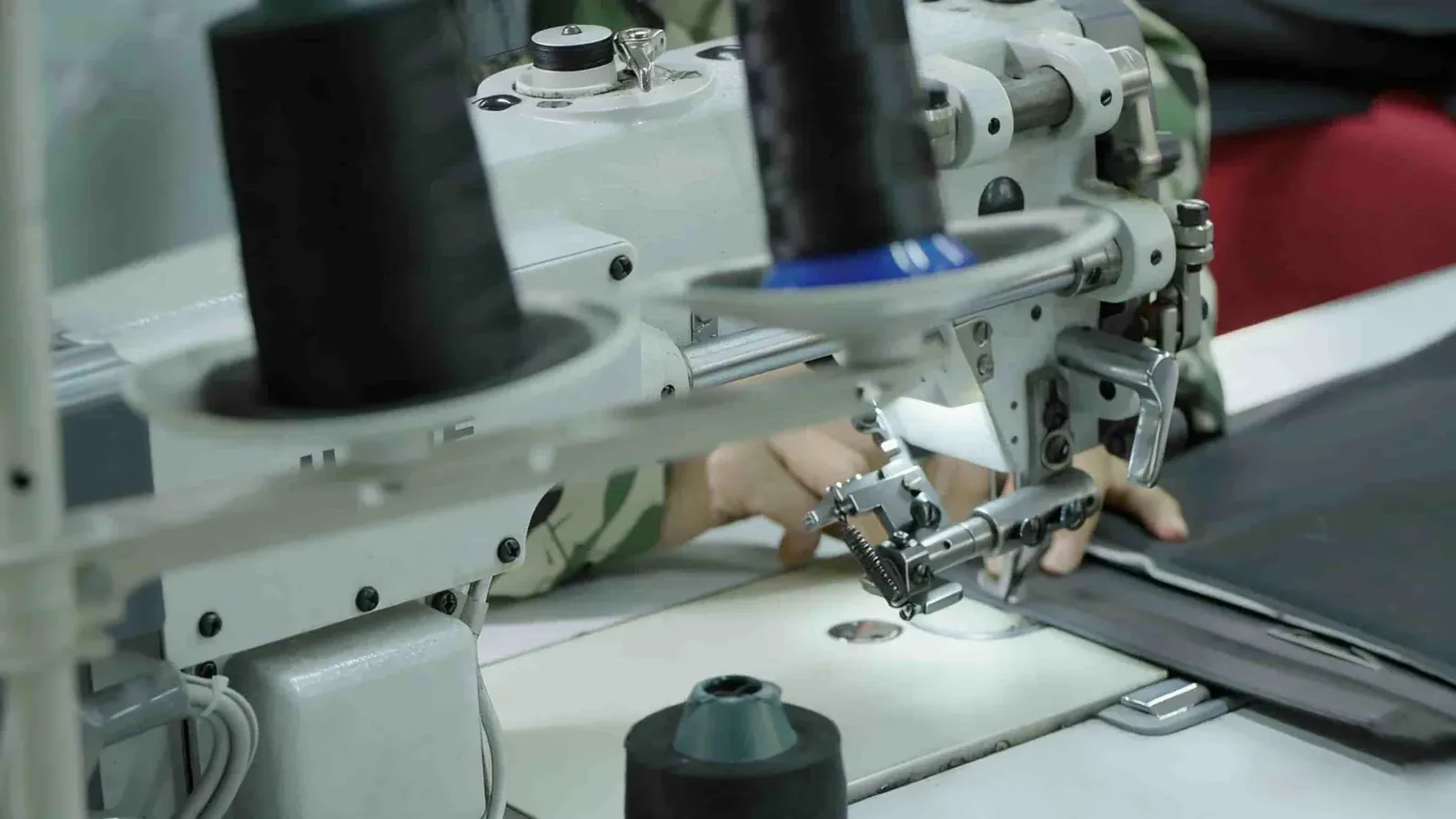
Drawing on legacy TIIOCTI sewing-spec notes and product records for moving bags, tarp handles and jute totes.
A sourcing manager in the UK opened a tech pack last spring and found one line repeated on every seam: 12 SPI. The handle joint, the side seam, the drawstring channel and the base all carried the same number. Her supplier had quoted it as a safety margin, and on paper it looked like one.
That single repeated number is one of the most common assumptions in bag purchasing: that more stitches per inch means a stronger seam. It sounds like buying extra insurance. In practice, a high SPI applied without matching the thread, the stitch type and the load path can leave a bag weaker than a moderate, well matched spec.
The Spec Sheet That Says 12 SPI Everywhere
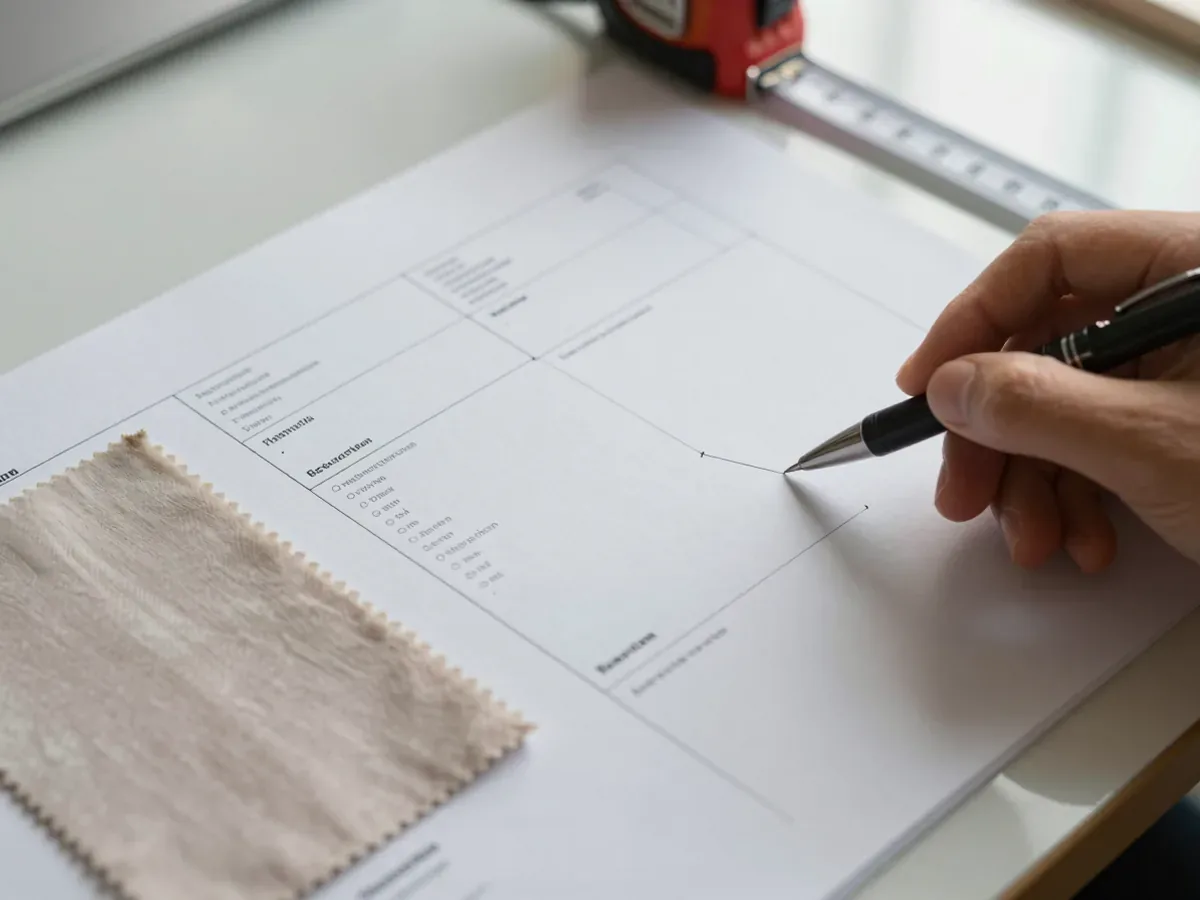
Stitches per inch counts how many needle penetrations sit along one inch of seam. Metric tech packs use stitches per centimeter, roughly SPI divided by 2.5. The number is easy to write and easy to copy, which is why it spreads across a spec sheet until every seam carries it.
A complete sewing specification names four things per seam: stitch type, SPI, thread and seam construction, whether lap, French or bound. When only the SPI line is filled in, the other three get decided on the floor by whoever runs the machine that day.
That is how a heavy tarp handle and a light drawstring channel end up with the same density. The spec sheet looks thorough. The seams it describes are not the same job at all.
Why a Dense Stitch Row Looks Like the Safe Choice
A tight row of stitches reads as care. Run a thumb along a seam at 12 SPI next to one at 8 SPI and the denser row feels more finished, more deliberate, harder to pull apart. Buyers under pressure to approve a sample fast tend to reward that feel.
The logic also holds in one direction. Too few stitches and the seam leaks load to each individual stitch, so each one carries more than it should. Raising the count spreads that load across more points, and up to a point the seam does get stronger.
Cost reinforces the habit. SPI is a cost line, because higher stitch counts take longer to sew. A factory quoting a heavy duty bag at a high SPI looks like it is spending more on the seam. The buyer reads effort where the line is actually reading thread consumption and machine time.
Needle Holes, Thread Bulk and the Seam That Tears First
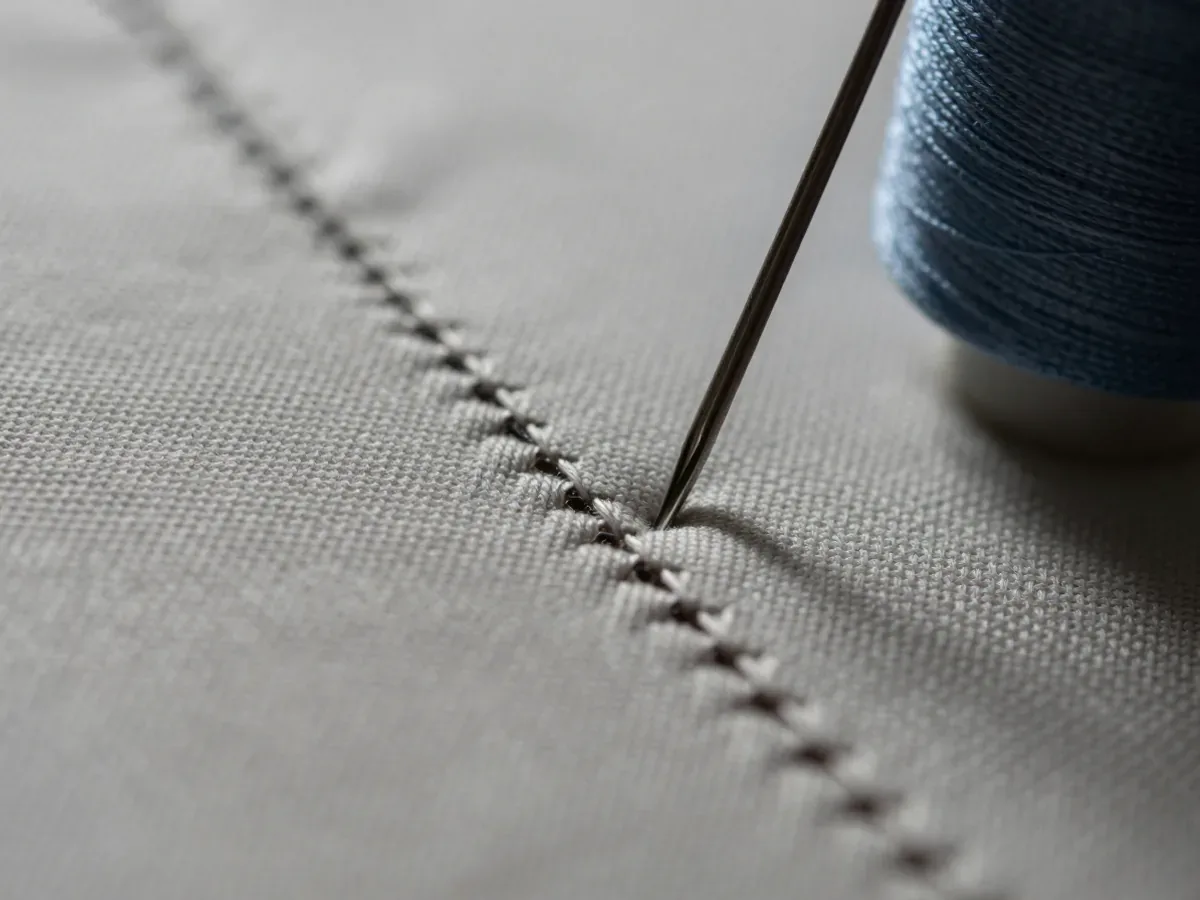
Every stitch is a hole. Push the count high enough on a woven fabric and the needle line perforates the seam like a tear strip. The failure then starts at the fabric beside the stitch, not at the thread, and no amount of extra stitching repairs a panel that has been weakened along its join.
Thread bulk works against density too. Heavier thread needs more room per stitch. Force a thick thread into a tight SPI and the stitches stack, the seam ridges, and the machine starts skipping or looping to compensate. A seam that looks dense in a photo can be a seam with uneven tension running through it.
Load path decides where any of this matters. Handle attachments and base seams carry the weight, which is why dense stitching and X box reinforcement appear at the handle on moving bags. A drawstring channel sees cyclic load rather than a single pull, and a long straight body seam mostly holds panels in line. One SPI number cannot serve all three.
Matching SPI to the Seam That Carries the Load
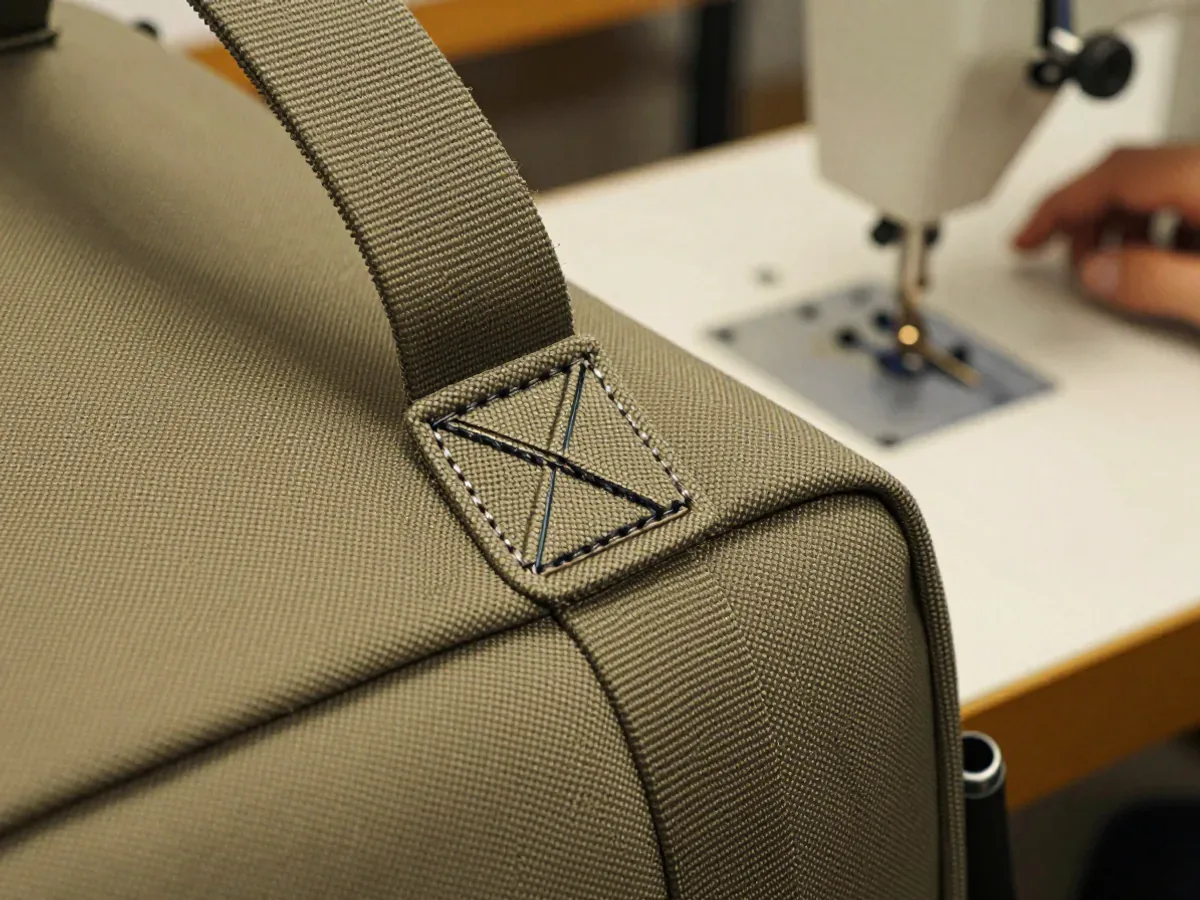
The working rule is that heavy woven bags run moderate SPI with heavier thread, while lighter bags run higher SPI with finer thread. The two move together. Change one without the other and the seam either starves or perforates.
Stitch type belongs in the same decision. Lock stitch is the workhorse straight seam for body panels and hems. A double locked variant adds a second thread interlock for seams under repeated load, such as drawstring channels. Box or X box reinforcement belongs at handle to body attachment points, where a cross stitched joint on tarp or a square reinforcement over webbing spreads the pull.
Seam construction finishes the picture. A bound or French seam folds the raw edge away and behaves differently from a simple lap seam at the same SPI. Two bags can carry identical stitch counts and fail in different places because the edge treatment differs.
What a Sewing Line Actually Needs Written Down
A line supervisor needs more than a number to set up a machine. The spec should state, seam by seam, the stitch type, the SPI or stitches per centimeter, the thread ticket and the seam construction. It should also name the acceptance test behind the seam, referenced to a published method such as the ASTM standards at astm.org.
Reinforcement patterns deserve their own line. X box tacking is programmable on automated lines, while complex curves stay manual. That trade off changes cycle time and consistency, and the buyer should know which seams fall on which side of it.
Where the webbing runs matters as much as how it is stitched. A strap that runs the full length of the bag, not just under the handles, distributes load into the body instead of concentrating it at two joints. Writing that into the construction note prevents a factory from shortening the strap to save material.
Reading SPI on a Sample Without a Lab
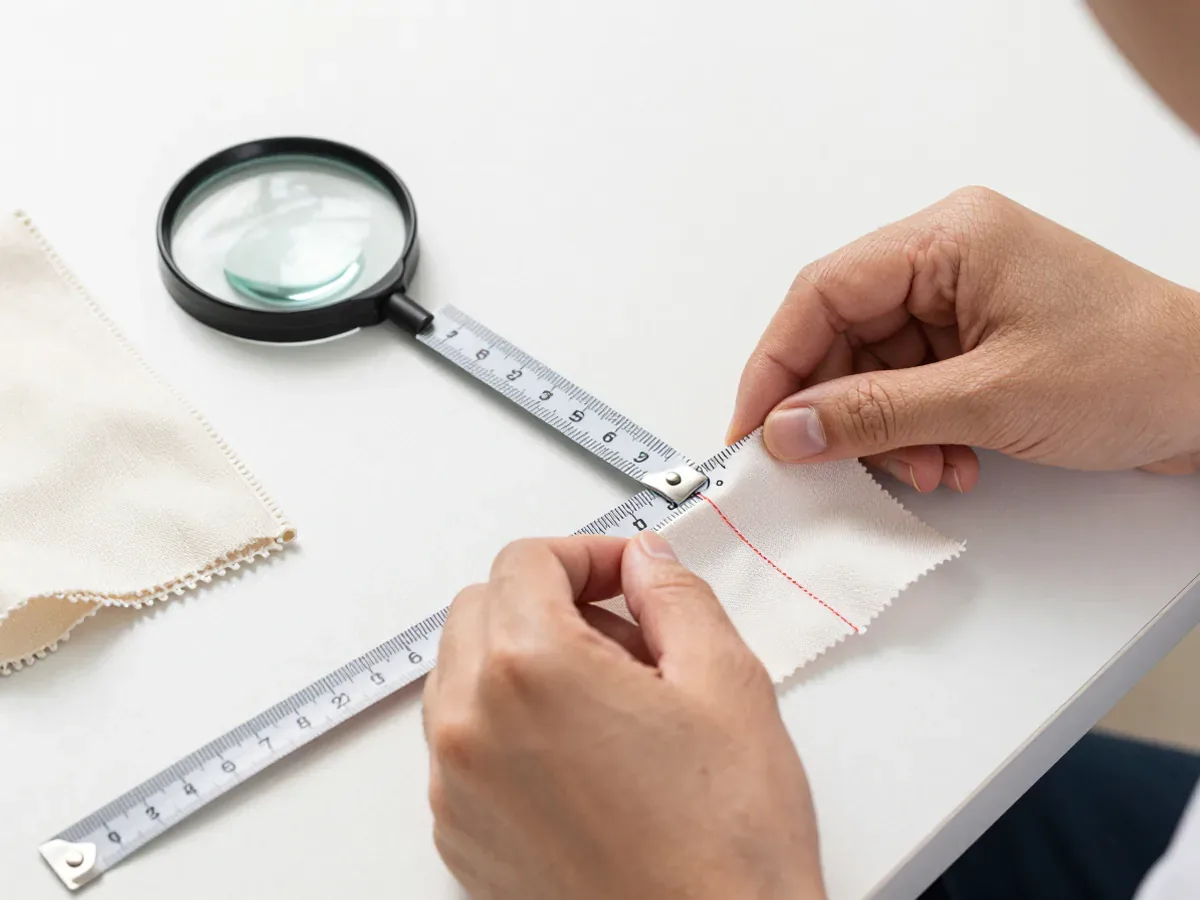
A tape measure and a marked inch are enough for a first read. Lay the seam flat, count the stitches across one inch in three places along the seam, and compare the average against the spec. An inspector measuring stitching this way catches a wrong setting before the carton is sealed.
Then look at what the count did to the fabric. Hold the seam up to light and check for a visible line of enlarged holes. Pull the seam gently across its width and watch whether the stitches sit evenly or bunch. Run a fingernail along the row and feel for ridges that signal thread bulk fighting the density.
Check the ends. A dense seam with unsecured thread tails will unravel from the finish, and the stitch count will not save it. On handle joints, confirm the reinforcement pattern is present and centred, not shifted to one side of the attachment.
The Checkpoints That Catch a Wrong SPI Before Shipment
Every order passes four checkpoints, and stitch density belongs at each one in a different form. At spec review, confirm each seam carries all four entries, not just SPI. At sample approval, measure the count on the load bearing seams first: handle attachment and base.
At pre production, ask the line to show the machine setting for each seam type against the tech pack, so a copied number cannot drift back in. At final inspection, measure again on finished goods and check the fabric around the seam for needle damage.
The question in the title has a short answer. A higher SPI weakens a seam when it is treated as a standalone guarantee, because density without matching thread, stitch type and seam construction turns stitches into perforations. A moderate count, correctly matched to the seam doing the work, is the stronger order.
FAQ
Does a higher SPI always mean a stronger bag seam?
No. Too few stitches overload each stitch and tear the fabric, while too many perforate the seam line with needle holes. Heavy woven bags run moderate SPI with heavier thread, and lighter bags run higher SPI with finer thread.
How is SPI written on a metric tech pack?
Metric tech packs use stitches per centimeter, roughly SPI divided by 2.5. The entry should sit beside the stitch type, thread and seam construction for that seam, never on its own.
Which seams on a bag deserve the most stitch attention?
Handle attachments and base seams carry the load and usually need reinforcement such as X box stitching. Drawstring channels see cyclic load and suit a double locked stitch. Straight body seams do the least structural work.
Can I check stitch density with a tape measure on a sample?
Yes. Count stitches across one inch in three places along the seam and average them against the spec. Then check for enlarged needle holes and uneven thread tension around the row.






