
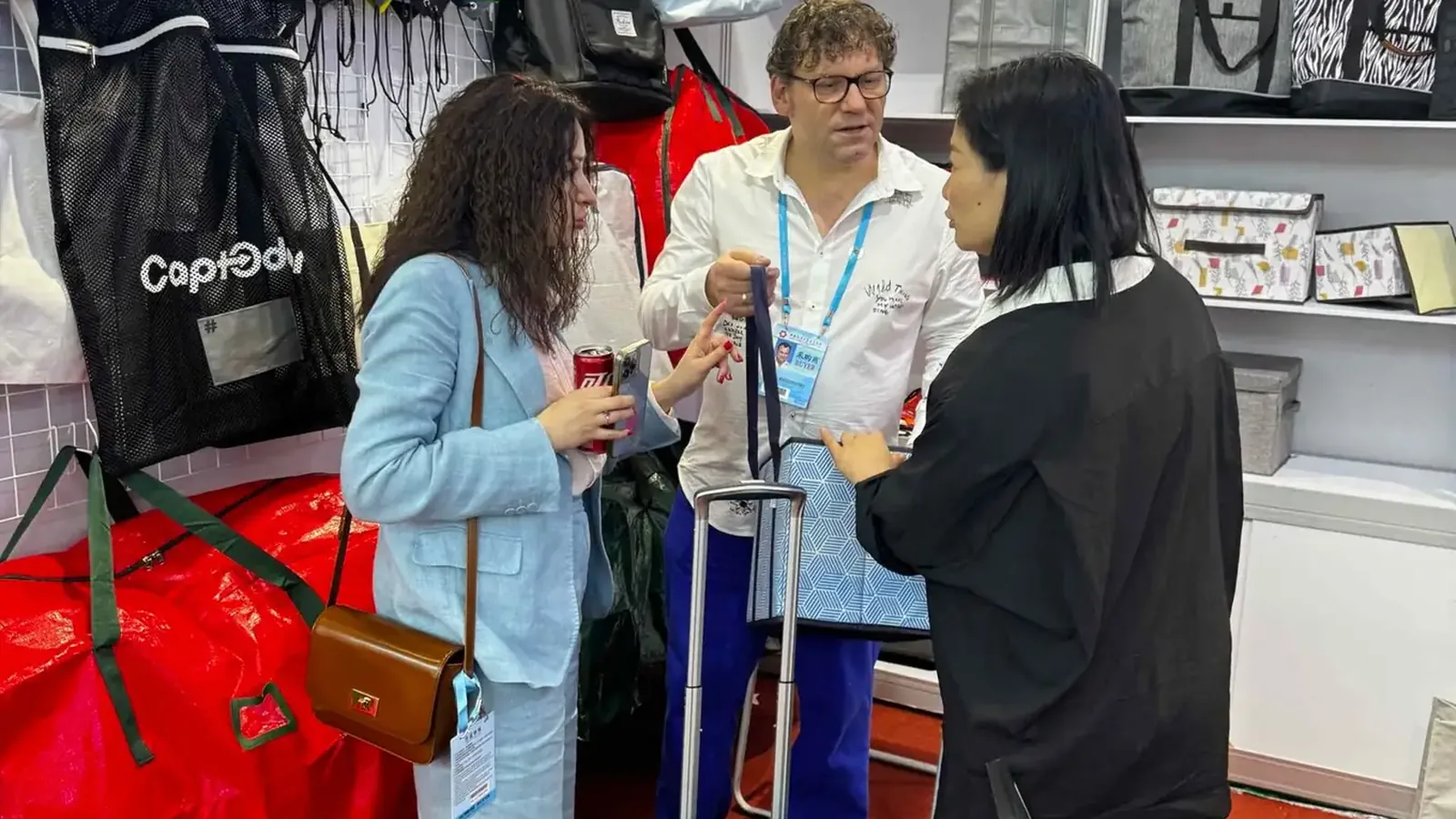
Drawn from a factory floor that builds reusable event bags and custom retail packaging, reorganised around the questions buyers ask most.
A junior planner spread three event bag samples across the meeting table and asked which one the team should order. The room went quiet, because all three looked identical under the conference lighting, and the spec sheets said almost the same thing. The only difference anyone could point to was a small leaf icon printed near the bottom of one bag.
That silence is where most sustainable event packaging decisions begin. The questions that follow, if asked in the right order, separate a bag that survives the show floor from one that ends up in a bin before the closing keynote. Five come up in almost every enquiry. A sixth usually arrives too late.
The Question That Starts Every Event Bag Enquiry

The first question is almost always about material. An organizer wants to know whether recycled PET, non-woven polypropylene, organic cotton or a compostable blend is the right choice for a two day activation. It sounds like a simple sourcing question. In practice it decides the budget, the lead time and the disposal story all at once.
A useful answer starts with what the bag has to carry. A conference tote holding a programme, a water bottle and a few samples needs a reinforced base and handles stitched through the body, not tacked on at the seam. A lighter giveaway bag for a product launch can use a simpler build without losing the brand feel.
Material choice then follows the load. The reusable range is cut in cotton canvas, PP woven, non-woven or rPET, and each one behaves differently under weight and weather. Organizers who ask about material before they describe the load tend to over-order the wrong bag.
Is a Single Material Really Better Than a Compostable Blend?
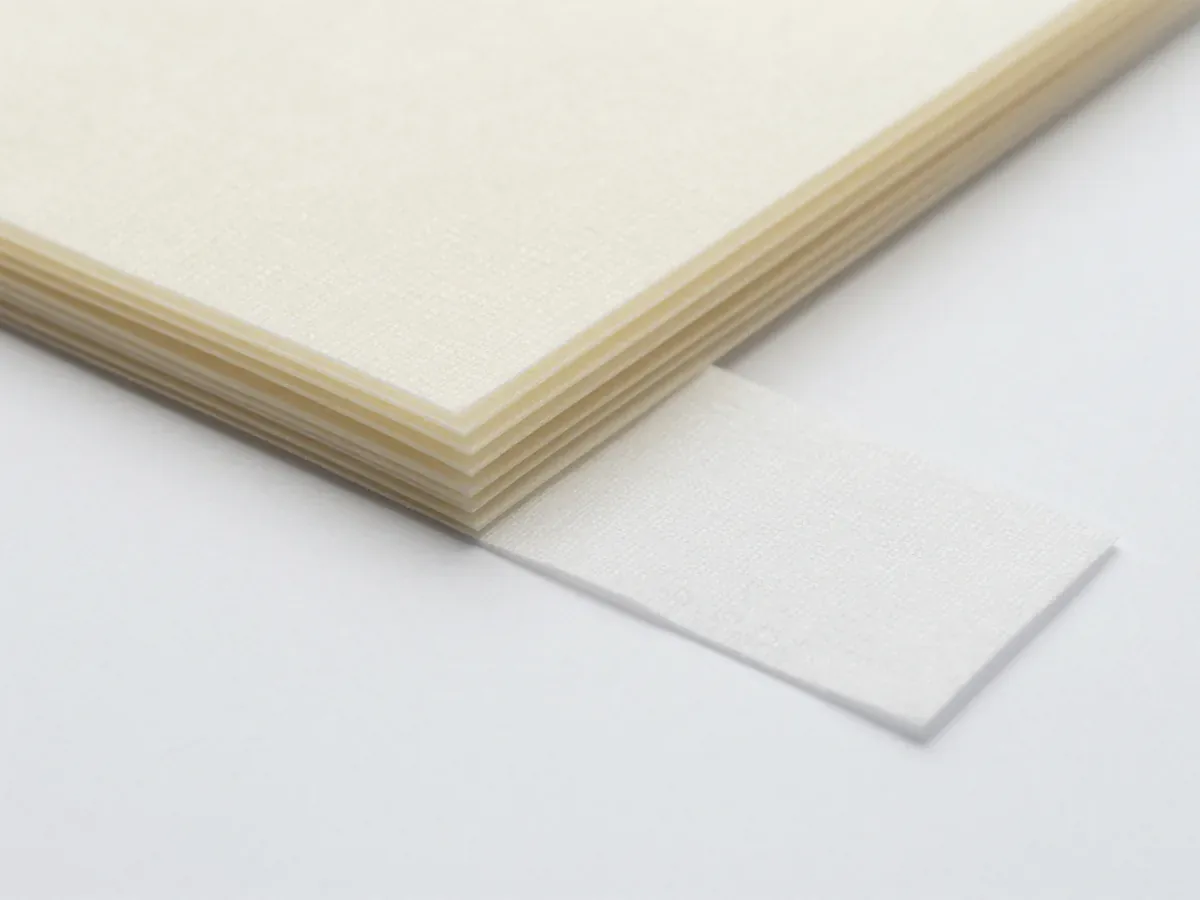
Compostable blends have a strong story and a weak supply chain. Many eco substrates, especially home compostable PLA blends, cannot be heat sealed with standard equipment, and they need specialized inks that often miss tight colour targets. A bag that cannot be sealed properly will fail at the seam before the event ends.
The larger issue is hidden mixing. A compostable outer layer bonded to a fossil fuel based backsheet for sealing voids the compostability claim entirely. The same pattern appears in recyclable bags finished with a glossy laminate to improve print adhesion. The label says one thing and the construction says another.
Single material construction removes that gap. Non-woven PP at 80 to 120 GSM is polypropylene through and through, with no hidden layers, and it moves through standard plastic recycling streams. rPET follows the same logic with recycled content behind it. Neither is compostable, and neither pretends to be.
The honest answer to the blend question is that compostable only works when the collection infrastructure exists. An event venue with industrial composting on site can use it well. A hotel ballroom with general waste only will send that bag to landfill, where a compostable material behaves much like any other.
Will the Print Survive a Two Day Show Floor?
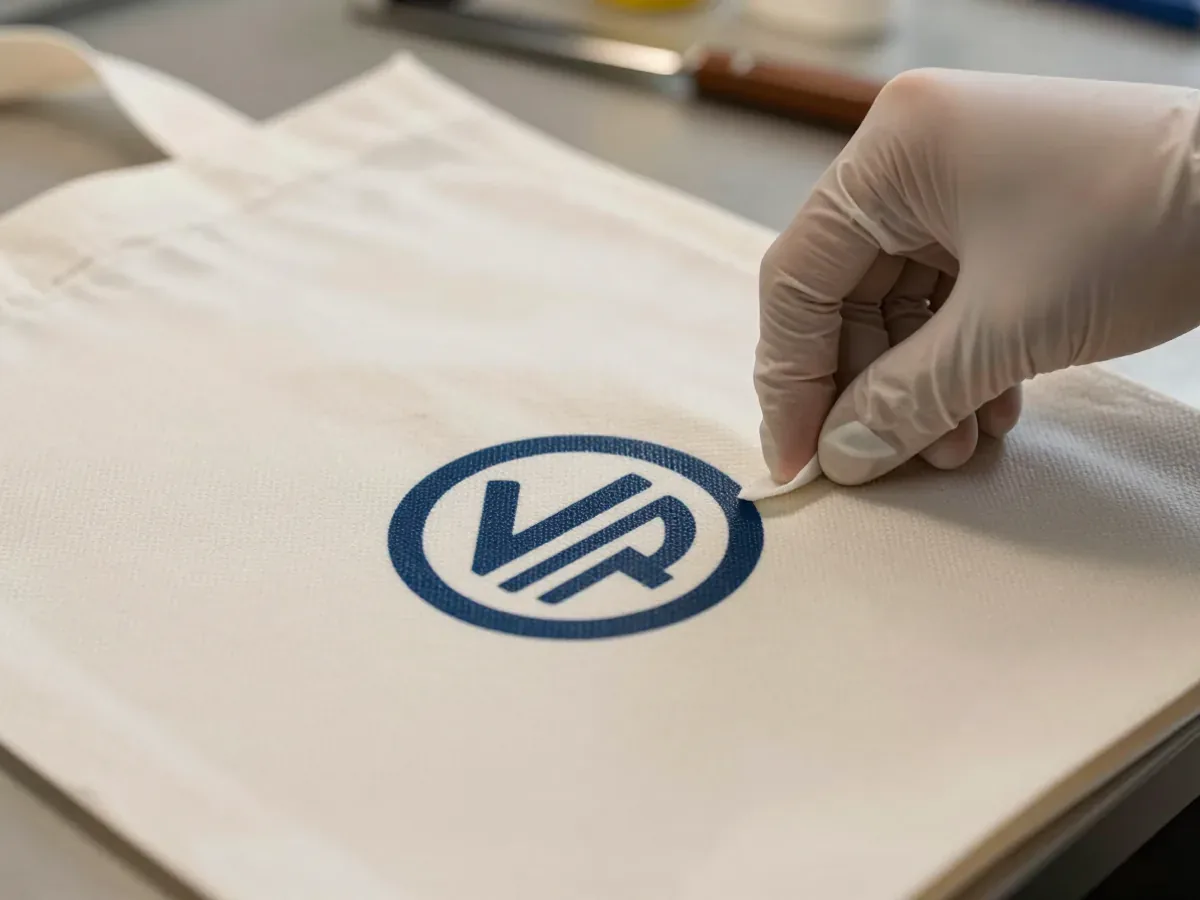
Print failure is the most visible kind. A logo that flakes at the corner of the bag on day one tells every attendee something about the brand, and none of it is about sustainability. The cause is usually a substrate that was never matched to the ink, or a print run that skipped proofing.
Three decoration routes cover most event bags: screen print, heat transfer or a woven label. Each is proofed before production, and the sample is made to the same specification as the bulk run. That last point matters. A sample produced on a different line proves nothing about the bags that arrive at the venue.
Artwork is checked before the fabric is cut, which catches file errors early rather than after a thousand bags carry a misspelled booth number. For layout, a centred single colour logo on a clean background tends to hold attention better than a busy multi colour print, and keeping the printed area modest preserves the material texture that reads as reusable rather than disposable.
What Happens to the Bag After the Event Ends?
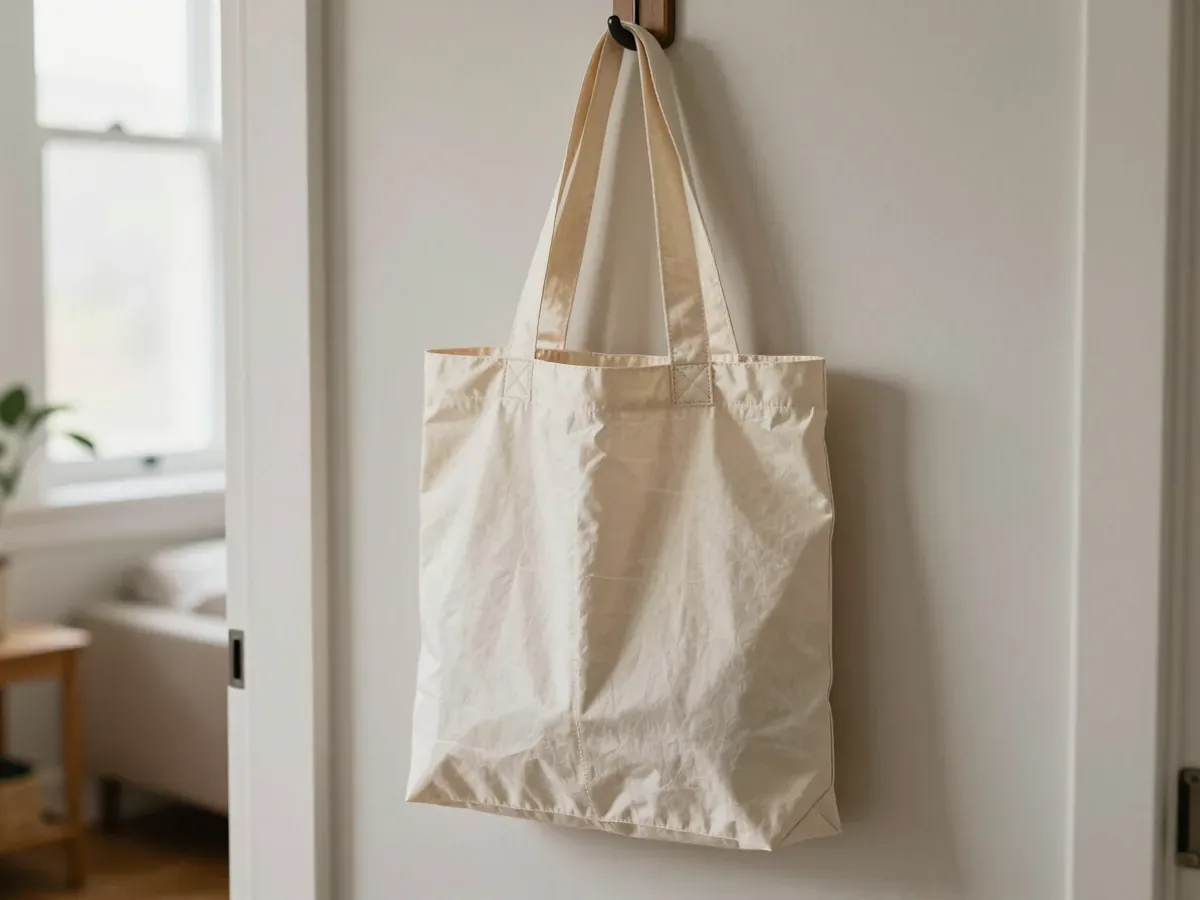
This is the question that separates a sustainable claim from a sustainable outcome. An attendee leaves the venue with a bag, takes it home, and either keeps it or bins it within a week. The bag's second life is the real measure of whether the purchase made sense.
A flat folding body with a reinforced base and stitched handles is built to be kept. It sits in a cupboard, comes out for the next shop, and carries the brand into places the event never reached. A thin bag with a heat sealed seam is built to be discarded, whatever the leaf icon says.
Organizers can push this further by asking where the bag will physically go. If the venue has recycling, a single material PP or rPET bag has a clear route. If the audience is likely to reuse it, durability matters more than the certification logo. If neither is true, the most sustainable option may be fewer bags rather than greener ones.
Can a Small Activation Order Still Get a Proper Build?
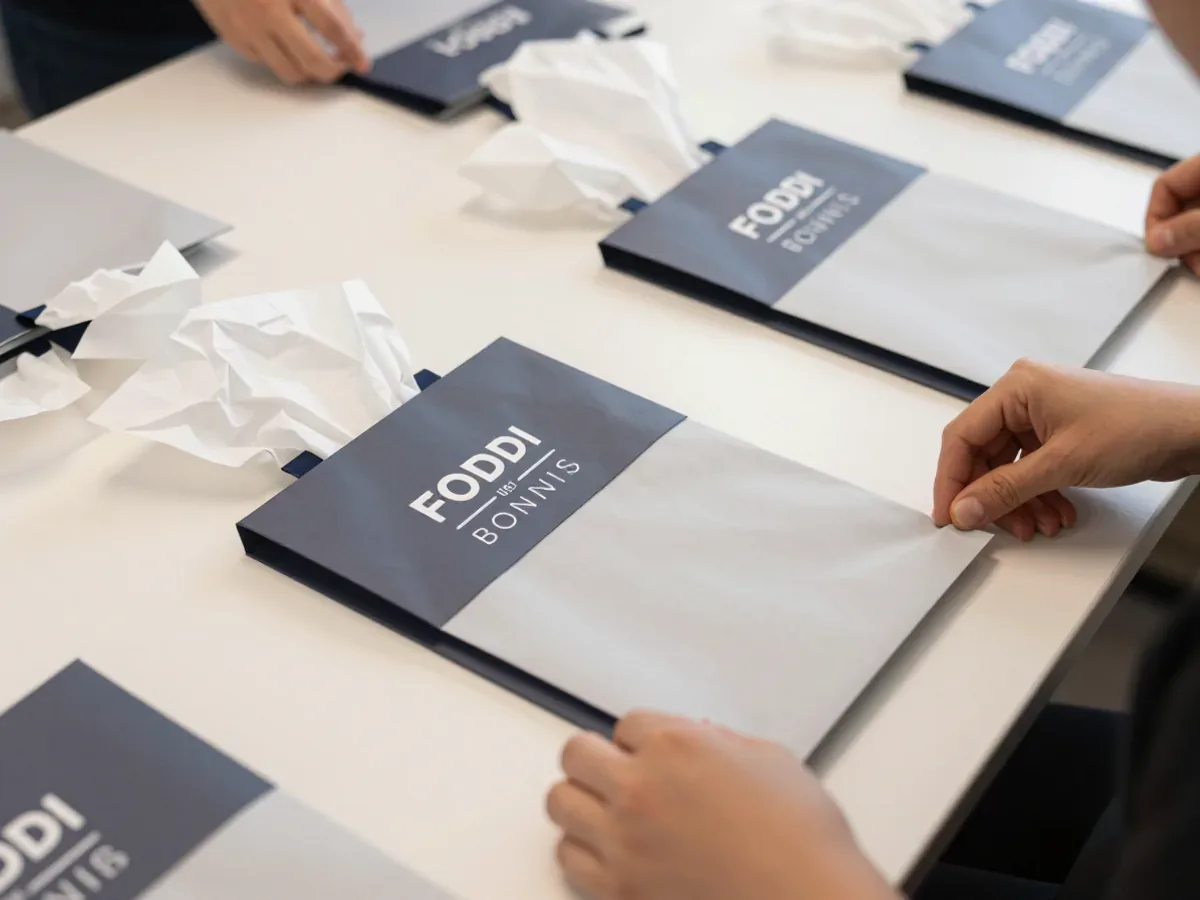
Small runs are where quality usually slips. A pop up activation or a regional launch might need a few hundred bags, and many suppliers either refuse the volume or quietly downgrade the construction to make the numbers work. The result is a bag that looks right in a photo and feels wrong in the hand.
A proper small batch keeps the same build as a large one. Handles stitched to the body, a reinforced base where a bottle sits, and a flat folding body are structural decisions, not volume dependent ones. The same four checks run from incoming material through seams and finished bag to the final count, whether the order is large or modest.
Packing also changes for events. Flat packing with tissue paper suits a premium handout, and individual folding and wrapping matches a presentation standard that bulk bale packing cannot. An organizer planning a launch should confirm the packing method at quotation stage, because it affects both the unboxing moment and the carton count on site.
The Question Buyers Rarely Ask Until the Cartons Arrive
The sixth question arrives on load in day, when someone opens a carton and finds the bags are the right colour but the wrong hand feel. By then the artwork is approved, the print is dry and the schedule has no room to reorder. The question nobody asked at quotation was how the batch was tested.
Pull, seam strength and bar tack are tested on every batch. Each handle gets a static pull that is recorded per batch, and a loaded bag is dropped on a corner and inspected. Those records are what turn a supplier's assurance into something an organizer can check against the delivered goods.
The same discipline applies to closures. Where a bag carries a zip, it is opened and closed repeatedly on a loaded bag before the run is signed off. None of this is glamorous, and none of it appears on a sustainability certificate. It is the difference between a claim and a bag that holds.
FAQ
What is the difference between recyclable and compostable event bags?
A recyclable bag is usually a single material such as non-woven PP or rPET that can re-enter a plastic recycling stream. A compostable bag is designed to break down in a composting facility, and many blends only work in industrial composting, not a home pile. Mixed material laminates can void both claims.
Can I order a small batch of branded event bags without over-ordering?
Yes, provided the construction stays the same as a larger run. Ask for the handle stitching, base reinforcement and packing method in writing, and confirm that the sample is made to the same specification as the bulk order.
How do I check that a supplier's sustainability claim is real?
Ask for a material composition breakdown in writing and match it against the certification the supplier cites. A single material bag with no hidden laminate is easy to verify. A blended bag needs a clear disposal route before the claim means anything.






