

Based on factory production notes and spec data for custom canvas and nonwoven totes.
The inspection report came back with one line underlined: handle attachment, pull test failed. The buyer had approved the sample six weeks earlier, and the sample had passed. What changed between the sample and the bulk run was not the design but the price of executing it, and that gap is where landed cost quietly grows.
A retail tote quote usually arrives as a single number per unit. Behind that number sit five cost lines that behave very differently: material, print, structure, rework, and claims. Two suppliers can quote the same bag and mean completely different things. The buyer who reads only the total is the one who discovers the difference at the loading bay.
The Quote Line Nobody Reads Twice
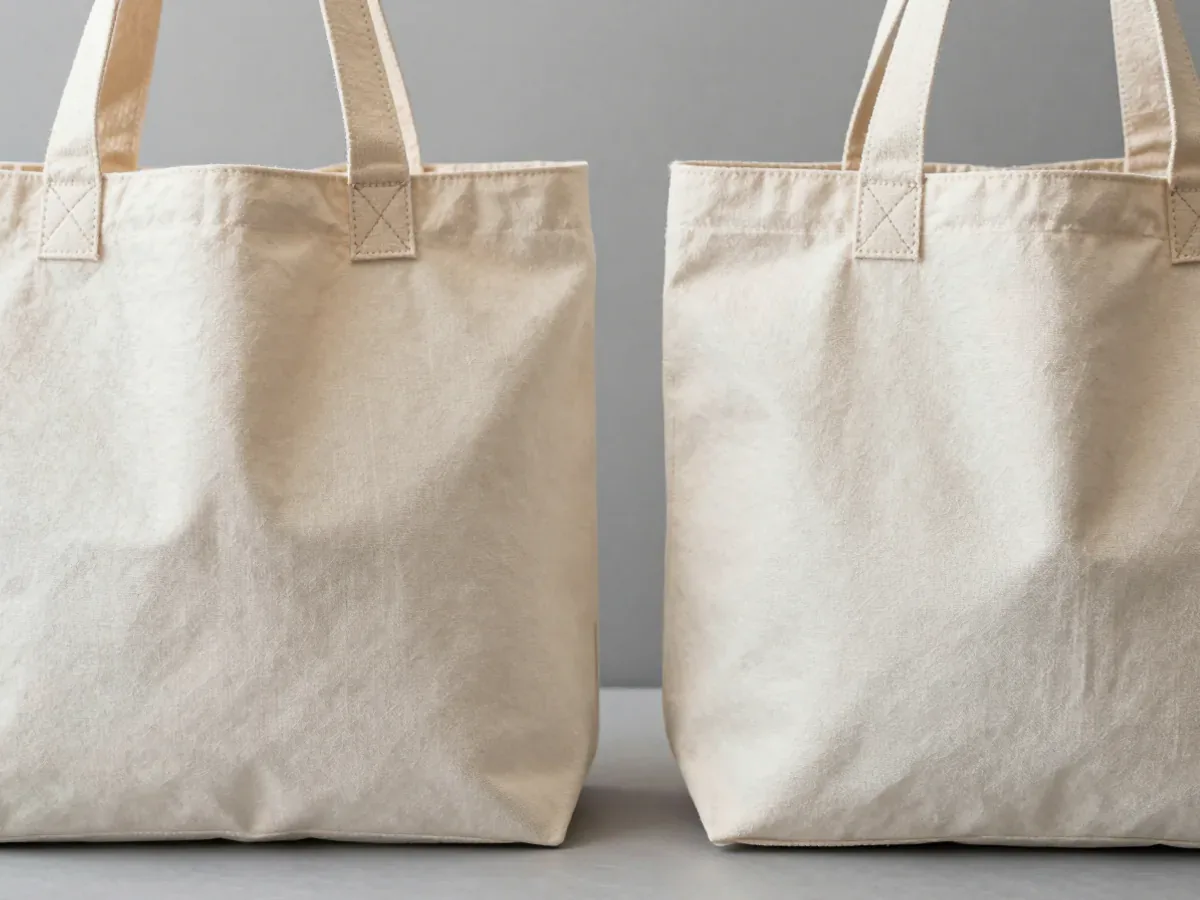
Most purchase orders for totes list a unit price, a quantity, and a delivery date. The unit price is the only number anyone negotiates, and it is the least informative number on the page. A quote of the same value from two factories can hide a material substitution, a print method swap, or a stitching shortcut.
Consider two quotes for a 14x16 canvas tote at 1,000 units. One factory prices 10 oz canvas with a two color screen print and a double stitch bar tack at the handle. The other prices a lighter shell, a heat transfer logo, and a single row of stitching. The totals look close. The second bag will not survive a grocery load the way the first one will.
The cost of that difference does not appear on the invoice. It appears later as a customer returning a bag with a torn handle, a store manager pulling stock, or a reorder that has to be rushed at a higher price. Landed cost includes all of it.
Material: The Thirty Cent Gap That Comes Back
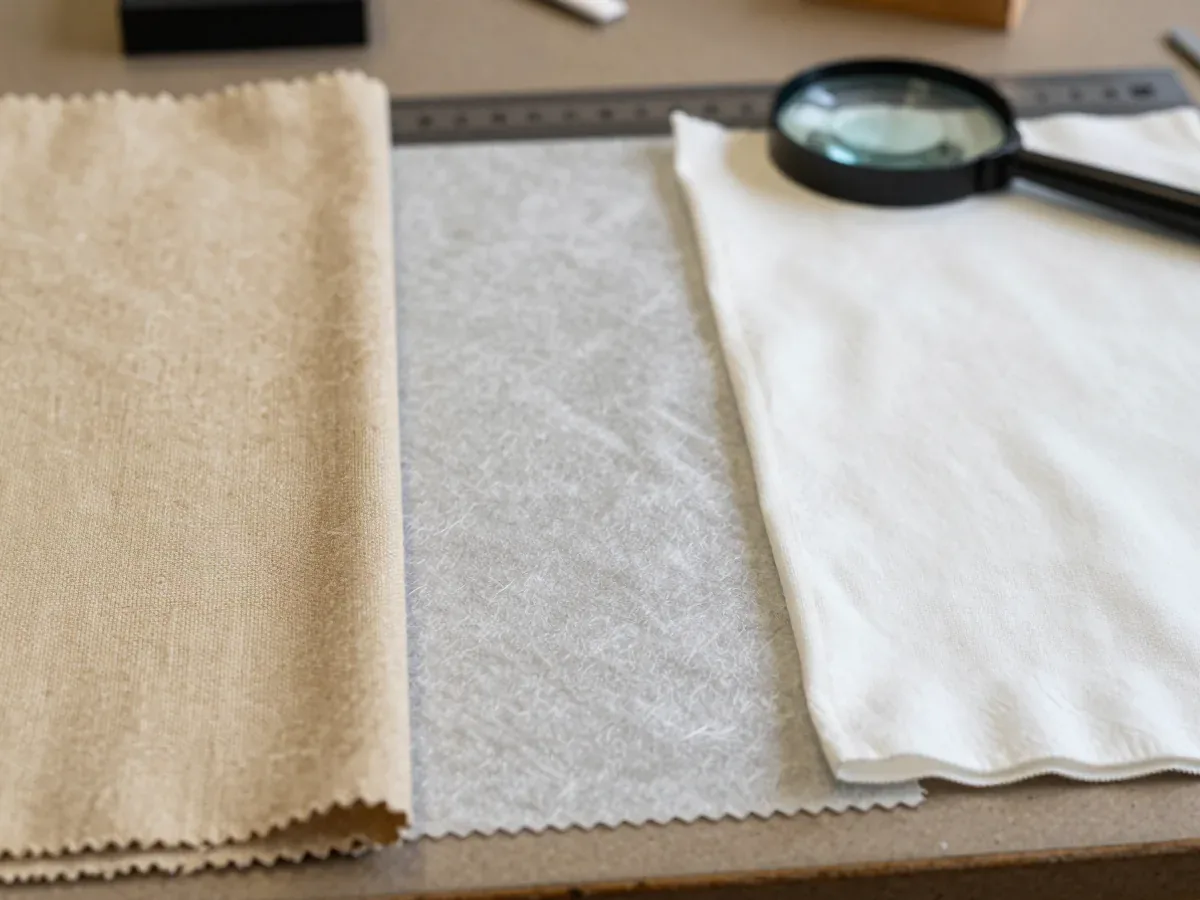
Material is the line where a small saving per unit looks largest and costs most. A lighter shell or a cheaper nonwoven can shave a few cents off each bag. Multiply that by a season of orders and the saving looks real on a spreadsheet.
The problem is what the lighter material does under load. Canvas at 340 GSM holds a heavy shop without the handle pulling out. Nonwoven at around 100 GSM fails well below that. Lightweight cotton at 140 GSM can shrink after the first wash, and a bag that no longer fits its stated dimensions is a return.
There is also a perception cost that never shows in a quote. A bag that wrinkles on the shelf or pills after a week tells the customer something about the brand before they read the logo. The thirty cents saved per unit is paid back in lost repeat purchase, which is far harder to measure and far more expensive.
The material decision should be made against the load the bag is expected to carry, not against the cheapest option that meets the spec sheet. A retail tote for groceries and a promotional tote for a trade show are not the same product, even when the drawing looks identical.
Print: Setup Cost, Color Count and the Wash Cycle

Print is where design choices turn directly into money. Every additional color adds a screen, a setup step, and a chance for misregistration. Two or three colors keep the print clean and the defect rate low. A fourth color rarely improves recall enough to justify its cost.
The method matters as much as the color count. Screen printing bonds ink into the fabric and survives repeated commercial washing. Digital printing sits on the surface, and on textured canvas or recycled polyester it can crack within a couple of dozen washes. A logo that fades after one season is a brand cost disguised as a print saving.
Volume changes the math. Screen printing makes sense above roughly 500 units with a small number of spot colors. Digital printing handles low volumes and photographic detail but is the wrong choice for a heavy canvas run at scale. A supplier who quotes digital printing for 500 heavy canvas totes is either padding margin or using cheap transfer paper.
Ink choice belongs in the same conversation. Standard plastisol inks on recycled polyester can crack early. Water based or silicone based inks cost more per unit and last longer, which is the trade a buyer should be making on purpose rather than by default.
Structure: Gusset, Handle Drop and the Bar-Tack
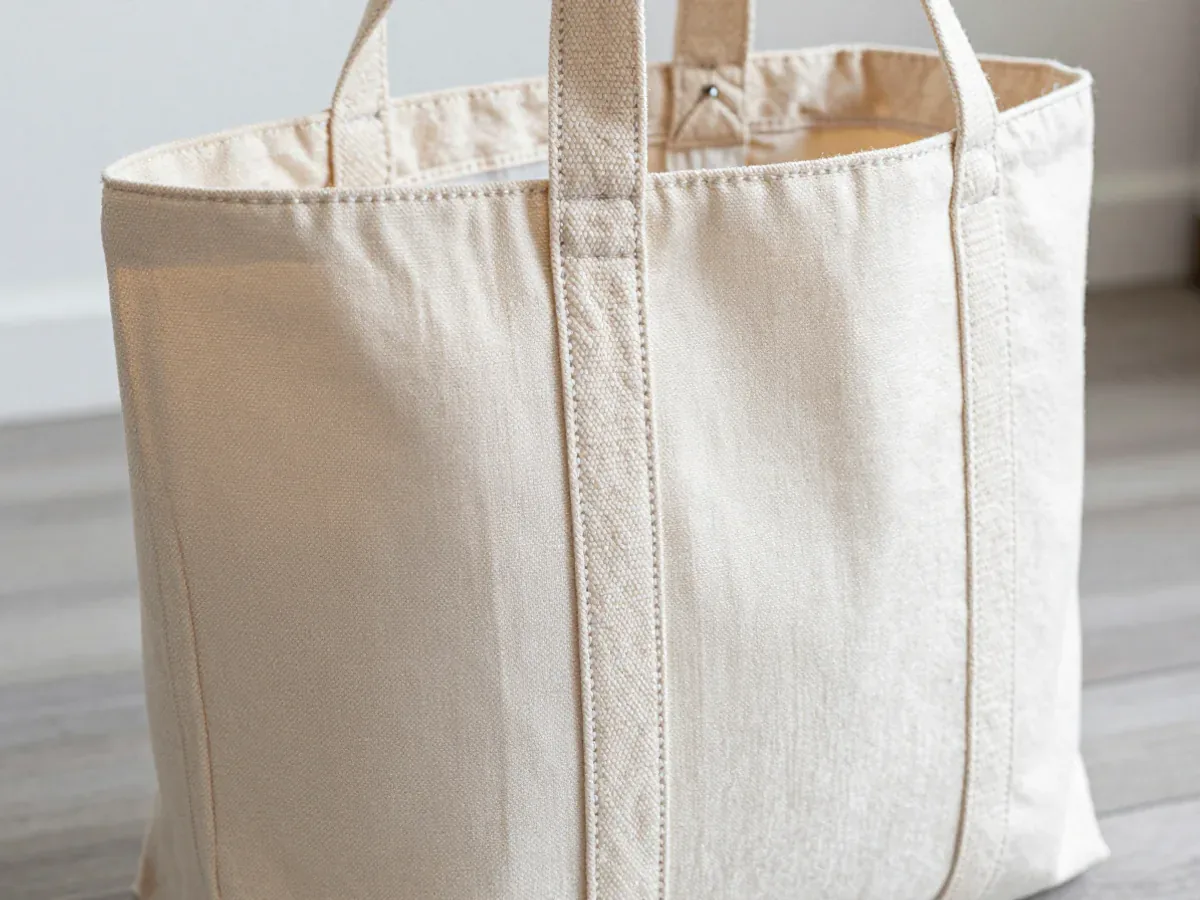
Structure is the quietest cost line because it is invisible until it fails. A medium sized bag with a narrow base gusset collapses flat when loaded. A gusset of at least 5 inches lets the bag stand and hold its shape. Skipping it saves a little fabric and costs the bag its function.
Handle length is the same story. Handles under 14 inches total force the bag under the arm instead of over the shoulder. A 14 to 16 inch drop is the working minimum for a shopping or commuting tote. Shorter handles push the load onto the stitching, and that is where the failure starts.
The handle attachment is the single point where most of the structural money is won or lost. A single row of stitching holds until a 15 to 20 lb load pulls it open. A double stitch bar tack with an internal patch costs a few cents more and is the difference between a bag that lasts three trips and one that lasts three seasons. On our tote line, handles are stitched through the body rather than tacked on, and the base carries a reinforcement where a bottle sits.
A 14x16 template with a 5 inch gusset and 15 inch handles covers most retail use. Anything outside that range should have a named use case, such as a mini bag for cosmetics or an oversized carryall for the beach. Otherwise the buyer is paying for a shape that fights the customer's daily habits.
Rework and Claims: Where the Real Money Leaves
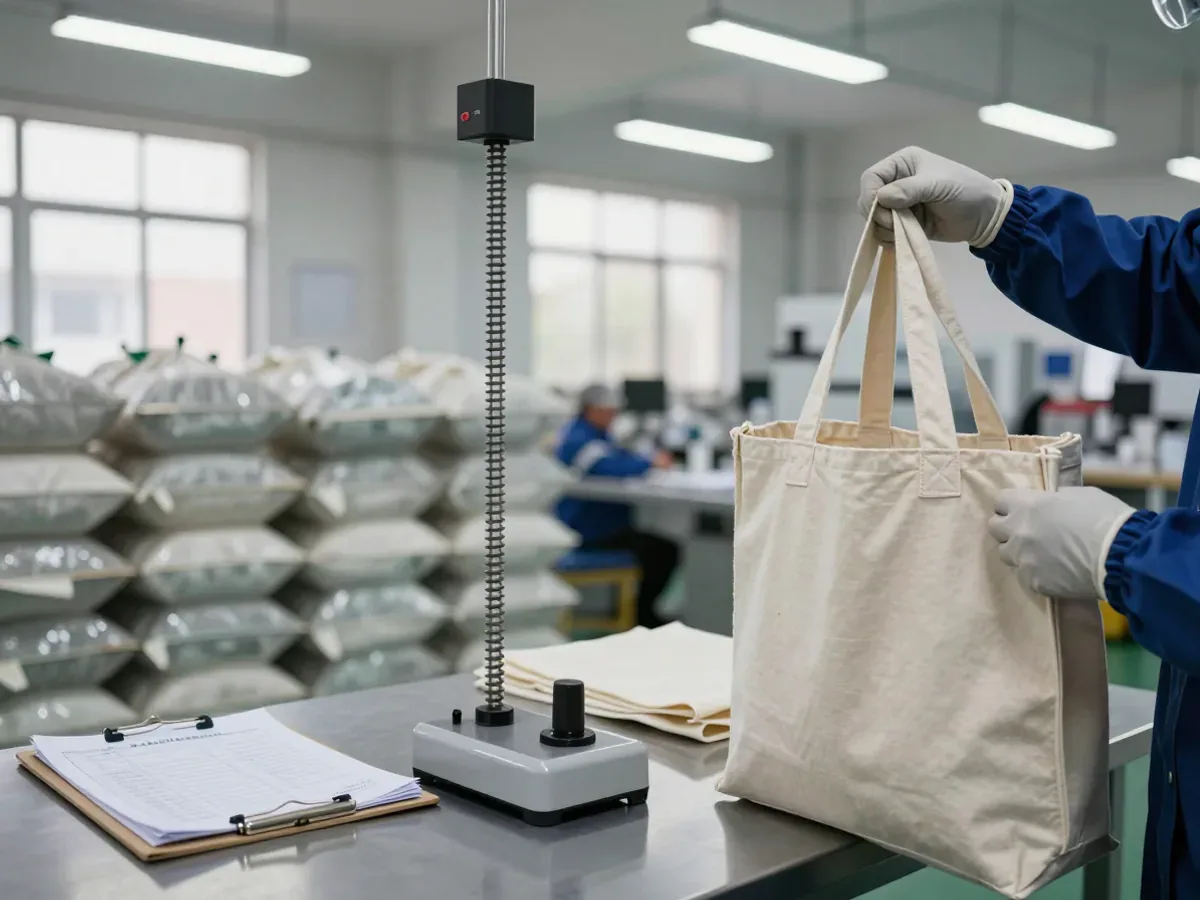
Rework is the cost line that never appears in the original quote and always appears in the final margin. A failed pull test at inspection means either sorting, repairing, or remaking. Each option consumes labor, time, and shipping capacity that was budgeted for something else.
Claims are the second half of the same line. A customer who returns a bag with a torn handle is not only costing a refund. They are costing the store's time, the brand's reputation, and sometimes the shelf space the product was meant to occupy. A batch that fails seam strength does not fail quietly.
The way to keep this line small is to test the things that fail. Seam strength and bar tack should be checked on every batch rather than inspected by eye. Dimensions, handles, logo placement, and stitch density should be checked by hand on the finished bag. Every order running through four checkpoints catches the problems while they are still cheap to fix.
A physical sample is the cheapest insurance in the whole process. Digital proofs do not show fabric texture, handle placement, or stitching density. One sample reveals whether the bag will survive the checkout counter, and it costs a fraction of a failed bulk run.
How to Price a Tote Before You Approve It
Pricing a tote properly means pricing the five lines separately and then adding them back together. Start with the material and confirm the GSM against the intended load. Then price the print by method and color count, not by the lowest per unit figure. Then price the structure, including the gusset, handle drop, and bar tack.
Next, estimate the rework exposure. If the print has four colors on textured canvas, assume a higher defect rate than a two color print. If the handle is single stitched, assume a claim risk on every heavy load. These are not predictions of failure. They are the cost of the risk the design carries.
Finally, compare the total against the unit price the supplier quoted. The gap between the two is the hidden cost the buyer is choosing to accept. Sometimes that gap is acceptable, for example on a low cost promotional bag with a short life. On a retail tote meant to carry groceries for a season, it usually is not.
What to Put in the Purchase Order
The purchase order is where design decisions become enforceable. A spec that says canvas without a GSM, or handles without a length, or print without a method, leaves the factory free to interpret. The buyer who writes the numbers gets the bag they priced.
The order should name the shell and its weight, the gusset depth, the handle drop and attachment method, the print method and color count, and the ink type where sustainability matters. It should also name the checks: seam strength, bar tack, dimensions, handle placement, logo position, and stitch density.
A safe margin belongs in the artwork spec as well. A logo placed too close to a seam can be cropped during sewing. A half inch margin from every seam edge prevents that, and a design around 10 to 12 inches wide on a 14x16 bag reads clearly at five feet.
None of these lines are exotic. They are the same details a factory direct partner keeps and a middleman removes to shave pennies. Writing them into the order is how a buyer makes sure the pennies saved are the buyer's, not the supplier's.
FAQ
How much does one extra print color add to a tote order?
Each additional color adds a screen, a setup step, and a chance for misregistration. The per unit cost rises with the run and the defect rate rises with the color count. Two or three colors keep both under control.
Is digital printing cheaper than screen printing for 500 canvas totes?
At 500 units on heavy canvas, screen printing is the more durable choice and usually the better value. Digital printing suits low volumes and fine detail, but on textured canvas it can crack within a couple of dozen washes.
What handle length should a retail tote have?
A 14 to 16 inch drop lets the bag sit over the shoulder for shopping and commuting. Handles under 14 inches total push the load onto the stitching and shorten the bag's working life.






