

This walk follows a single printed tote order through six stations, using the print spec, sample records and inspection checkpoints that decide whether the method holds.
A buyer forwarded a competitor's claim last spring: three printing methods, one price, no difference in quality. She asked whether that was true. The claim collapsed the moment the order moved from the quotation sheet to the factory floor, because a print method is not a promise made at the PO desk. It is a claim tested at six stations, and any one of them can overturn it.
This is the route a printed tote order actually travels. At each stop, the chosen method either holds up or gets exposed. The question in the title is not rhetorical. It is answered station by station, and the answer is often narrower than the quote suggested.
At the PO Desk, the Method Is Still a Guess

The purchase order names a quantity, a fabric, and a logo. It rarely names the printing method in a way anyone can check. That gap is where the competitor’s claim lived: a price that implied a method without stating one.
Three variables set the method before anything is produced. Run quantity decides whether setup cost can be absorbed. Fabric composition decides which methods are physically possible. Artwork decides how many colors and whether gradients are involved. A 200 piece canvas order with a two color logo points one way; a 5,000 piece polyester order with a photographic print points another.
At this desk, the buyer should write the method down, not just the price. Screen print, heat transfer, sublimation, or a woven label each carry different durability and different failure modes. A PO that says “printed logo” has not chosen anything yet.
Incoming Fabric Decides Which Methods Are Even Possible
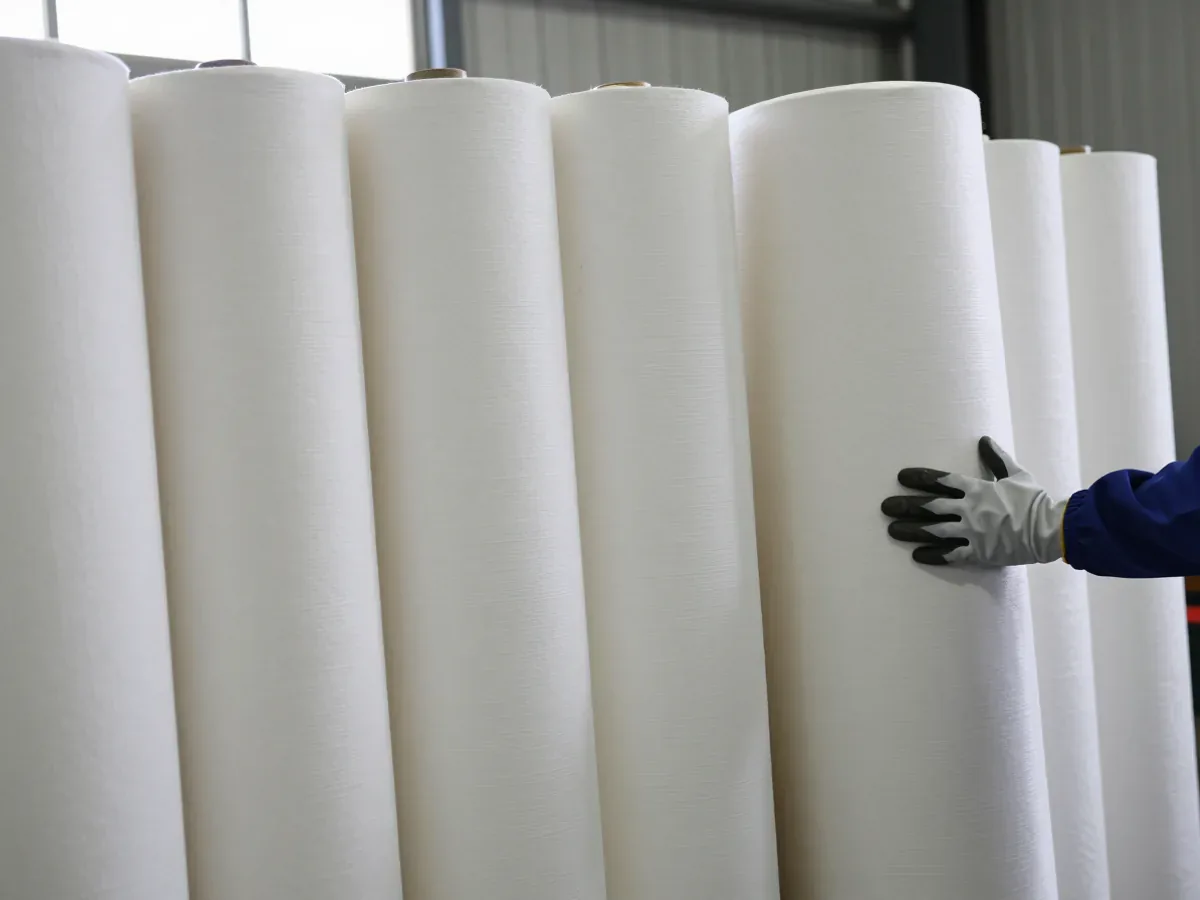
The fabric arrives before the print does, and it votes first. Screen printing and heat transfer run on cotton, canvas, and non-woven PP. Sublimation needs a polyester surface, because the dye bonds with polyester fiber and cotton rejects it.
A buyer who approved a sublimation quote and then switched the shell to cotton has not saved money. They have cancelled the method. The same trap appears in reverse when a canvas tote is quoted for full color work that only sublimation can deliver cleanly.
The incoming check is simple: confirm the fiber content against the method on the PO. If the shell is cotton or canvas, sublimation is off the table and screen print or heat transfer takes over. If the shell is polyester, all three remain open and the decision moves back to quantity and artwork.
Before Cutting, the Artwork Gets Proofed Against the Chosen Method

Artwork is checked before cutting, and that check is where a method earns or loses its place. A spot color logo with four flat colors suits screens. A photographic gradient does not, unless the fabric is polyester and sublimation is available.
Screen printing handles roughly one to six spot colors, with a screen and a setup charge per color. Heat transfer and sublimation print full color without a per color setup ladder. A six color photographic job pushed through screens carries a setup burden that a small order cannot carry.
The proof at this station is a physical print on the actual fabric, not a screen image. A logo that looks crisp on a monitor can turn muddy on a textured canvas. The proof is the first place the buyer sees whether the method and the artwork agree.
At the Print Station, Setup Cost Meets Real Ink

The print station is where the cost argument becomes visible. Screen printing pushes ink through a mesh stencil, one screen per color, and the setup is paid once per design. Above 500 pieces the unit cost falls and the method pays for itself. Below that, the setup sits on too few bags.
Heat transfer presses a printed carrier film onto the fabric with heat and pressure. Setup is near zero because there are no screens, which makes it the cheapest route under 300 pieces. The trade is durability: the print sits on the surface rather than bonding into it.
Sublimation turns dye into gas under heat and pressure so it bonds with polyester fiber. There is no per color setup, and the print becomes part of the fabric. The practical minimum run sits around 200 to 300 pieces because of digital printing and press setup.
Watching the station, the buyer learns which claim was real. A quote that promised screen print pricing on a 150 piece order was never going to survive this stop.
The Wash Test Is Where Durability Claims Get Settled
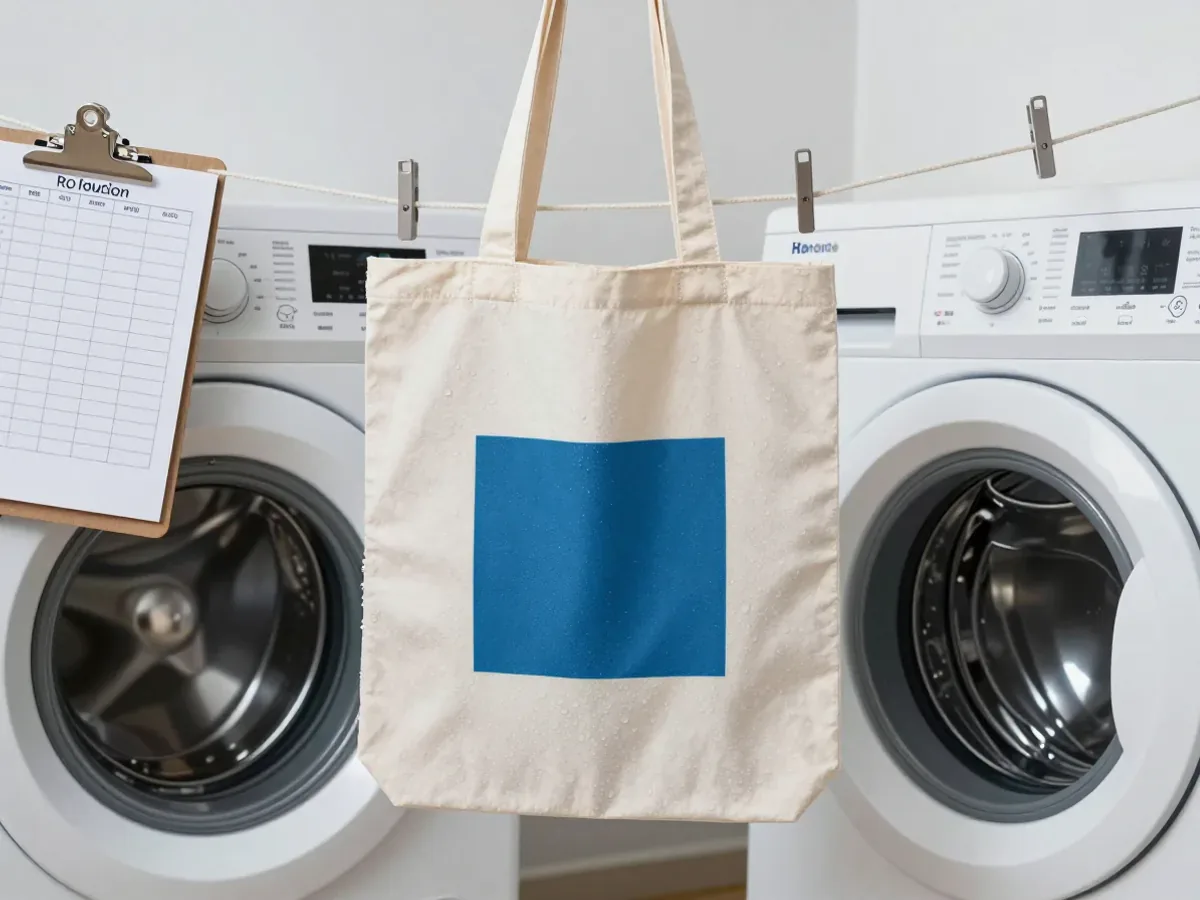
Durability is the method’s real selling point, and the wash test is where it gets settled. A pre-production sample runs five wash cycles at normal household settings, then gets checked for cracking, peeling, and fade.
A properly cured screen print on cotton or canvas holds through roughly 30 to 50 wash cycles before noticeable fading. Heat transfer prints typically survive 10 to 25 washes before edges lift or the print cracks. Sublimation on polyester is permanent because the dye bonds with the fiber.
The sample is made to the same spec as bulk, so the wash result is a forecast, not a formality. A buyer who skips this step is trusting the method name instead of the method’s behavior. Five cycles will not predict fifty, but they will expose a print that was never cured properly.
Final Inspection Checks Alignment Before Anything Else
Alignment is the second check, and it is the top print defect in bag QC. The inspector measures print position on the finished bag against the tech pack, on both sides and around both handles.
A misaligned logo rarely comes from the ink. It comes from registration: the bag shifted on the platen, or the jig was not set. The fix is a jig or a registration mark at the print station, decided before the run rather than after.
The finished bag check also covers seams and the final count, alongside incoming material. Four checkpoints run on a batch, and print alignment belongs inside the finished bag check. A container of bags with drifting logos passes a count and fails a customer.
At the Container Door, the PO Either Matches the Bag or It Does Not
The last station is the least dramatic and the most decisive. The cartons are sealed, the count is confirmed, and the bag either matches the PO or it does not.
The common failure is a silent method swap. A buyer approves a screen printed sample, then finds the bulk run used heat transfer to hit a price target. The two prints do not match, and the wash test on the sample no longer describes the shipment.
Naming the method on the PO closes that gap. So does keeping the approved sample and the wash standard alongside it. At the container door, the question is not which method is best in general. It is whether the method that was proven at the sample stage is the method inside the cartons.
FAQ
Can I switch printing methods after the sample is approved?
Only by re-proofing. A method change alters durability, color behavior, and often the fabric requirement. The new method needs its own sample and wash test before bulk.
How many wash cycles should a pre-production sample survive?
Five cycles at normal household settings is the working check, looking for cracking, peeling, and fade. It is a screen, not a guarantee of the bag’s full life.
Why does the same logo look different on cotton and polyester?
Cotton and canvas take ink on the surface, while polyester allows dye to bond into the fiber through sublimation. The same artwork lands with different sharpness and different durability on each.
What should be written on the purchase order about printing?
The method by name, the artwork version, the print position, and the wash standard. A PO that lists only “printed logo” leaves the method open to substitution.