Built from our archived buyer guide on large bag names and the spec sheets behind our extra large range.
A buyer replaced a worn-out promotional tote last spring and sent the factory a one-line brief: large bag, navy, logo on the front. The sample that arrived three weeks later was a 29.1 in duffel with wrap-around straps, a top zip and a side grip, closer to a travel holdall than the flat shopper she had pictured. The name had travelled from her inbox to the sample room and changed shape on the way.
The same word sits in four different product families, and each family commits the factory to a different structure. A brief that stops at large leaves the sample room to guess which one you meant, and the guess is usually wrong in a way that costs a full sampling round.
The brief that says large bag and nothing else

Short briefs are common because the buyer is describing a feeling rather than a product. The old tote was roomy, so the replacement is a large bag. The brief captures the size impression and nothing else: no body shape, no opening type, no handle layout, no capacity target.
The sample room receives that line and starts from the nearest pattern on file. If the last large order was a duffel, the new brief becomes a duffel. If the last order was a flat tote, it becomes a flat tote. Nobody decides this consciously; the pattern library decides it.
By the time the sample is photographed and couriered, the brief has already been interpreted. The buyer opens the carton expecting one product and finds another, and the conversation restarts from a physical object instead of a written spec.
Why the short name feels efficient on a Monday
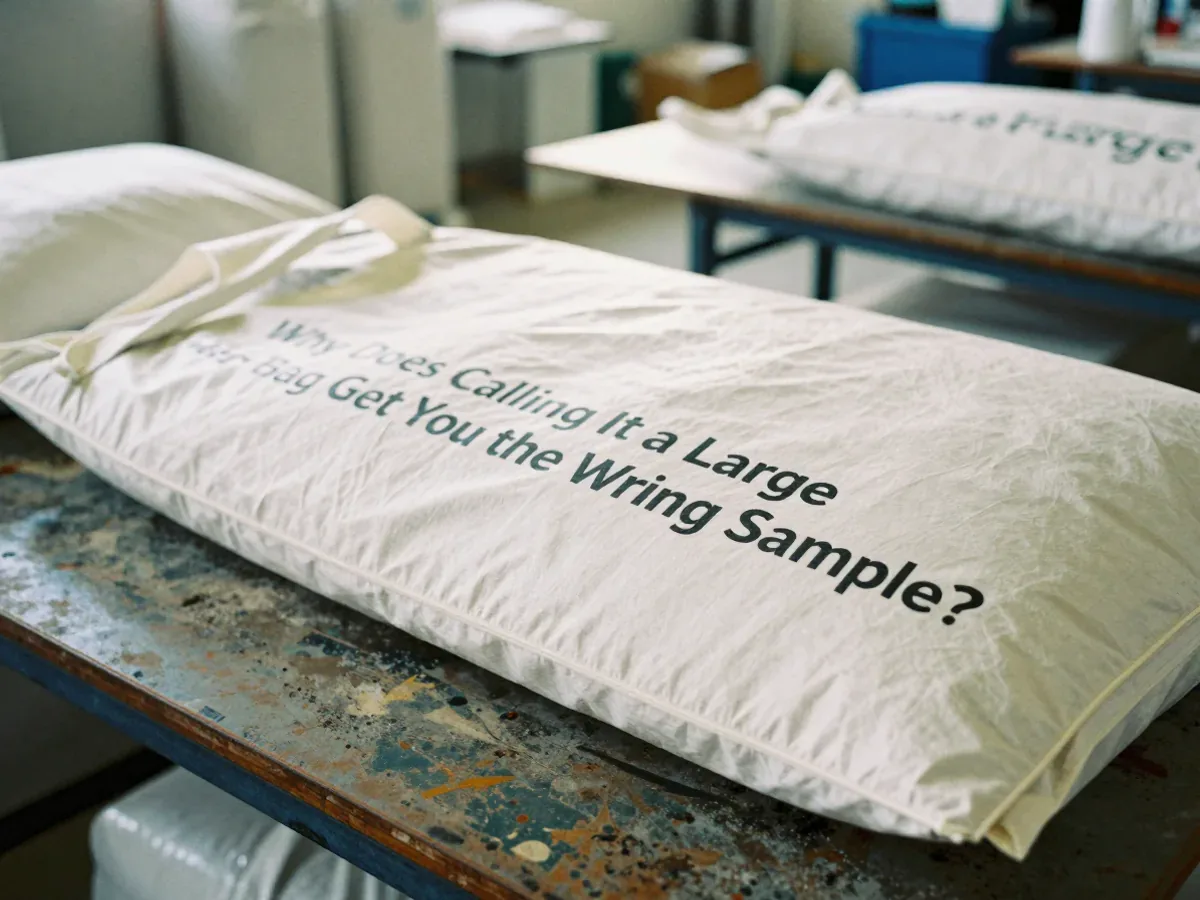
A one-line brief saves an hour on Monday morning. It also feels polite, because it leaves the factory room to propose something better. Buyers who work with a trusted supplier often assume the sample room knows the programme and will fill in the gaps.
That assumption holds when the same style has run for several seasons. It breaks the moment the programme changes: a new market, a new end use, a new retail channel. The pattern library has no memory of the new context, so it reaches for the old shape.
There is a second reason the short name survives. Large sounds like a size, and size feels objective. In practice it is a category word that covers a flat shopper, a structured carryall, a soft duffel and an oversized fashion piece, and those four do not share a pattern.
The sample that comes back as a different product

The gap shows up first in the body. A flat tote hangs from two handles and collapses when set down. A duffel holds a barrel shape and needs a top opening wide enough to pack through. A carryall keeps a structured base so it stands on a counter. An oversized fashion piece is cut for proportion, not for load.
The second gap is the opening. A top zip changes the panel layout, the lining attachment and the seam sequence. A brief that never mentions an opening lets the sample room choose, and the choice is usually the cheaper open-top construction.
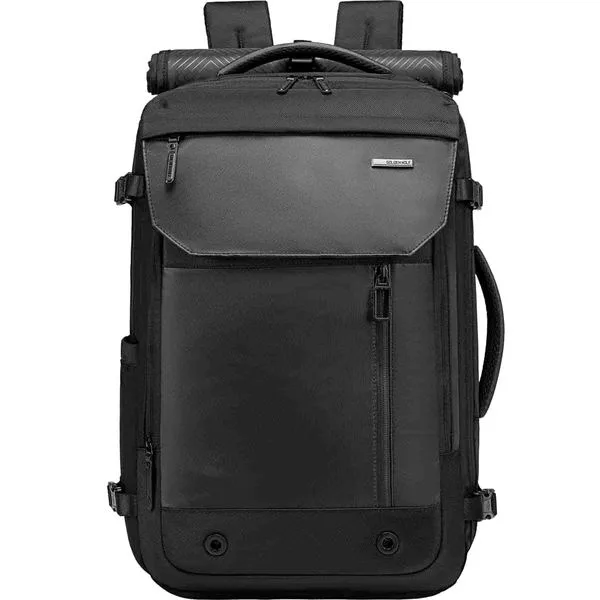
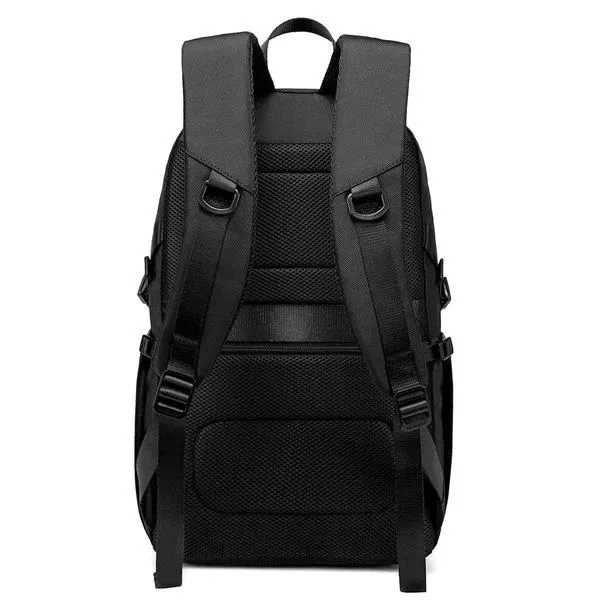
The third gap is the carry system. Handles, a side grip, backpack straps and wrap-around webbing each add a station to the sewing line and a set of bar tacks to the inspection list. A large bag with backpack straps is a different product from a large bag with two hand handles, even at the same body size.
What each name quietly promises about structure
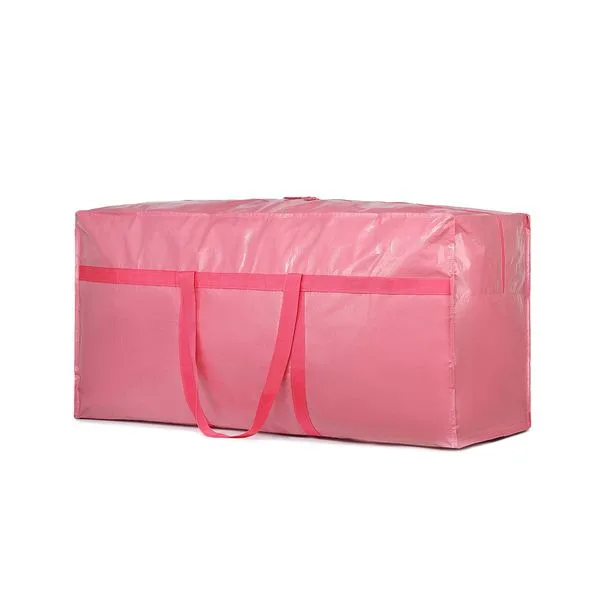
A tote promises an open or lightly closed top, two handles and a flat body that folds. It is the cheapest of the four to construct and the least protective in transit.
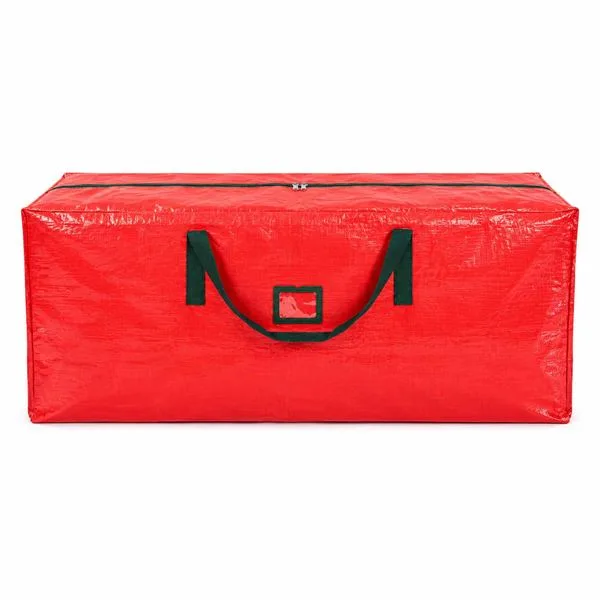
A duffel promises a barrel or long body, a wide top opening and a carry system that distributes weight. The long body is the defining feature, and it usually comes with a zip running most of the length.
A carryall promises a structured base, a wider footprint and handles that let the bag sit upright. It reads as a work or weekend bag rather than a giveaway.
A jumbo bag in the promotional trade is simply the largest version of the same family, and the word signals capacity rather than a new construction. In industrial supply the same term means something else entirely, which is why the name alone cannot carry a spec.
An oversized bag promises proportion. It is cut larger than standard for a fashion statement, and the structure follows the silhouette rather than the load.
Where size lines and handle counts settle the argument
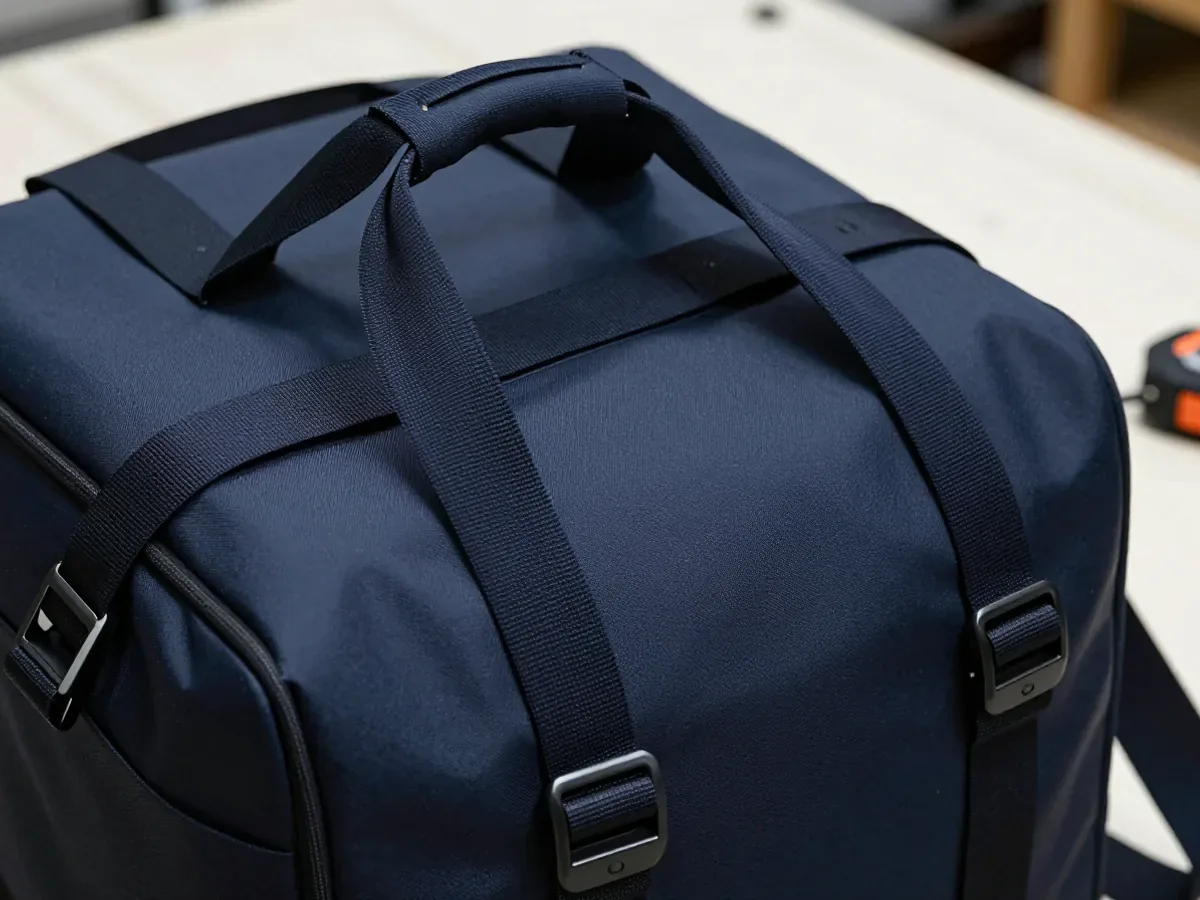
Dimensions do more work than any adjective. A body at 29.1 by 13.8 by 13 in and a second at 29.1 by 14.2 by 12.6 in look similar on paper, yet the small depth difference changes how the bag packs and how it hangs from a shoulder. Writing both numbers removes the ambiguity that large creates.
Handle count is the second lever. Two hand handles, a side grip, backpack straps and wrap-around webbing are separate line items. A brief that lists them forces the sample room to build the carry system the buyer actually wants.
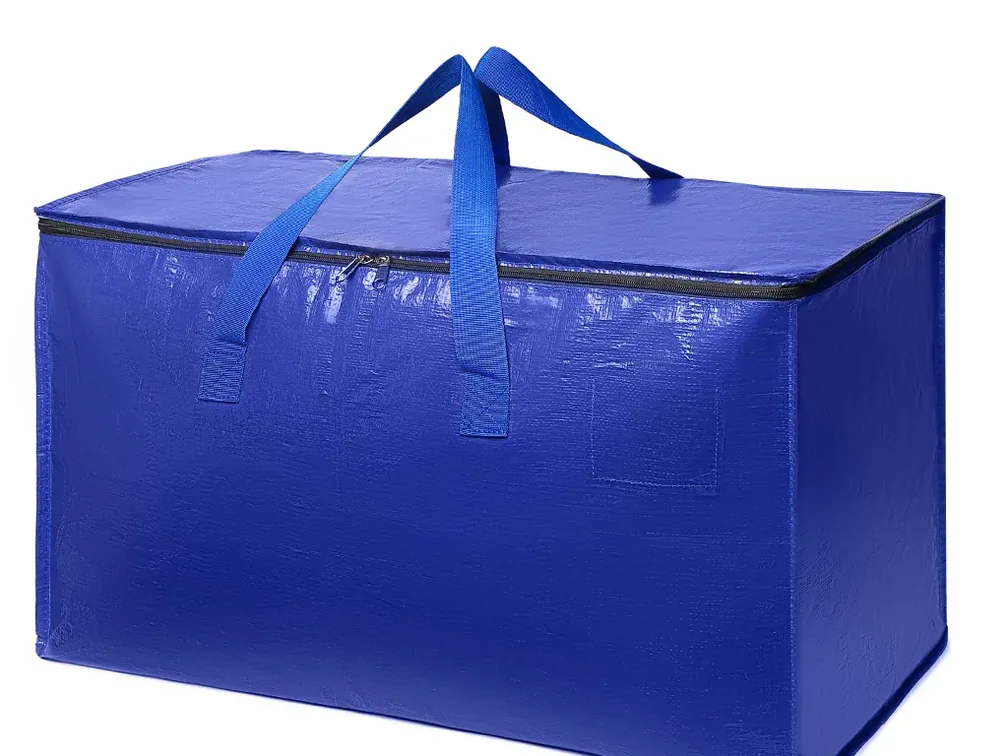
The blue style on file shows how the parts combine: hand handles plus backpack straps on a 29.1 in body. That combination is a decision, not a default, and it belongs in the brief before the pattern is pulled.
Reading a spec sheet the way the sample room reads it
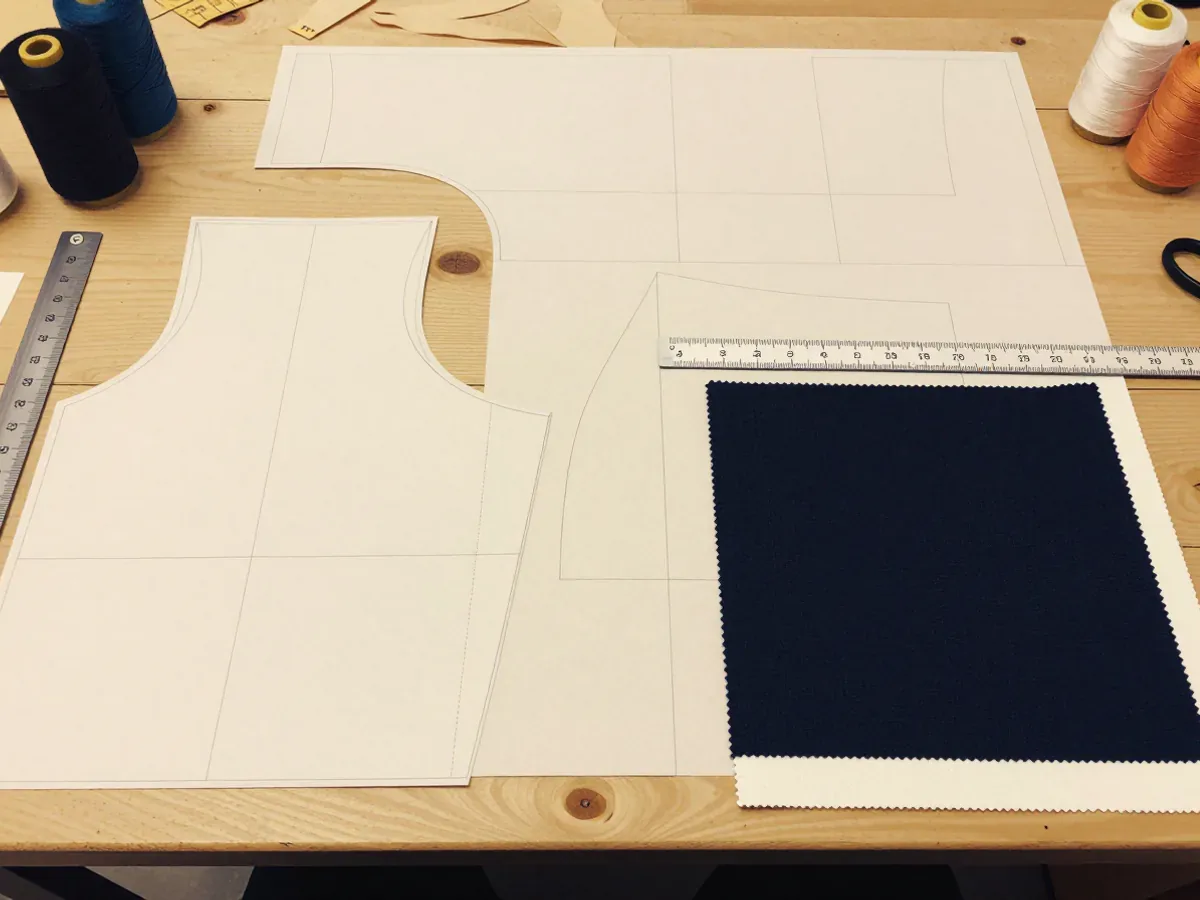
The sample room reads a spec in a fixed order: body shape, opening, carry system, branding, packing. Each line answers a question the pattern cutter would otherwise ask.
Body shape sets the panel count. Opening sets the zip or flap and the lining attachment. Carry system sets the webbing length, the bar tack positions and the reinforcement. Branding sets whether the logo goes on as a screen print, a woven label, a heat transfer or an embroidered label, and each method needs a different placement allowance.
Packing closes the loop. Retail packing changes the carton count and the label position, and it has to be agreed before the sample is sealed, not after.
A five line check before the name goes on the PO
Before the style name reaches the purchase order, five lines should already be fixed. First, the body dimensions in the buyer's own units, with depth included. Second, the opening type and whether it closes. Third, the carry system, listed part by part. Fourth, the branding method and its position. Fifth, the packing format and the carton quantity.
A buyer who fills those five lines no longer needs the word large to carry the brief. The name becomes a label on a spec that already answers the sample room's questions, and the first sample arrives as the product that was ordered.
FAQ
Is a carryall the same as a tote?
They overlap but do not match. A tote is usually flat and folds; a carryall keeps a structured base and stands upright. The difference shows in the base panel and the handle attachment, so the two names lead to different patterns.
When does a large bag become a jumbo bag?
In the promotional trade, jumbo marks the top of the size range within the same family. In industrial supply the term describes a bulk container with a load rating, which is a separate product class. The word alone does not settle which one is meant.
Should the bag name appear on the purchase order?
It should appear alongside the dimensions and the parts list, never instead of them. The name helps the sample room find the right pattern family; the numbers and parts tell the line what to build.
How do I describe an oversized bag for a fashion program?
Describe the silhouette first: body length, depth and drop. Then list the carry system and the branding method. Proportion is the design intent, so the dimensions carry more weight than the category word.