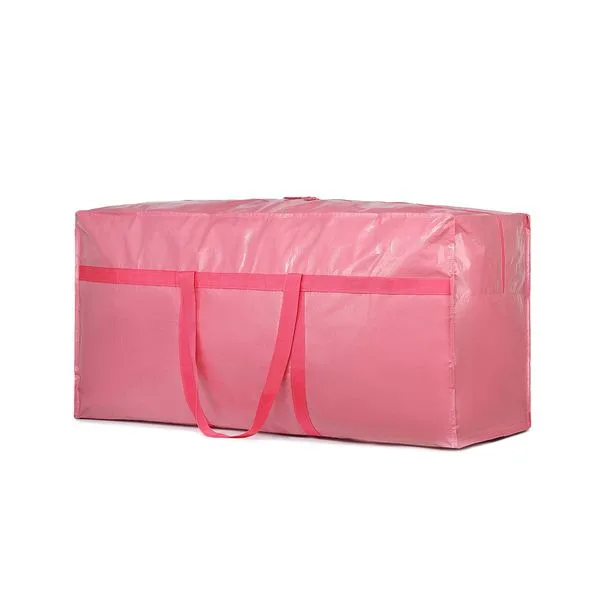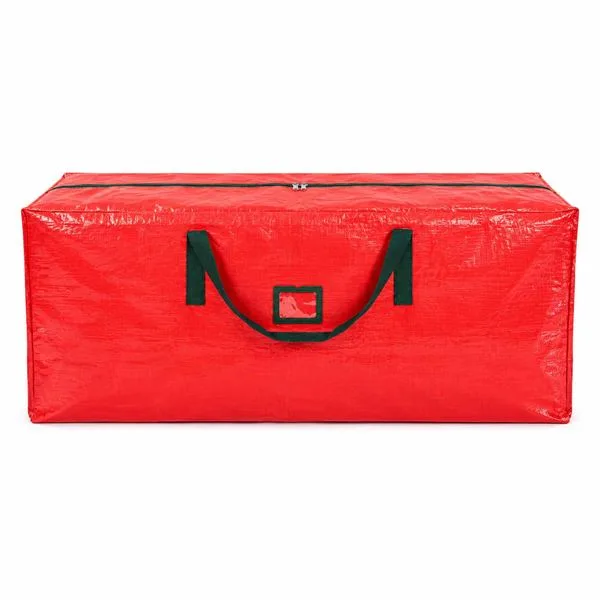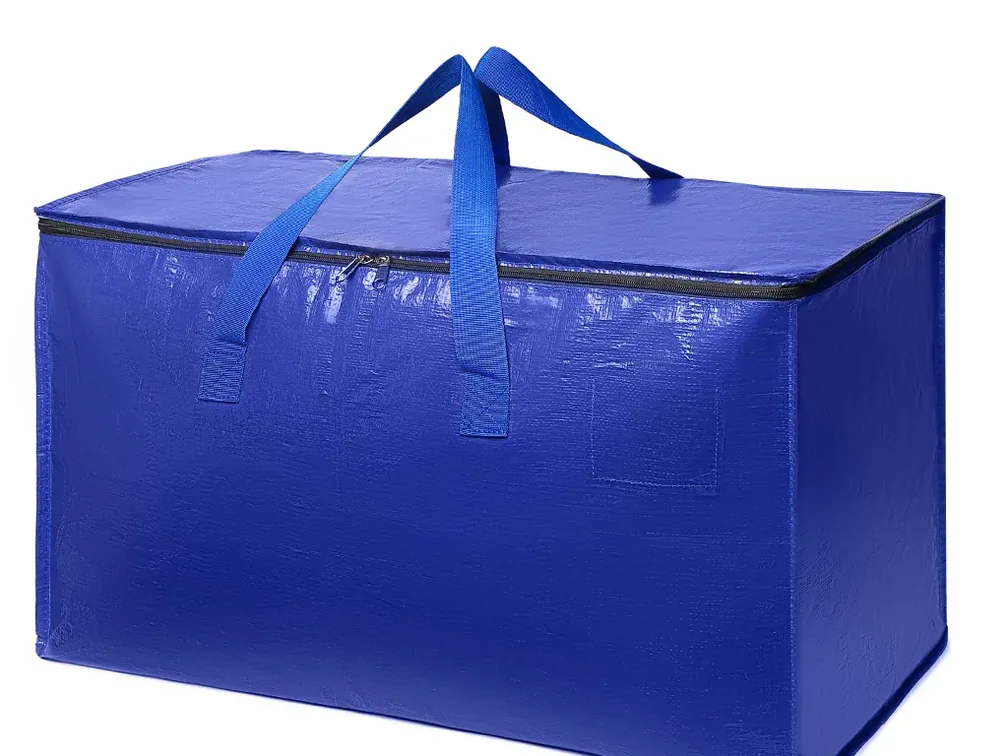
Based on the material, decoration and QC records behind TIIOCTI's reusable shopping bag line, plus the pricing structure described in the earlier bulk order guide.
At the printing station, the first bag off the line carried a logo two centimetres left of where the buyer had approved it. The screen had been set from a proof that was never checked against the bulk spec. By the time the error surfaced, four hundred bags had already gone through the dryer, and the cost of that shift was never on the original quote.
A wholesale non woven bag quote looks like a single number per unit. It is really five separate cost lines stacked on top of each other, plus a few that only appear when something goes wrong. Pull the quote apart and the buyer can see which line is worth negotiating, which line is fixed, and which line will come back as a surprise invoice later.
Five lines on a non woven bag quote, and what each one pays for

The first line is material. Non-woven is one of the shells the factory runs, alongside cotton canvas, PP woven and rPET, and each one carries a different cost per square metre. The shell weight and the bag dimensions decide how much fabric leaves the roll for every unit. A deeper gusset or a taller body uses more material even when the print and handle stay the same.
The second line is print. Screen print and heat transfer are the two common decoration routes, and a woven label is a third option that sits on the bag rather than in the ink. Each method has its own setup cost, its own minimum run, and its own behaviour after washing. A one colour screen print and a three colour heat transfer are not the same purchase even when the artwork file is identical.
The third line is labour. Handles are woven or webbing and stitched through the body, the base is reinforced, and the body folds flat for packing. Every one of those operations takes time at a station. A bar-tack at the handle joint adds seconds per bag, and seconds multiply across a bulk run.
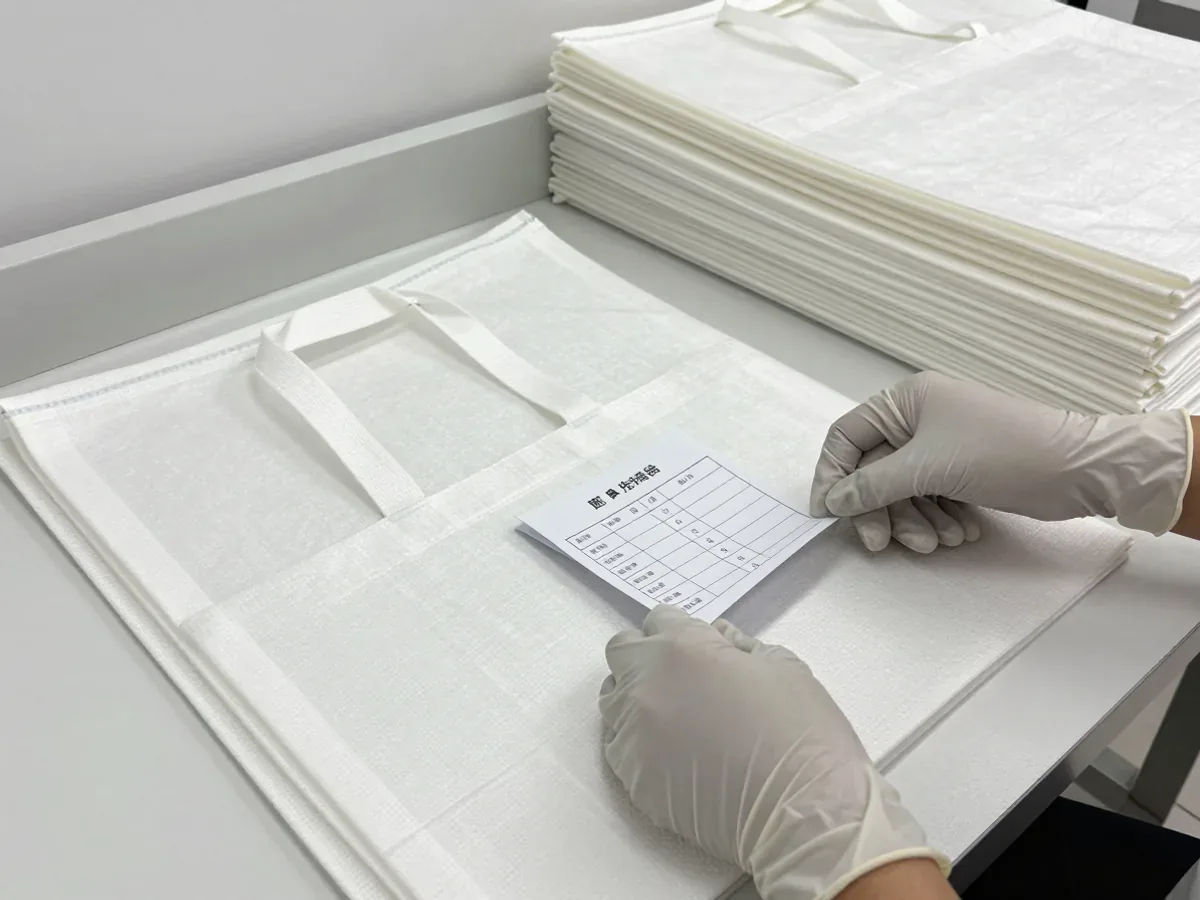
The fourth line is packing. Bags are counted, folded, and packed to a confirmed quantity per carton. Hand checking for dimensions, handles, logo and packed quantity happens before the carton is sealed, and that step is part of what the buyer pays for. Skipping it moves cost from the quote to the claim.
The fifth line is freight. Carton size and weight decide how many units fit in a container, and a bag that folds flat packs more efficiently than one that does not. A slightly larger bag can push the carton into a different freight bracket without changing the fabric or the print.
The quantity tier that changes the unit price without changing the bag
Suppliers usually publish price breaks at set quantities, and the unit price steps down as the order crosses each threshold. The bag itself does not change at the break. The same shell, the same print, the same handle. What changes is how the factory spreads setup time, machine warm up and material buying across more units.
A buyer planning three thousand bags now and another three thousand later is often paying two setup cycles for one design. Combining the run into a single order can move the whole quantity into a lower tier and cut the per unit cost without touching the specification. The saving is real, but it comes with a storage decision, because the extra cartons have to live somewhere.
The tier structure also affects priority. Factories tend to schedule larger runs first and hold material for them, so a buyer near a price break may get a better production slot as well as a better rate. Ask for quotes at two or three quantity levels around the planned order and compare the total spend, not just the unit figure. A small jump in quantity can produce a noticeable saving, and the quote will show exactly where the step sits.
Print setup and colour count: the cost that scales with artwork, not volume

Print cost behaves differently from material cost. Material scales with quantity in a straight line. Print carries a fixed setup that has to be paid once, then a running cost per bag. Adding a second colour adds another screen, another setup, and another pass through the line, so the fixed portion of the print line grows faster than the volume portion.
That is why a two colour logo can raise the unit price sharply on a small run and barely move it on a large one. The setup is being divided across more bags. A buyer who wants a four colour design on a modest quantity is really paying for four setups, and the quote will show it.
The decoration method matters here too. A woven label carries its own tooling and lead time but can deliver fine detail that screen print cannot hold. Heat transfer handles gradients and photographs but has a different cost curve. Printing is proofed before the run, and the sample is made to the same spec as bulk, so the buyer can see the actual colour and position before committing. A proof that is never checked against the bulk spec is how the two centimetre shift at the printing station happens.
Where the hidden money sits: rework, inspection and short shipments
Rework is the cost that never appears on a quote and always appears on an invoice. A print position that drifts, a handle that pulls out of the seam, a bar-tack that misses the joint, a carton count that is short by a dozen. Each one triggers a decision: sort and rework, discount and ship, or replace. All three cost more than doing it right the first time.
Inspection is the cheapest insurance against rework. Every bag passes four QC checkpoints before packing, and pull, seam strength and bar-tack are tested on every batch. Those checks catch the failure at the station where it happened, before the carton is sealed and before the container leaves. A buyer who waives inspection is not saving the inspection fee. They are moving it to the claim.
Short shipments are a quieter cost. A carton packed to a confirmed quantity that arrives light means the buyer paid freight for air and has to reorder to cover the gap. Hand checking packed quantity before sealing is the only reliable defence, and it belongs in the purchase order, not in a verbal promise.
Custom colours add another hidden line. A stock black or navy shell is already on the roll. A custom shade requires dyeing, which brings its own minimum, its own lead time, and a risk that the second batch does not match the first. The same logic applies to special inks such as reflective or metallic finishes, which need confirmation that the supplier runs them at all.
How to compare two quotes when the bag specs are not identical

Two quotes for a thousand non woven bags can differ by a wide margin and still both be honest. The gap usually sits in the specification, not in the supplier's margin. Put the two documents side by side and read them line by line before comparing the unit price.
Start with the shell. Confirm the fabric type and the weight per square metre on both quotes. A lighter shell uses less material and costs less, and it also carries less load. Then check the dimensions, including gusset depth, because a deeper gusset changes the material consumption even when the face of the bag looks the same.
Move to the handle. Woven and webbing handles are not interchangeable in cost or in feel, and the attachment method matters. A handle stitched through the body with a bar-tack is a different build from one that is simply sewn on. Ask both suppliers to describe the attachment in the same terms.
Then compare the decoration. Method, colour count, print area and position should match before the print line can be compared. A quote that includes a woven label and one that includes a screen print are pricing two different products. Finally, check what the packing line covers. Confirmed quantity per carton, hand checking, and carton dimensions all affect the landed cost.
What to confirm before the cartons are sealed
The last chance to fix a cost problem is before the cartons close. A short confirmation list at that point prevents most of the hidden lines from turning into claims.
Confirm the print proof against the bulk spec, including position and colour count. Confirm the handle attachment and that the bar-tack is present on every bag. Confirm the packed quantity per carton and that it matches the purchase order. Confirm the carton dimensions and weight, because those numbers decide the freight bill. Confirm that the pre-production sample was made to the same spec as bulk and that the bulk run matches it.
A buyer new to importing may find a distributor smoother to deal with, while a buyer with a QC team usually prefers factory direct for price and customisation. Either route works if the confirmation list is the same. The money in a bulk non woven bag order is decided long before the invoice, at the stations where the shell is cut, the print is set, the handle is stitched and the carton is counted.
FAQ
Does a higher quantity always lower the unit price of non woven bags?
Not always. The unit price steps down at published tiers, but a custom colour, a special ink or a more complex decoration can add a fixed cost that offsets the volume saving. Compare total spend at each tier, not just the unit figure.
Why does adding a second print colour raise the price so much?
Each colour needs its own screen, its own setup and its own pass through the line. The setup is fixed, so it hurts most on small runs and fades as quantity grows. A woven label or heat transfer may price the same artwork differently.
Should a buyer order from a factory or a distributor when new to importing?
A reliable distributor reduces stress for a first order because communication and issue resolution are simpler. Buyers with QC teams and clear specs usually get better pricing and customisation factory direct.
What should a pre-production sample prove before the buyer approves bulk?
It should prove the shell, dimensions, handle attachment, print position and colour match the approved spec. Printing is proofed before the run, and the sample is made to the same spec as bulk, so any gap between sample and bulk is a warning.