Reconstructed from a legacy moving bag article and current woven PP production records, with load figures agreed per order.
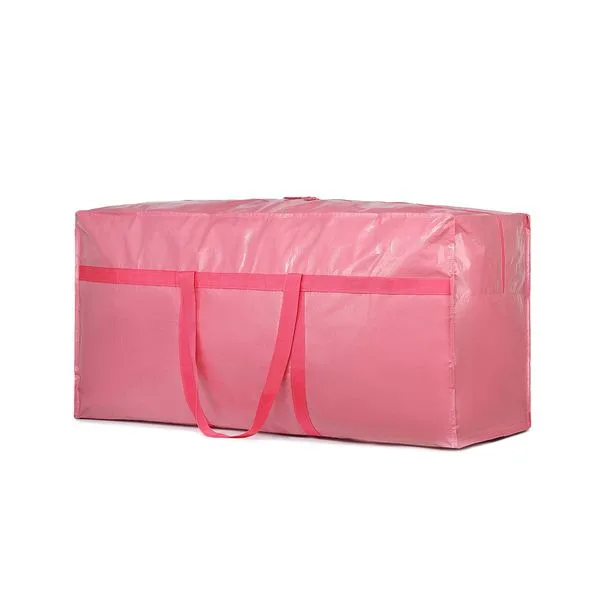
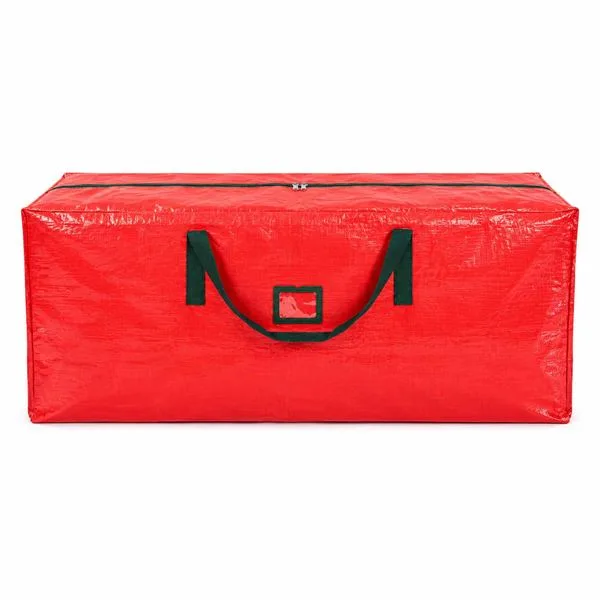
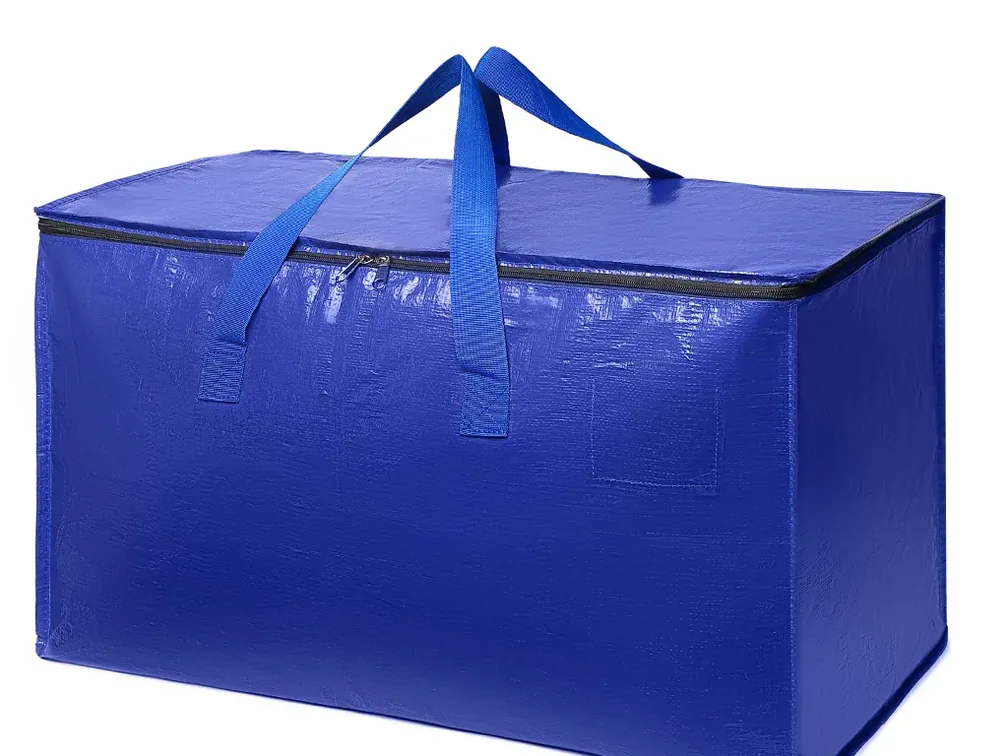
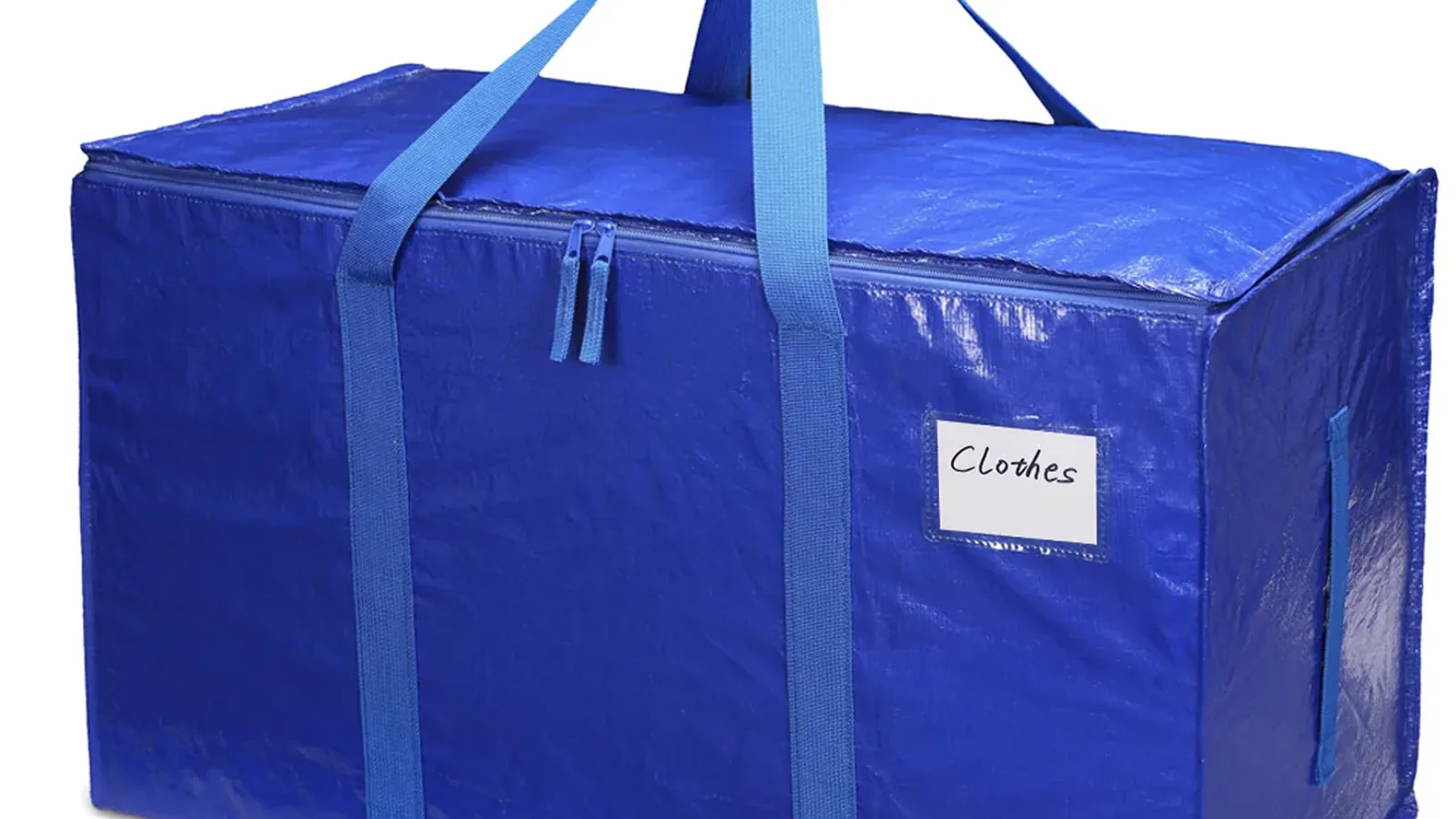
Every September the same order shape arrives: woven PP moving bags for a university housing turnover, bought in a hurry before term starts. Last season one carton of them opened on a loading dock and the straps tore before the truck was half packed. Two bags, same photo on the supplier's listing, same printed size, same colour. One held a full load of books and bedding. The other split at the handle root on the first lift.
The buyer had approved a sample six weeks earlier and signed off on the photo. The photo showed a bag. The purchase order showed a bag. Neither showed the three lines that decide whether a woven PP moving bag carries its rated load or fails on the first morning of a move. That gap is what this story is about.
The Morning the Straps Gave Way
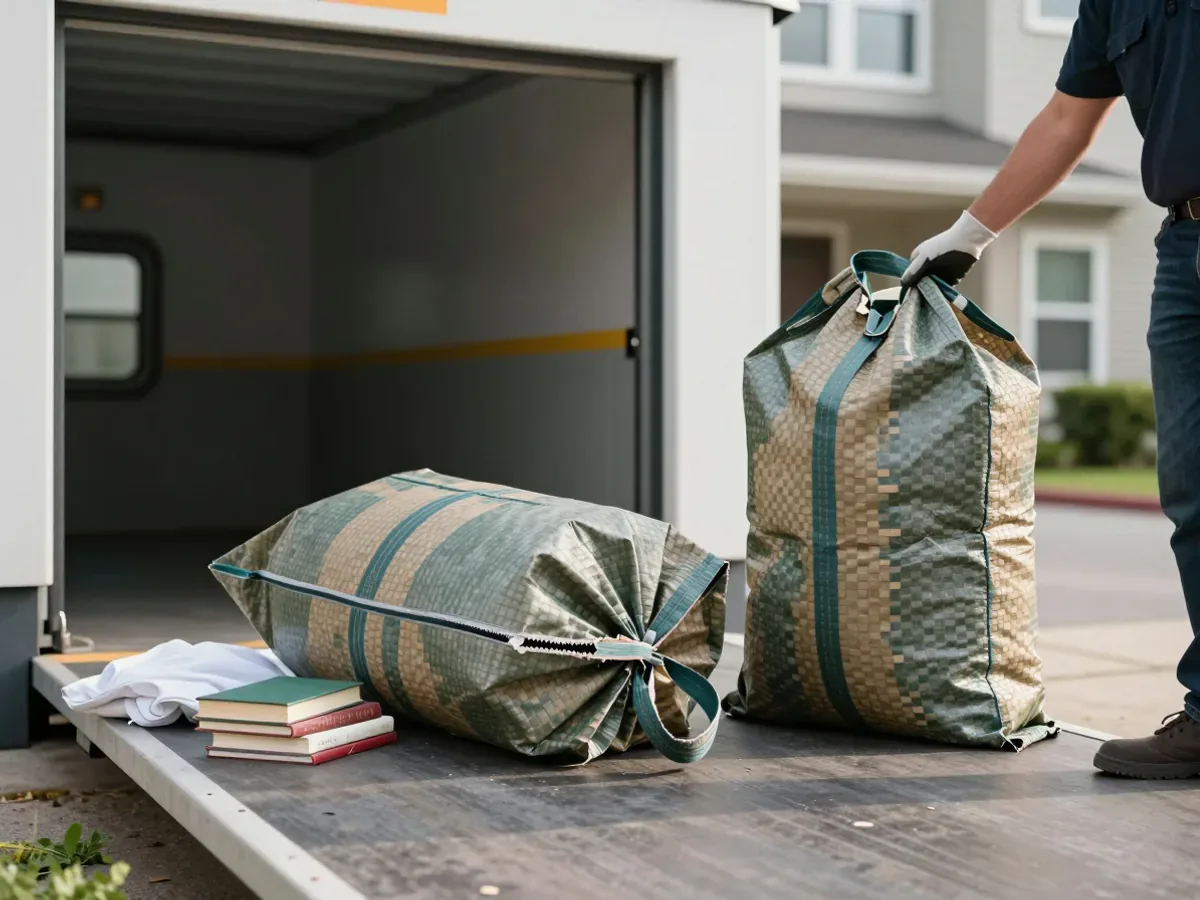
The dock was a residential building's service bay, and the crew was loading a student move. A bag went up by one handle, the webbing pulled out of the seam at the top corner, and the contents dropped onto the ramp. A second bag failed the same way within the hour. Both were from the same carton, same lot number, same order.
What made the failure strange was the third bag. It looked identical, carried the same weight, and survived the whole move. The crew did not notice a difference because there was nothing visible to notice. The bags were the same size, the same colour, the same print. The difference sat inside the construction, in places a buyer never sees on a sample table.
By the time the move was finished, the buyer had two failed bags, a damaged lamp, and a supplier asking for photos. The photos showed torn webbing and a seam that had opened along the stitch line. They did not show why one bag held and another did not.
Tracing Back to the Spec Sheet
The order file had four documents: a photo, a size line, a quantity, and a price. The size line read something like 60 by 40 by 11.8 in. Nothing in the file stated fabric weight, seam pattern, or how the handle was attached.
That is a normal-looking purchase order. It is also a document that cannot tell a factory what to build, so the factory builds what it always builds, and the buyer receives what the factory always ships. Two bags from two production runs can both match the photo and still differ by a wide margin in safe load.
A load rating is a claim until inspection makes it a fact. The failed bag carried a rating on the listing. The rating had never been tied to a stitch count, a webbing width, or a fabric weight on this particular order. When the buyer went back to the supplier, the supplier pointed to the sample. The sample had been made in a different run.
The Three Lines That Decide the Load
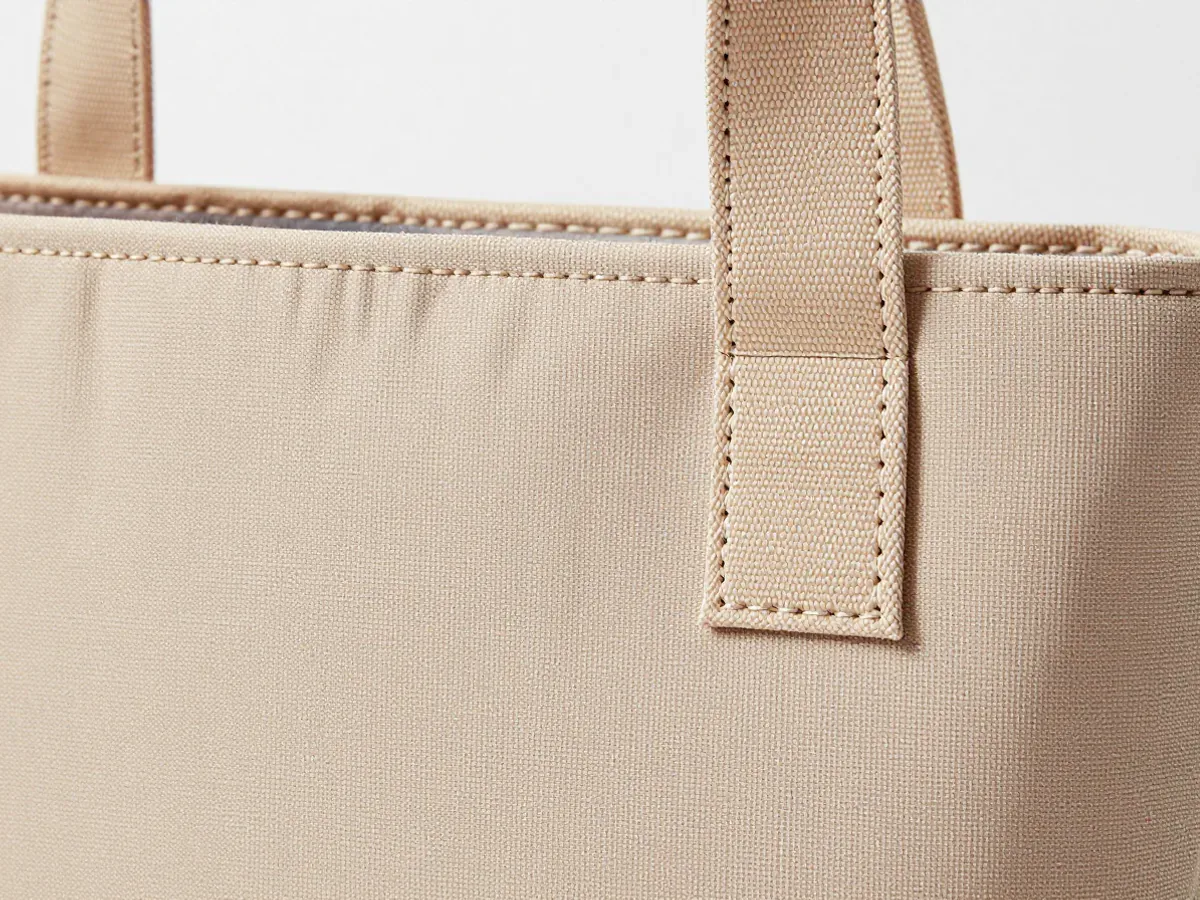
The difference between a bag that holds and a bag that tears lives in three spec lines: fabric weight, seam pattern, and handle reinforcement. Each one is writable on a purchase order. Each one is invisible in a product photo.
Fabric weight is usually expressed as grams per square meter, and it drives cost roughly in proportion. A heavier fabric resists tear at the seam line, where load concentrates. Denier, the thickness of the individual tape, works alongside it. Two fabrics can share a gram weight and behave differently if the tape is thinner.
Seam pattern decides how the load travels from the handle into the body. A single row of stitching along the top hem distributes force across a narrow band. A folded, double-stitched seam spreads it. The pattern is a line item a buyer can ask for by name.
Handle reinforcement is where most moving bags fail. Handles cut from the same woven fabric and simply stitched to the body will pull out under a full load. Wrapped webbing and a box stitch pattern change the failure mode entirely.
What the Handle Build Was Hiding
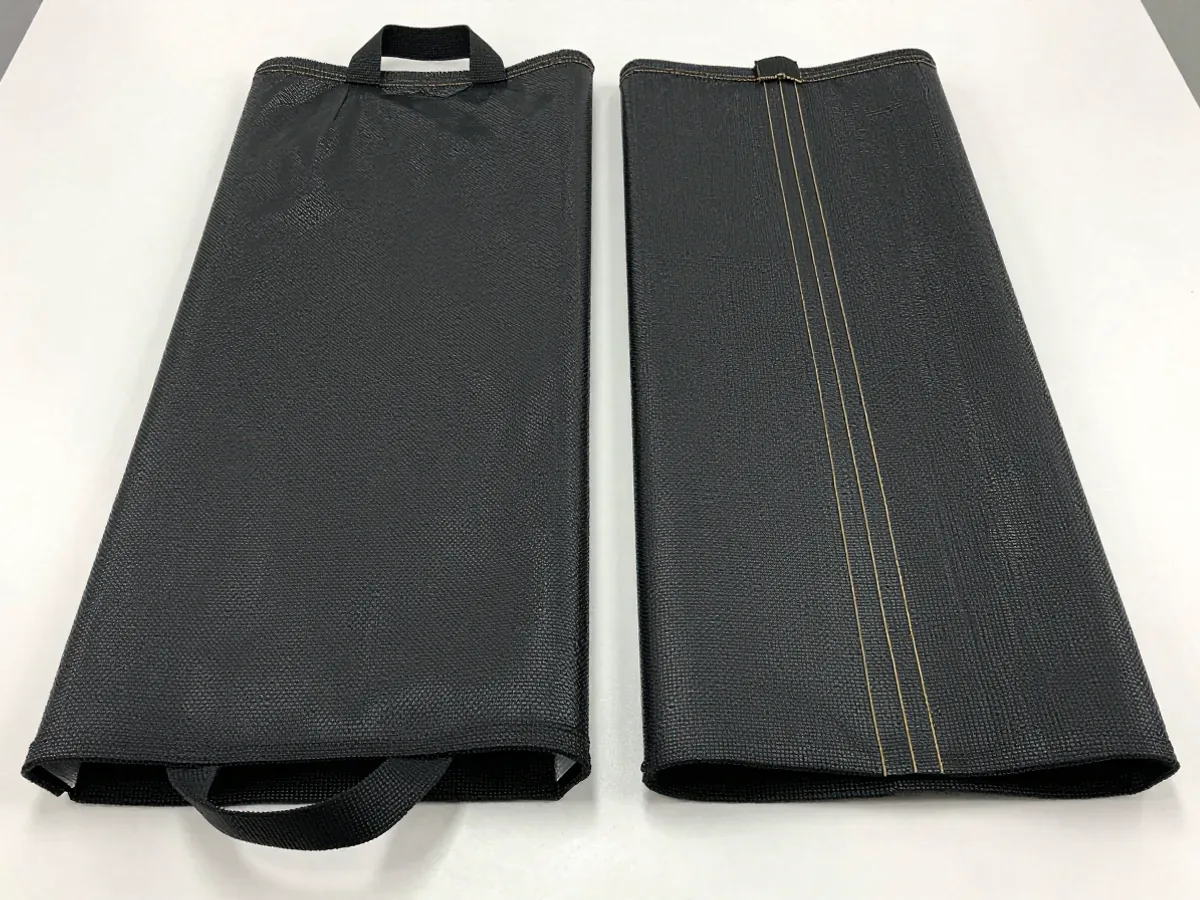
On the failed bags, the handle was a strip of woven fabric folded over and stitched down with a single line. The webbing stopped at the handle root. Load went straight into the top hem, and the hem opened.
On the bag that survived, the webbing ran the length of the opening instead of stopping at the handles. That single construction choice spread the lift across the whole top edge. The handle was wrapped and double stitched, and the attachment used a box stitch pattern rather than a straight line.
A buyer looking at the two bags side by side would see handles. A buyer looking at the two spec sheets would see the difference in one line. The webbing length was never written down, so the factory chose the cheaper build for part of the run and the stronger build for another part. Both matched the photo.
Why the Photo Could Not Show the Difference
Product photos are taken to show shape, colour, and print. They are taken flat, empty, and well lit. A moving bag photographed empty tells a buyer nothing about how it behaves under load, because the load path runs through seams and webbing that sit flat against the fabric.
The same problem applies to a physical sample. A sample bag arrives empty. A buyer can feel the fabric and see the stitching, but cannot see how the seam behaves when forty pounds pull against it. Unless the sample is cut open or pulled to failure, the weak build and the strong build look the same on a table.
This is why two identical looking bags failed on the same day while a third survived. The order had no line that forced one build across the whole run. The factory shipped what was on hand, and what was on hand varied.
Rewriting the Order Before the Next Batch
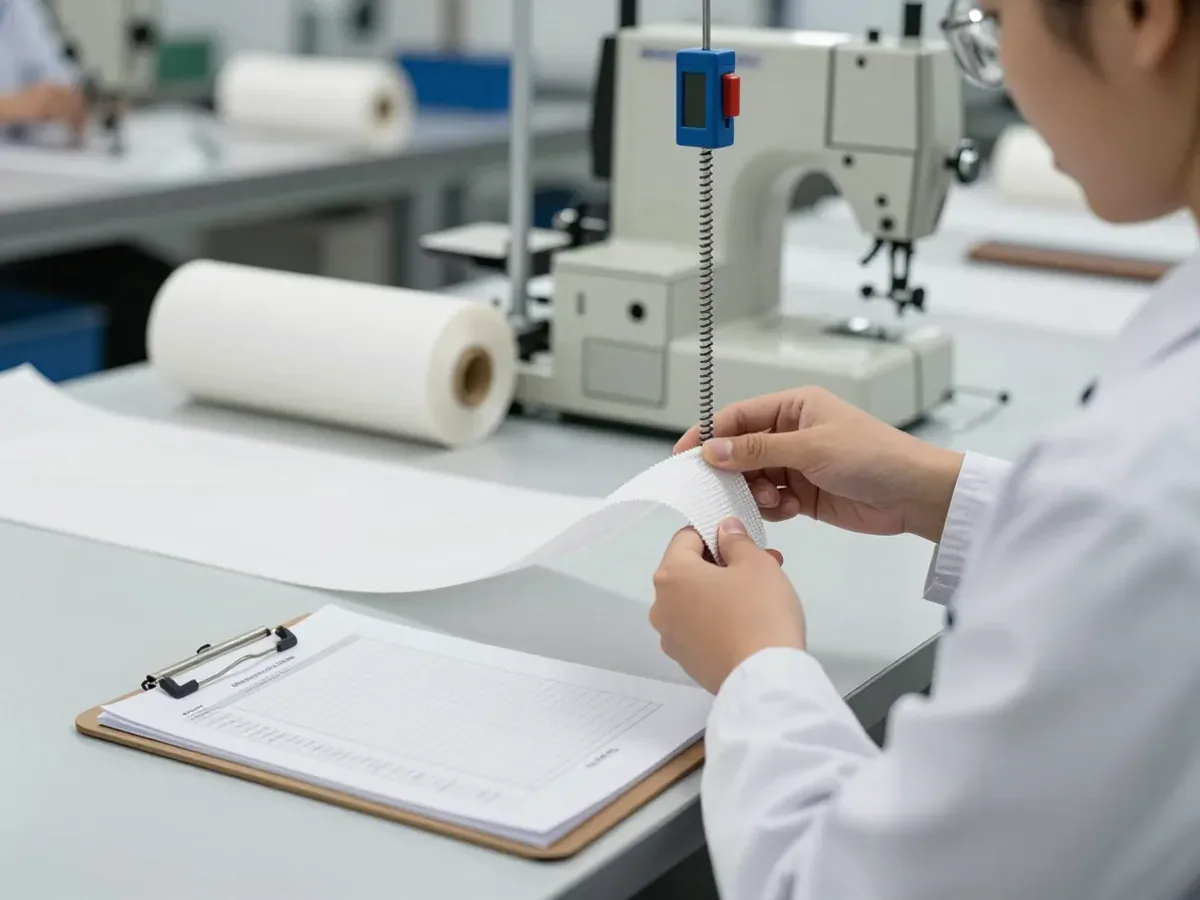
The fix started with the spec sheet, not the supplier. The buyer rewrote the order to state fabric weight and tape thickness, the seam construction by name, and the handle build including webbing that runs the full length of the opening. Each line was written so a factory could build to it and an inspector could check it.
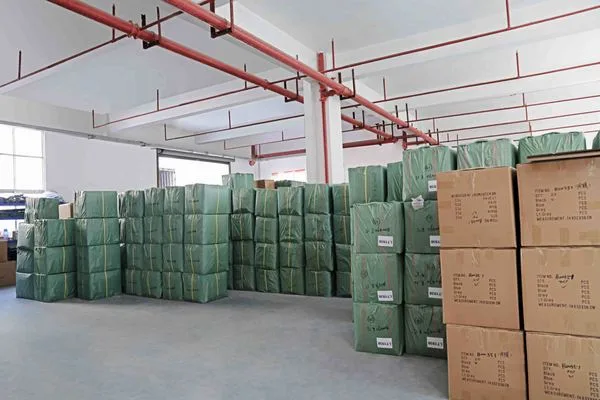
The next step was inspection. Four checks run on every batch, from incoming material to the final count. Incoming fabric, webbing, zips, and thread are checked against the approved spec before cutting starts. Pull, seam strength, and bar tack are tested on every batch. Dimensions, handles, logo, and packed quantity are checked by hand. Cartons are counted and photographed before the container seals.
A first-article inspection on the first bags of a new run catches the gap between the approved sample and the production build. A load test at the rated figure, plus a drop test with a full bag, turns the rating from a claim into a fact. None of this is exotic. It is the difference between an order that describes a bag and an order that describes how the bag is built.
What to Put in Writing on the Next Purchase Order
The buyer who lost two bags on a loading dock now writes five lines on every moving bag order. They are short, and each one closes a gap the photo leaves open.
- Fabric weight and tape thickness, stated as a range the factory must meet, not a single target.
- Seam construction by name, including whether the top hem is folded and double stitched.
- Handle build: webbing width, whether the webbing runs the full length of the opening, and the stitch pattern at the attachment.
- Load figure agreed per order rather than assumed from a listing, with the test method named.
- Inspection points: incoming material, seam and handle pull test, finished bag check, and carton count before the container seals.
Two bags that look identical in a photo can differ by a wide margin in safe load. The difference is written in lines a buyer can read, and those lines belong on the purchase order before the first bag is cut.
FAQ
Can a woven PP moving bag carry the same load as a heavy duty one if the fabric weight matches?
Fabric weight alone does not set the load. Seam pattern and handle reinforcement decide how the load travels from the handle into the body. Two bags at the same fabric weight can carry different loads if one uses a single stitched hem and the other uses wrapped webbing with a box stitch.
Should load figures be fixed on the spec sheet or agreed per order?
Load figures are agreed per order rather than fixed across the range, because construction and fabric supply vary between runs. The order should state the figure, the test method, and the construction that supports it, so the rating is tied to a build rather than to a listing.
How do I check handle reinforcement before the first shipment leaves?
Ask for the handle build in writing, then check it on the first article. Look for webbing that runs the full length of the opening rather than stopping at the handle root, a wrapped and double stitched handle, and a box stitch pattern at the attachment. A pull test on the first batch confirms the build holds.