This walk follows a single branded moving bag order through the plant, station by station, using the spec lines and checkpoints recorded for this product.
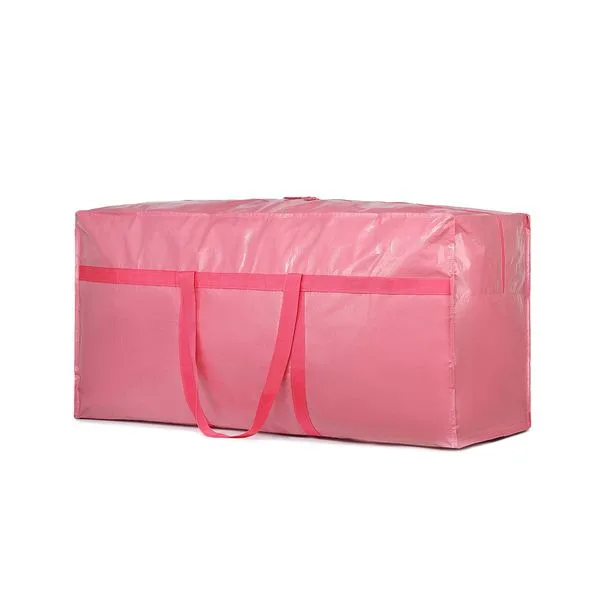
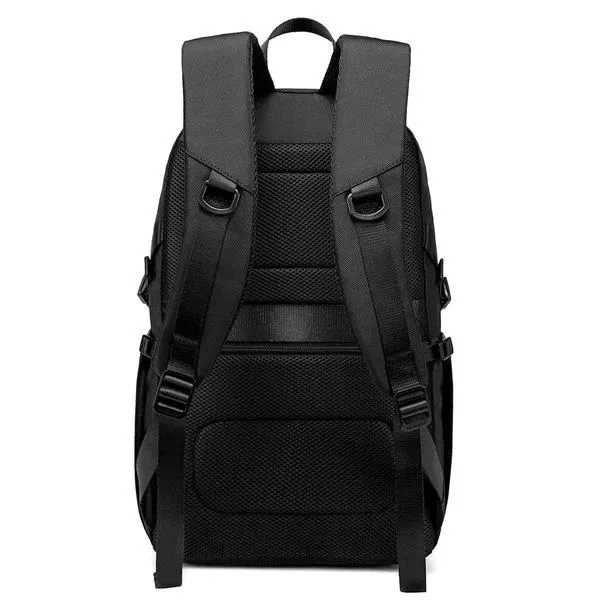
In the buyer's reference photo, the bag looks fine; zoomed in, the logo sits a little low and the webbing edge is already fuzzy. That photo arrived with a purchase order for a few hundred custom printed moving bags, and it set the tone for the whole run. The order then moved through six stations, and each one had a question worth asking before the container doors closed.
The order lands and the spec sheet gets read twice
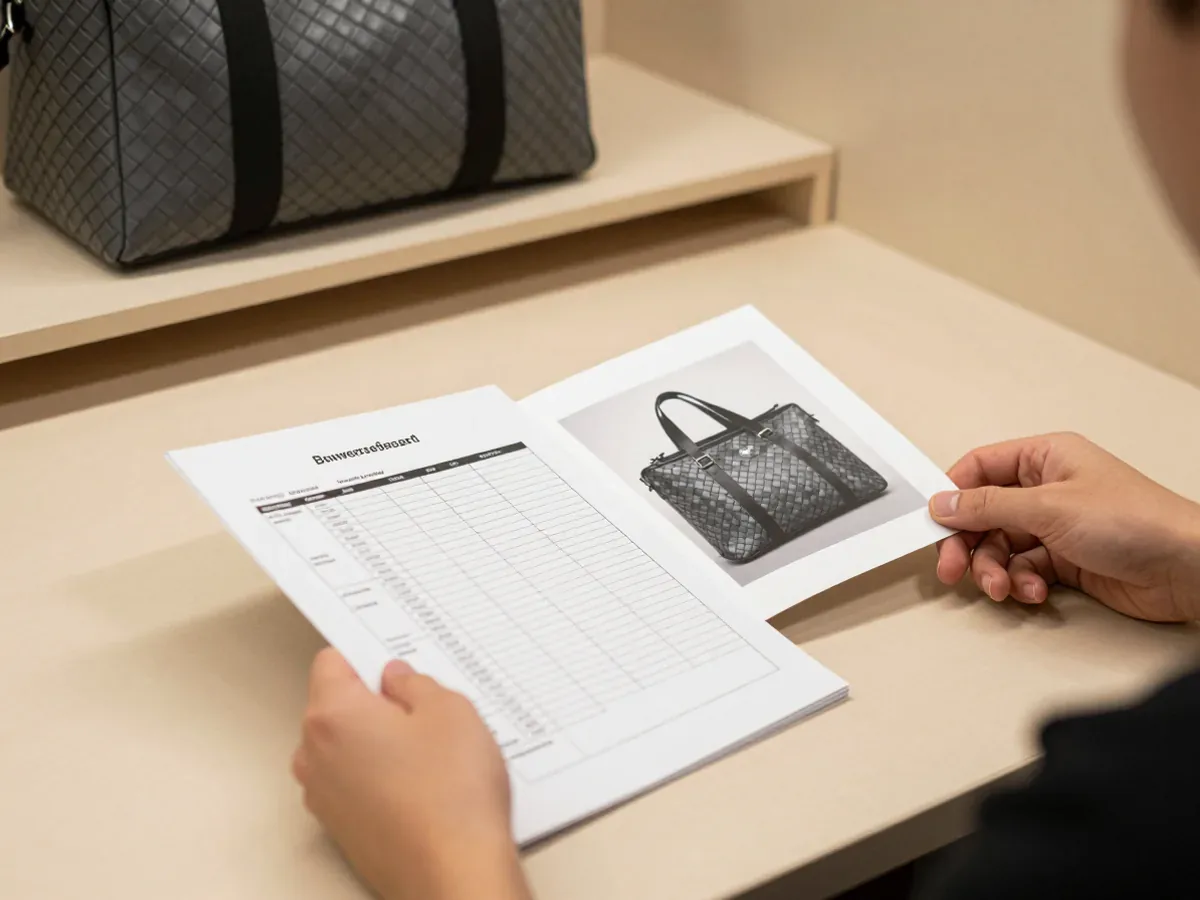
On paper the order looked simple: a branded moving bag, screen printed, with a woven label and retail packing. The spec sheet said so in one line. The first reading happened in the sales office, where the size, the print colour and the label position were checked against the buyer's artwork. The second reading happened on the factory floor, where the same sheet was matched to a sample bag already on the shelf.
Those two readings rarely agree on everything. One may quote a bag at 45.3 × 15.7 × 21.7 in, another at 29.1 × 13.8 × 13 in, and the difference changes how much webbing the roll needs. A buyer who signs off without noticing the size line has effectively approved two different bags.
The check at this station is narrow. Confirm which size is being produced, confirm the branding route (screen print, woven label, or both), and confirm what "retail packing" means for this order. Per-store cartons and barcode labels are a different job from a plain export carton, and the packing line needs to know which one it is building.
Incoming material: what the webbing roll tells you before cutting
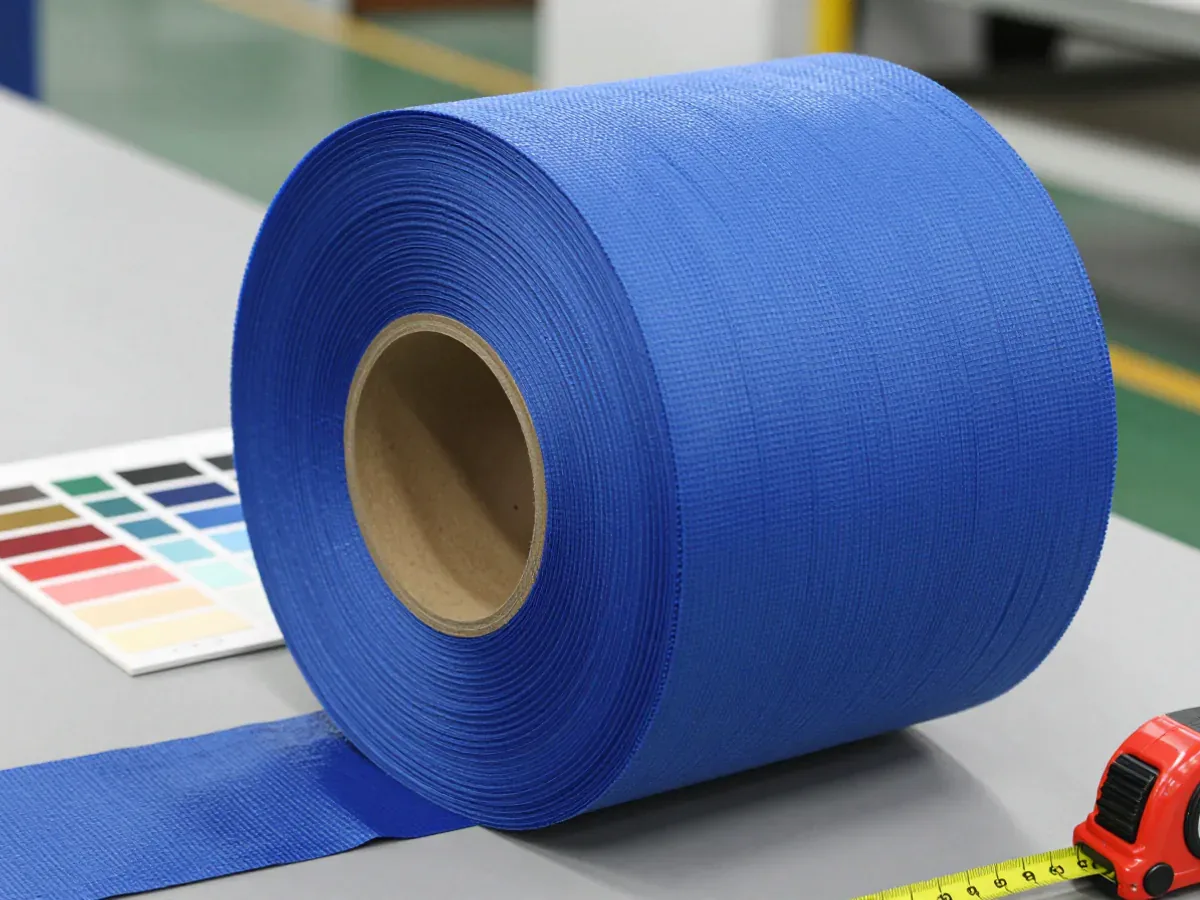
The webbing arrives on a roll, and the roll is the first honest witness in the building. A wrap-around webbing runs the full body of the bag rather than stopping at the top seam, so the roll length per bag is larger than a handle-only design would suggest. If the roll is short, the cutting plan gets tight before a single bag exists.
Colour is the second thing the roll reveals. A blue style and a black style can share a spec sheet and still need separate rolls, and a Pantone match on the print does not automatically match the webbing. The material check compares the roll against the approved swatch under the same light the buyer used.
Then comes the count. The order passes four checkpoints from incoming material to the final count, and this is the first of them. A short roll discovered at cutting is a schedule problem; a short roll discovered at packing is a shipment problem.
Cutting and printing: where the logo meets the mesh
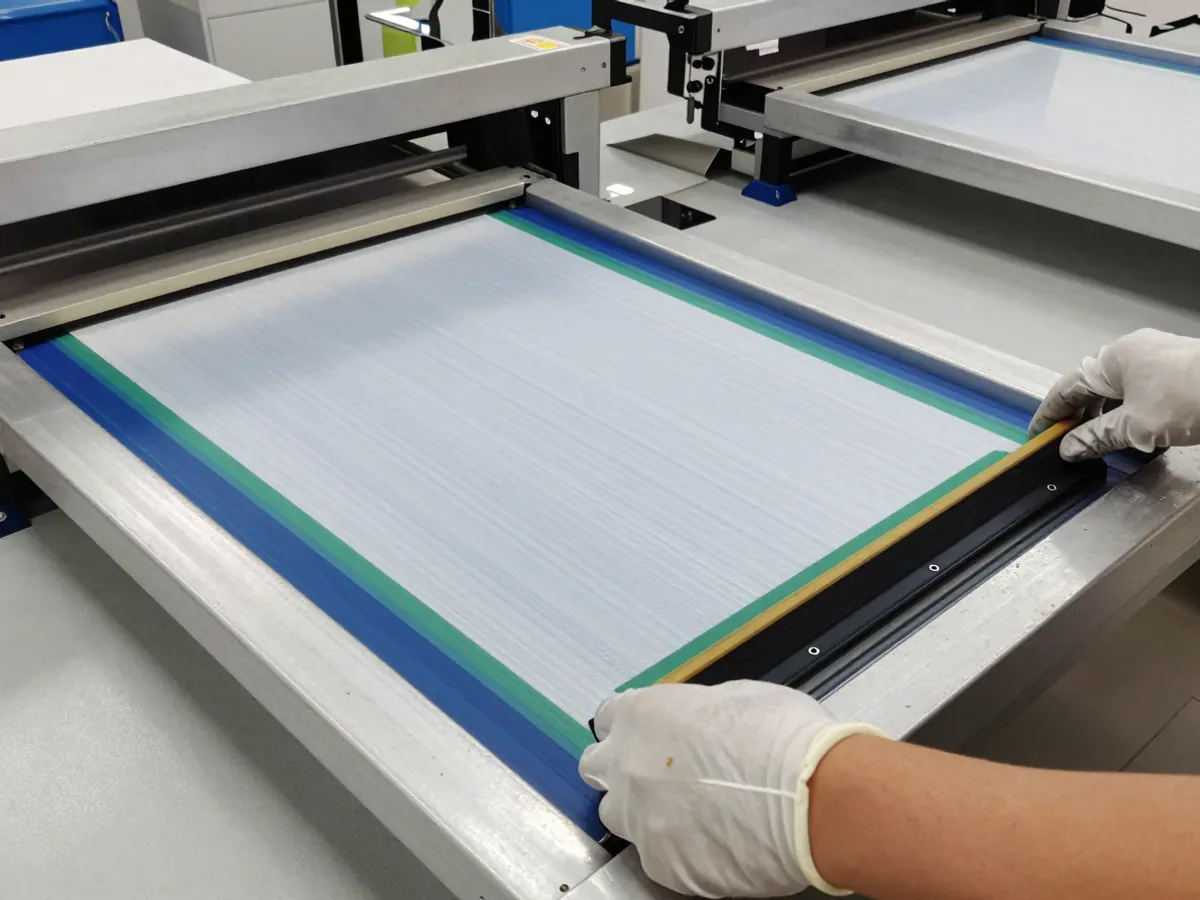
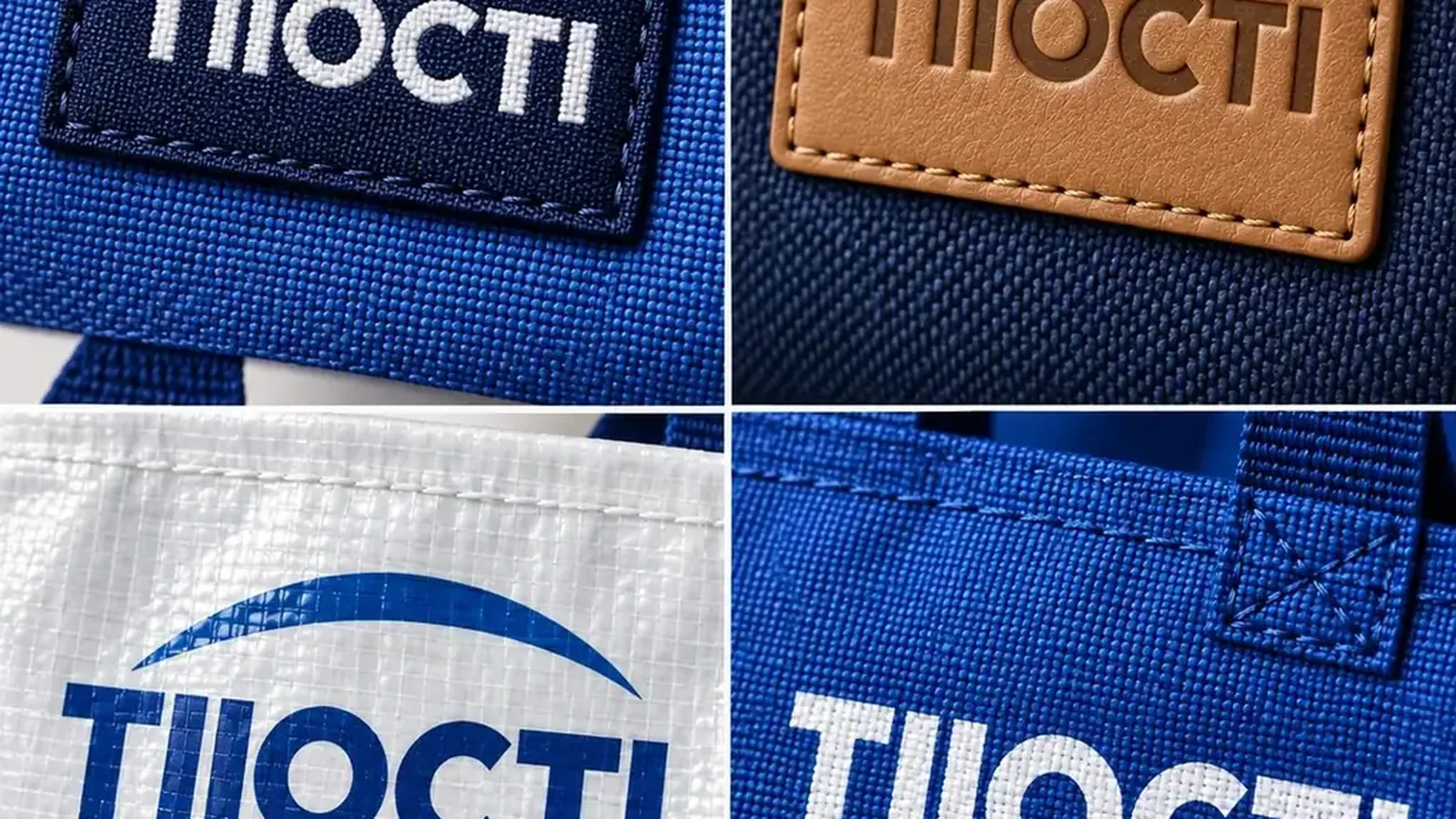
The cutting table turns the roll into panels, and the print station turns the panels into branded goods. Screen print is the usual route for a bold logo on woven PP, and it holds up well when the mesh is flat and the ink is cured at the right temperature. A logo printed on a panel that has already been folded or stretched will crack along the fold line within a few uses.
The reference photo from the buyer is most useful here. A logo that sits low on the face may be a placement choice or a cutting error, and the print operator can tell the difference by measuring from the top edge rather than eyeballing the panel. Proportionality matters too: a mark sized for a 29 in bag looks lost on a 45 in bag.
The woven label is a separate decision. It can sit beside the screen print on the same bag, and many orders use both: the print carries the brand at a distance, the woven label carries the small mark up close. The check at this station is a first-off panel, measured and photographed before the run continues.
Sewing floor: the channel, the bar-tack and the shape that holds
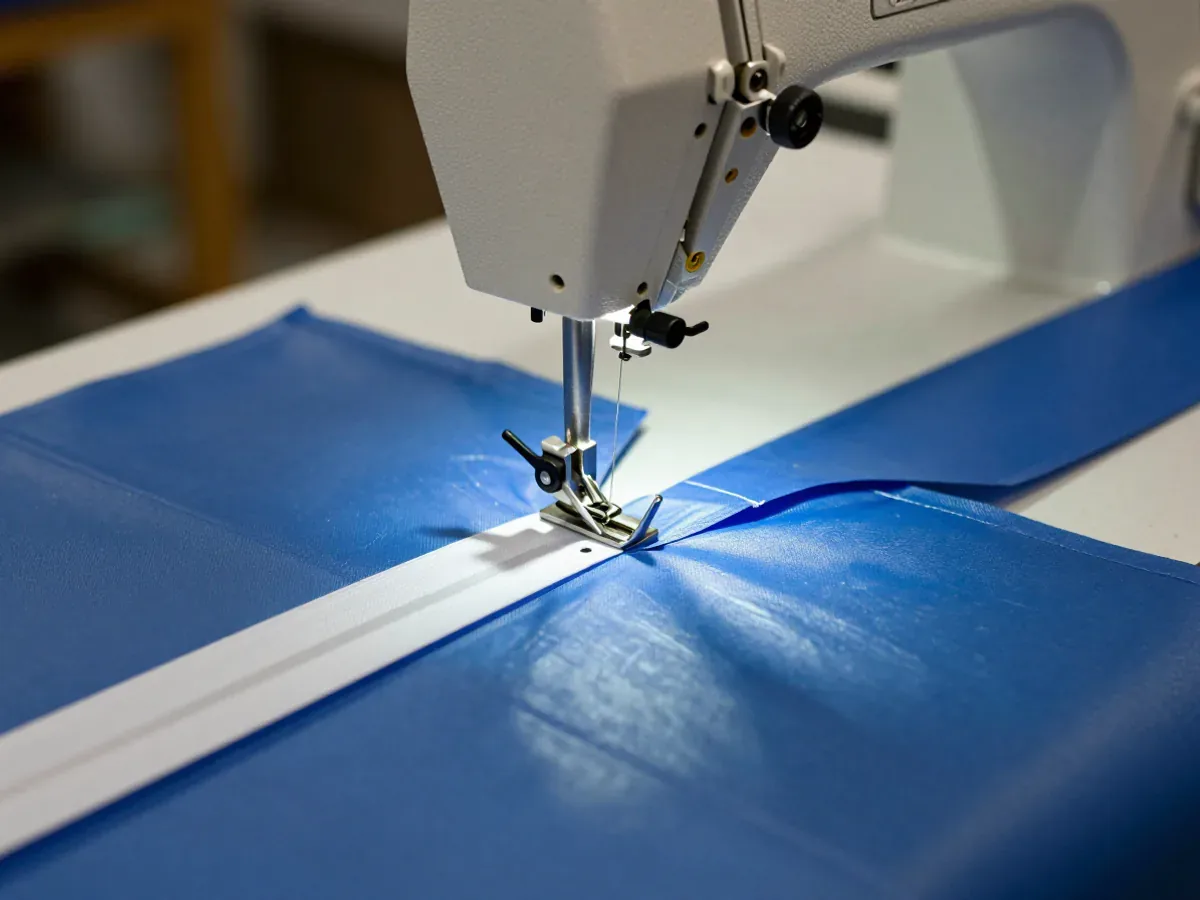
The sewing floor is where a flat panel becomes a bag that either holds its shape or sags. The top zip with two pulls is stitched first, then the wrap-around webbing is attached along the body. A handle stitched only to the top seam carries the load through a narrow strip of fabric; wrap-around webbing spreads that load down the side.
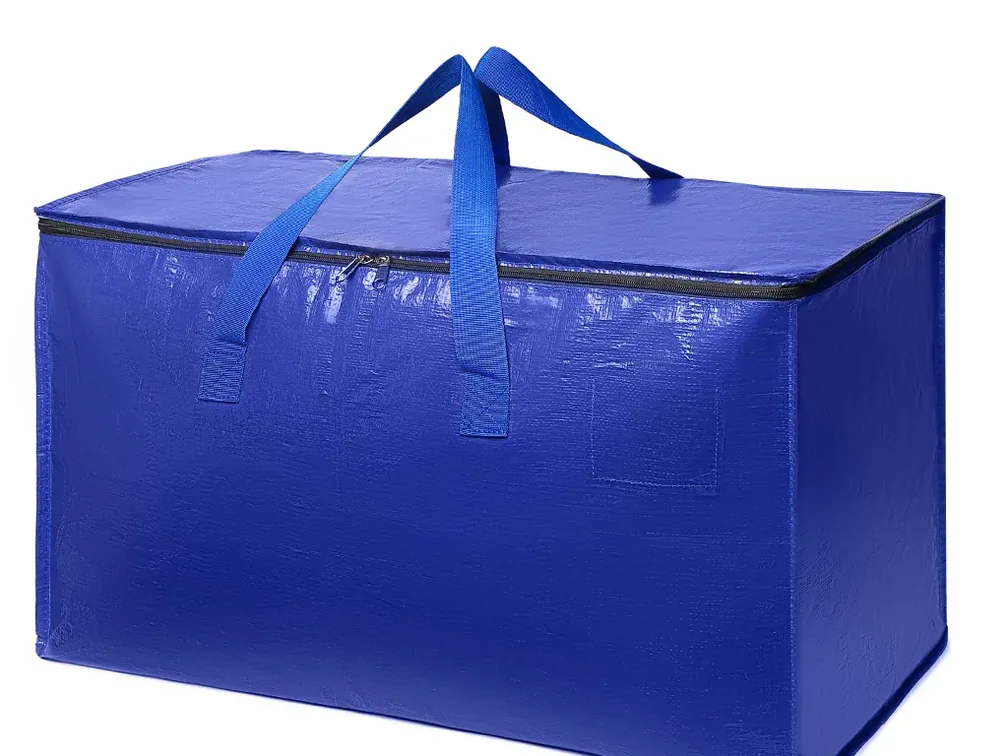
Bar-tacks sit at the points where the webbing meets the bag, and they are the difference between a strap that survives a move and one that pulls out on the first lift. The blue style also offers backpack straps so the bag can ride on the back when both hands are full, and hand handles so two people can carry it together. Each handle option changes the stitch pattern, so the line needs to know which one is running.
A clean, boxy shape is a sewing outcome, not a material outcome. If the side seam is pulled tight, the bag narrows at the base and the load shifts. The check here is a bag lifted with weight in it, not a bag lying flat on the table.
Final inspection: pulls, seams and the count on the floor
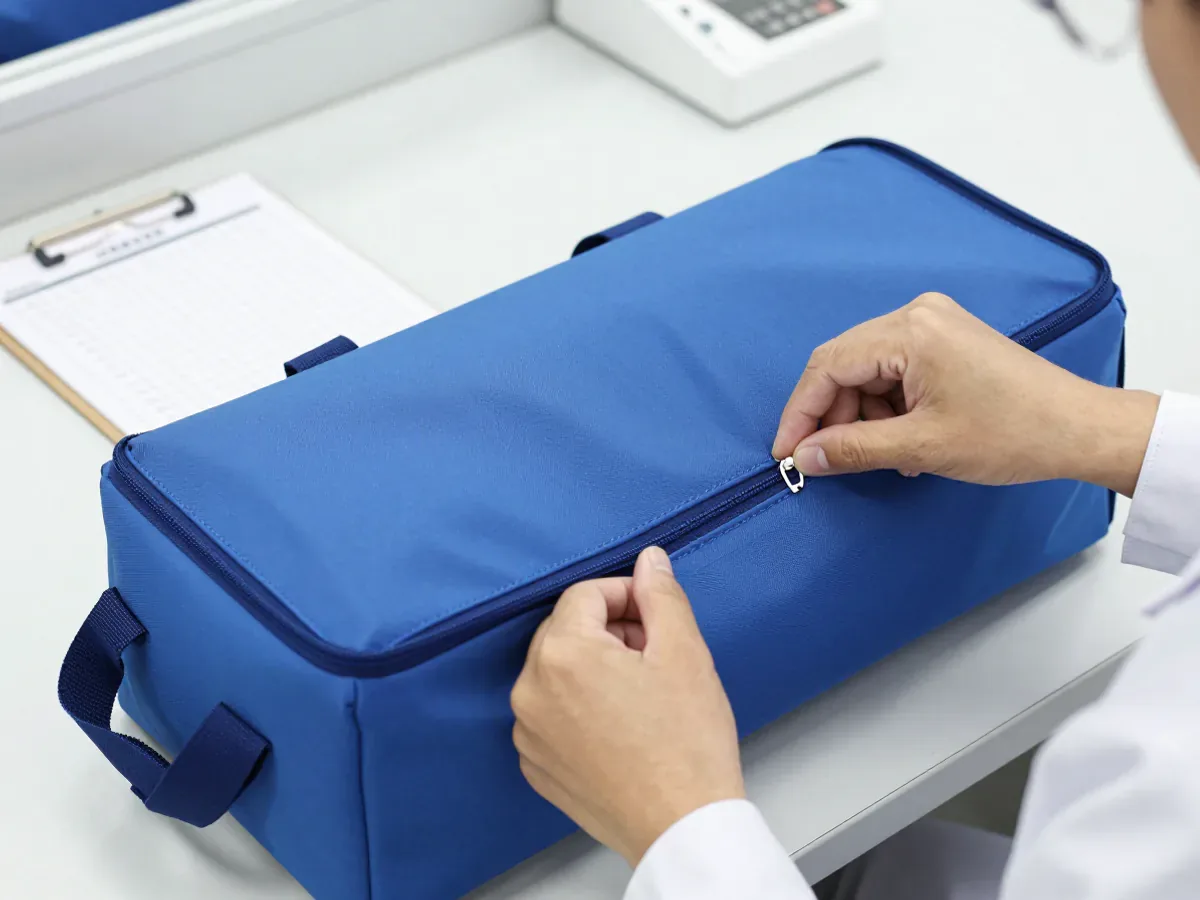
Final inspection is the station where the bag is treated as a product rather than a panel. Pull, seam strength and bar-tack are tested on every batch, which means the inspector is pulling on the zip, loading the seam and checking the tack rather than only looking at the print.
The count on the floor is the quiet part of this station. A batch of a few hundred bags is easy to miscount when some are set aside for rework and others are already boxed. The inspector reconciles the floor count against the cutting record, and a gap of even a dozen bags is worth resolving before packing starts.
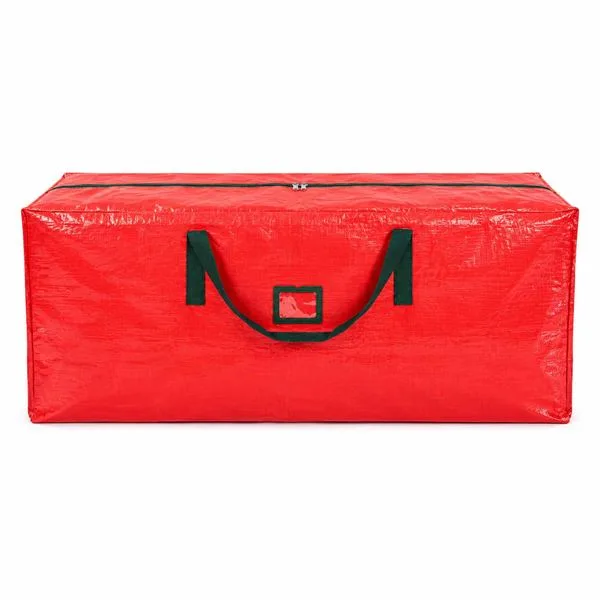
This is also where the label pocket earns its place. A clear label pocket on the face lets the buyer or the moving company slip in a job card or a store label without printing a new bag. If the pocket is stitched shut or sized wrong, the feature exists on the spec and not on the product.
Packing and container: labels, cartons and the last look
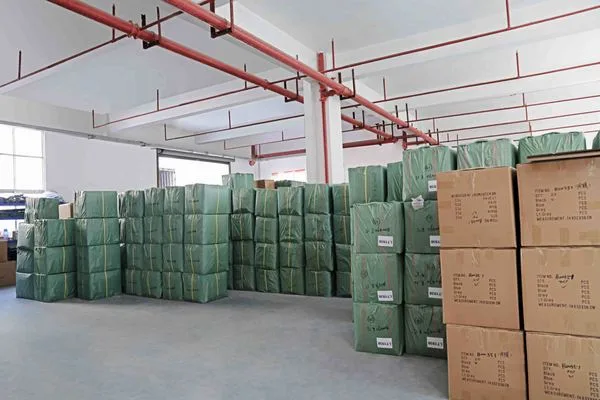
Packing is where the order stops being bags and becomes a shipment. Retail packing means shelf-ready polybags; per-store cartons with barcode labels mean the container is loaded by destination rather than by production date. Those two packing plans look similar on a spec sheet and behave very differently at the receiving dock.
The last look happens with the carton open. One bag is pulled from the top of a finished carton and checked against the approved sample: size, print position, label, handle type and the zip pulls. The carton label is read against the packing list, because a mislabelled carton is the one defect that survives every earlier checkpoint.
Then the container is loaded, and the order is gone. The stations behind it either caught the problems or passed them forward, and the buyer finds out which at the destination.
FAQ
How many checkpoints does a custom moving bag order pass before it ships?
Every order passes four checkpoints from incoming material to the final count. The stations in between, cutting, printing, sewing and packing, each carry their own first-off or last-look check, so the four formal checkpoints sit on top of daily line checks rather than replacing them.
Can the logo be printed and a woven label added on the same bag?
Yes. Screen print and a woven label are separate branding routes and can appear on the same bag. The print usually carries the brand at a distance, while the woven label holds the small mark and care information up close.
What is tested on every batch of moving bags?
Pull, seam strength and bar-tack are tested on every batch. The pull test works the zip, the seam test loads the stitched join, and the bar-tack test checks the points where the webbing meets the bag body.