Drawn from an archived retailer rebrand article and TIIOCTI product notes on canvas totes, branding methods and retail packing.
The inspection report came back on a Friday with one line circled: the tote in the photo was not the tote in the spec. A buyer for a small home goods chain had ordered a giveaway bag, a cheap canvas carry-all meant to go out with every purchase over a set amount. What arrived at the warehouse looked close enough at arm's length, but the fabric was lighter than the swatch she approved and the print sat a centimetre lower than the proof. Her team had already printed the in-store signage promising the bag. That gap between what a promo bag can be and what a retail product must be is where most tote decisions go wrong, and it is the reason two very different programs now sit on the same buyer's desk.
Two Tote Programs on the Same Buyer's Desk
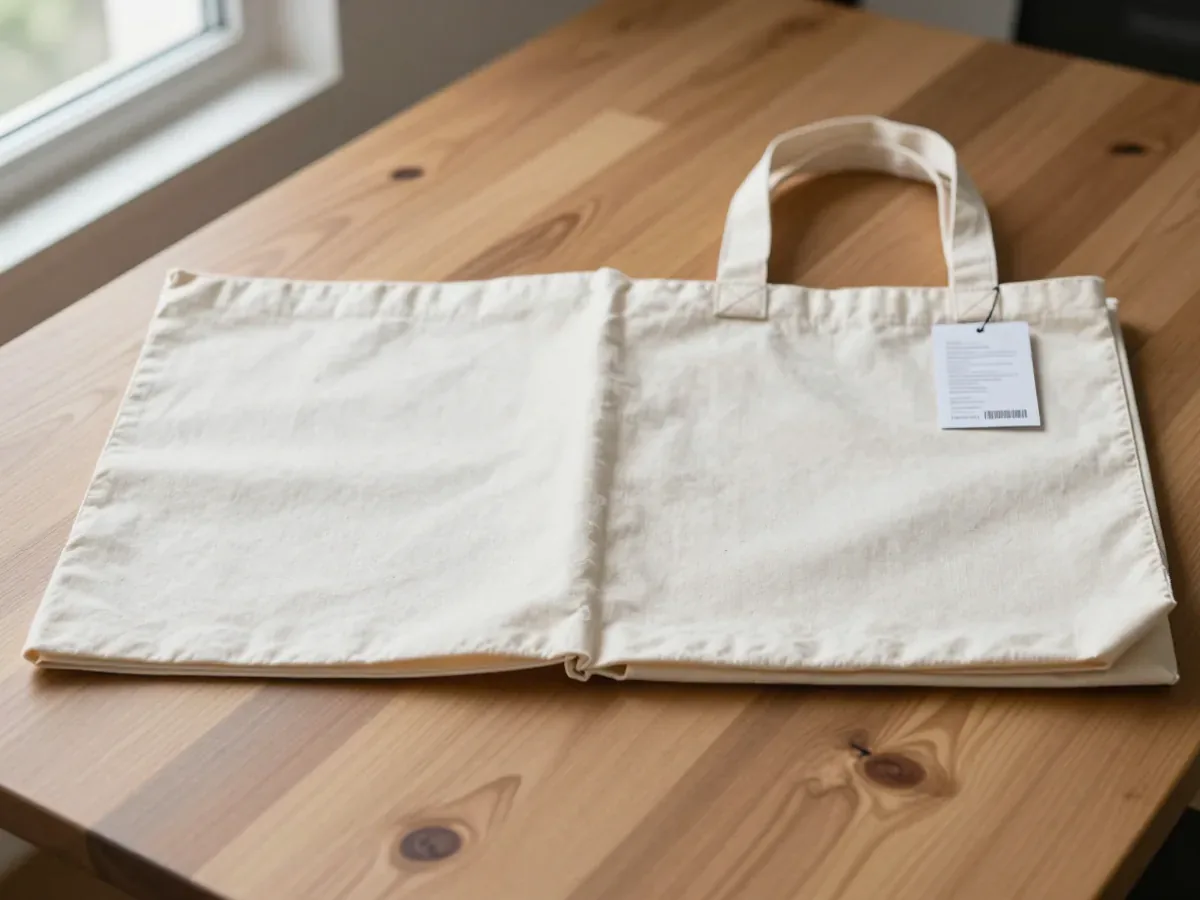
One folder holds a promotional giveaway: a single canvas tote, one logo, one colour, ordered in a large run and handed out free or at a low threshold. The other folder holds a private label retail item: a bag that carries a price tag, hangs on a fixture, and has to survive being compared with everything else on the shelf. They use the same material and often the same factory, which is exactly why buyers assume one plan covers both.
They do not. A giveaway bag is judged by how many hands it reaches. A retail tote is judged by whether a shopper picks it up, turns it over, checks the stitching, and decides it is worth the money. The first program optimises for reach at a low unit cost. The second optimises for control, consistency, and a finish that matches the brand around it. Treating them as the same order is how a buyer ends up with a giveaway bag on a retail fixture, or a retail-spec bag eating a promotion budget.
Who Controls the Look: Logo Placement and Fabric Choice
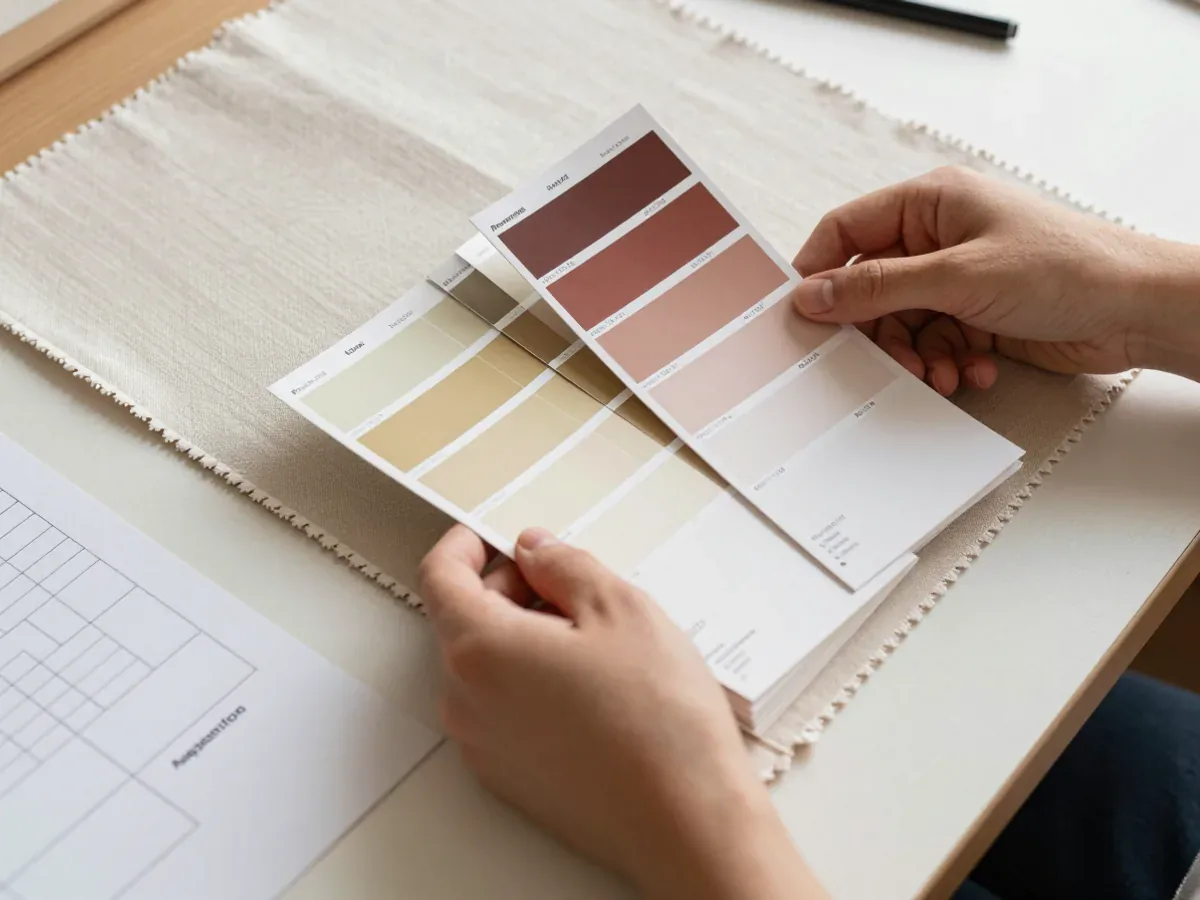
On the promo route, the look is mostly fixed before the buyer sees it. A stock canvas tote comes in a set of sizes and colours, and the logo goes where the print area allows. That is not a flaw; it keeps the price down and the lead time short. The buyer chooses a colour from a card and approves a placement, and the run moves.
The private label route hands those decisions back. Logo placement, design, and fabric sit with the buyer, and the bag can carry tailored details such as fabric type, Pantone colour matching, and finishing touches like handle print. A new colour is matched to a Pantone reference, and a new size takes one sample round before it is locked. Branding can run through screen print, a woven label, or retail packing, and the logo is proofed before production whatever the process.
That control has a cost in time and attention. Every choice is a decision someone has to sign off, and every sign-off is a chance for the sample and the bulk order to drift apart. The promo route trades that control for speed. The private label route trades speed for a bag that looks like it belongs to the brand rather than to a catalogue.
What Each Bag Carries at Checkout and on the Shelf
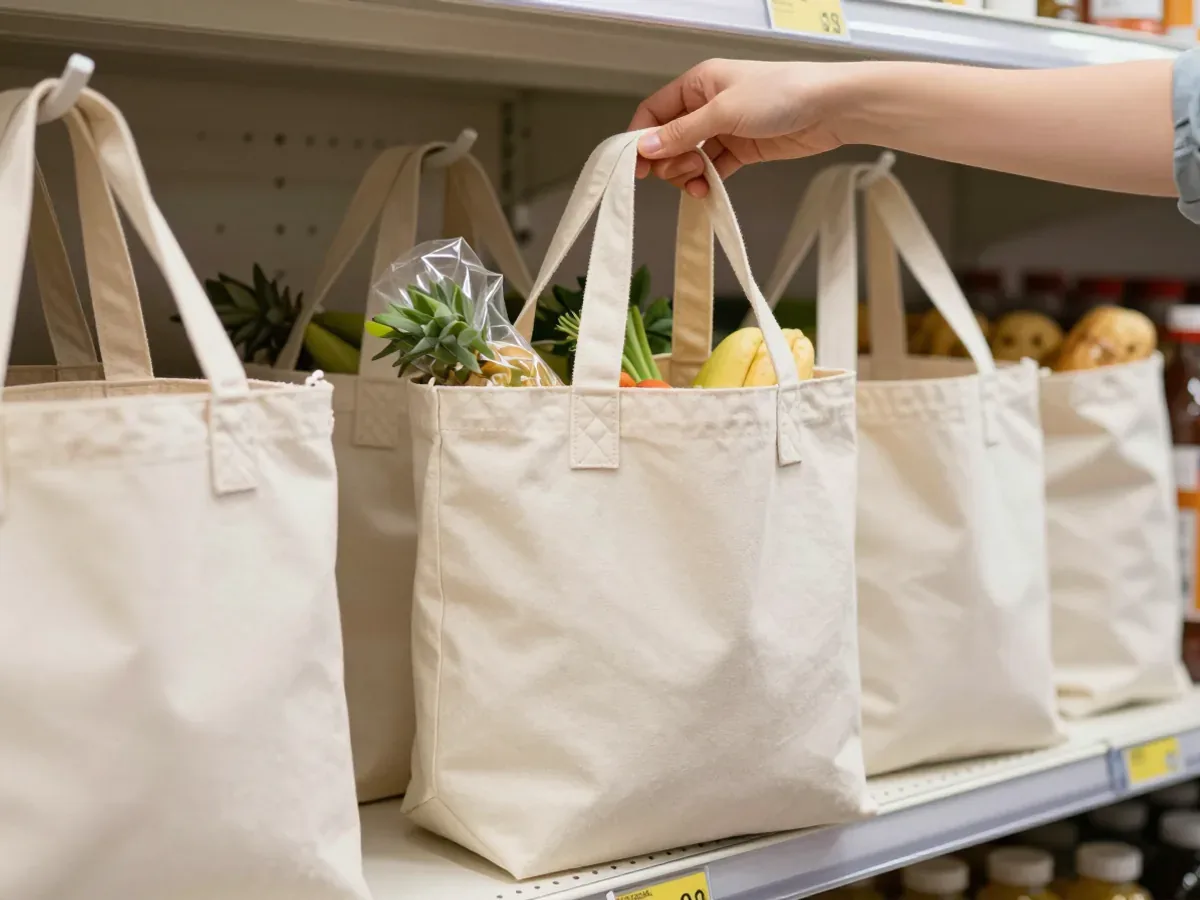
A giveaway tote has one job at the counter: it should feel like a reward, not a receipt. It needs to hold a normal shop, carry a logo that reads at a glance, and survive enough trips that the brand keeps travelling with it. Lightweight and durable matter more than finish. The bag is a walking billboard, and its value is measured in reuses.
A retail tote has to do that and then justify a price. At checkout it is the last touchpoint in the store, and a well-made reusable canvas bag can make the whole purchase feel more premium. On the shelf it is compared side by side with other bags, so the handle, the seam, and the print all get inspected. Handles stitched through the body rather than tacked on change how the bag carries a load, and that difference shows up the moment a shopper fills it.
Grocery-style totes add another layer. They support heavier loads, which suits supermarkets and home goods chains, and they broadcast the store brand with every reuse. A promo bag can get away with a lighter shell. A grocery tote sold as a product cannot, because the first heavy shop is the real test.
Reorder Rhythm: Seasonal Campaigns Versus Chain Rollouts
Promo bags follow the calendar. Back-to-school, a holiday sale, a store anniversary: each campaign wants a fresh bag, and the order is placed against a date. The rhythm is short and repeatable, and the buyer needs quick design turnarounds and flexible logistics more than deep customisation. A bag that arrives after the campaign is a bag wasted.
Private label totes follow the assortment. A fashion retailer needs bags that complement seasonal lines, and a chain needs the same bag across every location for as long as it stays in the range. Reorders are less frequent but less forgiving, because a stockout on a retail fixture is a lost sale, not a missed giveaway. Streamlined production and logistics protect against stockouts and keep the branding consistent from store to store.
The two rhythms pull in opposite directions. Promo buyers want many small runs on tight dates. Private label buyers want a stable spec they can reorder without re-approving everything. A supplier set up for one will feel slow to the other, and the buyer should know which rhythm the brand actually runs before choosing a route.
Packing and Store Delivery: Polybag, Hang Tag, Per Store Lists
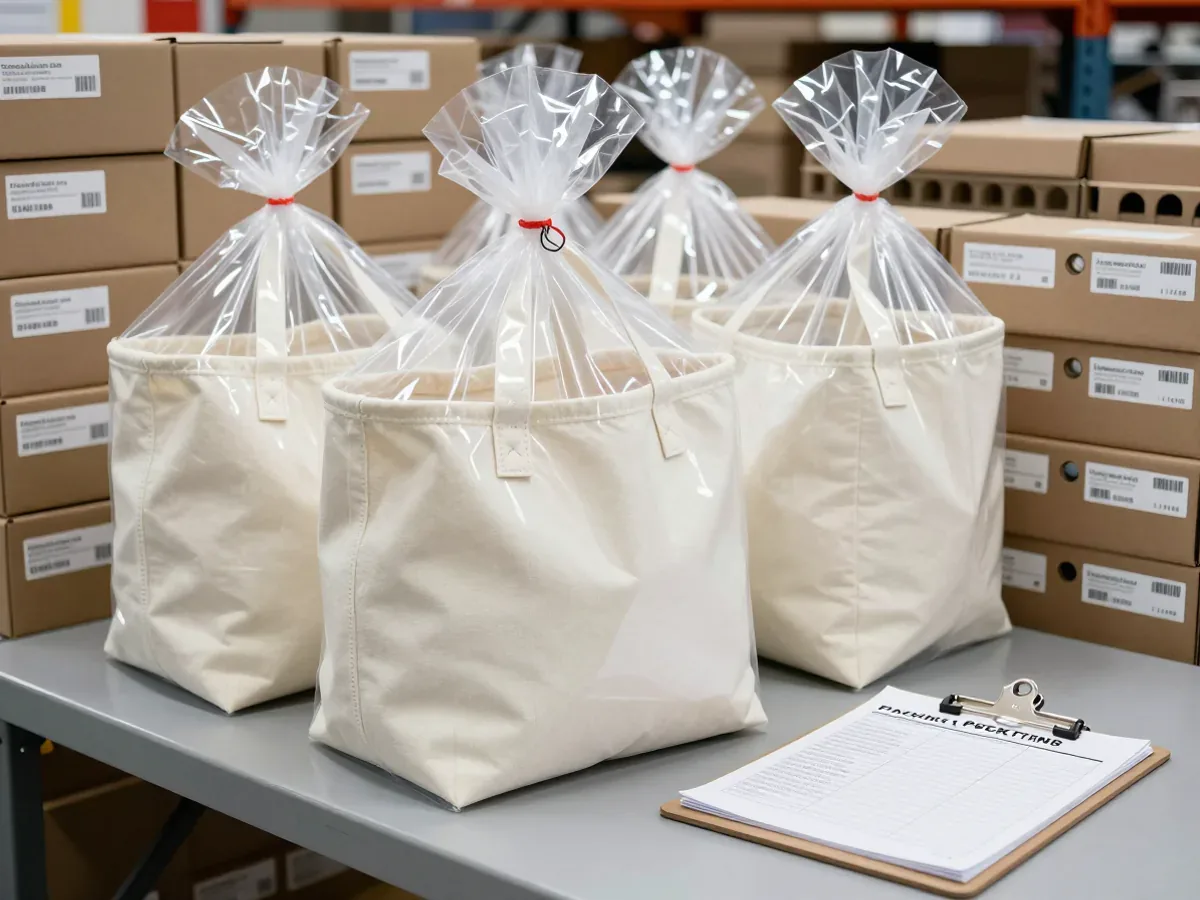
A giveaway bag usually ships in a plain polybag and a carton, and the store staff pull them out and stack them by the till. Packing is a cost to be minimised. Nobody inspects the polybag because the bag inside is free.
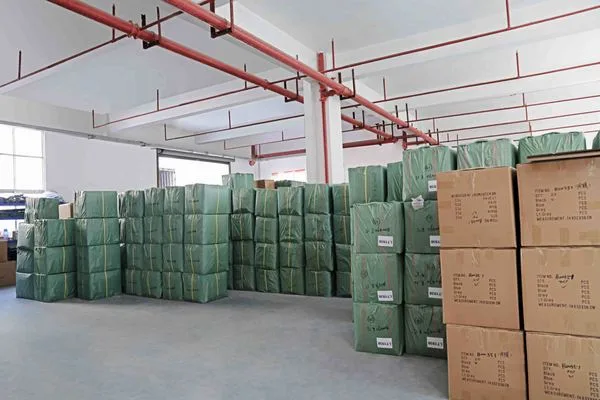
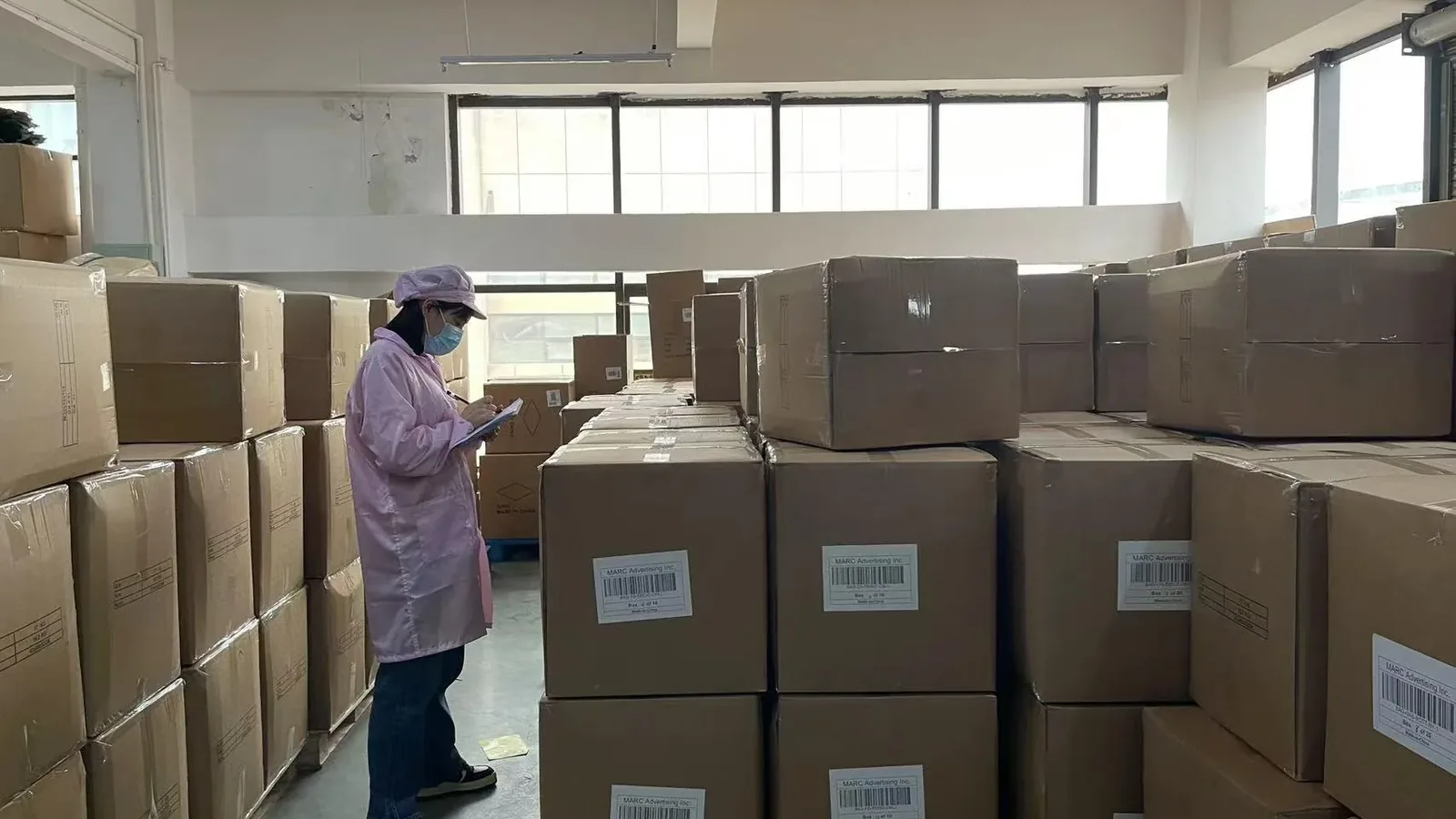
A retail tote is packed as a product. Retail packing means a polybag, a hang tag, a retail carton, or per store packing lists for chain deliveries. A hang tag carries the price and the brand story. A per store list lets a chain send each location its own cartons instead of forcing every store to sort a mixed pallet. Those details cost money, and they are the difference between a bag that lands on a fixture ready to sell and a bag that needs repacking in the stockroom.
This is where the two routes break in different places. A promo order fails when the date slips or the print drifts. A retail order fails when the packing does not match the store's receiving process, and the bags sit in cartons while the fixture stays empty.
Where Each Route Breaks First
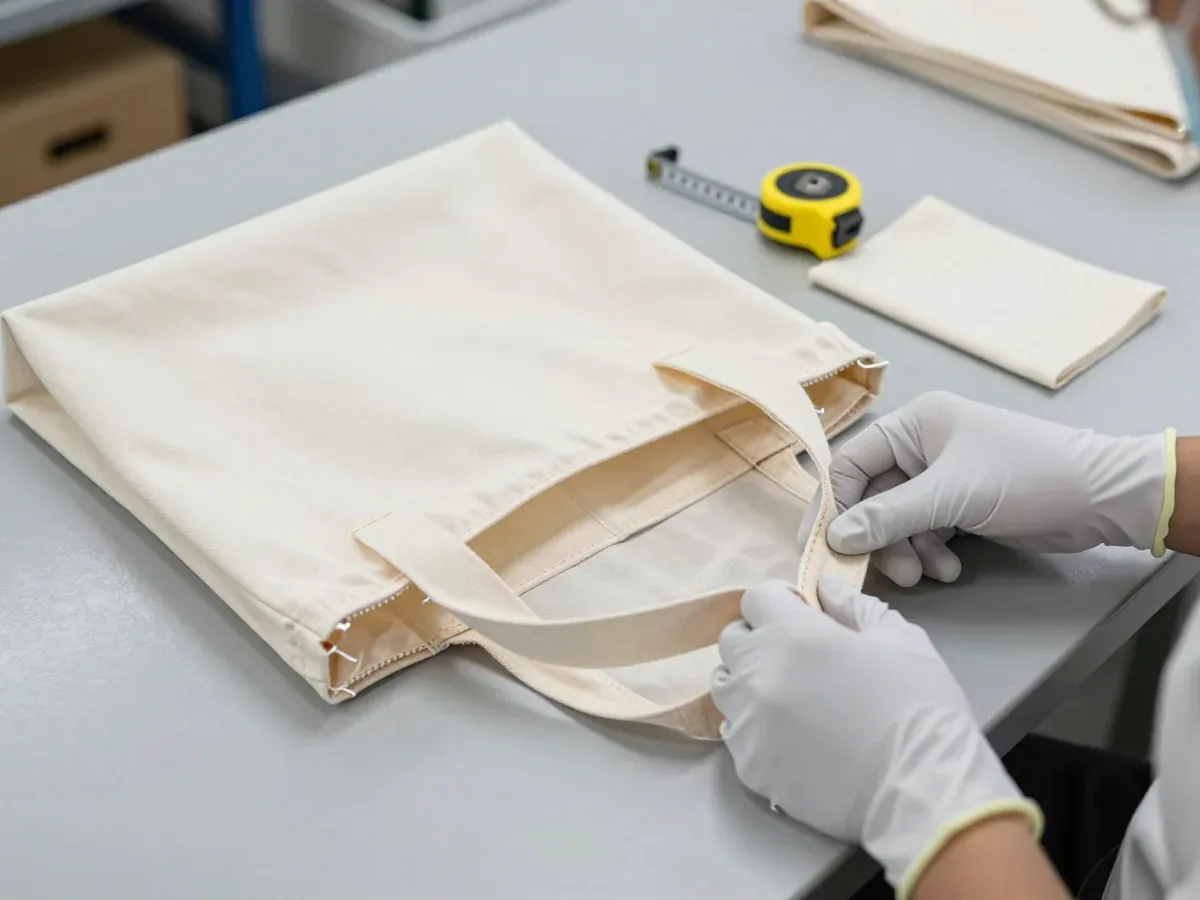
The promo route breaks at the sample-to-bulk gap. A buyer approves a sample, the bulk run uses a slightly different fabric lot, and the bag that arrives is close but not the same. Because the bag is free, the complaint is quiet, but the brand still carries a weaker bag through the street.
The retail route breaks at the details nobody wrote down. A handle length that was never specified, a Pantone that was matched by eye, a hang tag that arrives after the bags. Each is small, and together they turn a retail item into something that looks almost right. Four QC checkpoints across an order catch some of this, but only if the spec sheet says what the checkpoints are checking.
A third break sits between the routes. A buyer starts with a promo bag, the program works, and the brand decides to sell it. The bag was never specced for resale, so the fabric, the handle, and the packing all need to change. Planning for that step from the start costs less than rebuilding the bag later.
The Decision Table a Buyer Can Take to a Meeting
| Decision | Promo giveaway | Private label retail |
|---|---|---|
| Who controls the look | Supplier's stock options, buyer picks colour and placement | Buyer controls logo placement, design, and fabric |
| Cost structure | Low unit cost, large run, cost spread across reach | Higher unit cost, cost carried by the retail price |
| Reorder rhythm | Seasonal campaigns, short and date driven | Assortment driven, stable spec, fewer reorders |
| Packing | Polybag and carton, minimal | Polybag, hang tag, retail carton, per store lists |
| Where it breaks first | Sample-to-bulk drift, date slips | Unwritten details, packing that misses store receiving |
| Best fit | Boutiques, promotions, gift-with-purchase, brand awareness | Chains, fashion retail, grocery, resale on a fixture |
The table is not a ranking. A boutique that wants every shopper to leave with a branded bag is well served by the promo route, and a chain that needs a bag on a fixture for a full season is not. The question is which column the brand's actual behaviour matches, not which column sounds more premium.
What to Put in the First Sample Request
The first sample request decides which route the project is really on. If the answer to "what is this bag for" is a campaign date, the request should name the date, the quantity, the stock colour, and the print placement. If the answer is a retail fixture, the request needs the fabric, the Pantone reference, the handle construction, the packing format, and the store delivery list.
A custom size is a standard request built from the buyer's own measurement, so the request should include the dimensions rather than a guess. The logo should be proofed before production whatever the process, and the buyer should ask which checkpoints the order will pass and what each one inspects. A canvas tote resists a splash but is not waterproof because the seams are stitched rather than sealed, and a grocery buyer should know that before the first rain.
The two folders on the desk do not have to stay separate forever. A brand can run a promo bag this season and a retail tote next year, provided the first sample request says which one it is building toward. The bag that reaches the most hands and the bag that earns a price tag are both good outcomes. They just need different briefs, different samples, and a buyer who knows which one is being ordered.
FAQ
Can the same canvas tote work as both a giveaway and a resale item?
It can, but only if it is specced for resale from the start. A bag built for giveaway economics usually has a lighter shell and minimal packing, and both need to change before it sits on a fixture with a price tag.
How much does fabric weight change the feel of a retail tote?
Weight changes how the bag hangs, how it carries a load, and how it reads to a shopper who picks it up. A lighter shell suits a giveaway, while a retail or grocery tote needs enough body to hold its shape when filled.
Do chain stores need per store packing lists for tote deliveries?
They help when a chain receives at a central point and distributes to locations. Per store lists let each shop get its own cartons instead of sorting a mixed pallet in the stockroom.
Is a canvas tote waterproof enough for grocery use?
No. The seams are stitched rather than sealed, so the bag resists a splash but is not waterproof. A grocery tote should be planned around that limit rather than sold as rain protection.