Based on legacy TIIOCTI articles and product spec sheets for moving bags, storage bags and reusable shopping bags.
Three swatches sat on the buyer's desk for a week: a laminated woven PP square, a bonded non-woven sheet, and a third sample a supplier had sent without a label. The buyer had quoted all three as "PP bags" and the prices were far apart. The swatch that looked most like fabric was the one that would fail first under a load.
The buyer placed an order for two constructions of the same tote, same size, same print, and asked to follow both from purchase order to loading bay. What follows is that walk, station by station, and what each stop showed about which fabric belongs on which job.
The Purchase Order Line That Starts the Split
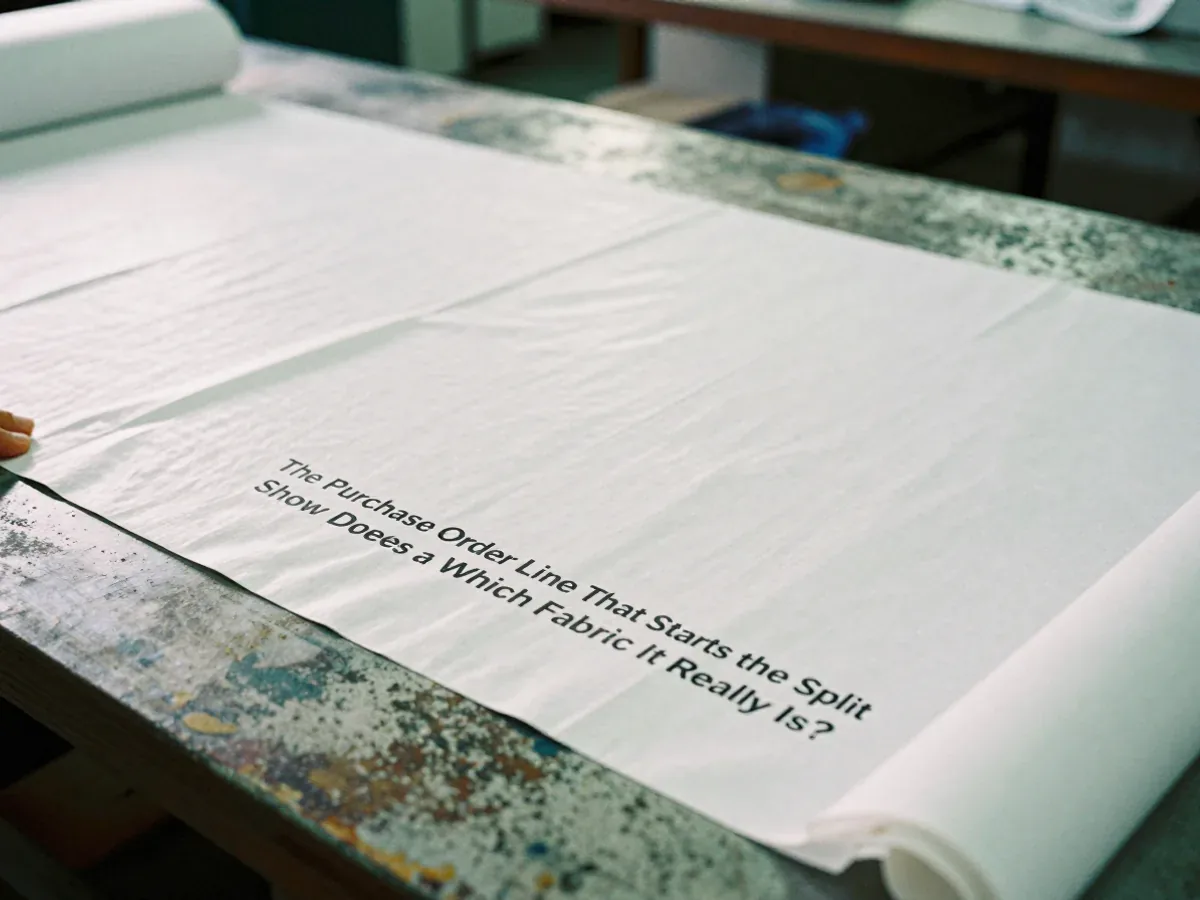
The order opened with one line: PP tote, 38 by 16.5 in, printed two sides, 5,000 pieces. Then the line split into two sub-orders, one in woven PP, one in non-woven PP, because the buyer wanted to see the difference on the actual product rather than on a swatch card.
Both fabrics begin as polypropylene. That single fact is why the two get quoted interchangeably and why the split has to be written into the purchase order itself. The sub-orders carried different material names, different roll widths and different print methods, and the factory planner treated them as two jobs from day one.
The lesson at this station is simple: if the PO says only "PP bag", the factory will choose for you, and it will choose the cheaper roll.
At Incoming Material: Two Rolls, Two Futures
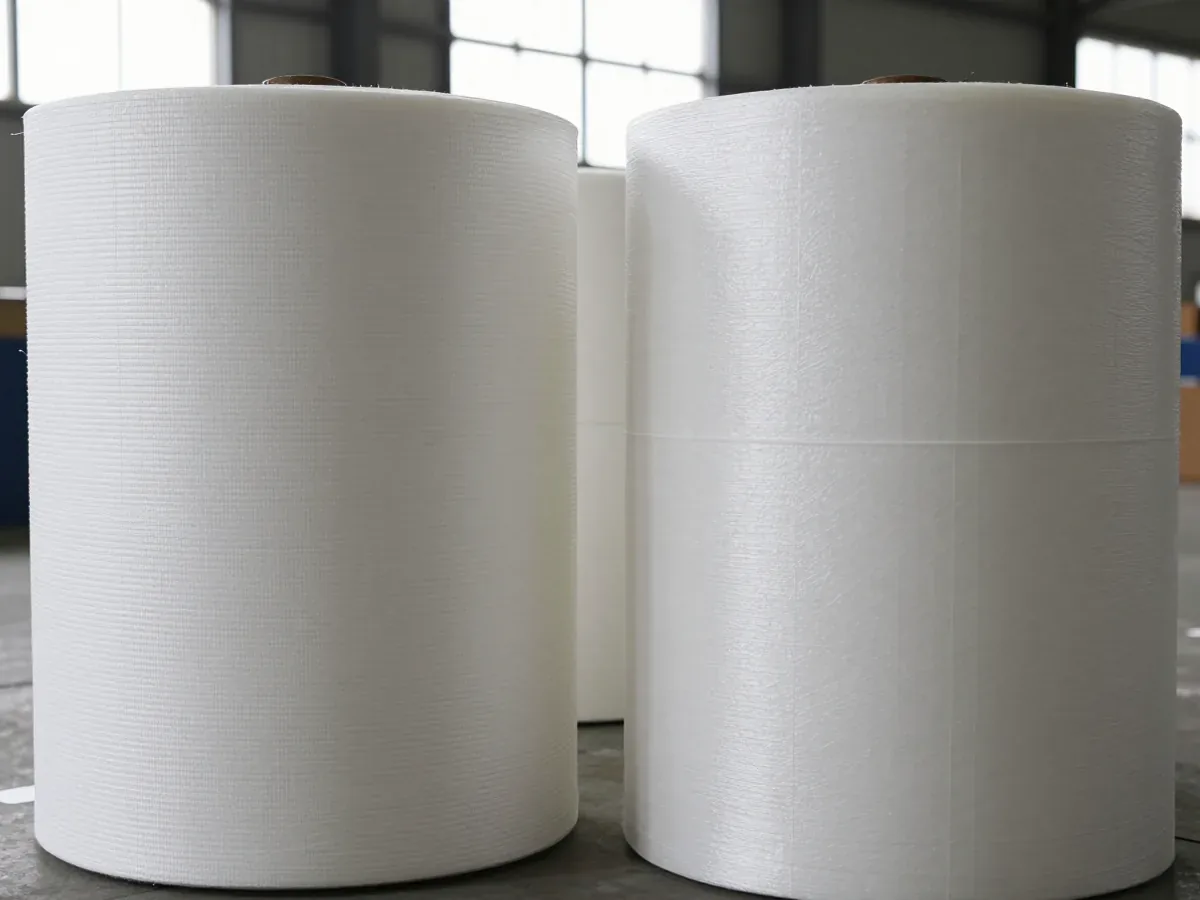
The woven roll arrived as fabric. Resin had been extruded into flat tapes, and those tapes were woven on circular looms into crossed warp and weft. The roll felt like a stiff textile, with a visible grid and a directional grain that ran along the tape lines.
The non-woven roll arrived as sheet. Extruded fibers had been bonded mechanically, thermally or chemically into a continuous surface, with no loom step anywhere in its history. It felt softer, more paper-like, and it had no grain to speak of.
Incoming inspection checked both rolls against the approved spec: fabric weight, width, colour and, for the woven roll, the lamination film that carries the print. The non-woven roll was checked for fiber uniformity and surface consistency. A roll that passes weight but fails surface evenness will show up later as patchy print, so this station is where that risk gets caught.
At the Cutting Table: Tape Edges vs Bonded Sheet
The cutting table is where the two materials stop looking similar. A woven roll cuts into panels with clean tape edges, and those edges hold their shape because the weave locks the tapes in place. Cut panels stack flat and stay square.
The non-woven sheet cuts faster and with less resistance, but the cut edge is a line of loose fibers. On a straight panel that is manageable. On a curved or notched shape, the edge frays slightly before the panel even reaches sewing, and the operator has to handle it more carefully.
The buyer watched a stack of woven panels and a stack of non-woven panels side by side. The woven stack looked like cut cloth. The non-woven stack looked like cut felt, and the difference in edge stability was visible without touching either.
At the Sewing Station: Where Handles Meet Load
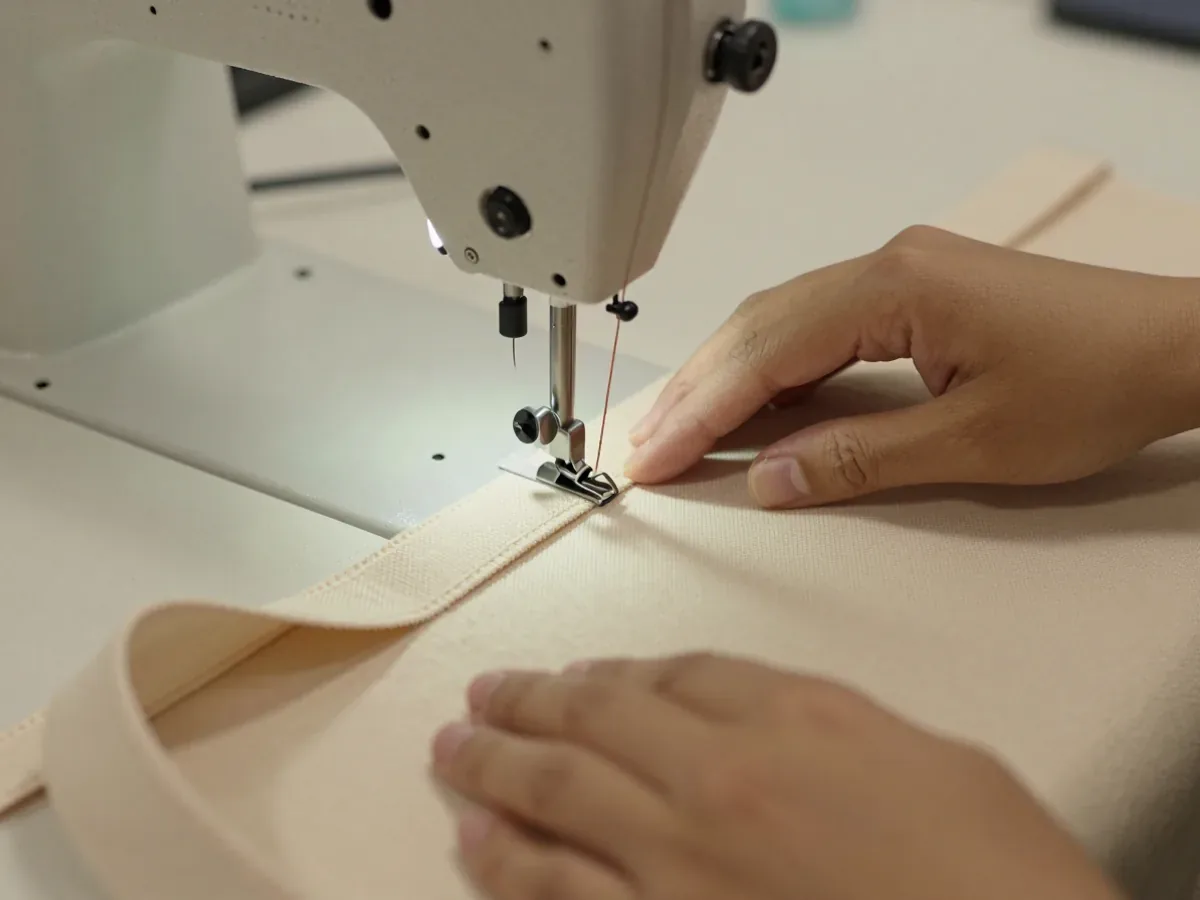
Handles are where the two fabrics separate for good. On the woven tote, the webbing runs the full length of the opening and is stitched to carry weight, not just to close the bag. The seam sits over a woven substrate that resists pull, so the stitch line has something to bite into.
On the non-woven tote, the handle attaches to a bonded sheet. The sheet has no directional load capacity, so the pull concentrates at the stitch holes. Bar-tacks help, but they reinforce a point rather than a direction, and the fabric around them fatigues sooner under repeated heavy cycles.
The sewing floor made the trade visible. Woven panels moved through the handle station slower because the seam is a load-bearing operation. Non-woven panels moved faster, and the operator's attention shifted from seam strength to keeping the handle position straight on a surface that shifts slightly under the needle.
At Final Inspection: What a Pull Test Reveals
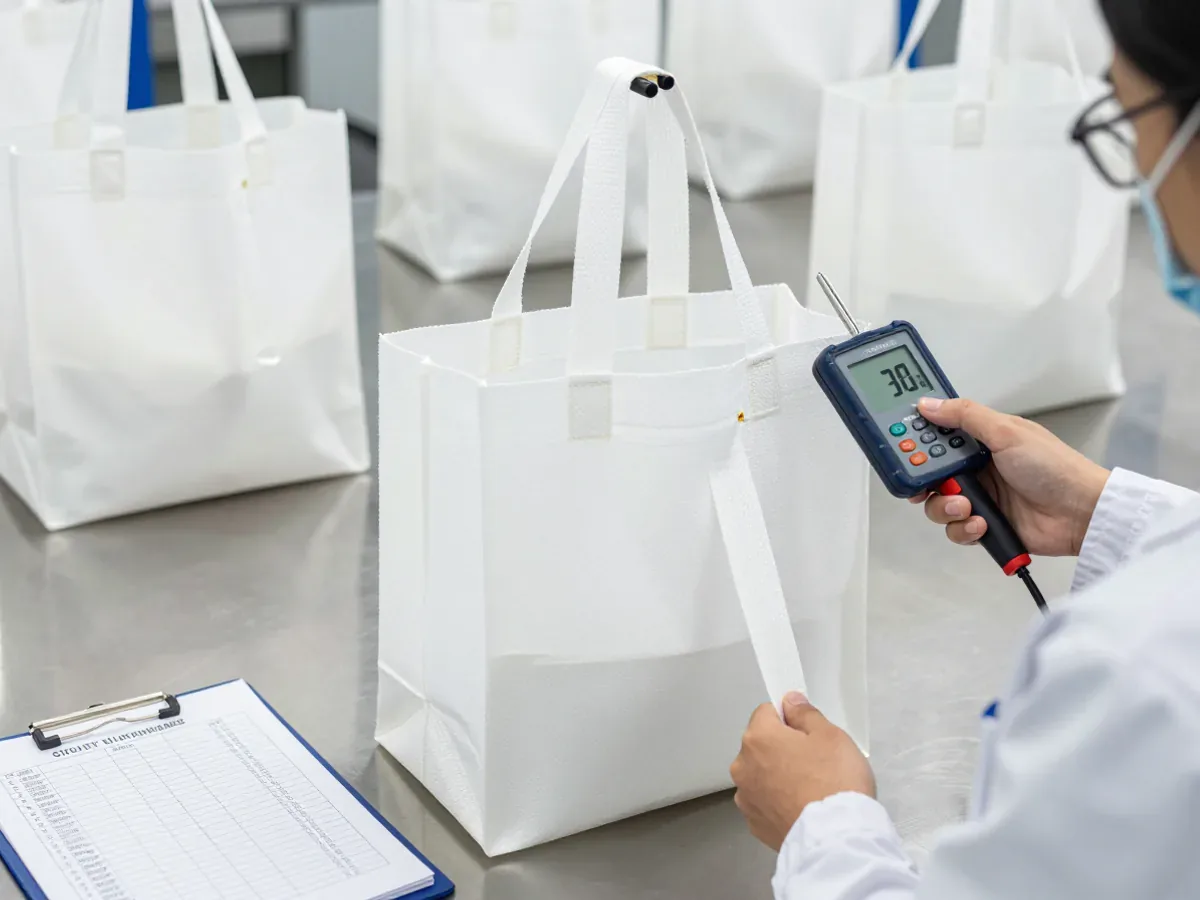
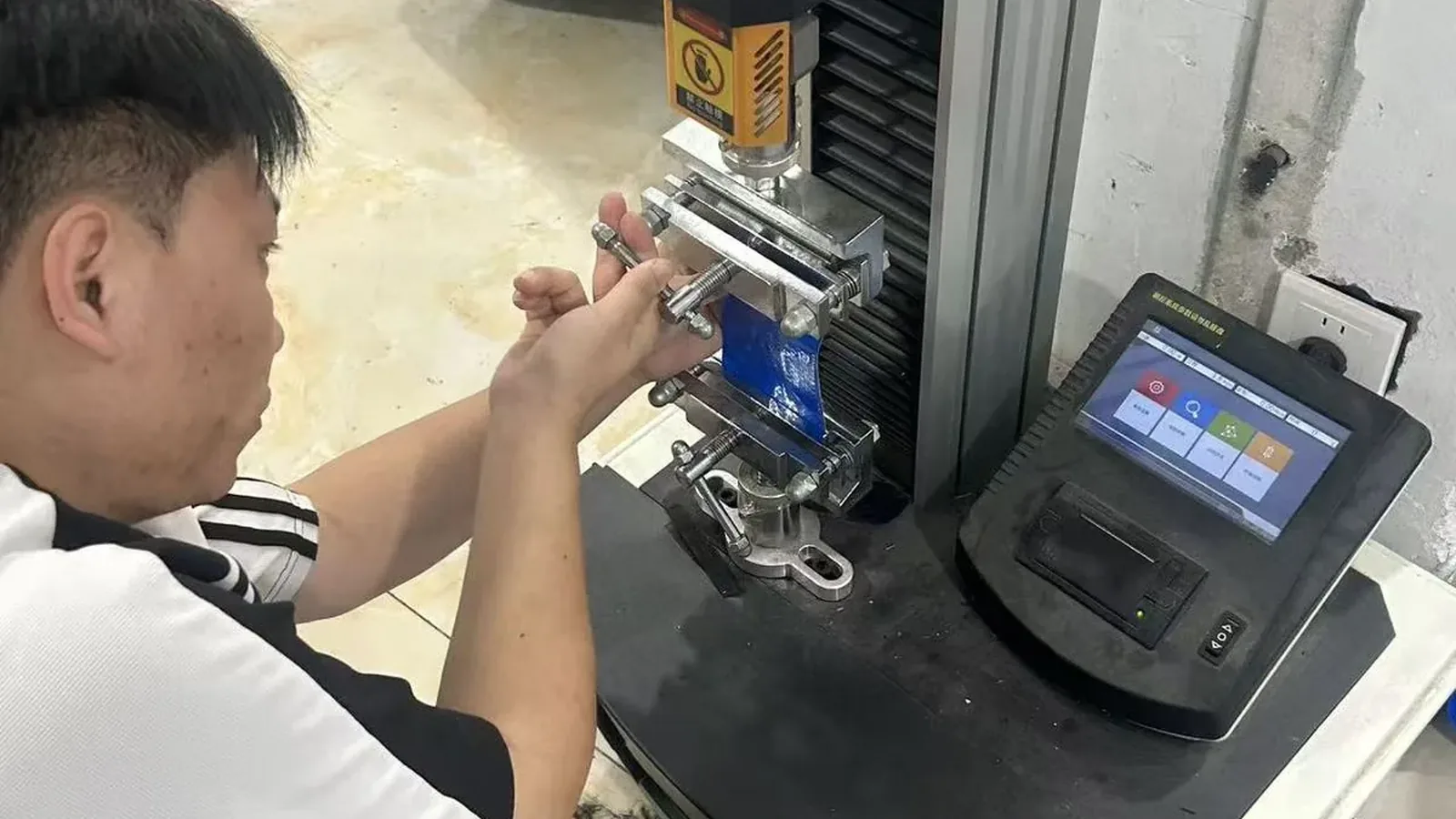
Final inspection ran pull, seam strength and bar-tack checks on every batch, for both constructions. The numbers were recorded against the approved spec, and the two columns told different stories.
The woven bag held its shape when filled and lifted by its handles. The laminated woven construction carried the load without the panel distorting, and the seam stayed where it was stitched. This is the behaviour that heavy-duty ratings are built on, and it showed up in a routine check rather than a lab test.
The non-woven bag passed the same checks at a lighter load. Under a heavier fill, the handle attachment area showed the first signs of fatigue, and the sheet around the stitch line began to stretch. The bag was not failing inspection. It was telling the inspector what load it was built for.
At the Loading Bay: Which Carton Belongs on Which Job
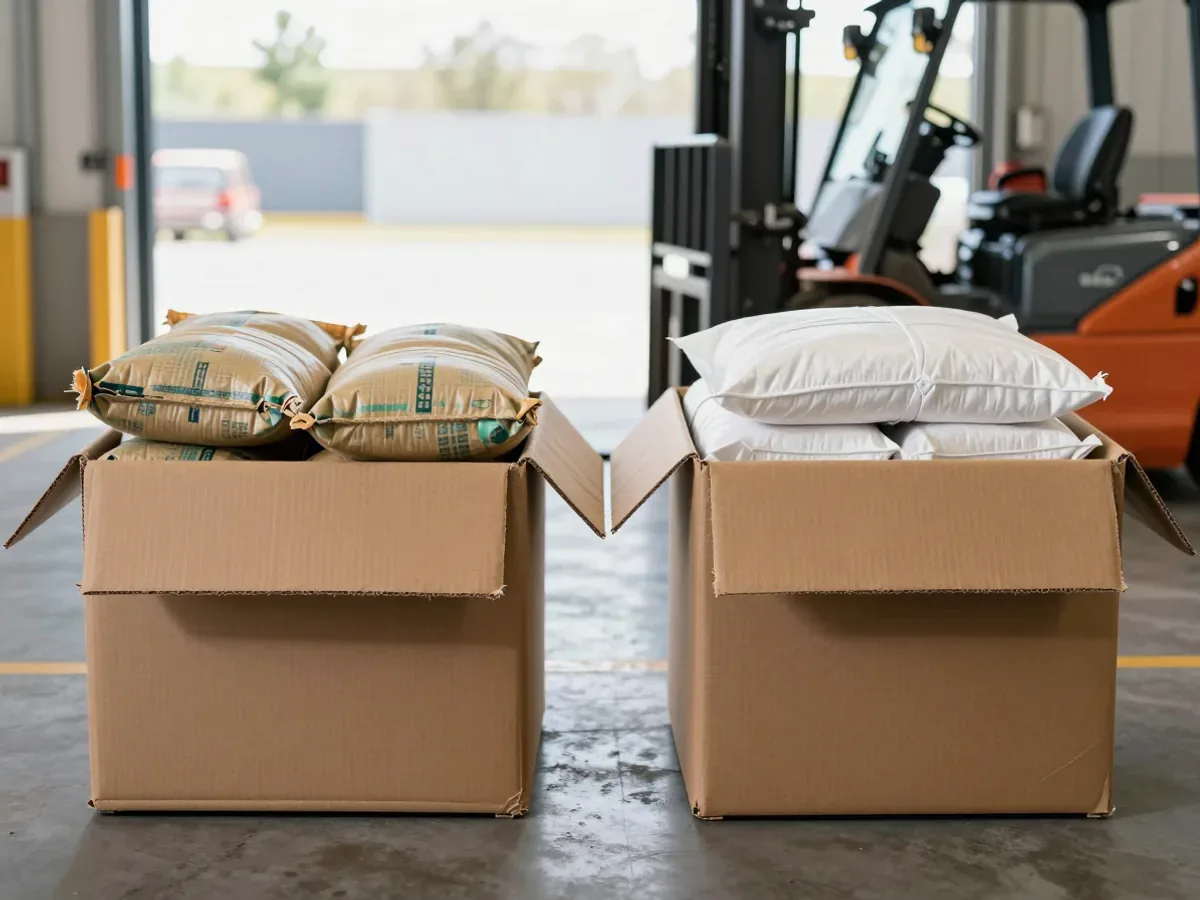
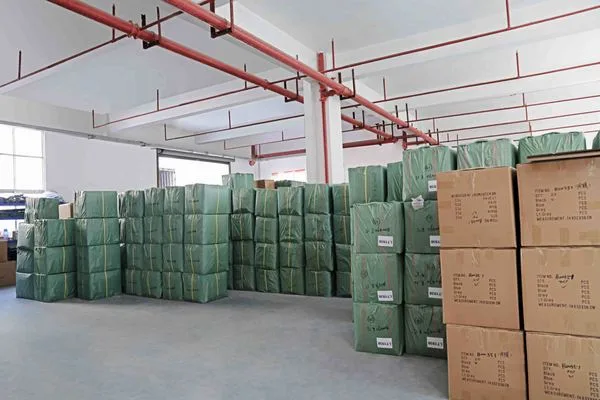
On dispatch day the two cartons sat side by side, same size, same print, different contents. The carton labels carried the material name, and that label decided which carton went to which end use.
The woven cartons were headed for a program where the bag gets reused under load: moving, storage, repeated carrying. A laminated woven PP bag survives dozens of heavy cycles, and its higher unit cost divides across that reuse life. The non-woven cartons were headed for a lighter, shorter-life job where upfront price per bag mattered more than cycle count.
The loading bay is where cost per use becomes a physical decision. Non-woven wins on price per bag. Woven wins wherever the bag is reused under load, because the unit price spreads across many more working trips.
What the Swatch on Your Desk Cannot Show
The three swatches on the buyer's desk never showed any of this. A swatch shows surface, colour and hand feel. It does not show how the cut edge behaves, how the handle seam holds under pull, or how the panel reacts when the bag is filled to shape and lifted.
The walk from PO to loading bay answered the question the swatches raised. Woven PP is the load-bearing material, and the crossed-tape weave creates directional capacity that bonded non-woven sheet cannot match at equal weight. Non-woven skips the loom, bonds fibers directly into a sheet, and suits lighter-duty bags where process cost per square meter drives the quote.
For a reusable shopping bag, the choice depends on the job. A retail program that hands the bag out once and expects a short reuse life can use non-woven. A program where the bag is carried full, again and again, belongs in woven. Both are polypropylene and both are recyclable in PP streams, so the material family is not the deciding factor. The load is.
FAQ
Which is stronger, woven or non-woven PP?
Woven PP, by a wide margin at equal weight. The crossed-tape weave creates directional load capacity that bonded non-woven sheet cannot match.
Can both fabrics be recycled in the same stream?
Yes. Both are PP and recyclable in PP streams, and recycled content is available in either construction.
Why does non-woven PP print with less fine detail?
Woven PP prints on its lamination film, which takes full-colour graphics cleanly. Non-woven prints directly onto a fibrous surface, and that surface limits fine detail.
Which fabric should a reusable shopping bag use?
The answer depends on the bag's use. A short-life, light-load program fits non-woven. A bag that is reused under load fits woven, where cost per use favours the stronger construction.