Based on archived buyer questions and the lined bag specs we run on the line.
The buyer's reference photo showed a fridge shelf lined with four clear bags, each holding a different leftover. Zoomed in, the detail that stopped the conversation was condensation: water beaded on the inside of every bag, and the labels had started to curl. She sent the photo with one line of text: "Will yours do this by Friday?"
That question opened a longer exchange than either side expected. Over the next week she asked six things, in roughly the order below, and each answer changed what she put in the purchase order. The questions are worth walking through because most of them are not about the bag at all. They are about the job the bag has to do in a cold, wet, crowded space.
Why does a fridge bag feel different from a plastic one?
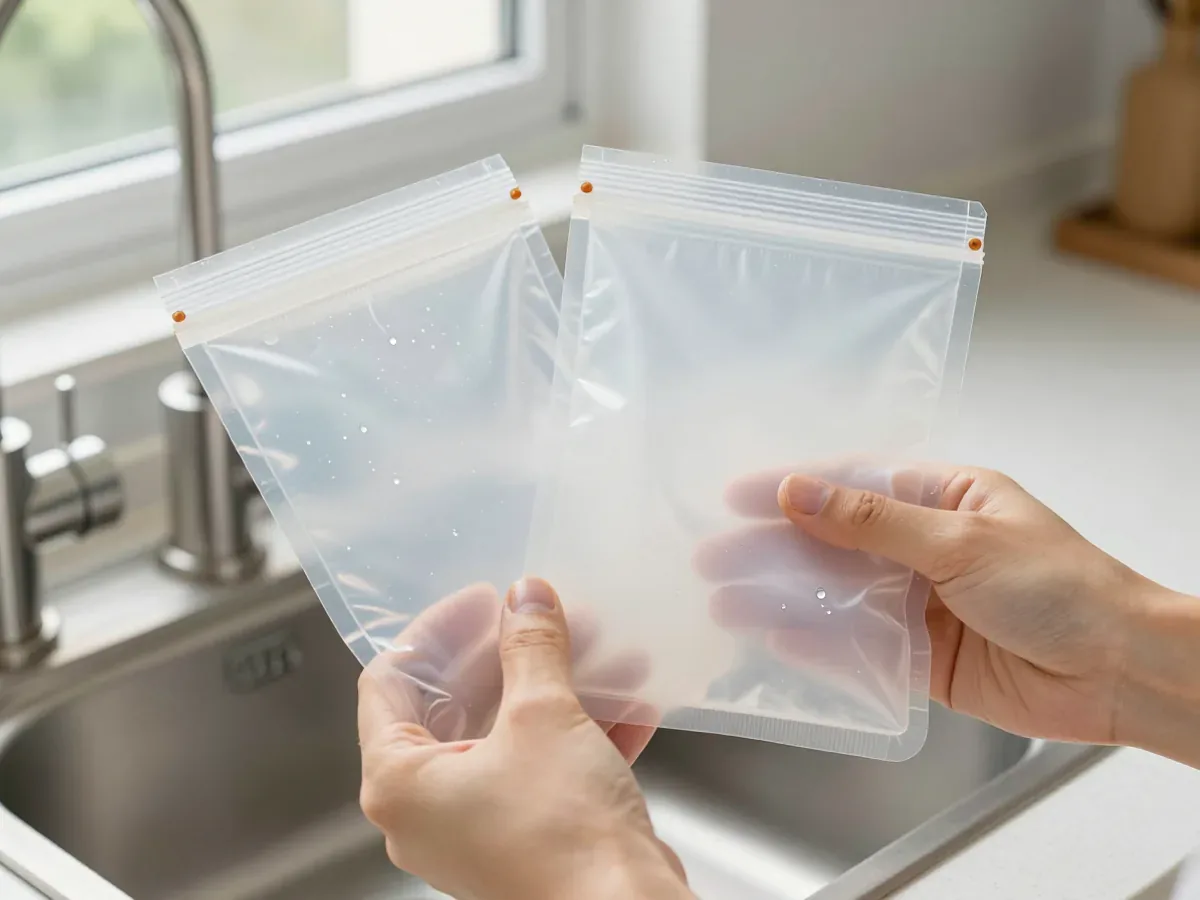
Her first note was tactile. The bags in her photo felt flimsy, and she wanted to know why some storage bags feel stiff and others feel soft. The answer starts with the film. A thin polyethylene bag is built to hold something once and be thrown away, so the material can be light and the seal can be simple. A reusable food storage bag has to survive washing, folding and refilling, which pushes the maker toward thicker film or a different material entirely.
Silicone changes the feel completely. A platinum silicone bag is soft, slightly tacky and heavy for its size, and it keeps that hand feel after many washes. That weight is part of why silicone bags carry a higher price than thin plastic. The buyer was not comparing two versions of the same product. She was comparing a disposable film with a reusable object.
The practical test is simple. Fill the bag with water, seal it, and turn it upside down over a sink. A bag that holds the seal under that load will usually hold a marinade or a soup. A bag that weeps at the corner will do the same in her customer's fridge.
Do storage bags and freezer bags do the same job?
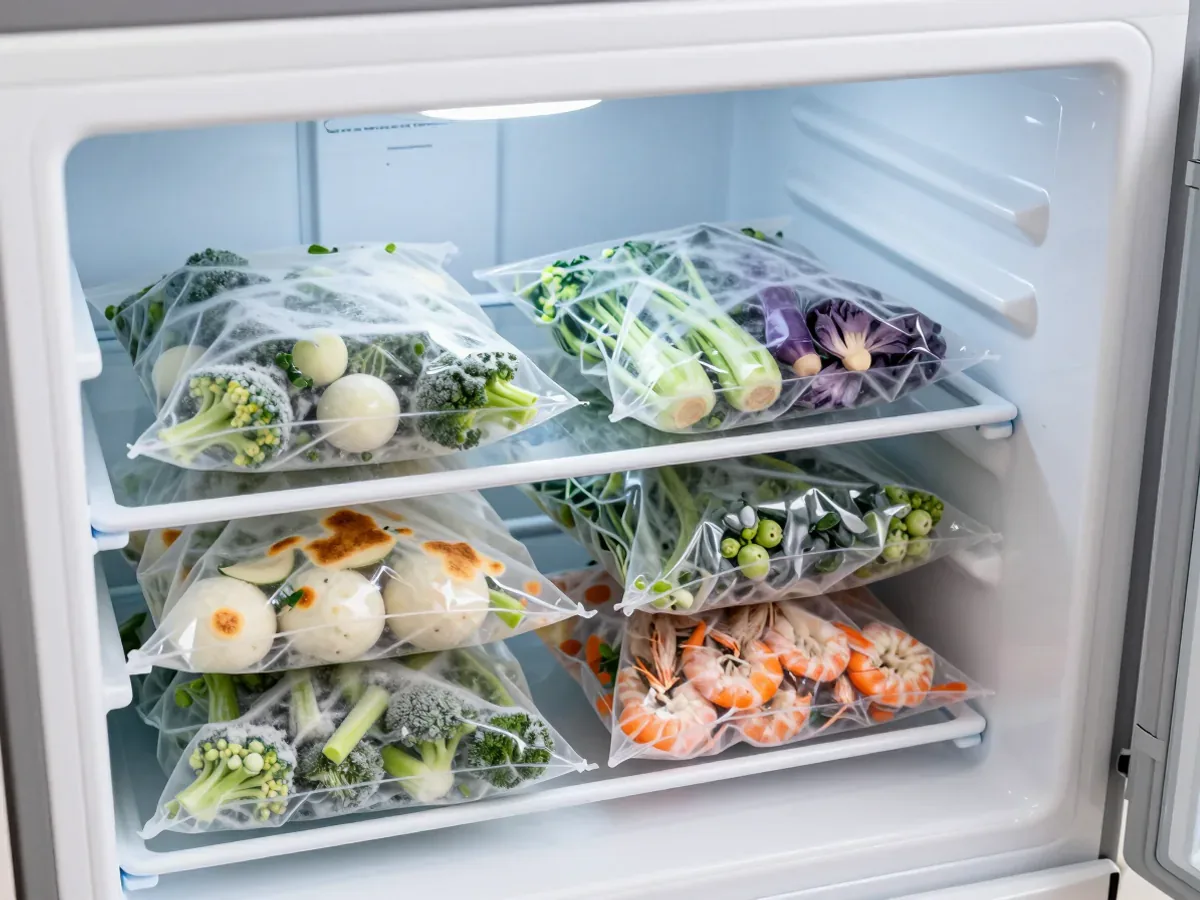
She had been buying one type of bag for both the fridge and the freezer, and the results were uneven. Freezer bags are thicker and more durable than plain storage bags, which is what lets them withstand colder temperatures and resist freezer burn. A storage bag is fine for a day or two on a shelf. Put the same bag in a freezer for a month and the thin film starts to fail.
Freezer burn is the visible symptom. It shows up as dry, pale patches where ice has drawn moisture out of the food, and a thicker bag slows that loss. The buyer did not need a laboratory number. She needed to know which line on her order form should say freezer and which should say fridge.
The sizes follow the same logic. Freezer bags commonly come in pint, quart and gallon sizes, and some ranges add a two gallon option for bulk items. A line that covers only one size forces the customer to double up bags, which wastes material and defeats the point of a reusable product.
Where does silicone fit, and where does it not?
Silicone earns its place in a kitchen where bags get reused daily. It handles heat, it seals well, and it does not crack when folded into a drawer. The buyer's customers were mostly meal preppers, so silicone made sense for the lunch and leftover side of the range.
It has limits she needed to hear. Silicone bags can be bulky, they can retain odors if food sits in them without airing, and they cost more than plastic. A strong curry left sealed for a week will leave a smell behind unless the bag is washed and left open to dry. That is a care habit, not a defect, but it belongs in the care card.
The odor point came up again later when she asked why some silicone bags make food taste strange. The usual cause is residue from a previous meal or a bag stored closed while still damp. A wash with hot water, a soak in baking soda solution and a full air dry solve most cases. Buyers who plan to sell silicone should budget for a care instruction sheet, not just a bag.
What holds cold air inside a lined bag?
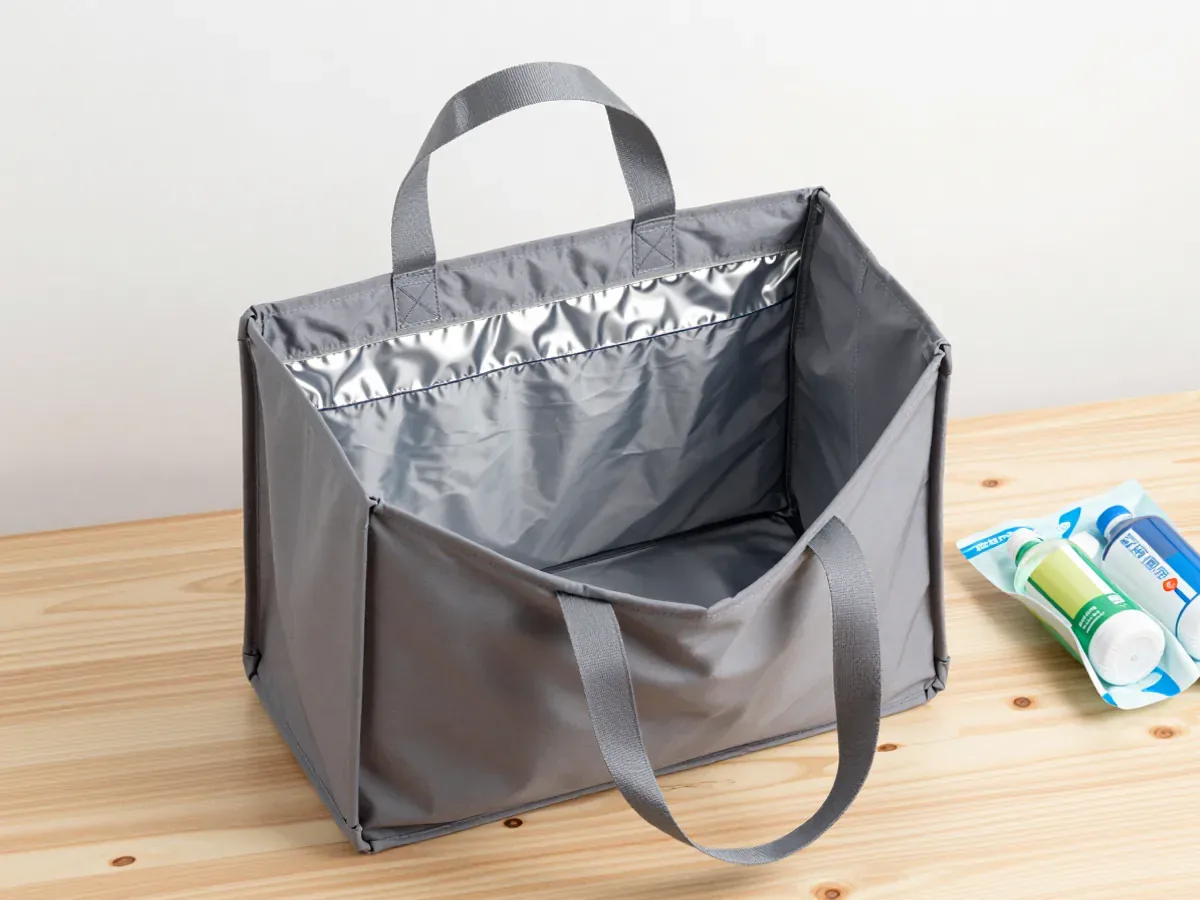
Her range also included a lined tote for grocery runs, and she wanted to know what separates a bag that keeps cold for an hour from one that keeps cold for a morning. Hold time is set by insulation thickness, the lining and the zip. Those three decide almost everything, and none of them is visible from the outside.
The insulation used in our lined bags is PE foam with a foil lining. A cutaway shows the order clearly: outer fabric, then foam padding, then aluminium foil. The foil reflects heat, the foam slows transfer, and the zip lid keeps cold air where it belongs. A leak proof base sits underneath for ice packs and condensation, which is where most cheap totes quietly fail.
The buyer asked whether a lined bag replaces a cooler. It does not. A cooler is built around a rigid insulated box with a tight lid. A lined tote is built to carry cold items from the store to the kitchen, and it is tested packed with bottles, sandwiches and ice packs. Selling it as a cooler substitute sets up a return.
Which bag fits which job in the kitchen?
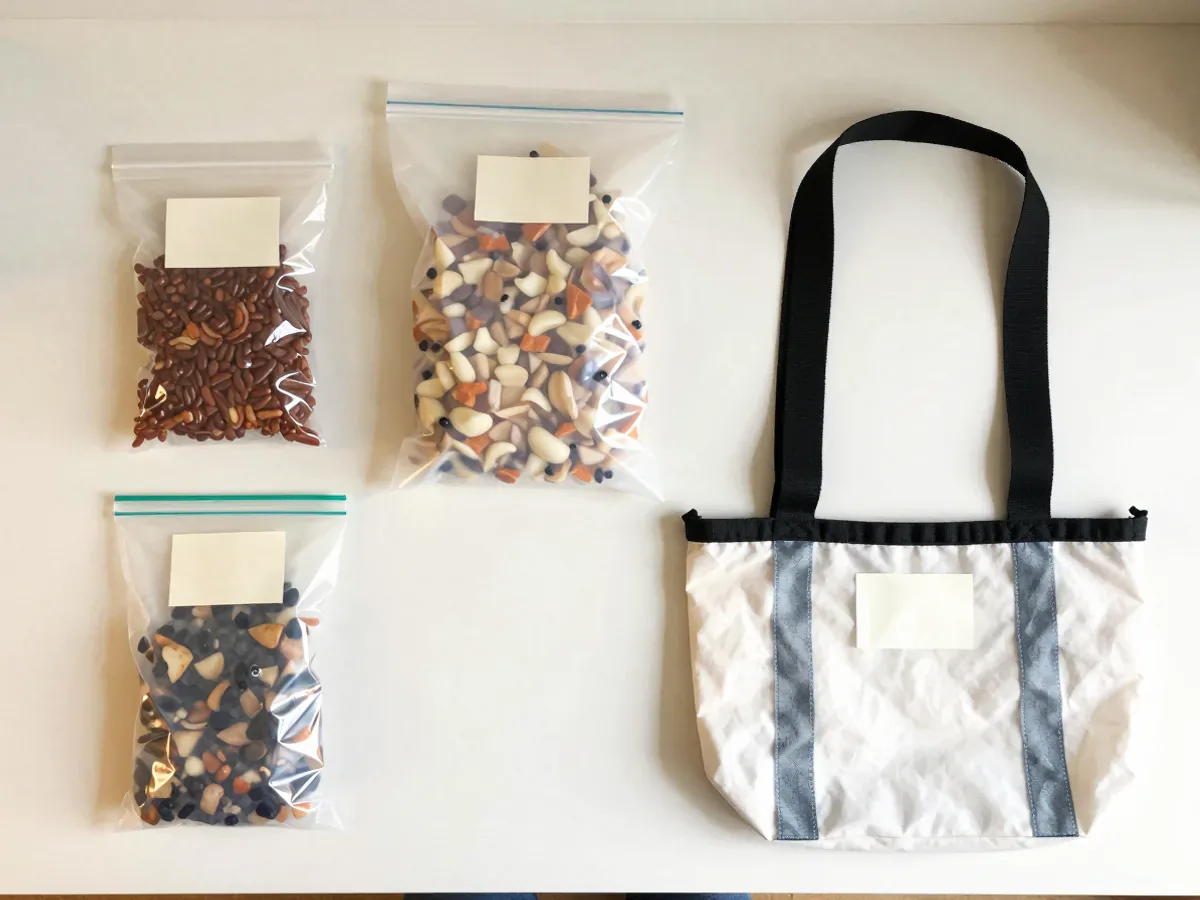
By the middle of the exchange she had four jobs in front of her: snacks, meal prep, freezing and carrying groceries. Each one pulls the spec in a different direction, and the mistake is to design one bag that tries to cover all four.
Snacks and lunch portions want a smaller bag with a reliable seal and a shape that stacks. Meal prep wants a flat base so the bag stands while being filled. Freezing wants thicker film or silicone and a seal that survives low temperature. Grocery runs want the lined tote with a shoulder strap, a front pocket and a bottle pocket, because the bag has to be carried, not shelved.
A useful exercise is to write the four jobs on one page and put a bag name next to each. If two jobs land on the same bag, check whether the seal and the material can carry both. If three jobs land on one bag, the range is probably too narrow for the customer base.
What do buyers ask after the first order arrives?
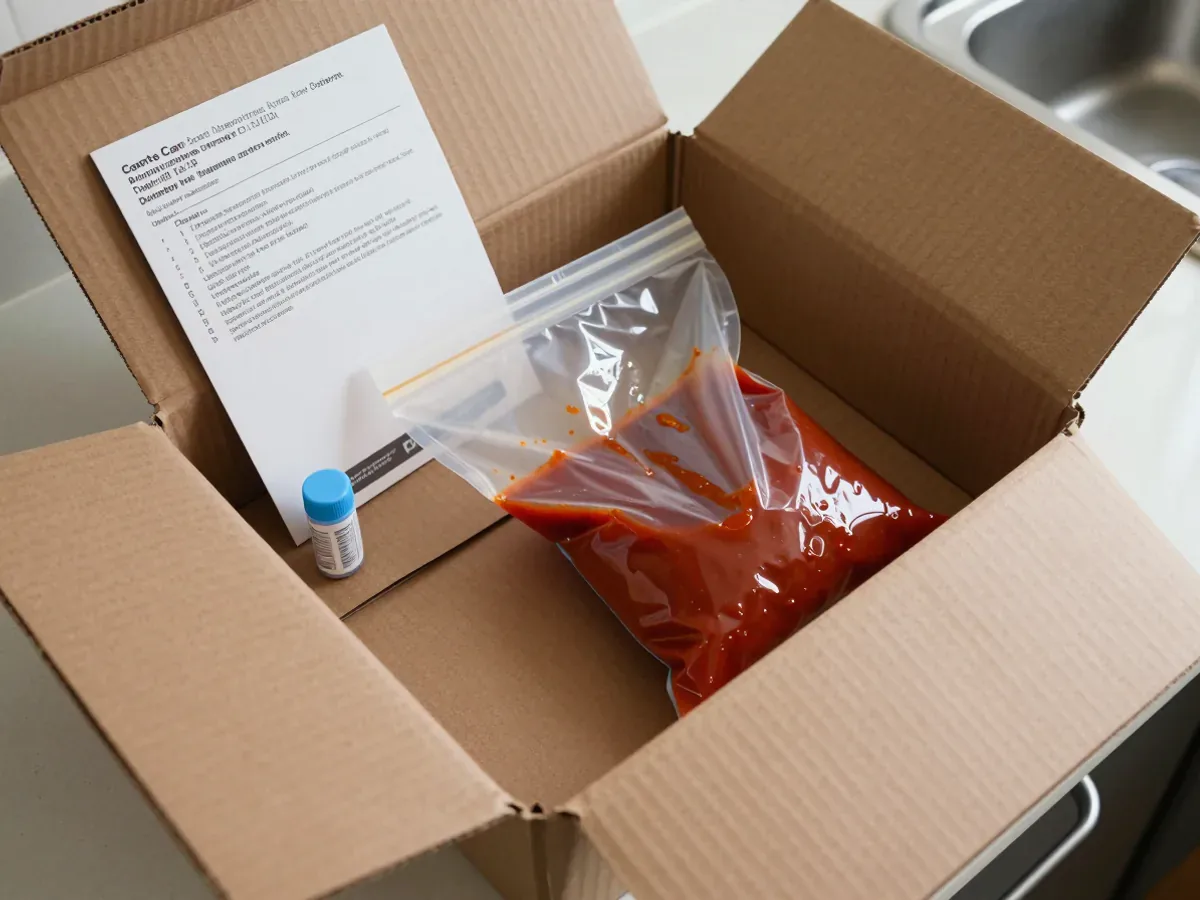
The questions change once cartons are open. The first is usually about smell, because a new silicone bag can carry a faint factory odor that fades after the first wash and air dry. The second is about staining, since tomato sauce and turmeric leave marks that are cosmetic but alarming on a pale bag.
The third is about the seal. A customer who fills a bag with soup and finds a leak will blame the bag, not the fill line. A clear maximum fill mark and a short instruction card prevent most of these complaints. The fourth is about storage, because bulky silicone bags take up drawer space and customers want to know how to flatten them.
None of these are manufacturing failures. They are expectation gaps, and they are cheaper to close with a printed card than with a replacement shipment. Every order that leaves the line passes four QC checkpoints before packing, and the care card is part of what gets checked.
The question most buyers never ask
She never asked what happens to the bag after fifty washes. The seal is the part that ages first. A zip track that grips tightly on day one can loosen after repeated opening and closing, and a silicone bag that has been through a hot wash cycle many times can start to cloud or soften at the corners.
That question matters because the customer will judge the product at month six, not at unboxing. A buyer who specifies the seal construction and the wash guidance up front protects the review score later. A buyer who only compares unit cost is buying the first week of the product's life.
The second unasked question is about the range itself. A line that covers pint, quart and gallon in freezer bags, plus a silicone option and a lined tote, gives the customer a reason to buy twice. A line with one size and one material gives them a reason to look elsewhere. The buyer who sent the condensation photo ended up rewriting her order around jobs rather than prices, and the photo stopped being a complaint. It became the brief.
FAQ
Are reusable food storage bags safe for the freezer?
Silicone bags are freezer safe, and thicker freezer bags are made for low temperatures. Thin storage bags are not, which is why the two types should sit on separate order lines.
Why do silicone bags sometimes make food taste strange?
Residue from a previous meal or a bag stored closed while damp is the usual cause. Hot washing, a baking soda soak and a full air dry remove most odors.
Do lined fridge bags replace a cooler?
No. A lined tote carries cold items for a short trip. A cooler is a rigid insulated box built for longer holds, and the two should be sold as different products.
How many sizes should a food bag line cover?
At minimum, pint, quart and gallon for freezer bags, with a two gallon option for bulk items. Add one silicone size for meal prep and one lined tote for grocery runs.