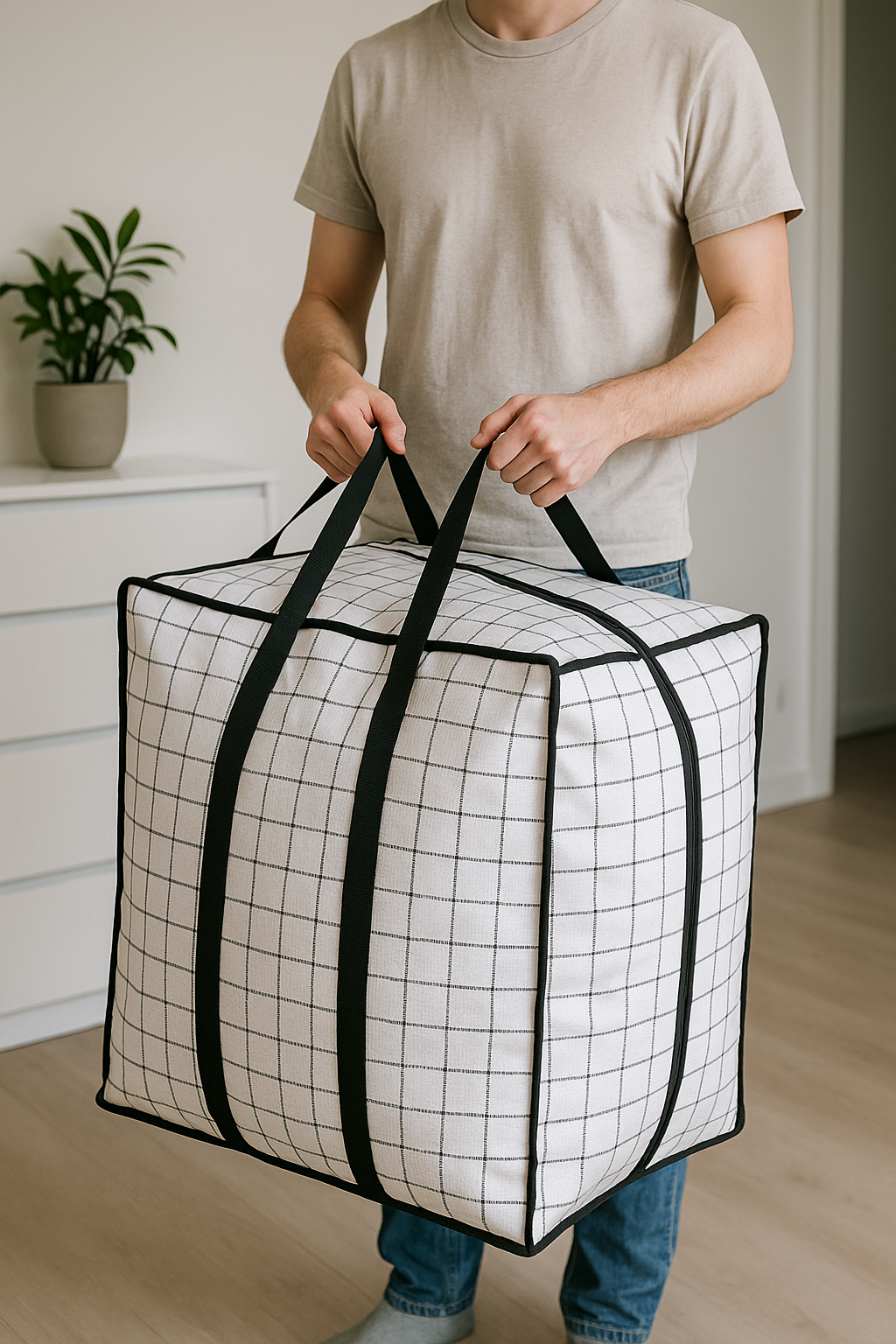
Problem: Moving is often stressful, and traditional boxes are bulky, weak, and hard to reuse.
Agitation: This makes packing, carrying, and storing harder, wasting time and energy.
Solution : Sacs de déménagement1 offer a more durable, flexible, and eco-friendly option.
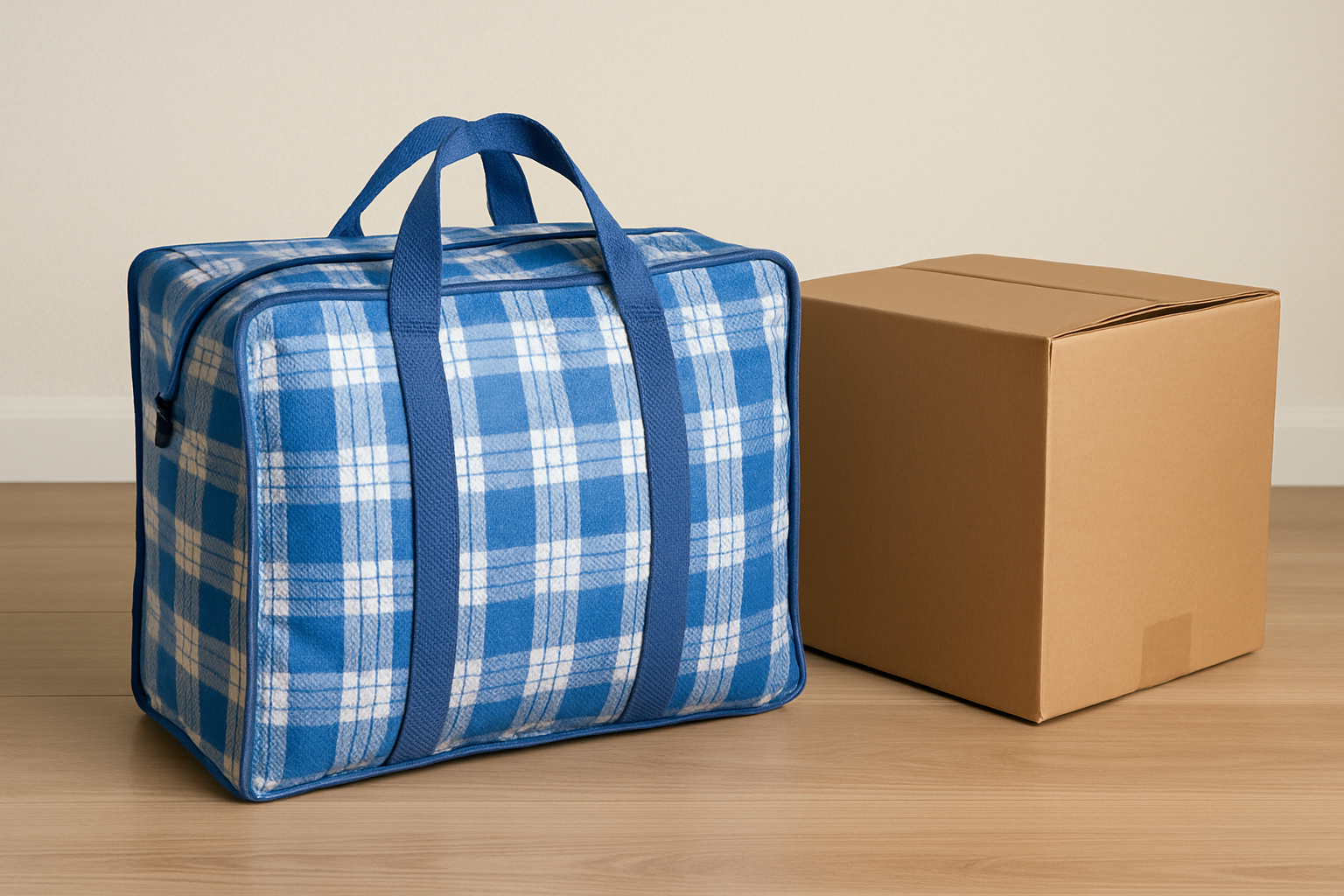
Moving bags are reusable, lightweight, and space-efficient alternatives to traditional cardboard boxes, ideal for clothes, linens, and irregular items.
Don’t stop at boxes—discover how moving bags can save time, space, and effort during your next move.
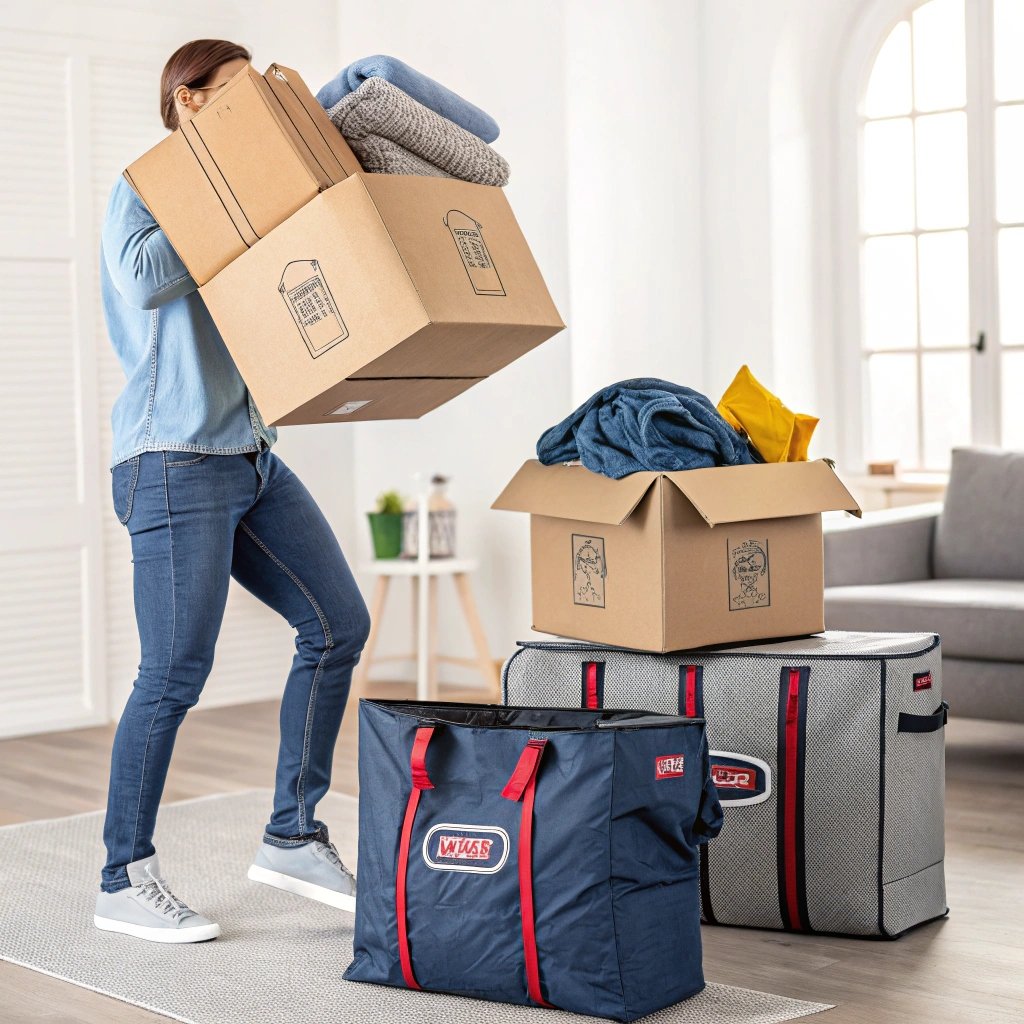
Problem: Cardboard boxes easily break and aren’t waterproof, causing stress during transport.
Agitation: People want convenience and reliability, especially when relocating quickly or alone.
Solution: Moving bags solve these problems with durability and ease of use.
Moving bags are popular because they are durable, reusable, water-resistant, and easier to store and carry than traditional cardboard boxes.
| Fonctionnalité | Sacs de déménagement | Boîtes en carton |
|---|---|---|
| Durabilité | High (tear-resistant) | Low (easily damaged) |
| Réutilisation | Oui | Limitée |
| Résistance à l'eau | Oui | Non |
| Storage After Move | Compact | Encombrant |
More people are shifting to moving bags not just for function but also for sustainability. Bags made from recycled RPET materials2 reduce waste and can be reused for storage or travel, aligning with growing eco-conscious values.
Problem: Packing can be chaotic, and not knowing what each bag is for adds confusion.
Agitation: This leads to disorganization and extra stress when unpacking.
Solution: Understand what moving bags are designed to carry.
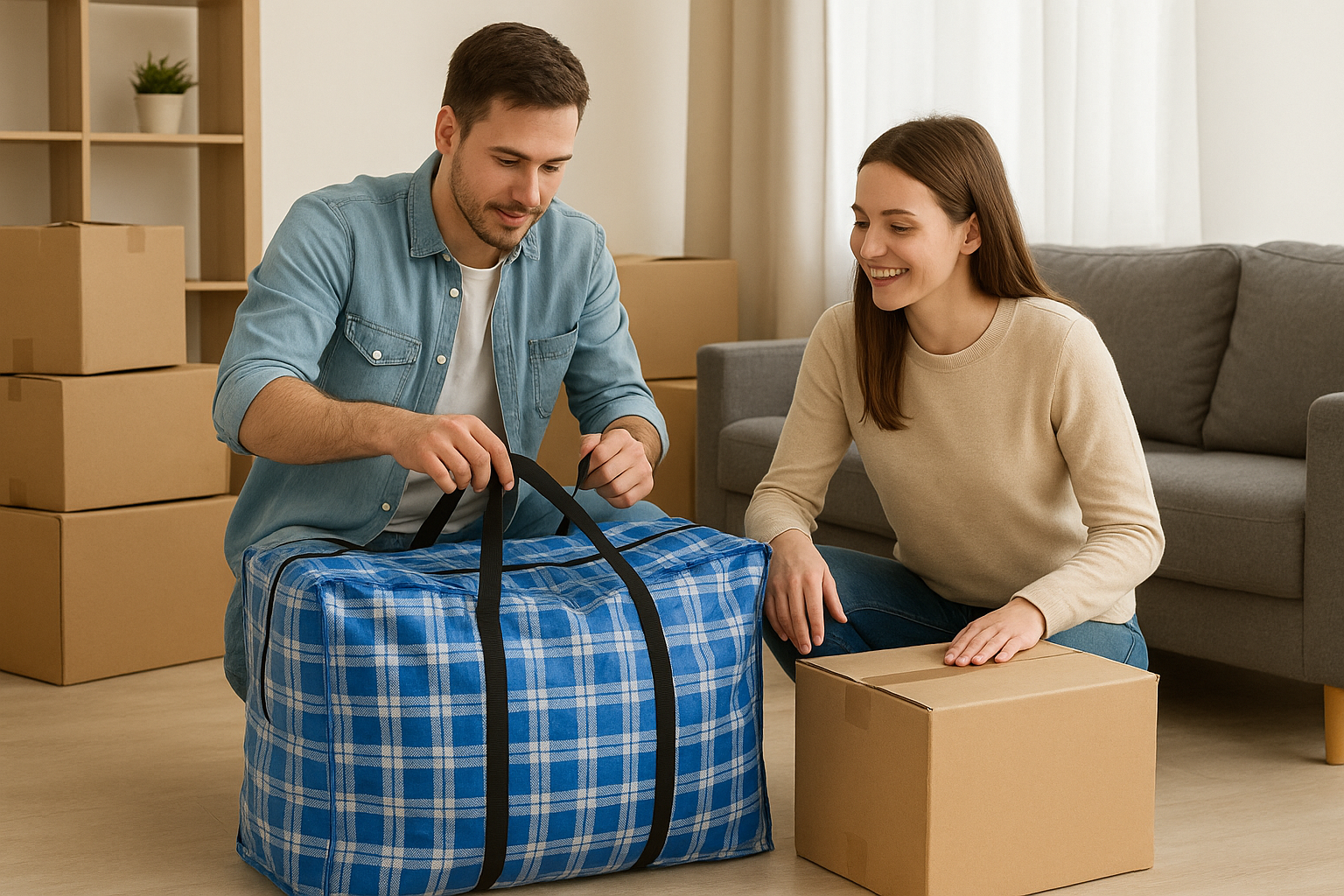
Moving bags are designed for packing soft items like clothes, bedding, toys, and non-fragile essentials during relocation.
| Type d'article | Type de sac recommandé |
|---|---|
| Vêtements | Sacs en tissu à fermeture éclair |
| Bedding | Large-capacity vacuum bags |
| Kids’ toys | Durable tote bags |
| Cables & tech | Compartment bags with labels |
Using different color bags or adding tags can help you identify what’s inside without opening every bag. This simple habit makes settling into a new home smoother.
Problem: It’s unclear whether movers accept or prefer moving bags.
Agitation: Not knowing can lead to delays or misunderstandings on moving day.
Solution: Know the preferences of professional movers.
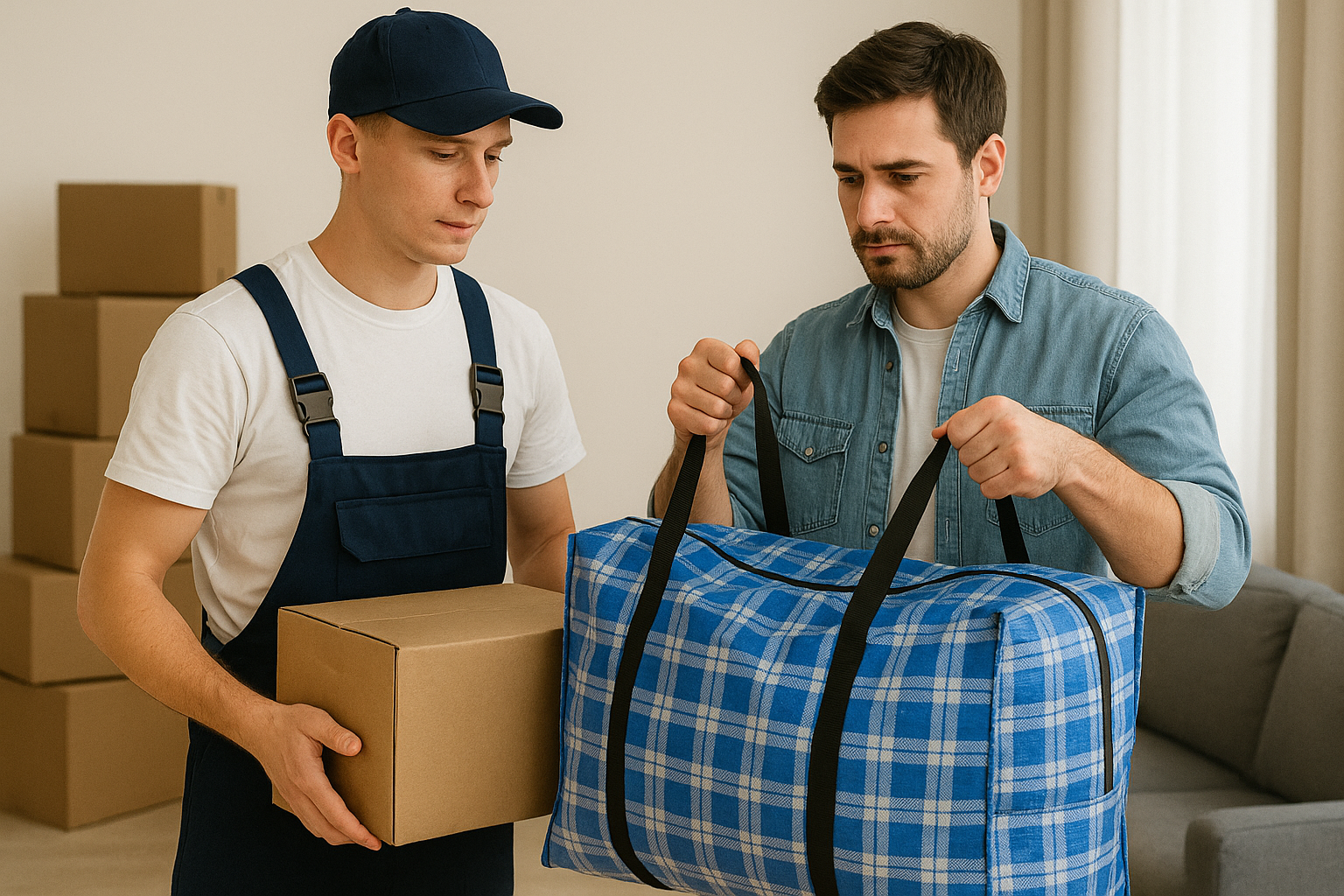
Most movers prefer uniform-sized boxes for stacking but accept bags for soft, lightweight items like clothing and linens.
| Situation | Preferred Method |
|---|---|
| Fragile Items | Boxes |
| Soft Goods | Sacs |
| Heavy Items | Boxes with padding |
| Odd Shapes | Flexible bags |
Talk with your moving company before the move. Ask what they allow or recommend. Combining both boxes and bags often gives the best balance.
Problem: Vacuum bags seem convenient, but not all items are suitable.
Agitation: Using them incorrectly can damage your belongings.
Solution: Learn which items to avoid.
Avoid putting leather, silk, wool, down, and food in vacuum bags, as compression may damage these materials.
| Article | Reason to Avoid |
|---|---|
| Leather Jackets | Can lose shape and crack |
| Wool Sweaters | Can flatten and lose fluff |
| Down Comforters | Insulation quality affected |
| Silk Clothes | May wrinkle permanently |
Vacuum bags are best for cotton, polyester, and synthetic materials. For other materials, use breathable fabric bags or hang them.
Problem: Clothes get wrinkled, lost, or damaged during moves.
Agitation: This causes extra laundry and stress.
Solution: Use the right method to store clothes safely.
The best way is to fold and place clothes in waterproof moving bags, using vacuum bags for volume items and wardrobe boxes for formals.
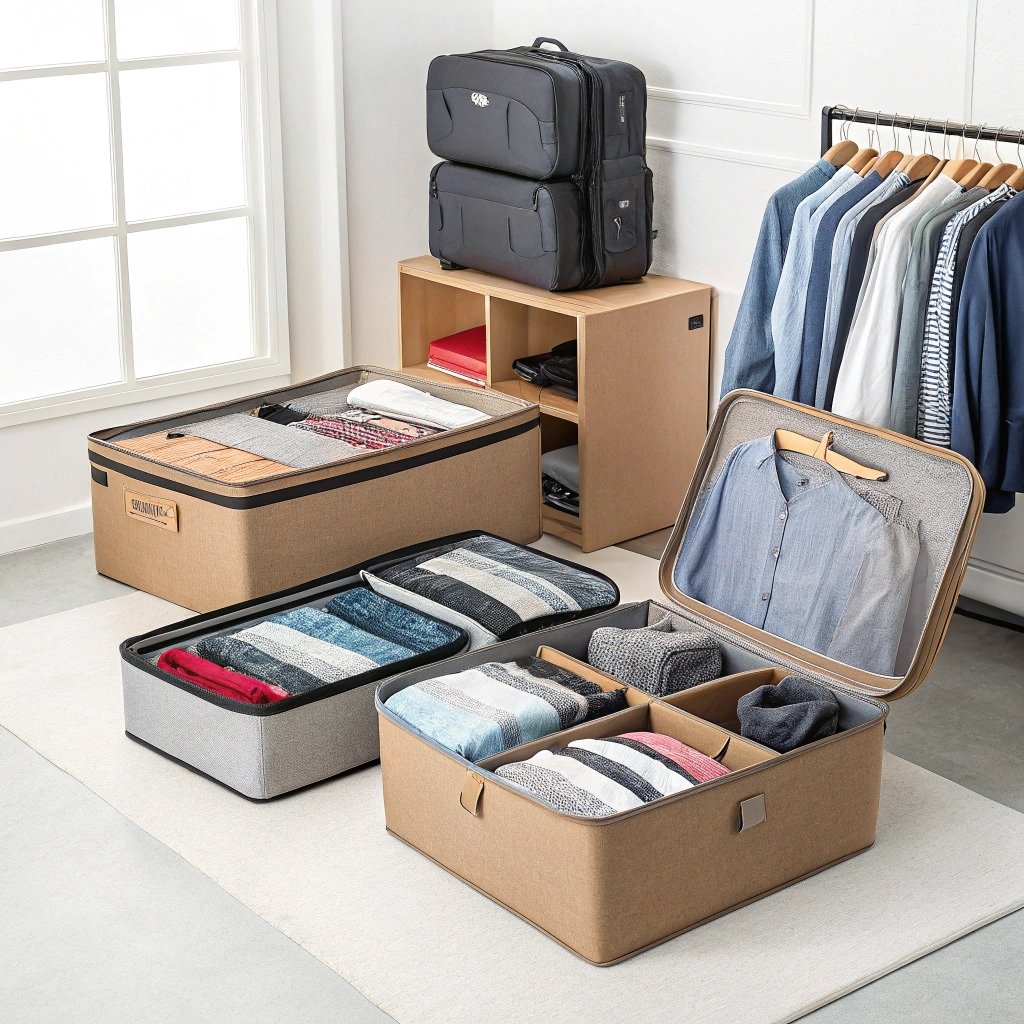
| Clothing Type | Méthode de stockage |
|---|---|
| Casual wear | Folded in zippered bags |
| Formal wear | Hanging in wardrobe boxes |
| Seasonal clothes | Vacuum-sealed bags |
| Shoes | Wrapped and bagged |
Label your bags by season or room. Keep one “first day” bag with essentials like pajamas, toothbrush, and one outfit.
Problem: Packing clothes wastes space if not done efficiently.
Agitation: Overpacking makes bags heavy and unmanageable.
Solution: Choose the right method for your needs.
Rolling clothes saves space and reduces wrinkles, while folding flat works better for bulky items or stiff fabrics.
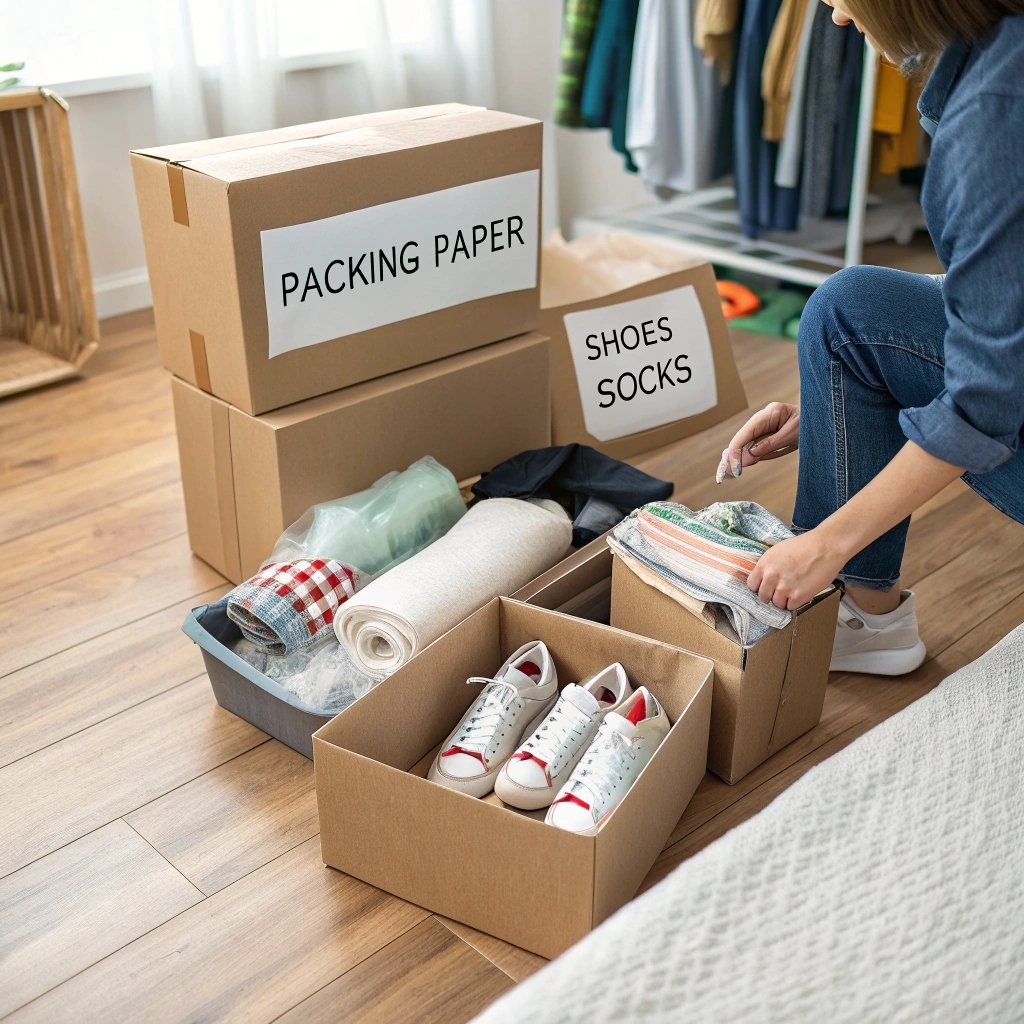
| Type de tissu | Best Packing Method |
|---|---|
| T-shirts, jeans | Roll |
| Sweaters, jackets | Fold flat |
| Delicates | Layer between paper |
Rolling works well in smaller bags or carry-ons. Fold flat for stackable efficiency in large moving bags.
Problem: People debate between using boxes or bags when moving.
Agitation: Making the wrong choice can cause hassle.
Solution: Compare based on need.
Bags are better for soft items and flexibility, while boxes suit stacking and fragile items. Use both for the best results.
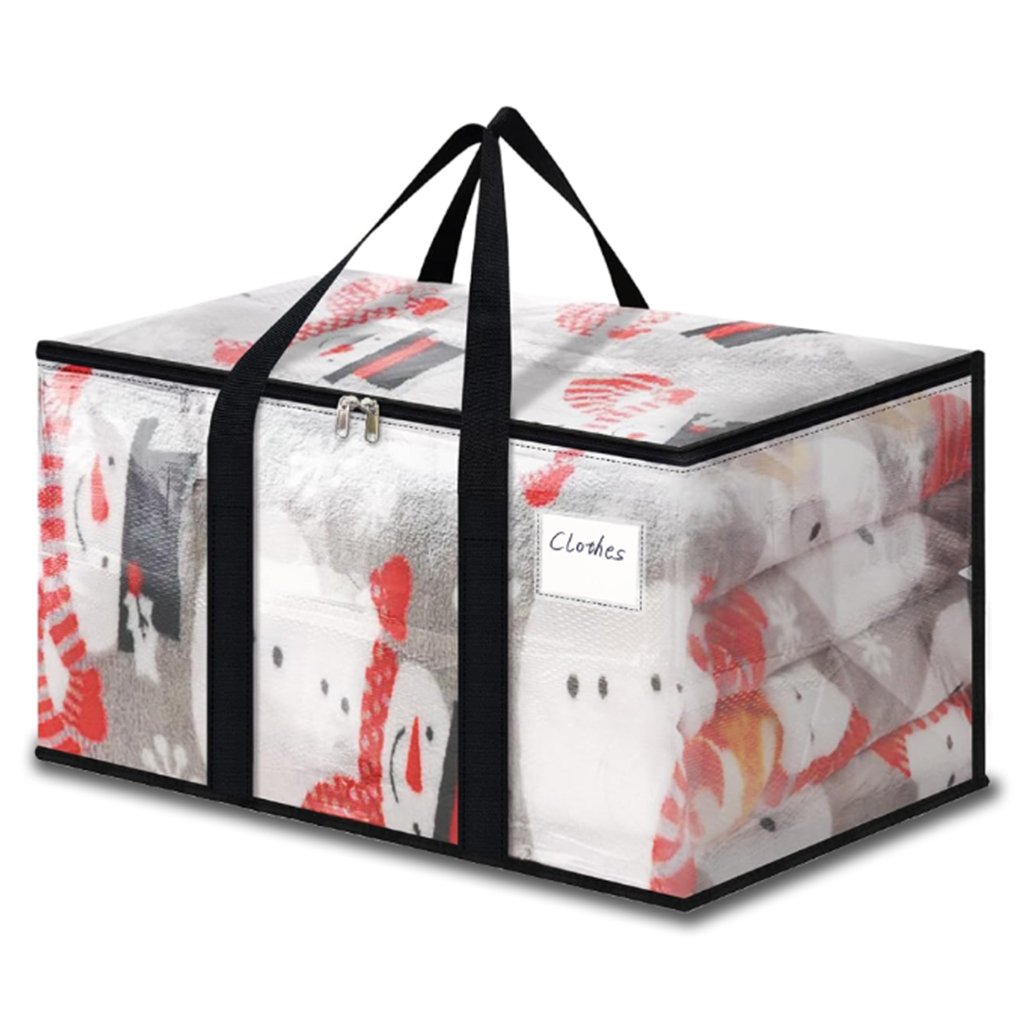
| Fonctionnalité | Sacs | Boxes |
|---|---|---|
| Coût | Often cheaper | Can be costly |
| Stacking | Not ideal | Easy to stack |
| Protection de l'environnement | Low for breakables | High for breakables |
| Réutilisation | Haut | Modéré |
Mix them according to what you’re moving. For clothing and linens, bags are unbeatable.
Problem: Not all bags are strong enough for moving.
Agitation: Choosing poorly leads to tears and repacking.
Solution: Know the best types of moving bags.
Use heavy-duty zippered bags with handles, made from woven polypropylene or RPET3, for strength, eco-friendliness, and moisture resistance.

| Type de matériau | Bénéfice |
|---|---|
| Woven PP (polypropylene) | Very durable and reusable |
| RPET (PET recyclé) | Eco-friendly and waterproof |
| Toile | Breathable but not waterproof |
Look for bags with reinforced zippers and double-stitched handles. Foldable types help with storage after the move.
Problem: Packing clothes is time-consuming and can create a mess.
Agitation: Wrinkles, confusion, and damage are common.
Solution: Use a simple system.
Sort, roll or fold clothes, pack by category, and use labeled bags for each room or person to stay organized.
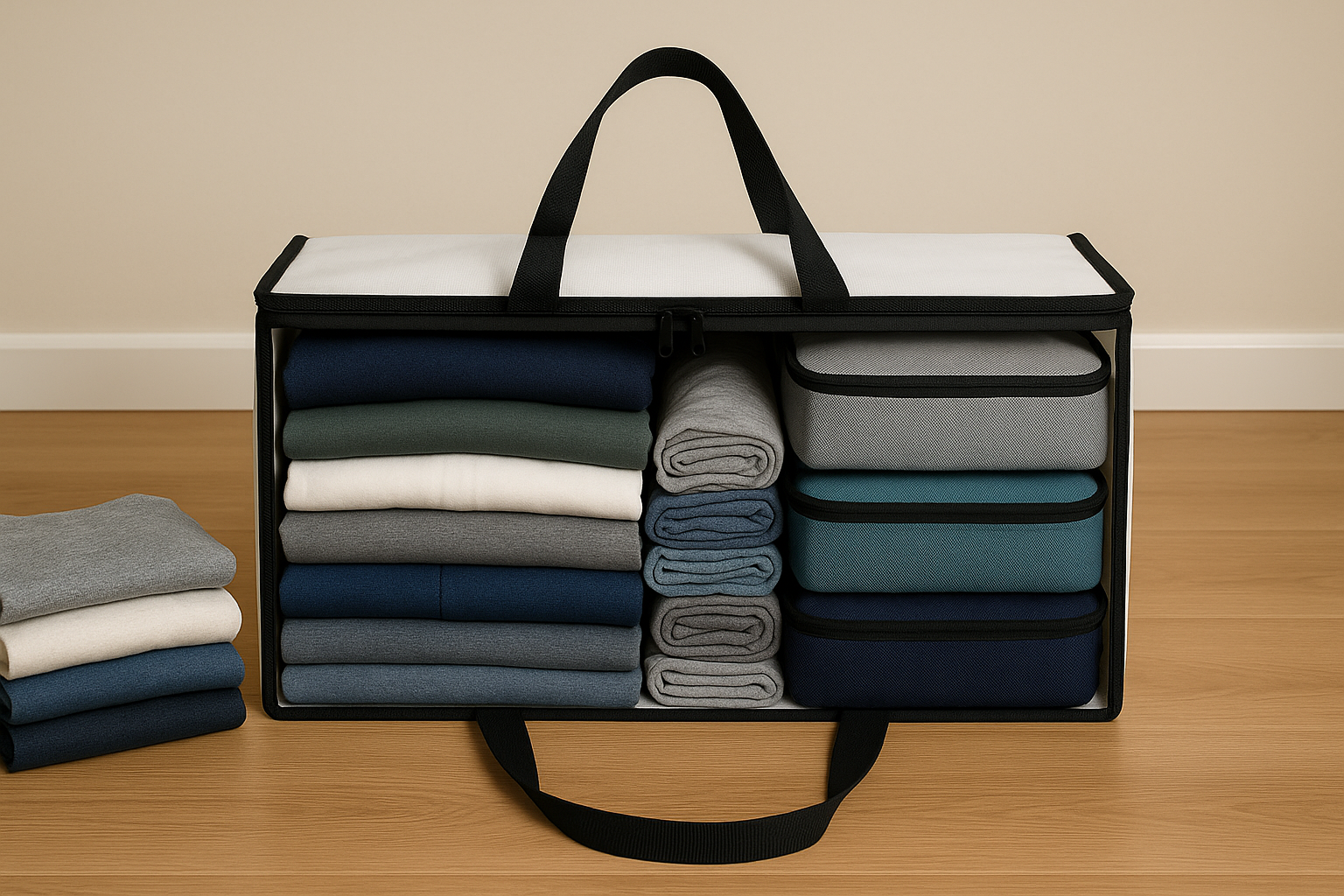
This method keeps things organized and speeds up unpacking.
Problem: Some customers think movers reject bags.
Agitation: Misunderstanding can delay moving or cause repacking.
Solution: Clarify expectations early.
Most movers accept both boxes and bags, but appreciate clear labeling and consistent sizes for easier stacking and loading.
| Type d'article | Preferred Container |
|---|---|
| Fragile items | Boxes with padding |
| Soft items | Bags or totes |
| Books | Small boxes |
| Mixed goods | Label accordingly |
Check your mover’s policies in advance. Offer to help sort if you’re using many bags to avoid delays.
Moving bags offer convenience, flexibility, and eco-friendly storage, making them a smart choice for modern moving needs.
REQUEST A QUOTE
Product, size and quantity is enough to start. We reply with a price and a sample plan fast.
Saved locally for this preview.