Based on a legacy wholesale tote guide and TIIOCTI product spec notes on shell weight, handle construction and print proofing.
The cartons arrived on a Tuesday, and the first one was opened on the loading bay floor. The buyer lifted out a tote, held it by the handles, and felt the shell give a little more than she remembered. Two weeks later, a store manager sent a photo of a handle pulled loose from the body, with the seam still intact around the empty stitch holes.
That photo started a paper trail. The approved sample sat in a drawer in the buyer's office, and it did not match what came off the pallet. The fabric name on both orders was the same. The colour was the same. The difference lived somewhere between the sample room and the cutting table, in a set of line items that nobody had written down in one place.
The Cartons That Felt Wrong Before They Were Opened
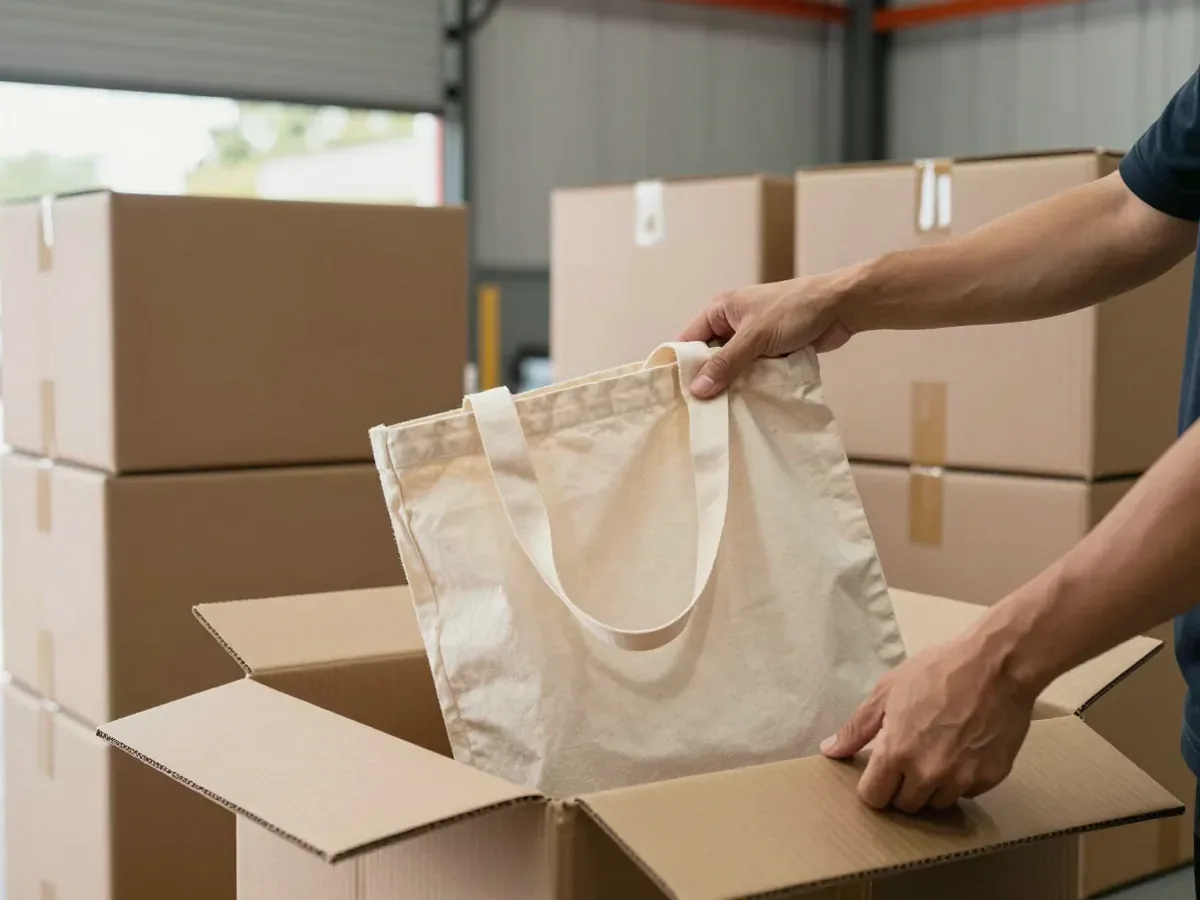
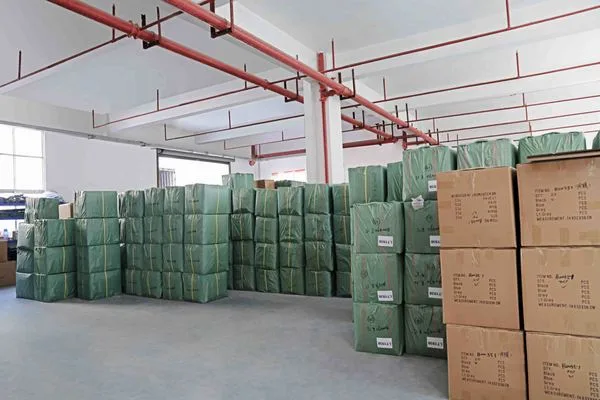
The weight difference showed up before anyone cut a carton open. A bundle of fifty totes, packed as usual, lifted lighter than the sample bundle the buyer had signed off on months earlier. The carton label listed the same size and the same quantity, so the number on the outside gave no warning.
Inside, the shells looked correct at a glance. The natural canvas had the same tone, the print sat in the right position, and the handles were the same width. The buyer only noticed the problem when she carried a loaded bag across the office and felt the fabric stretch at the top edge.
Nothing in the delivery was visibly defective. That is what made the complaint hard to write. The bags were not torn, stained, or misprinted. They were simply built to a lighter set of numbers than the sample she had approved, and the order sheet had never pinned those numbers down.
Where the Spec Chain Broke Between Sample and Bulk
The sample had been made by a sample room working from a short brief: canvas tote, natural colour, long handles, one colour screen print. That brief produced a bag the buyer liked. It did not produce a document that a bulk line could follow without interpretation.
On the production floor, the same brief was read against stock on hand. A roll of canvas that matched the colour but not the weight went to cutting. The handle tape was ordered in the width the sample used, but the stitch pattern was set by the line supervisor, not by the sample. Each choice was reasonable on its own.
The break happened where the two readings met. The sample room had solved a look. The bulk line had solved a schedule. Neither had solved the question of what the bag had to carry, and no single sheet forced that question to be answered before cutting began.
The Handle Was the First Thing to Give Way
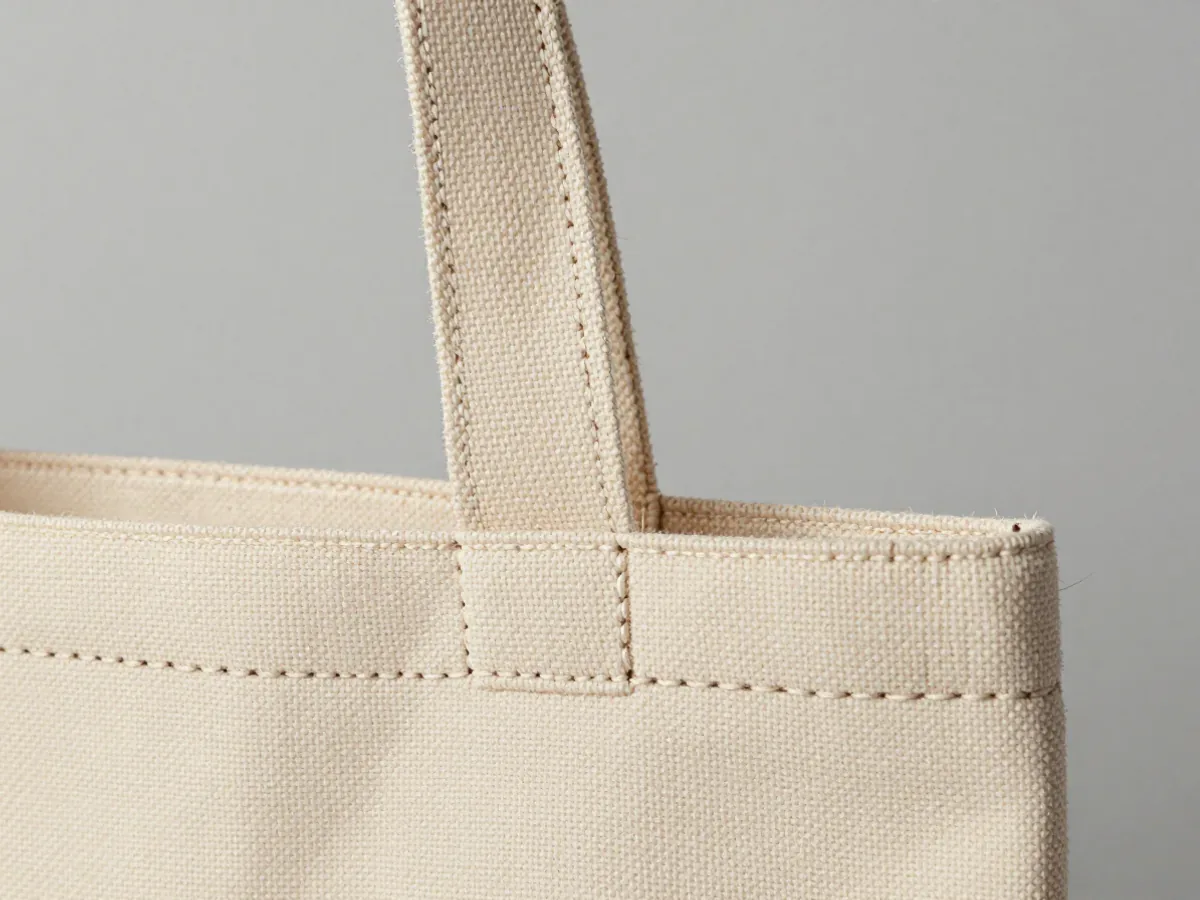
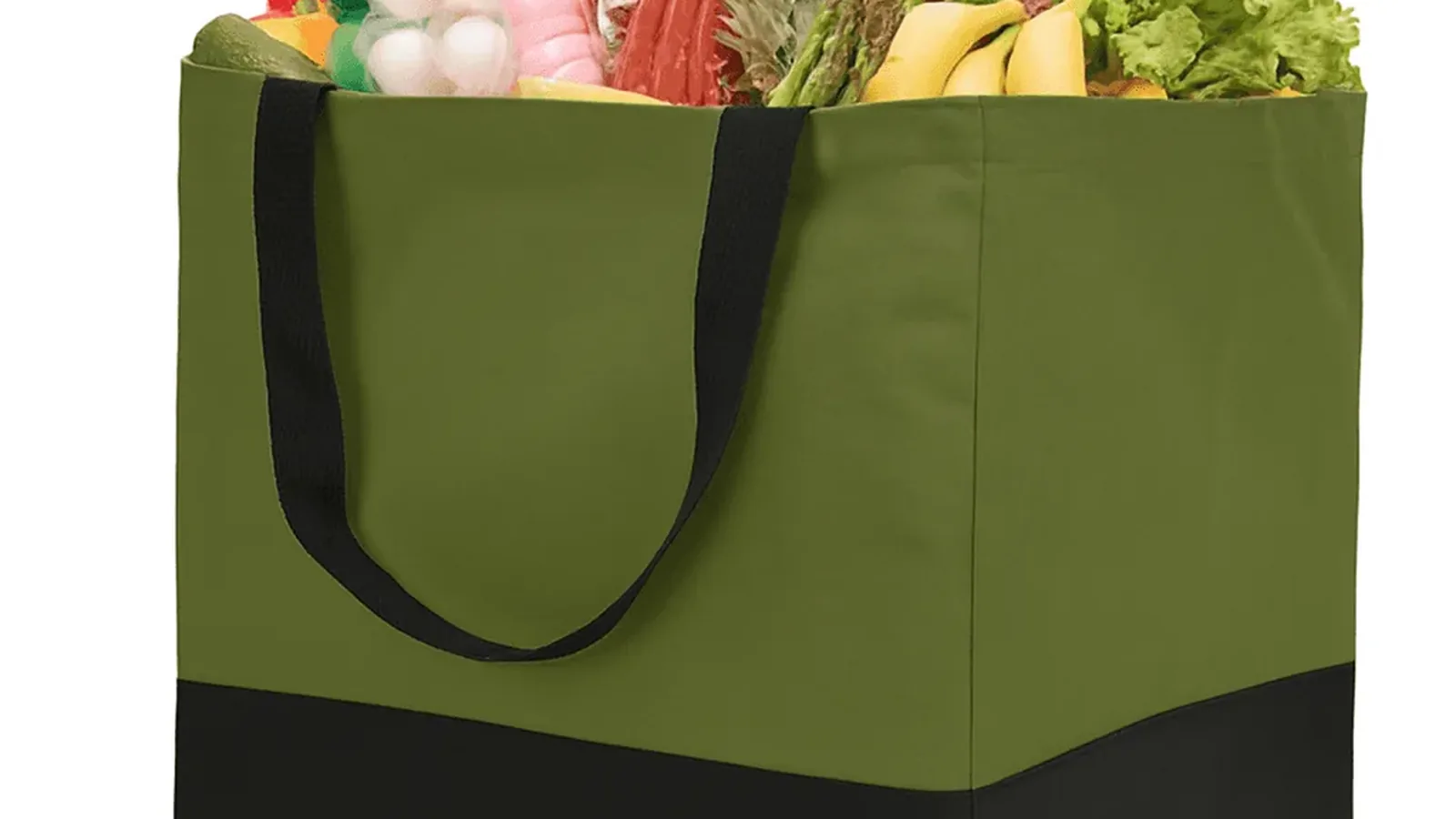
Handles fail before shells do, and they fail at the join. On the returned bag, the woven tape had been attached with a short row of stitching at the top edge, enough to hold the handle in place during handling but not enough to carry a loaded bag up a flight of stairs.
The approved sample used the same tape and looked identical from the outside. What differed was how far the stitching ran through the body. A handle stitched through the shell spreads the load across the fabric. A handle tacked at the rim concentrates it on a few centimetres of seam.
The buyer had never been asked what the bag would carry. A giveaway tote that holds a catalogue and a water bottle needs less than a retail tote that holds groceries. The sample passed because nobody loaded it. The bulk order failed because customers did.
What the Print Proof Did Not Cover
The print was the one part of the order that had been checked properly. A proof came back before the run, the buyer approved the colour, and the screen was set. The printed panels matched the proof when the cartons were opened.
That approval created a false sense of control. The proof covered ink, position, and artwork size. It said nothing about the shell underneath the ink, and nothing about the handles beside it. A buyer who has signed off on a print proof can reasonably feel the hard part is done.
On this order, the print was the only line item with a written approval behind it. The weight, the handle construction, and the stitch pattern had all been agreed in conversation or assumed from the sample. The one documented decision was also the one that held.
Two Shells, One Order Sheet
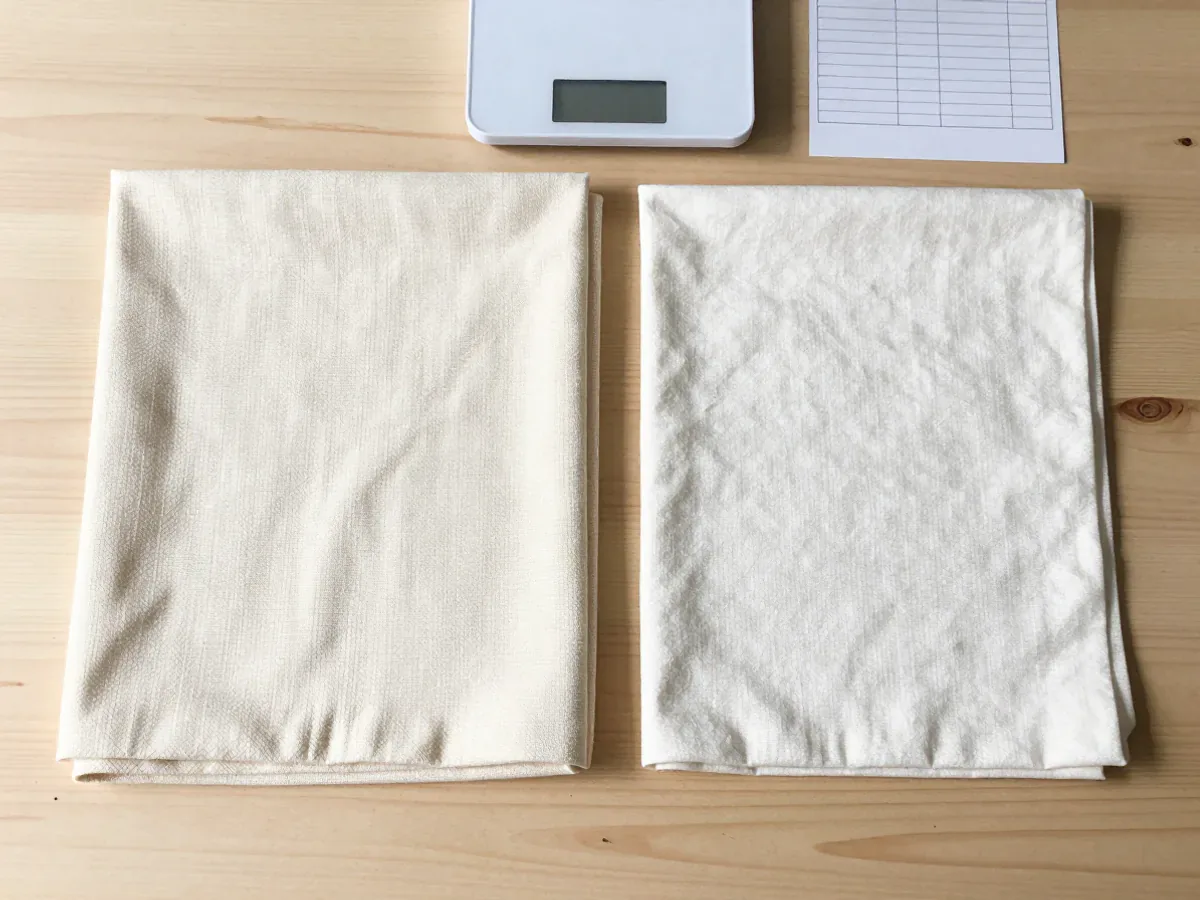
The sample shell and the bulk shell were both cotton canvas in a natural colour, and both were described on the order as canvas. That description covered two different fabrics. One was chosen for how it looked and draped. The other was pulled from stock that met the delivery date.
A shell weight quoted against the load the bag carries would have separated them. A tote for retail use generally wants a heavier fabric, while a lighter cotton in the 140 to 180 gsm range suits mass giveaways where cost per unit drives the decision. Both are legitimate choices.
The order sheet carried neither number. It carried a fabric name, a colour, and a size, which is enough to order a bag and not enough to repeat one. Two suppliers reading that sheet could deliver two different totes and both claim they followed the specification.
The Repair: Rewriting the Line Items
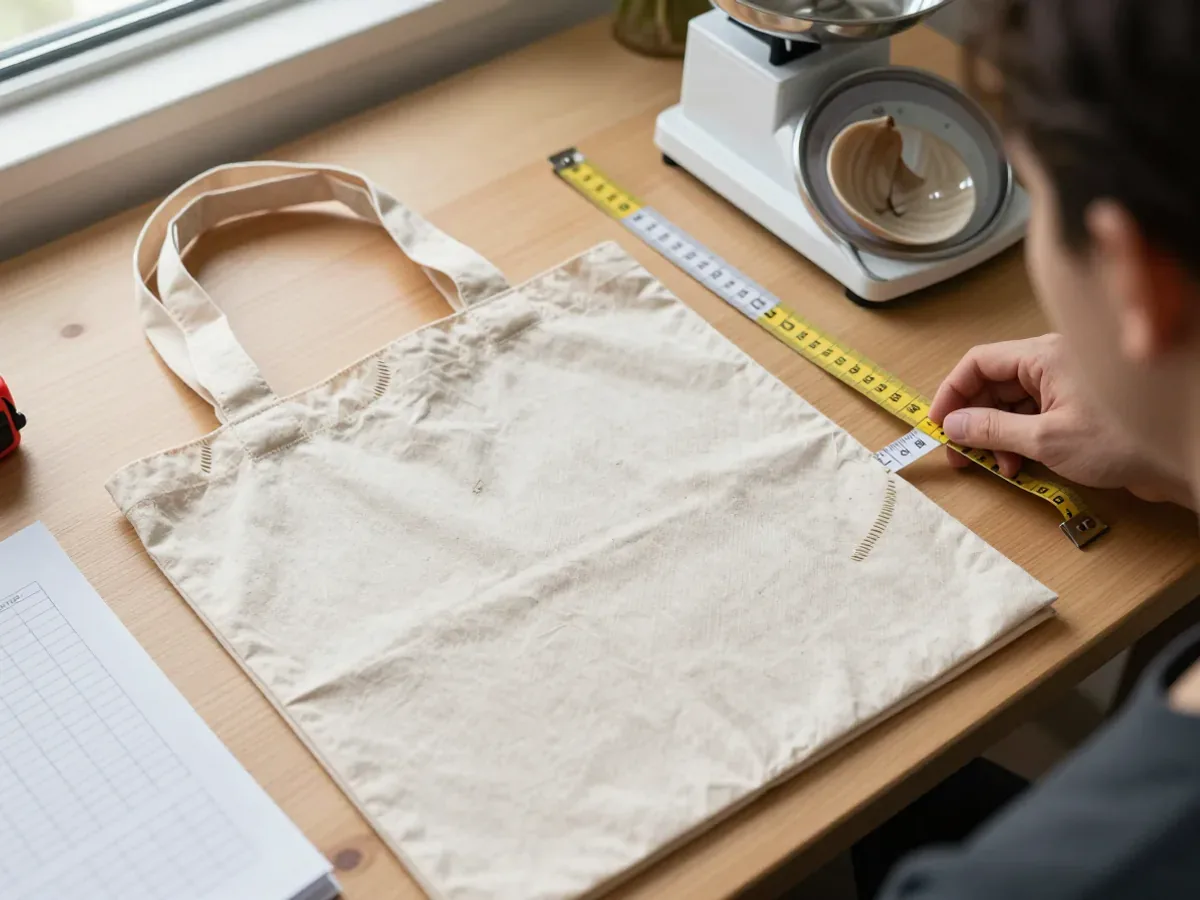
The fix started with the sample, not the factory. The buyer took the approved tote, cut one handle free, and measured the stitch run through the body. She weighed the shell on a kitchen scale and wrote the number down. Then she rebuilt the order as a list of measurable lines.
The rewritten sheet named the shell weight, the handle material, the handle length, and the stitch pattern at the join. It named the print method and the proof approval date. It also named the inspection points, so that a checker on the line knew which measurements mattered and when to stop a bundle.
The replacement run was checked at four points, from incoming fabric to packed carton. The first checkpoint caught a canvas roll that was close in colour but light in weight, and it was pulled before cutting. The handles on the second run were stitched through the body, and the loaded-bag test moved from the buyer's office to the line.
What a Buyer Should Lock Before the Run
A bulk canvas tote order should not rely on a sample as its specification. The sample shows what the bag can look like. The order sheet has to say what the bag must be, in numbers a cutting table and a sewing station can both read.
The first thing to lock is the shell weight, stated against the load the bag will carry rather than against a fabric name. The second is the handle: material, width, length, and how far the stitching runs through the body. The third is the print method and the point at which the proof is approved relative to the sample.
The fourth is the size, quoted to the artwork so that the print position and the handle drop stay in proportion. The fifth is the inspection schedule, with named checkpoints and the measurements to be taken at each. A bag that passes sampling and fails in bulk usually passed a look, not a list.
FAQ
Should a bulk canvas tote order use the same sample as the production run?
Yes, but only if the sample was built to the same written specification as the bulk order. A sample made from a short brief proves appearance, not repeatability. Ask for the sample to be produced against the final line items, and keep those line items attached to the approval.
How do I specify handle strength on a cotton tote order?
Specify the handle material, the width and length, and the stitch pattern at the join. State that the handle is stitched through the body rather than tacked at the rim, and name the load the bag is expected to carry. A handle is only as strong as the seam that attaches it.
Does a heavier canvas tote always cost more?
Not automatically. Weight is one input among several, alongside handle material, print method, size, and order quantity. A heavier shell can still be the cheaper order if it removes a rework risk or a return. Compare quotes on the full line item list, not on fabric weight alone.
When should print proofing happen relative to sample approval?
The proof should be approved before the sample is signed off, so the sample shows the actual print on the actual shell. If the proof comes after sample approval, the buyer is approving a bag that has not yet been printed, and the print becomes an untested variable in the bulk run.