Built from the old buyer guide on event totes, reworked around the cost lines a quote usually leaves out.
A marketing manager for a software company sent three tote quotes to her procurement team last spring, and the lowest unit price lost. The number she had been comparing was the print line. The number that decided the order was everything the print line left out.
Her event was a two day trade show with 1,800 attendees and a follow up shipment to six regional offices. One supplier quoted a bag at a number that looked clean and small. The other two quoted higher. When the finance team rebuilt each quote line by line, the cheap bag finished third. The gap was not in the logo. It was in fabric weight, print method, packing, and the cost of a second trip that nobody had budgeted for.
The Four Lines on the Quote and the Fifth One Nobody Prints
Most canvas tote quotes arrive with four visible lines: bag body, print, packing, and freight. A buyer reads those four, compares the totals, and picks the smallest. That comparison is honest and almost always incomplete.
The four lines describe what the supplier will make. They do not describe what happens when a bag fails the pull test, when a carton arrives at the wrong office, or when the event opens before the shipment clears. Those costs exist. They simply live in a different column, one the supplier never prints because it is not a price the supplier charges.
A printed canvas tote is the cheapest printed bag that still reads as a product rather than a giveaway. That is the reason corporate buyers keep returning to it. It is also the reason the quote looks deceptively simple. A bag that costs almost nothing per unit compared with a jacket or a bottle still carries a full production chain behind it, and every link in that chain has a cost that can move.
The fifth line is the buyer's own cost of getting it wrong. It includes reprints, reships, staff time spent chasing, and the quiet damage of handing an attendee a bag that splits at the seam before they reach the parking lot. None of that appears on a quote. All of it appears on a budget eventually.
Fabric Weight Is a Cost Decision Before It Is a Quality Decision
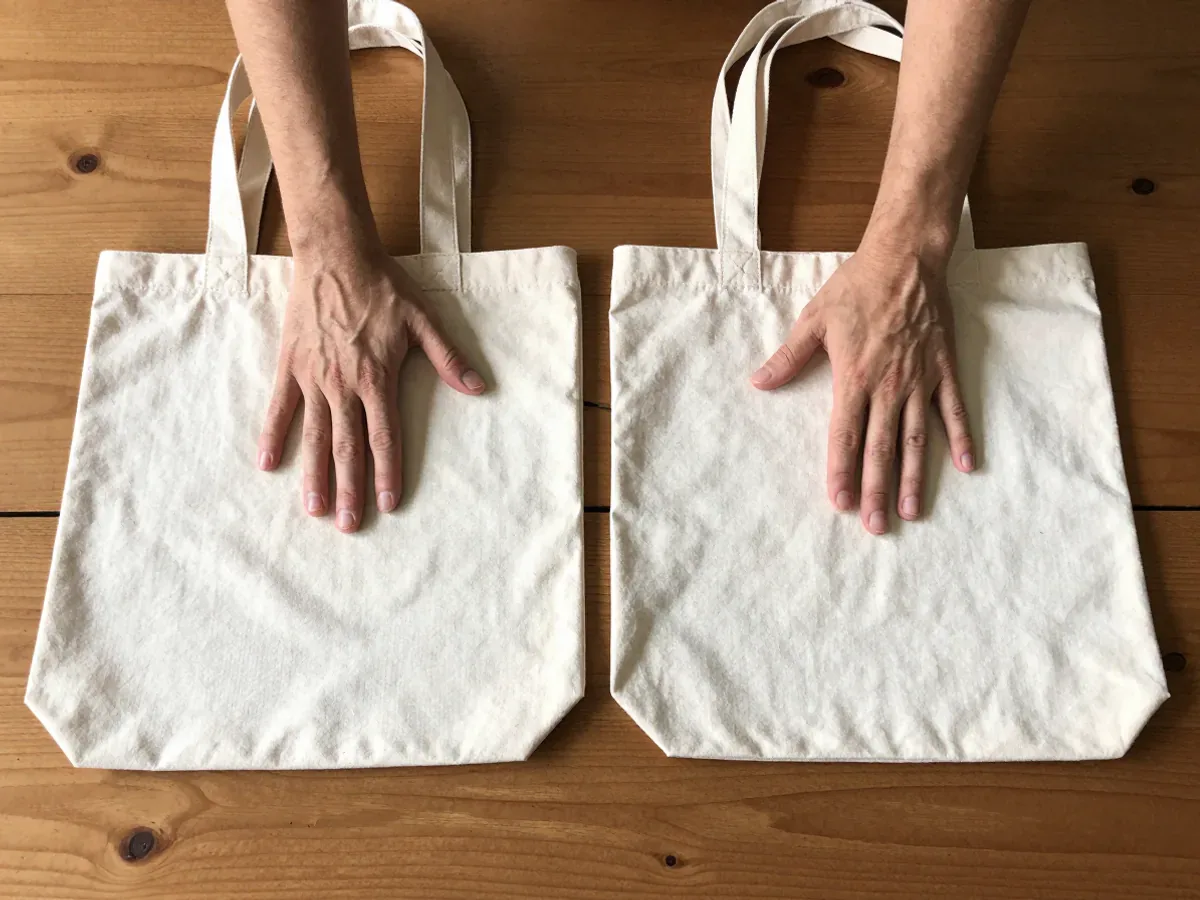
The body of a corporate tote is cotton canvas, natural or dyed, with handles in woven tape, webbing or rope. Those are the material choices. The cost question is how much canvas sits between the attendee's hand and the load inside.
A lighter canvas lowers the unit price in a straight line. Less fiber, less loom time, less weight to ship. The saving is real and it is visible on the quote. What it does not show is the second trip. A reusable bag is judged on the second trip, which means an event bag has to survive the way home, the gym bag phase, the grocery run three weeks later. A bag that fails on trip two was never a giveaway. It was a cost with a logo on it.
Weight also interacts with print. A thin canvas lets ink sit closer to the surface, and a heavy ink deposit on a light ground can stiffen the panel or show through on the reverse. A heavier canvas absorbs the same print with more body behind it. The print line may not change. The perceived quality of the print does.
The practical move is to decide the load before the weight. A tote that carries a notebook, a bottle and a brochure is a different bag from one that carries a laptop and a coat. Write the expected load into the spec, then ask each supplier what weight they recommend for it and why. A supplier who answers with a number and a reason is quoting a bag. A supplier who answers with a number alone is quoting a price.
Print Method Changes the Unit Price More Than the Logo Does
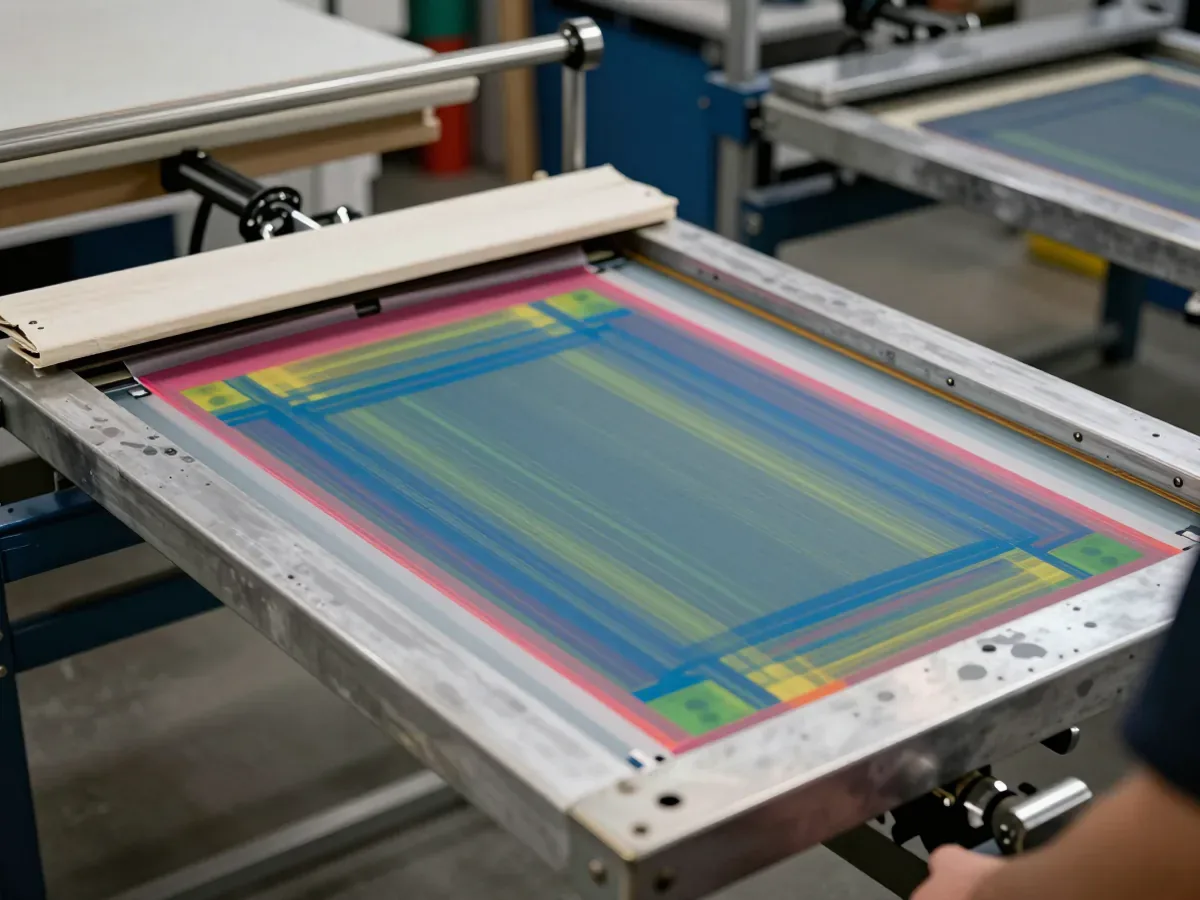
Screen print, heat transfer and a woven label are the three routes, and every one is proofed before production. Buyers often assume the logo size drives the print cost. It does, but less than the method does.
Screen print carries a setup cost per color and then runs cheaply across a large quantity. It rewards volume and simple art. Heat transfer carries a different setup and handles fine detail and gradients that a screen cannot hold cleanly. A woven label is a separate component with its own lead time, and it changes the bag from printed to labeled, which is a different product category in the buyer's mind.
The cost trap sits in the artwork. A logo with six colors and a gradient quoted as screen print will either be simplified, which changes the brand, or priced up, which changes the comparison. Two suppliers quoting the same logo size can land far apart because one priced a two color screen and the other priced a four color transfer. The logo did not change. The method did.
Stock colours can be swapped for a Pantone match, and a new size takes one sample round. Both of those are cost events. A Pantone match is a color approval step. A new size is a sample, an approval, and a production change. Neither is expensive on its own. Both add calendar time, and calendar time near an event date is the most expensive material in the order.
Packing Per Door: The Line That Turns a Cheap Bag Into an Expensive Morning
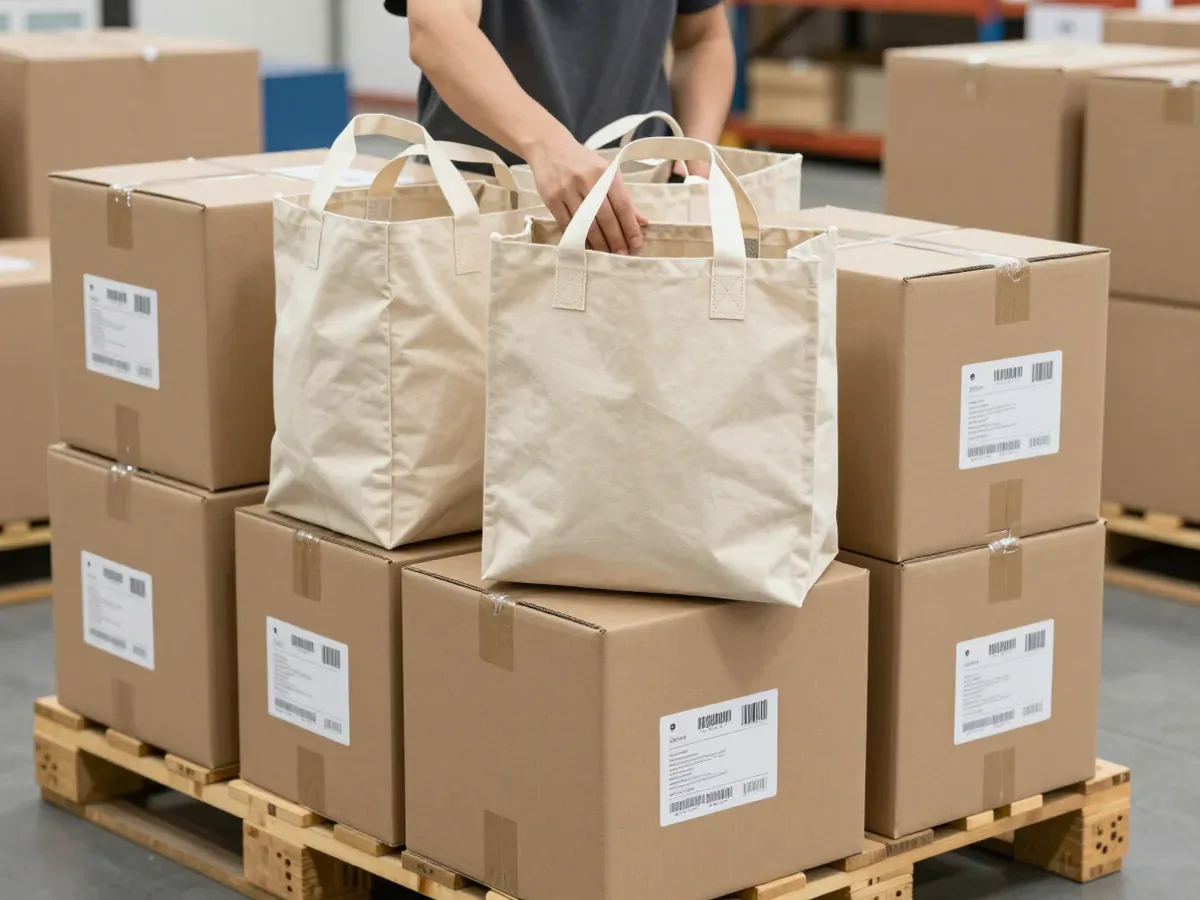
Packing options run from a polybag and hang tag to a retail carton or per store packing lists. For a single venue event, packing is almost invisible. For a multi city rollout, it becomes a line item that can rival the print.
Per store packing means someone counts bags into labeled cartons by destination, seals each one, and records what went where. That is labor, and labor is the part of a tote order that scales with complexity rather than volume. A supplier can run 5,000 identical bags through a line quickly. The same 5,000 split across forty destinations, each with its own count and label, moves at a different pace.
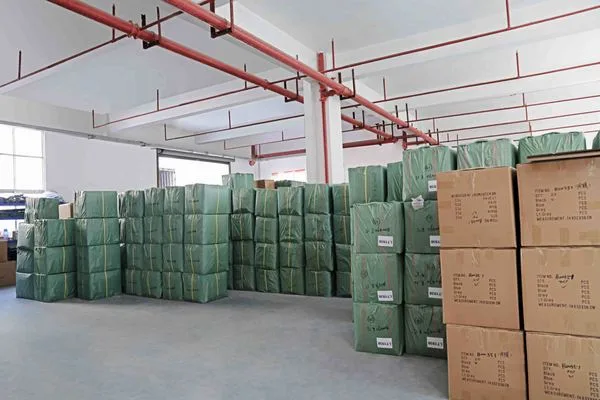
The cost shows up in two places. First on the quote, as a packing charge that looks optional. Second on the receiving dock, when a carton labeled for one office arrives at another and someone has to re-sort it under time pressure. Cartons are counted and photographed before the container seals, which protects the supplier and the buyer. It does not fix a packing list that was wrong at the start.
The buyer's move is to send the destination list with the inquiry, not after the order. Ask each supplier to price the split as a separate line. A supplier who prices per door packing clearly is telling you they have done it before. A supplier who folds it into a single packing charge is telling you they have not.
What Rework and Rejection Actually Add to the Order
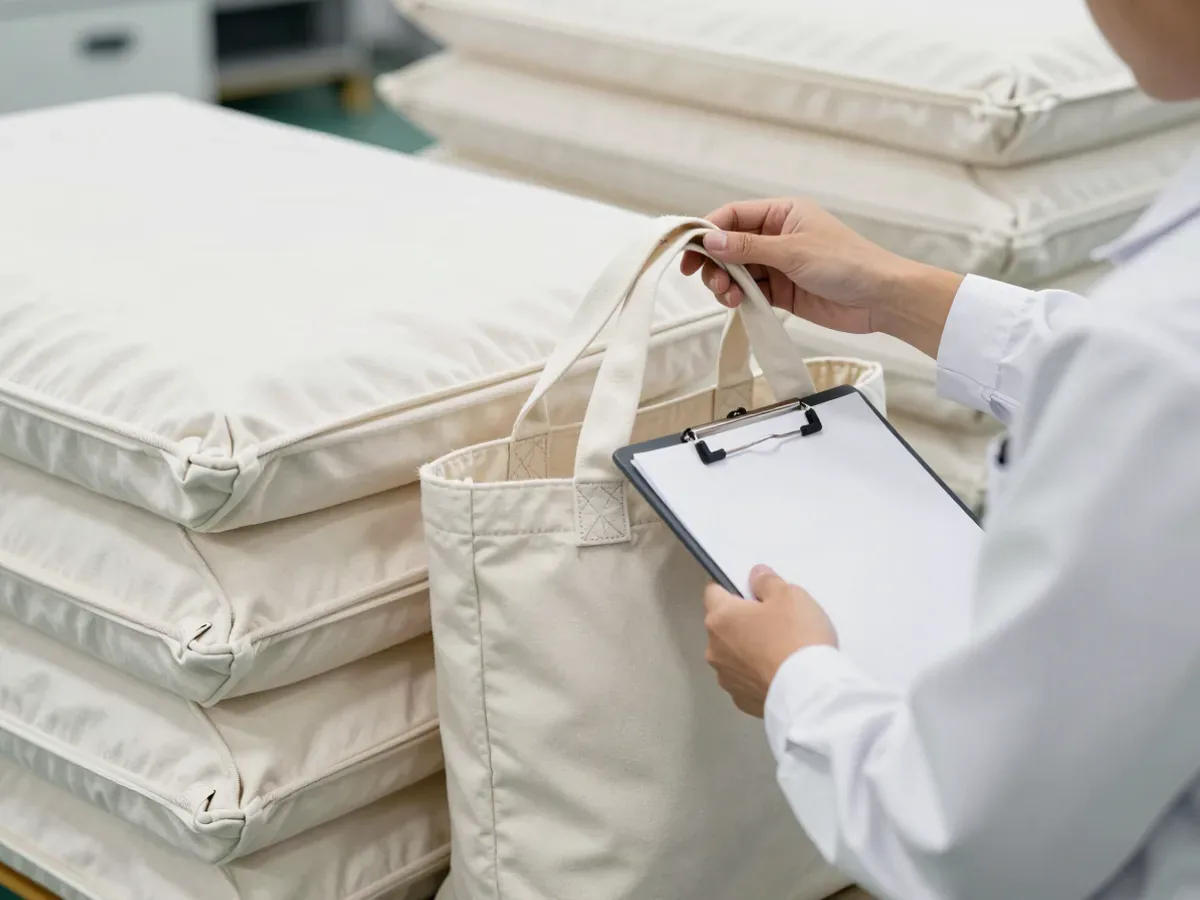
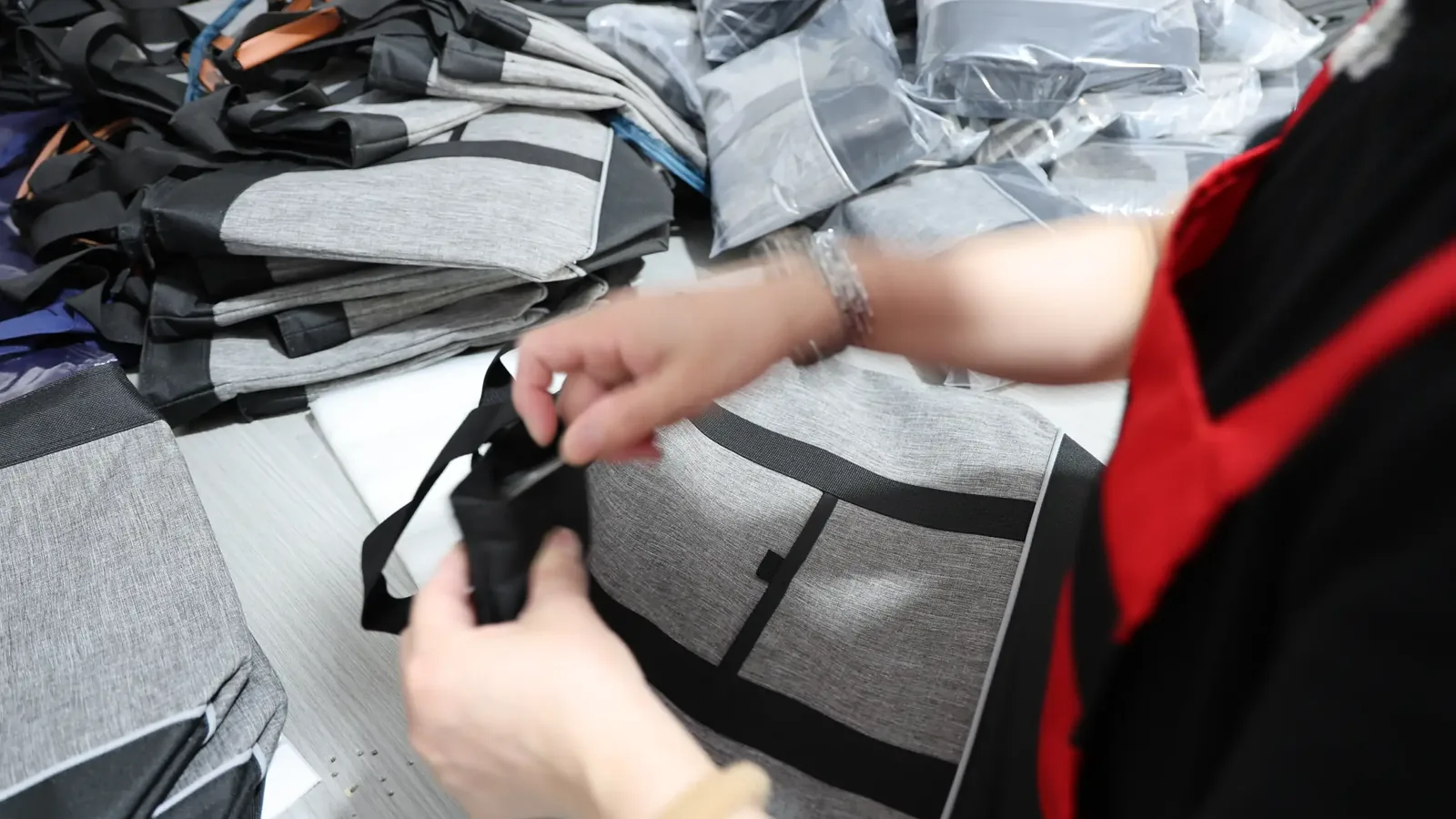
Incoming fabric, webbing, zips and thread are checked against the approved spec. Pull, seam strength and bar tack are tested on every batch. The finished bag is checked by hand for dimensions, handles, logo and packed quantity. Those checks exist because bags fail, and a failed bag has a cost that lands somewhere.
Rework is the cheaper outcome. A seam that did not hold, a handle set slightly off, a logo printed a few millimeters from the approved position. Rework means the bag is opened, corrected, and closed again. It costs labor and time, and it usually happens before the carton seals, which means it delays the shipment rather than the event.
Rejection is the more expensive outcome. A batch that fails the pull test or the seam strength test does not ship. The supplier absorbs the material and the labor, and the buyer absorbs the calendar. If the event date is fixed, a rejected batch becomes an air freight decision, and air freight on a bag order can erase the entire saving that made the cheap quote attractive.
The buyer does not pay for rework or rejection directly. The buyer pays for them in lead time, in the risk of a late shipment, and in the possibility that a partial order ships and the rest follows after the event. A quote that includes a realistic testing and correction window is not more expensive. It is priced honestly.
The Second Trip Test and Why It Belongs in the Budget
An event bag has one job at the event and a second job afterward. The second job is the one that pays back the marketing spend, because a bag that travels home and then to the supermarket keeps the logo in public view for months. A bag that fails on the way home is a cost with no return.
The second trip test is not a lab test. It is a question the buyer can ask before ordering: what will this bag carry on a normal day after the event, and will the seam, the handle attachment and the fabric weight survive it? A tote designed for a brochure and a bottle is not the same bag as one designed for a laptop and a coat.
Budgeting for the second trip means budgeting for the handle. Woven tape, webbing and rope carry different loads and attach differently. A bar tack at the handle joint is a small cost that decides whether the bag survives a heavy load. It is also the kind of detail a quote can quietly omit.
The marketing value of a corporate tote sits in reuse. Every extra trip is free brand exposure. Every failed trip is a bag in a bin with a logo facing up. The cost of building for the second trip is small per unit. The cost of skipping it is the entire promotional spend on that bag.
How to Compare Two Tote Quotes Without Being Fooled by the Unit Price
Two quotes for the same logo size can differ by a wide margin and both be correct. The comparison only works when the quotes describe the same bag. The buyer's job is to force that description onto paper before comparing numbers.
Build a comparison sheet with one row per cost item and one column per supplier. The rows that matter are fabric weight and composition, handle type and attachment, print method and color count, proofing step, packing format and destination split, testing routine, sample rounds, and the delivery window measured from artwork approval rather than from order date.
Then add a row the suppliers will not fill in: the cost of a late arrival. Put a number on it. A bag that misses its event has zero marketing value and a full invoice. That row is the reason a slightly higher quote with a realistic timeline can be the cheaper order.
The final check is the sample. A sample round is the only place a buyer sees the fabric, the print and the handle together before bulk. Budget for it as a line, not as a formality. A sample that gets approved without a pull test and a handle check is an approval of a photo, not a bag.
The Cost of a Bag That Arrives Late to Its Own Event
The software company's order shipped on time, in the end, because the buyer rebuilt the comparison and chose the middle quote. The middle quote had a higher unit price and a lower total cost, because it included per door packing, a two color screen print that matched the approved artwork, and a testing window that caught a handle attachment problem before the cartons sealed.
The cheapest quote would have shipped a lighter bag with a four color transfer and a single packing charge. It might have arrived on time. It might have split at the handle on the second trip. The buyer never found out, which is the nature of a cost that stays hidden until it does not.
The money in a corporate event tote order does not sit in the logo. It sits in the decisions around the logo: how much canvas, which print route, how the cartons are split, whether the handle is bar tacked, and how much calendar the order actually needs. A buyer who prices those decisions separately can compare two quotes honestly. A buyer who compares unit prices is comparing the fourth line of a five line bill.
FAQ
Is a heavier canvas always the more expensive option?
Not always. A heavier canvas costs more in material and freight, but it can reduce print problems and rework, which are separate costs. The right weight depends on the load the bag will carry and how long it needs to last. A lighter bag that fails on the second trip can cost more in total than a heavier one that survives.
Why do two suppliers quote very different prices for the same logo size?
The logo size is only one input. The print method, the number of colors, the proofing step and the fabric weight behind the print all move the price. One supplier may quote a two color screen print and another a four color transfer for the same artwork. Ask each supplier to state the method and color count in writing.
Does per store packing really add cost, or is it just a label?
It adds labor. Counting, labeling and sealing cartons by destination takes time that a single bulk pack does not. The cost is real and it is usually cheaper to pay it at the factory than to re sort cartons at the receiving dock under event deadline pressure. Ask for it as a separate line on the quote.
How much should I budget for a sample round before the bulk order?
Treat the sample as a production step with its own cost and calendar time. It covers the fabric, the print proof and the handle attachment in one place. Budget at least one round, and a second if the artwork or the size changes. A sample approved without a pull test and a handle check approves a photo, not a bag.