Drawn from reusable bag specs and production notes on materials, handles, print routes, labels and packing.
Every February, the same email lands in retail sourcing inboxes: a spring campaign needs 15,000 branded shopping bags, and the buyer has already approved a sample. The sample looked right in the photo. Then the follow-up questions started, and the order stalled for three weeks while the supplier scrambled for answers.
That gap between a good-looking sample and a purchase order is where most branded bag deals are won or lost. A retail buyer is not really judging the bag. They are judging whether the answers behind it hold up under scrutiny. Below are the questions that arrive after the sample, in roughly the order they come, and what the spec sheet and the production line actually show.
The Question That Comes After the Sample Looks Good

The sample is approved, and then the buyer asks a question that sounds simple: what exactly will be different in bulk? The honest answer is that a sample is a single unit, often made by a senior operator on a slower line, and bulk is a few thousand units made under time pressure.
A buyer who understands this stops asking whether the sample is good and starts asking which variables are locked. Material grade, print route, handle attachment, base construction and packing format all need to be written down before the sample is signed off. If the approval sheet only says "as per sample," the bulk order has no fixed reference, and any drift becomes a negotiation.
The practical move is to attach a spec sheet to the sample approval. It should name the material, the print method, the label type, the carton format and the size in numbers. When those five lines are agreed, the sample stops being a photo and becomes a document.
Which Material Will You Actually Put in the Quote?
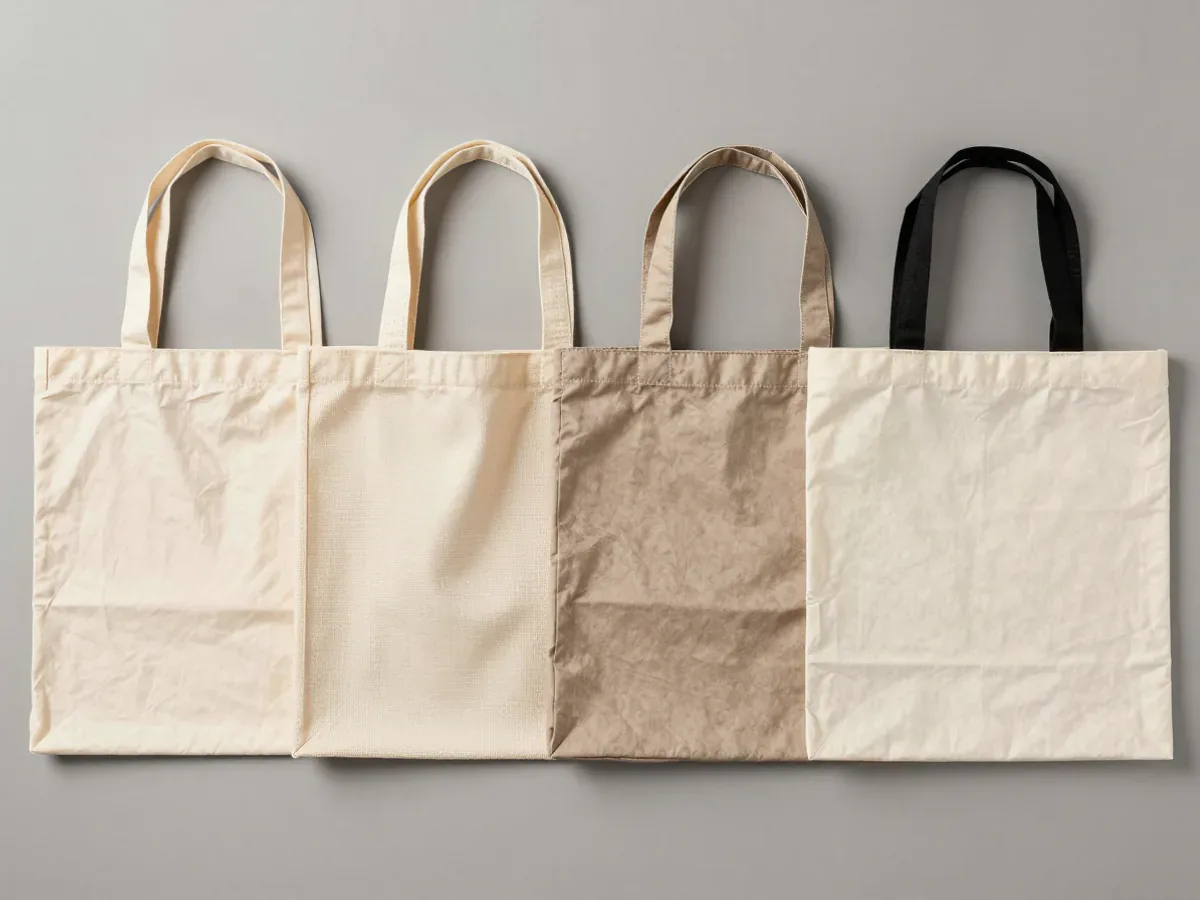
Buyers ask this because the same bag can be quoted in several materials, and the cheapest quote often hides a substitution. The reusable range runs cotton canvas, PP woven, non-woven and rPET, and each one behaves differently in the hands of a shopper.
Cotton canvas carries weight and softens with use, which suits fashion and lifestyle stores. PP woven is stiff and cheap to print, common in grocery and promotional work. Non-woven is light and folds flat, useful where storage space is tight. rPET appeals to buyers under pressure to show environmental progress, and it needs its own paperwork trail.
The question behind the question is traceability. A buyer wants to know that the material named in the quote is the material that arrives, and that the claim attached to it can be defended. Material notes and lifecycle information belong in the proposal, not in a later email. When a skincare retailer compared lifecycle data across options, the switch from paper to rPET was decided on that document, not on price alone.
How Is the Handle Attached, and Why Does It Matter?
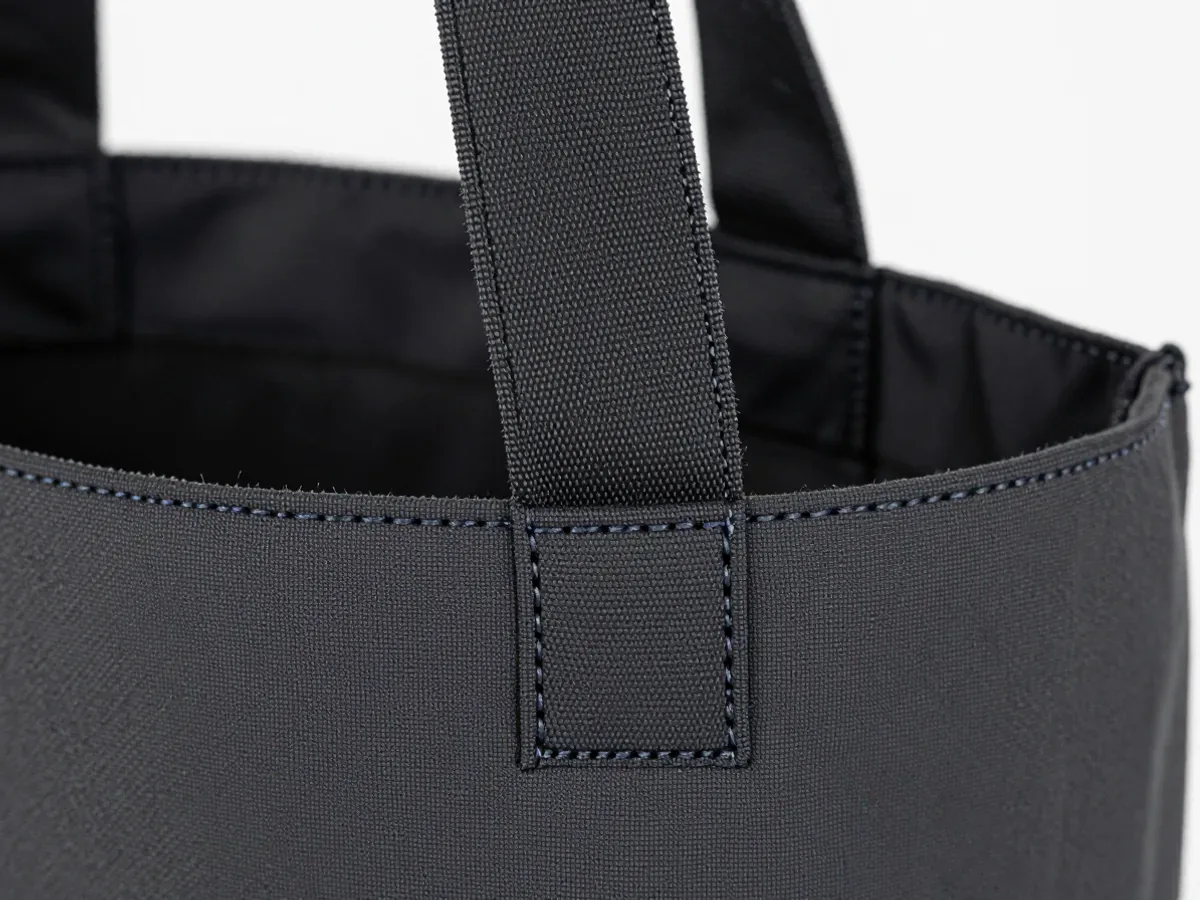
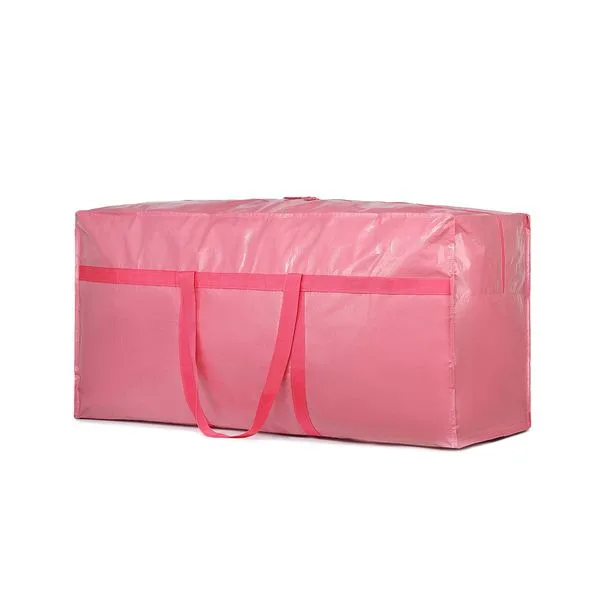
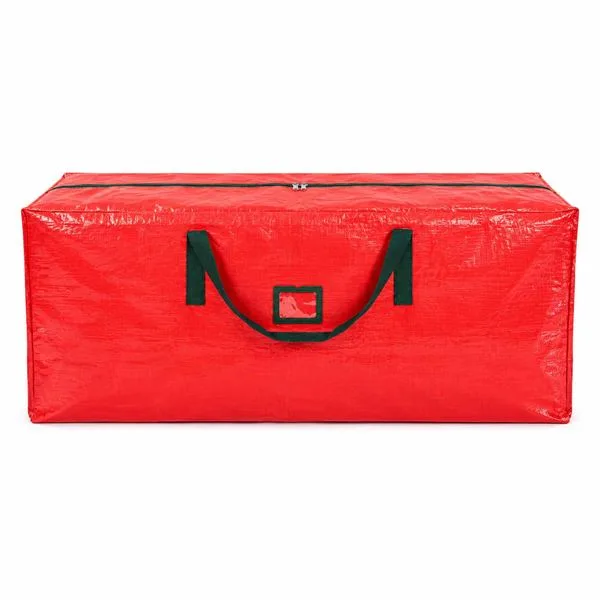
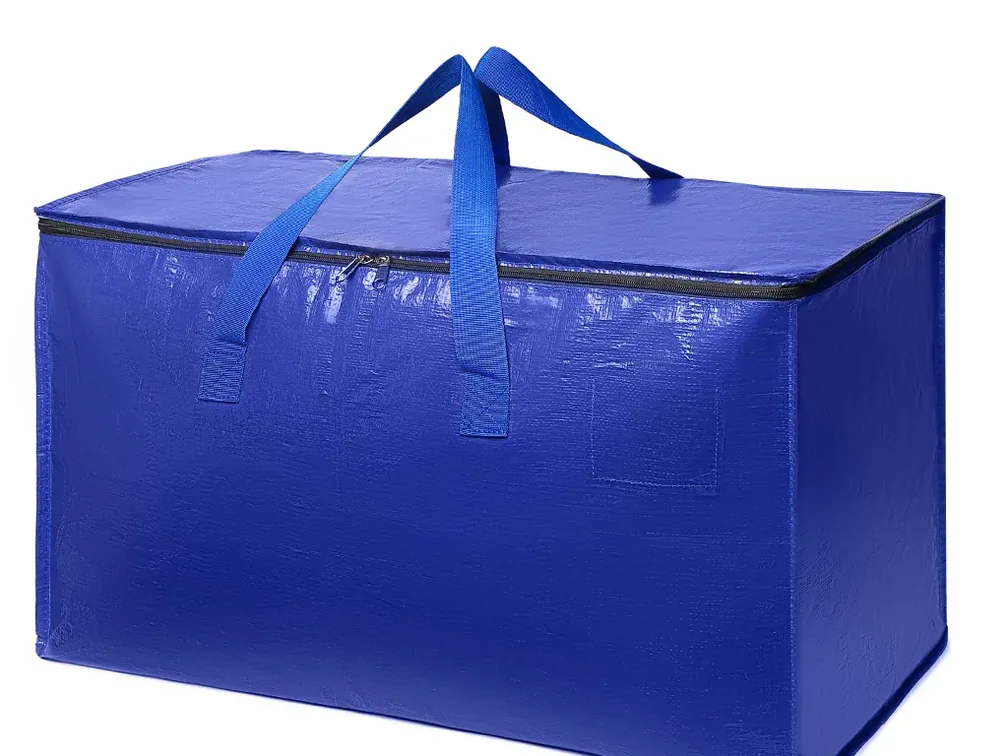
Handles fail before bodies do. A buyer who has been through one handle failure will ask this question early, and the answer separates two very different constructions. Handles can be stitched to the body, or tacked on at a few points and relied on to hold.
Stitched attachment spreads load along a seam, so a heavy purchase does not concentrate force on two small anchors. Tacked handles look identical on a shelf and separate under a full load in a car park. The buyer rarely sees the difference in a photo, which is why the question gets asked at all.
The follow-up is usually about reinforcement. A reinforced base and a flat folding body change how the bag behaves when it is loaded and stored. The base takes the weight, and the fold decides whether the bag sits neatly behind a counter or collapses into a pile. Both belong on the spec sheet as named features, not as assumptions.
What Happens Between Artwork Approval and the First Printed Bag?
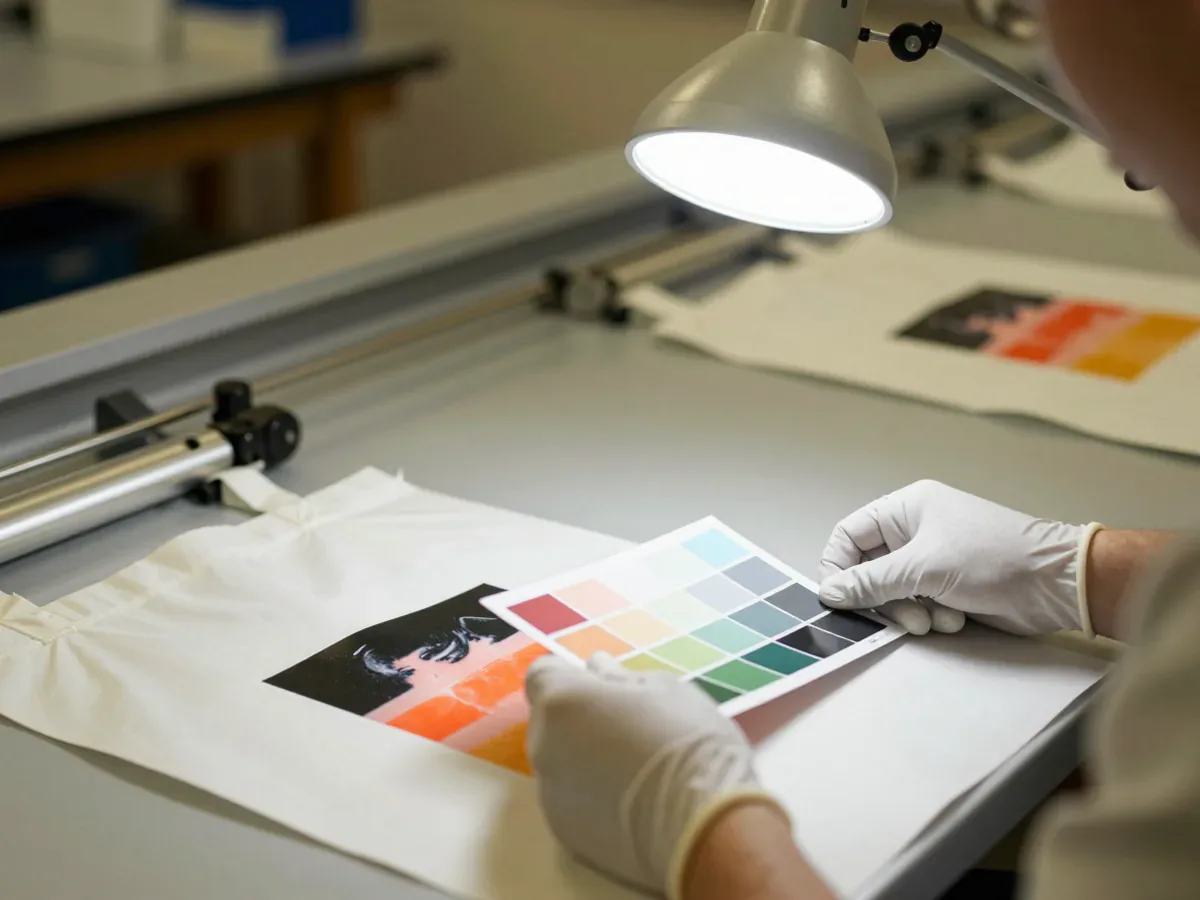
Artwork approval feels like the end of a process. In production it is the start of one, and the first printed bag off the line is the real proof. Screen print and heat transfer behave differently here, and the buyer's artwork decides which route is realistic.
Screen print lays down opaque colour and holds up on cotton canvas and non-woven, but fine gradients and small type can close up in the mesh. Heat transfer handles detail and photographic artwork, with a different hand feel on the surface. A buyer who approves artwork without knowing the route is approving an image, not a result.
The control point is the first-off bag. Someone compares it to the approved artwork under the same light the store will use, checks position, size and colour against the Pantone reference, and signs it off before the run continues. Stock colours can be swapped for a Pantone match, but that swap has to be confirmed on a physical piece, not on a screen.
Can the Bag Carry the Label and the Packing the Store Needs?
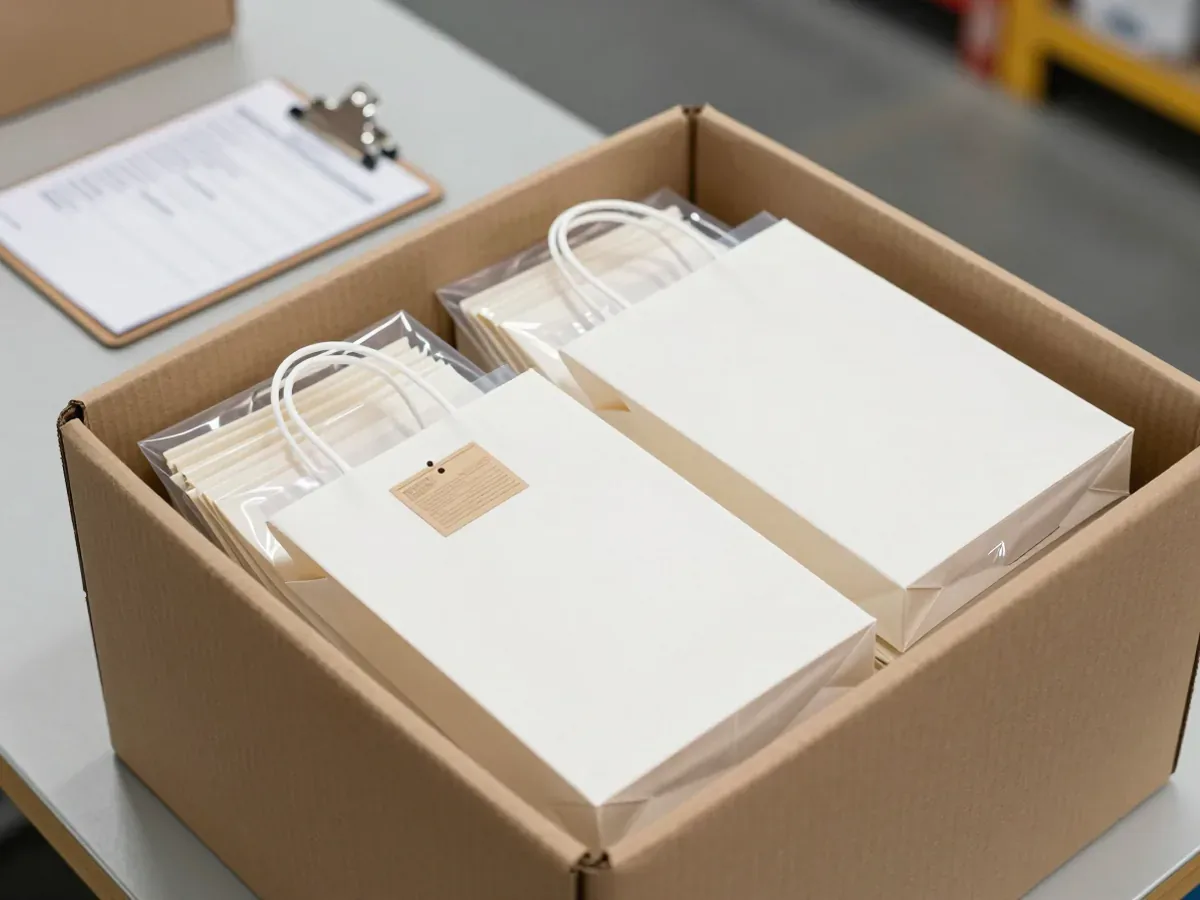
A bag that looks right and arrives wrong at the store is still a failed order. Retail buyers ask about labelling and packing because both touch the store's own operation. A print or woven label has to be approved before the run, and the label position is part of the brand presentation, not an afterthought.
Packing is where retail orders diverge from wholesale ones. Polybag, hang tag, retail carton or per store packing lists each serve a different receiving process. A chain with regional distribution may need cartons split by store so that stock lands on the right shelf without a sorting step. A single-location store may only need a clean retail carton.
The buyer's real question is whether the supplier can follow a packing instruction that is not the default. That is a documentation question as much as a production one. The packing format should be written into the order, with a sample of the packed carton approved before the full run is packed.
What Does Your Inspection Catch Before the Carton Closes?
Buyers ask this to find out whether inspection is a real step or a line on a website. Every order passes a finished bag inspection, and the useful part is what that inspection looks at. Stitch quality at the handle and base, print registration against the approved first-off, label position, and the fold behaviour of the finished bag.
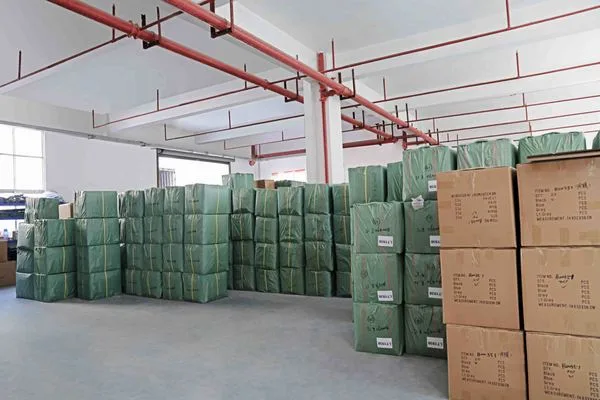
The final count before dispatch is the second gate. A short carton discovered at the store is a customer service problem the buyer has to absorb, and they know it. Counting before the carton closes is cheap. Counting after it lands is not.
A buyer can test this without visiting the factory. Ask for the inspection record from a recent run, including what was checked and what was rejected. A supplier with a working inspection step will have rejections to show. A supplier without one will have a clean sheet and no detail.
The Question Buyers Ask After the Second Order
The first order is a test. The second order is where the real question surfaces, and it is rarely about the bag. It is about whether the second run matches the first. Colour drift between runs, a changed material source, a handle that was reinforced last time and is not this time, all show up after reorder.
This is why the approved first-off bag and the signed spec sheet matter more than any single sample. They are the reference that makes run two comparable to run one. A supplier who keeps those records can answer the reorder question with evidence instead of reassurance.
Retail buyers are prioritising environmental impact, brand alignment and reliable delivery, and they treat a supplier as a partner when the answers hold across seasons. The bags that survive a retail buyer's questions are not the most attractive samples. They are the ones with a document behind every claim.
FAQ
Do retail buyers expect a woven label or a printed logo?
Either can work, and the choice depends on the brand and the material. A woven label gives a textured, premium feel and is often used on cotton canvas. A printed logo suits screen print and heat transfer routes and covers larger areas. What buyers check is that the label or print is approved before the run and positioned consistently.
Can stock colours be matched to a Pantone reference?
Stock colours can be swapped for a Pantone match. The match should be confirmed on a physical piece under store lighting rather than on a screen, because material surface changes how a colour reads.
What packing formats do retail buyers usually request?
Polybag, hang tag, retail carton and per store packing lists are the common formats. The choice follows the store's receiving process, so a chain with regional distribution may need cartons split by store while a single store may only need a retail carton.
How do buyers check that handles will hold?
Ask how the handle is attached. Stitched attachment to the body distributes load along a seam, while tacked handles concentrate it at a few points. A loaded test on the finished bag, plus the inspection record for handle stitching, gives the buyer something concrete to review.