A reusable bag markets a business as eco conscious by being used rather than by being printed, so the claim sits in 4 spec lines: the shell, the handle, the base and the print. The bag then carries the promise into a customer's kitchen, which is work no single use bag can do.
The answer on Market your business as eco conscious sits in the detail:
A buyer sent over a photo of a bag from an eco campaign that split at the handle inside its first week, and the same question came up again this month. The base carried a reinforcement and the handles were stitched through the shell instead of tacked at the top edge.
Buyers read labels now and hold a bag up to the light before they trust the line printed on it, which is why a campaign that starts with the object outlasts one that starts with the logo.
Four windows in the year that decide the bag
Timing decides more of a reusable bag campaign than the artwork does, and the year holds 4 windows that suit different bags.
| Window | What the bag is for | Where it works |
|---|---|---|
| April | Earth Day promotions | Store events and email |
| May to August | Summer retail and travel | Markets and pop up stalls |
| September | Back to school and Q4 planning | Campus shops and retail chains |
| October to December | Holiday promotions | Store fronts and the website |
Most programs still buy in the last quarter and get a bag that arrives after the season it was meant for. A spring launch, an Earth Day push or a summer travel promotion gives the same bag a longer run, and the customer who receives it has somewhere to take it.
The venue matters as much as the month. A bag handed over at a farmers market is seen in that same market the following week, while a bag handed over at a store counter moves to the car park and then to a kitchen cupboard.
Four steps from a blank shell to a claim
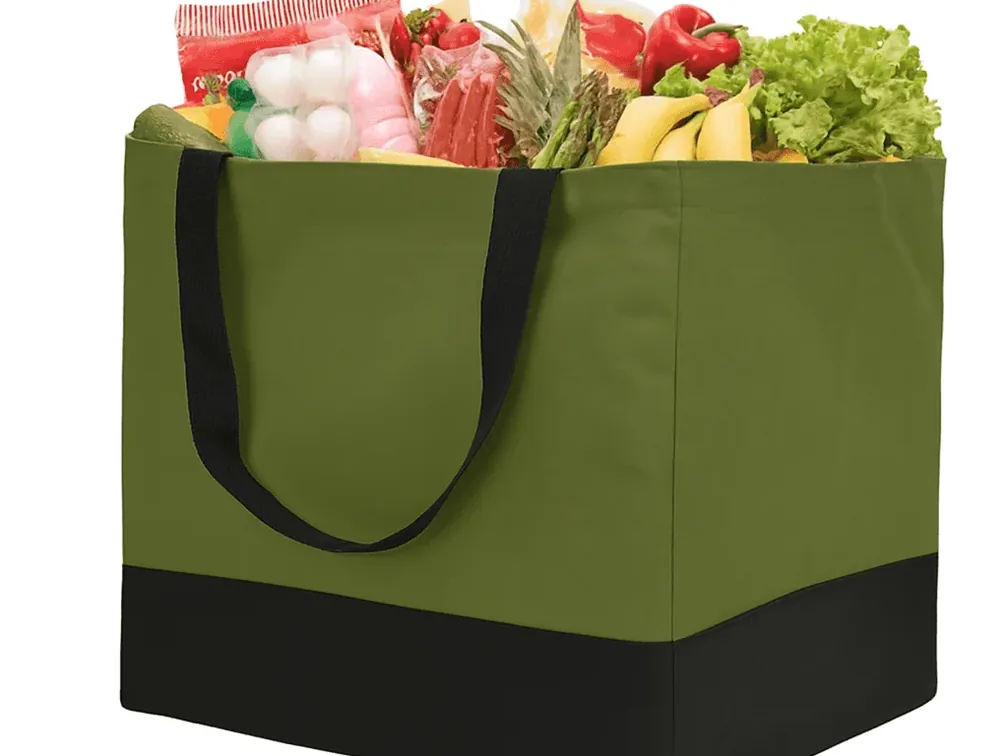
Four decisions turn a plain reusable bag into something a brand can put its name on, and each one is a spec line rather than a slogan.
- Pick the shell against the promise. rPET is woven from recycled bottles with the same construction as the standard fabric, and the full range covers PE, PP woven, non-woven, polyester, nylon, canvas, jute and rPET.
- Set the base and the handle before the artwork. Handles are woven or webbing, stitched through the shell, and the body is a reinforced base with a bag that folds flat.
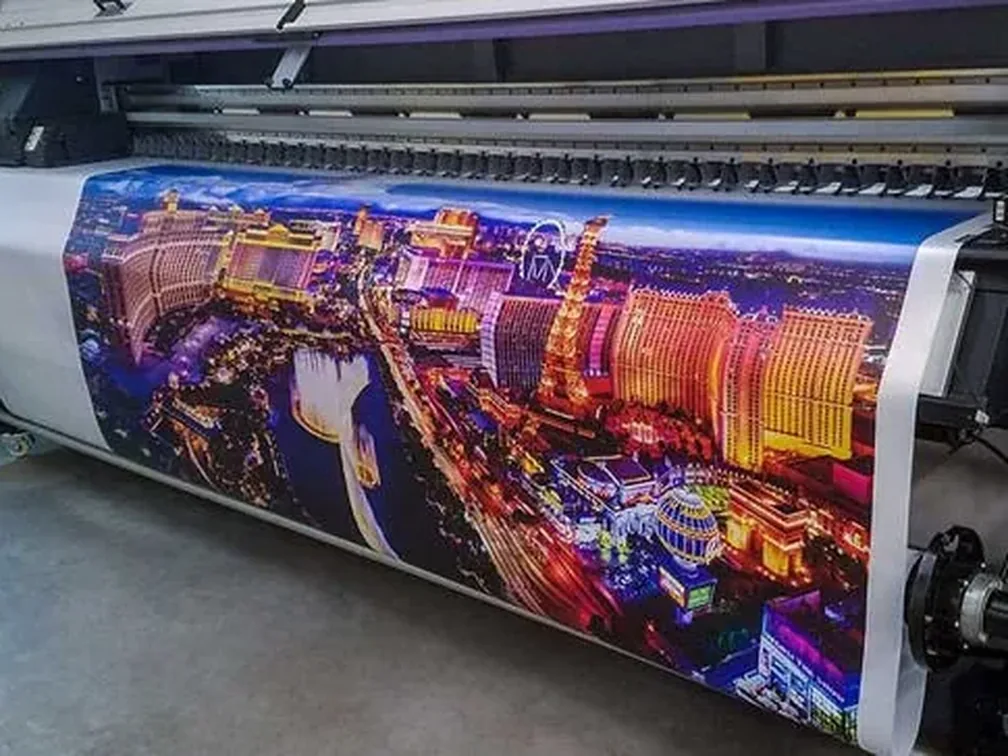
- Proof the print. Screen print, heat transfer or a woven label all go through a proof before the run, because a logo that bleeds into a seam wastes the shell underneath it.
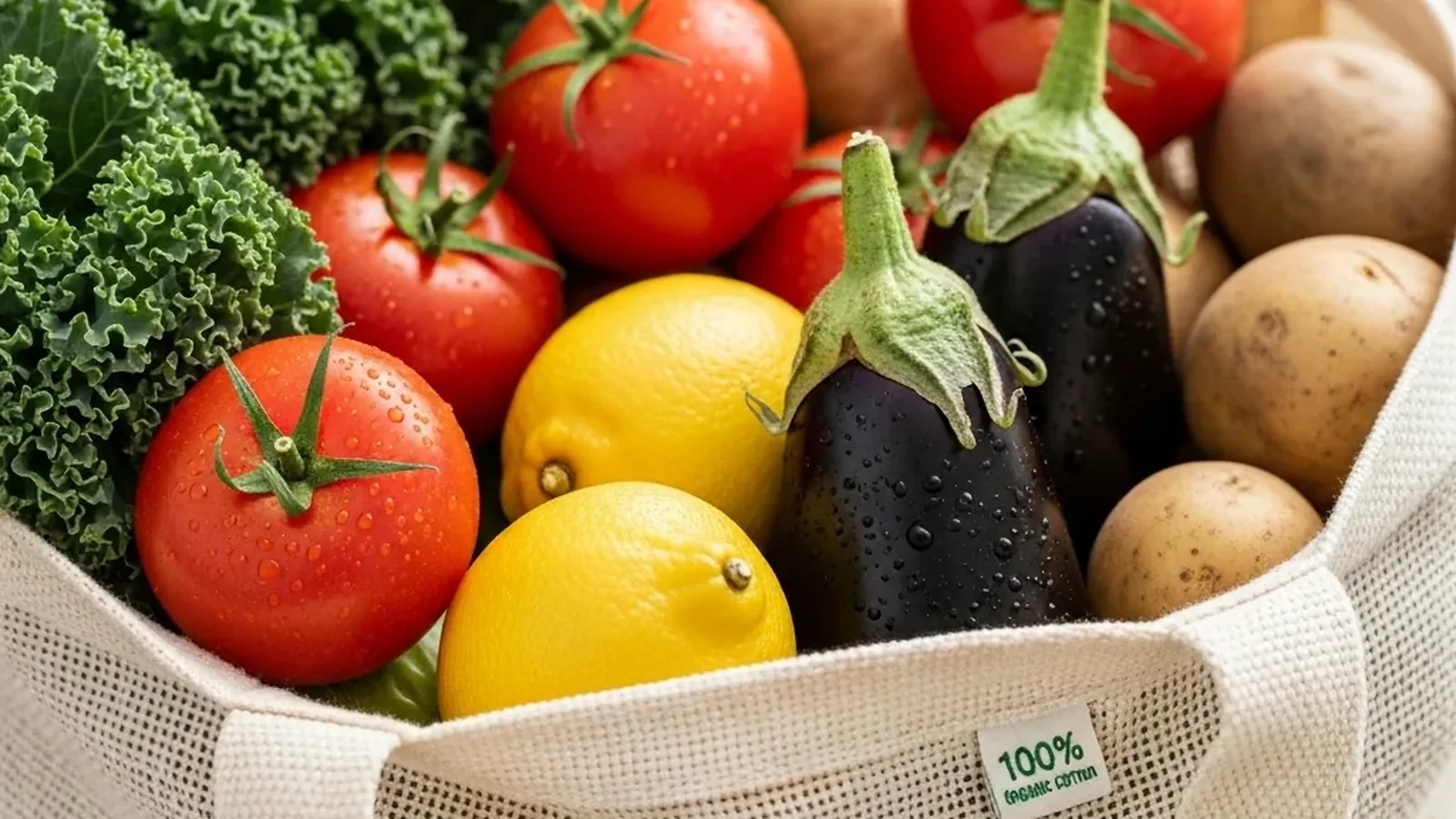
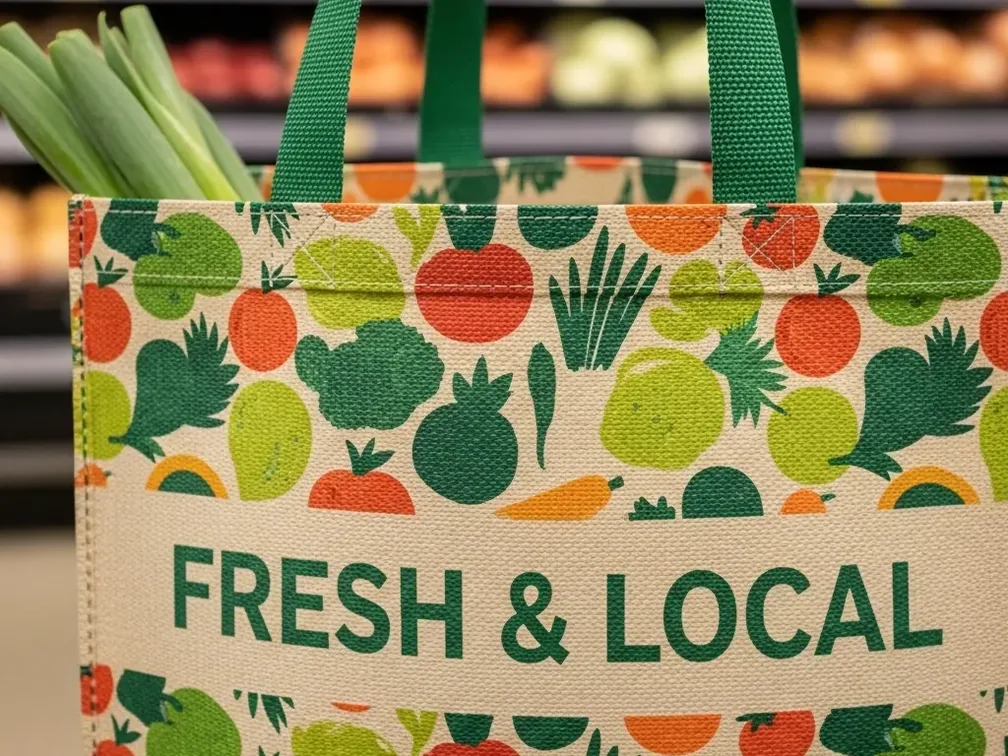
- Give the customer a reason on the tag. Even a bag that is genuinely eco friendly is wasted if buyers never learn it, so the tag carries one plain line on the material and one on care.
The order of those steps is the method. A program that sets the artwork first spends the rest of the project protecting it, while a program that settles the shell, the handle and the base first can print almost anything on a bag that already works.
Design starts with the audience, since a minimal customer and a bold one want different bags, and the design that fits the customer is the one they keep using and pass on.
Where an eco claim falls apart
Eco friendly shopping bags fall apart in 3 places, and none of them is the print.
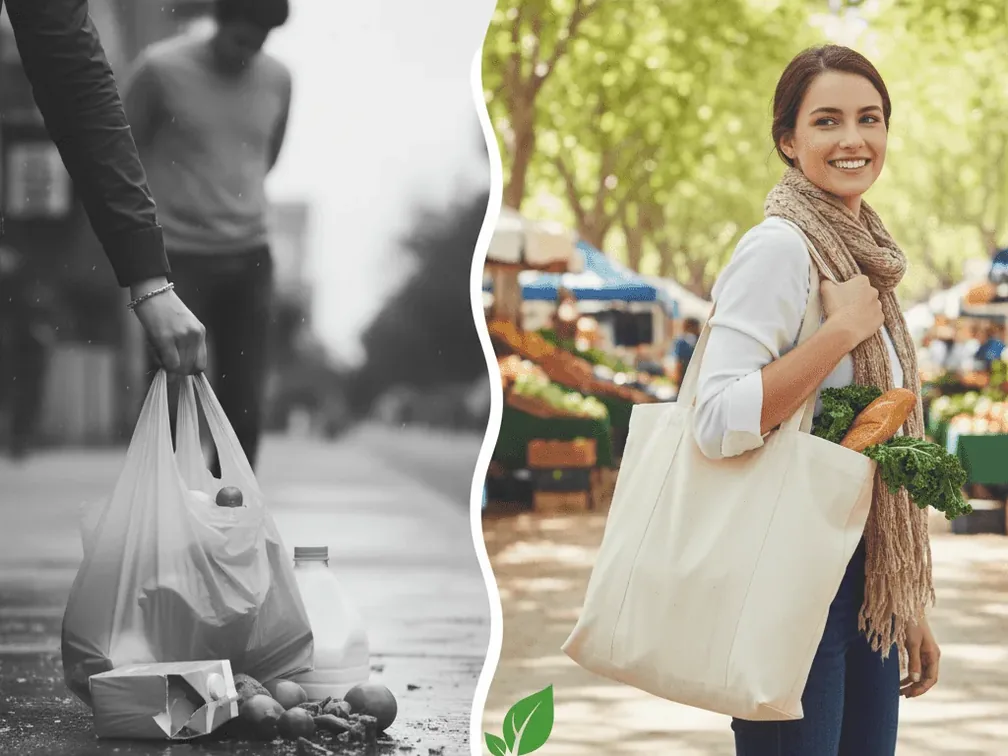
Flimsy shells come first. Many Promotional Bags: What Actually Works for reach landfill because they are flimsy or awkward, and a bag that tears on the second trip says more about the brand than the badge did.
A blank bag comes second. A bag with no design and no message is a missed opportunity, since the bag only advertises when it carries something a customer wants to read.
The third failure is feel. If a bag looks cheap or feels disposable, buyers attach that to the brand rather than to the bag itself. Feel is also physical, because a bag that folds flat lives in a drawer while a bag that resists folding is left at the till.
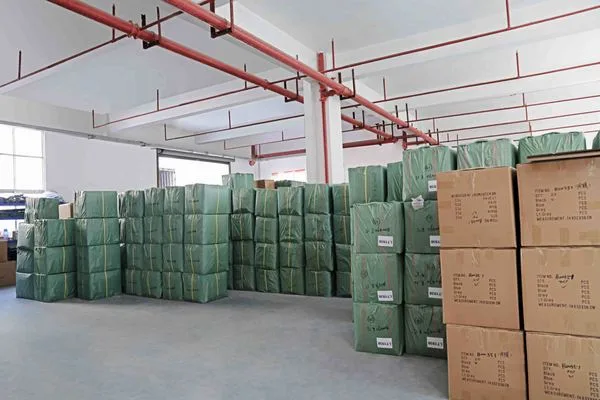
Buyers ask market your business as eco conscious: the seam, the handle join and the label are read on a sample before the batch. We check incoming material, seams and zips, finished dimensions and the final carton count, and cartons are photographed before loading, so a bag that fails on any of those lines stops at our wall rather than at a customer's door.
Questions buyers ask before an eco campaign
What makes a bag carry an eco claim?
The bag has to show the claim in use, on 3 points: a named material, a handle that holds a loaded bottle and a print that survives a wash. A tag line is a promise, while the bag in the hand is the proof of it.
Which shell suits which program?
Match it to the shop. rPET carries a recycled story, canvas makes the bag feel like a product, non-woven suits a volume campaign and jute reads as a premium gift.
How long does the bag keep working?
Longer than the campaign that paid for it, because most marketing is one time or digital only, while a bag keeps working as a mobile ad for months.
What should the tag say?
A short tagline plus the material and the care rule, because a customer needs a reason to trust a claim more than a science lecture.
What a bag is worth to the program
Sustained visibility is the return a program buys, and it is why retail buyers use branded bags inside loyalty programs and seasonal campaigns rather than as a one off gift.
Buyers want more than a cheap product, they want ethics and purpose, and a bag that aligns the brand with those values while staying functional is the plain version of that argument.
Reusable bags show environmental responsibility and brand values, which is why the bag belongs in a marketing plan rather than in a cost line.
A bag is seen at the store, at a market and at home, so reusable shopping bags put the name into a customer's week without another ad buy.
Bulk buying spreads the cost across a program, since the same order lowers the cost per item while putting the bag in front of more people.
The waste argument is the part a buyer can defend in a meeting. Reuse sits above disposal in the order policy ranks waste, so a bag that returns to the store is prevention rather than a nicer form of packaging (EC).
Preventing waste is the preferred option, and sending waste to landfill should be the last resort
Consumer advice points the same way, and the agency line is that a reusable shopping bag is one way a household cuts waste (EPA).
When buyers understand the value, they keep the bag, talk about it and hand the recommendation on to someone else.
Green marketing only holds when the bag behind it holds, and a bag that is still in a kitchen 2 years after the launch does that work every week.
How to check a bag before the next run
Four checks tell a buyer more than any photo of a finished bag, and all 4 can be run on a desk in an afternoon.
- Load the base. A bottle in the base and a full shop in the body show where the shell gives.
- Pull the seams. Seam strength shows at the point where the handles meet the body.
- Wash it once. The print is the last thing to survive a wash and the first thing a customer notices when it does not.
- Read the last carton. Incoming material, seams and zips, finished dimensions and the carton count are the 4 passes we run before dispatch.
A program that runs those checks before a repeat run knows whether the bag earns the claim on the tag, and a bag that fails check 2 or check 3 is cheaper to change than to explain to a customer.
Being clear and fast about what a bag can and cannot do is what separates a supplier a program returns to, and on this side of the trade a smooth process beats a low cost every time.
Related ground sits beside this page. Which format carries a brand furthest is in Promotional Bags: What Actually Works for, the retail format is covered under Why Are Shopper Bags the Must-Have, and the repeat trip side of the argument is in How Custom Reusable Shopping Bags Build.
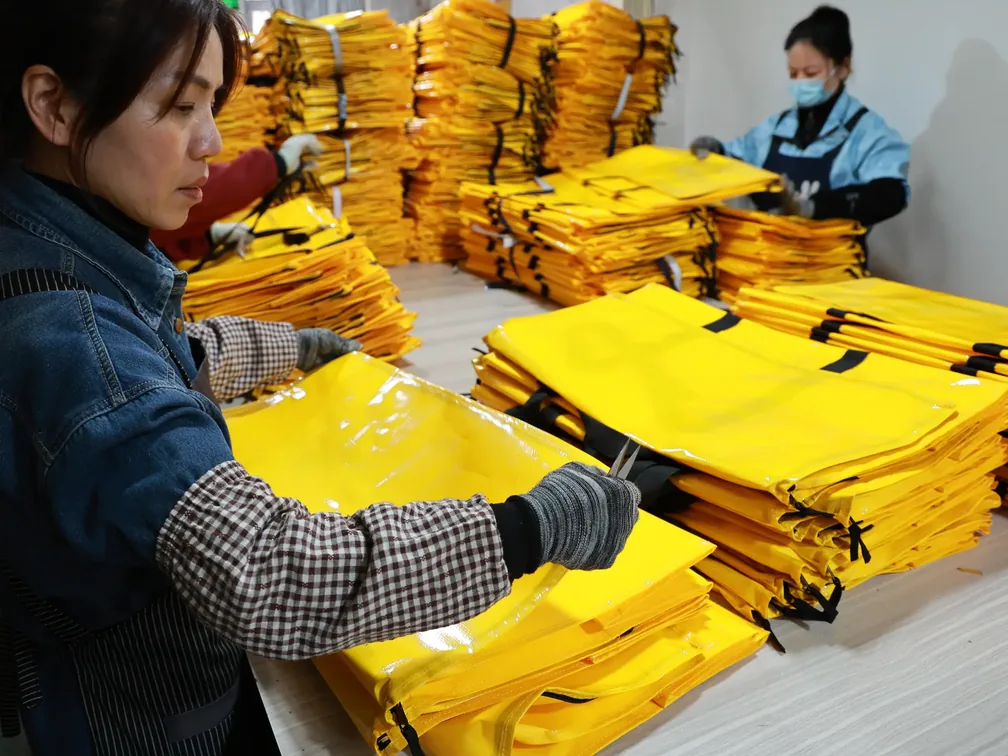
The bag does the marketing: it shows the values on a shelf, keeps the name visible for months and saves the program a second ad buy, and it does that only when the shell, the handle and the base were right before the first print.
Related reading from the same line: Why Are Shopper Bags the Must-Have.